
Gear article
Lewitt LCT 640 TS Large-Diaphragm Condenser Microphone
The Lewitt LCT 640 TS is a versatile large-diaphragm condenser microphone designed for professional studio recording. It is distinguished by its unique dual-output mode, which allows for the independent recording of the front and rear diaphragms, enabling polar pattern adjustments after the recording process is complete.
See live pricesOverview
The Lewitt LCT 640 TS is a high-specification studio condenser microphone that builds upon traditional transducer technology with modern digital integration. At its core, it features a 1-inch true condenser capsule designed to provide detailed audio capture. The unit is priced within the mid-to-high professional bracket, typically retailing around GBP 768.
While it functions as a high-quality multi-pattern microphone in single-output mode, its true innovation lies in the 'TS' (Twin System) designation. This system allows the front and back of the capsule to be recorded as separate signals, providing engineers with unprecedented control over spatial characteristics during post-production.
Key Features and Circuitry
The LCT 640 TS utilizes independent circuitries for the front and rear elements of the diaphragm. In standard single-output mode, the microphone offers five selectable polar patterns: omni, wide cardioid, cardioid, supercardioid, and figure-8. This range makes it suitable for various applications, from isolated vocal recording to capturing room ambience.
In Dual-Output Mode, the signal is split. By using the included breakout cable, the user can record two independent tracks. This configuration also facilitates Mid-Side stereo recording with a single microphone body, providing an immersive stereo field without the need for a traditional two-microphone array.
Sound Character
The microphone is designed to offer a balanced and transparent sonic profile. Because of its large-diaphragm construction, it provides the sensitivity required for delicate acoustic instruments while maintaining the robustness needed for vocal performances. The ability to manipulate the polar pattern after the fact also allows users to fine-tune the 'bleed' and room response, effectively altering the sound character to suit the mix requirements after the session has ended.
Target Audience and Applications
The LCT 640 TS is primarily aimed at professional studio engineers and high-end home recording enthusiasts who require maximum flexibility. It is particularly useful for:
- Vocalists: Allowing for precise adjustment of the proximity effect and room rejection.
- Instrumentalists: Especially those recording in acoustically imperfect spaces where pattern adjustment can mitigate reflections.
- Stereo Recording: For those needing a compact Mid-Side solution.
Comparison to Alternatives
When compared to industry standards like the Neumann TLM 103, the LCT 640 TS offers significantly more features regarding polar pattern flexibility, whereas the TLM 103 is a fixed-cardioid microphone. Against the Shure SM7B, the Lewitt provides the extended high-frequency response and sensitivity typical of condensers, which the dynamic SM7B lacks. Compared to small-diaphragm options like the Neumann KM 185, the LCT 640 TS offers a fuller low-end response, though it is physically much larger and less discrete for live instrument spot-miking.
Related gear
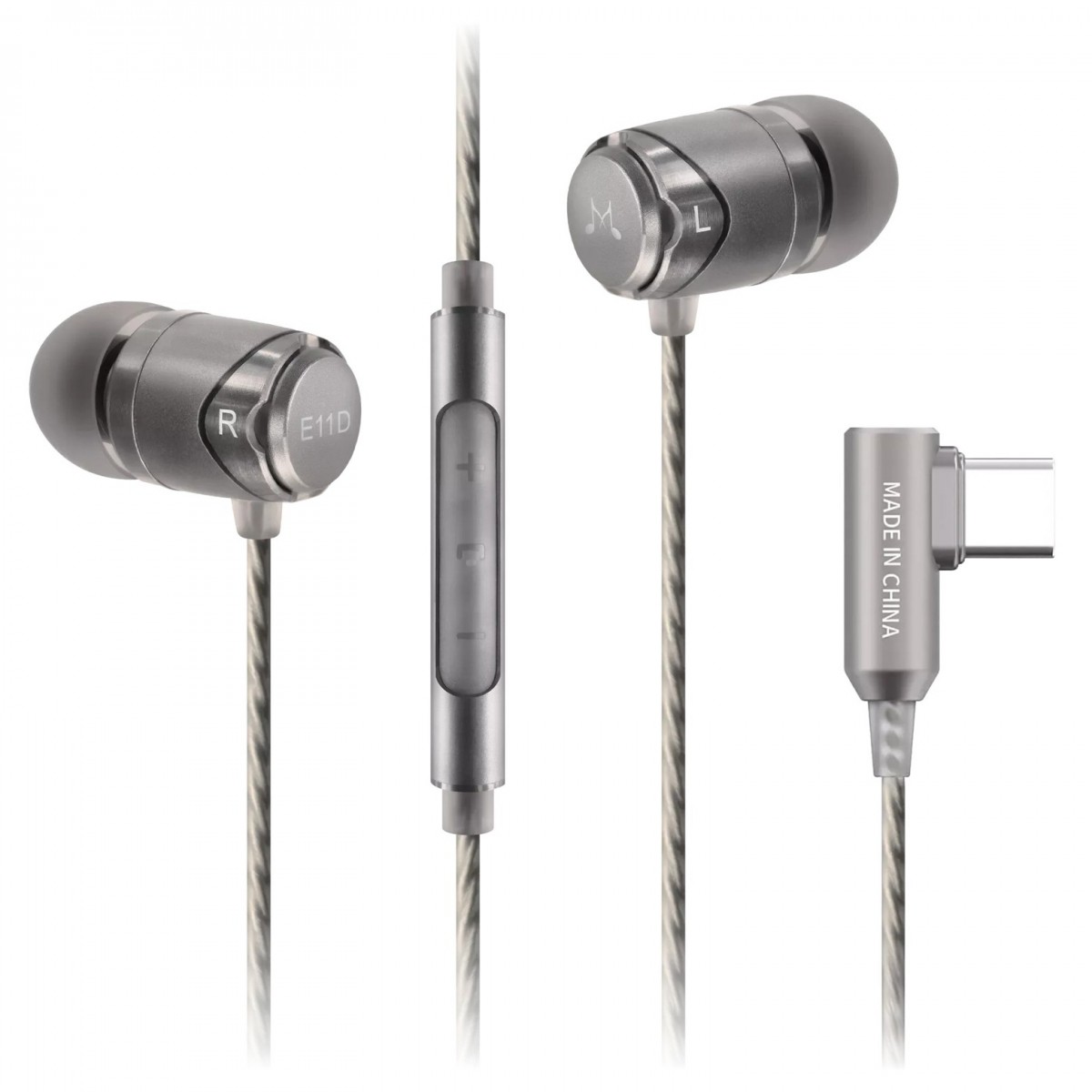 £39.98 ($51)
SoundMagic
SoundMAGIC E11D In Ear Isolating USB-C Earphones with Mic Silver
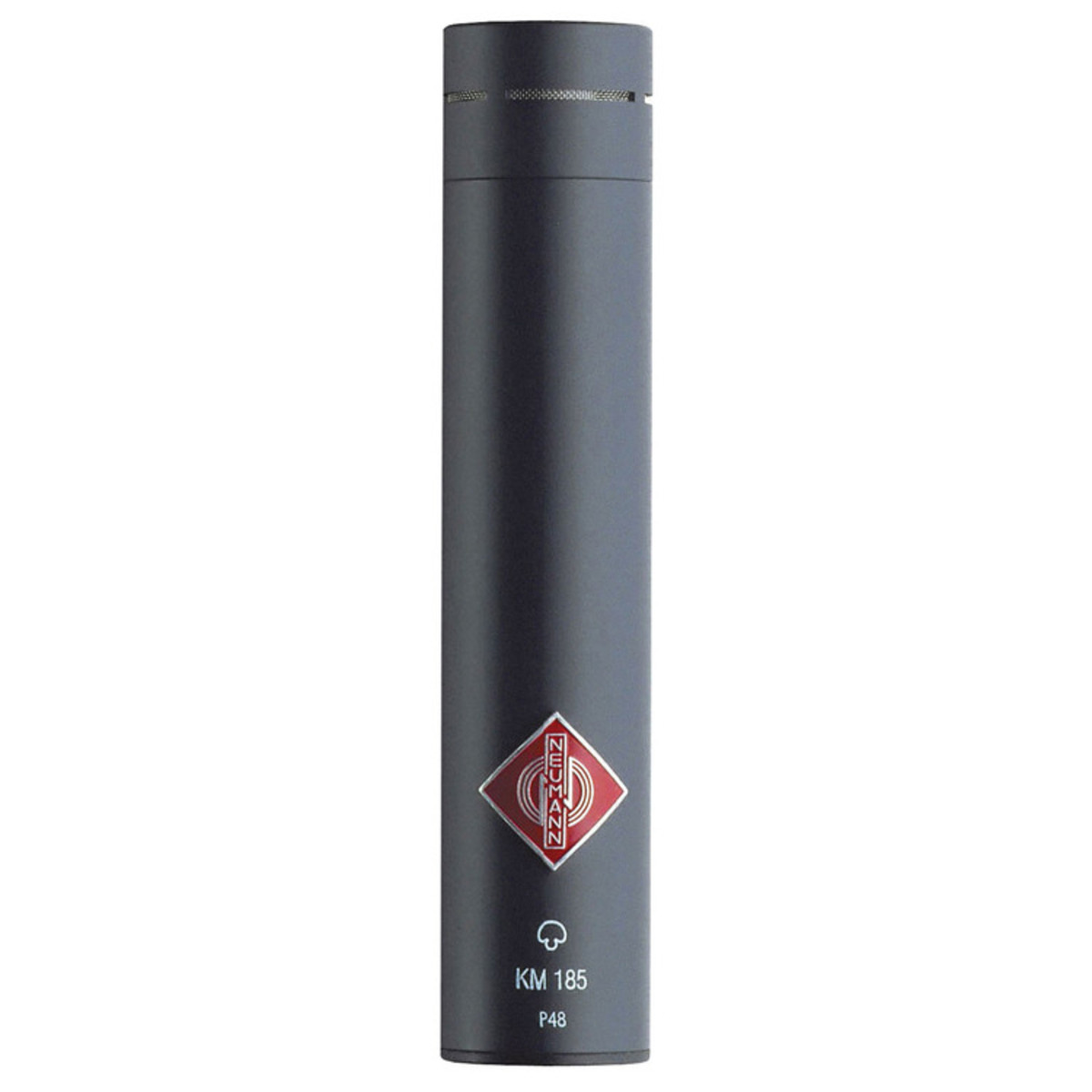 £709.28 ($901)
Neumann
Neumann KM 185 MT Super-Cardioid Compact Condenser Mic Black
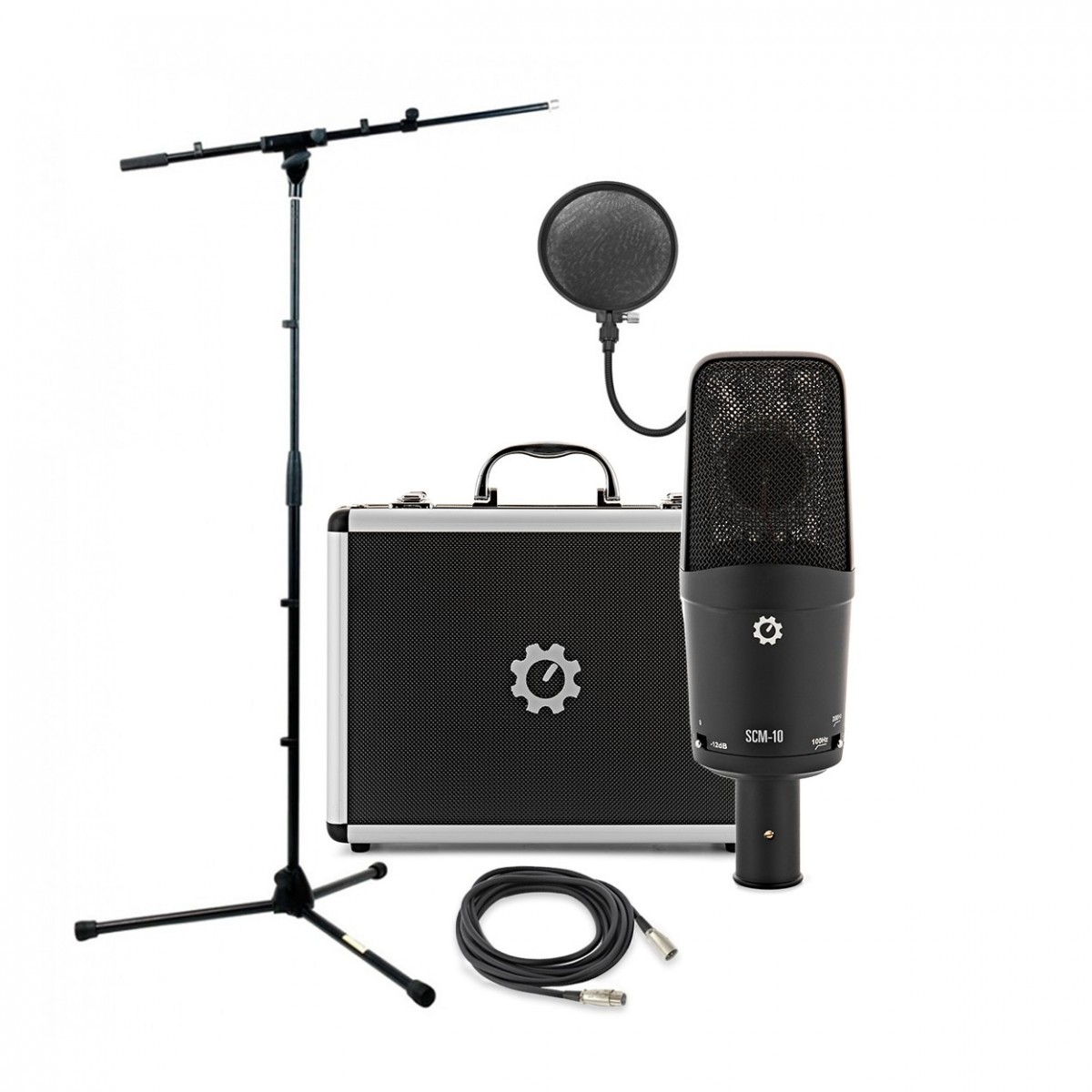 £139.99 ($178)
G4M
G4M Studio Condenser Microphone Home Recording Pack
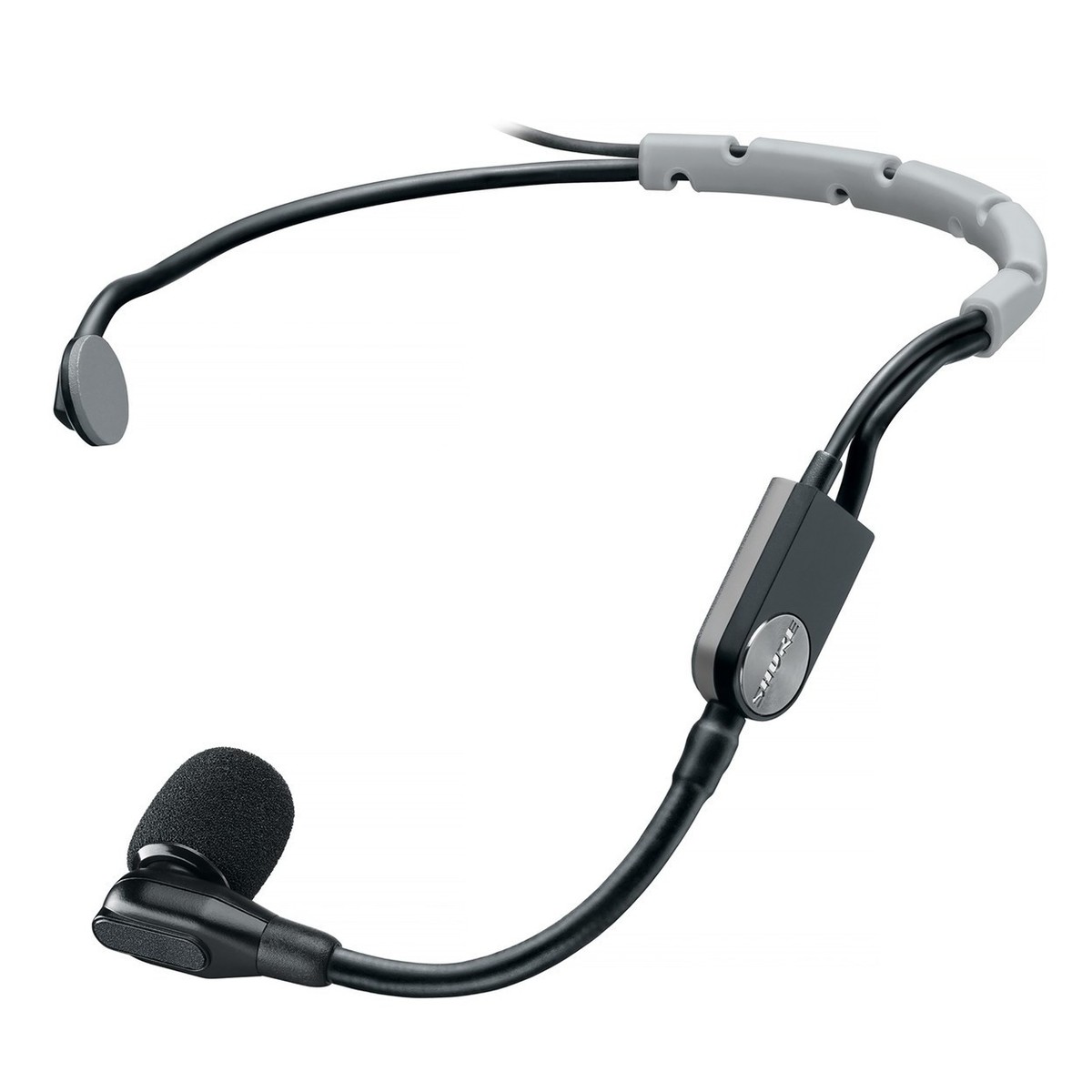 £258.50 ($328)
Shure
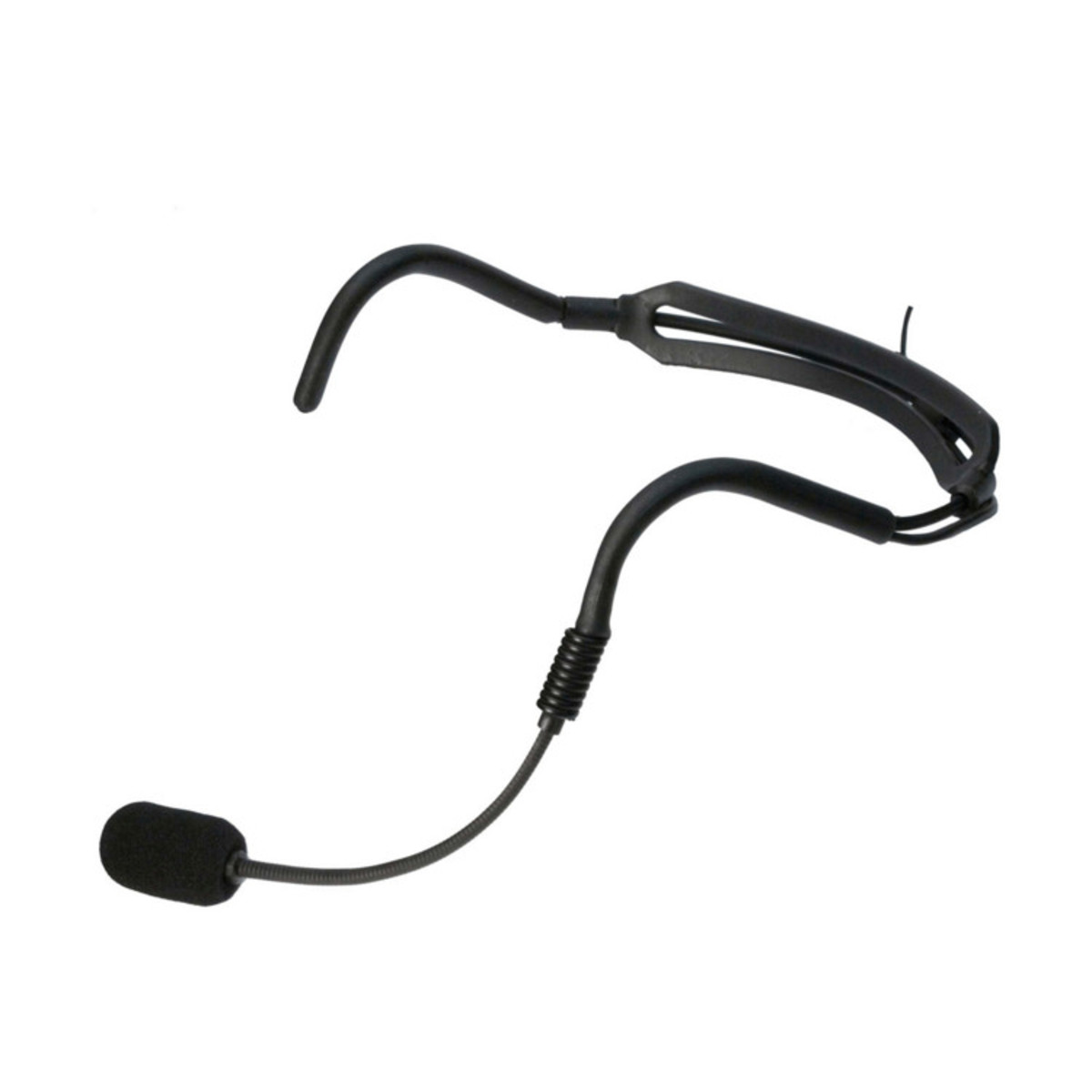
Shure SM35-XLR Cardioid Condenser Headset Microphone
 £201.19 ($256)
Audix
Audix HT2 Super Cardioid Headset Condenser Mic With 3 Pin Mini XLR
 £655.91 ($833)
Neumann
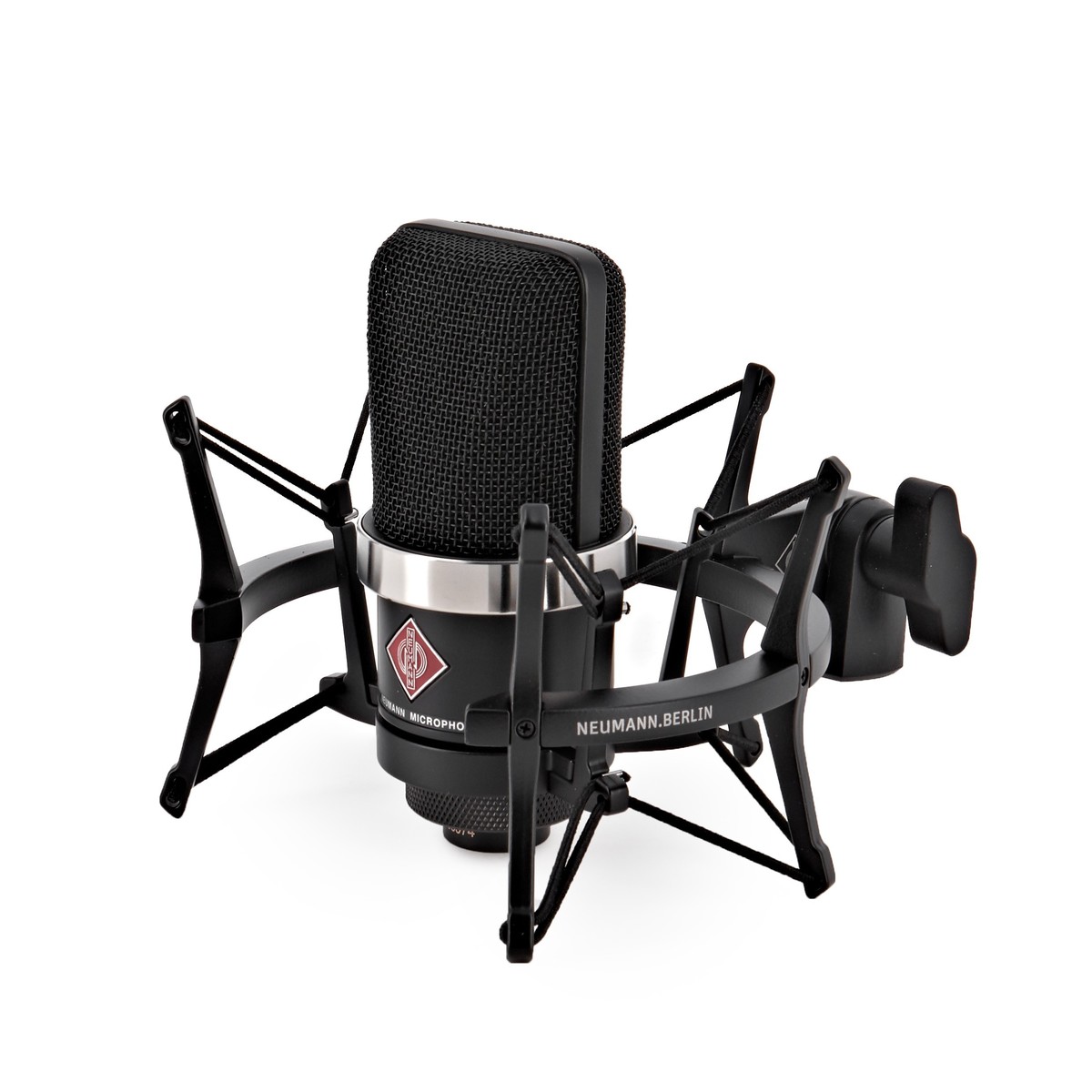
Neumann TLM 102 Microphone Studio Set Black
 £1,110.08 ($1,410)
Neumann
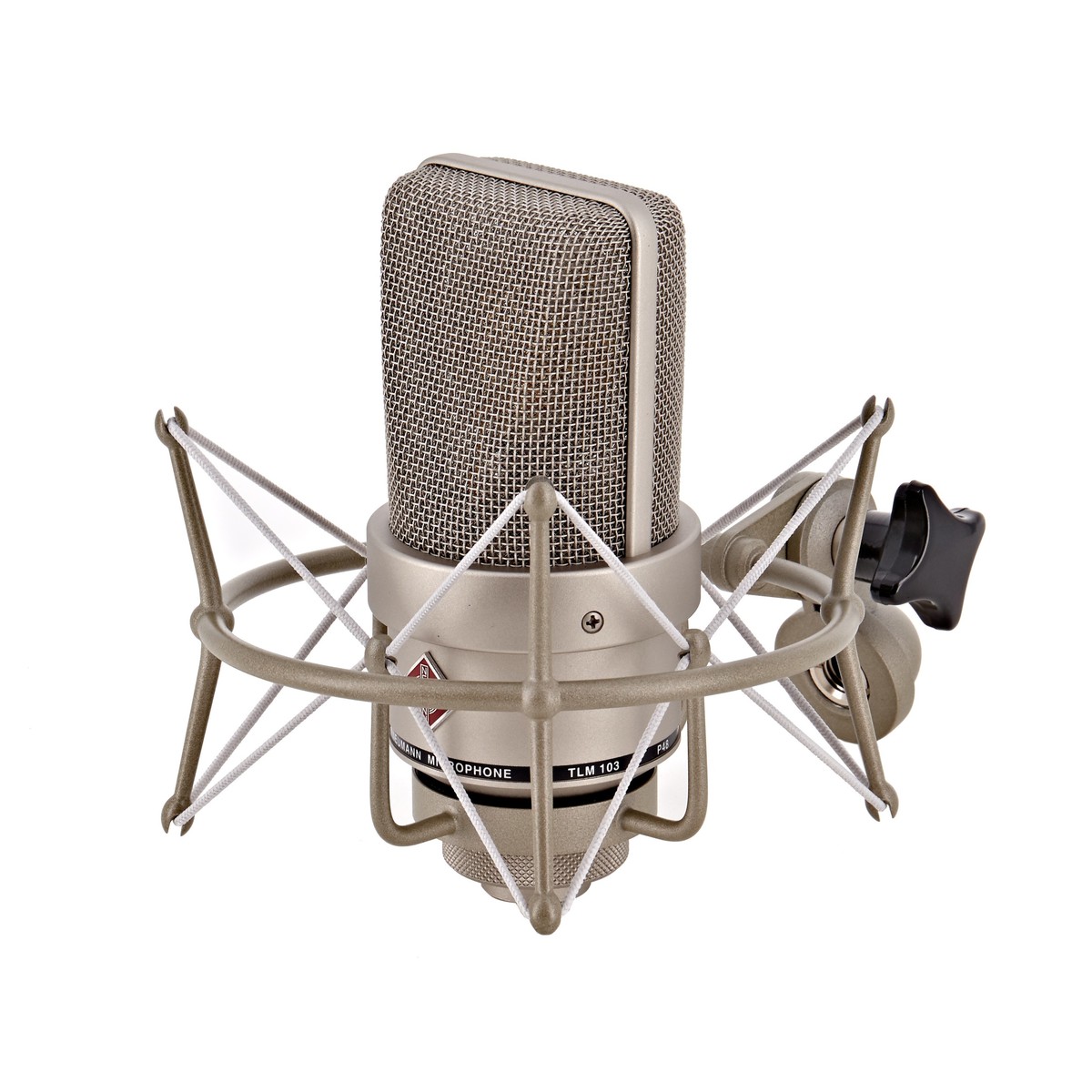
Neumann TLM 103 Studio Set Microphone Nickel
 £381.50 ($485)
Shure
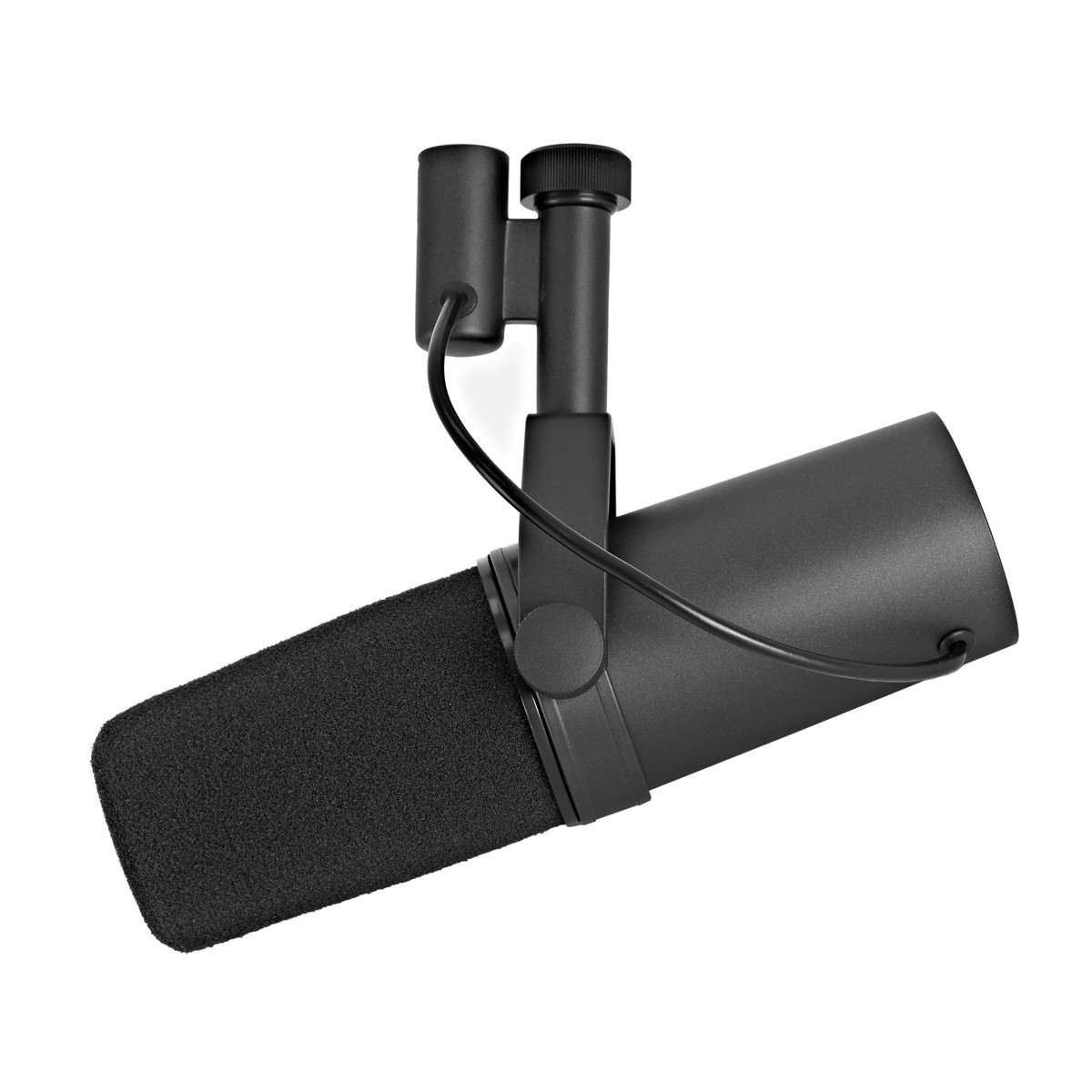
Shure SM7B Dynamic Studio Microphone
Frequently asked questions
- What does the 'TS' in LCT 640 TS stand for?
- It stands for 'Twin System', referring to the microphone's dual independent circuitries for the front and rear diaphragms.
- Can I really change the polar pattern after recording?
- Yes, by recording in Dual-Output mode, you capture the front and back signals separately. Using Lewitt's software or standard phase manipulation, you can blend these signals to create any polar pattern in post-production.
- What polar patterns are available in single-output mode?
- The microphone features five selectable patterns: omni, wide cardioid, cardioid, supercardioid, and figure-8.
- Does it require phantom power?
- Yes, like most studio condenser microphones, the LCT 640 TS requires 48V phantom power to operate.
- How do I access the second output for Dual-Output mode?
- The second output is accessed via a mini-XLR socket located on the side of the microphone body, typically used with the provided breakout cable.
- Is the LCT 640 TS suitable for stereo recording?
- Yes, it is uniquely capable of Mid-Side (M/S) stereo recording using only the single microphone unit when set to Dual-Output mode.
- What is the typical price for this microphone?
- The Lewitt LCT 640 TS typically retails for approximately GBP 768.
- How does it compare to a Neumann TLM 102?
- The LCT 640 TS is more versatile due to its multi-pattern capabilities and dual-output mode, whereas the TLM 102 is a more compact, fixed-cardioid microphone.
- Can it be used for podcasting like a Shure SM7B?
- While it can be used for podcasting, it is much more sensitive than the dynamic SM7B. It will capture more room detail and requires a more controlled acoustic environment.
- What size is the capsule?
- The microphone features a 1-inch large-diaphragm true condenser capsule.
- Is this microphone suitable for recording loud instruments?
- Yes, it is designed to handle high sound pressure levels, making it suitable for a wide range of sources from vocals to loud instruments.
- Does it come with any accessories?
- It typically includes a shock mount, a magnetic pop filter, and the necessary breakout cable for the dual-output functionality.