
Gear article
Lewitt LCT 840 Tube Condenser Microphone
The Lewitt LCT 840 is a high-end tube condenser microphone designed to provide a vintage sound character through modern engineering. Featuring a 12AX7 dual-triode tube, the microphone is aimed at professional vocal and instrument recordings where warmth and detail are paramount.
See live pricesOverview
The Lewitt LCT 840 is a large-diaphragm tube condenser microphone that bridges the gap between classic valve technology and modern studio requirements. It is designed to offer the harmonic richness typically associated with vintage microphones while maintaining a low noise floor and high reliability. The system consists of the microphone itself and a dedicated external power supply unit that serves as the control interface.
Design and Key Features
At the core of the LCT 840 is a 1-inch externally polarised capsule paired with a 12AX7 dual-triode vacuum tube. A standout feature of this model is its remote-controlled interface located on the external power supply.
Key design elements include: * Illuminated Interface: The control unit features a backlit display for easy adjustments in low-light studio environments. * Adjustable Polar Patterns: Users can select between multiple polar patterns directly from the power supply. * Onboard Settings: The interface provides control over multi-step pre-attenuation (pads) and low-cut filters to manage high sound pressure levels and proximity effect. * Build Quality: The microphone features a rugged housing with a clear window to showcase the internal tube.
Sound Character
The LCT 840 is engineered for a sound profile described as smooth yet detailed. The 12AX7 tube introduces pleasant harmonic distortion, which results in the 'warmth' often sought for lead vocals and string ensembles. Despite this vintage colouring, the microphone maintains a wide frequency range to ensure that high-frequency nuances are not lost, providing a clarity that suits modern high-resolution digital recording.
Applications and Suitability
This microphone is primarily intended for studio applications where naturalism and harmonic depth are required. It is particularly suited for: * Vocals: Enhancing the presence and body of a singer's voice. * Strings: Capturing the complex overtones of violins, cellos, and orchestral ensembles. * Acoustic Instruments: Providing a rich, full-bodied capture of acoustic guitars or pianos.
While it is categorized within live microphone environments for high-end touring, its sensitivity and tube-based circuitry make it most at home in controlled studio settings.
Comparison to Alternatives
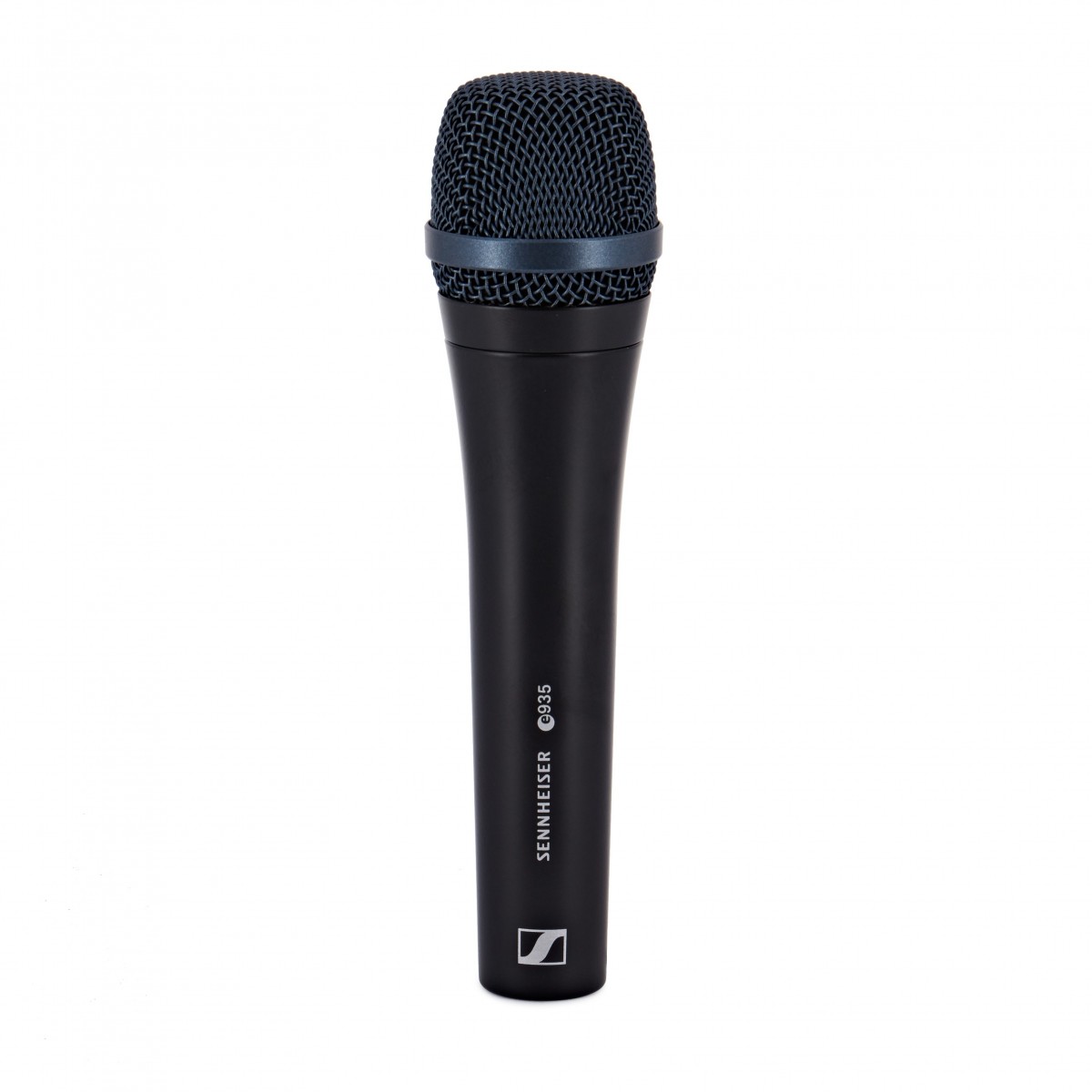
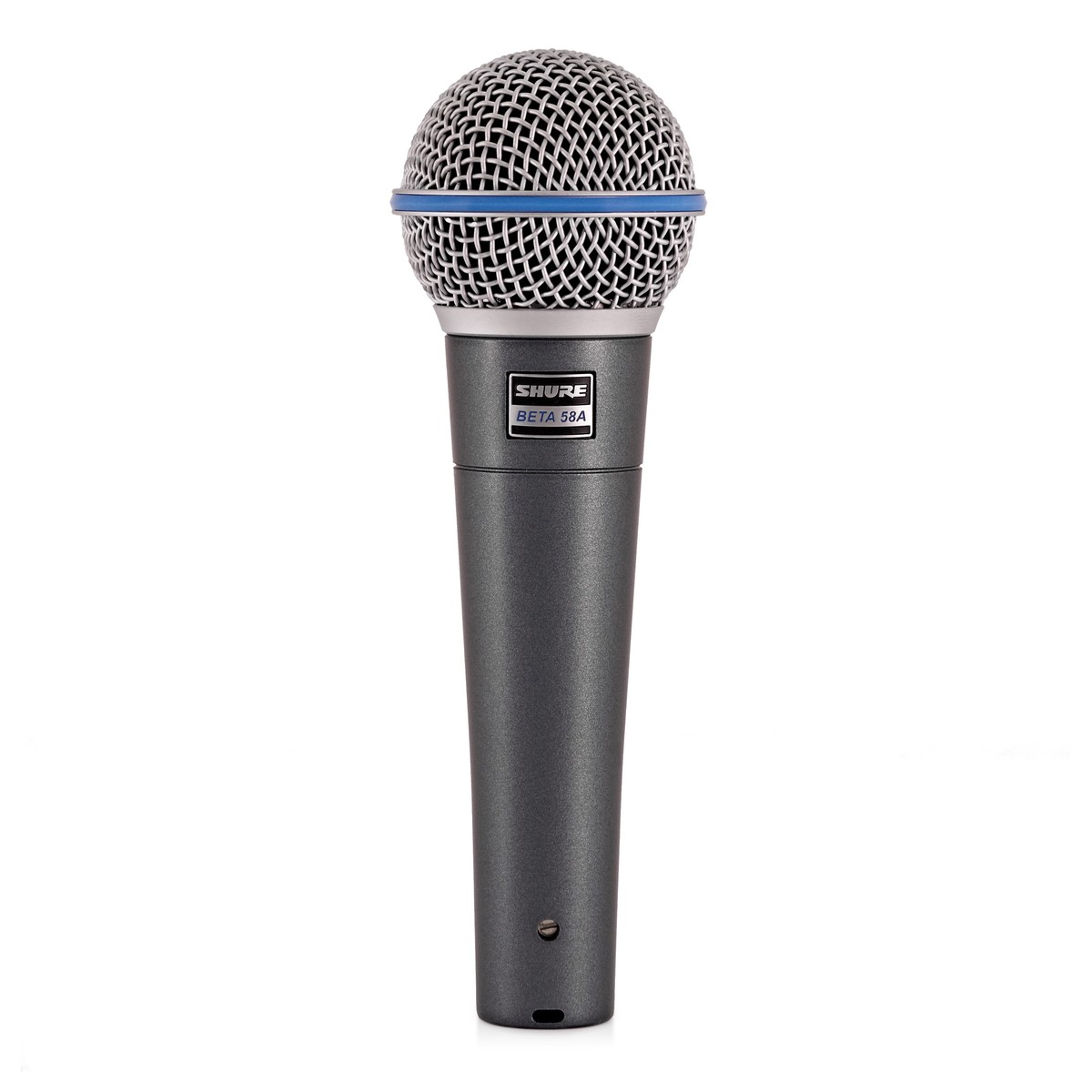
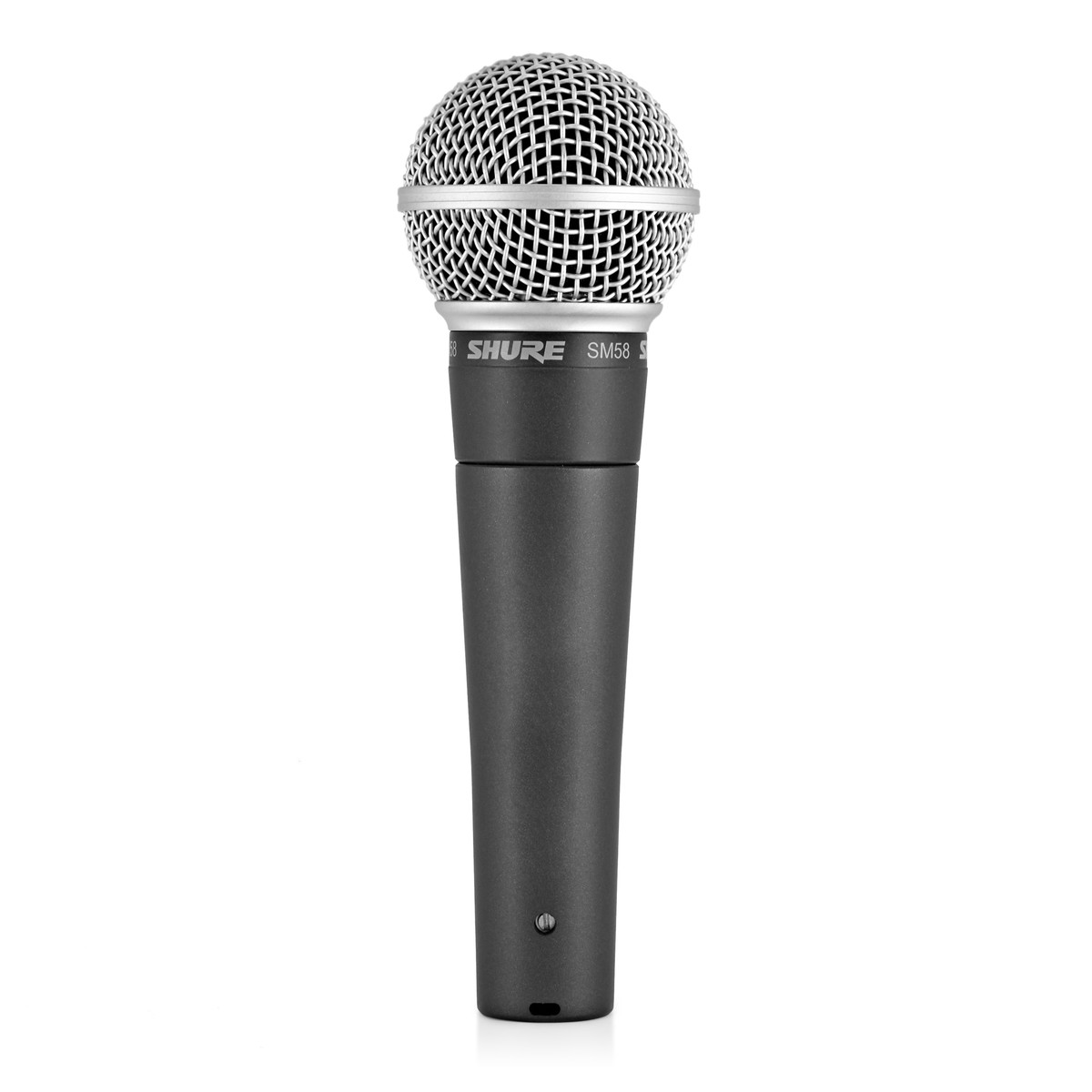
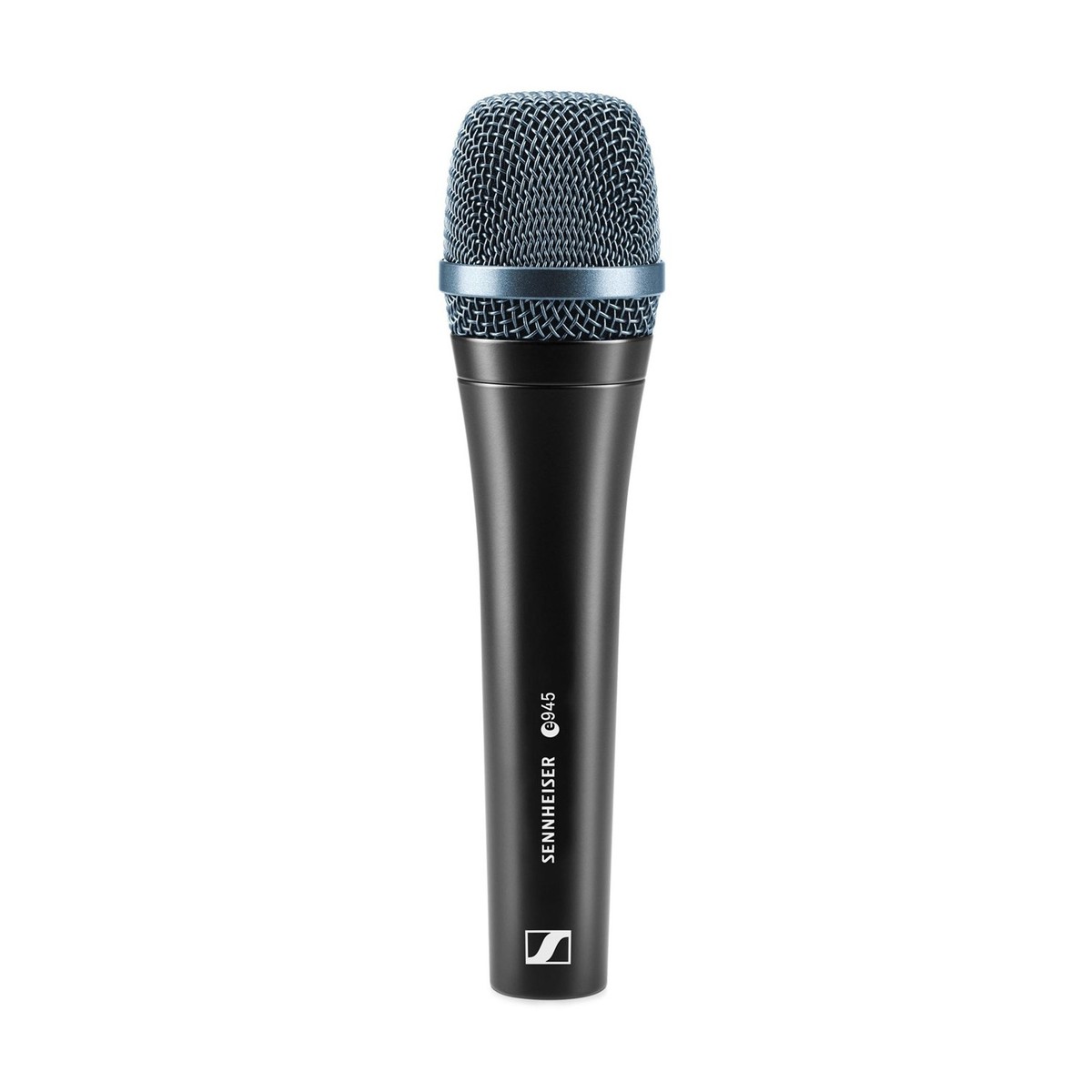
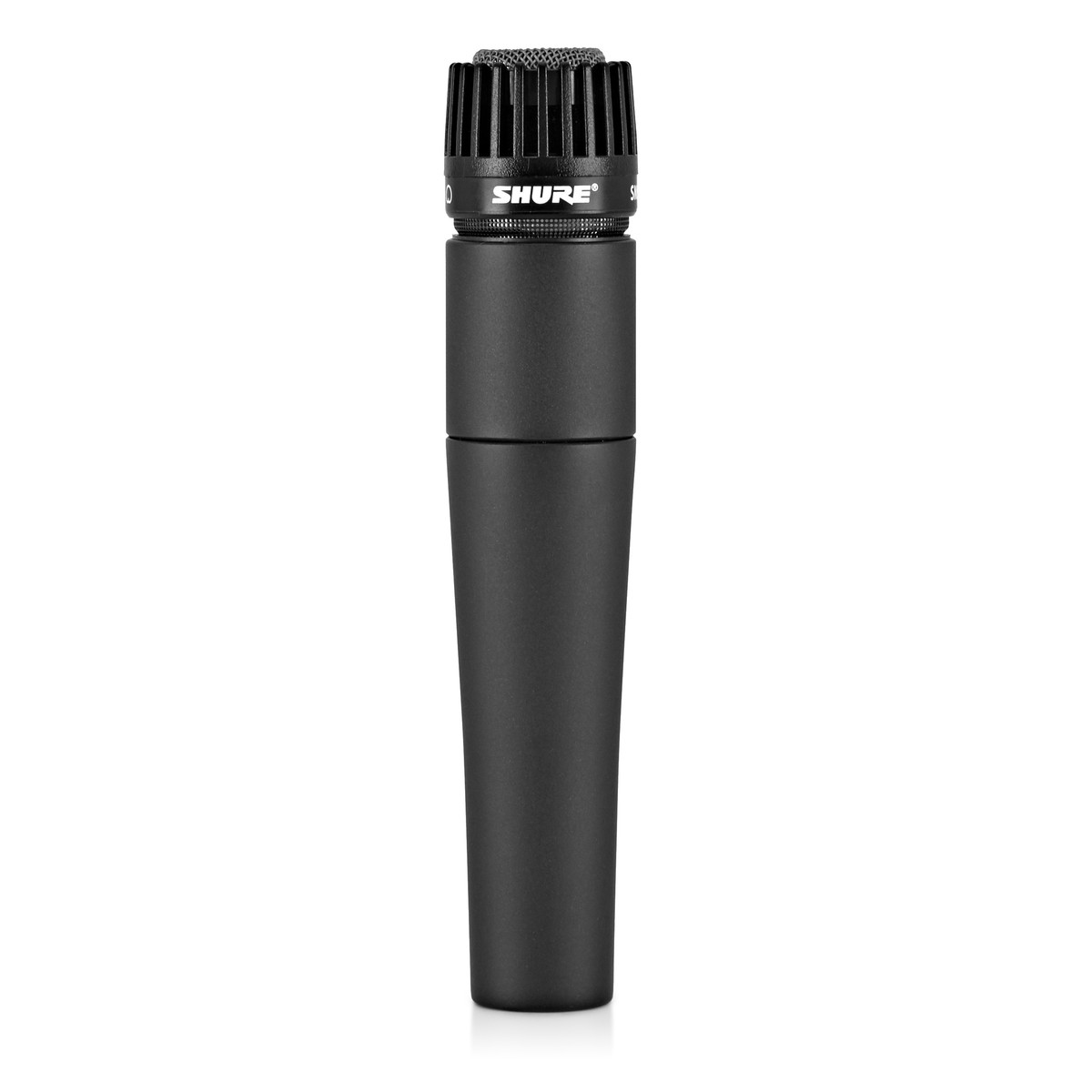
When compared to standard dynamic microphones like the Shure SM58 or Beta 58A, the LCT 840 offers significantly higher sensitivity and a much broader frequency response. Unlike broadcast-standard dynamics such as the Electro-Voice RE20 or Sennheiser MD 441-U, the LCT 840 provides the specific 'valve' coloration that dynamic mics cannot replicate. While Sennheiser’s e935 and e945 are excellent for stage durability and feedback rejection, the LCT 840 is chosen for its superior detail and tonal character in recording scenarios.
Related gear
 £563.00 ($715)
Electro-Voice
Electro-Voice RE20 Dynamic Cardioid Microphone
 £148.75 ($189)
Sennheiser
Sennheiser e935 Dynamic Vocal Microphone
 £142.25 ($181)
Shure
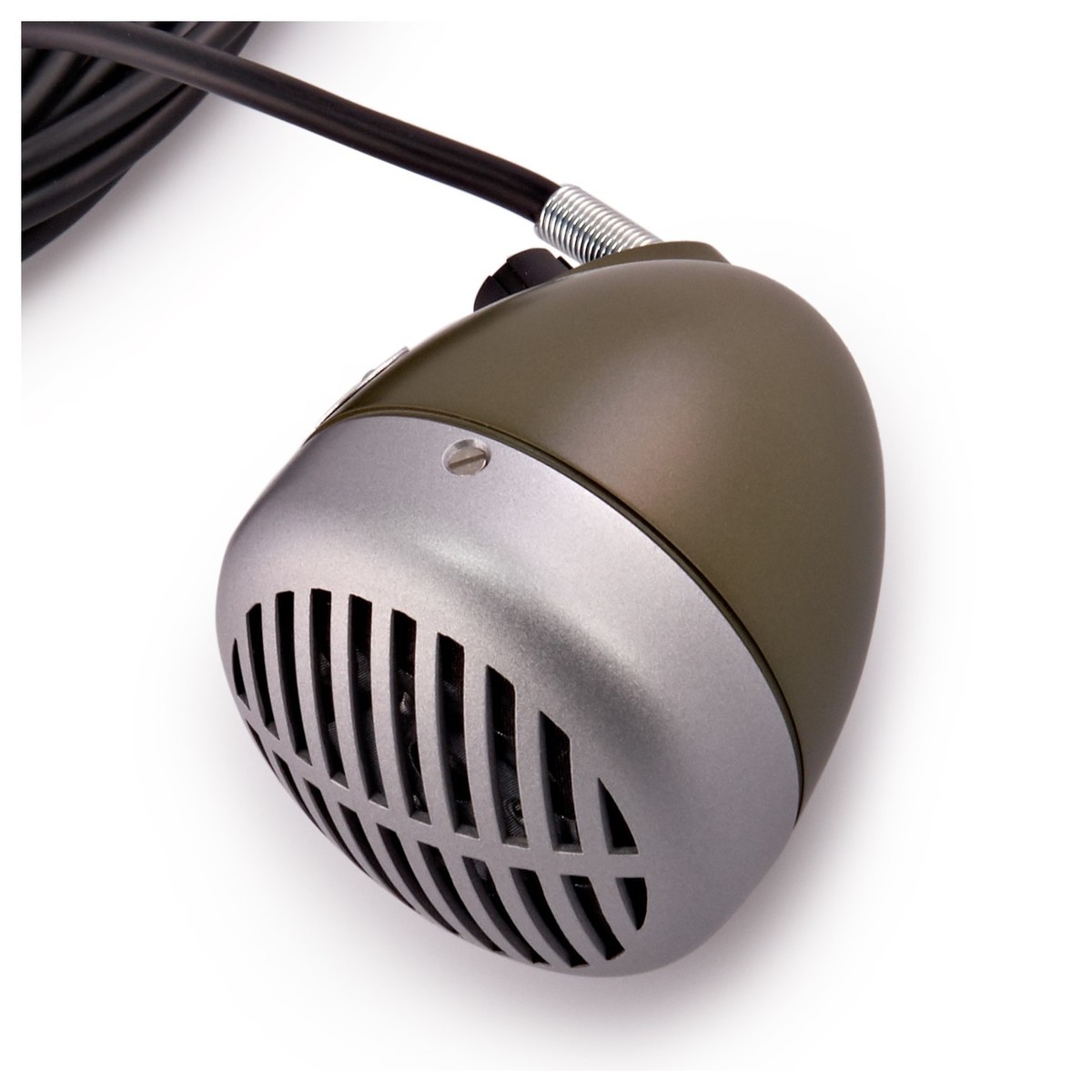
Shure 520DX Green Bullet Harmonica Microphone
 £161.50 ($205)
Shure
Shure Beta 58A Dynamic Microphone
 £259.00 ($329)
Shure
Shure SM58 Dynamic Cardioid Vocal Microphone
 £149.00 ($189)
Sennheiser
Sennheiser e945 Dynamic Vocal Microphone
 £103.50 ($131)
Shure
Shure SM57 Dynamic Instrument Microphone
 £1,080.00 ($1,372)
Sennheiser
Sennheiser MD 441-U Dynamic Supercardioid Microphone
Frequently asked questions
- What kind of tube does the Lewitt LCT 840 use?
- The LCT 840 utilises a 12AX7 (also known as an ECC83) dual-triode vacuum tube. This specific tube is chosen for its ability to provide exceptional warmth and smooth harmonic content.
- How do you change the polar patterns on the LCT 840?
- The polar patterns are changed using the illuminated interface on the dedicated external power supply/control unit. This allows the user to adjust the microphone's pickup characteristics without needing to touch the microphone body itself.
- Is the LCT 840 suitable for loud sound sources?
- Yes, the microphone features pre-attenuation settings (pads) on the control unit. These settings allow the microphone to handle higher sound pressure levels without clipping the internal circuitry.
- Does this microphone require phantom power from a mixer?
- No, like most tube microphones, the LCT 840 is powered by its own dedicated external power supply unit included in the package. The PSU connects to standard mains power.
- What is the primary sonic benefit of a tube microphone like the LCT 840?
- The primary benefit is 'warmth,' which refers to the subtle harmonic saturation produced by the 12AX7 tube. This adds a pleasing richness to the audio that is often described as 'vintage' or 'classic'.
- Can I use the LCT 840 for recording strings?
- Yes, the manufacturer specifically recommends the LCT 840 for string ensembles. Its ability to capture nuanced detail while maintaining a smooth top end makes it ideal for the complex textures of bowed instruments.
- Does the LCT 840 have a low-cut filter?
- Yes, the remote control unit includes selectable low-cut settings. These are used to reduce low-frequency rumble or to compensate for the proximity effect when recording close to a source.
- How does the LCT 840 compare to a Shure SM57?
- The LCT 840 is a tube condenser with much higher sensitivity and detail, whereas the SM57 is a rugged dynamic microphone. The LCT 840 is preferred for delicate studio work, while the SM57 is standard for high-volume instruments like snare drums.
- What is the typical price for a Lewitt LCT 840?
- The typical price range for the Lewitt LCT 840 is approximately £953. This places it in the premium tier of studio microphones.
- Is the interface on the power supply easy to see in the dark?
- Yes, the control unit features an illuminated interface. This is specifically designed to ensure that settings are clearly visible in the typically dim lighting of a recording studio control room.
- What is meant by a 'dual triode' tube?
- A dual triode tube, like the 12AX7 in the LCT 840, contains two independent triode units within a single glass envelope. In microphone design, this is used to handle different stages of amplification and impedance conversion.
- How does this differ from the Sennheiser MD 441-U?
- The Sennheiser MD 441-U is a dynamic microphone known for a very flat, condenser-like response without using a tube. The LCT 840, being a tube condenser, offers a more coloured, 'warm' sound and requires an external power supply.