
Gear article
M-Audio BX3 Studio Monitor Pair
The M-Audio BX3 is a pair of 3.5-inch active multimedia studio monitors designed for desktop use, content creation, and music production. Delivering 120 watts of total peak power, these compact speakers feature custom-moulded cabinets and rear-ported designs to provide enhanced low-end response in a small footprint.
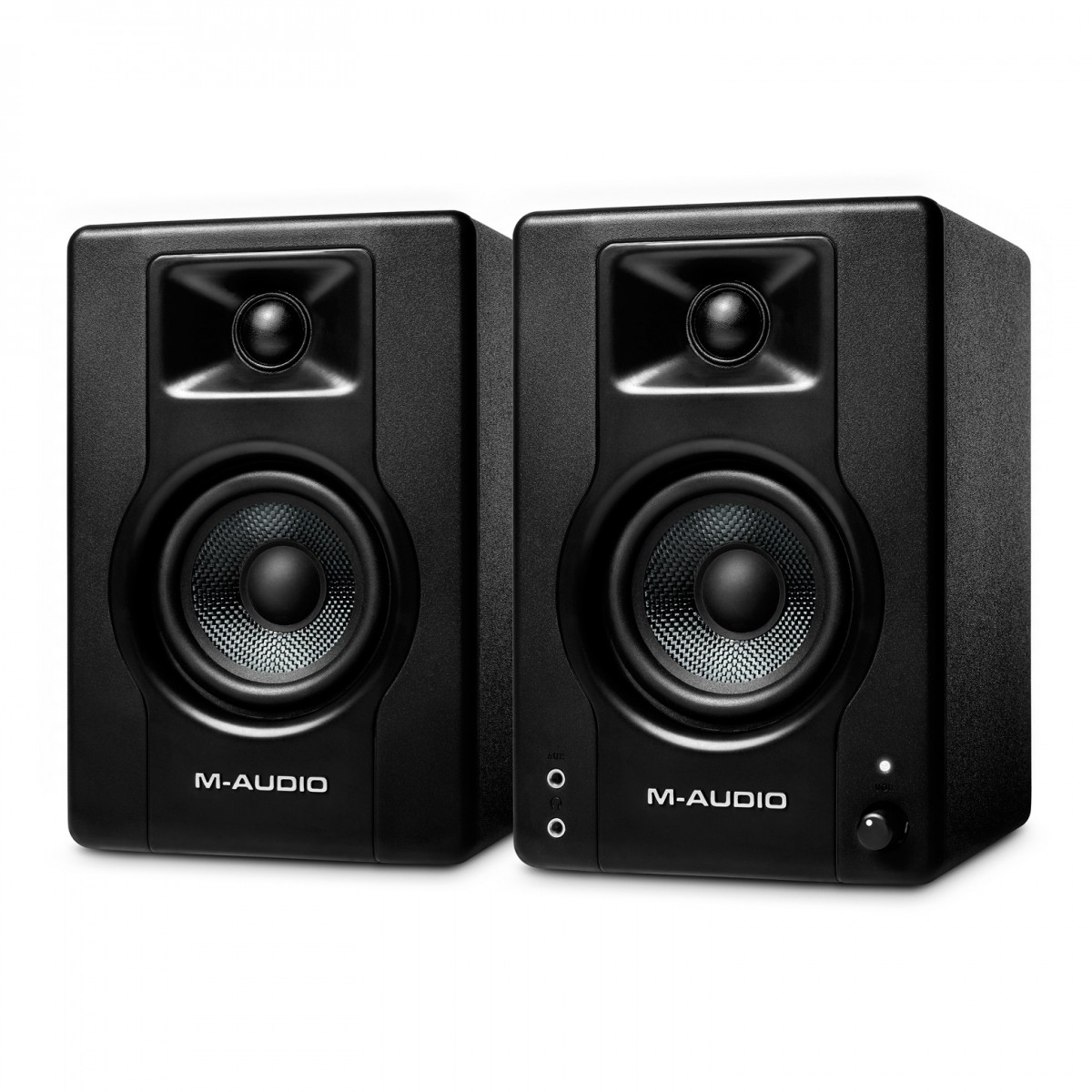
Background and Design
The M-Audio BX3 serves as the smaller, more compact entry point in M-Audio's long-standing BX series of monitors, sitting below the larger BX5 and BX8 models. Developed to meet the needs of home users and content creators who require better fidelity than standard computer speakers, the BX3 utilises a space-saving design without sacrificing connectivity. The units are housed in acoustically-inert MDF cabinets designed to minimise internal resonances.
Technical Features and Connectivity
The BX3 operates as a master/slave pair, where one speaker contains the amplifier and controls while the other is passive. Key features include:
- Acoustic Performance: 3.5-inch Black Kevlar low-frequency drivers and 1-inch natural silk dome tweeters.
- Rear Porting: Optimised ports located at the back of the cabinet to improve low-frequency extension.
- Onboard EQ: High and Low EQ controls allow users to tailor the sound to their specific room acoustics.
- Front Panel I/O: A 3.5mm AUX input for smartphones or media devices and a headphone output for private listening.
- Rear Panel I/O: Standard 1/4-inch and RCA inputs for connecting to audio interfaces or mixers.
Sound Character
Despite their 3.5-inch driver size, the BX3 monitors are designed to provide a 'fuller' sound through the use of optimised rear ports. The silk dome tweeters are intended to deliver clear, detailed high frequencies, while the Kevlar woofers provide punch in the mid-bass. With 120 watts of peak power, they are capable of high volumes relative to their size, making them suitable for nearfield desktop monitoring where space is limited but high-grade audio fidelity is required.
Market Position and Comparisons
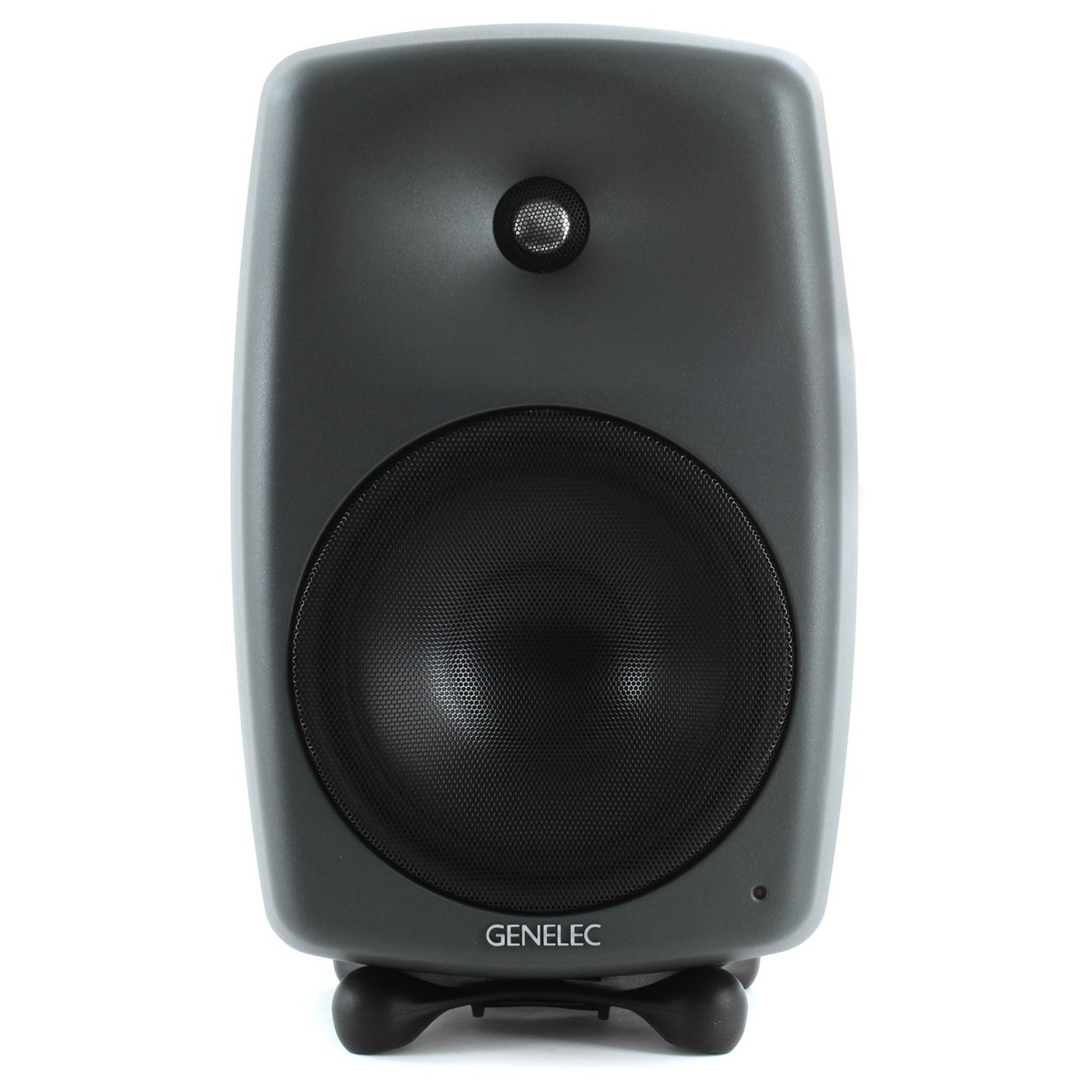
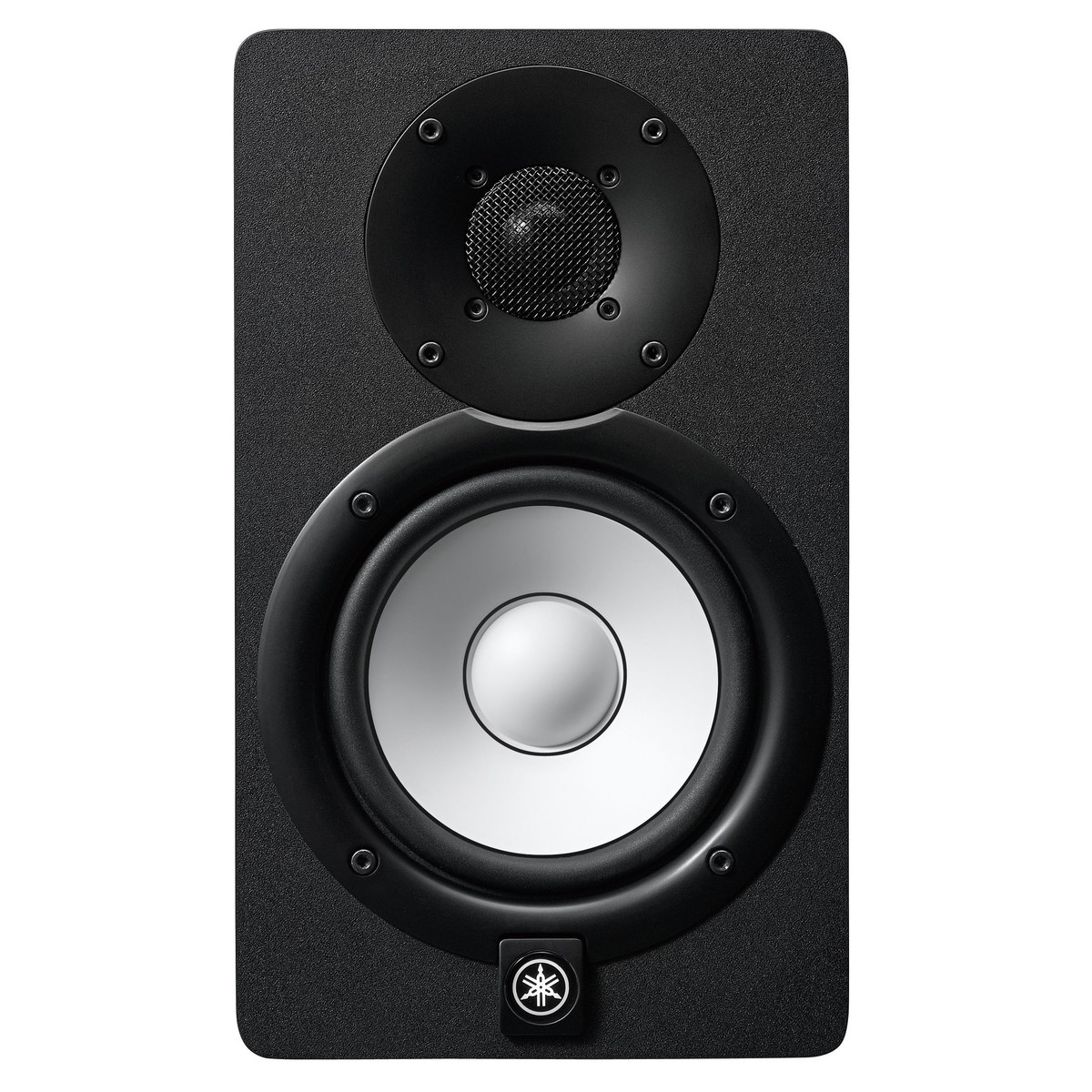
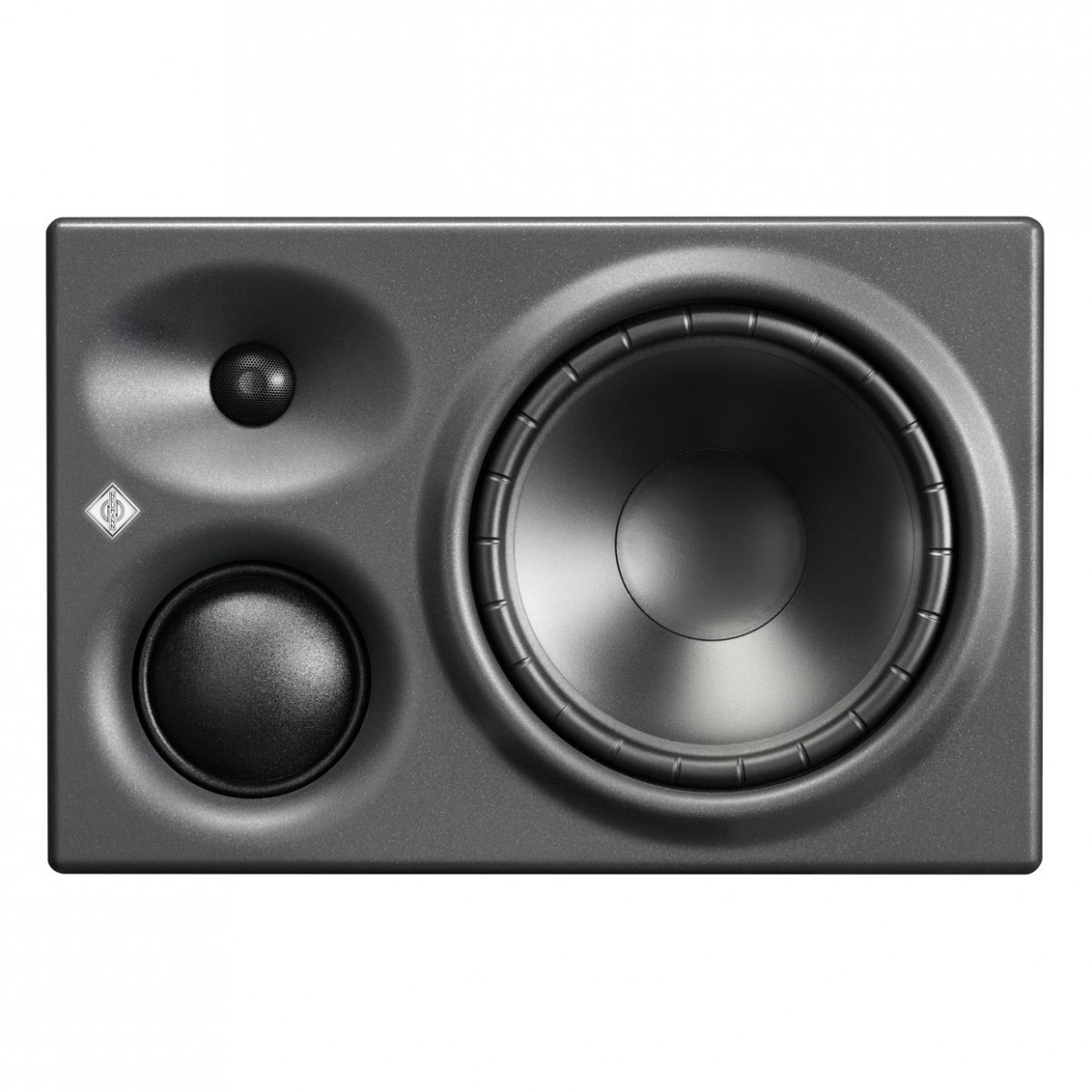
In the entry-level studio monitor market, the M-Audio BX3 competes with models like the Behringer 1C-BK, offering a more contemporary design and built-in amplification suited for production. While they lack the professional-grade accuracy and power of high-end active monitors like the Yamaha HS5, Genelec 8050B, or the DSP-equipped M-Audio Forty Eighty, the BX3 represents a significantly more affordable solution at a typical price point of around £80. For users requiring the precision of a Neumann KH 120-II or the three-way clarity of a Neumann KH310A, the BX3 would be considered a secondary or multimedia-focused alternative rather than a primary mixing tool.
Related gear
- £1,404.00 ($1,783)
Genelec
Genelec 8050B Bi-Amped Studio Monitor Dark Grey (Single)
 £151.50 ($192)
Yamaha
Yamaha HS5 Active Studio Monitor
 £1,739.00 ($2,209)
Neumann
Neumann KH310A Active Three Way Nearfield Studio Monitor Left
 £175.50 ($223)
M-Audio
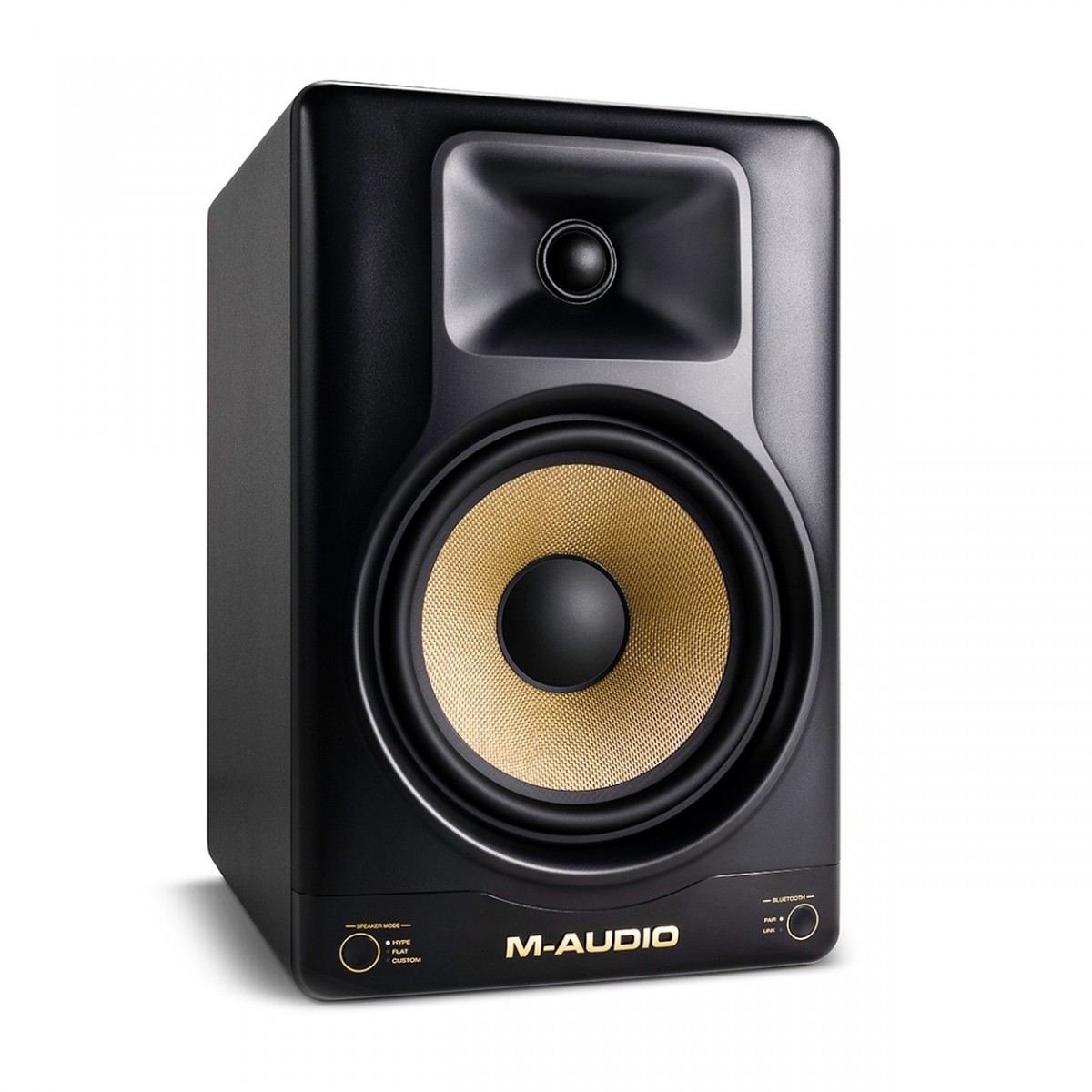
M-Audio Forty Eighty Active Studio Monitor with DSP
 £89.00 ($113)
Behringer
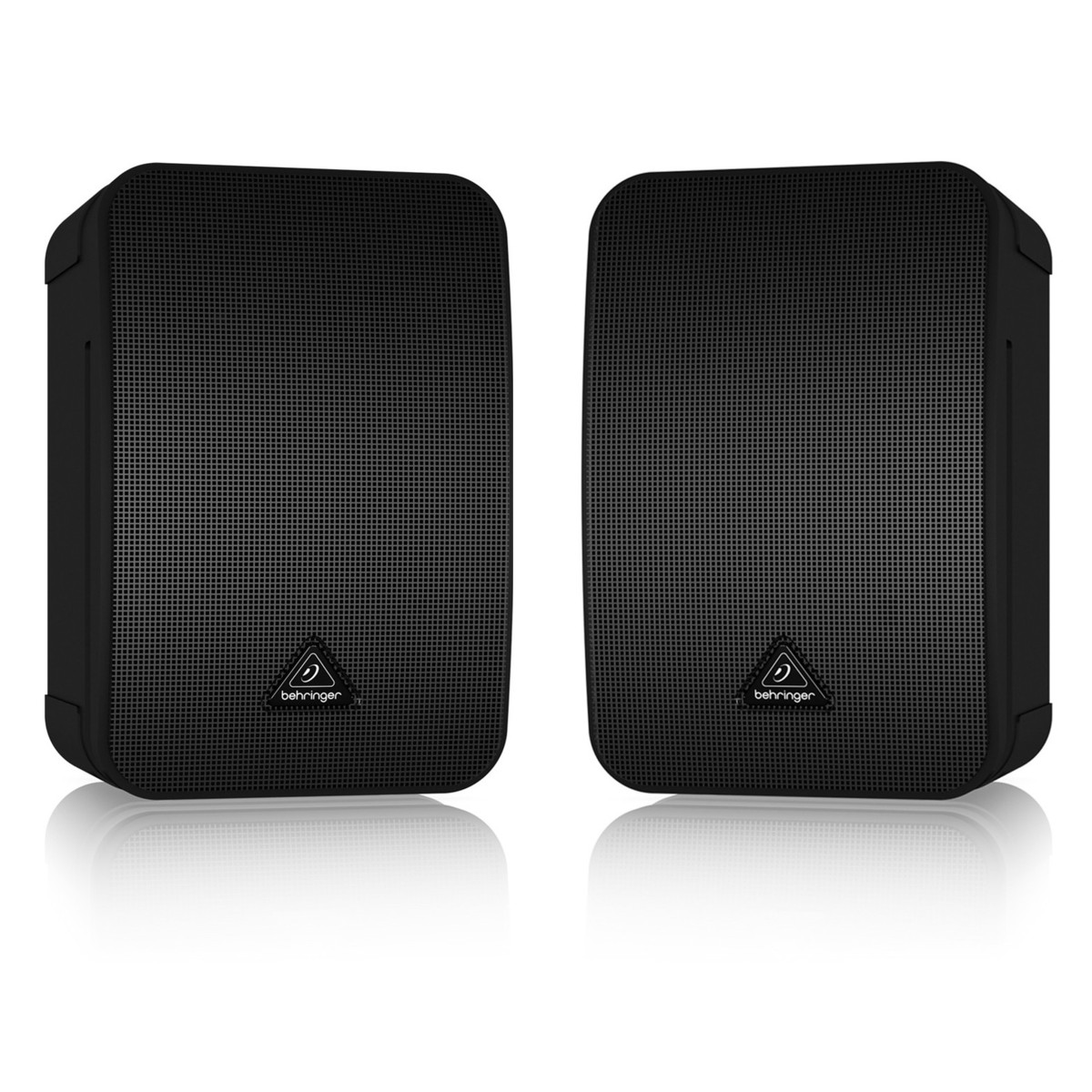
Behringer 1C-BK Studio Monitors Black
 £230.50 ($293)
Genelec
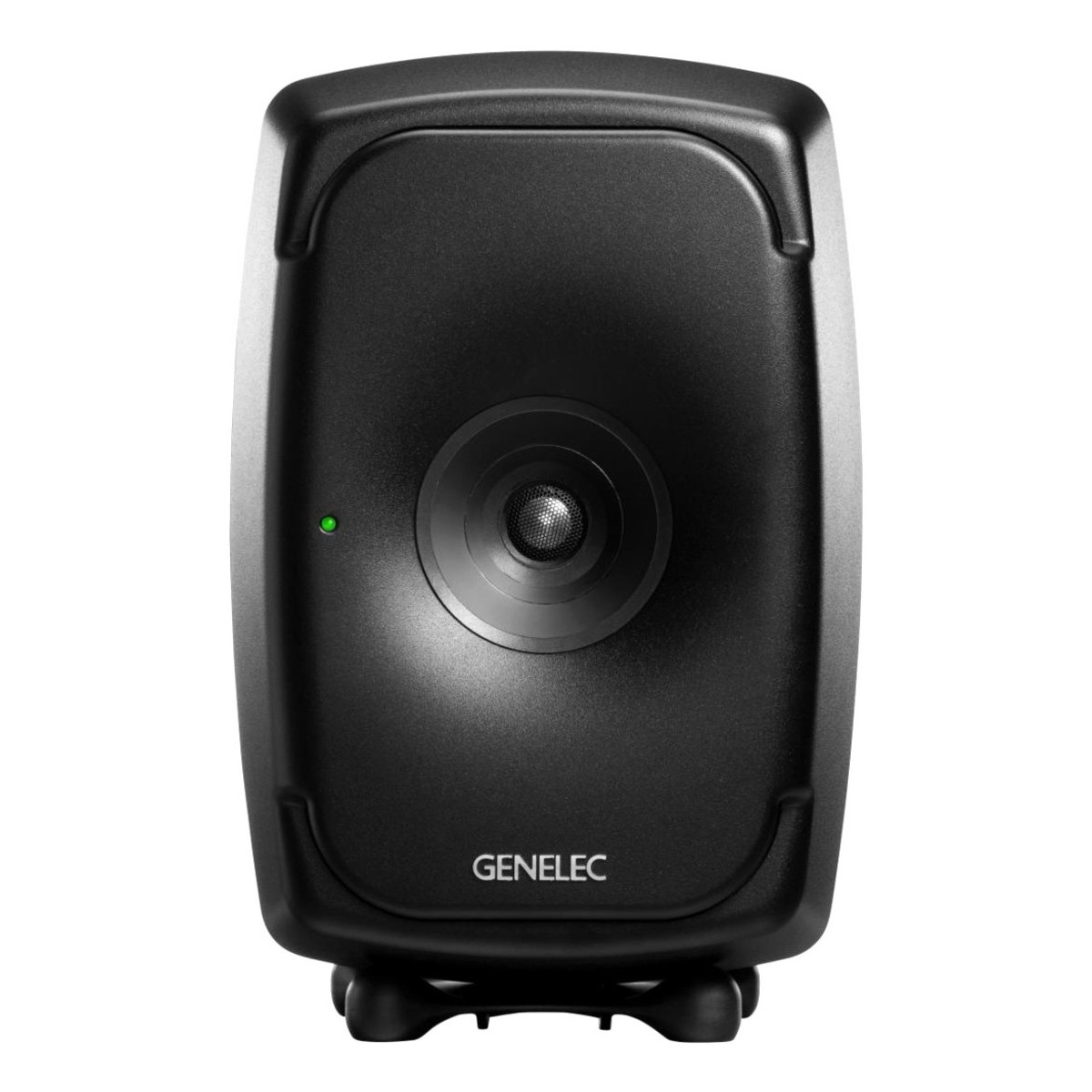
Genelec 8341AMM Professional Studio Monitor Black
 £685.76 ($871)
Neumann
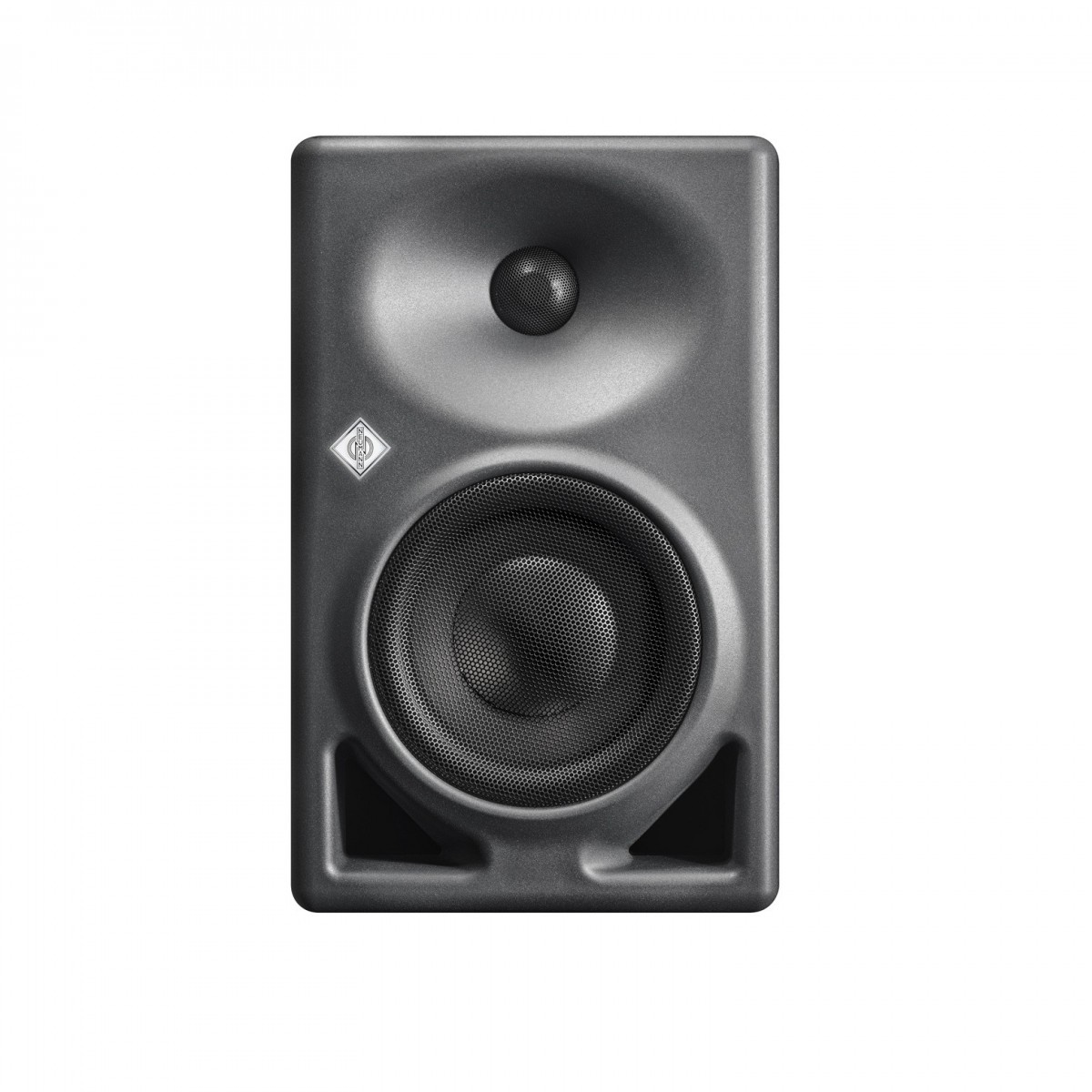
Neumann KH 120-II Active Studio Monitor Black
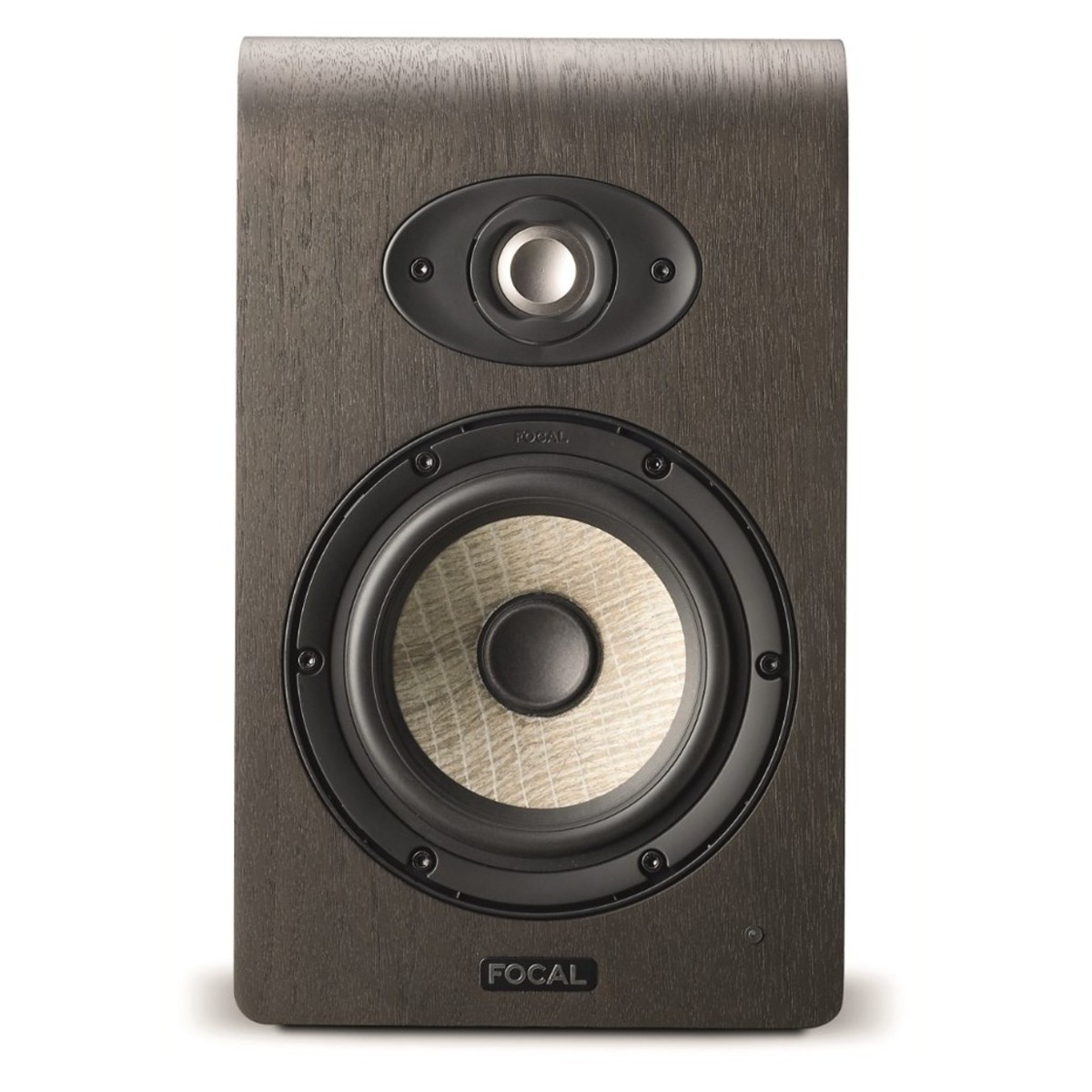 £548.00 ($696)
Focal Professional
Focal Shape 65 Studio Monitor (Single)
Frequently asked questions
- What is the woofer size of the M-Audio BX3?
- The M-Audio BX3 features a 3.5-inch low-frequency driver made of Black Kevlar. This driver is designed to provide punchy bass despite the compact size of the monitor cabinet.
- How much power do these monitors provide?
- The BX3 system delivers a total of 120 watts of peak power. This output allows the speakers to reach high volumes suitable for desktop monitoring and multimedia applications.
- Can I connect my smartphone directly to the BX3?
- Yes, the front panel features a 3.5mm AUX input specifically for this purpose. This allows you to quickly plug in a smartphone or other media device without reaching around to the back of the speakers.
- What is the difference between the BX3 and the BX5?
- The BX3 is the smaller sibling of the BX5, featuring a 3.5-inch woofer compared to the BX5's larger 5-inch driver. The BX3 is more compact and designed primarily for desktop multimedia use, whereas the BX5 offers deeper bass extension and higher output.
- Do these monitors have adjustable EQ settings?
- Yes, the rear panel includes High-EQ and Low-EQ controls. These allow users to adjust the frequency response to better suit their room's acoustic environment or personal preference.
- Are both speakers in the pair active?
- No, the BX3 operates in a master/slave configuration. One speaker houses the amplifier and controls (active), while the other is a passive unit that connects to the main speaker via a cable.
- What type of tweeter is used in the BX3?
- The monitors use 1-inch natural silk dome tweeters. These are designed to provide clear, detailed high-frequency reproduction for a range of audio applications.
- What kind of inputs are available on the back of the unit?
- The rear panel provides standard 1/4-inch (TRS) and RCA inputs. These connections are suitable for hooking up the speakers to audio interfaces, mixers, or other professional audio equipment.
- Is there a headphone jack on the M-Audio BX3?
- Yes, a 3.5mm headphone output is located on the front panel. This provides a convenient way to switch to private listening without needing to unplug the speakers from your source.
- Where are the bass ports located on these monitors?
- The BX3 features optimised rear ports. These are designed to enhance the low-end response by allowing air to move more freely, resulting in a fuller bass sound.
- Are these monitors suitable for professional mixing?
- While they provide high fidelity for their price, they are entry-level multimedia monitors. Professionals might prefer them for casual listening or basic content creation, while using more accurate monitors like the Yamaha HS5 or Neumann KH 120-II for critical mixing.
- What material is the BX3 cabinet made from?
- The cabinets are constructed from acoustically-inert MDF (Medium Density Fibreboard). This material is chosen for its ability to reduce unwanted vibrations and internal resonances.