
Gear article
M-Audio EX-P Universal Expression Pedal
The M-Audio EX-P is a universal expression pedal designed to control assignable MIDI parameters on keyboards, controllers, and compatible effects units. Featuring a durable molded construction and a built-in polarity switch, it is widely used for modulating volume, filter sweeps, and other variable MIDI values.
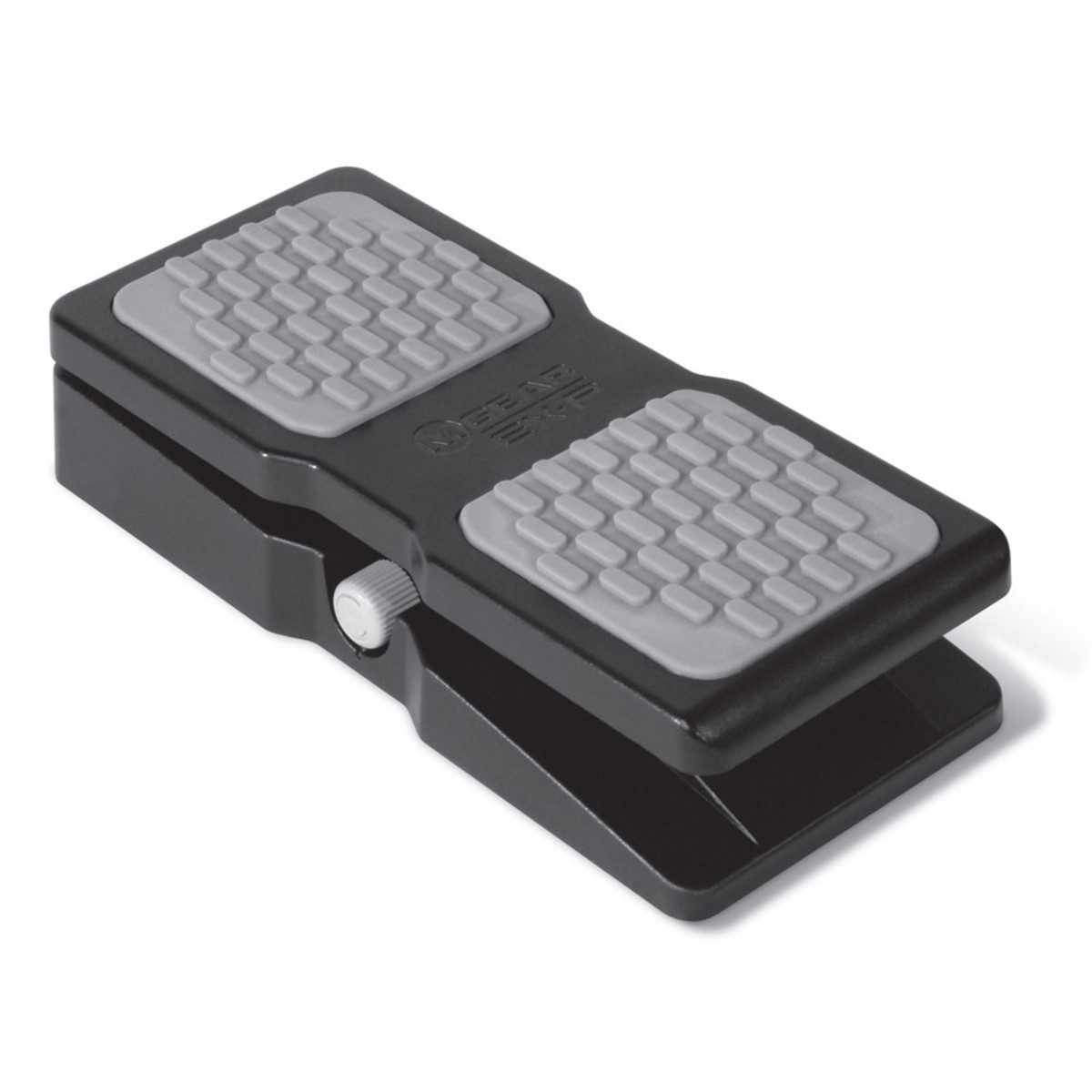
Overview and Design
The M-Audio EX-P is a utility controller designed for musicians who require hands-free modulation of digital parameters. Unlike a standard volume pedal that processes audio signals directly, the EX-P functions as a variable resistor that sends control data to a host device. The unit is constructed from durable molded plastic and features an integrated cable to ensure the connection remains secure during performance. Its compact footprint makes it a popular choice for crowded pedalboards and keyboard rigs.
Functionality and Key Features
The primary function of the EX-P is to control any assignable variable MIDI controller value. Common applications include:
- Volume and Panning: Adjusting the output level or stereo position of a patch.
- Modulation and Filters: Controlling LFO rates or performing manual filter sweeps.
- Effect Depth: Increasing or decreasing the intensity of digital effects.
A standout feature of the EX-P is its built-in polarity switch. This hardware toggle allows the pedal to function with various brands of controllers that may use different wiring standards for expression inputs. Additionally, the unit includes a side-mounted adjustment knob that allows the user to set the minimum value of the sweep range.
Compatibility and Performance
The EX-P is designed for native compatibility with all M-Audio MIDI controllers equipped with an expression input. Thanks to its polarity switch, it also maintains compatibility with most third-party brands, including keyboards and MIDI-enabled guitar processors. The pedal operates smoothly through its physical travel, providing linear control over the assigned parameters. The integration of the cable directly into the chassis reduces the risk of misplacing necessary leads, though it limits replacement options if the cable is damaged.
Market Context and Alternatives
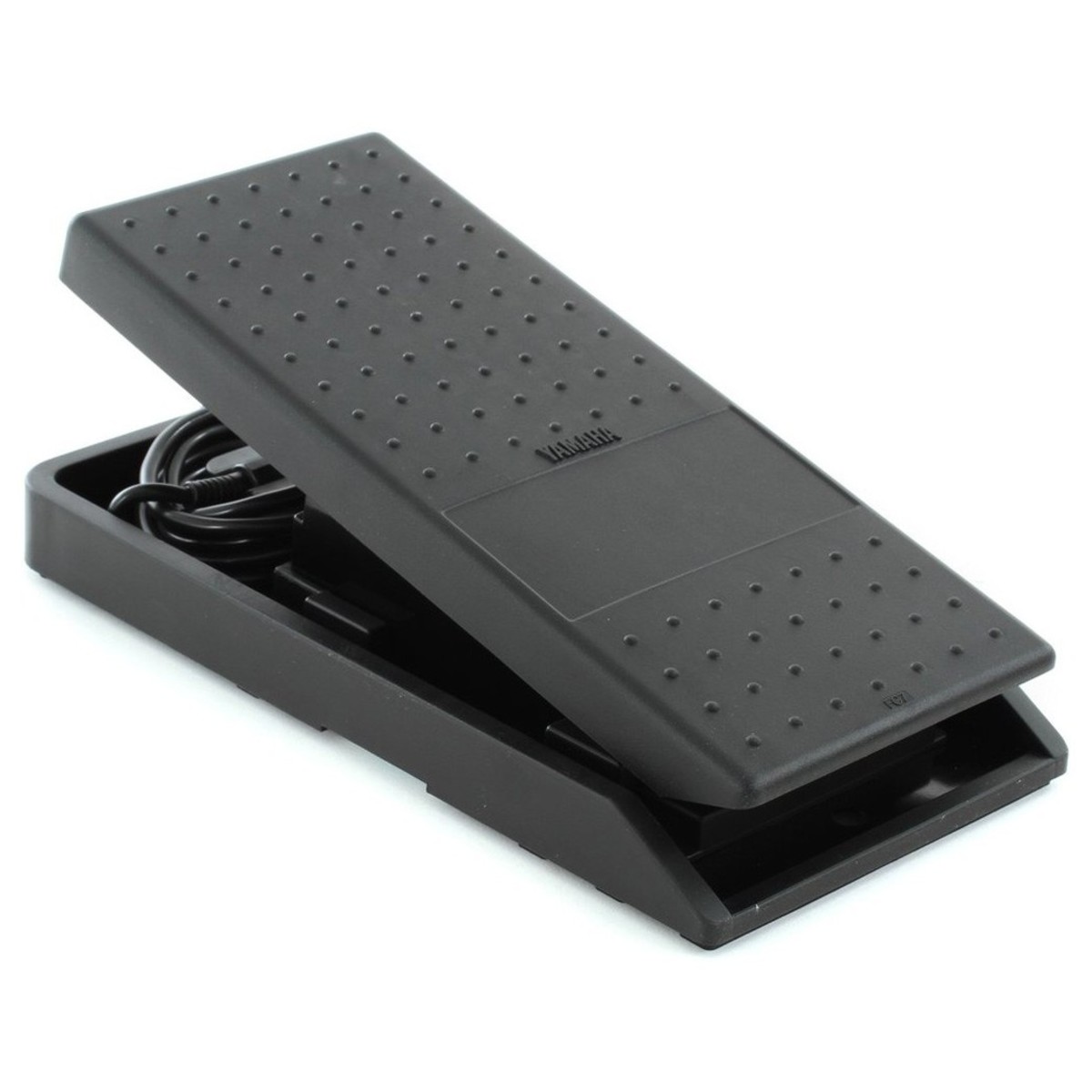
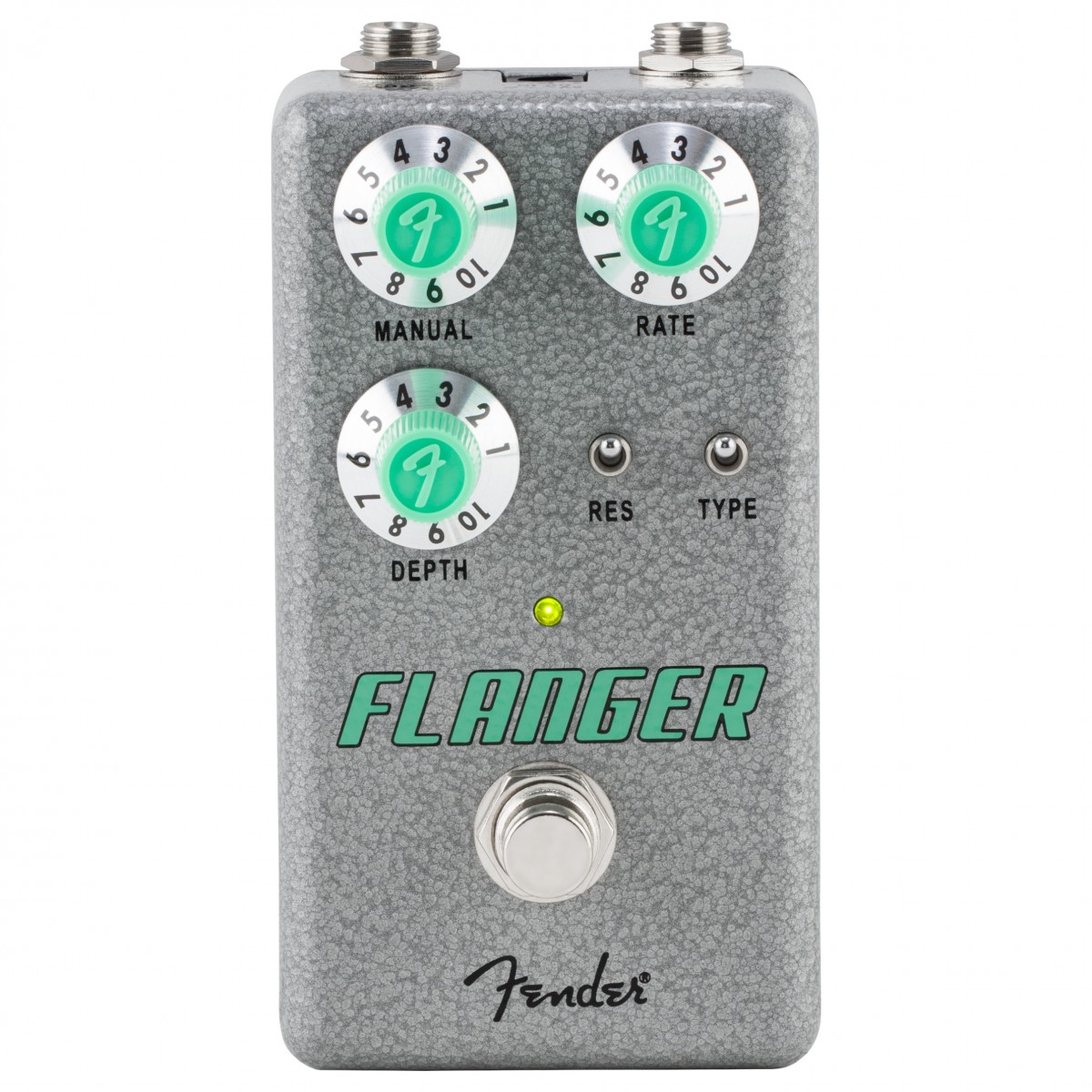
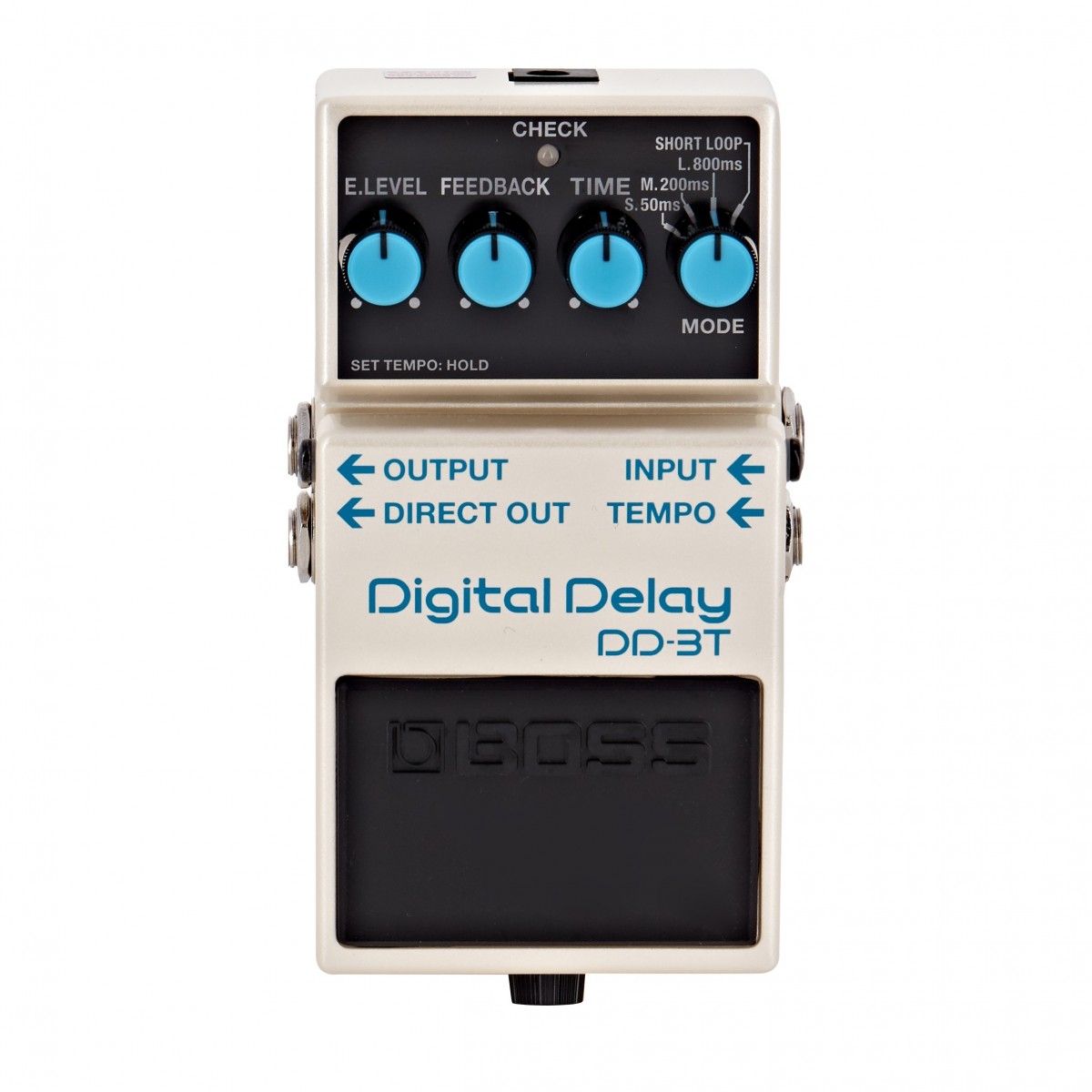
Positioned as an entry-level professional tool, the EX-P is known for its affordability, typically retailing around GBP 12. In the wider market of expressive controllers, it competes with units like the Yamaha FC7, which offers a heavier metal construction and a different throw angle. While the EX-P focuses on MIDI control, it is often used alongside traditional guitar effects such as the Boss DD-3T Digital Delay or the Fender Hammertone Flanger to manage parameters that support external expression input.
Related gear
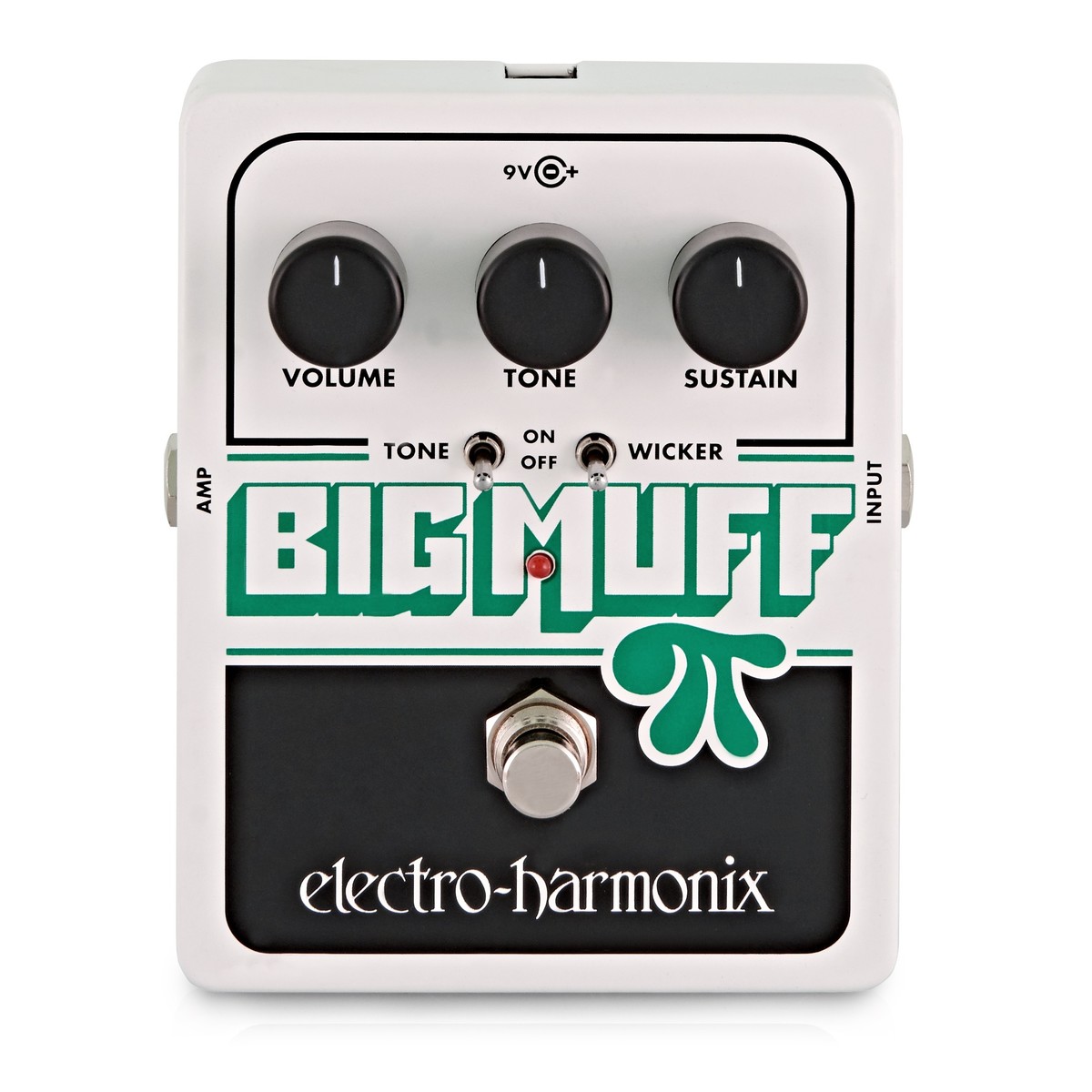 £97.00 ($123)
Electro Harmonix
Electro Harmonix Big Muff Distortion Sustainer w/ Tone Wicker
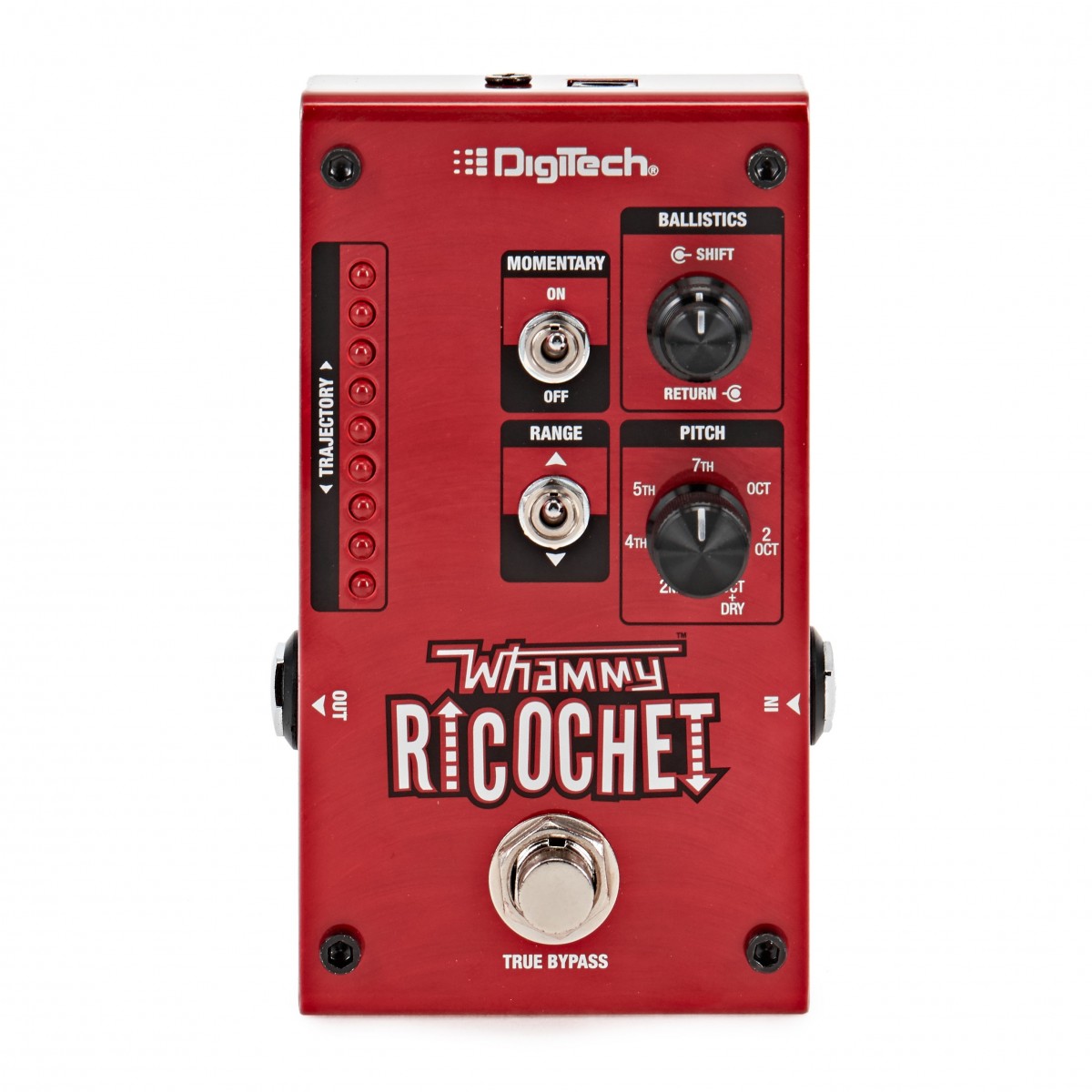 £119.00 ($151)
Digitech
Digitech Whammy Ricochet Guitar Effects Pedal
 £85.00 ($108)
Fender
Fender Hammertone Flanger Pedal
 £23.00 ($29)
Behringer
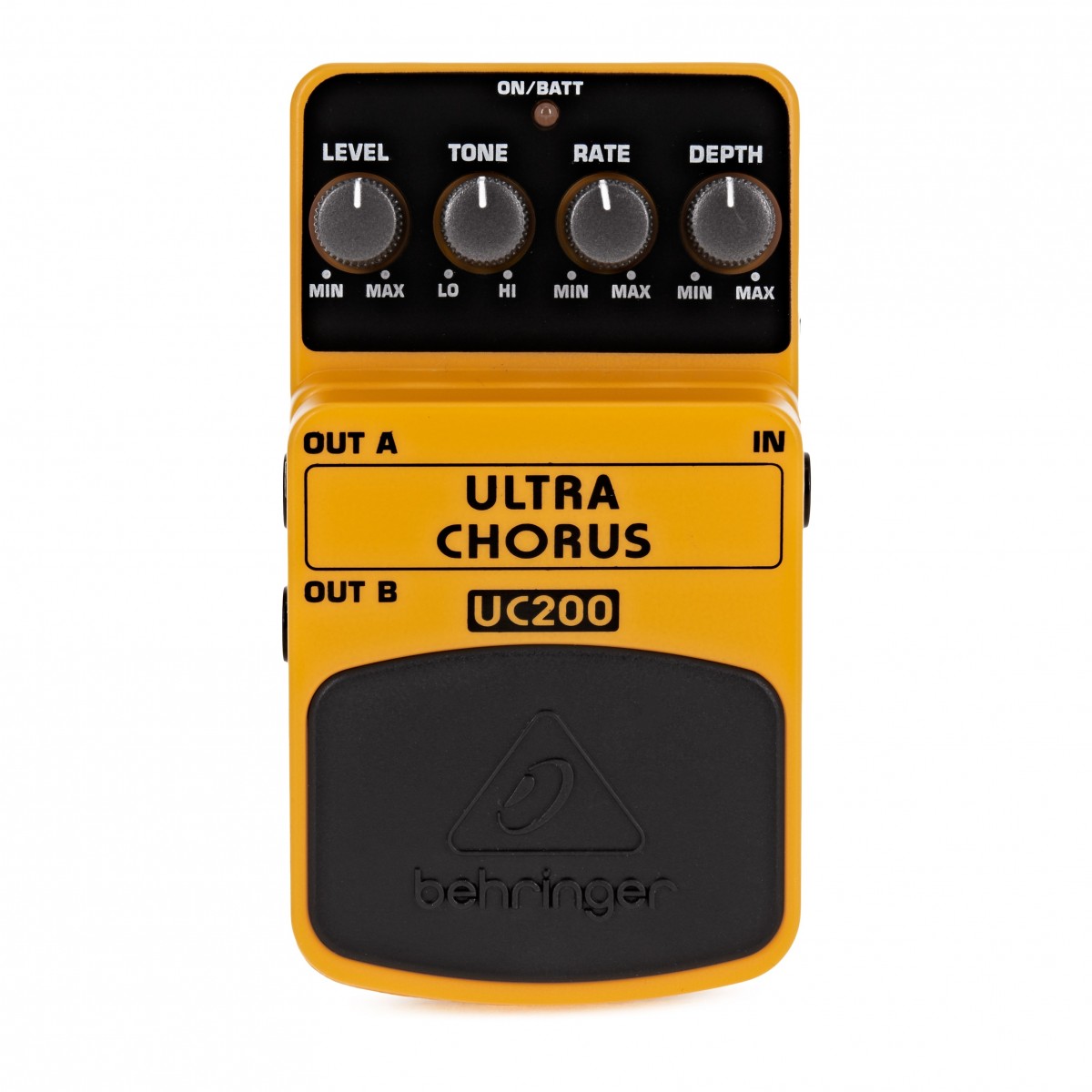
Behringer UC200 Ultra Chorus Pedal
 £259.00 ($329)
Dunlop
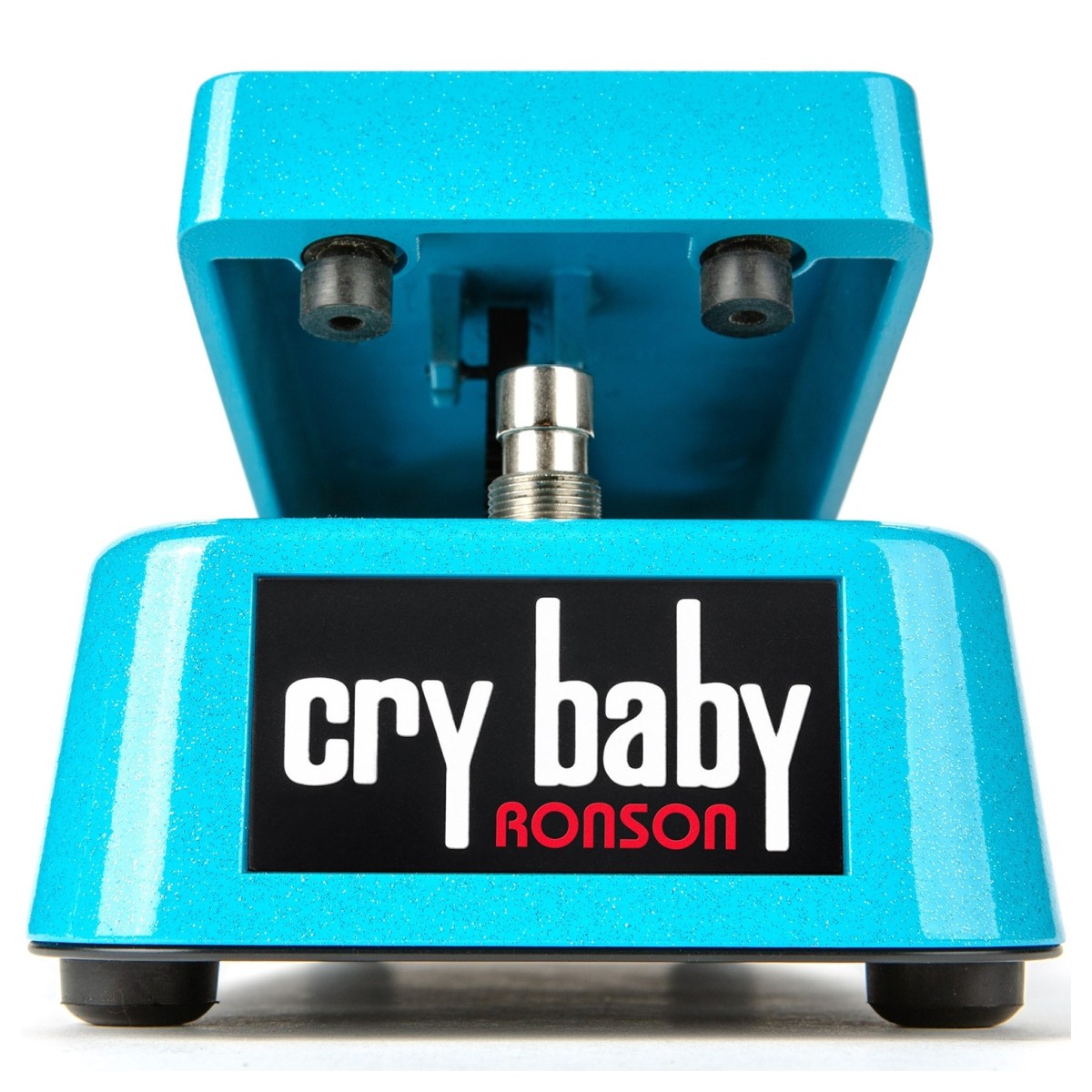
Dunlop Mick Ronson Cry Baby Wah
- £78.60 ($100)
Yamaha
Yamaha FC7 Expression Pedal
 £175.00 ($222)
Boss
Boss DD-3T Digital Delay Pedal
 £99.10 ($126)
Boss
Boss NS-2 Noise Suppressor Guitar Pedal
Frequently asked questions
- What is the primary purpose of the M-Audio EX-P?
- The M-Audio EX-P is designed to control assignable MIDI parameters such as volume, modulation, and filter sweeps. It connects to keyboards or controllers with an expression pedal input to provide hands-free variable control.
- Does the EX-P require a separate power supply or batteries?
- No, the EX-P is a passive controller that does not require an external power source or batteries. It receives the necessary low-voltage signal from the device it is plugged into via the TRS cable.
- What does the polarity switch on the bottom of the pedal do?
- The polarity switch ensures compatibility with different brands of hardware. Because different manufacturers use different wiring for expression inputs, this switch allows the pedal to work correctly with non-M-Audio devices.
- Can I use the EX-P as a standard volume pedal for my guitar signal?
- No, the EX-P is an expression pedal, not an audio volume pedal. It does not have audio inputs or outputs for a guitar signal; it only sends control data to MIDI-compatible hardware.
- What type of connector does the EX-P use?
- The pedal features an integrated 1/4-inch (6.35mm) TRS (Tip-Ring-Sleeve) cable. This is the standard connection type for most expression pedal inputs on modern music gear.
- What is the purpose of the knob on the side of the M-Audio EX-P?
- The side-mounted knob acts as a minimum value adjustment. It allows the user to set the lowest point of the pedal's range, ensuring that the controlled parameter doesn't drop below a specific level when the pedal is in the 'up' position.
- Is the cable on the EX-P removable?
- No, the EX-P features an integral cable that is built directly into the molded construction of the pedal. This ensures the cable is never lost, though it cannot be easily swapped for a different length.
- What material is the M-Audio EX-P made from?
- The pedal is built using a durable molded plastic construction. While lightweight, it is designed to withstand regular use in studio and live performance environments.
- Which MIDI parameters can be controlled with this pedal?
- It can control any variable MIDI controller value that your host device allows you to assign. Common examples include volume, panning, filter cutoff frequency, and modulation depth.
- Is the M-Audio EX-P compatible with brands like Yamaha or Roland?
- Yes, it is generally compatible with most other brands. The built-in polarity switch is specifically included to allow the pedal to match the wiring requirements of various third-party controllers and keyboards.
- How does the EX-P compare in price to other expression pedals?
- The EX-P is an exceptionally affordable option, typically priced around GBP 12. This makes it significantly less expensive than many metal-chassis alternatives or boutique expression pedals.
- Can I use the EX-P with guitar effects pedals like the Digitech Whammy Ricochet?
- The EX-P can be used with any guitar pedal that features a dedicated 1/4-inch expression input. Users should check the specific requirements of the guitar pedal to ensure it supports standard TRS expression controllers.