
Gear article
Meris MercuryX Modular Reverb System Pedal
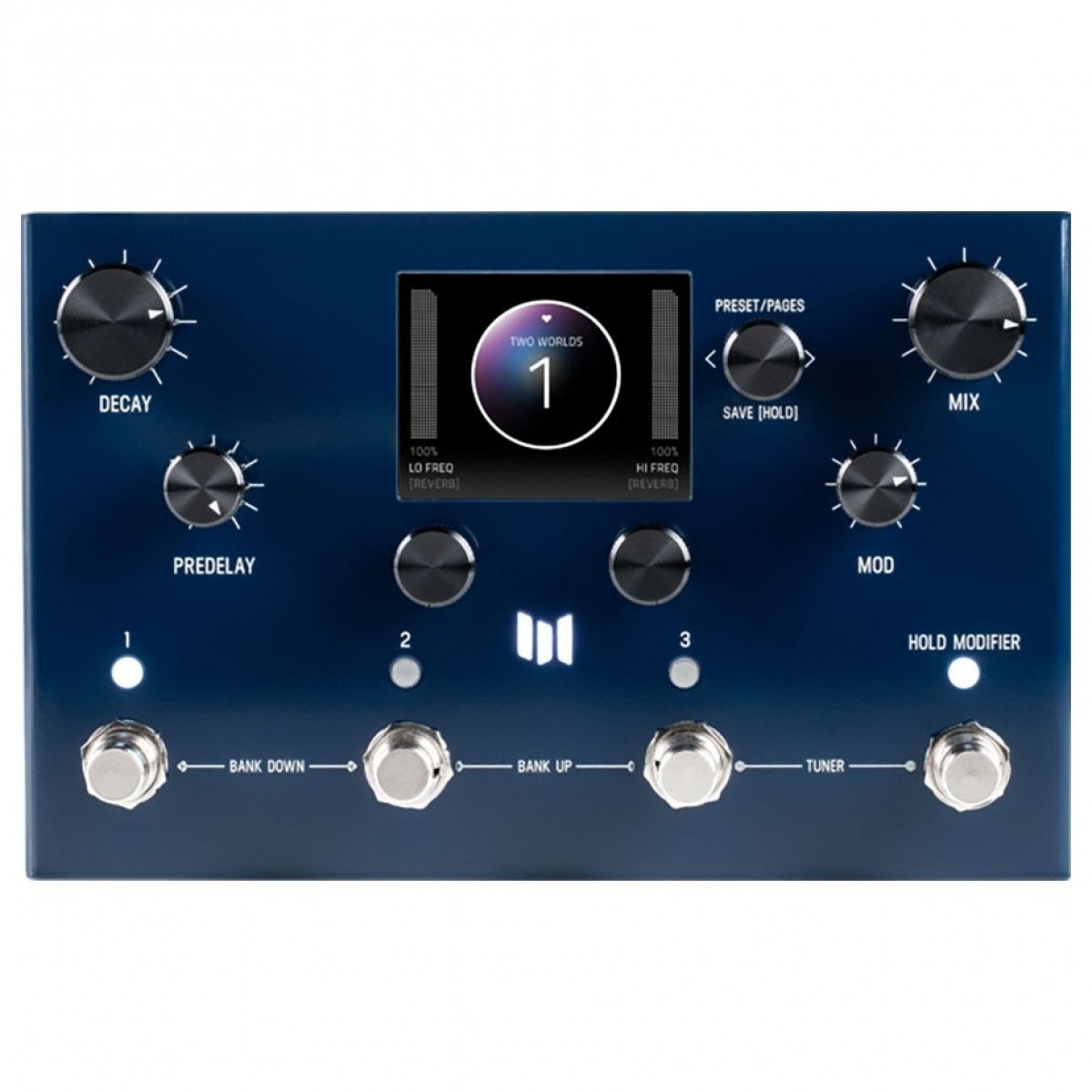
The Meris MercuryX is a high-end modular reverb system designed for guitarists and studio engineers seeking expansive, cinematic soundscapes. It features advanced digital signal processing inspired by iconic science fiction soundtracks to deliver immersive audio environments.
Overview
The Meris MercuryX Modular Reverb System is a professional-grade effects processor housed in a pedal format. Built to provide a level of control typically found in studio rack equipment, the unit leverages 24-bit AD/DA converters and 32-bit floating point DSP to maintain high audio fidelity. It is primarily marketed toward musicians, sound designers, and producers who require deep, ethereal reverberation and modular-style flexibility.
Historical Inspiration
The development of the MercuryX was heavily influenced by the sonic aesthetics of classic science fiction cinema. Specifically, the manufacturer cites the Vangelis soundtrack for the 1982 film *Blade Runner* as a primary inspiration. This influence is reflected in the device's ability to generate lush, symphonic textures and expansive atmospheres that evoke a futuristic and melancholic character.
Algorithms and Key Features
The core of the MercuryX system is built around two distinct reverb algorithms:
- Ultraplate: A meticulously crafted plate reverb simulation designed for richness and high-density reflections.
- Cathedra: A large, immersive algorithm tailored for vast, ethereal spaces.
Users can further shape these sounds using the High and Low Frequency Damping controls, which allow for surgical tonal adjustments. The device also includes a dedicated modulation section to introduce movement and life into the reverb trails, along with pre-delay and swell functions for precise temporal shaping.
Sound Character
The MercuryX is characterised by its ability to transform a standard input signal into an 'ethereal symphony.' Unlike standard pedals that may sound metallic or artificial, the MercuryX focuses on organic, immersive soundscapes. The 32-bit floating point processing ensures that even long, decaying tails remain smooth and free of digital artefacts, making it suitable for ambient, post-rock, and cinematic scoring applications.
Suitability and Applications
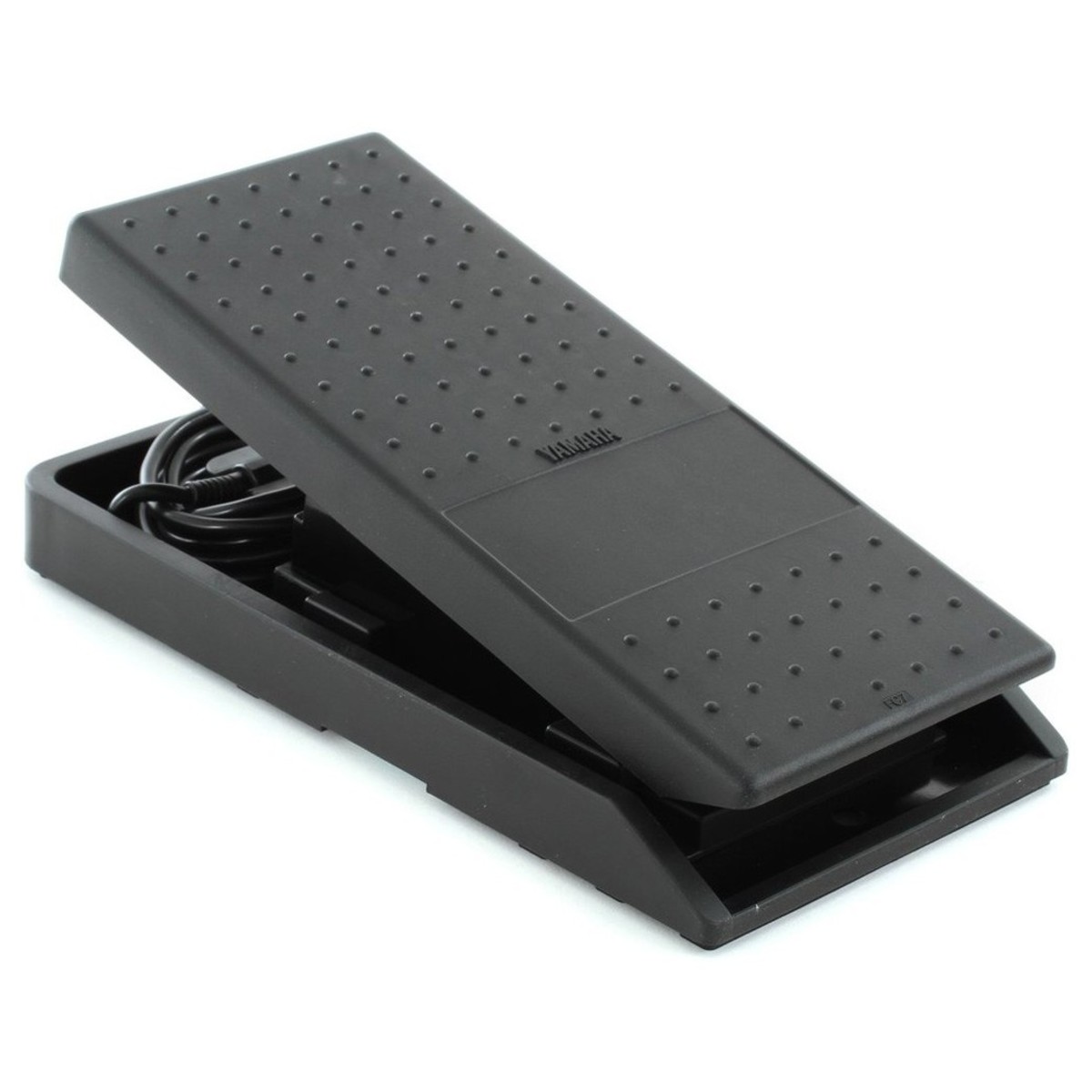
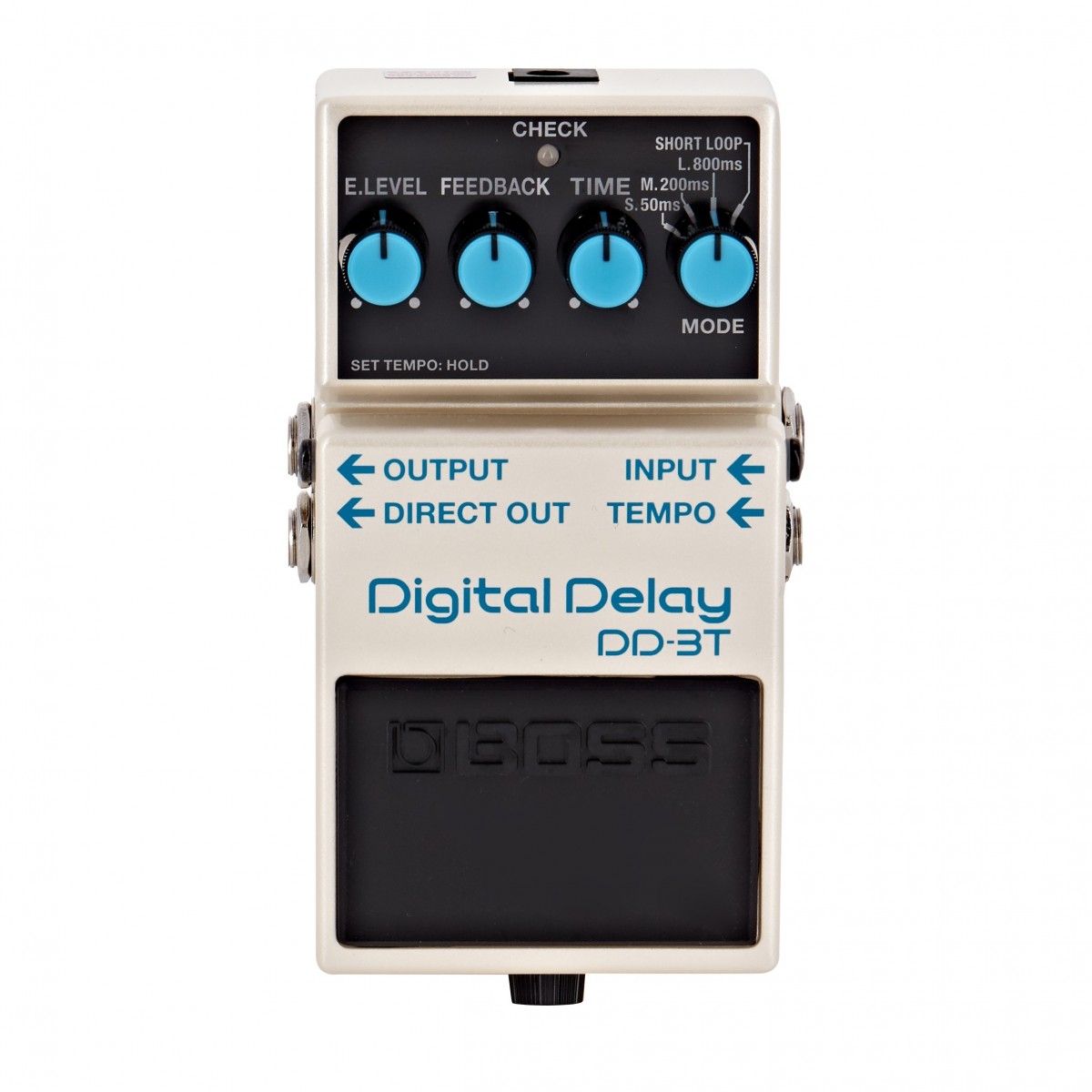
This pedal is best suited for players who view reverb as a primary compositional tool rather than a background effect. While it can handle traditional duties, its complexity and price point (£629) target professionals and enthusiasts. It is frequently paired with expression controllers, such as the Yamaha FC7, or placed at the end of a signal chain containing classic pedals like the Boss DD-3T Digital Delay or the Electro Harmonix Big Muff for creating massive wall-of-sound textures.
Comparisons to Alternatives
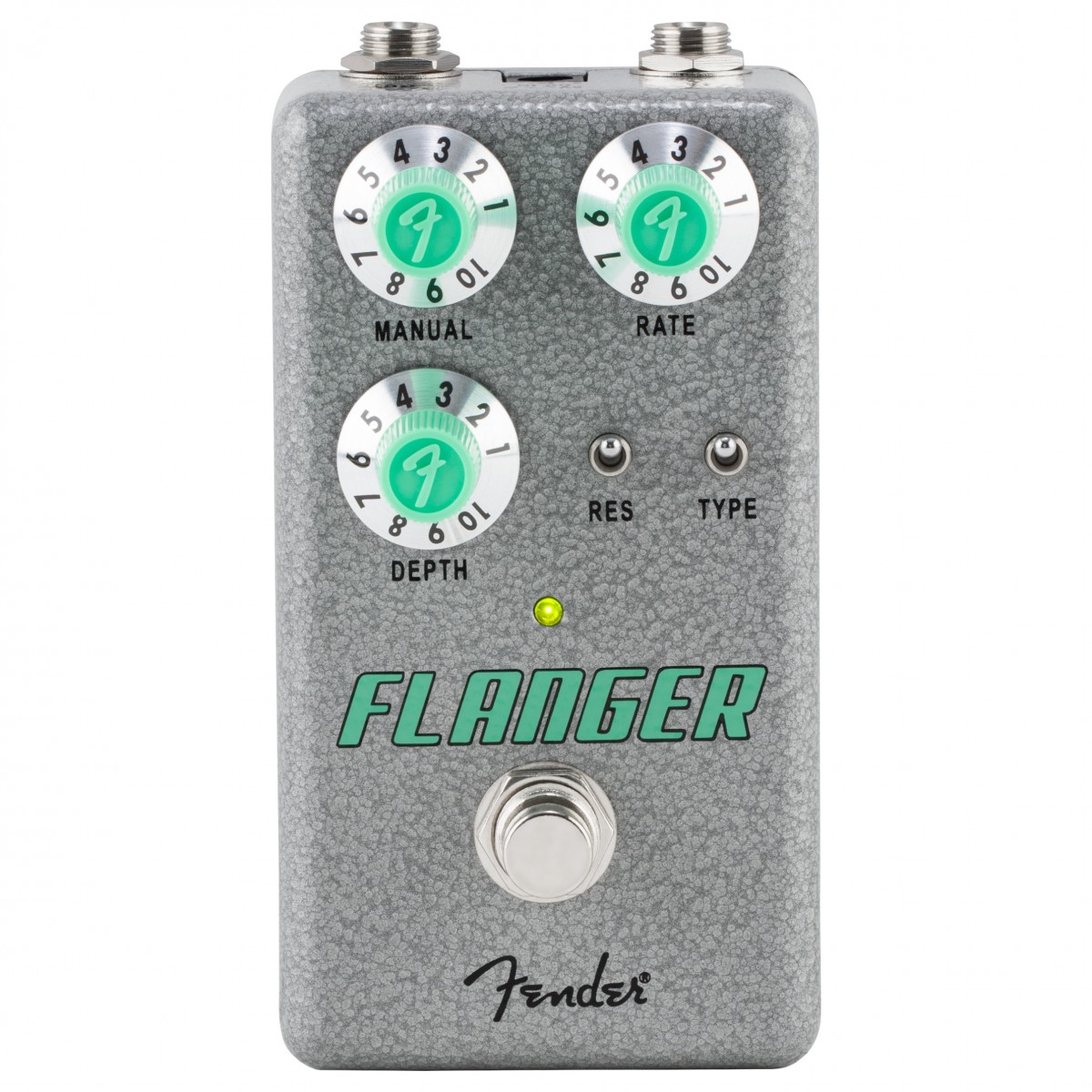
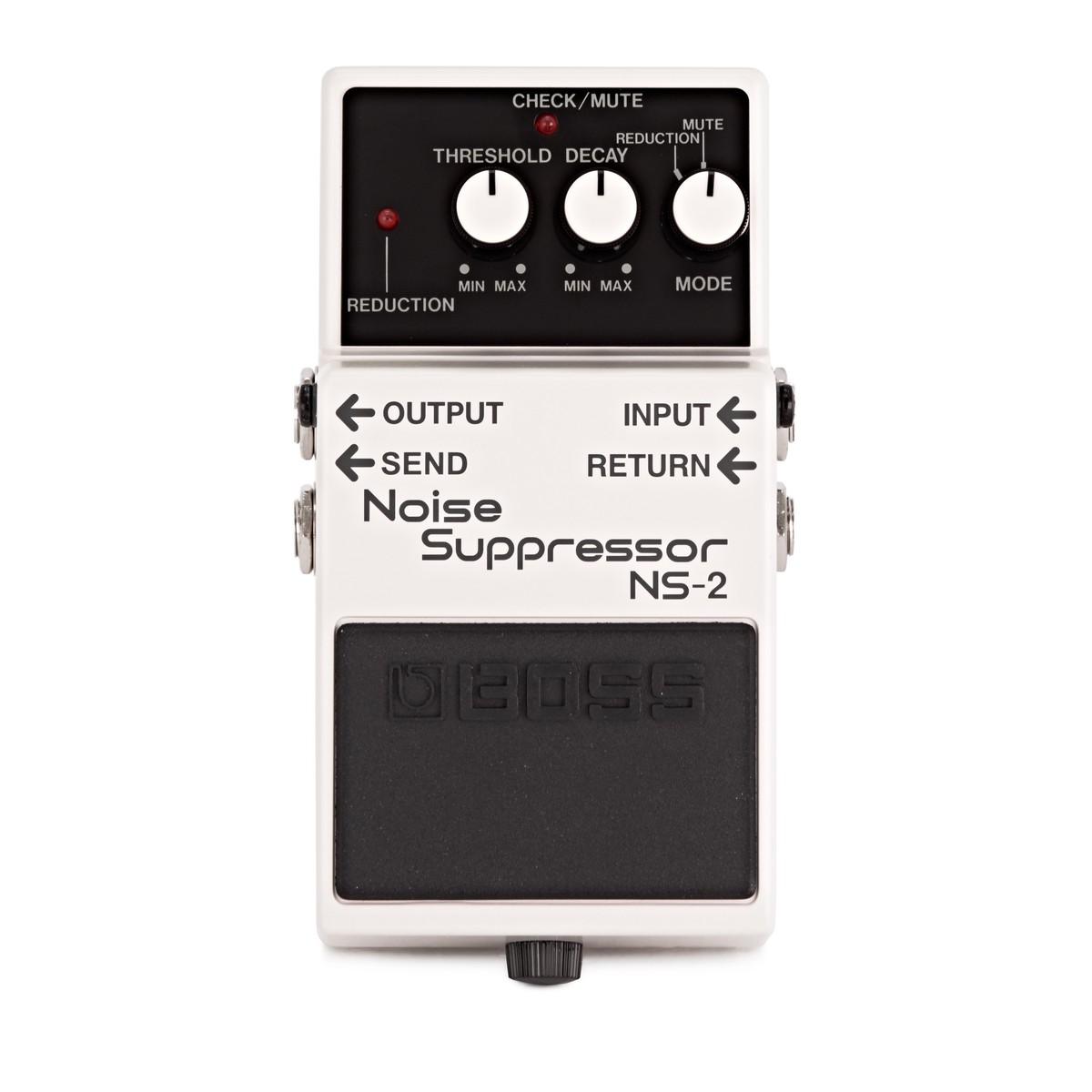
When compared to utility pedals like the Boss NS-2 Noise Suppressor or standard modulation units like the Fender Hammertone Flanger, the MercuryX occupies a significantly more complex niche. While digital delays such as the Boss DD-3T provide rhythmic repeats, the MercuryX offers a modular architecture that allows for deeper integration of modulation and tonal damping within the reverb engine itself.
Related gear
 £97.00 ($123)
Electro Harmonix
Electro Harmonix Big Muff Distortion Sustainer w/ Tone Wicker
 £119.00 ($151)
Digitech
Digitech Whammy Ricochet Guitar Effects Pedal
 £85.00 ($108)
Fender
Fender Hammertone Flanger Pedal
 £23.00 ($29)
Behringer
Behringer UC200 Ultra Chorus Pedal
 £259.00 ($329)
Dunlop
Dunlop Mick Ronson Cry Baby Wah
- £78.60 ($100)
Yamaha
Yamaha FC7 Expression Pedal
 £175.00 ($222)
Boss
Boss DD-3T Digital Delay Pedal
 £99.10 ($126)
Boss
Boss NS-2 Noise Suppressor Guitar Pedal
Frequently asked questions
- What inspired the sound of the Meris MercuryX?
- The pedal was inspired by the Vangelis soundtrack for the film Blade Runner. It aims to replicate the lush, immersive, and cinematic atmospheres found in classic science fiction cinema.
- What are the primary reverb algorithms included in the unit?
- The unit features two core algorithms: Ultraplate and Cathedra. Ultraplate provides a rich plate-style reverb, while Cathedra is designed for expansive, ethereal soundscapes.
- What is the quality of the digital processing in the MercuryX?
- The pedal utilizes 24-bit AD/DA converters for high-quality audio conversion. The internal processing is handled by a 32-bit floating point DSP engine.
- Can I adjust the tone of the reverb tails?
- Yes, the MercuryX includes High and Low Frequency Damping features. These allow the user to fine-tune the tonal character of the reverberation to be darker or brighter.
- Does the pedal offer modulation effects?
- Yes, it features a dedicated modulation section. This allows users to add movement and life to the reverb, preventing the sound from becoming static.
- What timing controls are available for sound shaping?
- The pedal includes pre-delay and swell functions. These features allow for intricate control over how the reverb blooms and how it sits relative to the original signal.
- How much does the Meris MercuryX typically cost?
- The typical price range for the Meris MercuryX is approximately £629. This reflects its status as a professional-grade modular effects system.
- Is the MercuryX suitable for simple 'always-on' reverb?
- While it can perform simple tasks, it is primarily designed as a modular system for complex soundscapes. It is best suited for users who want deep control over their ambient effects.
- Can the MercuryX be used with expression pedals?
- Yes, it is compatible with external controllers like the Yamaha FC7 Expression Pedal. This allows for real-time manipulation of the reverb parameters during performance.
- How does the MercuryX compare to a standard digital delay?
- Unlike a standard digital delay like the Boss DD-3T, the MercuryX focuses on creating a dense wash of sound rather than distinct repeats. It is a spatial processor rather than a simple echo unit.
- What kind of musicians would benefit most from this pedal?
- It is ideal for ambient guitarists, film composers, and sound designers. The modular nature and cinematic voicing make it perfect for creating atmospheric textures.
- Does the MercuryX require other pedals to function well?
- It works as a standalone unit, but it integrates well with other gear like the Digitech Whammy Ricochet or Fender Hammertone Flanger. Users often pair it with a noise suppressor like the Boss NS-2 to keep high-gain signal chains clean.