Gear article
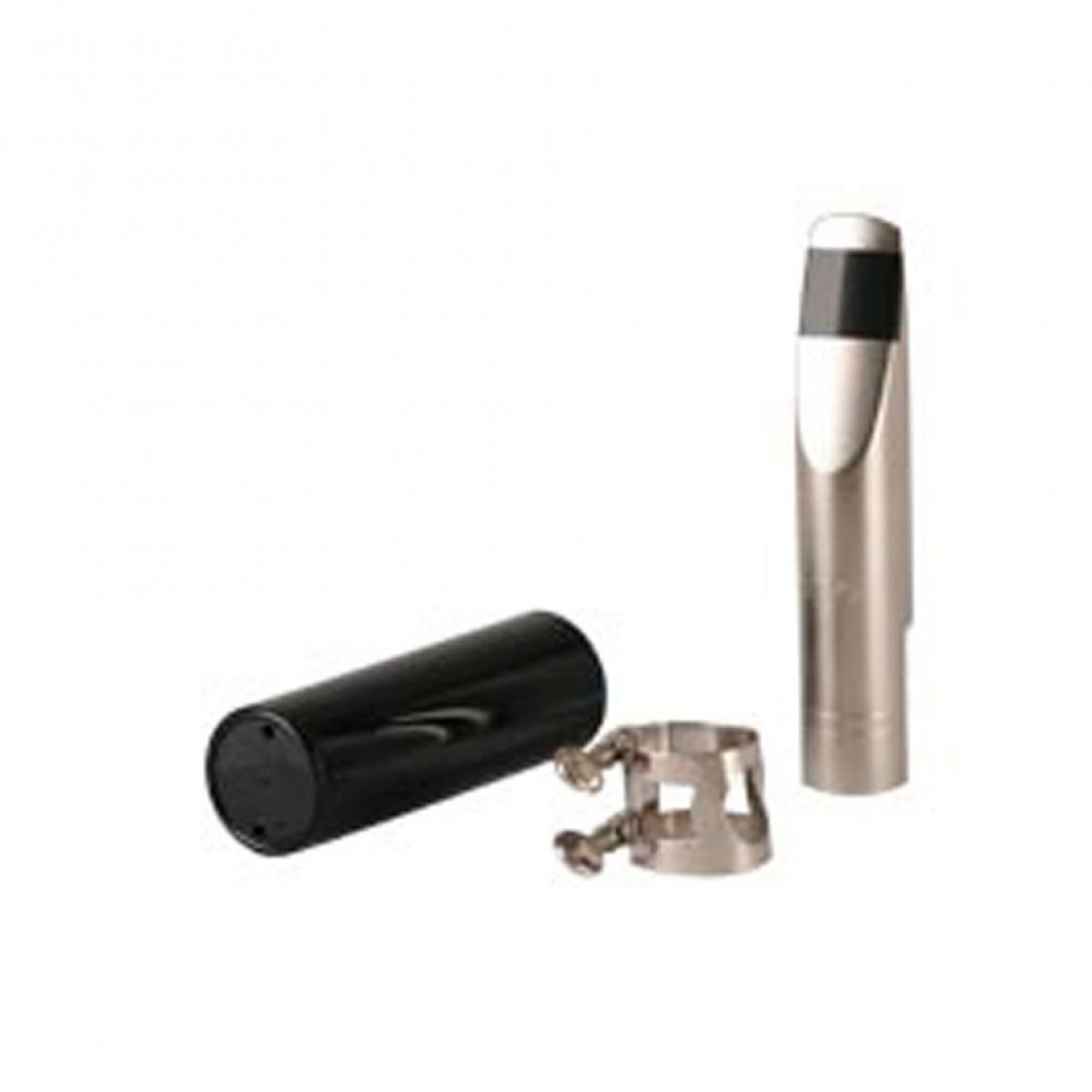
Meyer Tenor Saxophone Mouthpiece Metal 7J
The Meyer Tenor Saxophone Mouthpiece Metal 7J is a precision-engineered woodwind accessory crafted in the USA for jazz applications. Featuring a medium 7J tip opening and a durable metal construction, it is designed to provide a bright, hard-edged tone with free-blowing responsiveness.
History and Background
Meyer mouthpieces have a long-standing heritage in the woodwind industry, with production originating in the USA in 1916. Over the course of more than a century, the brand has established itself as a staple for jazz musicians. While many players associate the brand with its popular ebonite (hard rubber) offerings, the metal series represents a contemporary approach to their classic design philosophy, aiming to provide additional projection and brightness while maintaining the 'sweet' tonal character the brand is known for.
Design and Construction
The Metal 7J model is specifically engineered for the tenor saxophone. Unlike traditional hard rubber mouthpieces, the metal construction offers a denser material profile, which typically contributes to a more focused and powerful sound. The 7J designation refers to the tip opening of 0.100 inches, which is considered a medium-sized opening. This specific measurement is chosen to offer a balance between ease of play and the flexibility required for professional-level expressive techniques.
Sound Character and Performance
The primary sonic characteristic of the Meyer Metal 7J is its luscious, bright tone. The metal body provides a 'hard-edged' profile that helps the instrument cut through the mix in loud environments. Despite this brightness, it maintains the 'fat' and sweet quality that has made Meyer a sought-after brand. The free-blowing responsiveness of the mouthpiece allows for an easy response across the full range of the tenor saxophone, making it particularly effective for technical passages.
Applications
This mouthpiece is optimized for jazz ensembles and big band settings where projection is critical. It is well-suited for several styles of play:
- Soloing: The 0.100" tip opening allows players to bend notes and add inflections with ease.
- Technical Playing: The evenness of intonation ensures that fast-moving passages remain clear and in tune.
- Ensemble Work: The bright tone helps the tenor saxophone stand out against brass sections in a big band context.
Included Accessories
To ensure the mouthpiece is ready for immediate use, Meyer includes essential hardware with the 7J model. Each unit comes packaged with a dedicated ligature, designed to hold the reed securely against the metal table, and a protective mouthpiece cap to prevent damage to the tip and rails when the instrument is not in use.
Related gear
- £21.70 ($28)
Daddario
DAddario Organic Select Jazz Unfiled Tenor Sax Reeds 4H (5 Pack)
 £31.00 ($39)
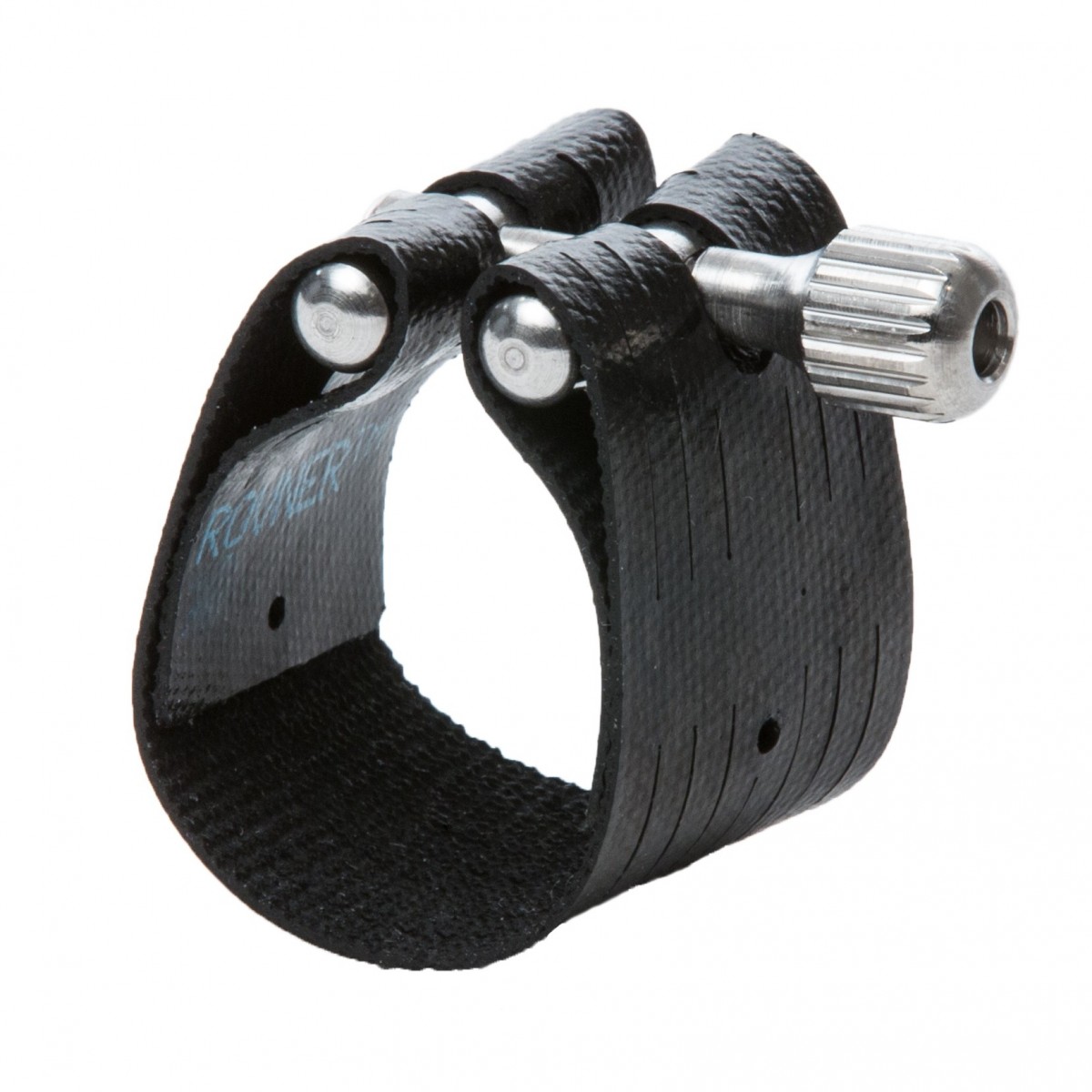
Rovner
Rovner 3RL Dark Bass Clarinet/Saxophone Ligature and Cap
 £23.50 ($30)
Vandoren
Vandoren Java Tenor Saxophone Reeds 1.5 (5 Pack)
 £25.25 ($32)
Daddario
DAddario Organic Select Jazz Filed Alto Sax Reeds 4M (10 Pack)
 £7,531.00 ($9,564)
Yamaha
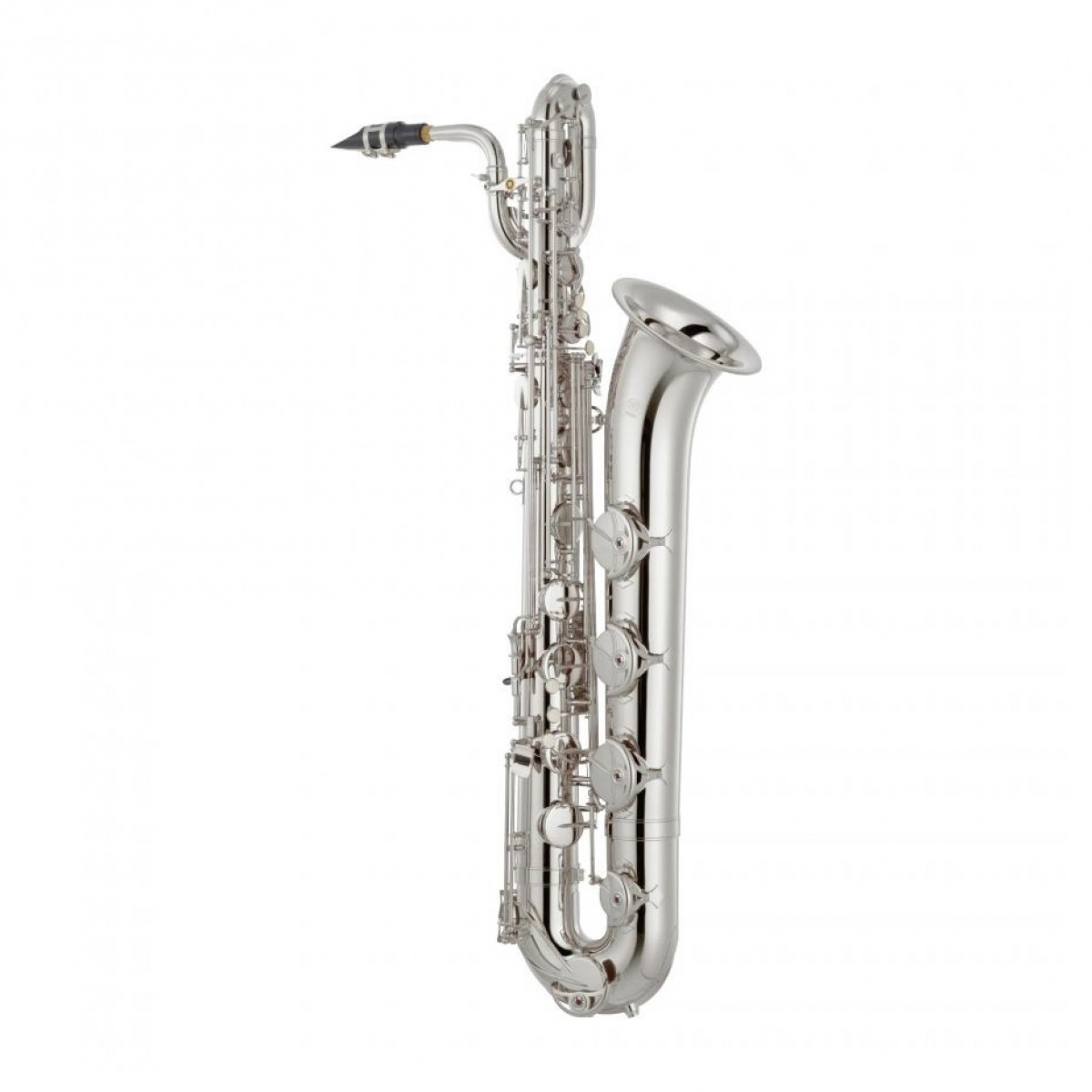
Yamaha YBS480 Baritone Saxophone Silver Plate
 £40.00 ($51)
Yamaha
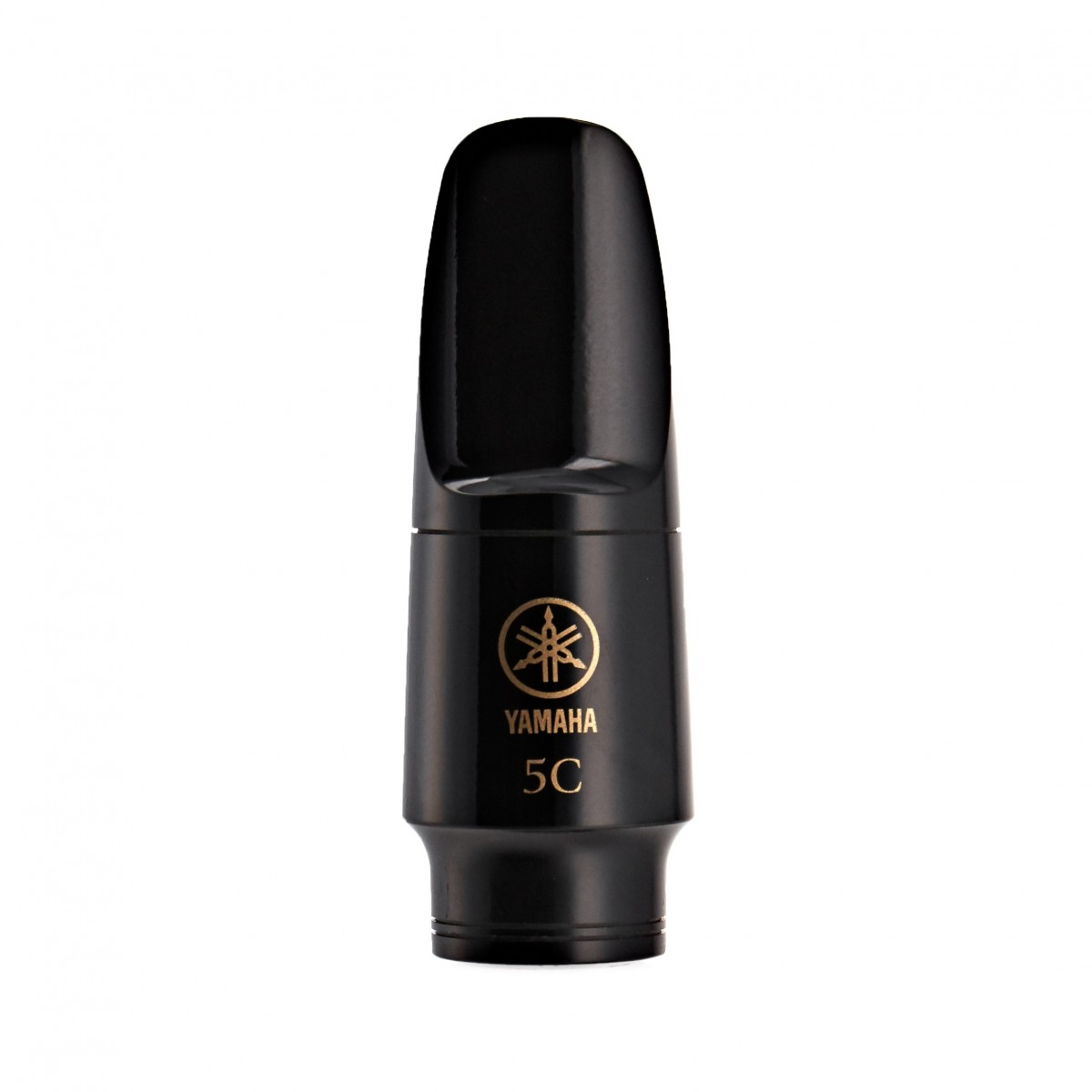
Yamaha 5C Soprano Saxophone Mouthpiece
 £80.90 ($103)
Vandoren
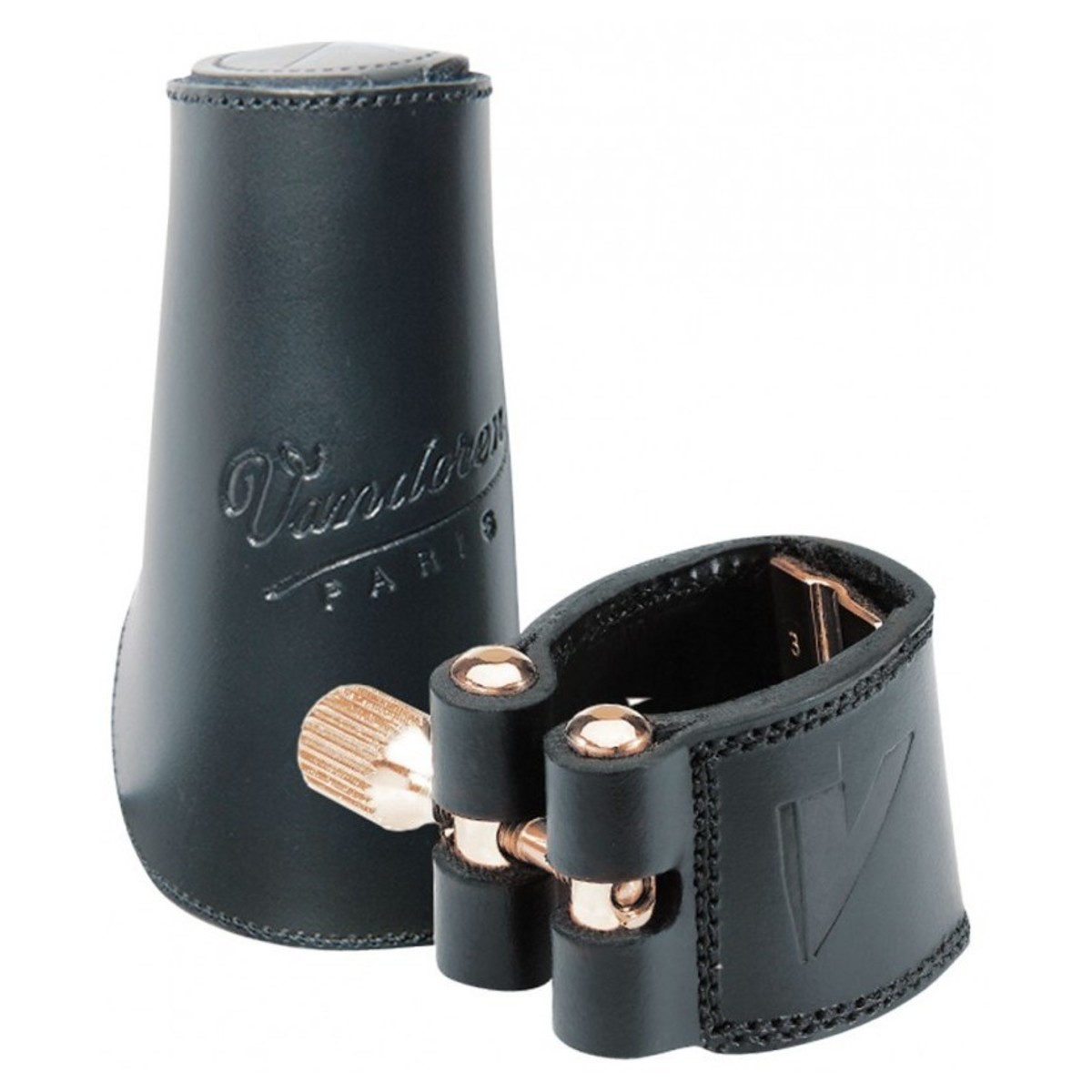
Vandoren Cuir Alto Sax Ligature Leather with Leather Cap
 £392.00 ($498)
JodyJazz Inc.
JodyJazz Super Jet Baritone Saxophone Mouthpiece 6
Frequently asked questions
- What is the tip opening measurement for the Meyer Metal 7J?
- The Meyer Metal 7J tenor saxophone mouthpiece has a tip opening of 0.100 inches. This is classified as a medium opening, providing a balance of control and flexibility.
- Where are Meyer mouthpieces manufactured?
- Meyer mouthpieces have been produced in the United States since the company's inception in 1916. The brand maintains a reputation for American-made quality in the woodwind market.
- What type of tone does the metal construction provide?
- The metal construction of the 7J model produces a bright, hard-edged sound profile. This is distinct from the warmer, more mellow tones usually associated with hard rubber alternatives.
- Does this mouthpiece come with a ligature?
- Yes, the Meyer Tenor Metal 7J is supplied with a ligature and a mouthpiece cap included in the package. This ensures the player has the necessary hardware to secure their reed.
- Is the 7J better for jazz or classical music?
- This mouthpiece is specifically designed and suited for jazz ensembles and big bands. Its bright tone and free-blowing nature are tailored for jazz performance rather than standard classical requirements.
- What is meant by 'free-blowing' in the description?
- Free-blowing refers to a design that offers low resistance when the player blows air into the mouthpiece. This allows for an easy response and reduced physical effort when playing.
- What is the typical price for the Meyer Metal 7J?
- The Meyer Tenor Saxophone Mouthpiece Metal 7J is typically priced at approximately GBP 195. This places it in the mid-to-high range for professional saxophone mouthpieces.
- Can I use this mouthpiece for note bending and vibrato?
- Yes, the 0.100" medium tip opening is designed to balance intonation with the ability to bend notes and add expressive inflections. This makes it ideal for expressive soloing.
- How does the sound of the metal version compare to the ebonite version?
- The metal version typically offers a harder edge and more brightness than ebonite versions. It is designed for players who need more projection and a slightly sharper tonal profile.
- Is this mouthpiece suitable for beginners?
- While it is easy to play, the Metal 7J is generally preferred by intermediate to professional players. Beginners often start on smaller tip openings, such as a Yamaha 5C, before moving to a 7J.
- What kind of reeds are compatible with this mouthpiece?
- It can be used with a variety of reeds, such as D'Addario Organic Select Jazz or Vandoren Java Tenor reeds. Reeds with a strength of 2.5 to 3.5 are common pairings for a 0.100" opening.
- How long has Meyer been making mouthpieces?
- Meyer has been producing saxophone mouthpieces since 1916. This long history has established them as one of the most acclaimed brands in jazz music history.