
Gear article
Mooer Audio MAG1 Acoustikar
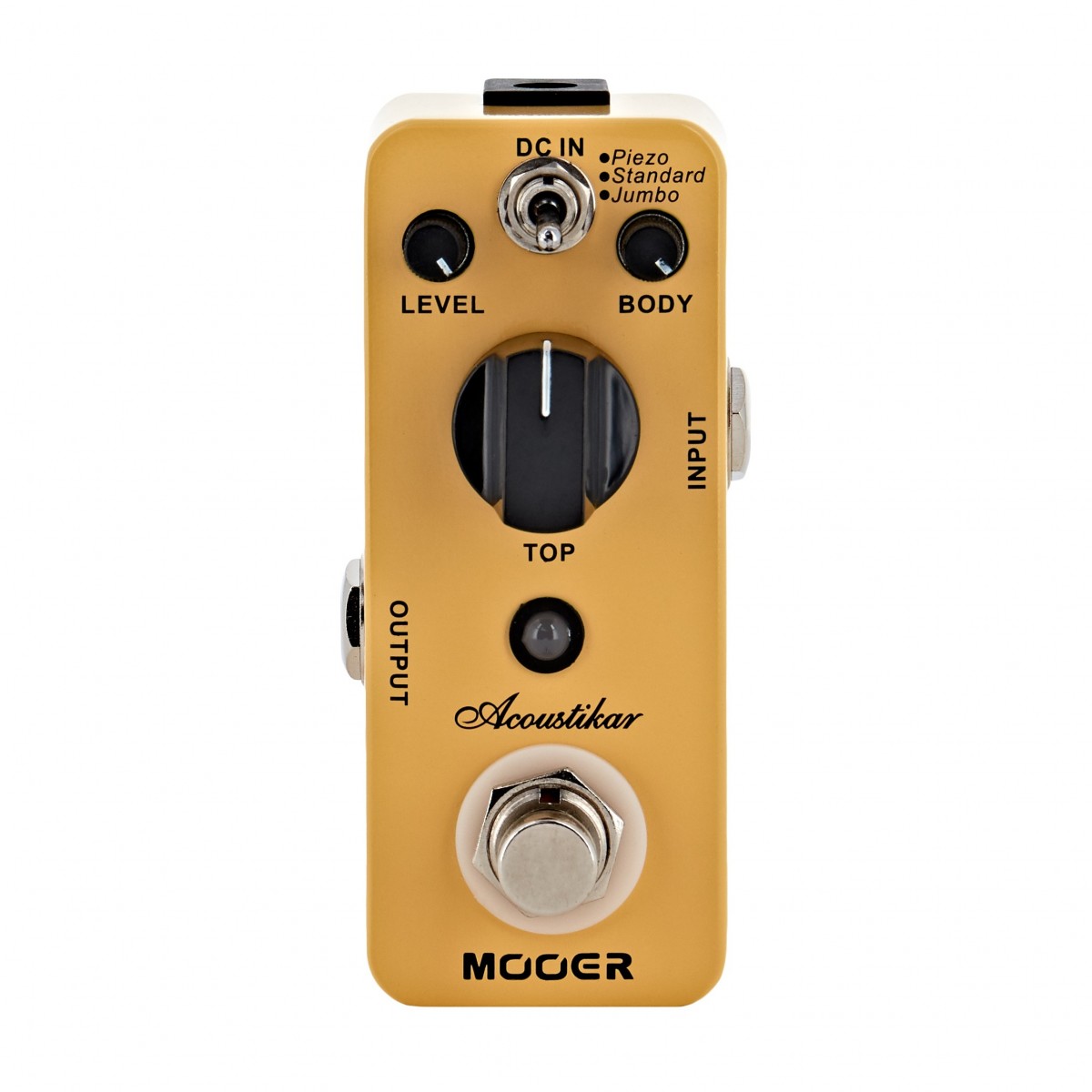
The Mooer Audio MAG1 Acoustikar is a compact acoustic guitar simulator pedal designed to replicate the tonal characteristics of an acoustic instrument using an electric guitar signal. It features three distinct simulation modes and is housed in a space-saving micro-pedal chassis, offering a portable solution for guitarists requiring acoustic textures without instrument changes.
Overview
The Mooer MAG1 Acoustikar belongs to the brand's popular Micro Series, known for high-quality signal processing within a minimal footprint. The pedal is specifically engineered to process the magnetic pickup signal of an electric guitar and reshape its frequency response to mimic the resonance and harmonic structure of an acoustic guitar. It is commonly utilised by performing musicians who need to switch between electric and acoustic sounds mid-set without the logistical burden of carrying multiple instruments.
Operating Modes
The Acoustikar features a three-way toggle switch that selects between different acoustic profiles:
- Piezo: This mode simulates the bright, immediate attack and clear articulation characteristic of a piezo pickup found in many acoustic-electric guitars.
- Standard: This setting provides a balanced, classic acoustic guitar tone suitable for general strumming and fingerstyle duties.
- Jumbo: This mode emphasises low-end resonance and a larger internal volume, simulating the full-bodied, deep sound of a jumbo-sized acoustic guitar.
Controls and Tone Shaping
The pedal offers three primary adjustment parameters to fine-tune the simulation. The 'Level' knob controls the overall output volume of the effect. The 'Body' control adjusts the simulated resonance of the guitar's wooden cavity, allowing the user to increase or decrease the perceived size of the instrument. The 'Top' knob focuses on the higher frequencies, altering the brilliance, string noise, and harmonic character of the output.
Hardware and Connectivity
Like most Mooer Micro Series pedals, the Acoustikar features a rugged metal housing and a true bypass switching mechanism. True bypass ensures that when the pedal is disengaged, the signal passes directly from the input jack to the output jack without any circuitry interference, preserving the original tone of the electric guitar. Due to its micro size, the pedal requires an external 9V DC power supply and does not accommodate battery power.
Comparison to Alternatives
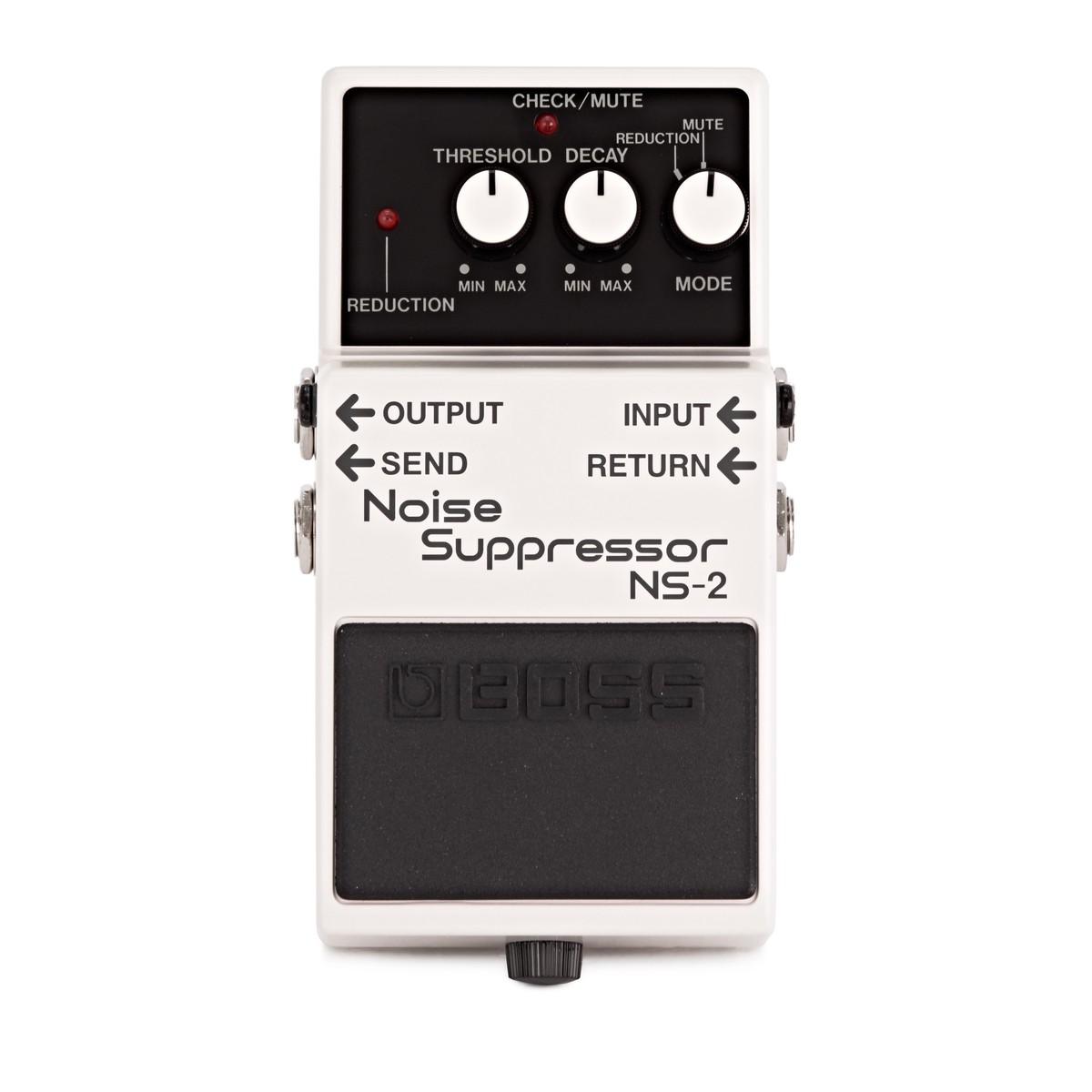
The MAG1 Acoustikar competes in a niche market alongside larger units like the Boss AC-3. While the Boss unit offers additional features like Reverb and multiple outputs, the Mooer MAG1 is distinguished by its significantly smaller footprint and lower price point. Other pedals often found on the same pedalboards for utility include the Boss NS-2 Noise Suppressor for signal cleanliness or the Behringer UC200 for added modulation to the acoustic sound.
Related gear
 £119.00 ($151)
Digitech
Digitech Whammy Ricochet Guitar Effects Pedal
 £85.00 ($108)
Fender
Fender Hammertone Flanger Pedal
 £23.00 ($29)
Behringer
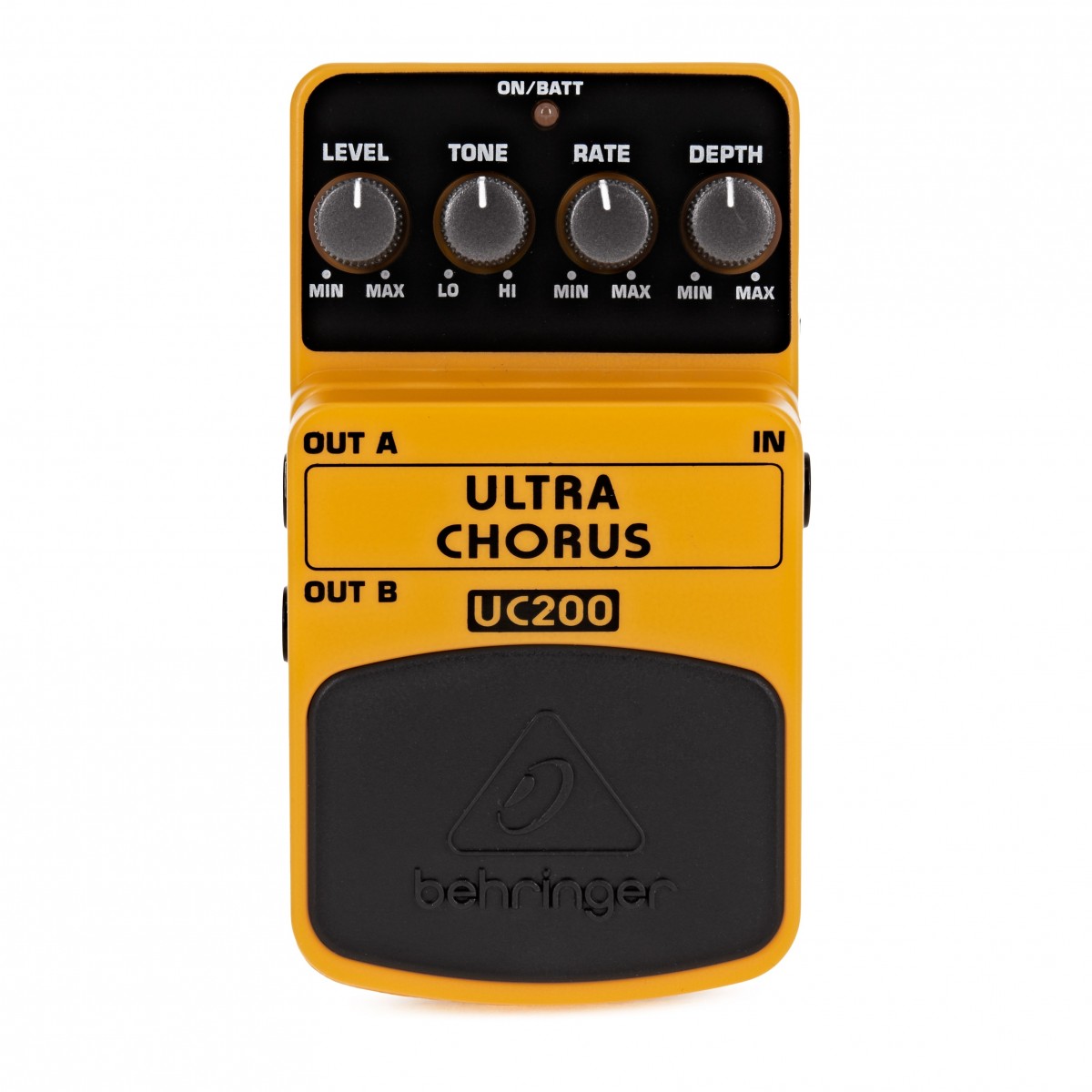
Behringer UC200 Ultra Chorus Pedal
 £259.00 ($329)
Dunlop
Dunlop Mick Ronson Cry Baby Wah
 £109.00 ($138)
Fender
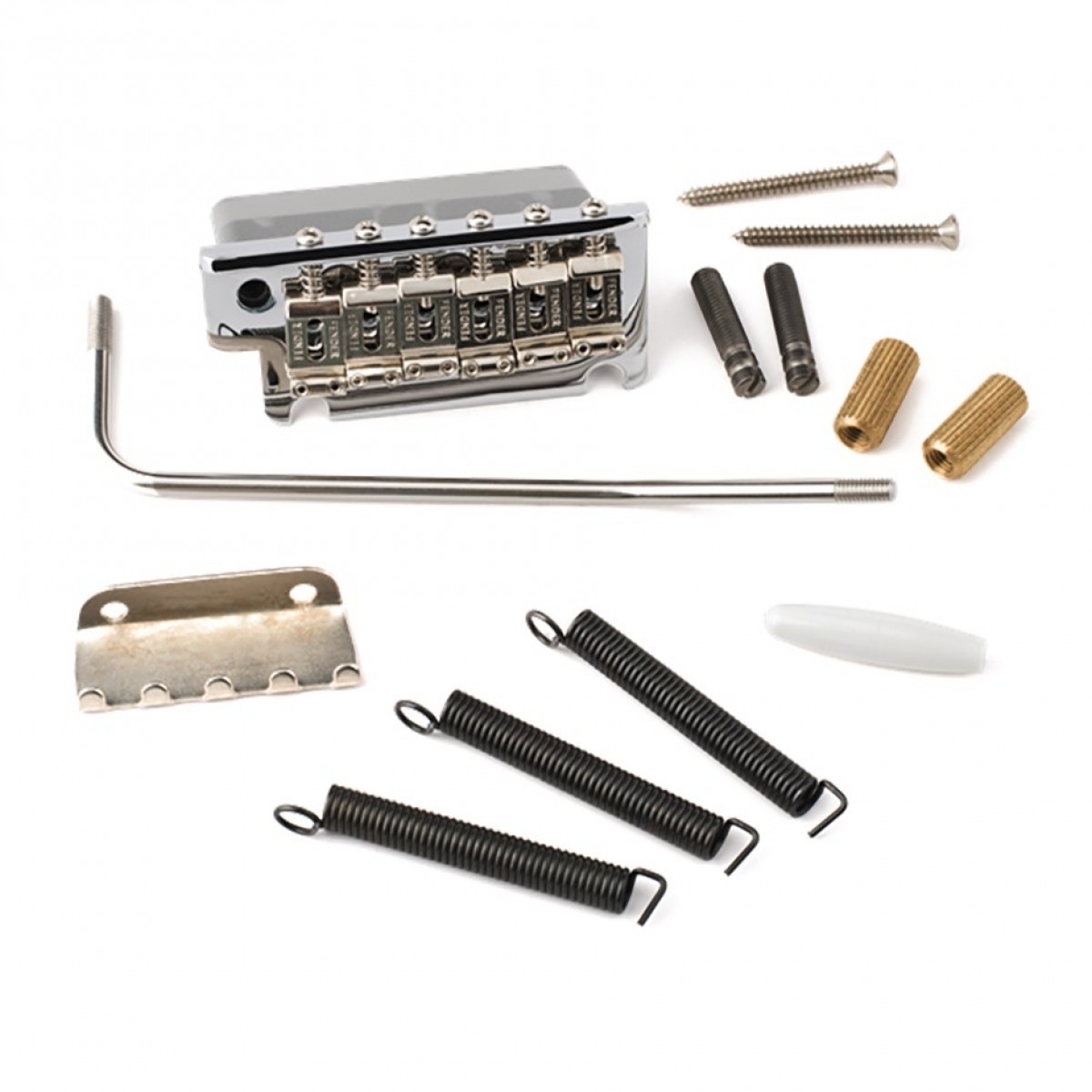
Fender American Standard Stratocaster Tremolo Bridge Assembly Chrome
- £78.60 ($100)
Yamaha
Yamaha FC7 Expression Pedal
 £175.00 ($222)
Boss
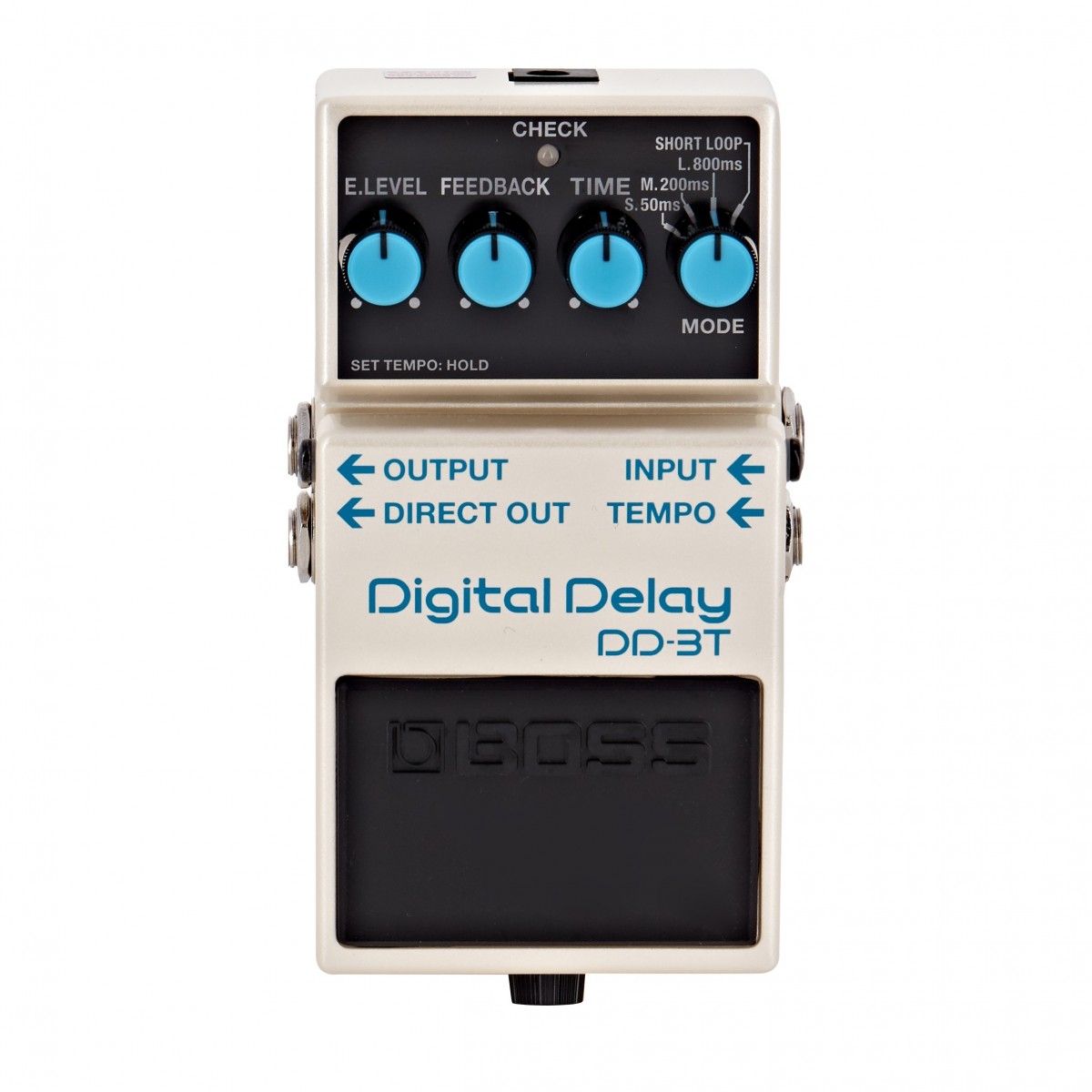
Boss DD-3T Digital Delay Pedal
 £99.10 ($126)
Boss
Boss NS-2 Noise Suppressor Guitar Pedal
Frequently asked questions
- What does the Mooer MAG1 Acoustikar do?
- The MAG1 Acoustikar is an effect pedal that simulates the sound of an acoustic guitar using the signal from an electric guitar. It uses specific filtering and resonance modelling to change the frequency response of magnetic pickups.
- What are the three modes on the Acoustikar?
- The three modes are Piezo, Standard, and Jumbo. Piezo offers bright articulation, Standard provides a classic acoustic tone, and Jumbo offers a full-bodied, resonant effect.
- How does the 'Body' control work?
- The Body control adjusts the simulated resonance of the guitar body. Turning it up increases the depth and bass response, mimicking a larger acoustic instrument.
- What is the function of the 'Top' knob?
- The Top knob alters the high-end character and harmonics of the sound. It allows the user to adjust the brilliance and string definition of the acoustic simulation.
- Is the Mooer Acoustikar True Bypass?
- Yes, the pedal features True Bypass switching. This ensures that your electric guitar's original tone remains unaffected when the pedal is turned off.
- Can the Acoustikar be powered by a battery?
- No, because of its micro-sized chassis, there is no room for a 9V battery. It must be powered by an external 9V DC power supply.
- What is the typical price for the MAG1 Acoustikar?
- The typical price range for this pedal is approximately GBP 55. This makes it an affordable entry-point for acoustic simulation.
- How does 'Piezo' mode differ from 'Standard' mode?
- Piezo mode is designed to be brighter and more percussive, mimicking an undersaddle pickup. Standard mode is tuned for a more natural, balanced sound often associated with a mic'd acoustic guitar.
- Who is this pedal best suited for?
- It is ideal for electric guitarists who need occasional acoustic tones during a live performance but do not want to switch instruments. It is also useful for recording setups where space is limited.
- Does the pedal work well with high-output humbuckers?
- While it works with all electric guitar pickups, the simulation often sounds most convincing with single-coil pickups or lower-output humbuckers. The Level and Top controls can be used to compensate for hotter signals.
- Can I use the Acoustikar with other pedals like a Boss NS-2?
- Yes, it can be used in a chain with other utility pedals. For example, a Boss NS-2 Noise Suppressor can help clean up the signal if the acoustic simulation introduces unwanted hum from the electric guitar pickups.
- How does the 'Jumbo' mode affect the sound?
- Jumbo mode increases the low-end resonance and provides a fuller, more powerful sound. It is designed to replicate the acoustic characteristics of large-bodied guitars used in folk and rock.