
Gear article
Mooer MBD1 Blues Crab Overdrive Pedal
The Mooer MBD1 Blues Crab is a compact overdrive pedal designed to replicate the classic 'blues breaker' style of saturation. It offers a transparent, low-to-mid gain response suitable for subtle grit or harmonically rich lead tones while maintaining a small footprint on a pedalboard.
See live pricesOverview
The Mooer MBD1 Blues Crab is a member of Mooer Audio's Micro Series, a range of effects pedals known for their significantly reduced physical dimensions. It is specifically engineered to provide guitarists with a classic overdrive sound that emphasises clarity and touch sensitivity. The pedal is housed in a durable metal casing and uses a minimalist layout to maximise space on crowded pedalboards.
Design and Functionality
The Blues Crab operates via three primary controls: Level, Tone, and Gain.
- Level: Adjusts the overall output volume of the pedal.
- Tone: Shapes the high-end frequencies to allow for either a darker, smoother sound or a brighter, more cutting treble response.
- Gain: Manages the amount of overdrive and distortion, ranging from clean boost-adjacent tones to fully saturated blues drive.
The pedal features true bypass switching, which ensures that the guitar's signal remains unaffected when the effect is disengaged. Its small form factor requires an external power supply, as there is no internal space for a 9V battery.
Sonic Character
The primary objective of the MBD1 is to deliver the 'blues breaker' sound, which is historically associated with British-style low-gain amplifiers. Unlike high-gain distortion pedals, the Blues Crab focuses on rich, full-bodied harmonics and a transparent response that allows the natural character of the guitar and amplifier to shine through. It is capable of handling subtle rhythmic riffs as well as more aggressive, shredding solos depending on the gain settings.
Target Audience
This pedal is primarily suited for blues, rock, and indie guitarists who require a 'transparent' overdrive that does not overly compress their signal. Due to its size, it is a frequent choice for musicians who travel frequently or those who use large, complex pedalboards alongside devices like the Boss NS-2 Noise Suppressor or the Digitech Whammy Ricochet. Its simple interface also makes it an accessible option for beginners seeking their first dedicated overdrive.
Comparison to Alternatives
Compared to other drive pedals like the Electro-Harmonix Big Muff with Tone Wicker, the Blues Crab offers significantly less gain and a much more focused mid-range. While pedals like the Behringer UC200 Ultra Chorus or the Fender Hammertone Flanger provide modulation, the Blues Crab remains a core tonal foundation tool. In the realm of delay and utilities, it occupies a different functional space than the Boss DD-3T, focusing on harmonic saturation rather than time-based effects.
Related gear
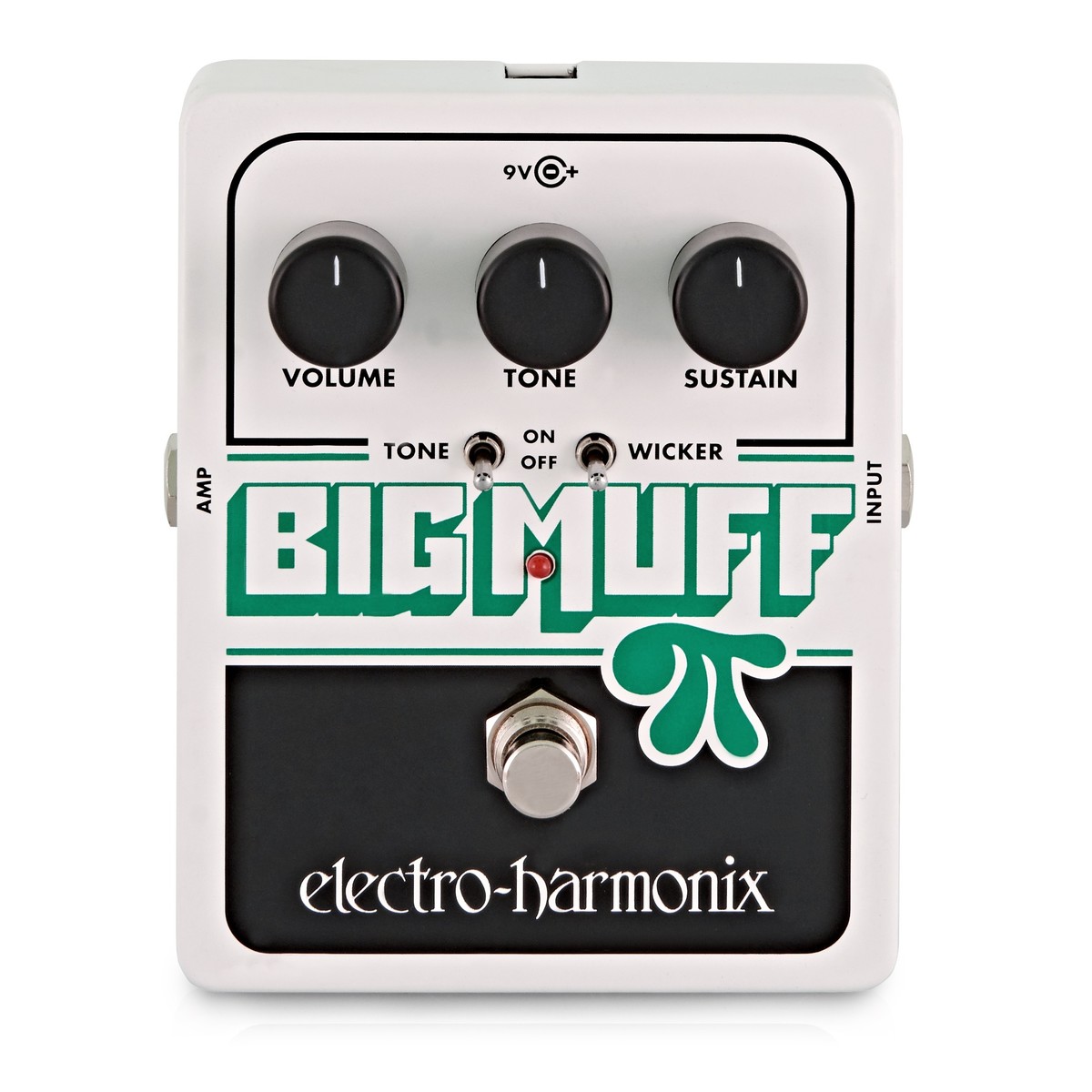 £97.00 ($123)
Electro Harmonix
Electro Harmonix Big Muff Distortion Sustainer w/ Tone Wicker
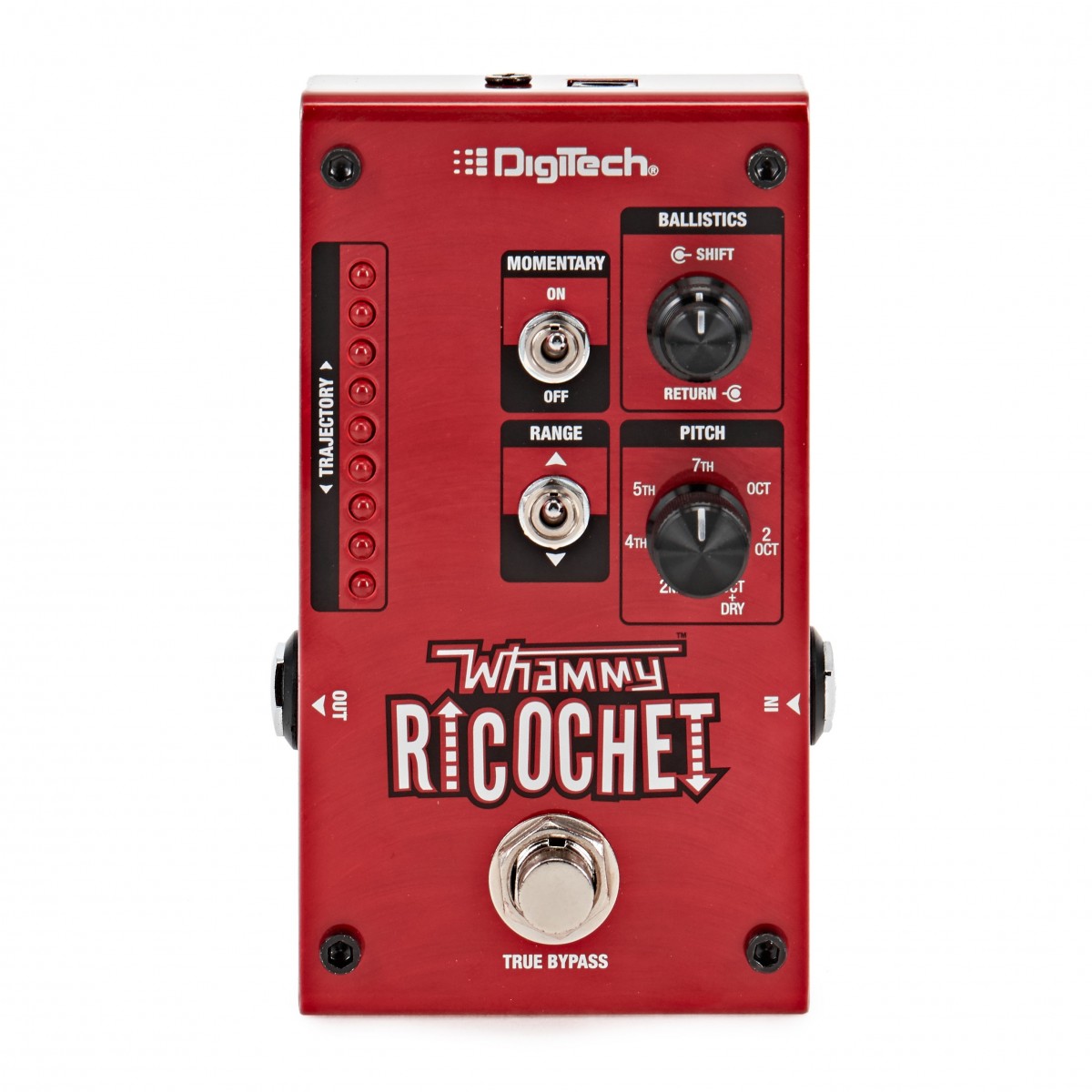 £129.00 ($164)
Digitech
Digitech Whammy Ricochet Guitar Effects Pedal
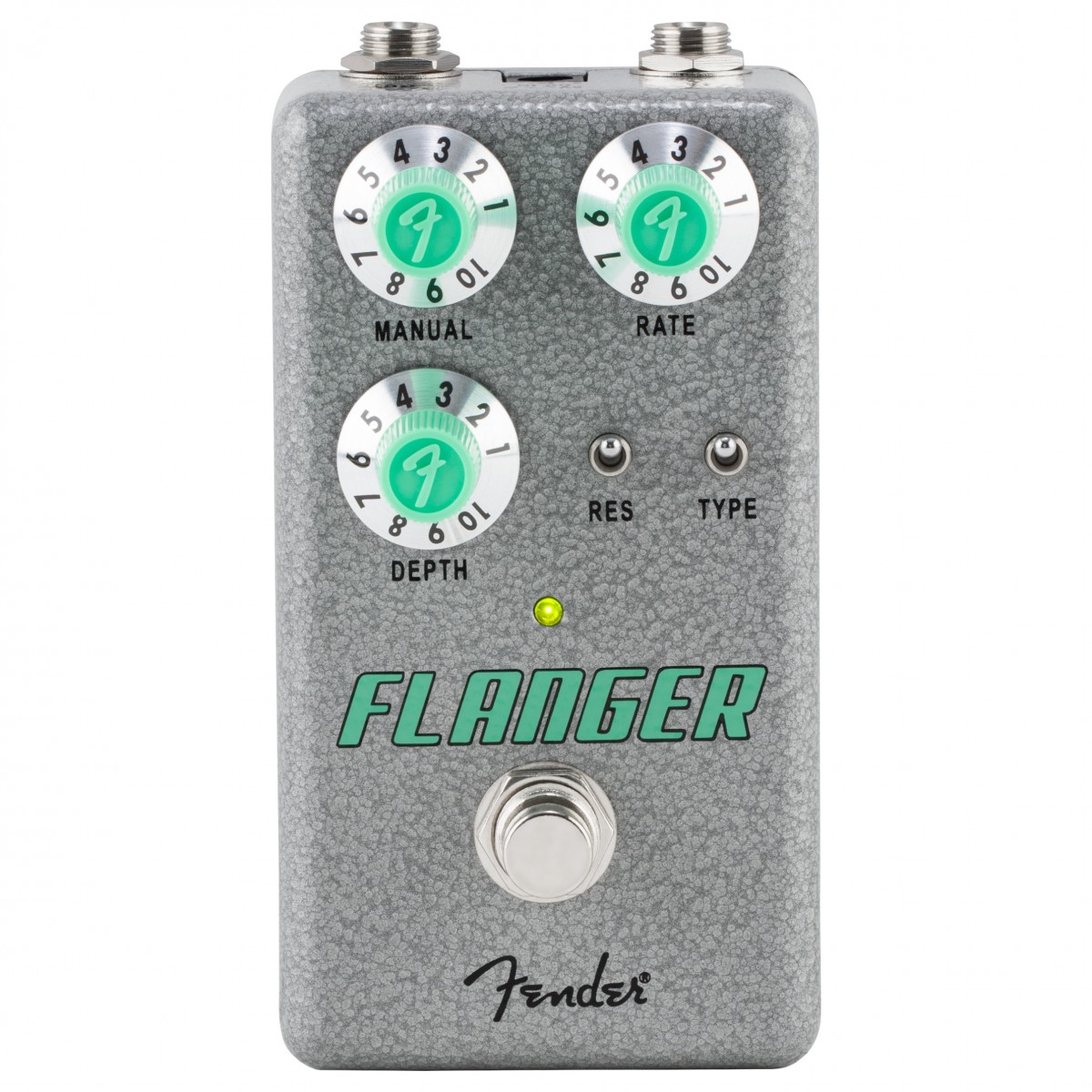 £85.00 ($108)
Fender
Fender Hammertone Flanger Pedal
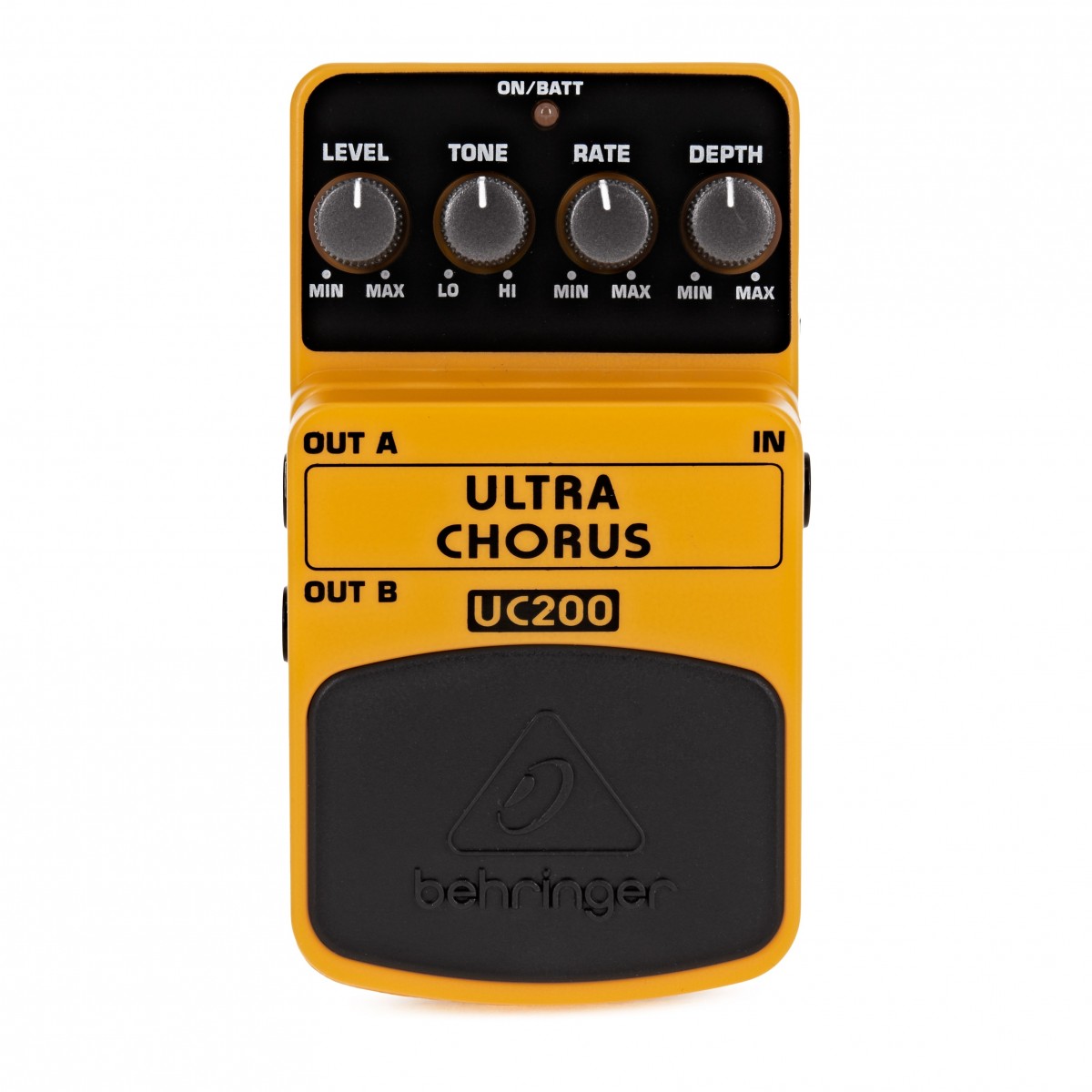 £19.90 ($25)
Behringer
Behringer UC200 Ultra Chorus Pedal
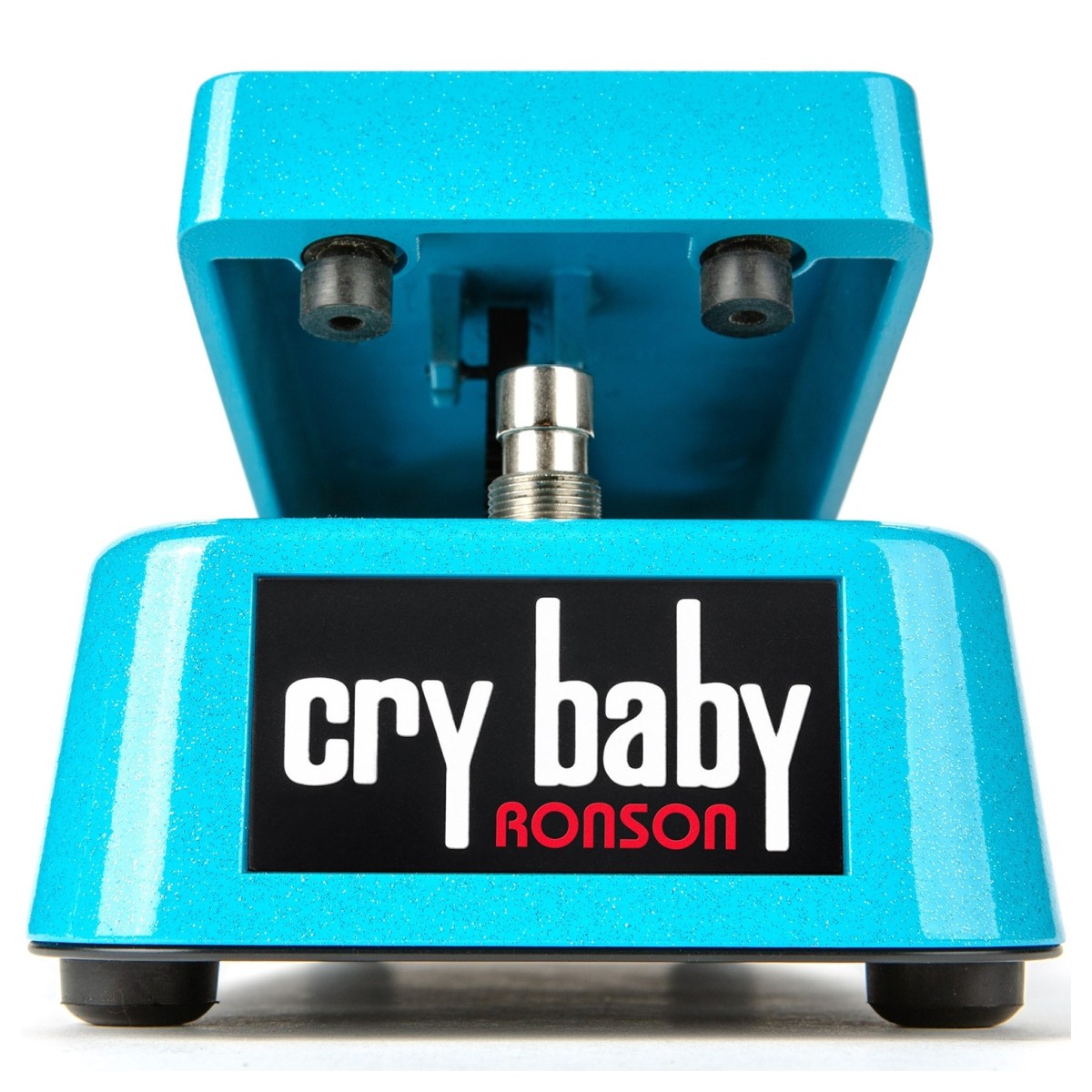 £259.00 ($329)
Dunlop
Dunlop Mick Ronson Cry Baby Wah
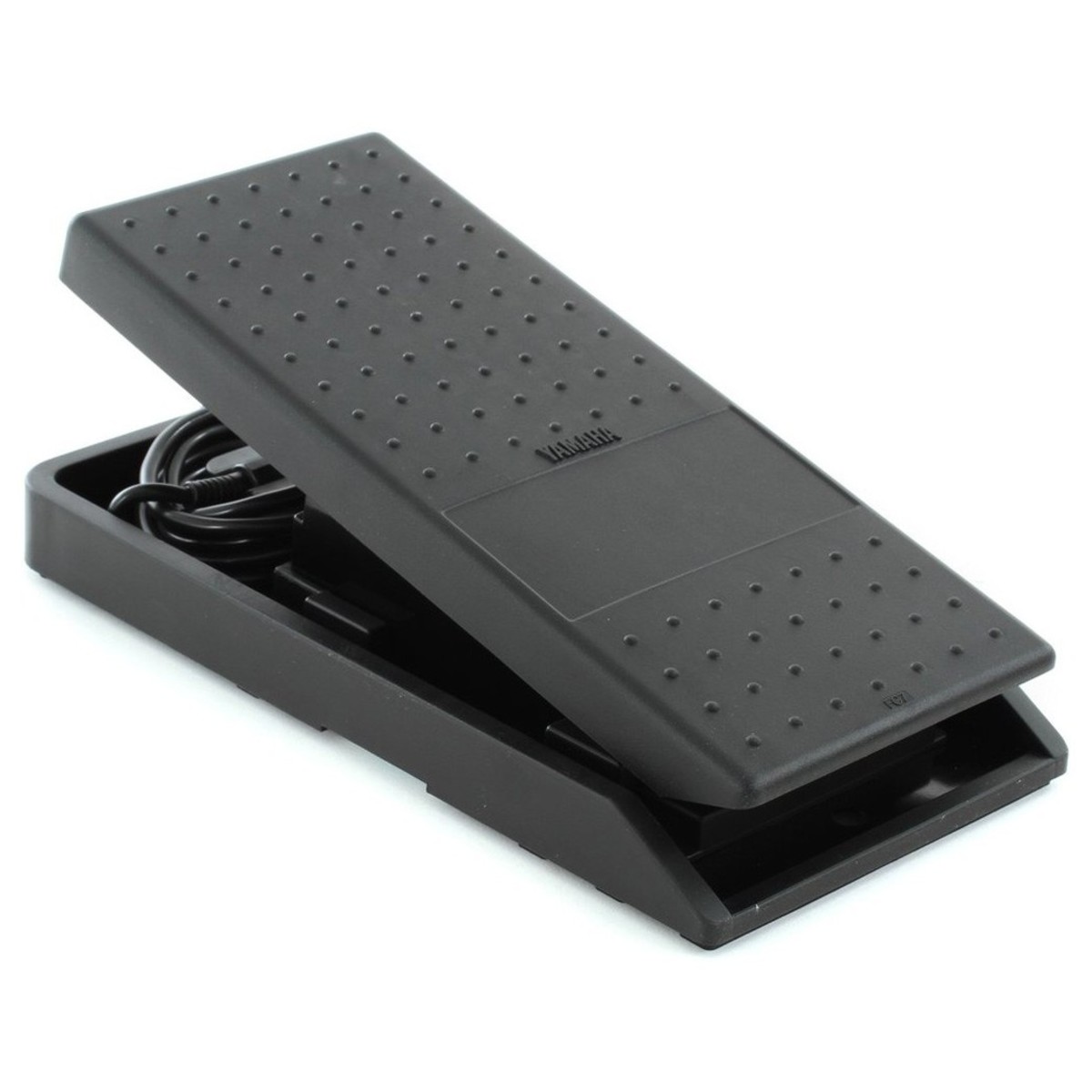 £77.00 ($98)
Yamaha
Yamaha FC7 Expression Pedal
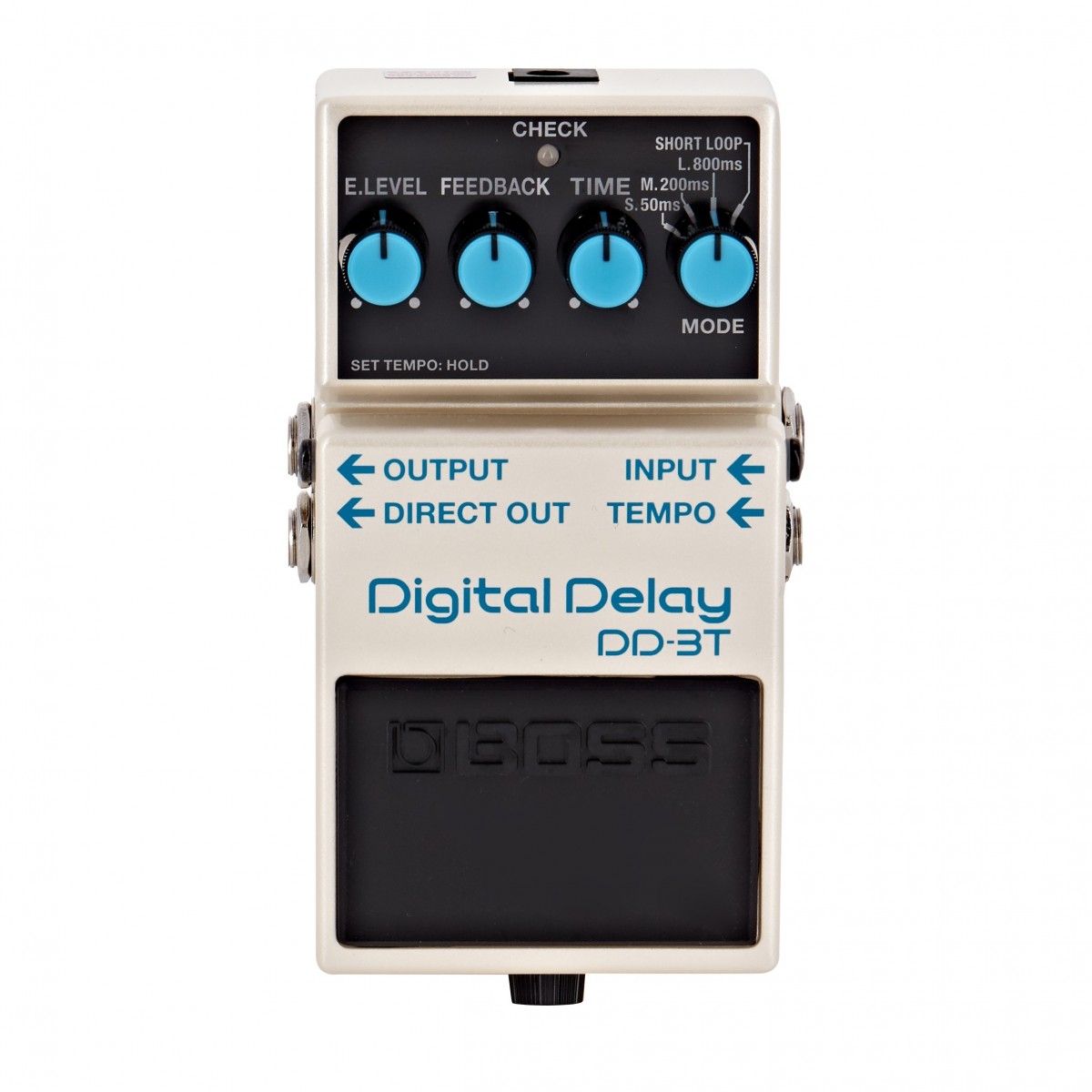 £175.00 ($222)
Boss
Boss DD-3T Digital Delay Pedal
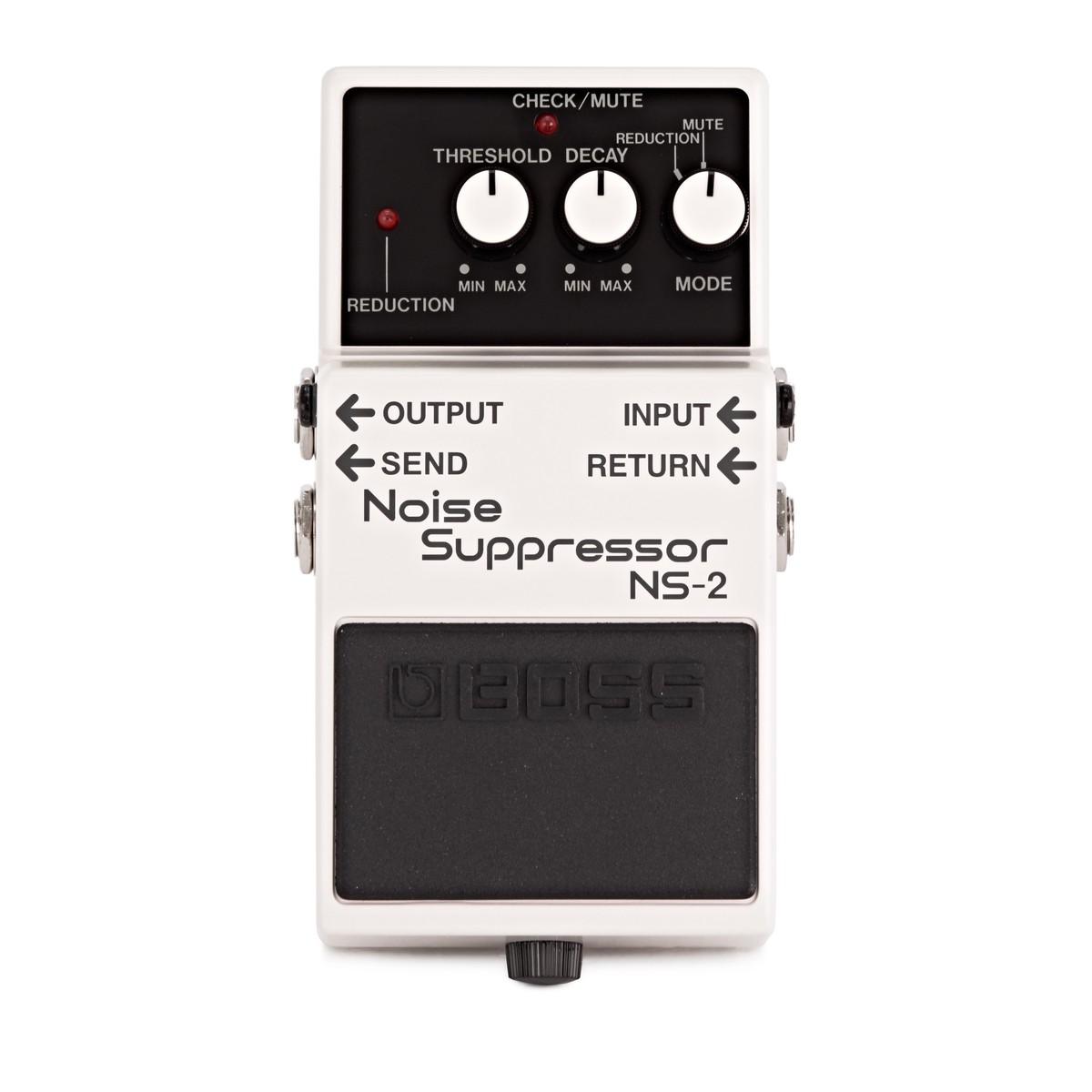 £99.10 ($126)
Boss
Boss NS-2 Noise Suppressor Guitar Pedal
Frequently asked questions
- What type of overdrive does the Mooer Blues Crab provide?
- The Blues Crab provides a 'blues breaker' style overdrive. This is a classic, low-to-mid gain sound that mimics a vintage valve amplifier being pushed into saturation.
- Does the Mooer MBD1 have a battery compartment?
- No, due to its ultra-compact Micro Series size, it does not have space for a 9V battery. It must be powered by an external 9V DC power supply.
- Is the pedal true bypass?
- Yes, the MBD1 Blues Crab features true bypass switching. This means the signal goes directly from the input jack to the output jack when the pedal is off, preventing tone loss.
- What are the three control knobs on the pedal?
- The pedal features Level, Tone, and Gain knobs. These allow the user to adjust the output volume, high-frequency response, and the amount of distortion respectively.
- How does the price of the MBD1 compare to other pedals?
- The Mooer Blues Crab typically retails around £46. This makes it a budget-friendly option compared to boutique overdrive pedals while offering a professional metal construction.
- Is this pedal suitable for high-gain metal styles?
- Generally, no; the Blues Crab is designed for blues and classic rock tones. If you need heavy distortion, you might consider stacking it with another pedal or looking at a dedicated high-gain unit.
- How much space does the Blues Crab take up on a pedalboard?
- It is extremely compact, belonging to the Micro Series. Its small footprint is designed to fit into tight spaces on even the most crowded pedalboards.
- Can the Blues Crab be used as a clean boost?
- Yes, by keeping the Gain low and increasing the Level, the pedal can act as a transparent boost. This can help push a tube amplifier into its own natural overdrive.
- What is the housing material of the MBD1?
- The MBD1 is housed in a full metal shell. This provides durability for live performance use and protects the internal components.
- How does the Tone control affect the sound?
- The Tone control adjusts the high-end frequencies. Turning it up adds brightness and clarity to 'shredding solos', while turning it down provides a warmer, smoother sound.
- Can I use the Blues Crab for bass guitar?
- While designed for electric guitar, some players use it on bass for a subtle low-gain grit. However, it is primarily voiced for the frequency range of a guitar.
- What kind of harmonics does the manufacturer claim the pedal produces?
- Mooer Audio states that the pedal delivers rich, full-bodied harmonics. These are designed to enhance the character of both subtle riffs and lead playing.