
Gear article
Moog DFAM Semi-Modular Analog Percussion Synthesizer
The Moog DFAM (Drummer From Another Mother) is a semi-modular analog percussion synthesizer designed for hands-on rhythmic composition. It features a fully analog signal path and a built-in sequencer, capable of generating a wide range of sounds from deep bass to punchy percussive hits.
See live pricesIntroduction and Design
The Moog DFAM, or Drummer From Another Mother, is a versatile and powerful interactive analog percussion machine. It was developed to provide a unique approach to drum synthesis, moving away from traditional grid-based drum machines in favour of a more experimental, tactile interface. Its semi-modular design means that the internal signal path is pre-wired, allowing it to produce sound immediately without the need for patch cables, while still offering extensive modular flexibility through its 24-point patchbay.
Synthesis Architecture and Controls
At its core, the DFAM utilizes a 100 percent analog signal path. It features two wide-range analog oscillators paired with a white noise generator. These sound sources are processed through a selectable Moog Ladder filter, which offers both Low Pass and High Pass modes for dynamic sound shaping. The unit includes three dedicated envelopes—one for the pitch of the oscillators, one for the filter cutoff, and one for the amplifier—allowing for precise control over the attack and decay of percussive sounds.
Sequencing and Interaction
The DFAM is equipped with an 8-step analog sequencer that provides two rows of controls: one for pitch and one for velocity per step. This layout encourages a hands-on approach to rhythm creation, where users can physically manipulate parameters during live performance. The sequencer allows for the creation of unique rhythmic compositions that can be synchronized with other modular gear via the patchbay or internal clock.
Sound Character and Application
The sonic character of the DFAM is defined by its ability to produce dance-floor shaking bass and thick, punchy drum sounds. Because it relies on analog synthesis rather than samples, it can generate organic, evolving textures that range from metallic FM-style hits to deep, sub-heavy kicks. It is particularly suited for musicians and sound designers looking to add unique rhythmic elements to their setup that cannot be replicated by standard digital drum machines.
Comparison with Alternatives
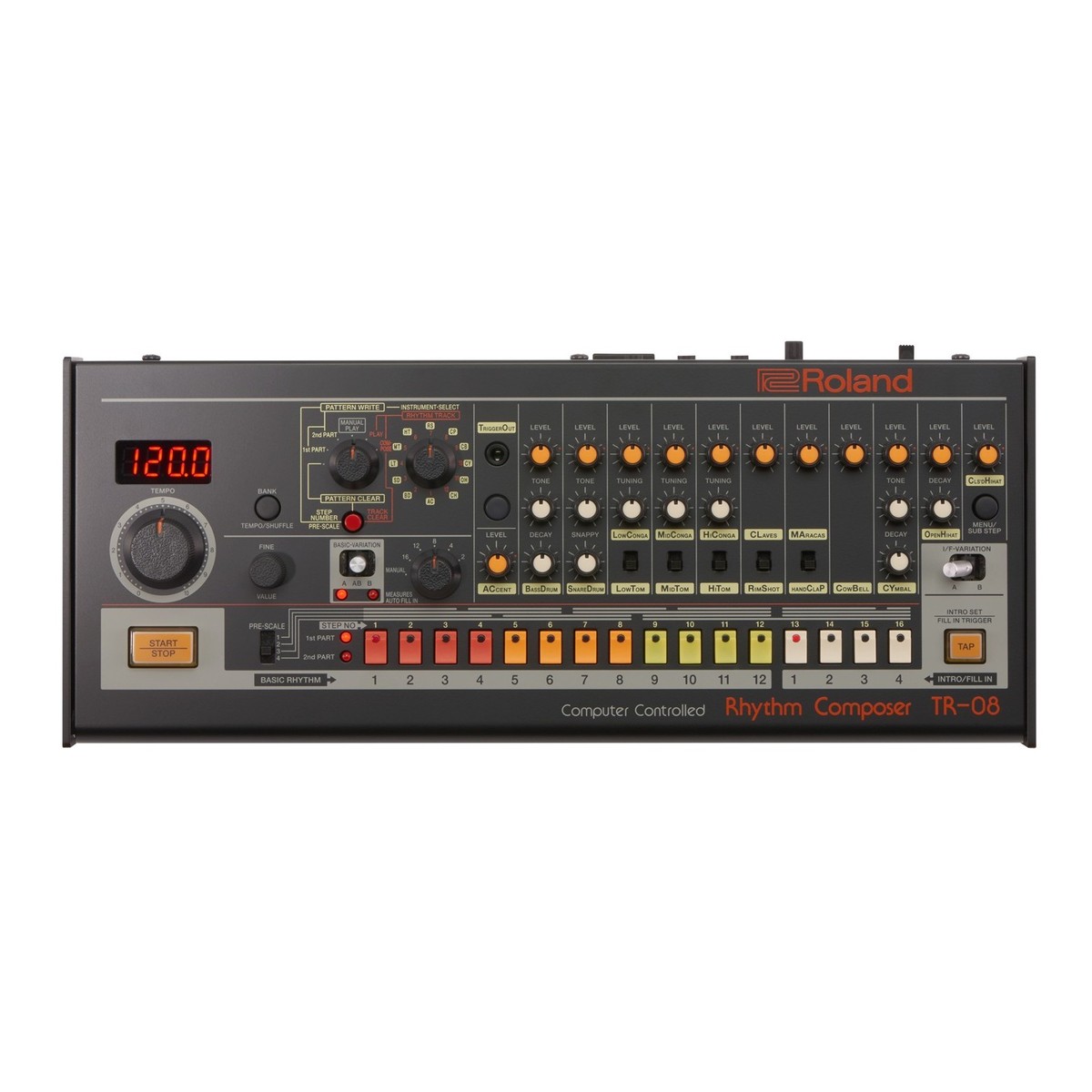
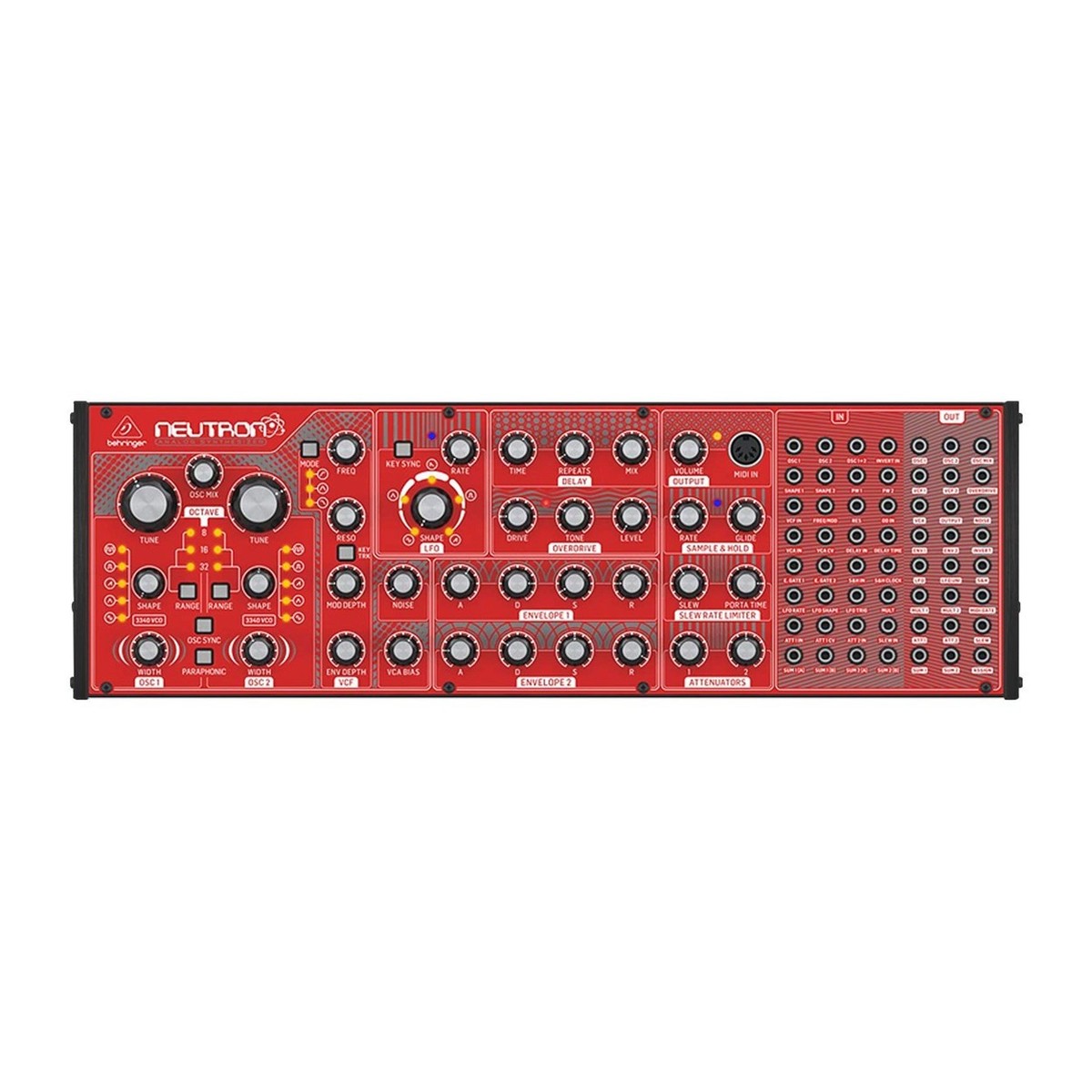
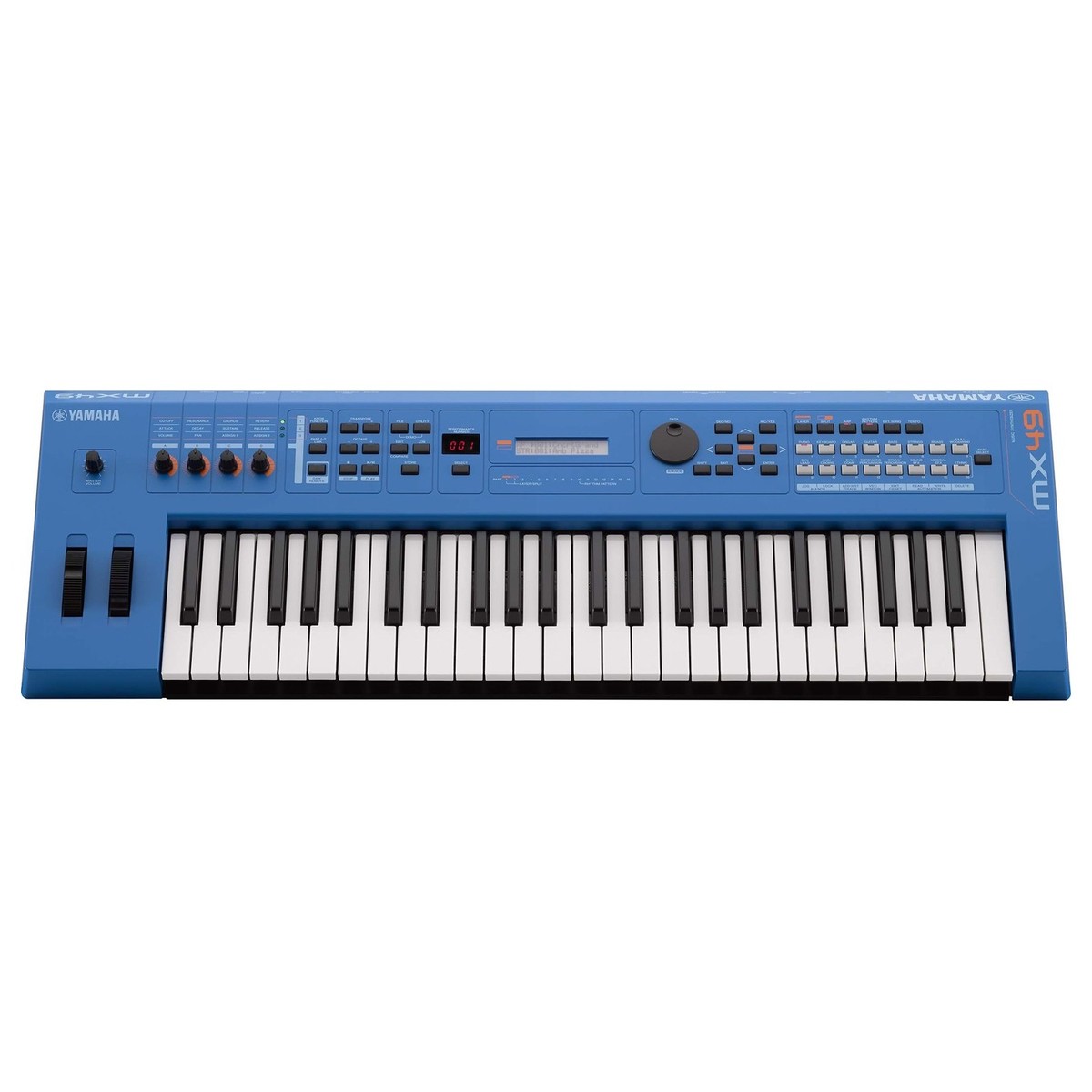
When compared to traditional drum machines like the Roland TR-08 Rhythm Composer, the DFAM offers more raw sound design potential through its modular patchbay, whereas the TR-08 focuses on recreating classic fixed drum sounds. In the realm of semi-modular gear, it stands alongside the Behringer Neutron, though the DFAM is specifically voiced for percussion. For those seeking a complete studio solution, it contrasts with larger workstations like the Yamaha MX49 II or the Gear4Music modul Modular system by focusing on a specific, high-quality analog niche.
Related gear
 £368.00 ($467)
Roland
Roland Boutique TR-08 Rhythm Composer Drum Machine
 £239.00 ($304)
Behringer
Behringer Neutron Semi-Modular Synthesizer
 £3,599.00 ($4,571)
Oberheim
Oberheim OB-X8 Analog Synthesizer Desktop Module
 £454.00 ($577)
Yamaha
Yamaha MX49 II Music Production Synthesizer Blue
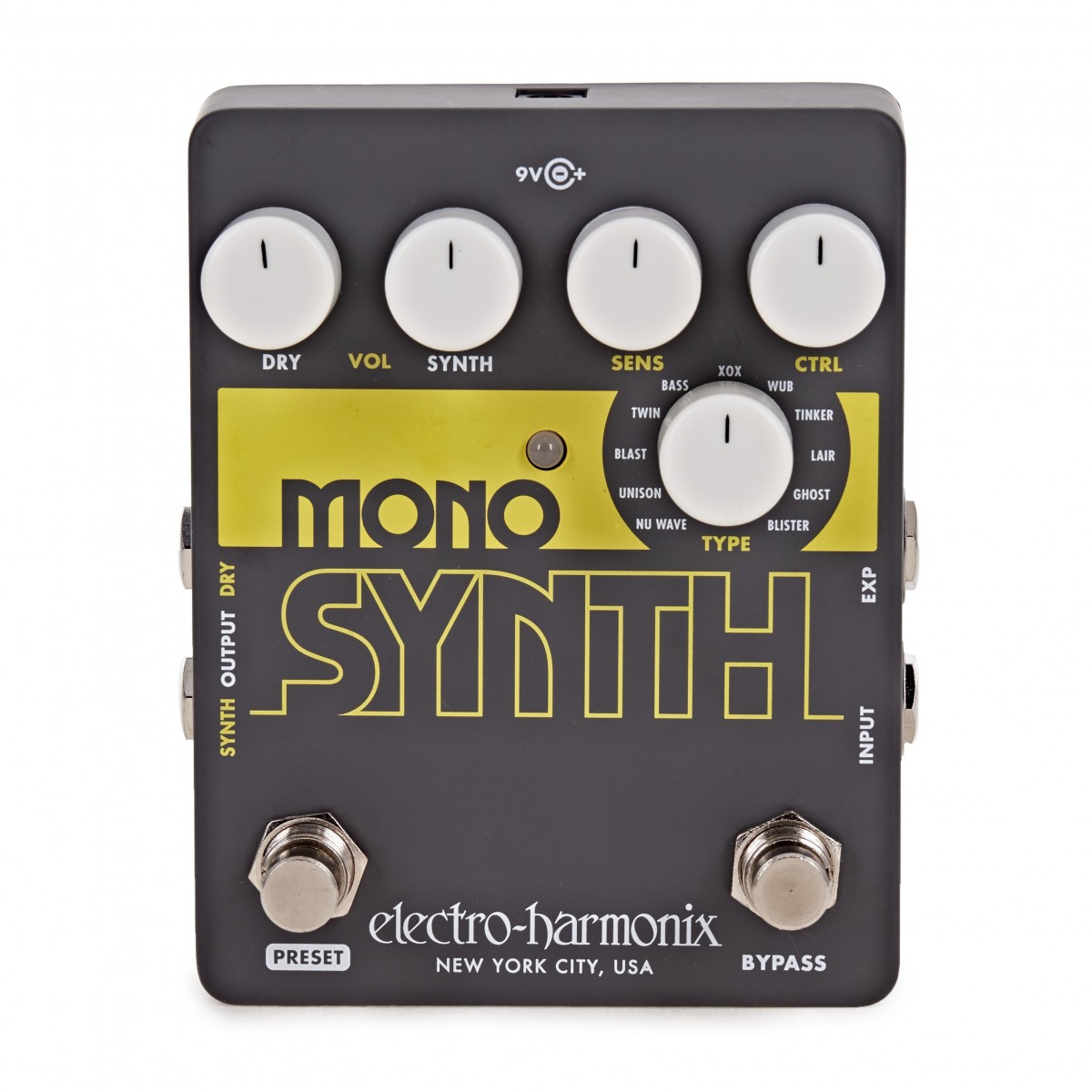 £113.00 ($144)
Electro Harmonix
Electro Harmonix Mono Synth Guitar Synthesizer
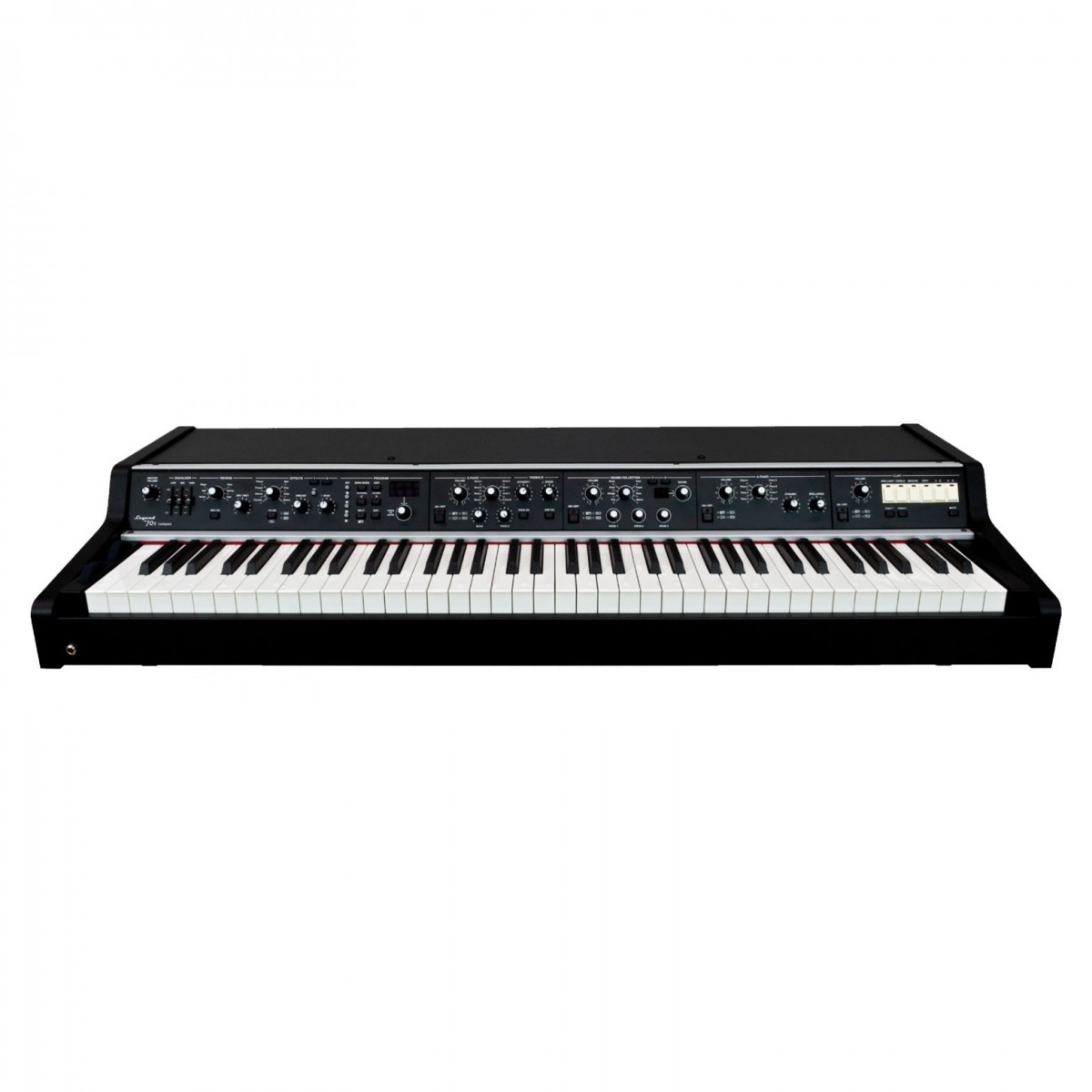 £2,248.64 ($2,856)
Viscount Organs
Viscount Legend 70s Compact EX Modular Stage Piano
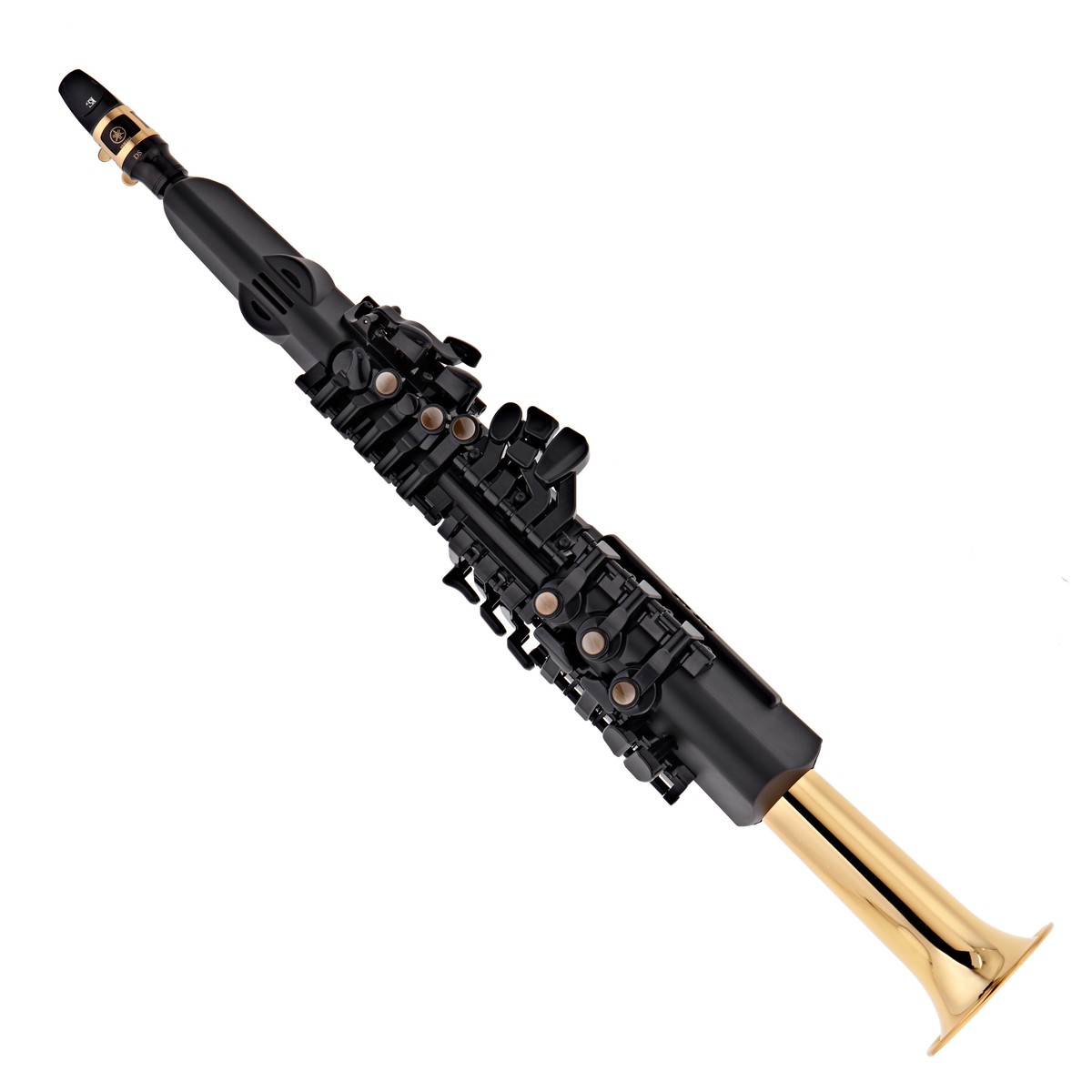 £637.97 ($810)
Yamaha
Yamaha YDS 150 Digital Wind Synthesizer
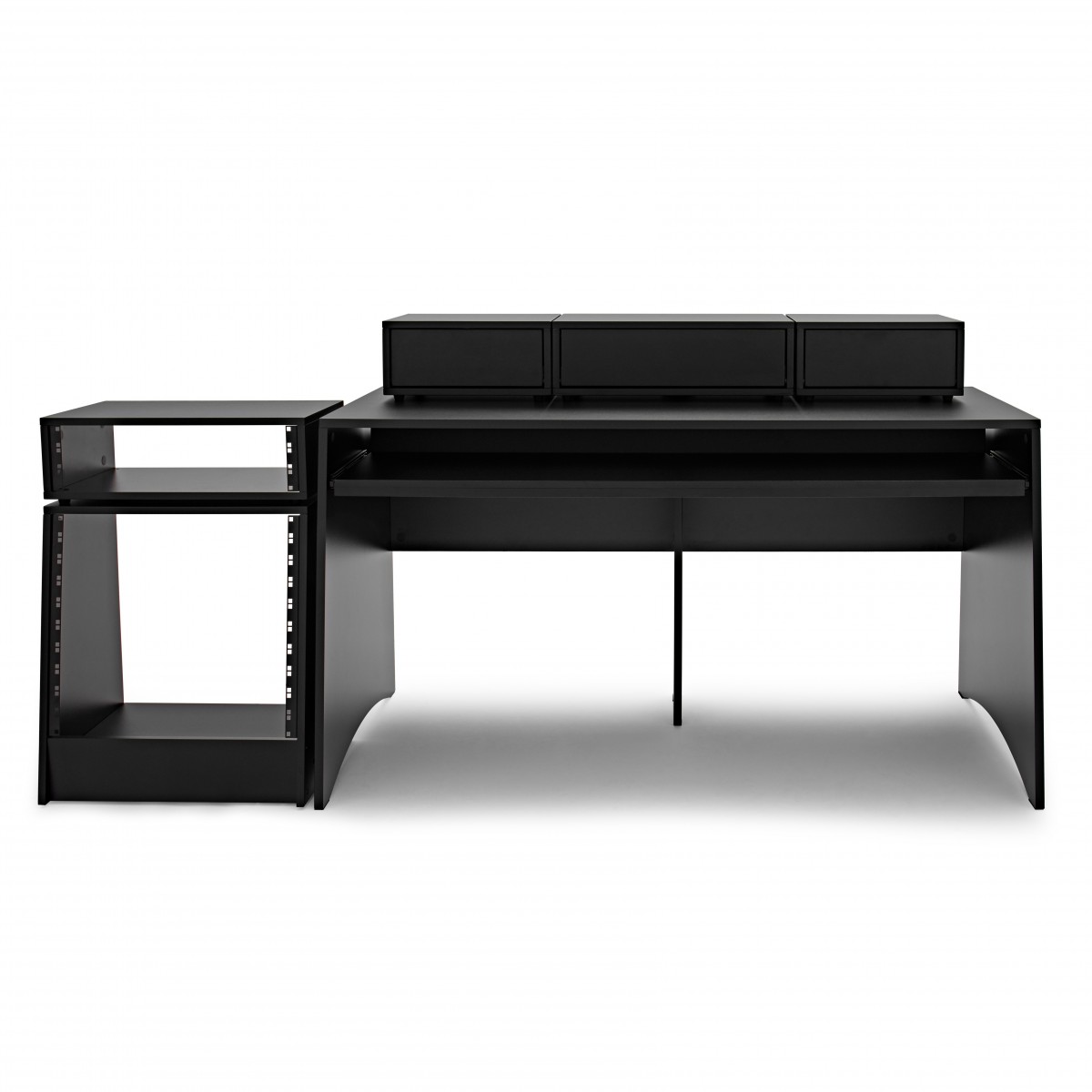 £499.99 ($635)
Gear4Music
modul Modular Complete Studio System Black
Frequently asked questions
- Is the Moog DFAM fully analog?
- Yes, the Moog DFAM features a 100 percent analog signal path. This includes its oscillators, filters, and envelopes, ensuring a warm and powerful sound.
- Do I need patch cables to use the DFAM?
- No, the DFAM is a semi-modular synthesizer, meaning the primary components are hard-wired internally. You can start creating sounds immediately without any patching required.
- How many oscillators does the DFAM have?
- The DFAM is equipped with two analog oscillators. These can be used to create complex harmonic tones or thick, layered percussive sounds.
- What kind of filter does the DFAM use?
- It uses a classic Moog Ladder filter. Users can select between Low Pass and High Pass modes to shape the frequency content of their patches.
- Can the DFAM produce bass sounds?
- Yes, it is specifically noted for its ability to produce dance-floor shaking bass. Its analog oscillators and filter are capable of very deep low-end frequencies.
- Is the DFAM suitable for beginners?
- Yes, the manufacturer states that no experience is needed to use the DFAM. Its intuitive hands-on controls make it accessible for beginners while remaining deep enough for advanced synthesists.
- How many steps does the built-in sequencer have?
- The DFAM features an 8-step analog sequencer. Each step has dedicated knobs for controlling pitch and velocity.
- What is the purpose of the 24-point patchbay?
- The patchbay allows users to reroute the synthesizer's internal signals. This unlocks a new array of sounds and behaviours by connecting different modules within the unit or with external gear.
- Can the DFAM be used for live performance?
- Yes, the DFAM is designed with a range of parameters that offer hands-on control. This makes it ideal for real-time manipulation during live sets.
- Does the DFAM include a noise generator?
- Yes, it includes a white noise generator. This is useful for creating snare-like sounds, hi-hats, and percussive textures.
- How does the DFAM compare to the Roland TR-08?
- While the TR-08 is a digital recreation of a classic drum machine, the DFAM is a semi-modular analog synthesizer. The DFAM offers more sound design flexibility, while the TR-08 focuses on traditional drum kit sounds.
- What is the typical price for a Moog DFAM?
- The typical price for a Moog DFAM is approximately GBP 563. Prices may vary slightly depending on the retailer and current market conditions.