
Gear article
MOTU M6 6-Channel Audio Interface
The MOTU M6 is a professional-grade 6x4 USB audio interface designed for versatile recording and mixing applications. It features high-end ESS Sabre32 Ultra DAC technology to provide sonic accuracy and low-latency performance for home and project studios.
See live pricesOverview
The MOTU M6 is a multi-channel USB audio interface that sits in the mid-range of the desktop recording market. It is engineered to handle various recording tasks, from solo vocal tracking to the simultaneous capture of multiple sound sources. The unit is housed in a sleek all-black chassis, emphasizing a professional aesthetic suitable for studio environments. It serves as a central hub for connecting microphones, instruments, and monitoring equipment, facilitated by an extensive included software bundle.
Key Features and Hardware
The front panel of the M6 features four versatile combi-jack inputs. These inputs are designed to accommodate a wide array of signals, including microphones (XLR) and line-level sources (1/4-inch) such as synthesisers, guitars, keyboards, and basses.
Internally, the M6 utilises premium-grade ESS digital-to-analog converters (DACs). This specific hardware component is typically reserved for high-end, high-cost rackmount interfaces, providing the M6 with a competitive edge in terms of dynamic range and sonic clarity. The device is also designed for real-time recording, focusing on minimising latency to ensure a seamless workflow during tracking sessions.
Sound Character
The inclusion of ESS Sabre32 Ultra DAC technology ensures that the M6 delivers a high level of sonic accuracy. Users can expect a transparent and detailed sound reproduction, which is essential for critical mixing and mastering tasks. By using components generally found in more expensive hardware, the M6 aims to provide a professional-level noise floor and signal purity that allows recordings to remain faithful to the original source.
Suitability and Applications
The M6 is suited for a broad range of users including:
- Podcasters and Content Creators: The multiple inputs allow for several microphones to be used simultaneously for multi-person recordings.
- Musicians and Songwriters: The ability to plug in guitars and keyboards directly makes it an ideal central unit for songwriting.
- Small Production Studios: Its 6-channel configuration provides enough flexibility for tracking small ensembles or multi-mic drum setups.
- Mobile Engineers: Its compact desktop form factor allows for high-quality recording outside of a traditional studio setting.
Comparison to Alternatives
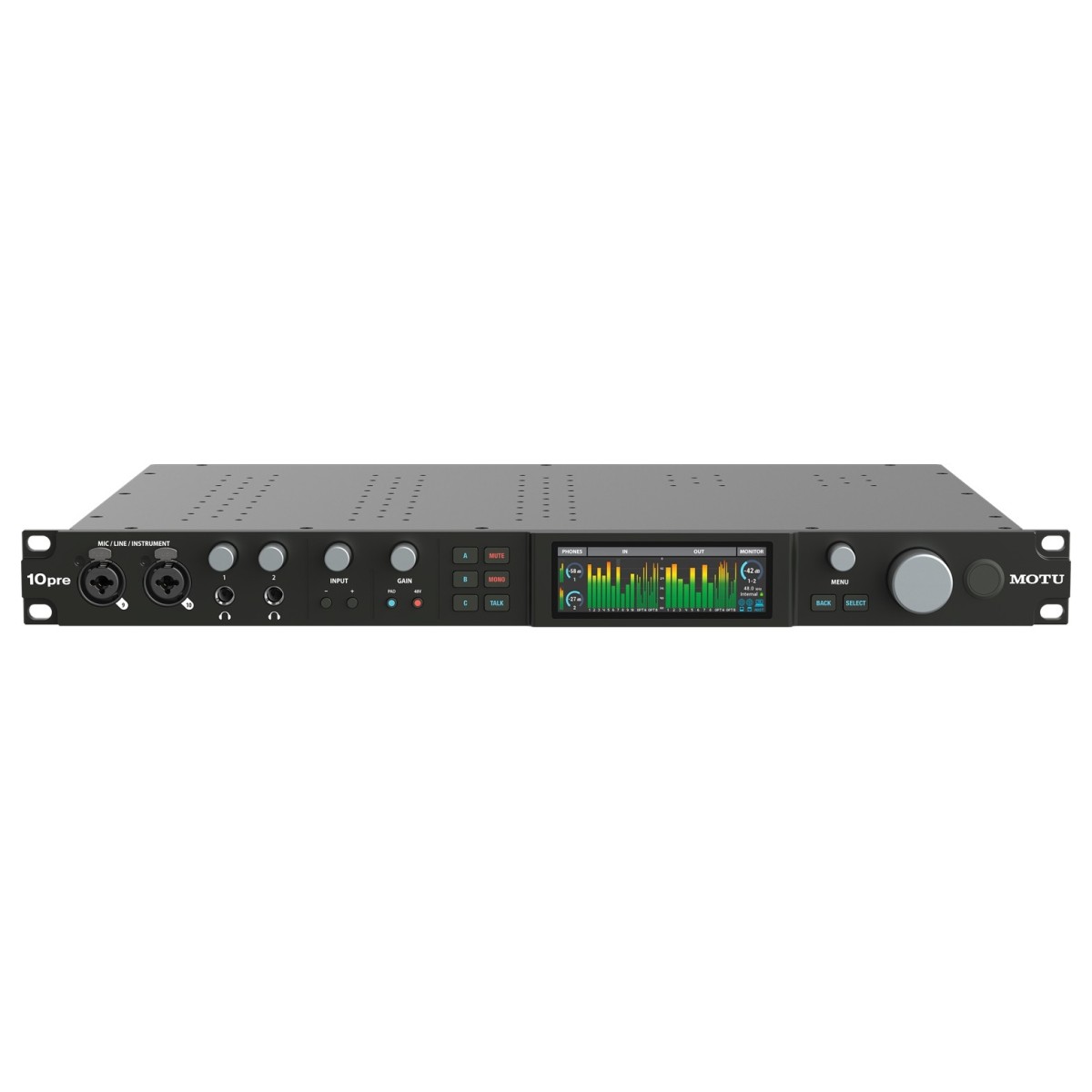
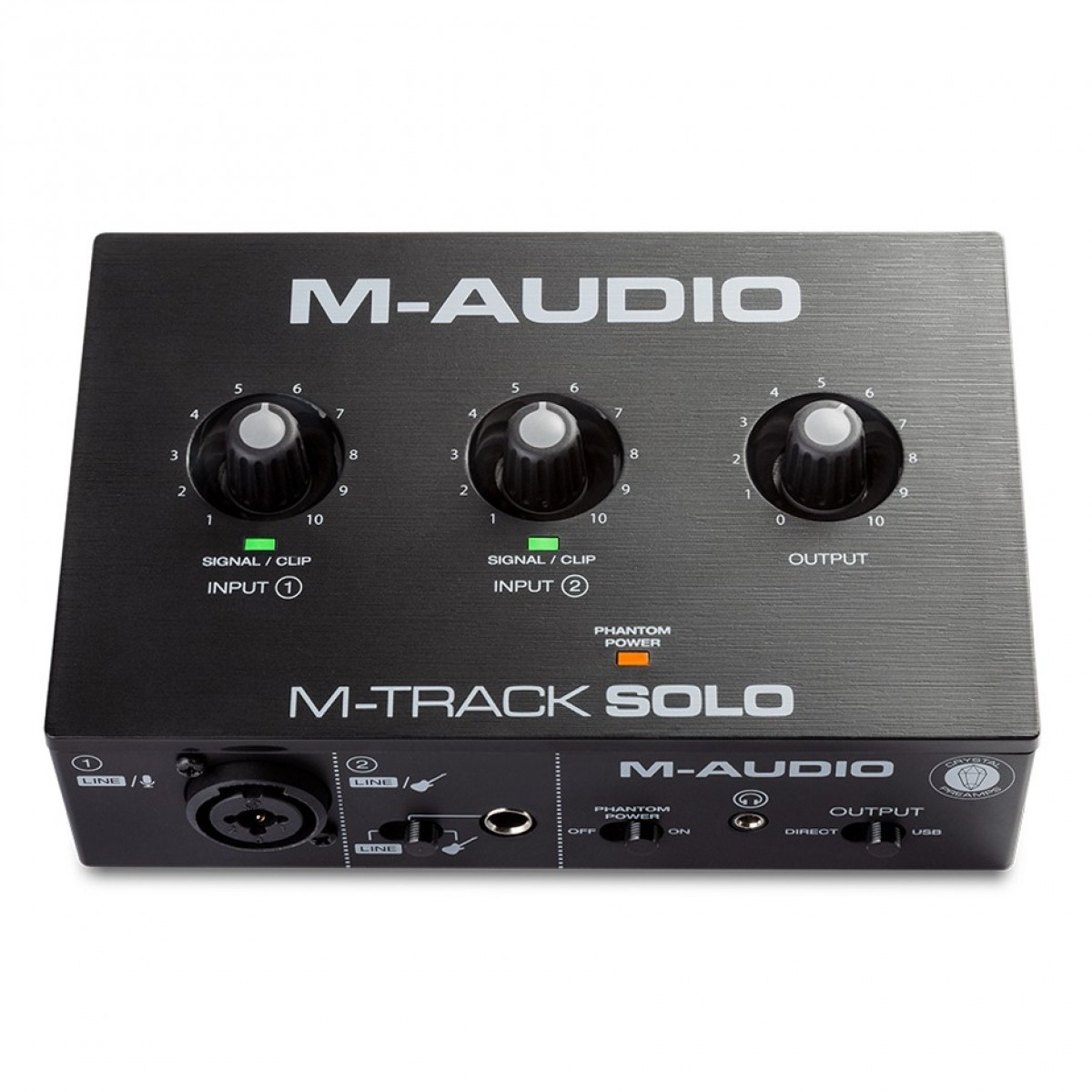
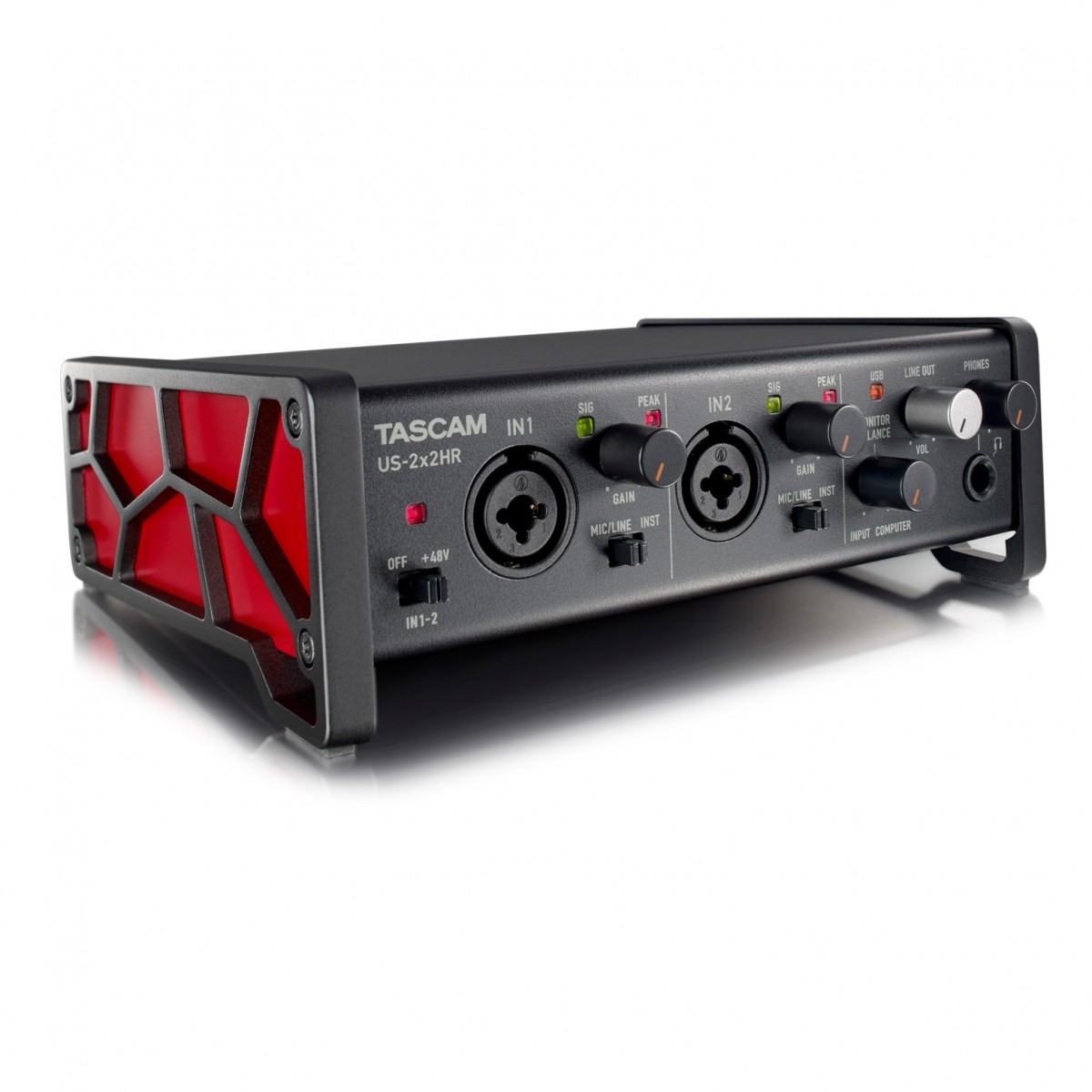
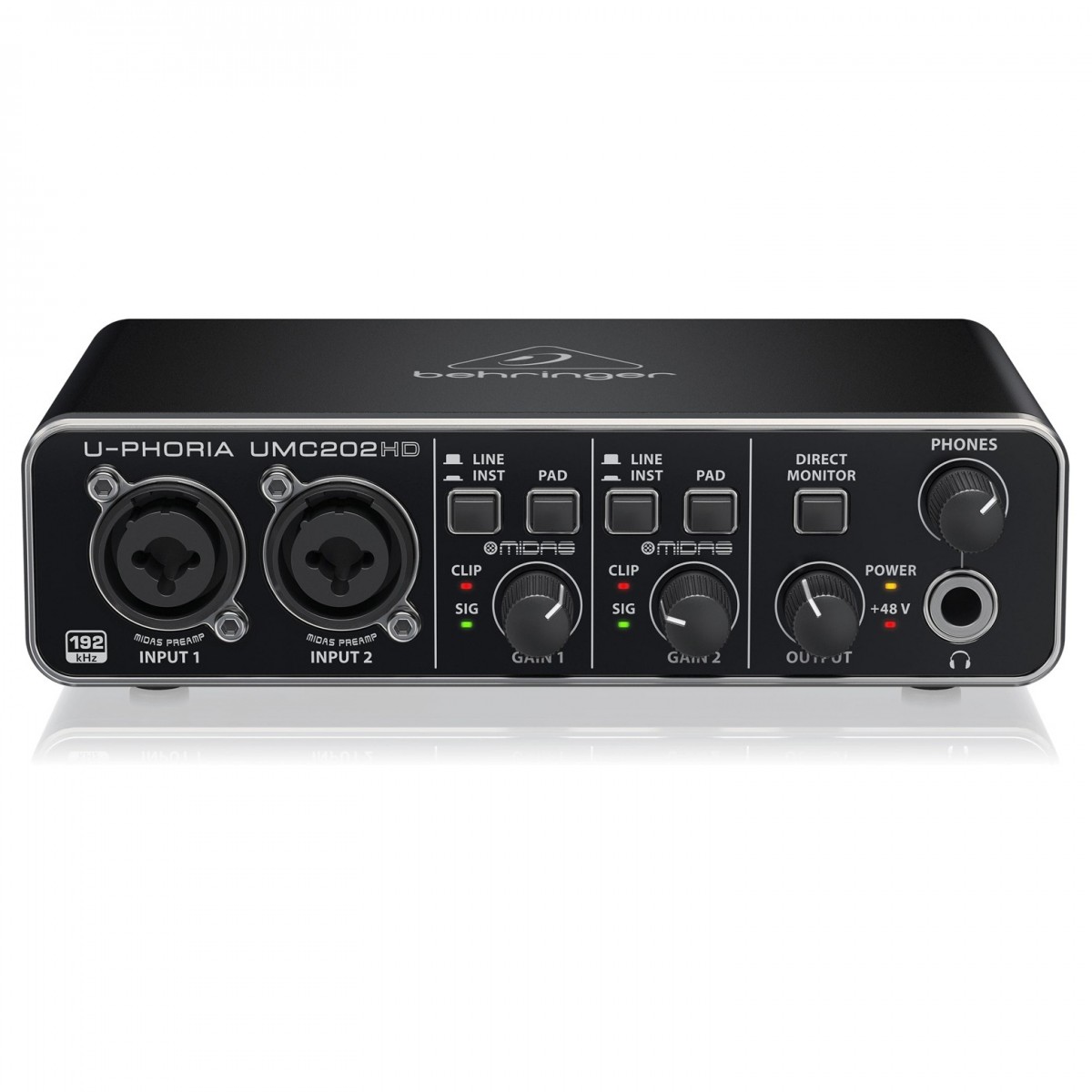
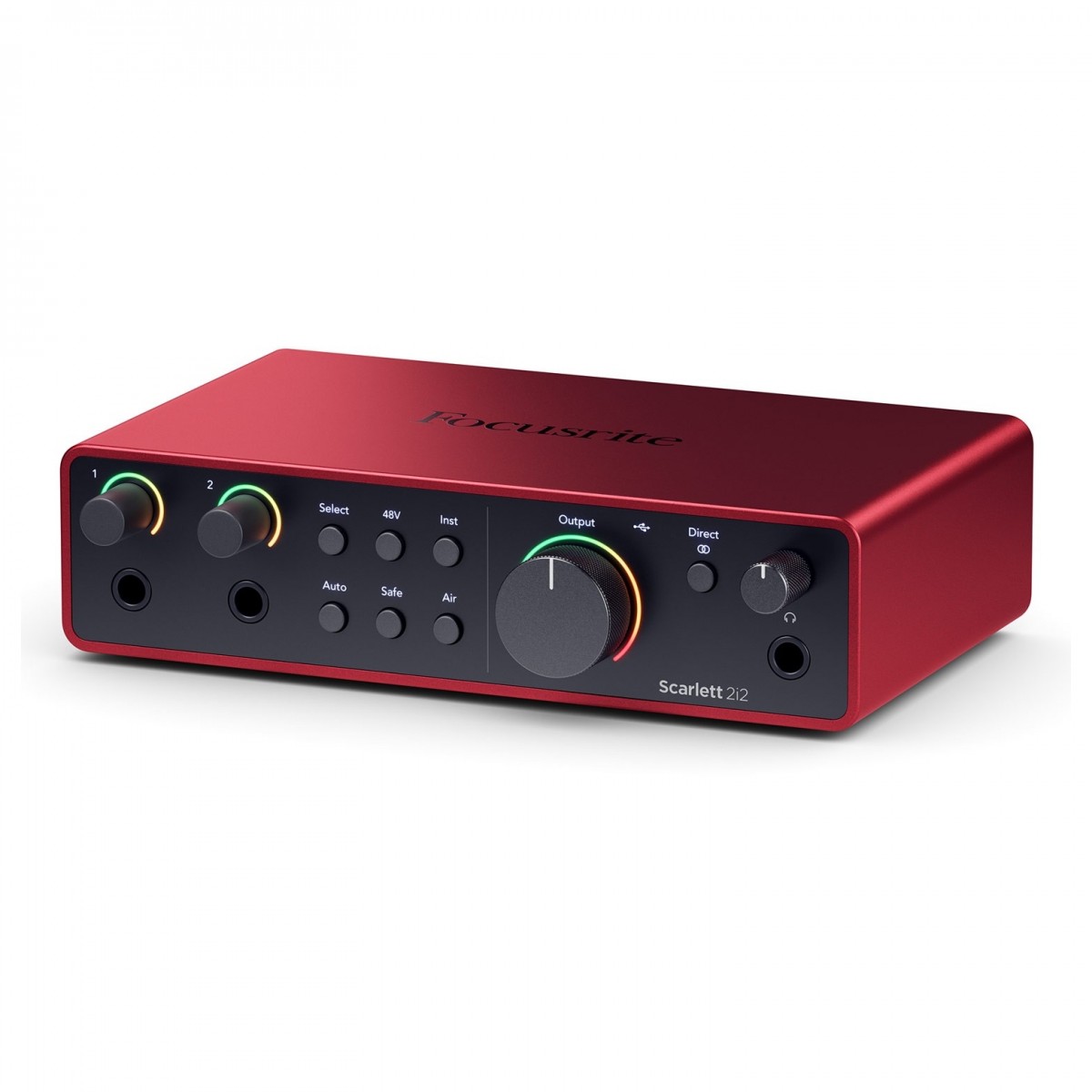
When compared to entry-level units like the Behringer U-PHORIA UMC202HD or the M-Audio M-Track Solo, the MOTU M6 offers significantly higher-grade conversion and more input flexibility. While the Focusrite Scarlett 2i2 4th Gen and Tascam US-2x2HR are popular for portable 2-channel setups, the M6 provides a higher channel count (6 channels) for those who have outgrown basic dual-input interfaces. For users requiring even more expansive connectivity, MOTU offers the 828 or the MOTU 10Pre, which provide additional digital and analogue I/O options.
Related gear
 £319.00 ($405)
Blackstar
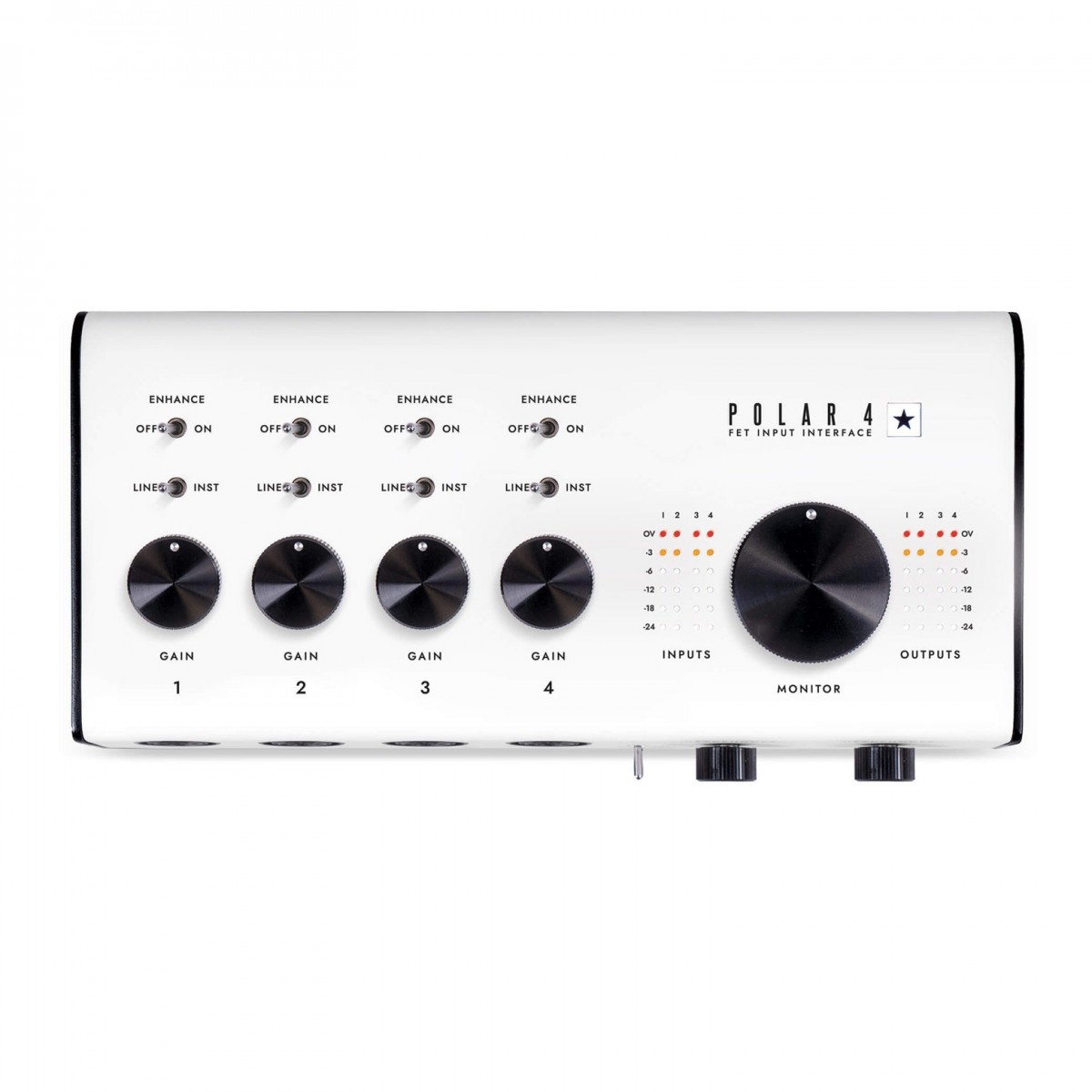
Blackstar Polar 4 Audio Interface
 £1,499.00 ($1,904)
Motu
MOTU 10Pre USB/Thunderbolt Audio Interface
 £39.99 ($51)
Trumix
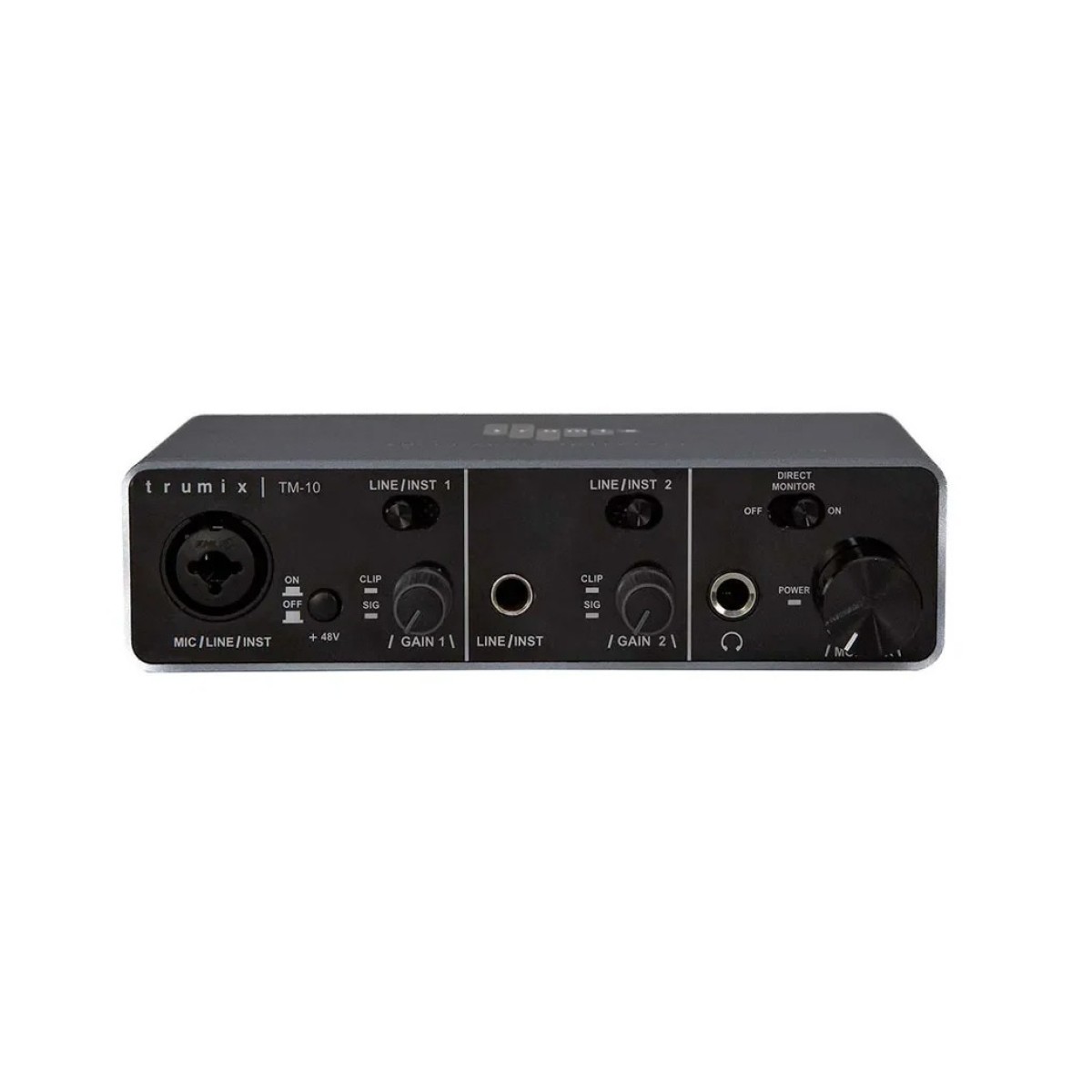
Trumix TM-10 USB Audio Interface
 £40.80 ($52)
M-Audio
M-Audio M-Track Solo 2 Channel USB Interface
 £135.00 ($171)
Tascam
Tascam US-2x2HR USB Audio Interface
 £57.10 ($73)
Behringer
Behringer U-PHORIA UMC202HD USB Audio Interface
 £299.00 ($380)
M-Audio
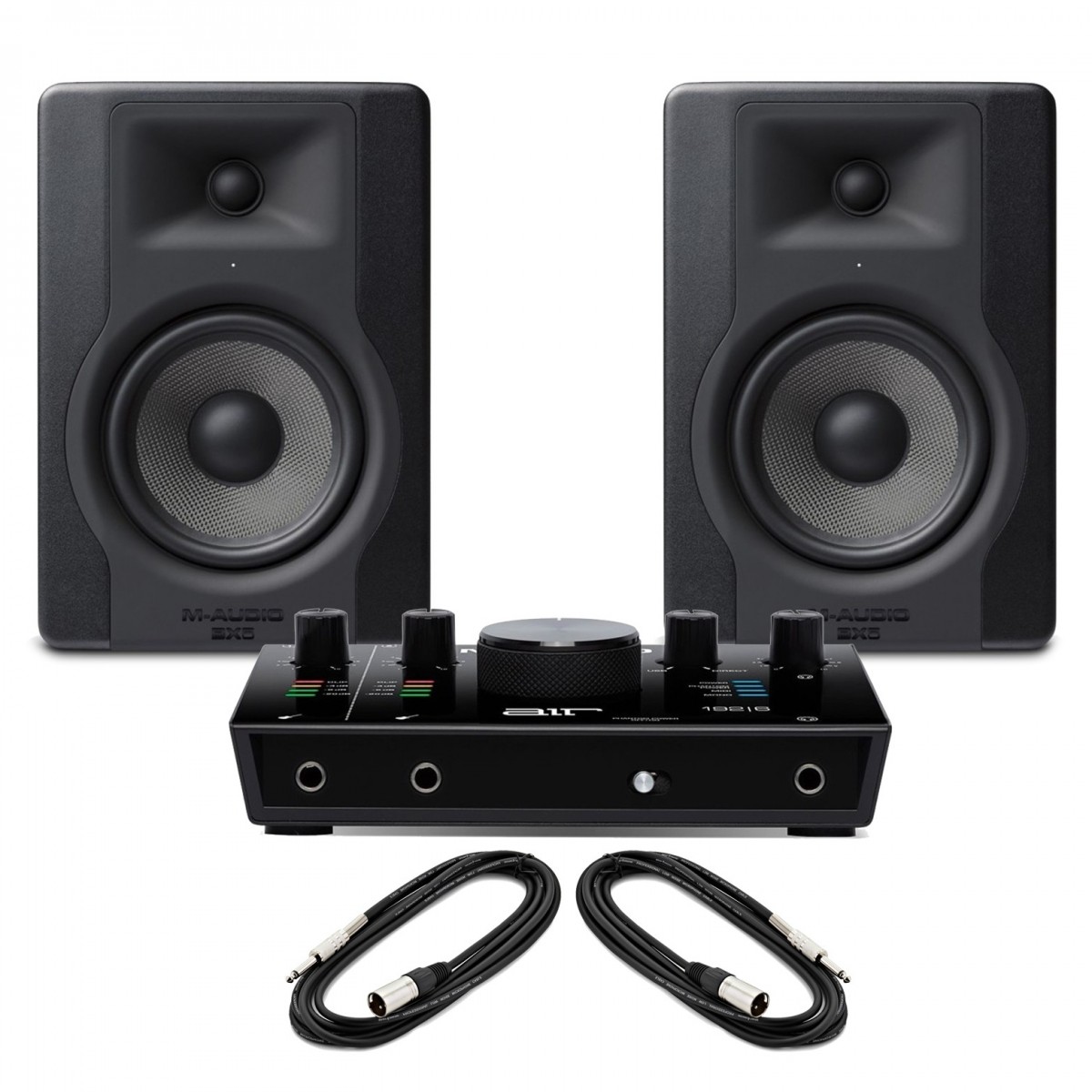
M-Audio AIR 192 6 Audio Interface and BX5-D3 Monitor Bundle
 £315.00 ($400)
Focusrite
Focusrite Scarlett 2i2 4th Gen Audio Interface
Frequently asked questions
- How many inputs does the MOTU M6 have?
- The MOTU M6 features six total input channels. Four of these are front-facing combi-jack inputs that can accept either XLR or 1/4-inch cables.
- What type of converters does the MOTU M6 use?
- The M6 is equipped with ESS digital-to-analog converters (DACs). These are state-of-the-art components typically found in high-end audio interfaces to ensure premium sonic accuracy.
- Can I record guitars and basses directly into the M6?
- Yes, the combi-jack inputs are designed to handle line-level and instrument-level sources. This allows you to plug electric guitars, basses, and synthesizers directly into the unit.
- Is the MOTU M6 suitable for real-time recording?
- Yes, the M6 is designed to deliver low-latency performance. This feature allows users to monitor their inputs in real time without distracting delays during the recording process.
- What is included in the software bundle?
- The M6 comes with an extensive software bundle that provides a variety of tools for recording and mixing. This package is intended to help users achieve a professional sound immediately out of the box.
- Does the MOTU M6 support phantom power?
- While the manufacturer description focuses on the combi-jack versatility, standard operation for interfaces of this class includes 48V phantom power to support condenser microphones via the XLR inputs.
- How does the M6 compare to the Focusrite Scarlett 2i2?
- The M6 offers a higher channel count (6 channels versus 2) and utilises premium ESS converters. It is designed for users who need to record more sound sources simultaneously than the 2i2 allows.
- What is the typical price for the MOTU M6?
- The MOTU M6 is typically priced around EUR 439. This reflects its position as a mid-tier interface with high-end internal components.
- Can the M6 be used for mixing multiple sound sources?
- Yes, the 6-channel configuration and internal hardware are specifically designed to handle mixing tasks. The high-quality DACs provide the accuracy needed for precise level and EQ adjustments.
- Is the M6 chassis durable?
- The M6 features a sleek all-black interface design. It is built to be robust enough for desktop use in professional and home studio environments.
- Does the M6 require a dedicated power supply?
- As a USB interface, the M6 typically draws power via the USB connection. However, users should check their specific computer's power delivery capabilities when using all six channels.
- What is the primary benefit of the ESS Sabre32 DACs?
- The primary benefit is superior audio quality and dynamic range. These converters provide a level of transparency that ensures the recorded audio is a faithful reproduction of the original signal.