
Gear article
Neumann KH 150 Studio Monitor
The Neumann KH 150 is an active two-way studio monitor designed for high-precision monitoring in professional and home studio environments. It utilises advanced Digital Signal Processing (DSP) to achieve an exceptionally flat frequency response and phase linearity, ensuring high levels of accuracy for mixing and mastering.
See live pricesOverview
The Neumann KH 150 represents a significant evolution in the Neumann studio monitor range, bridging the gap between the smaller KH 120-II and the larger three-way KH 310 A. It is built as a high-resolution, bi-amplified loudspeaker that prioritises neutral sound reproduction. The unit is designed to provide professional engineers with a reliable reference for critical listening tasks, from tracking to final mastering.
Key Features and DSP Implementation
A primary feature of the KH 150 is its internal DSP engine. This digital core allows for a frequency response with a maximum variance of only 0.8 dB, providing a level of consistency essential for professional monitoring. The DSP also manages advanced digital crossovers, which are specifically designed to eliminate phase distortion—a common issue in traditional analogue crossovers.
Furthermore, the KH 150 incorporates Neumann's Mathematically Modeled Dispersion (MMD) waveguide technology. This design is engineered to prevent unwanted reflections from the studio desk or console surface, while simultaneously providing a broad 'sweet spot' that maintains sonic integrity even when the listener moves off-axis.
Room Calibration and Connectivity
The monitor is fully compatible with the Neumann MA 1 Automatic Monitor Alignment system. This allows the speaker's DSP to be calibrated specifically to the acoustics of the room it is placed in, correcting for standing waves and boundary issues. For manual adjustment, the rear panel includes response switches to boost or cut the bass, mids, and treble frequencies to suit user preference or specific acoustic environments.
Sound Character
The KH 150 is characterised by its transparency and lack of coloration. Due to the DSP-corrected flat response, it does not emphasise any particular frequency range, allowing the user to hear an accurate representation of the source material. The elimination of phase distortion results in a clear and detailed stereo image, making it easier to place elements within a mix.
Target Audience and Comparison
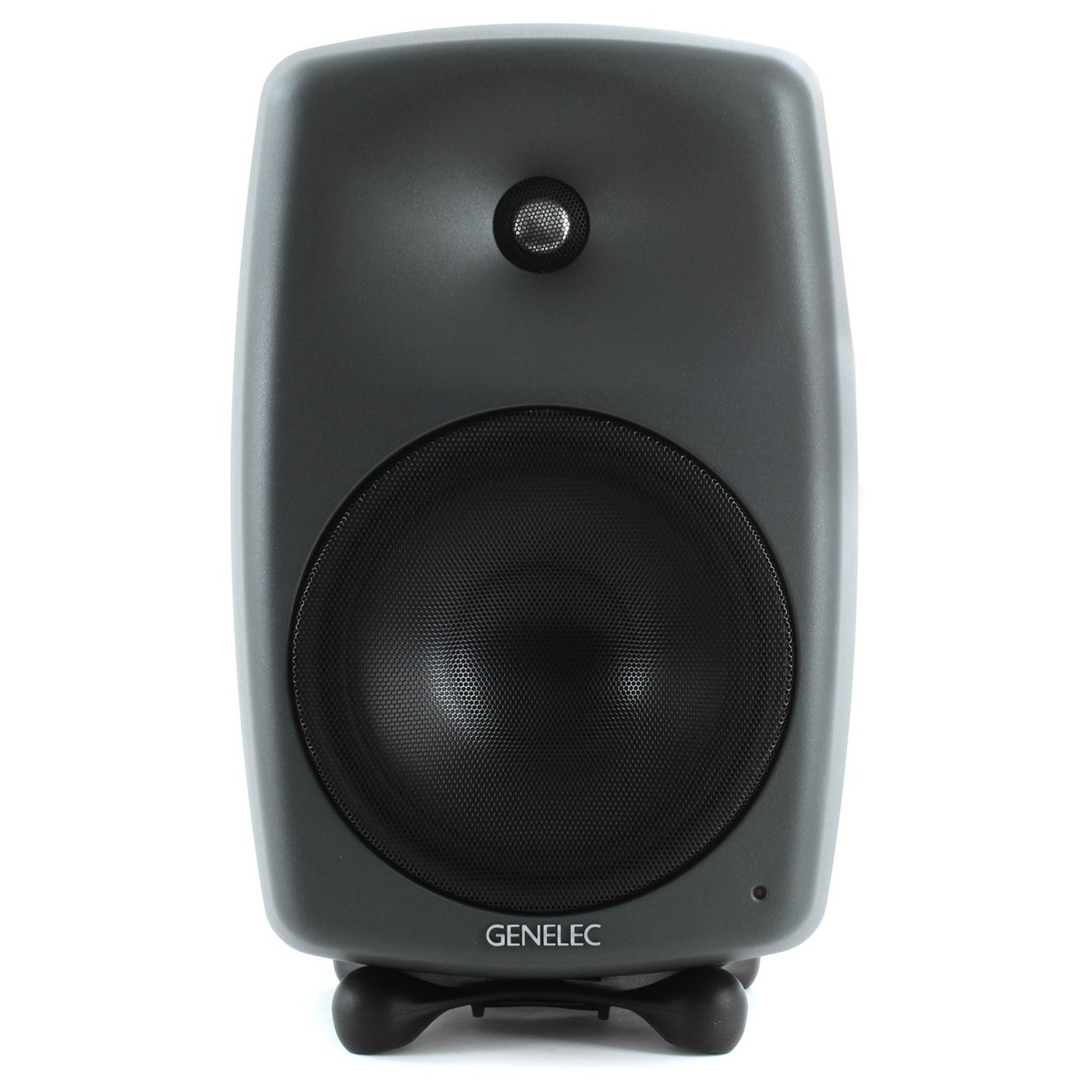
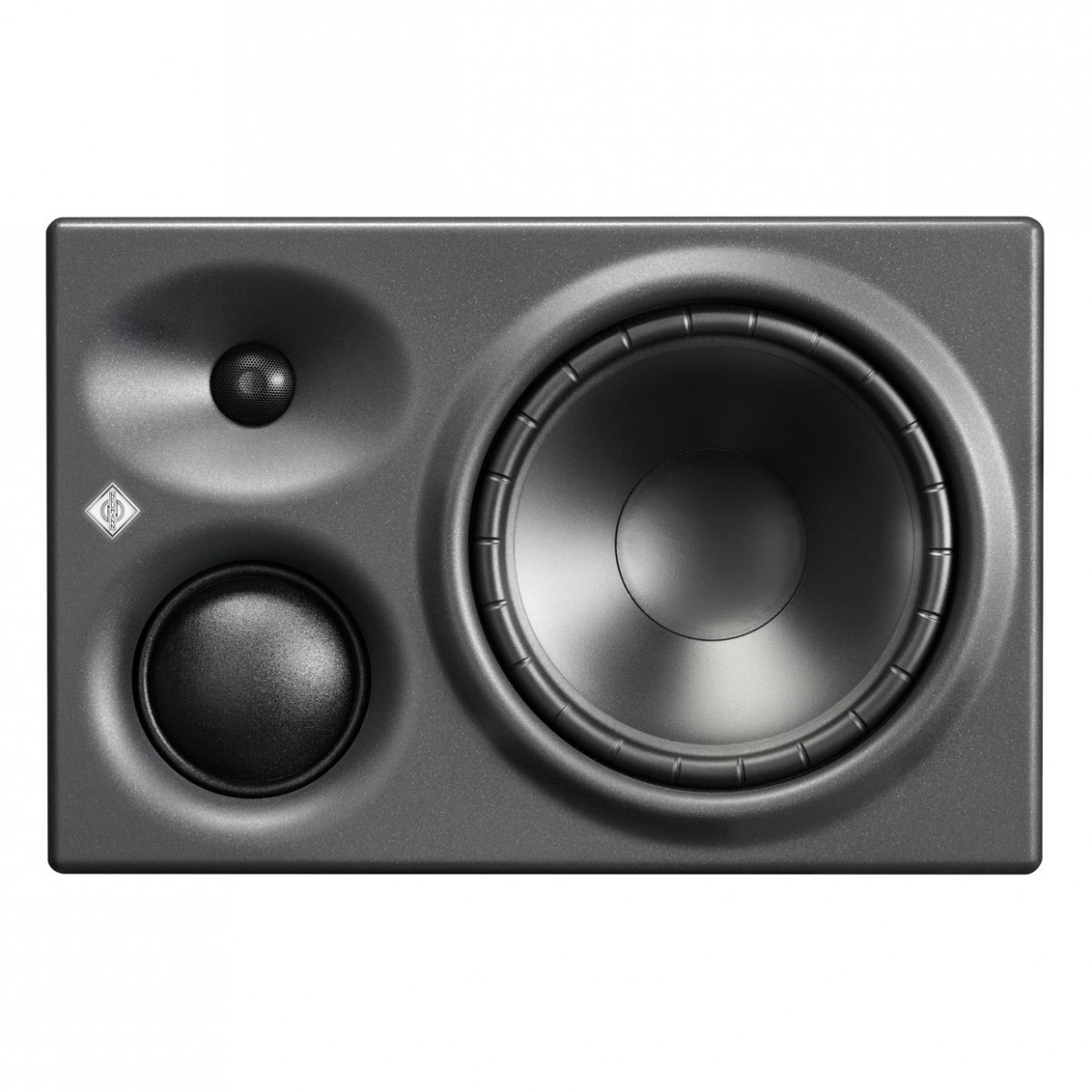
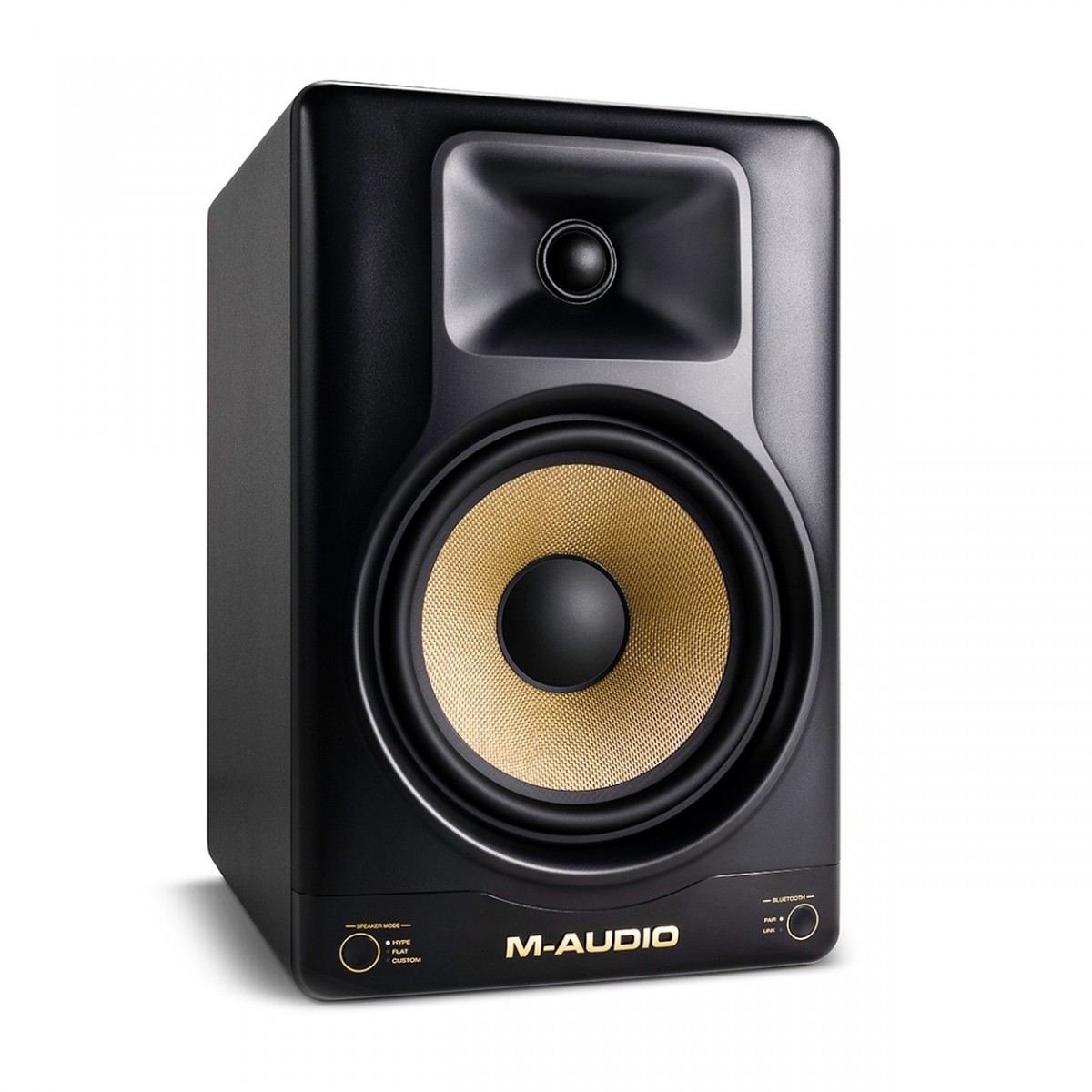
This monitor is suited for professional recording studios, broadcast facilities, and high-end home studios where accuracy is paramount. In the market, it competes with other high-performance monitors such as the Genelec 8050B and the coaxial Genelec 8341A. While it offers a more compact two-way design compared to the Neumann KH 310 A three-way monitor, it provides newer DSP features that the older analogue KH 310 A lacks. Other alternatives in the broader market include the Focal Shape 65 and the M-Audio Forty Eighty, though the KH 150 occupies a higher price and performance tier.
Related gear
 €1,424.00 ($1,538)
Genelec
Genelec 8050B Bi-Amped Studio Monitor Dark Grey (Single)
 £152.00 ($193)
Yamaha
Yamaha HS5 Active Studio Monitor
 £1,864.92 ($2,368)
Neumann
Neumann KH310A Active Three Way Nearfield Studio Monitor Left
 £156.00 ($198)
M-Audio
M-Audio Forty Eighty Active Studio Monitor with DSP
 £89.60 ($114)
Behringer
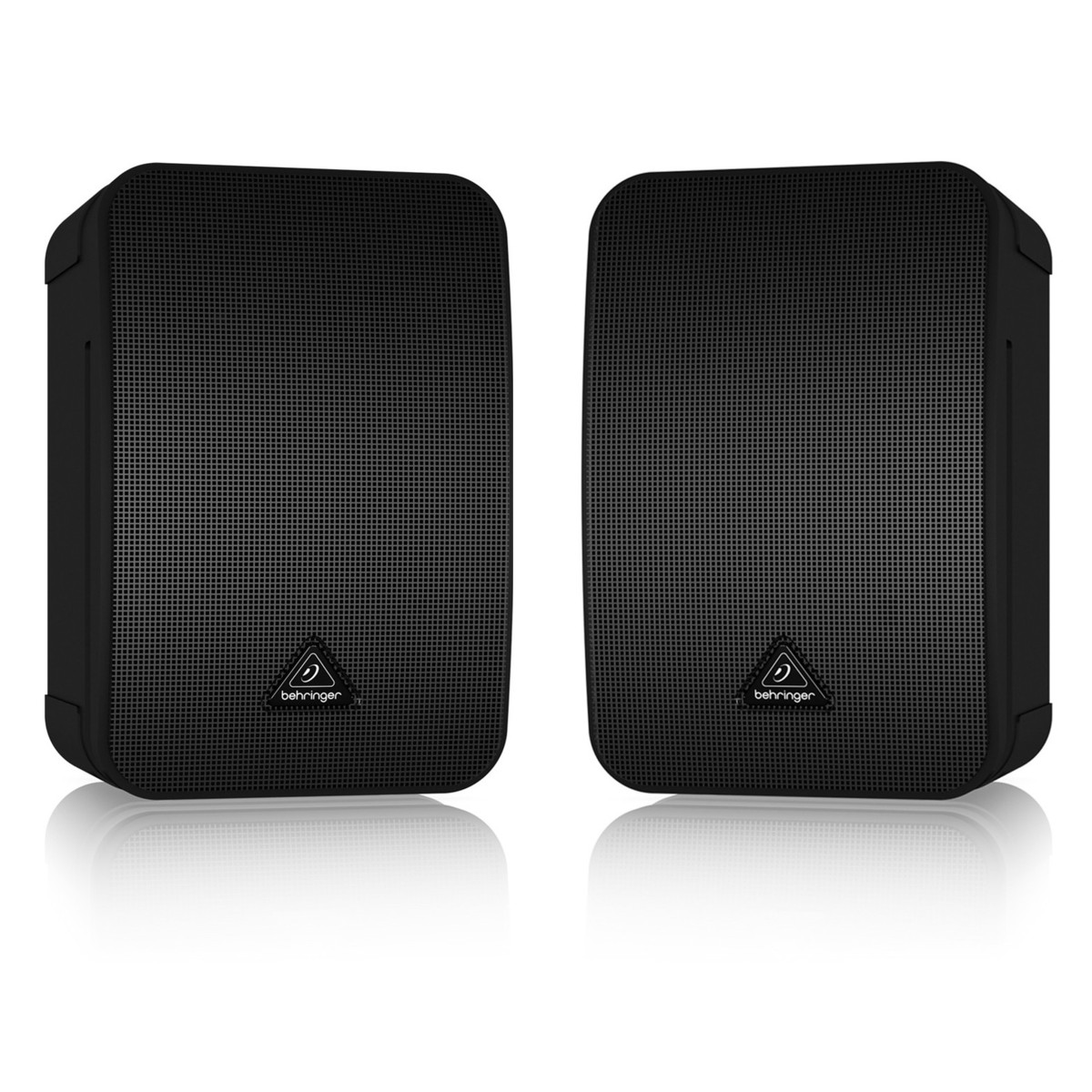
Behringer 1C-BK Studio Monitors Black
 £230.00 ($292)
Genelec
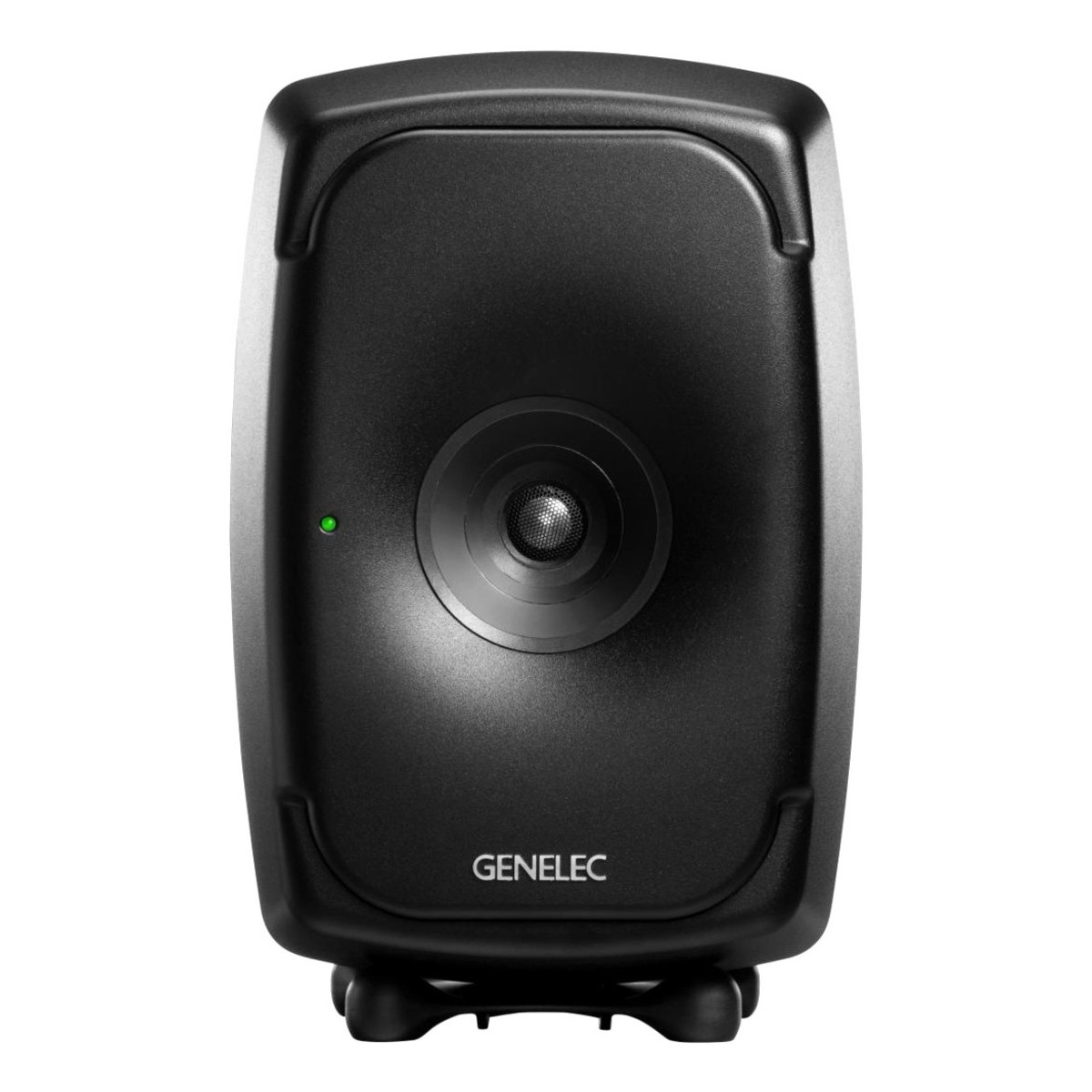
Genelec 8341AMM Professional Studio Monitor Black
 £699.00 ($888)
Neumann
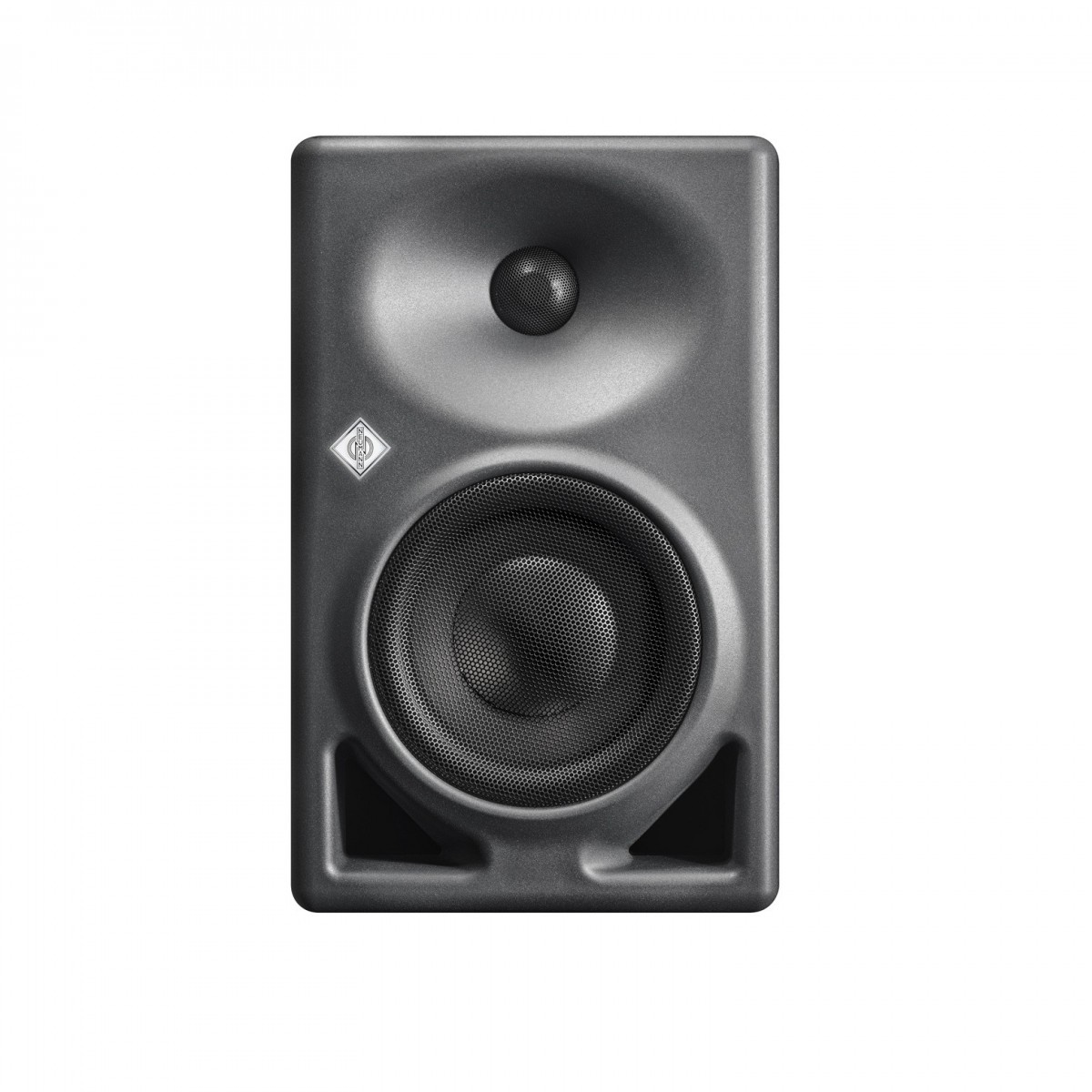
Neumann KH 120-II Active Studio Monitor Black
 £604.00 ($767)
Focal Professional
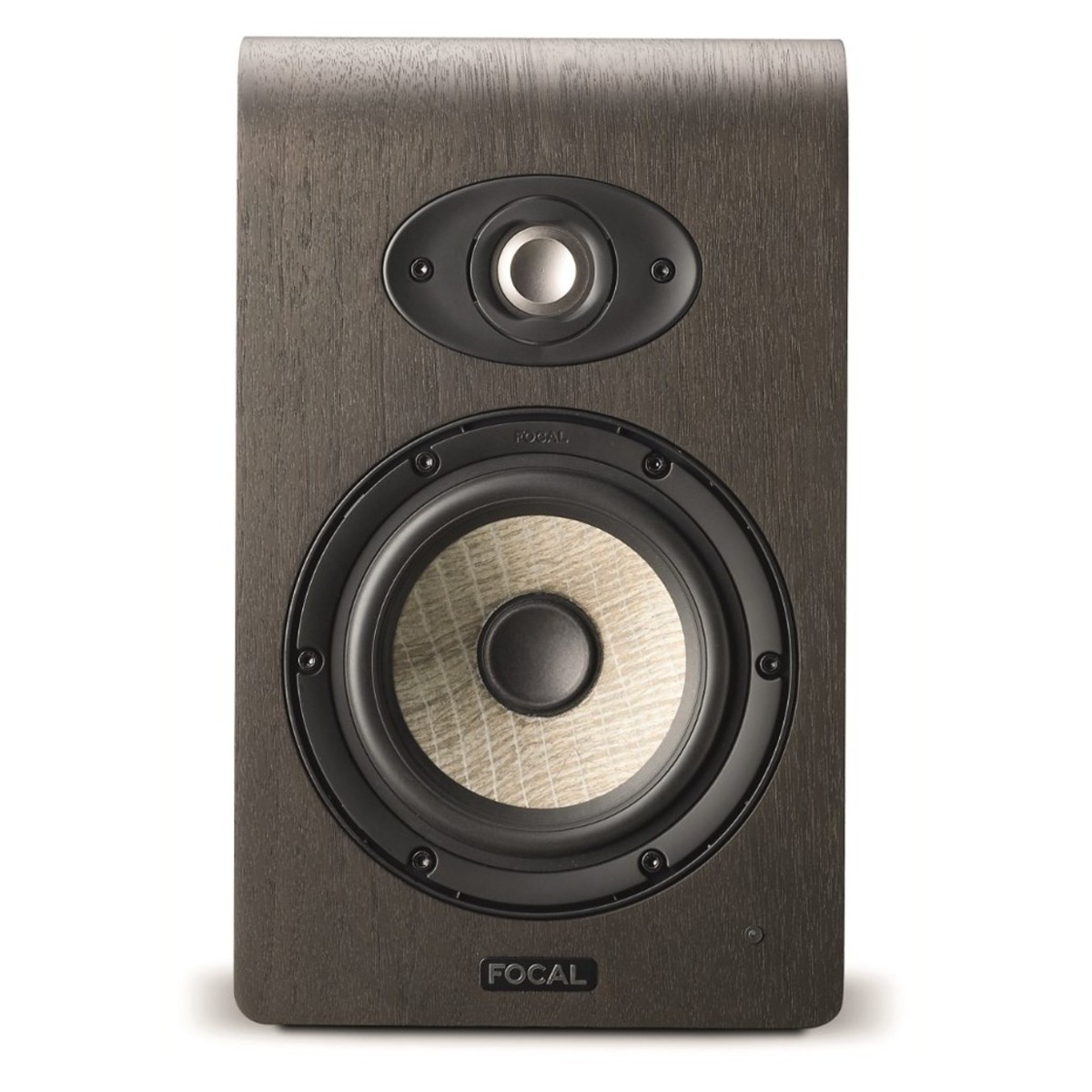
Focal Shape 65 Studio Monitor (Single)
Frequently asked questions
- What is the primary function of the Neumann KH 150?
- The KH 150 is an active two-way studio monitor used for accurate sound reproduction in professional audio environments. It is designed to be used as a reference tool for mixing and mastering.
- How flat is the frequency response of the KH 150?
- The KH 150 features an extremely consistent response with a maximum variance of only 0.8 dB. This ensures that the audio remains neutral and untinted across the spectrum.
- What role does DSP play in this monitor?
- The internal DSP handles the digital crossovers to eliminate phase distortion and helps maintain the flat frequency response. It also allows the speaker to interface with calibration software.
- What is the MMD waveguide?
- MMD stands for Mathematically Modeled Dispersion. It is a specific waveguide shape designed to reduce desk reflections and provide a wider horizontal sweet spot for the listener.
- Is the KH 150 compatible with the Neumann MA 1 system?
- Yes, it is fully compatible with the MA 1 Automatic Monitor Alignment system. This system allows for precise acoustic calibration based on the specific room environment.
- Can I adjust the frequency response manually?
- Yes, the monitor features physical response switches on the rear. These allow the user to boost or cut the bass, mid, and treble frequencies to fit their specific needs.
- How does the KH 150 compare to the KH 120-II?
- The KH 150 is a larger and more powerful monitor than the KH 120-II. While both use similar DSP technology, the KH 150 offers deeper bass extension and higher SPL capabilities.
- What is the typical price for a Neumann KH 150?
- The typical price for this monitor is approximately £1327 per unit. Prices may vary slightly depending on the retailer and current market conditions.
- Does the KH 150 suffer from phase distortion?
- No, the KH 150 utilizes advanced digital crossovers within its DSP to eliminate phase distortion. This results in improved clarity and more accurate imaging compared to standard analogue designs.
- Is this monitor suitable for nearfield listening?
- Yes, the KH 150 is designed as a nearfield studio monitor. Its waveguide technology and compact two-way design make it ideal for placement close to the listening position.
- What kind of power configuration does it use?
- The KH 150 is an active, bi-amplified monitor. This means it contains internal amplifiers dedicated separately to the woofer and the tweeter for optimal efficiency.
- How does it compare to the Genelec 8050B?
- Both are high-end professional monitors, but the KH 150 features modern internal DSP for phase correction and room alignment. The Genelec 8050B is a more traditional analogue-based design.