Gear article
Neumann KM 184 MT Cardioid Compact Condenser Microphone
The Neumann KM 184 MT is a professional small-diaphragm cardioid condenser microphone designed for high-fidelity instrument recording in both studio and stage environments. Renowned for its exceptional transient response and ability to handle high sound pressure levels, it has become an industry standard for capturing acoustic instruments, drums, and ensembles.
See live pricesOverview and Design
The Neumann KM 184 MT (Matte Black) is a compact, transformerless condenser microphone that forms part of the 'Series 180' family. It is specifically engineered to meet the demands of modern studio recording and live sound reinforcement. Its small footprint and robust build quality allow for discreet placement in crowded setups, such as around drum kits or inside piano cabinets.
Unlike traditional large-diaphragm microphones, the KM 184 focuses on accuracy and speed. It features a fixed cardioid polar pattern, which is highly effective at isolating the intended sound source while rejecting unwanted noise from the rear and sides.
Technical Capabilities
One of the standout technical features of the KM 184 is its ability to handle extremely high sound pressure levels (SPL) of up to 138 dB. This makes it suitable for close-micing loud sources like snare drums or brass instruments without the risk of distortion or clipping.
The microphone is also noted for its excellent transient response, allowing it to capture the sharp attack of plucked strings or percussion with 'absolute conviction.' Its off-axis rejection—measuring approximately 6dB at the sides—ensures that even in acoustically inadequate environments or multi-instrument sessions, the captured signal remains focused and clear.
Sound Character and Applications
The sonic signature of the KM 184 is defined by its transparency and precision. It is designed to reproduce sound with high fidelity, making it a versatile choice across various categories:
- Percussion: Ideal for drum overheads and hi-hats.
- Acoustic Instruments: Frequently used for acoustic guitars and pianos.
- Ensembles: Effective for capturing woodwinds, brass, and choirs.
Its popularity spans genres and disciplines, being a preferred tool for artists ranging from Johnny Marr to Meg White. Whether used for intimate solo recordings or large-scale orchestral captures, the microphone maintains a consistent, professional-grade output.
Comparison to Alternatives
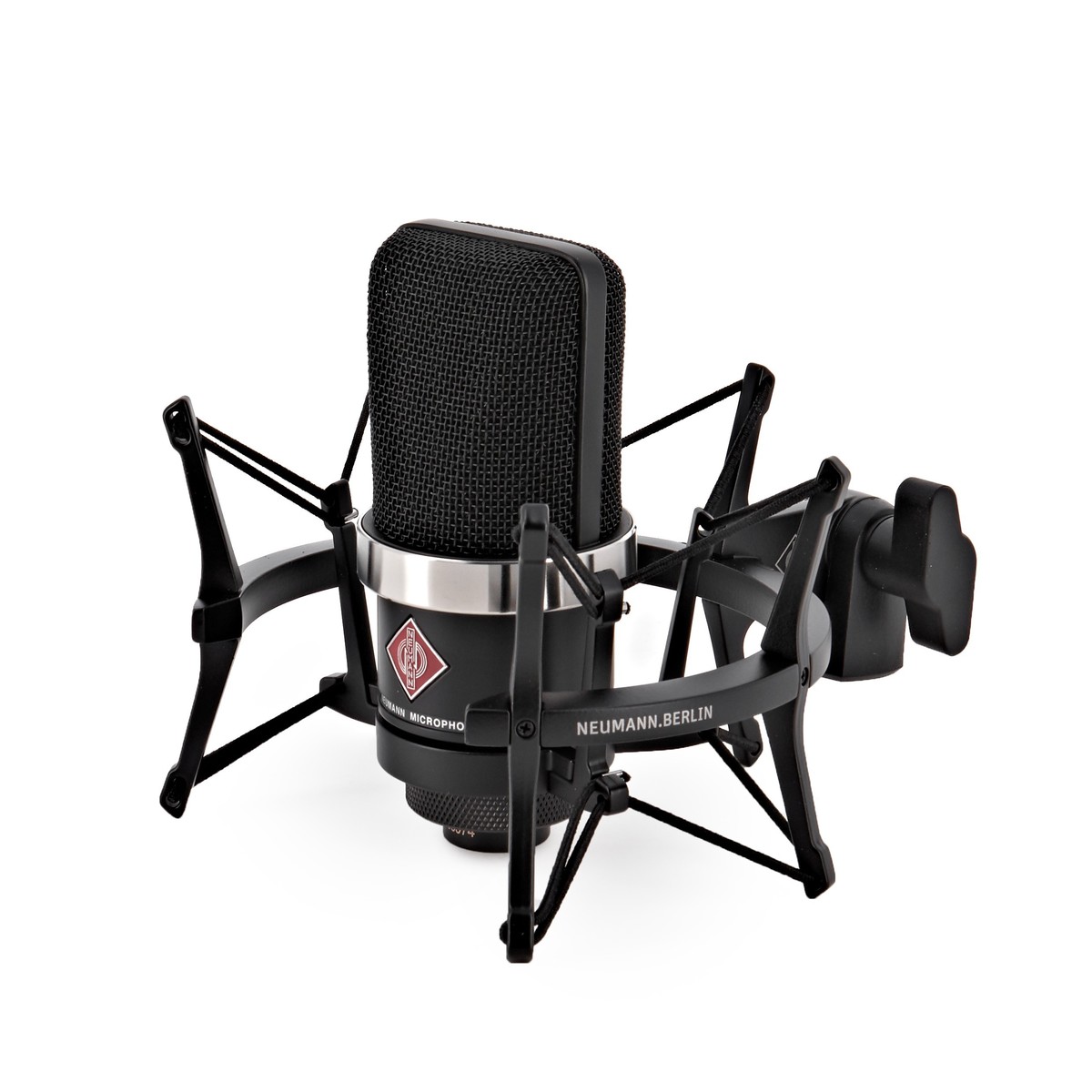
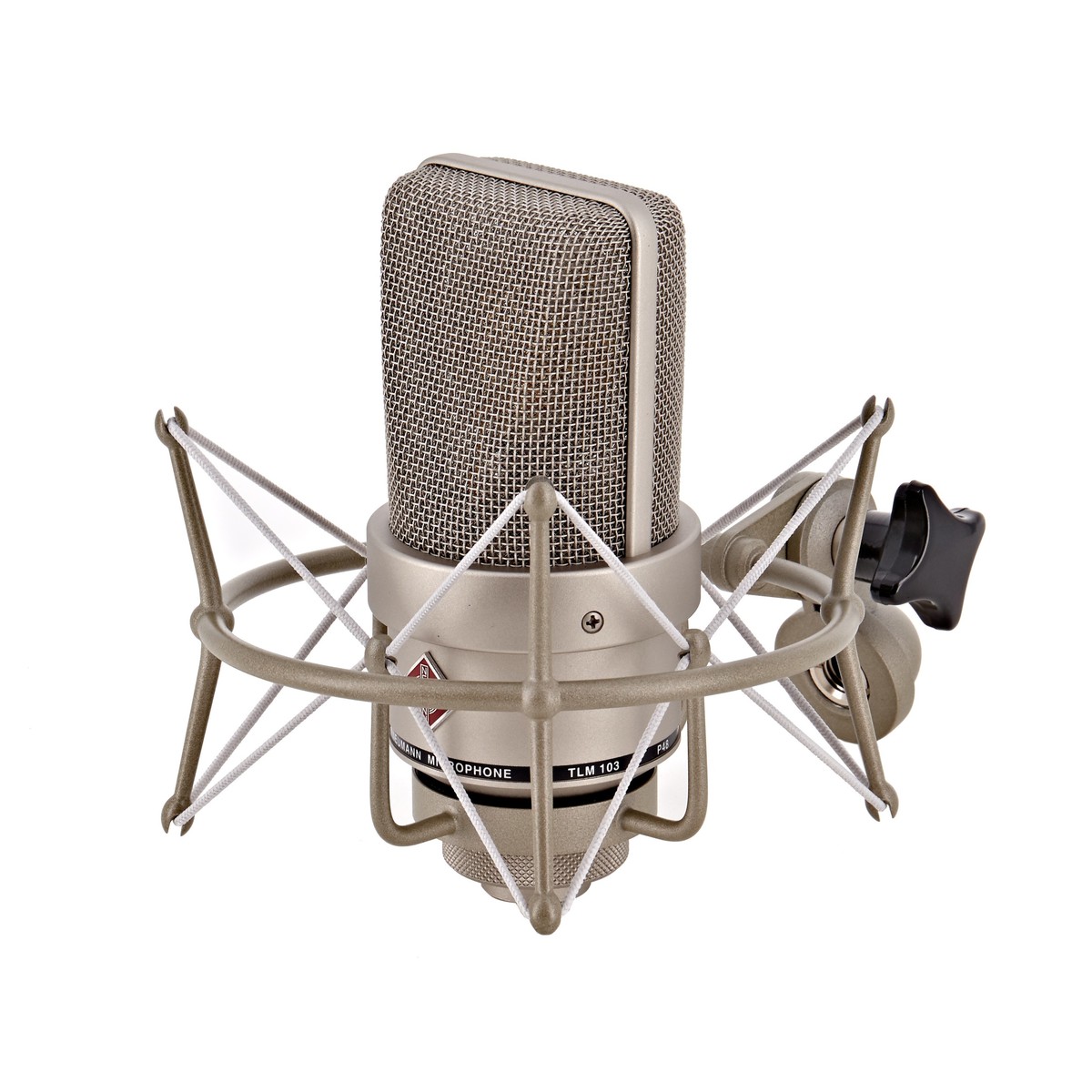
Within the Neumann catalogue, the KM 184 MT is often compared to the KM 185, which shares a similar form factor but utilizes a super-cardioid pattern for even tighter directional control. For users seeking a large-diaphragm alternative for vocal or general studio duties, the Neumann TLM 102 or TLM 103 offer different tonal characteristics and higher sensitivity for low-level signals.
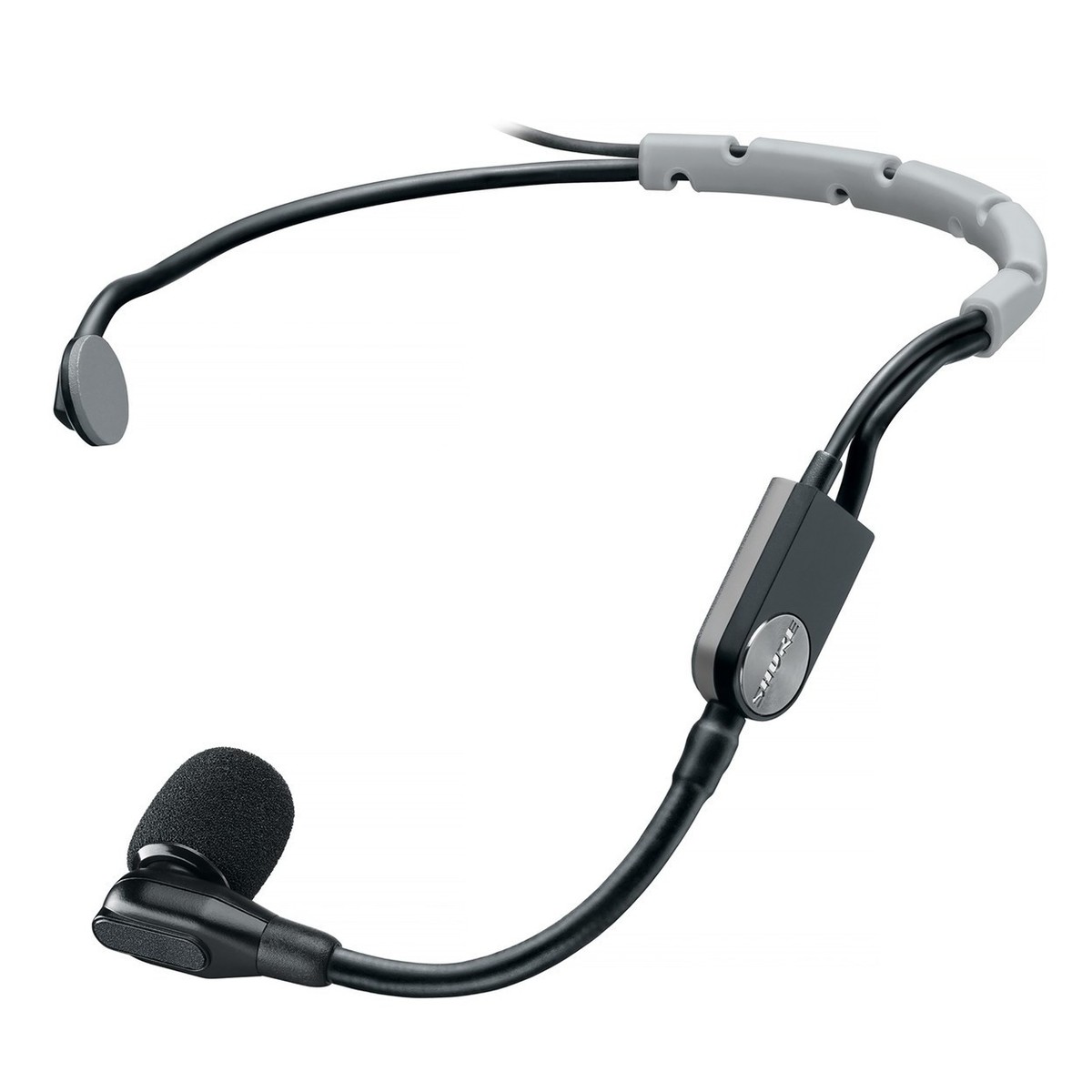
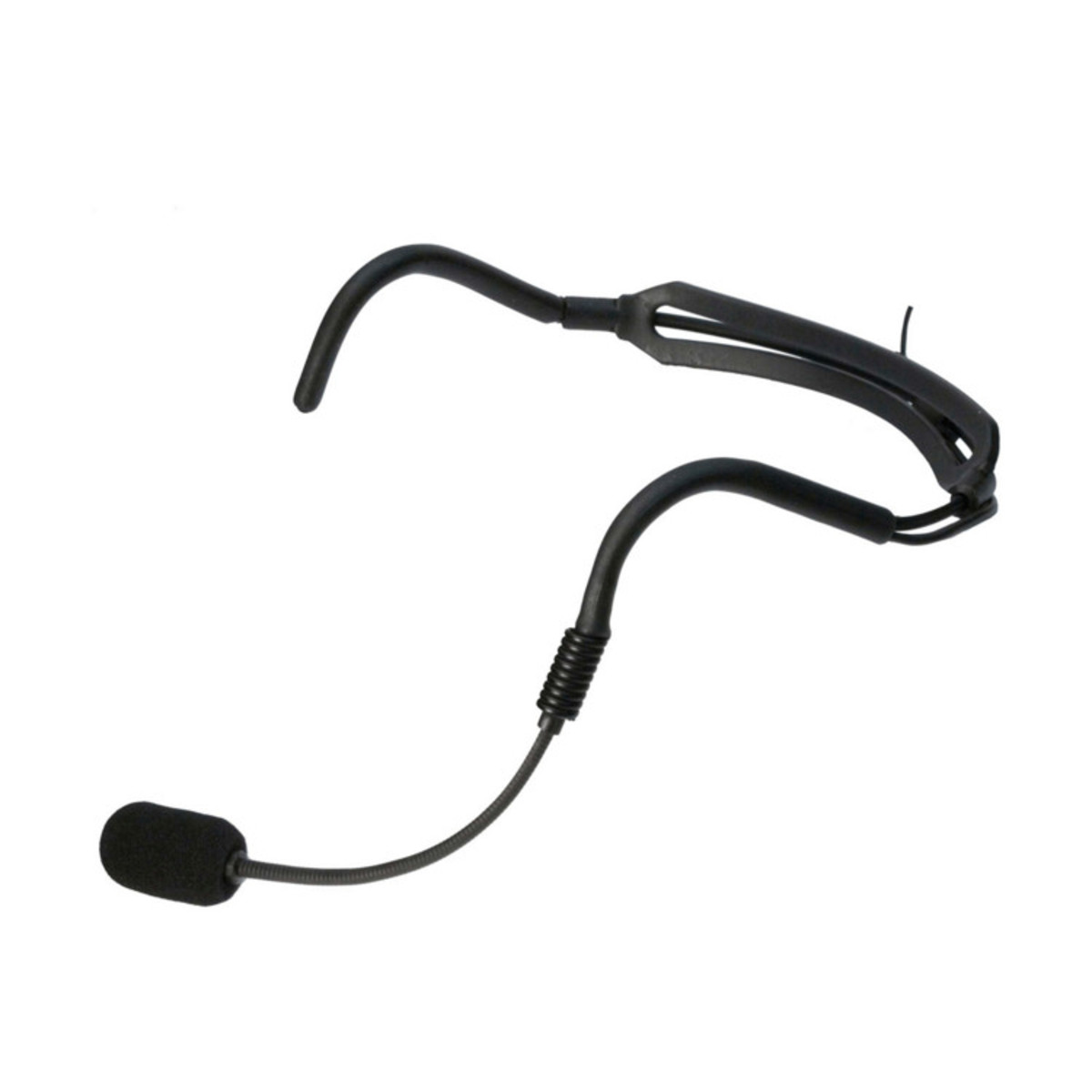
When compared to dynamic alternatives like the Shure SM7B, the KM 184 provides significantly more detail in the high-frequency range and a faster response to transients, though it requires phantom power to operate. For those looking for specialized stage solutions, cardioid condenser headsets like the Shure SM35-XLR or the Audix HT2 offer hands-free operation, though they lack the full-spectrum fidelity of the KM 184's small-diaphragm capsule.
Related gear
 £39.98 ($51)
SoundMagic
SoundMAGIC E11D In Ear Isolating USB-C Earphones with Mic Silver
 £709.28 ($901)
Neumann
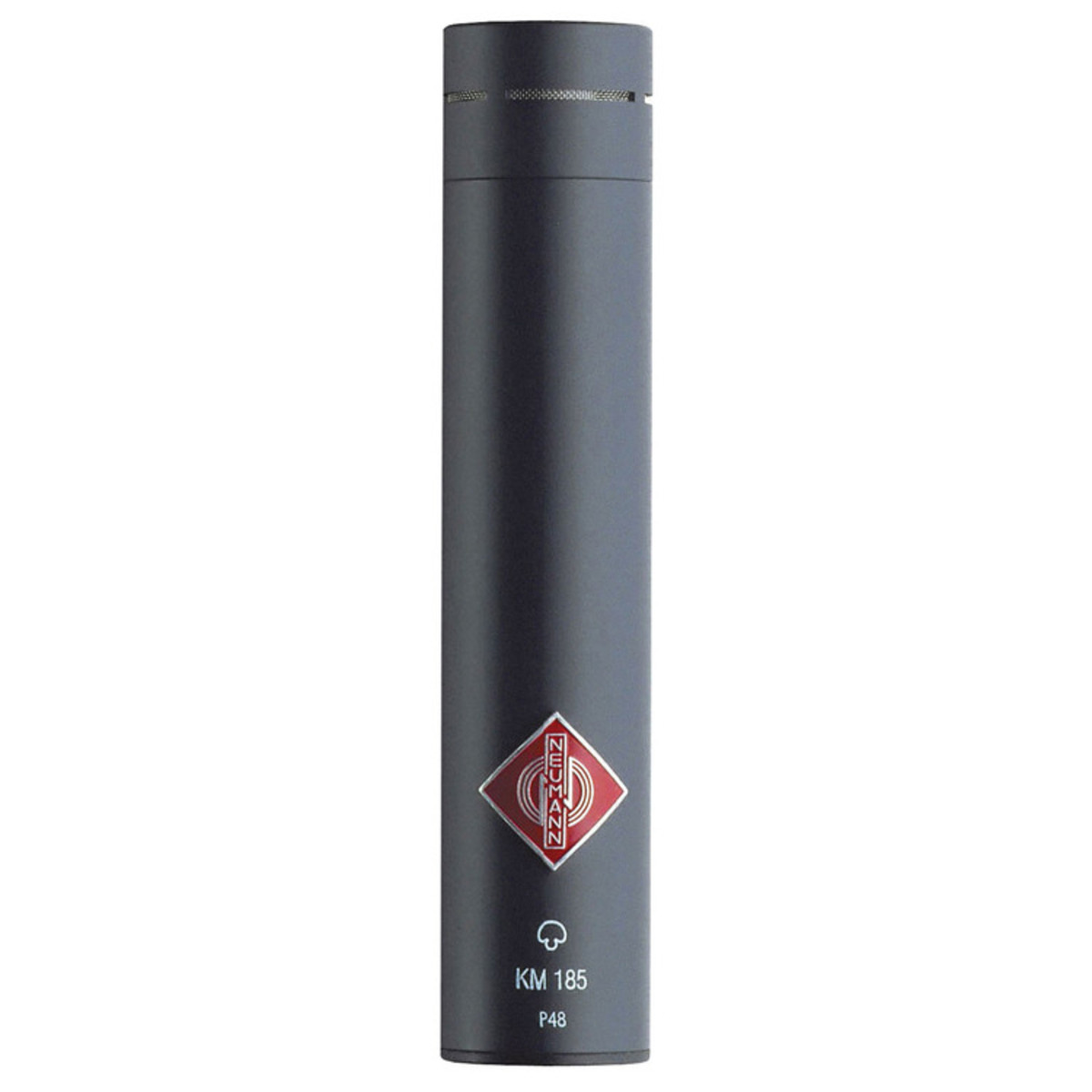
Neumann KM 185 MT Super-Cardioid Compact Condenser Mic Black
 £139.99 ($178)
G4M
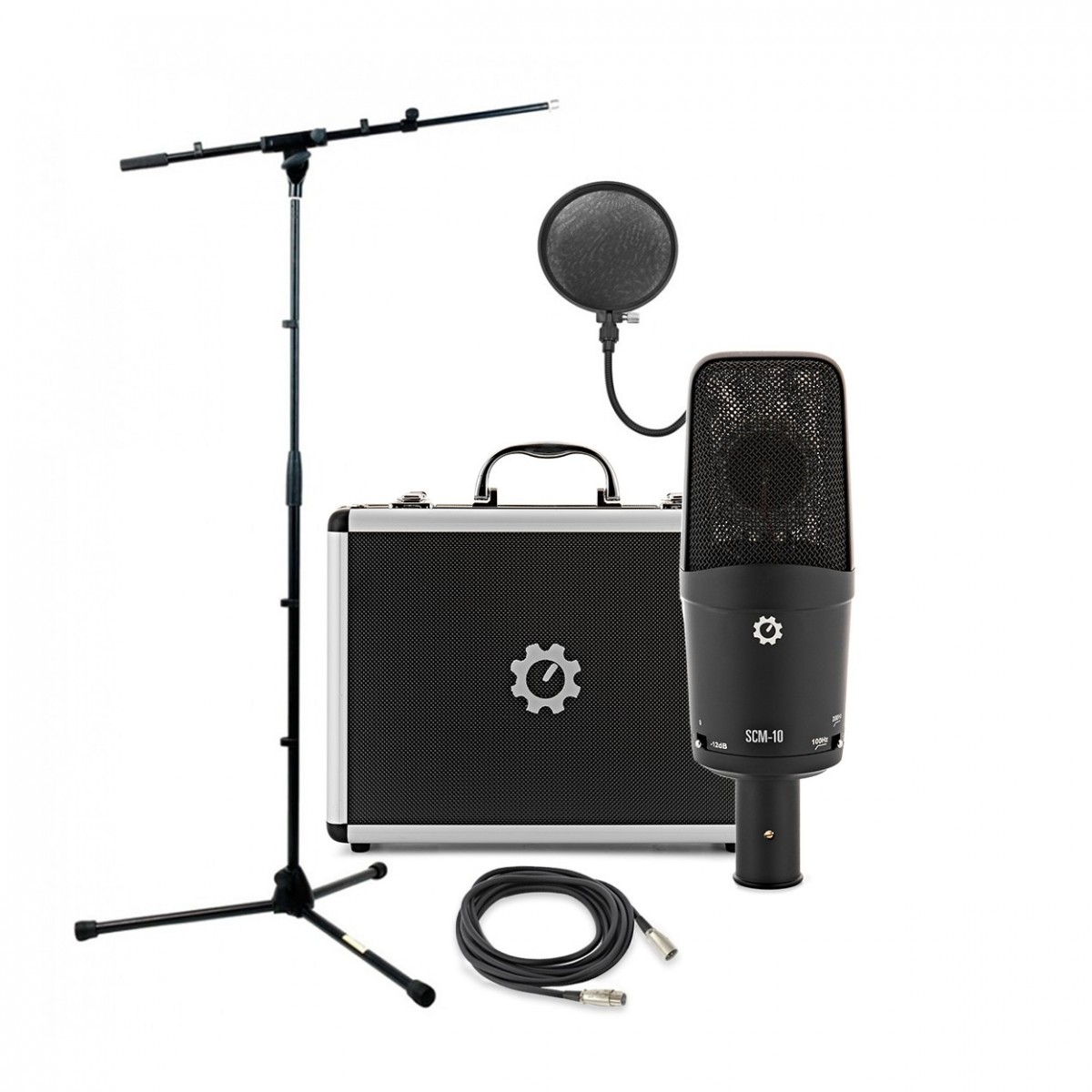
G4M Studio Condenser Microphone Home Recording Pack
 £258.50 ($328)
Shure
Shure SM35-XLR Cardioid Condenser Headset Microphone
 £201.19 ($256)
Audix
Audix HT2 Super Cardioid Headset Condenser Mic With 3 Pin Mini XLR
 £655.91 ($833)
Neumann
Neumann TLM 102 Microphone Studio Set Black
 £1,110.08 ($1,410)
Neumann
Neumann TLM 103 Studio Set Microphone Nickel
 £381.50 ($485)
Shure
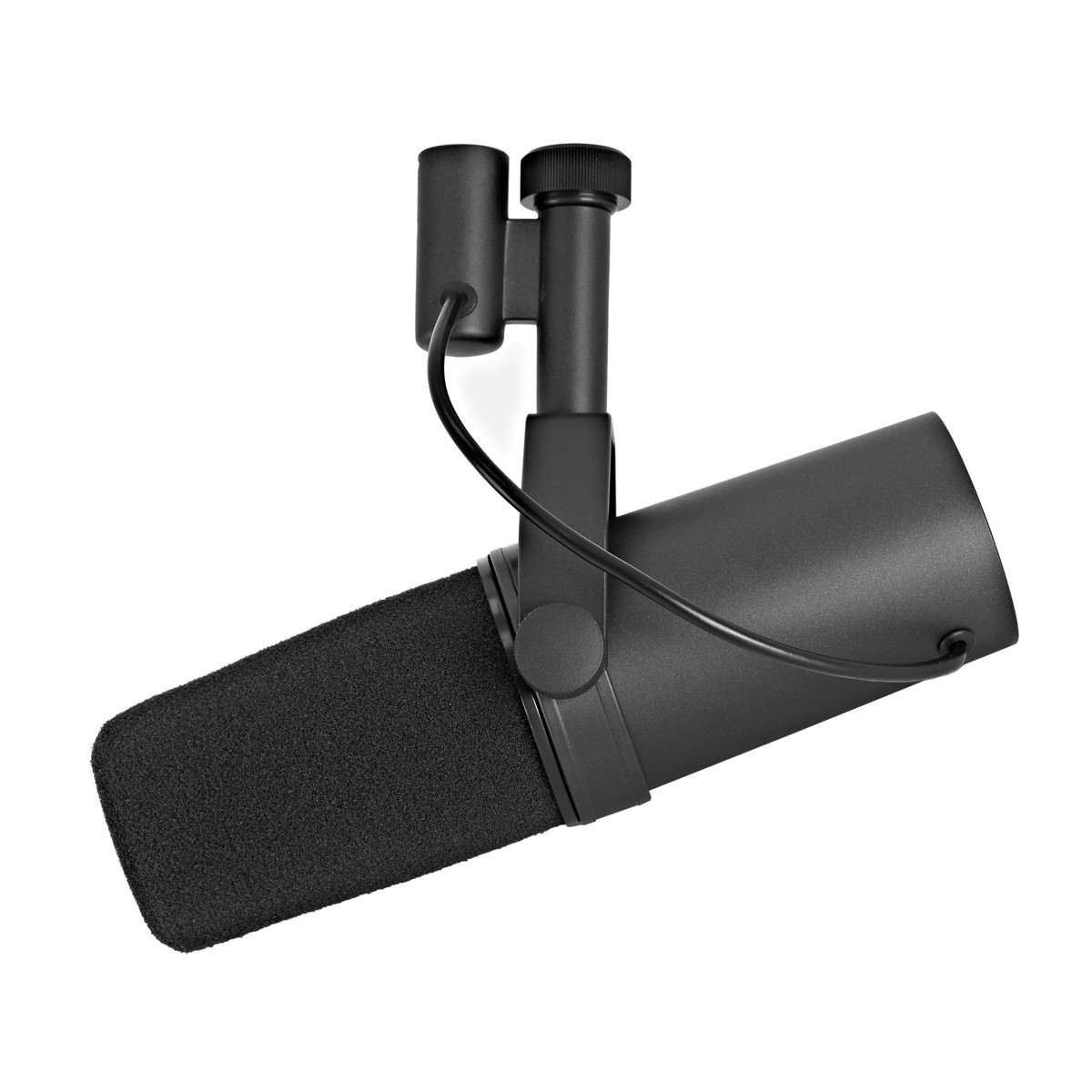
Shure SM7B Dynamic Studio Microphone
Frequently asked questions
- What is the polar pattern of the Neumann KM 184?
- The KM 184 features a fixed cardioid polar pattern. This provides a focused sound pickup from the front while offering significant rejection of sounds coming from the sides and rear.
- What is the maximum SPL the KM 184 can handle?
- This microphone can handle sound pressure levels up to 138 dB. This high threshold allows for close-micing of very loud sources like brass and drums without audible distortion.
- What does the 'MT' in the name signify?
- The 'MT' stands for Matte Black, which refers to the specific finish of the microphone body. This finish is often preferred for stage use as it is less reflective under bright lights.
- Is the KM 184 suitable for recording acoustic guitars?
- Yes, it is highly regarded for acoustic guitar recording. Its fast transient response captures the pick attack and string detail with high precision.
- Does this microphone require phantom power?
- Yes, as a condenser microphone, the KM 184 requires 48V phantom power to operate. It connects via a standard 3-pin XLR cable.
- How does the KM 184 perform in poorly treated rooms?
- The cardioid pattern provides up to 6dB of off-axis rejection at the sides. This helps minimize the pickup of unwanted room ambience and reflections in acoustically inadequate environments.
- Can I use the KM 184 for drum overheads?
- It is an industry-standard choice for drum overheads. Its ability to handle high SPL and capture fast transients makes it ideal for cymbals and the overall kit sound.
- What is the difference between the KM 184 and the KM 185?
- The primary difference is the polar pattern. The KM 184 is cardioid, while the KM 185 is super-cardioid, offering a narrower pickup zone and even more side rejection.
- Is the KM 184 a small-diaphragm or large-diaphragm microphone?
- The KM 184 is a small-diaphragm condenser microphone. These are typically chosen for their accuracy, neutral frequency response, and superior transient capture compared to large-diaphragm models.
- What kind of instruments is this microphone best suited for?
- It is exceptionally versatile and can reproduce drums, guitars, pianos, brass, woodwinds, and choirs with high conviction. It is generally suited for any acoustic source requiring detailed reproduction.
- How does the KM 184 compare to the Neumann TLM 103?
- The TLM 103 is a large-diaphragm microphone often used for vocals, whereas the KM 184 is a small-diaphragm mic optimized for instruments. The KM 184 generally offers a more precise, less 'coloured' transient response.
- Is the KM 184 durable enough for live stage use?
- Yes, its compact and robust design is specifically intended for both studio and stage applications. It is frequently used by professional touring artists like Meg White and Johnny Marr.