Gear article
Nino by Meinl C Major Scale Glockenspiel
The Nino by Meinl C Major Scale Glockenspiel is a compact, child-friendly hand percussion instrument designed for introductory music education. It features twelve primary tones spanning c3 to f4, supplemented by additional accidental keys to facilitate basic chromatic flexibility for young learners.
See live pricesBackground and Design
The Nino by Meinl range was established to provide high-quality percussion instruments specifically tailored for younger players and educational settings. This glockenspiel follows that ethos by offering a durable and accessible entry point into melodic percussion. The design focuses on ergonomics for smaller hands, ensuring that the instrument is both safe and functionally appropriate for children aged five and above.
A distinctive feature of this model is the layout of the keys. While the primary layout follows the C Major scale, the instrument includes additional notes for versatility. The construction prioritises security; the keys are designed to be stable during play yet remain easy to remove when necessary for maintenance or simplified learning.
Technical Features
The instrument provides a twelve-tone range starting from c3 and reaching up to f4. Unlike standard diatonic-only glockenspiels, this model includes b-flat3 and f-sharp3 keys. These specific accidental notes are mounted onto the side, allowing players to explore beyond a single key signature without the complexity of a full two-tier chromatic layout.
The package is supplied as a ready-to-play kit, including two wooden mallets. The choice of wood for the mallets ensures a balance between durability and a pleasant percussive strike against the metal keys.
Sound Character
As a member of the metallophone family, the Nino Glockenspiel produces a bright, clear, and bell-like tone characteristic of metal-keyed instruments. The sustain is designed to be resonant enough to teach children about decay and note duration, but controlled enough to be suitable for group classroom environments. The specific pitch range (c3 to f4) sits in the higher register, common for soprano-style glockenspiels used in Orff-based music education.
Educational Application
This glockenspiel is primarily suited for primary music education and home learning. The inclusion of the F-sharp and B-flat keys is particularly useful for teaching the concept of accidentals and allowing the performance of simple melodies in the keys of G Major and F Major. It serves as a stepping stone to more complex instruments like the Sonor Orff NG31 Alto Chromatic Glockenspiel or other advanced Orff instruments.
Market Comparisons
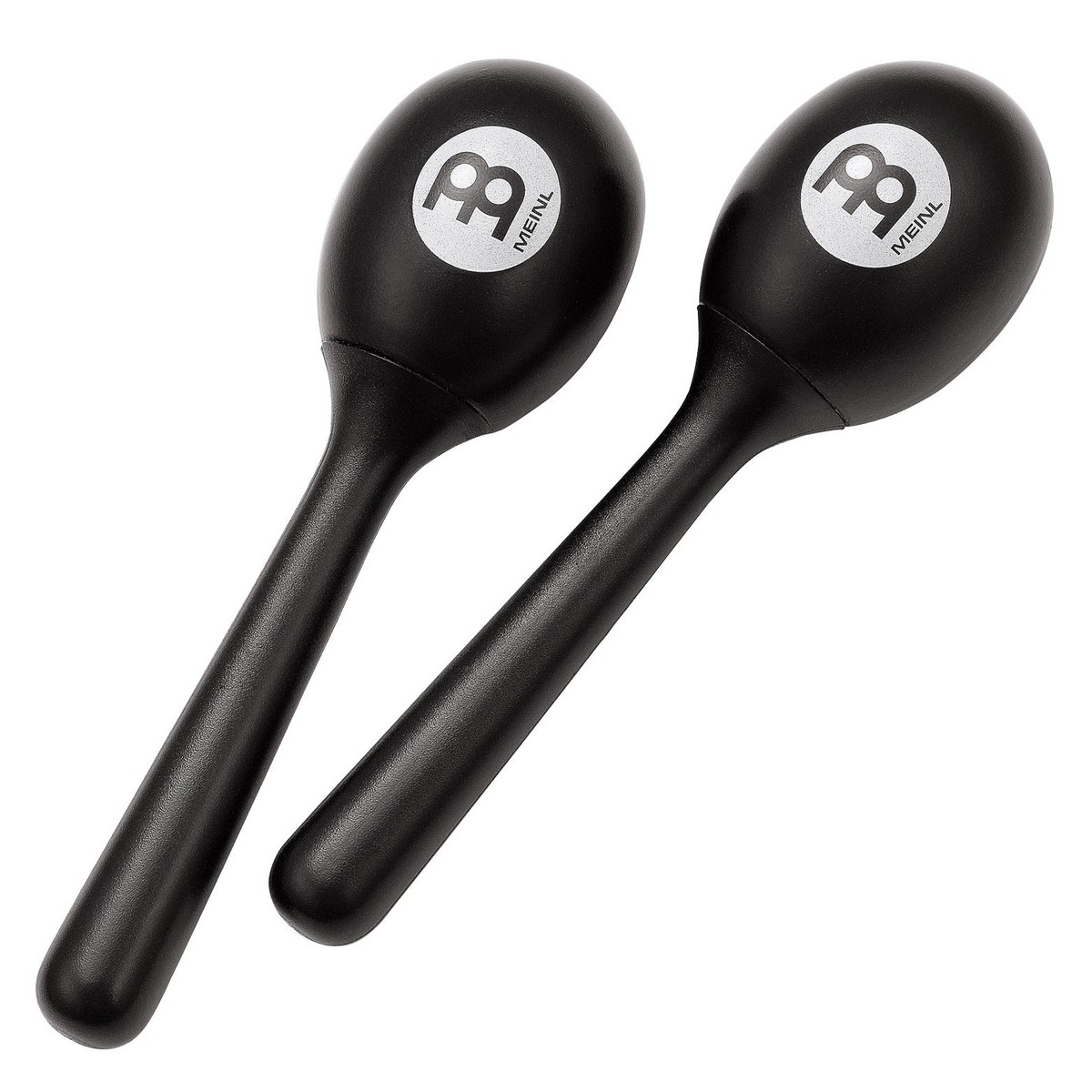
Within the Nino by Meinl percussion ecosystem, this instrument sits alongside rhythm tools like Small Plastic Egg Maracas and the Spin Spark Shaker. Compared to standard chromatic glockenspiels, the Nino model is more streamlined and cost-effective, retailing around the £56 mark. While it lacks the full chromatic range of a professional orchestral glockenspiel, its secure key mounting and child-specific safety features make it a more appropriate choice for early childhood development than professional alternatives.
Related gear
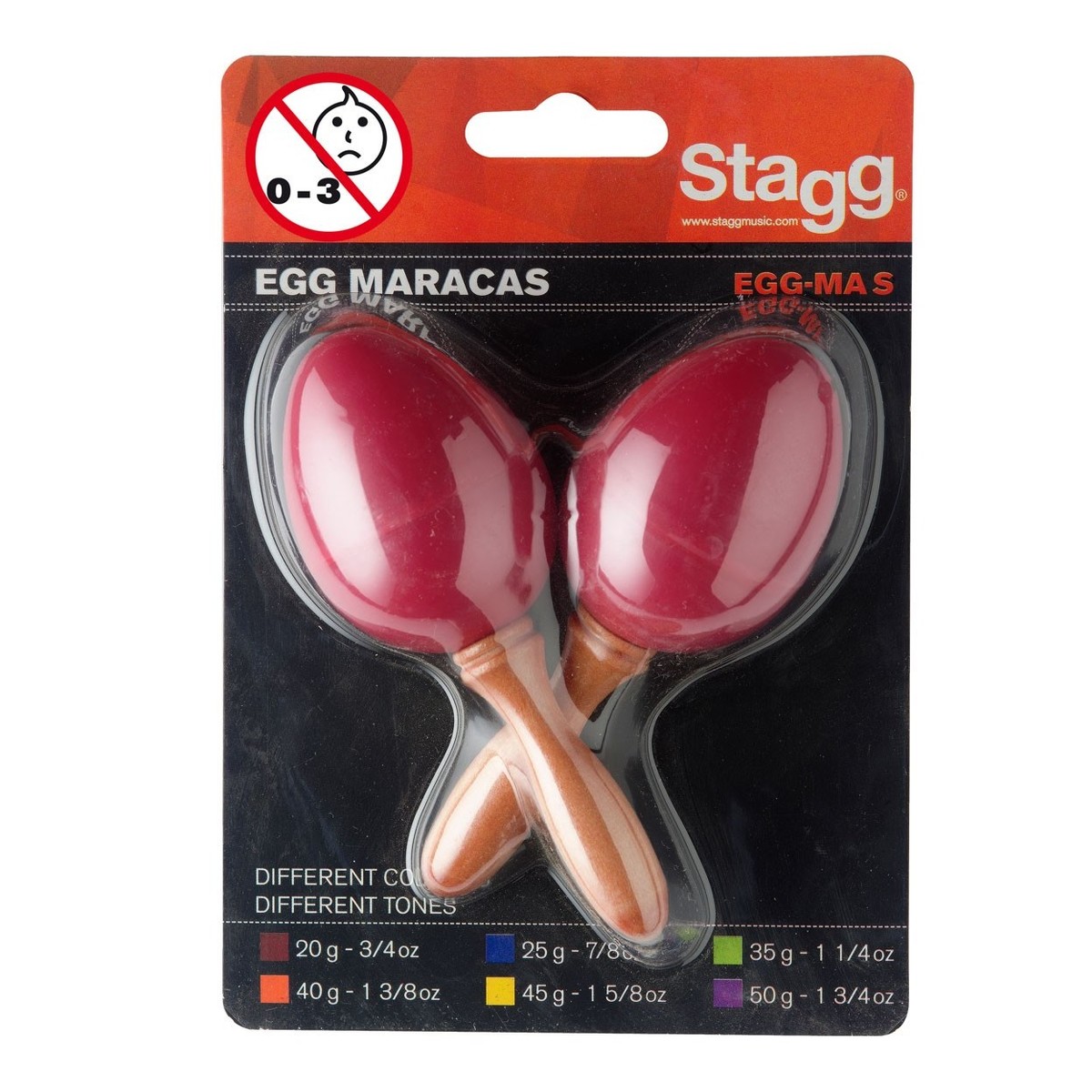 £3.99 ($5)
Stagg
Stagg Plastic Egg Maracas Red
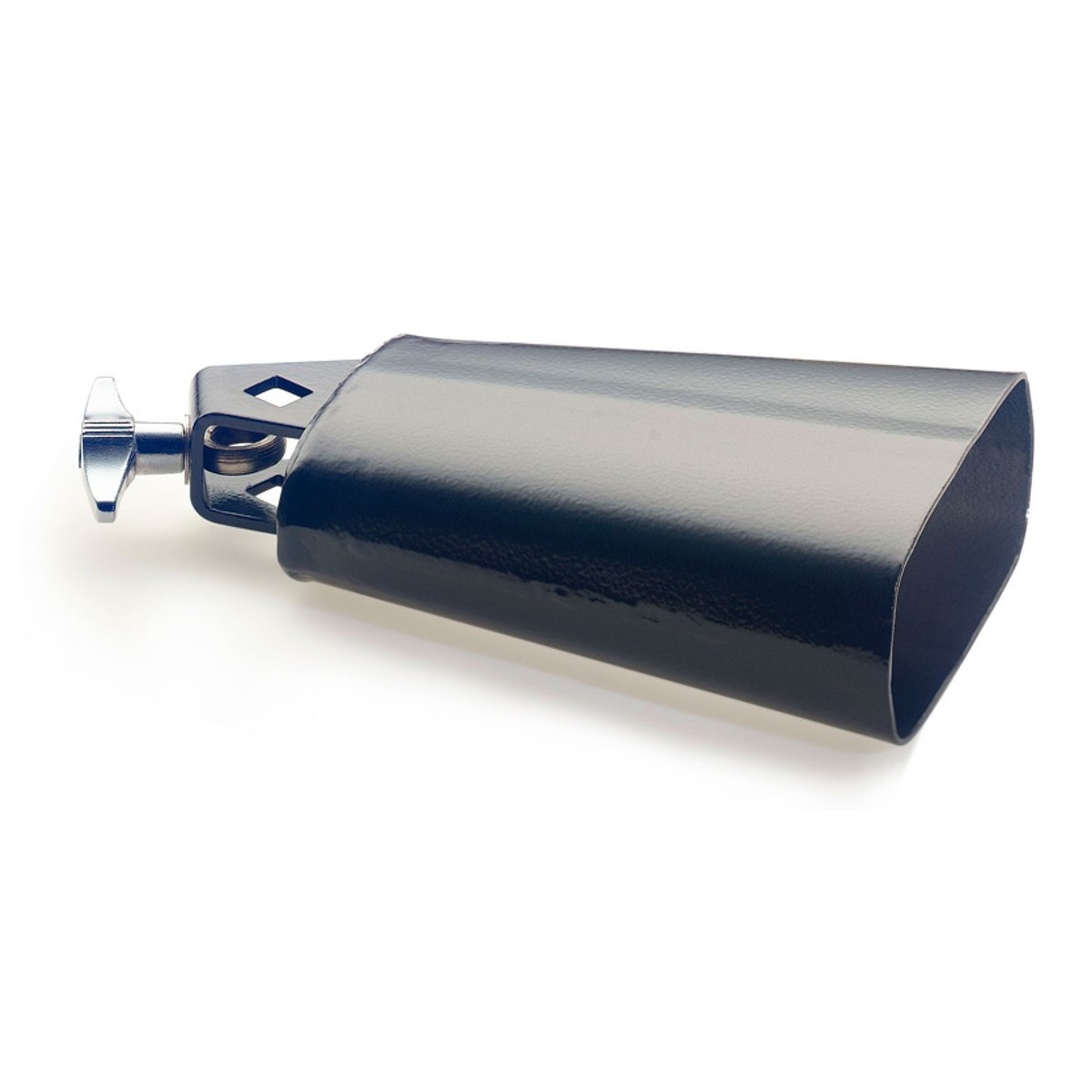 £9.99 ($13)
Stagg
Stagg Rock 5-1/2" Cowbell Black
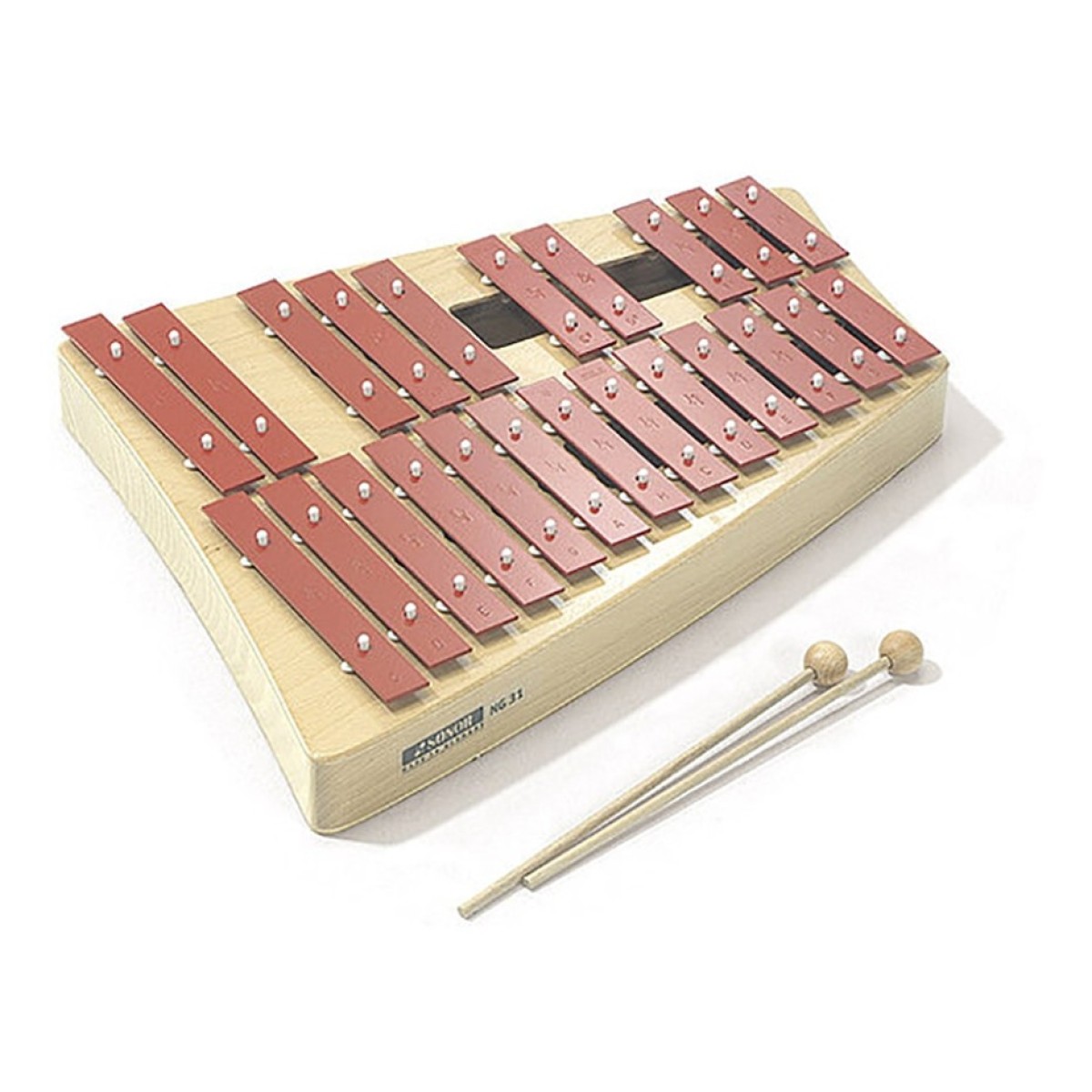 £119.00 ($151)
Sonor
Sonor Orff NG31 Alto Chromatic Glockenspiel
 £23.70 ($30)
Remo
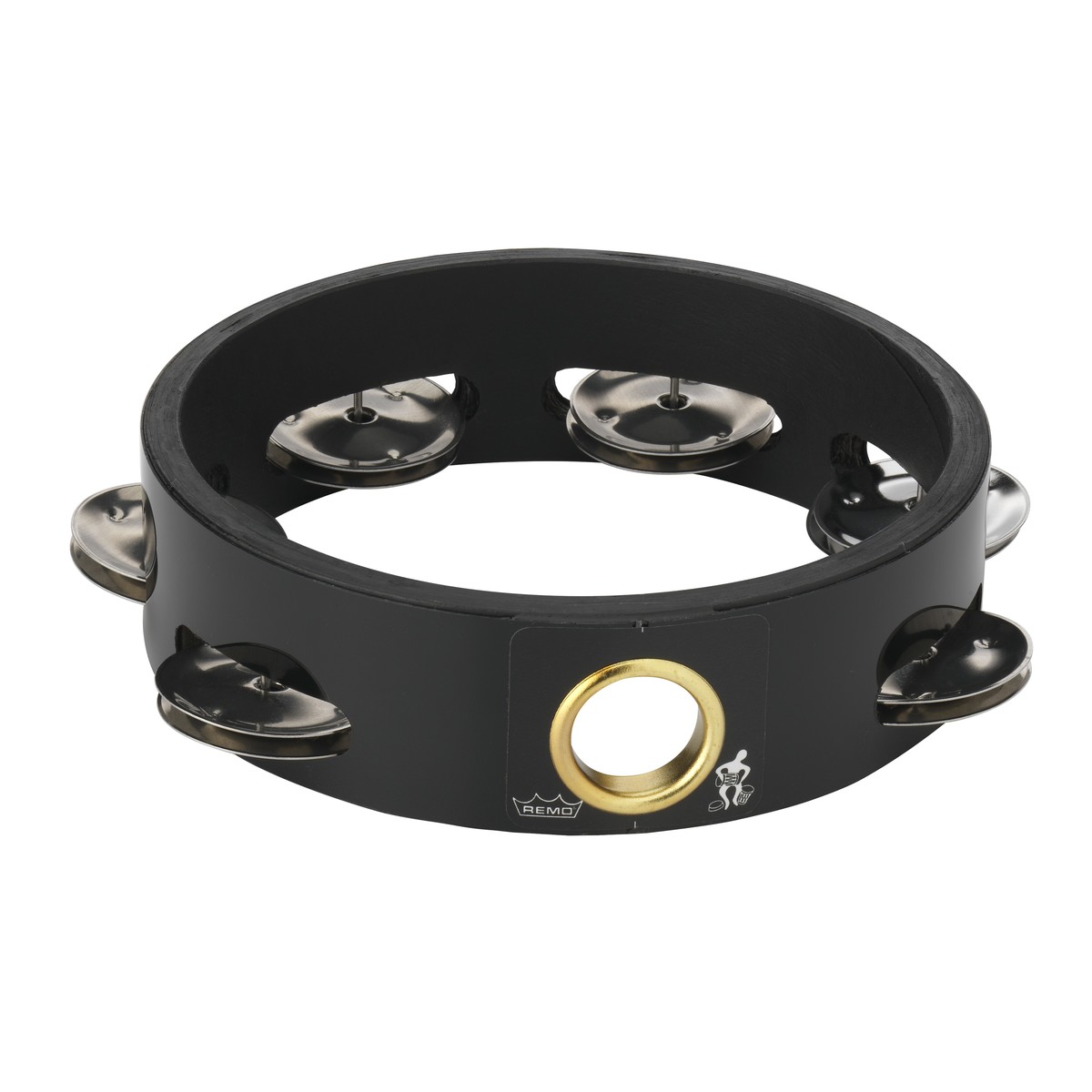
Remo 6 Single Row Headless Tambourine Black
 £299.00 ($380)
Meinl
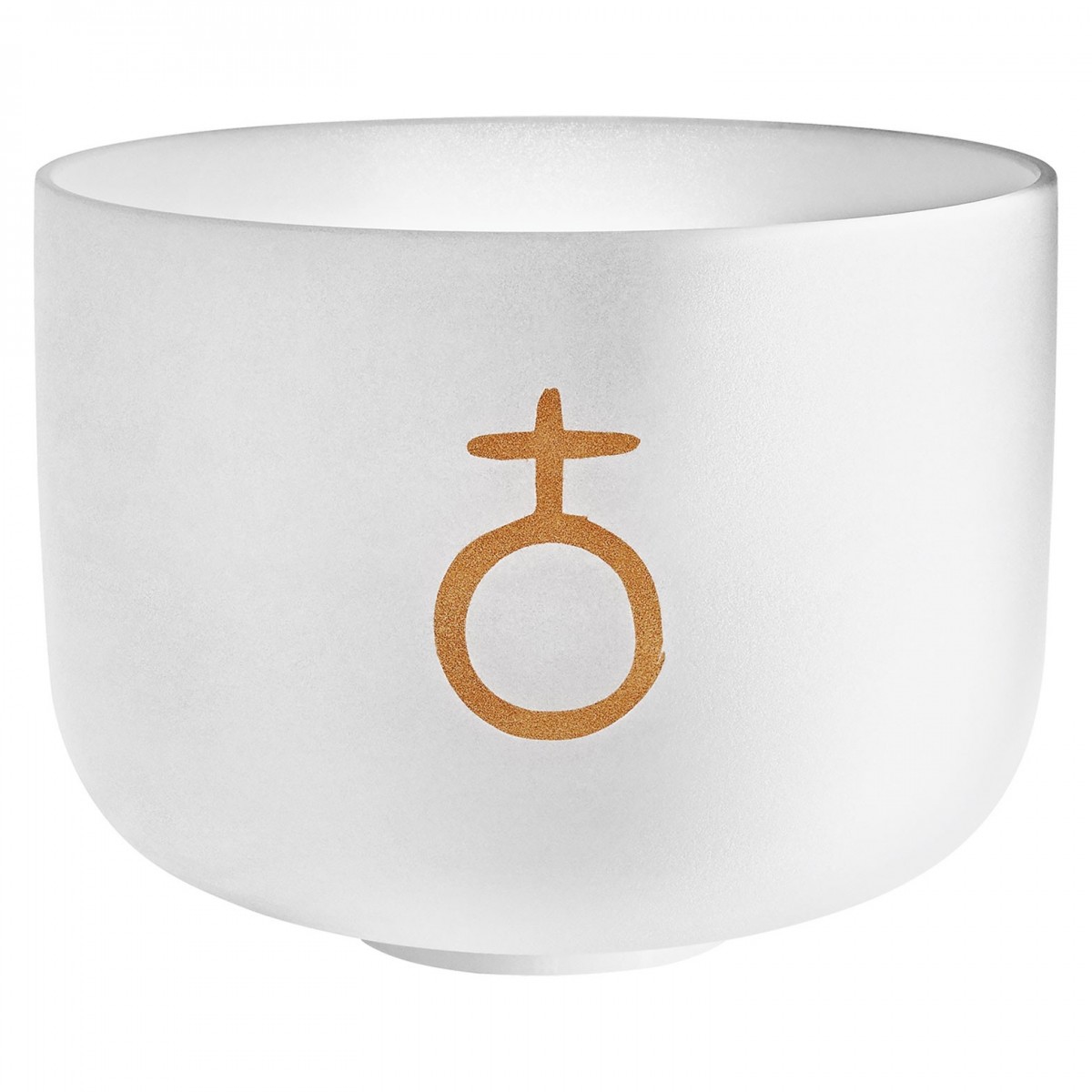
Meinl Planetary Tuned Crystal Singing Bowl 12" Earth Year / Om
 £16.00 ($20)
Fender
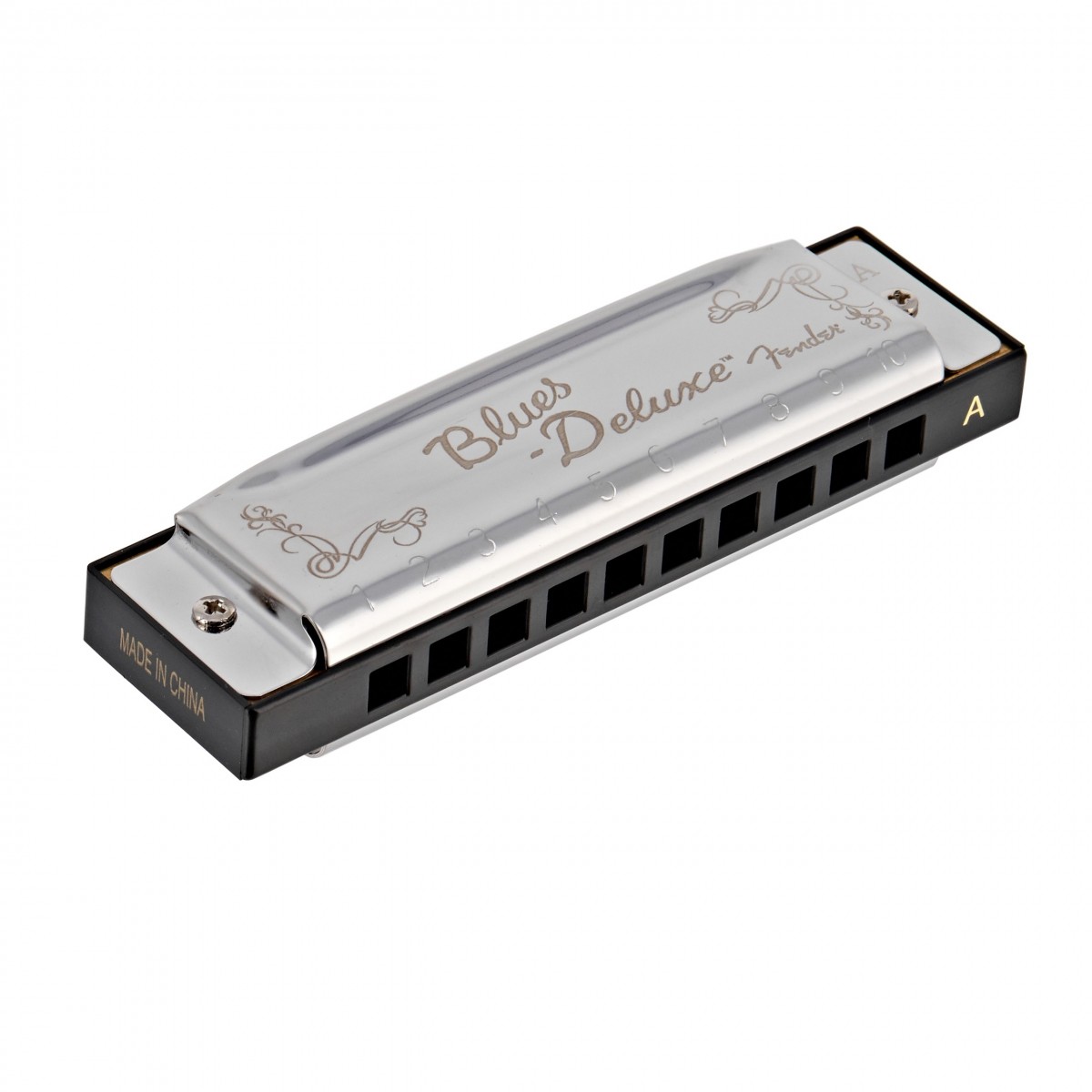
Fender Blues Deluxe Harmonica A
 £23.80 ($30)
Meinl
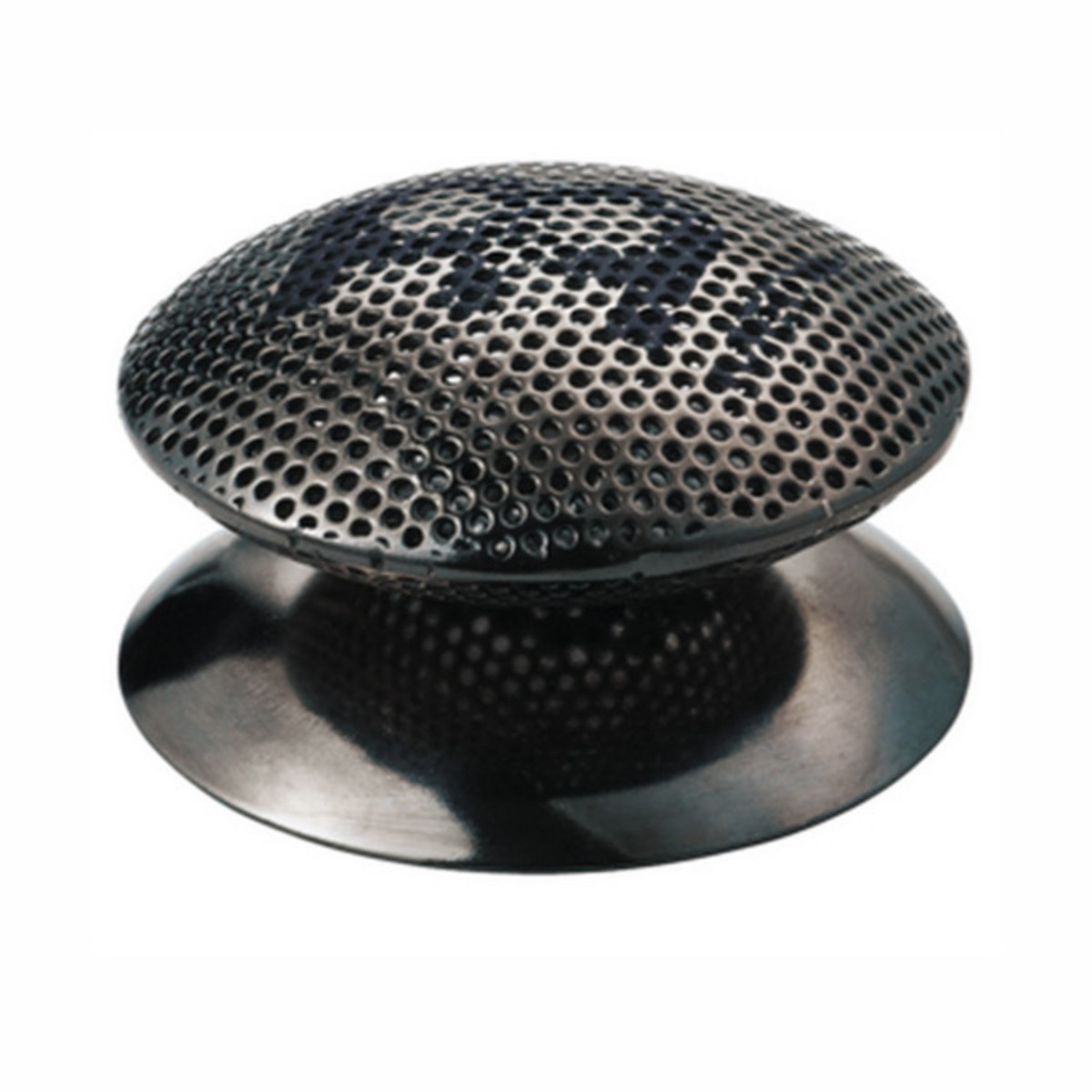
Meinl Spin Spark Shaker Black Nickel
 £7.30 ($9)
Meinl
Meinl Small Plastic Egg Maracas Black
Frequently asked questions
- What is the age recommendation for this glockenspiel?
- The Nino by Meinl C Major Scale Glockenspiel is specifically designed for children aged five years and older. The size and security of the keys are optimised for this age group.
- How many notes does the instrument have?
- The instrument offers twelve tones in total. This provides a sufficient range for playing most standard nursery rhymes and introductory musical exercises.
- What is the pitch range of the keys?
- The notes range from c3 to f4. This allows for a full octave of play plus several additional higher notes for melodic variety.
- Are there any accidental notes included?
- Yes, the glockenspiel includes two added notes: b-flat3 and f-sharp3. These are mounted onto the side of the main frame to expand the instrument's melodic capabilities.
- What accessories are included in the box?
- The glockenspiel comes with two wooden mallets. This allows the user to begin playing the instrument immediately upon unpacking without requiring additional purchases.
- Can the keys be removed?
- Yes, the keys are designed to be easy to remove for educational purposes or maintenance. Despite this, they remain incredibly secure during normal play to ensure safety for small hands.
- What is the typical price for this model?
- The instrument typically retails for approximately £56. This price reflects its positioning as a high-quality educational tool rather than a basic toy.
- What material are the mallets made from?
- The mallets are constructed from wood. This material provides a traditional percussive response and is durable enough for use by children.
- Is this a chromatic or diatonic instrument?
- It is primarily a C Major scale (diatonic) instrument but includes specific accidental notes (B-flat and F-sharp). It is not a fully chromatic instrument with a complete second row of sharps and flats.
- Who is the manufacturer of this glockenspiel?
- The instrument is manufactured by Nino, which is a dedicated brand for children's percussion under the parent company Meinl Percussion.
- How does this compare to a Sonor Orff NG31?
- The Nino model is a more compact and child-focused entry-level option compared to the Sonor NG31, which is an alto chromatic model. The Nino is typically more accessible for younger beginners.
- Is the glockenspiel suitable for toddlers?
- No, the manufacturer specifically recommends this instrument for children aged five and up. It may not be suitable for children under this age due to small parts or the coordination required for mallets.