
Gear article
Old Blood Noise Endeavors Haunt Fuzz
The Old Blood Noise Endeavors Haunt Fuzz is a versatile guitar effects pedal designed to offer a wide spectrum of fuzz textures, ranging from restrained vintage tones to aggressive modern saturation. It features a comprehensive control set including a gate and a blend knob, allowing for precise shaping of the fuzz character and interaction with the original dry signal.
See live pricesOverview
The Haunt Fuzz is a flagship saturation device from the boutique manufacturer Old Blood Noise Endeavors. Unlike traditional fuzz pedals that often rely on a simple two-knob interface, the Haunt provides a high degree of user customisation through five knobs and two toggle switches. It is engineered to bridge the gap between classic fuzz circuits and modern, experimental textures, making it a flexible tool for various musical genres.
Control Layout and Functionality
The pedal's interface is designed for deep tonal sculpting. The primary controls include:
- Volume: Sets the overall output level of the pedal.
- Fuzz: Adjusts the amount of saturation and gain applied to the signal.
- Mix: Allows the user to blend the affected fuzz signal with the clean dry signal, preserving note clarity and low-end definition.
- Tone: A standard frequency shaper to adjust the brightness or darkness of the effect.
- Gate: Controls a noise gate that can produce 'velcro-like' textures or silence the pedal between notes.
Tonal Switching Options
In addition to the rotary pots, the Haunt Fuzz features two critical toggle switches:
- Mode Switch: This provides two distinct fuzz circuits. One mode typically offers a more traditional, open fuzz sound, while the second mode provides a different harmonic structure for more aggressive applications.
- Low Switch: This switch acts as a bass boost, fattening up the overall tone. This is particularly useful for players who find traditional fuzz circuits too thin or for those using the pedal with bass guitars.
Sound Character
The Haunt Fuzz is noted for its range. At lower settings with the gate open, it can achieve a nuanced, restrained fuzz that responds well to playing dynamics. When the gain is increased and the gate is tightened, it produces biting, saw-like sounds and sputtery, rhythmic textures. The ability to mix in dry signal ensures that the pedal remains articulate even at high saturation levels.
Target Audience and Comparisons
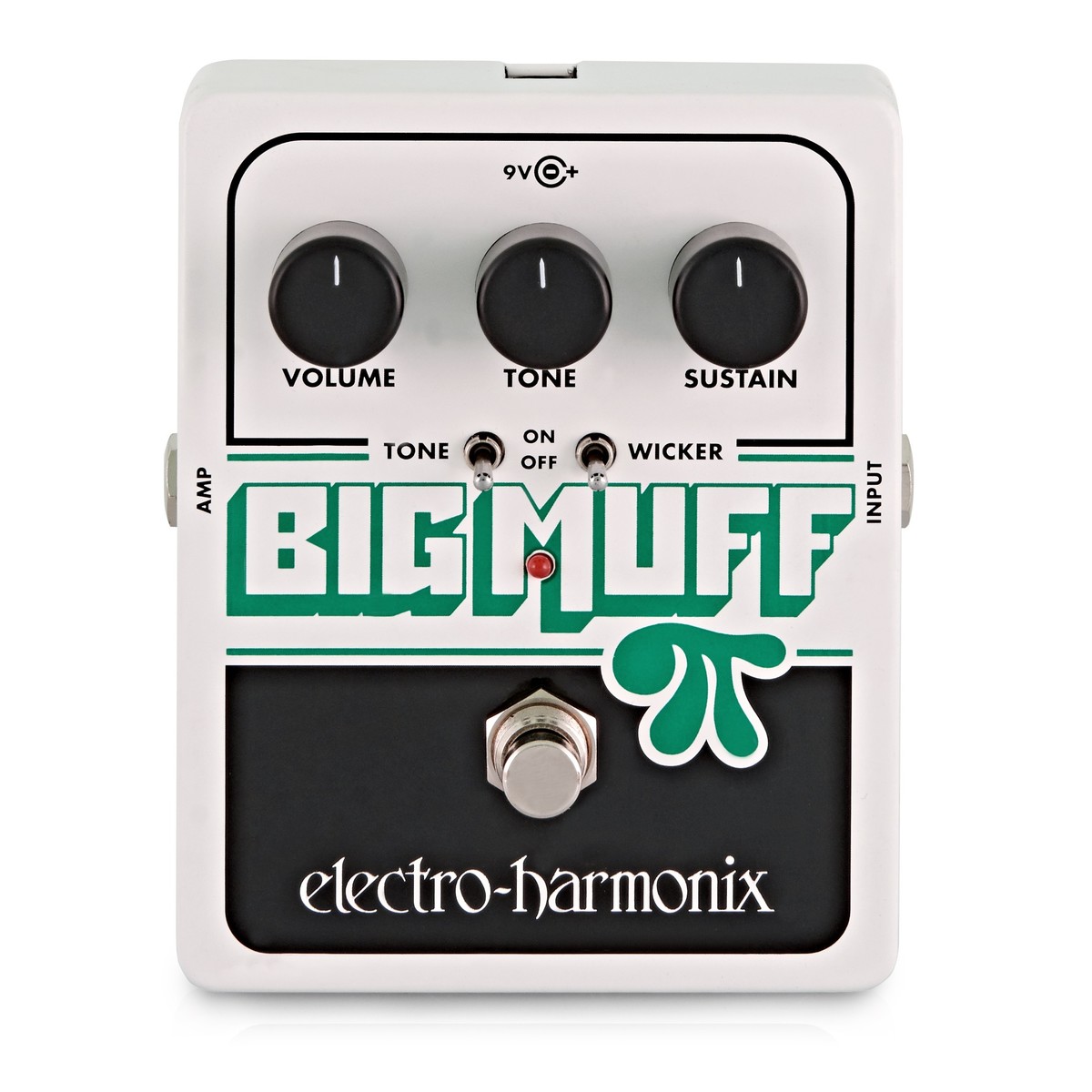
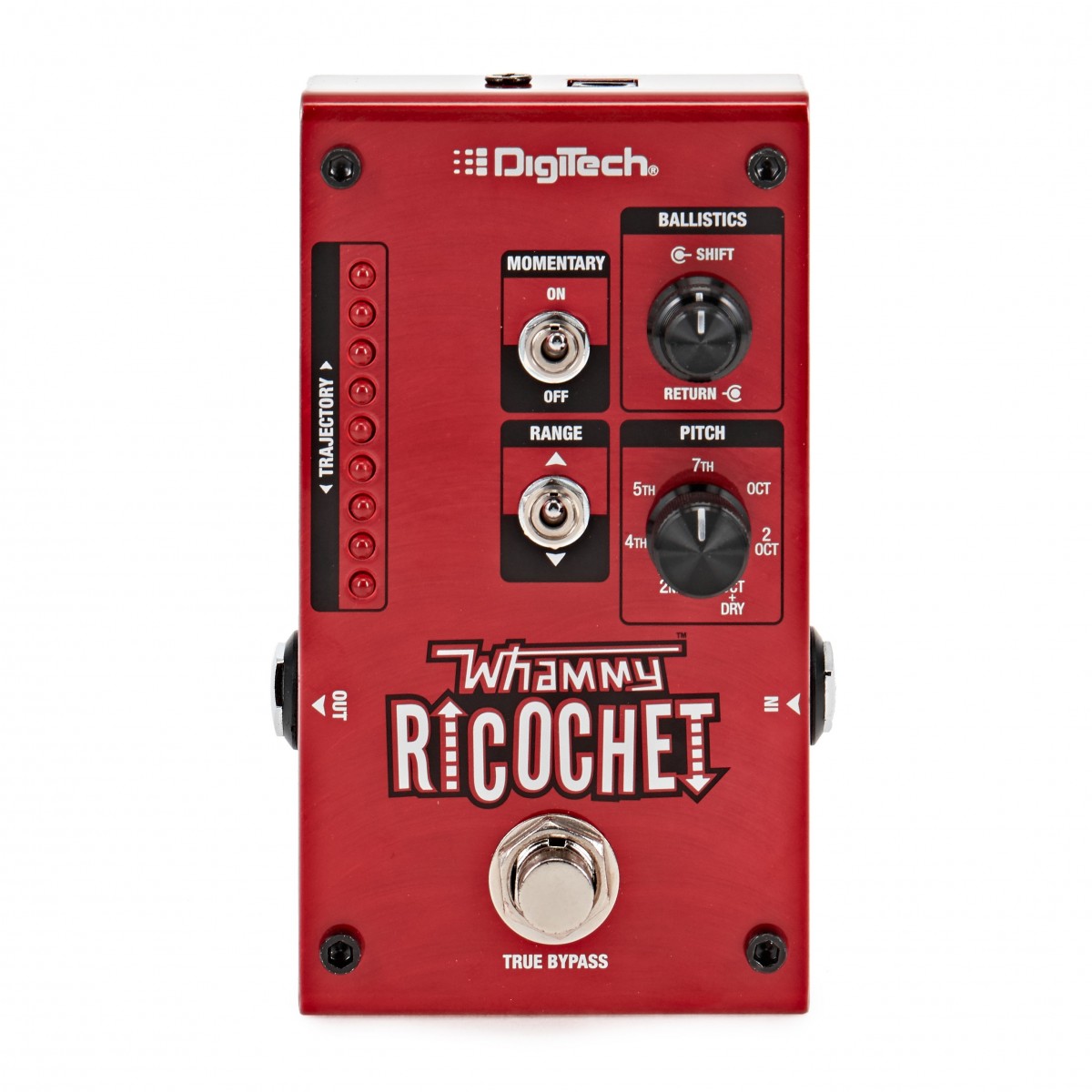
This pedal is suited for musicians who require more control than a standard vintage-style fuzz provides. While units like the Electro-Harmonix Big Muff offer iconic saturated tones, the Haunt Fuzz provides additional utility through its gate and mix controls. It is often compared to other modern utility pedals such as the Boss NS-2 for noise management or the Digitech Whammy Ricochet for experimental signal paths, though its primary function remains high-gain saturation.
Related gear
 £97.00 ($123)
Electro Harmonix
Electro Harmonix Big Muff Distortion Sustainer w/ Tone Wicker
 £129.00 ($164)
Digitech
Digitech Whammy Ricochet Guitar Effects Pedal
 £85.00 ($108)
Fender
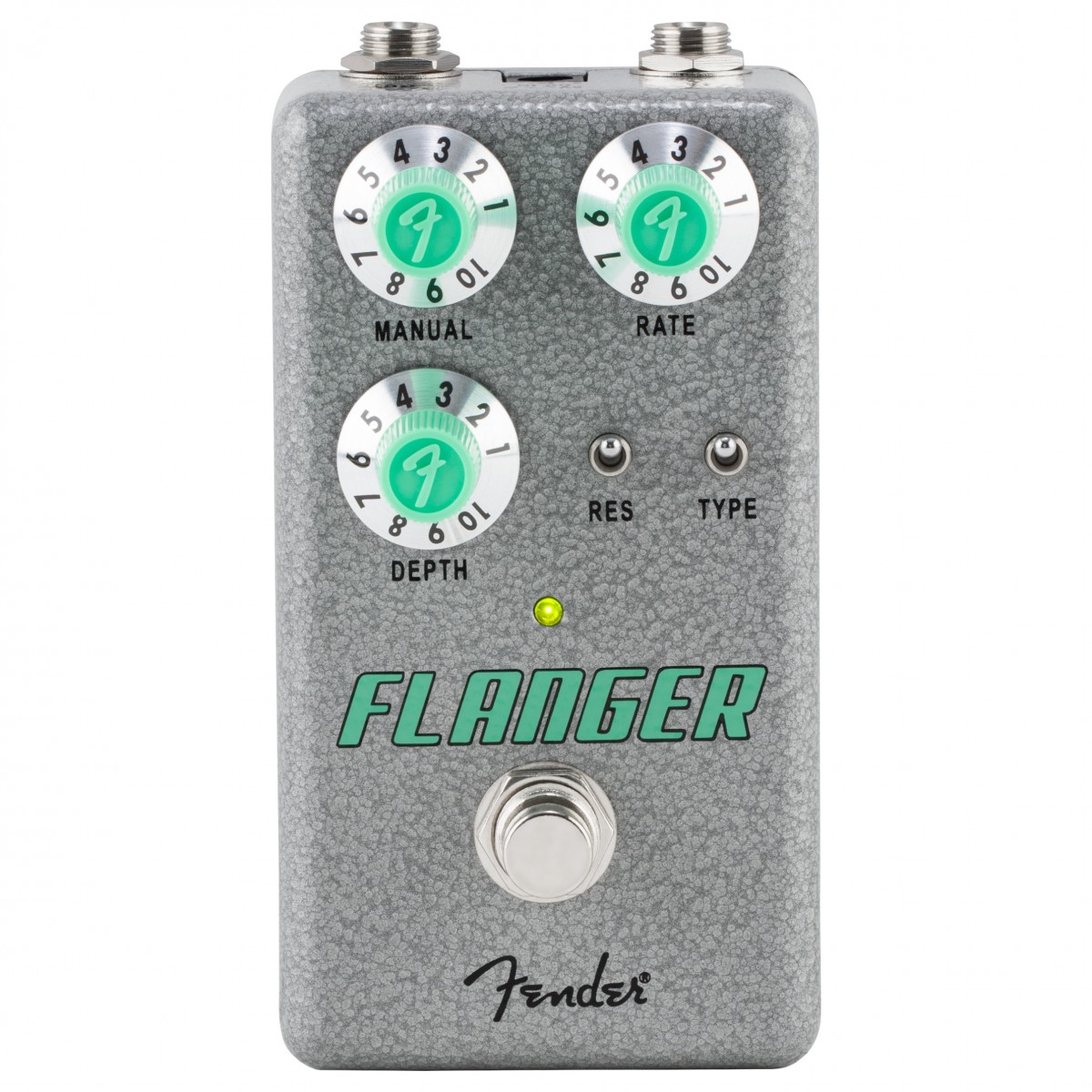
Fender Hammertone Flanger Pedal
 £19.90 ($25)
Behringer
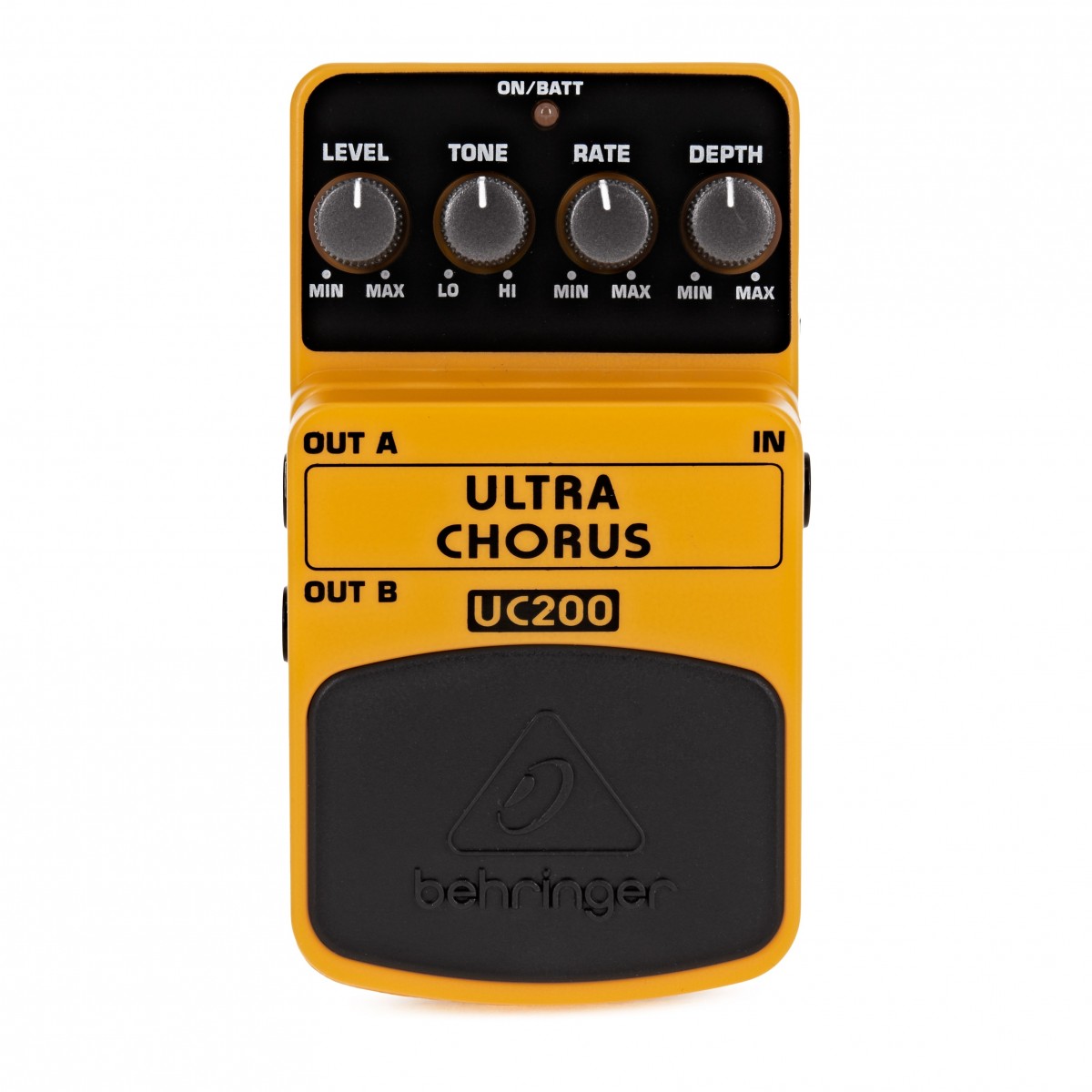
Behringer UC200 Ultra Chorus Pedal
 £259.00 ($329)
Dunlop
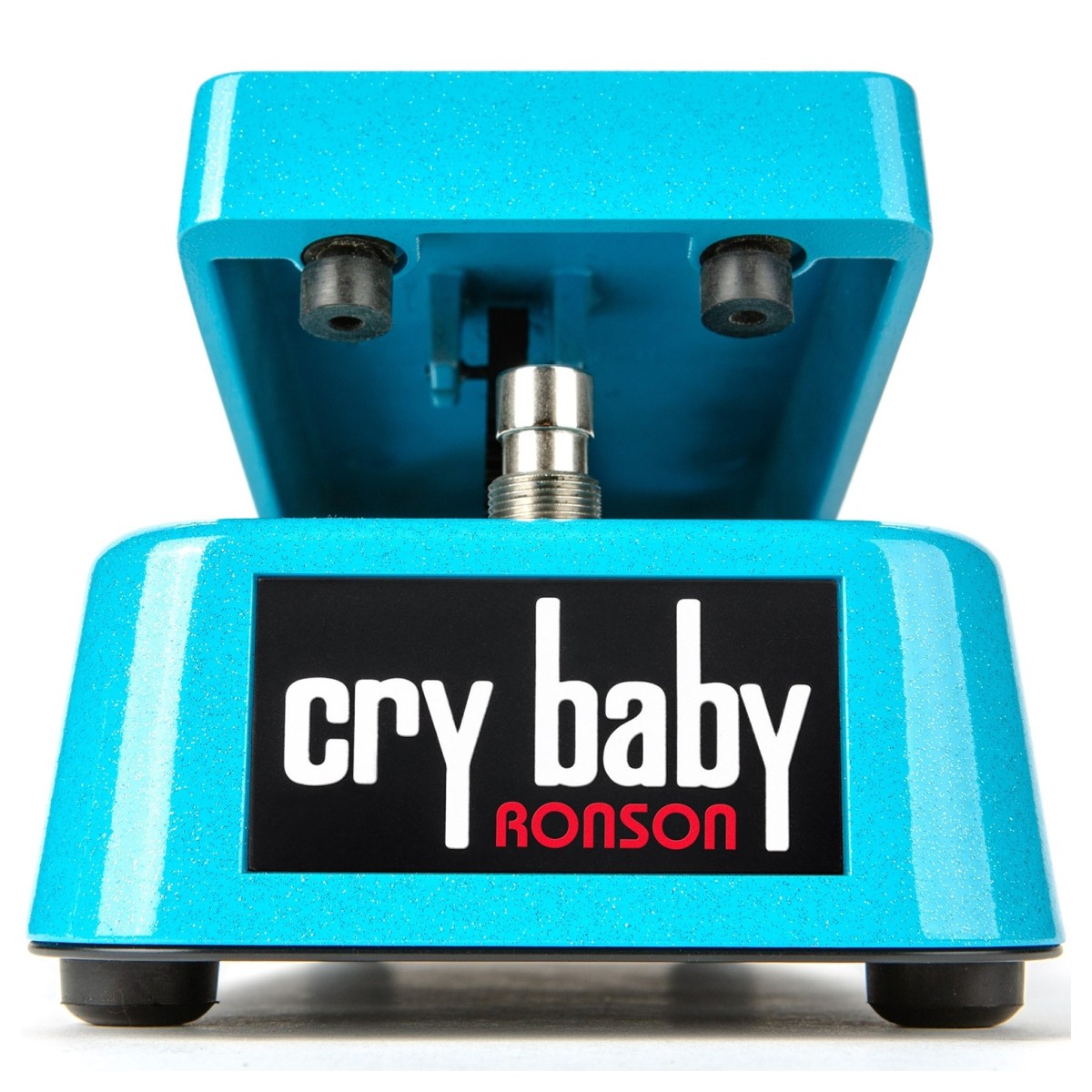
Dunlop Mick Ronson Cry Baby Wah
 £77.00 ($98)
Yamaha
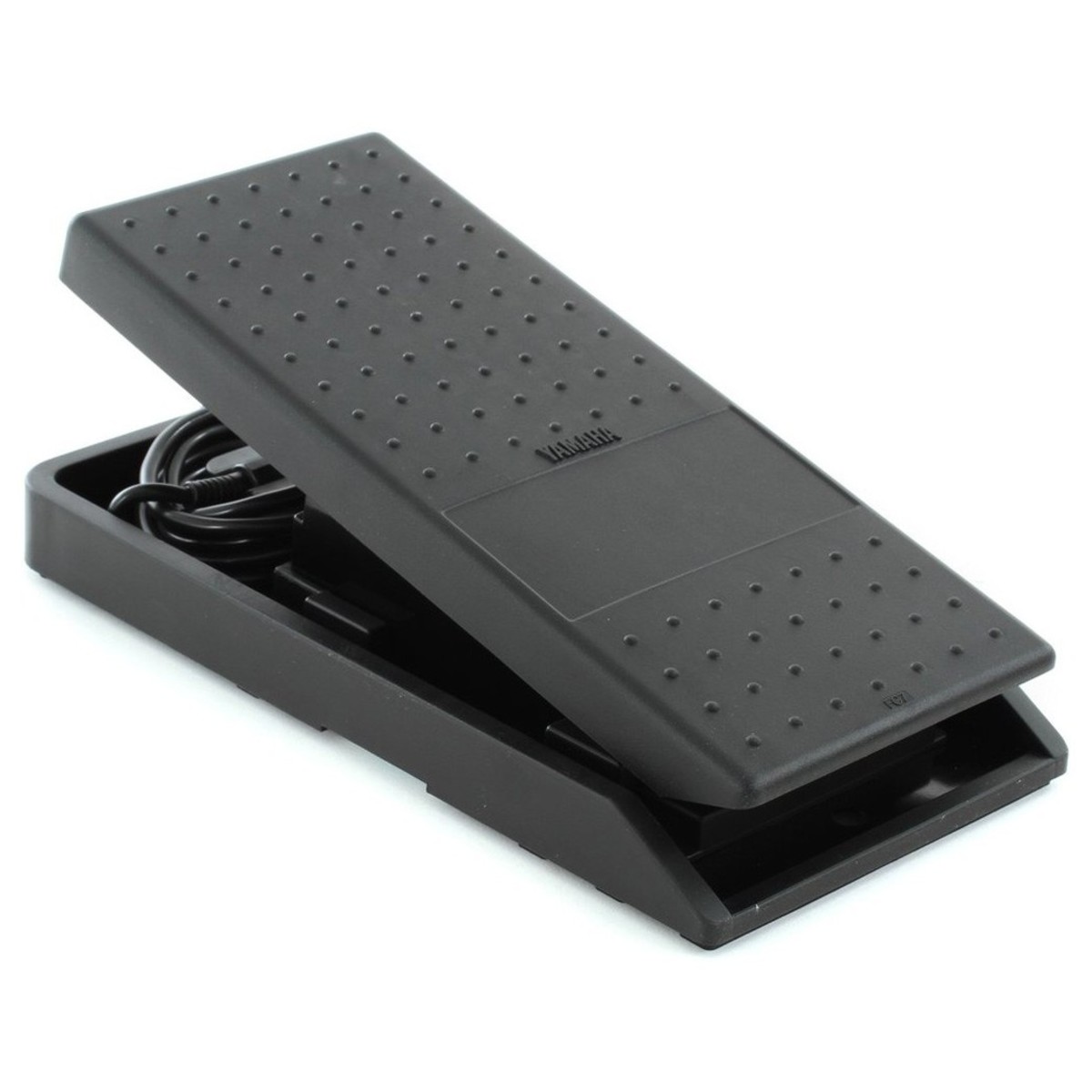
Yamaha FC7 Expression Pedal
 £175.00 ($222)
Boss
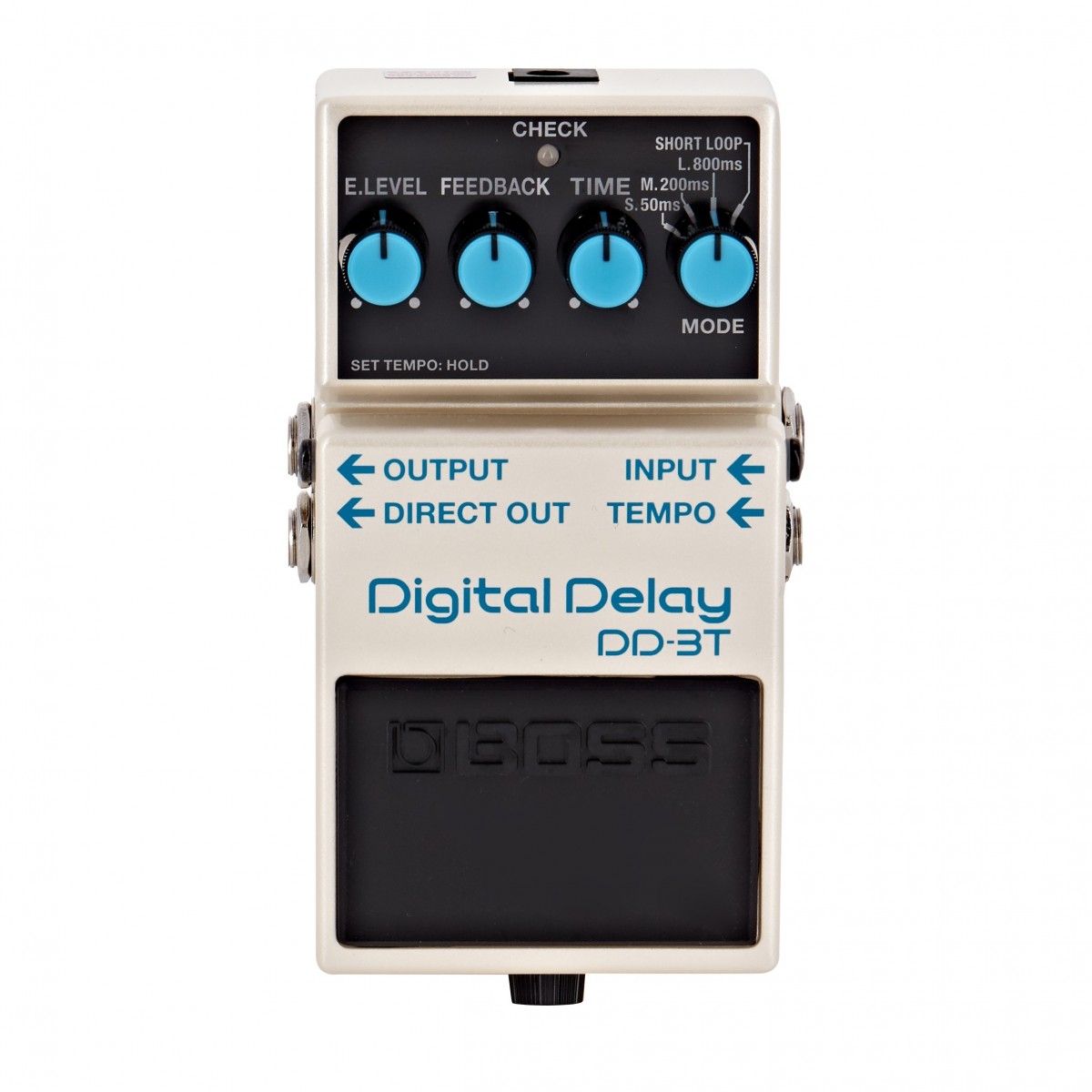
Boss DD-3T Digital Delay Pedal
 £99.10 ($126)
Boss
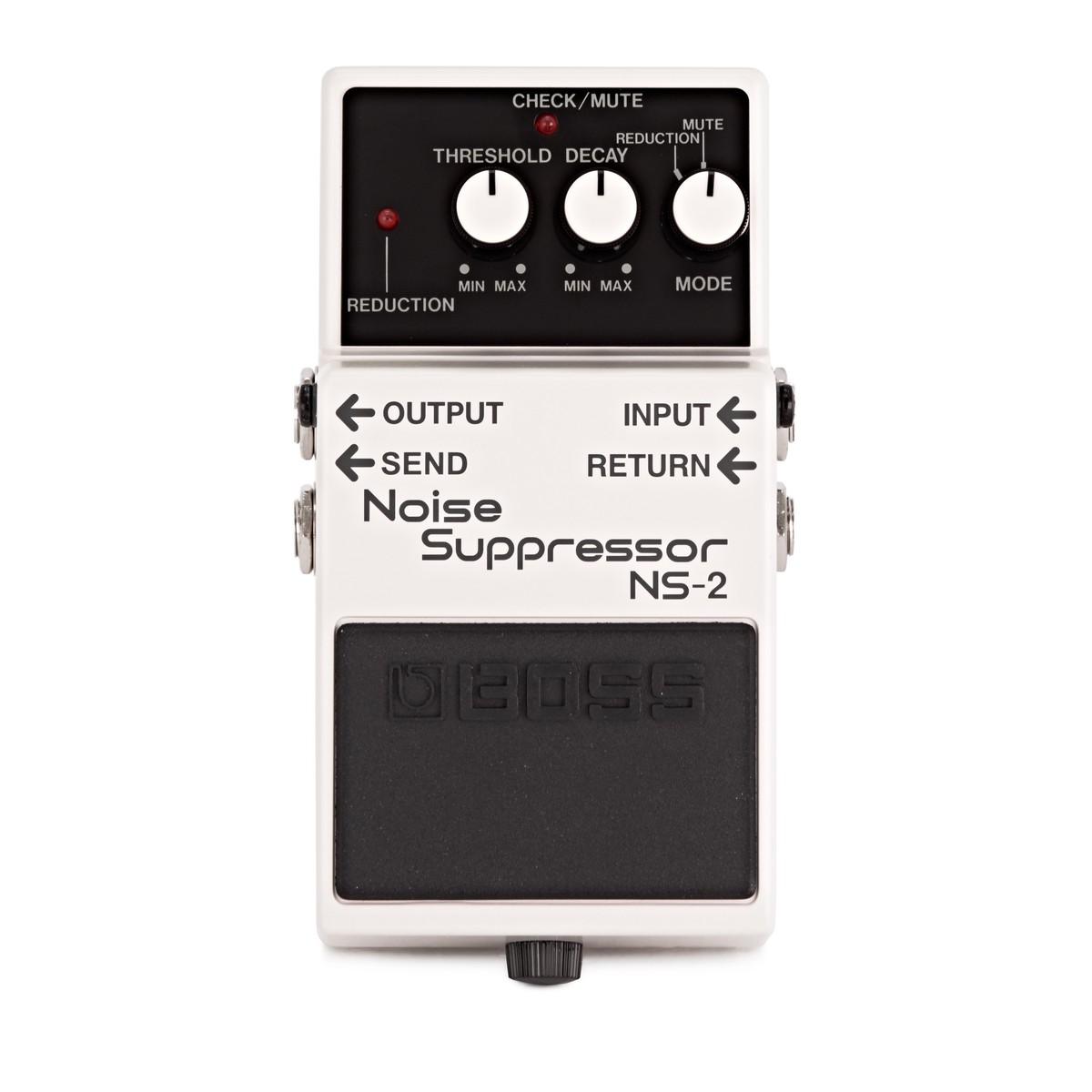
Boss NS-2 Noise Suppressor Guitar Pedal
Frequently asked questions
- What is the primary function of the Mix knob on the Haunt Fuzz?
- The Mix knob allows you to blend your dry guitar signal with the fuzz effect. This is useful for maintaining the original character of your instrument or keeping the low-end intact while adding saturation.
- How does the Gate control affect the sound?
- The Gate control sets a threshold that cuts off the signal when it falls below a certain level. This results in a choppy, 'velcro' fuzz sound and helps eliminate unwanted noise when you are not playing.
- What does the Mode toggle switch do?
- The Mode switch selects between two different fuzz circuits. This changes the overall texture and harmonic response of the pedal, offering a choice between two distinct types of saturation.
- What is the purpose of the Low toggle switch?
- The Low switch is designed to fatten up the tone by boosting the lower frequencies. It is particularly effective for compensating for the thinness sometimes found in high-gain fuzz settings.
- Can the Haunt Fuzz produce vintage tones?
- Yes, by adjusting the Fuzz and Tone controls and keeping the Gate open, the pedal can produce restrained and nuanced light fuzz reminiscent of vintage circuits. It is designed to bridge the gap between old and new sounds.
- Is the Haunt Fuzz suitable for modern high-gain styles?
- Absolutely, the pedal is capable of producing biting saw-like sounds. The combination of high fuzz settings and the internal gate makes it ideal for aggressive, modern textures.
- How much does the Old Blood Noise Endeavors Haunt Fuzz cost?
- The typical price range for this pedal is approximately £174. Prices may vary slightly depending on the retailer and shipping costs.
- Does the pedal include a built-in noise suppressor?
- While it does not have a dedicated noise suppression circuit like a Boss NS-2, its Gate control functions similarly by silencing the output when you stop playing. This helps manage the high-gain noise inherent in fuzz pedals.
- How does this pedal compare to a Big Muff with Tone Wicker?
- While both offer tonal flexibility, the Haunt Fuzz provides a dedicated Mix control and a Gate. The Big Muff Tone Wicker focuses on high-frequency adjustments, whereas the Haunt offers more structural control over the fuzz texture itself.
- Can I use the Haunt Fuzz with other pedals like a delay or chorus?
- Yes, it can be paired with pedals such as the Boss DD-3T Digital Delay or Behringer UC200 Ultra Chorus. Using the Mix knob on the Haunt can help ensure that the fuzz does not overwhelm the modulation or time-based effects.
- What power supply is required for the Haunt Fuzz?
- The pedal typically requires a standard 9V DC centre-negative power supply. It is important to use a regulated power source to ensure the best performance and lowest noise floor.
- Is the Haunt Fuzz pedal true bypass?
- Yes, Old Blood Noise Endeavors typically designs their pedals with true bypass switching. This ensures that your clean signal remains unaffected when the pedal is turned off.