
Gear article
Otto Link Tone Edge Alto Saxophone Mouthpiece (Ebonite 6)
The Otto Link Tone Edge is a professional-grade ebonite saxophone mouthpiece renowned for its dark, vintage-inspired tonal characteristics. Crafted in the USA, this model features a 0.075" medium tip opening and a large chamber designed for expressive jazz performances and large ensemble settings.
See live pricesBackground and History
Otto Link began producing saxophone mouthpieces in the United States during the early 1930s. Over the decades, the brand has become synonymous with the development of the modern jazz sound. The Tone Edge series represents the ebonite, or hard rubber, branch of their product line, serving as a counterpart to the famous Super Tone Master metal series. Throughout its history, the Tone Edge has remained a staple for musicians seeking a free-blowing response and the specific resonant qualities associated with vintage rubber mouthpieces.
Design and Key Features
The Tone Edge Alto 6 is meticulously crafted from hard rubber to provide a rich and resonant foundation. Key design elements include:
- Large Chamber: The internal architecture features a large chamber that facilitates a broad, expansive sound and high levels of dynamic expression.
- Medium Tip Opening: The '6' facing equates to a 0.075-inch opening. This is widely considered a balanced 'middle-ground' measurement that offers enough resistance for control while remaining open enough for technical soloing.
- Facing Curve: The mouthpiece is engineered for accurate intonation across the full range of the saxophone, allowing for an easy response in both the altissimo and low registers.
Tonal Character and Performance
The primary characteristic of the Tone Edge is its 'dark' tonal palette. Unlike brighter, contemporary mouthpieces that focus on projection and 'edge', the Tone Edge emphasizes warmth and depth. The ebonite construction dampens harsh overtones, resulting in a smooth, smoky sound that 'slots' efficiently into large jazz ensembles. Despite its dark nature, the large chamber allows the player to push the volume without the sound becoming thin, making it a versatile tool for both lead alto roles and solo performances.
Target Audience and Comparison
This mouthpiece is particularly suited for jazz musicians and students transitioning into professional-grade equipment. It appeals to players who find metal mouthpieces too aggressive or who require a more traditional sound for orchestral jazz or small-group swing.
When compared to alternatives like the Yamaha 5C, the Tone Edge offers a larger chamber and a more complex, professional tonal character. While high-performance alternatives like the JodyJazz Super Jet focus on maximum volume and brightness, the Otto Link Tone Edge remains focused on vintage warmth and expressive flexibility.
Related gear
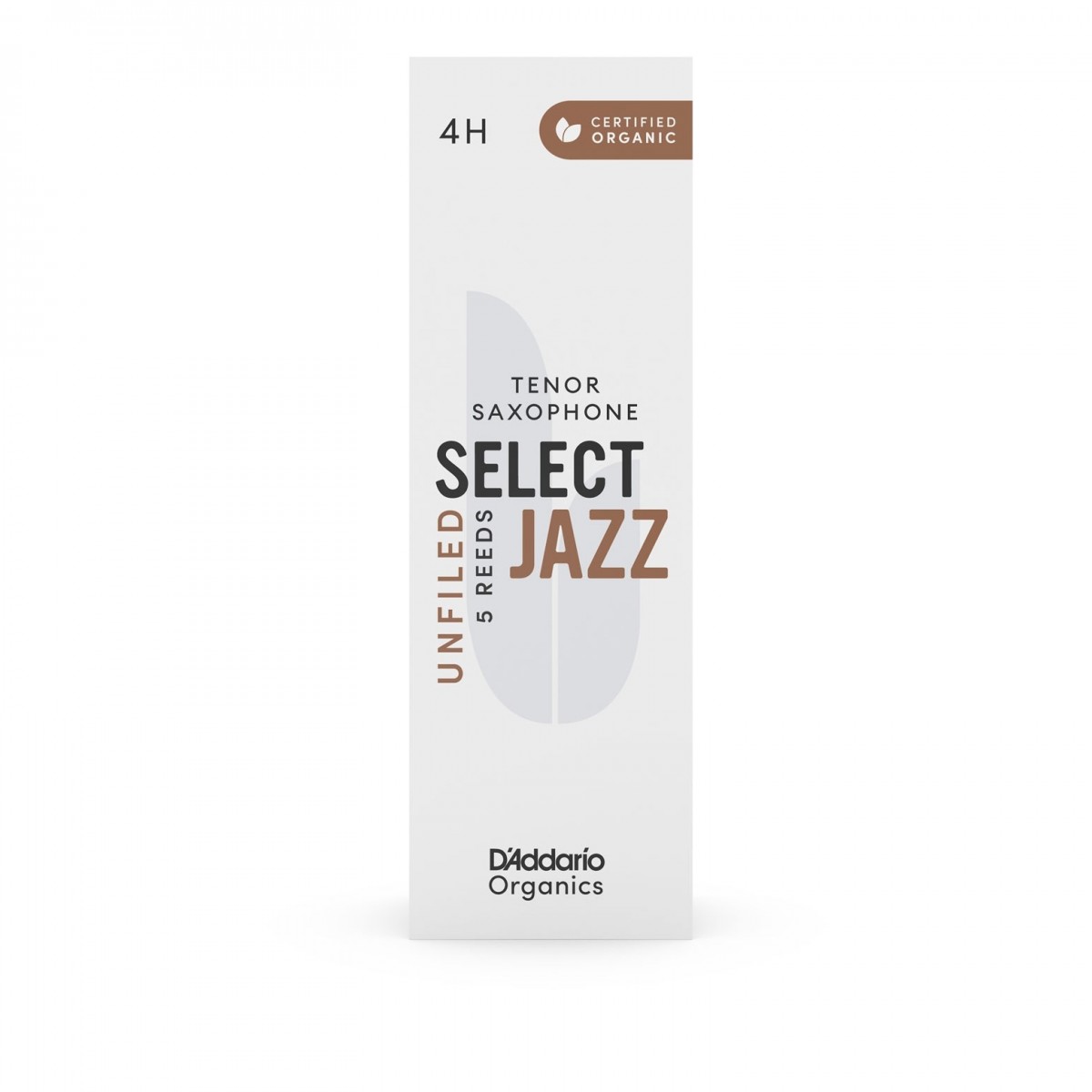 £21.80 ($28)
Daddario
DAddario Organic Select Jazz Unfiled Tenor Sax Reeds 4H (5 Pack)
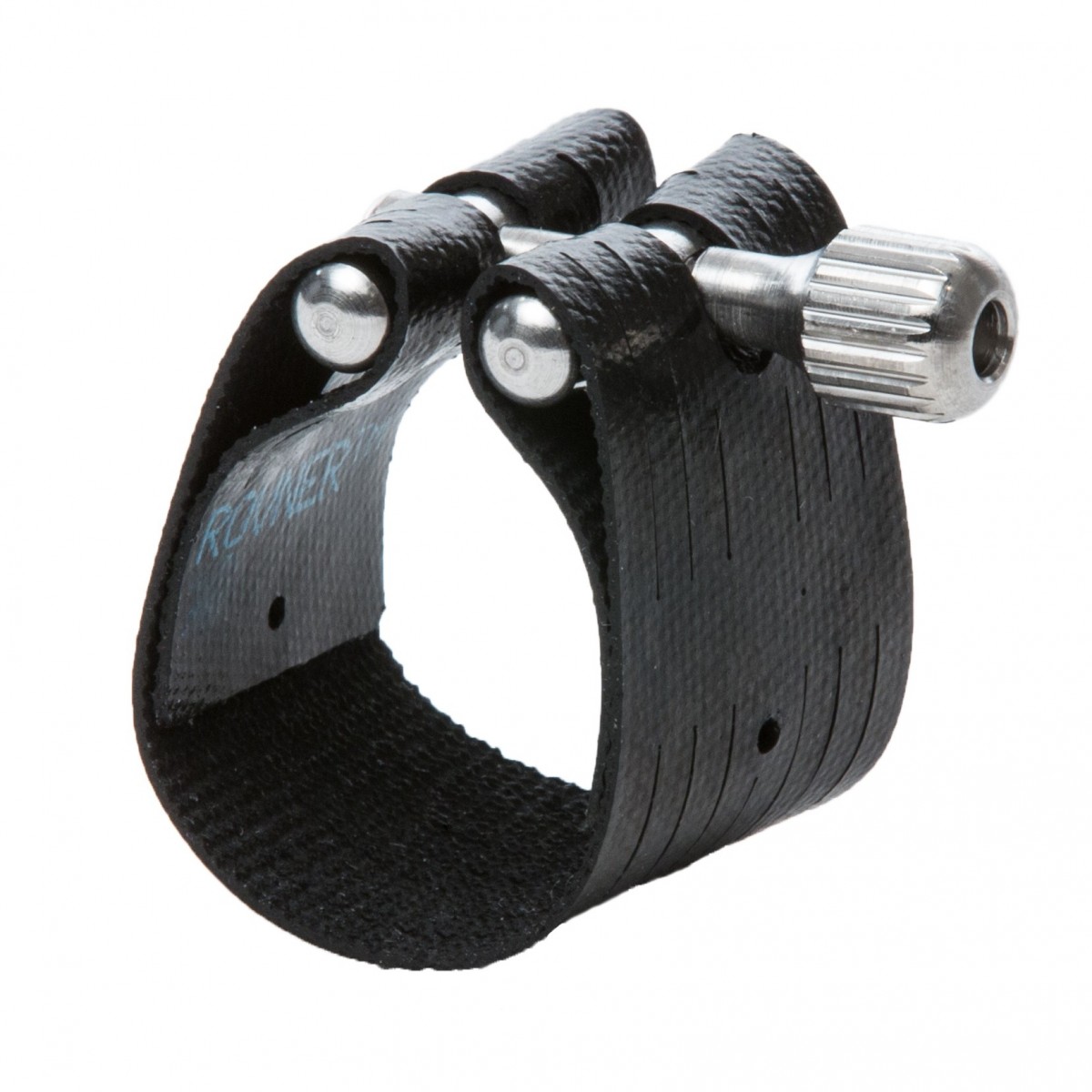 £31.00 ($39)
Rovner
Rovner 3RL Dark Bass Clarinet/Saxophone Ligature and Cap
 £22.40 ($28)
Vandoren
Vandoren Java Tenor Saxophone Reeds 1.5 (5 Pack)
 £25.25 ($32)
Daddario
DAddario Organic Select Jazz Filed Alto Sax Reeds 4M (10 Pack)
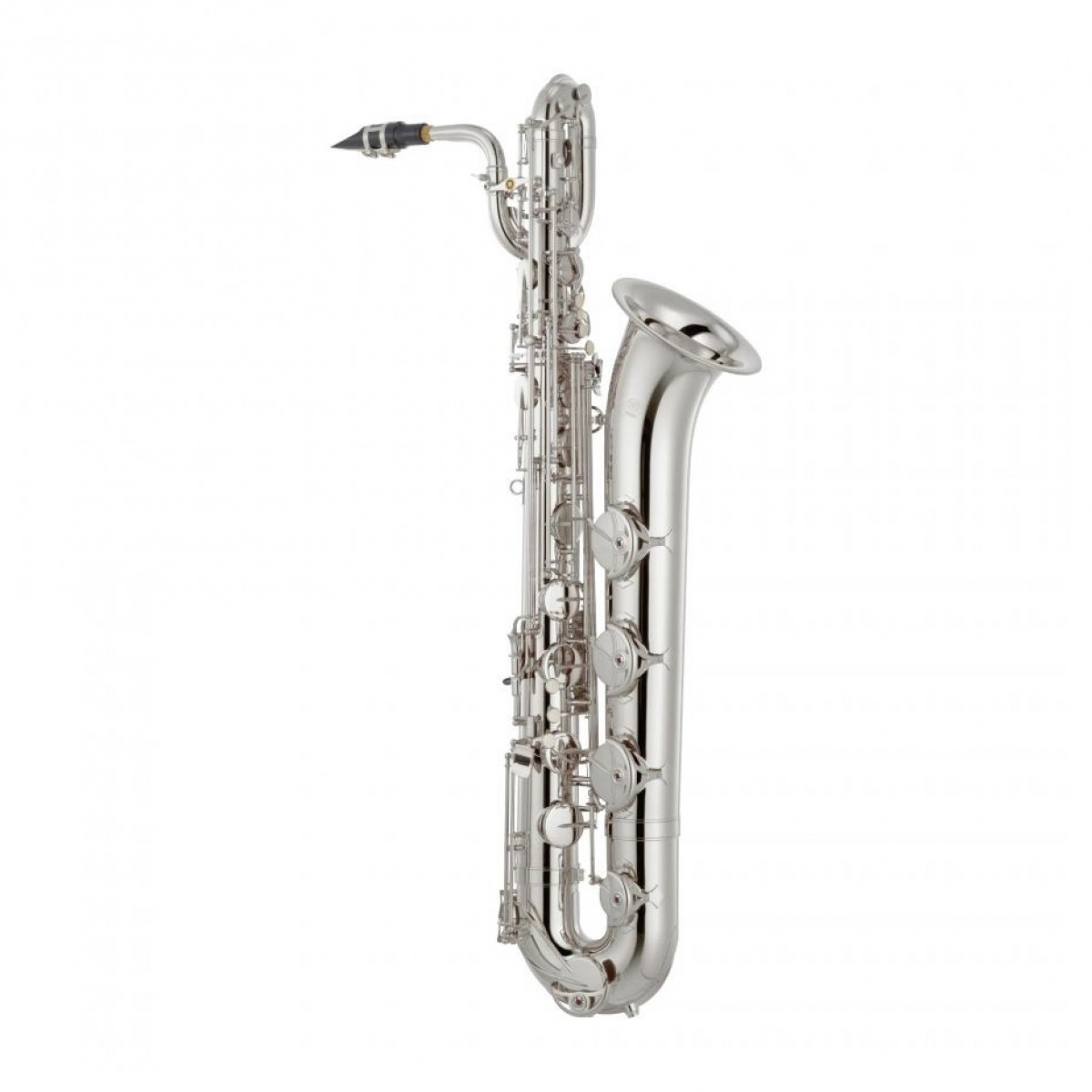 £7,531.00 ($9,564)
Yamaha
Yamaha YBS480 Baritone Saxophone Silver Plate
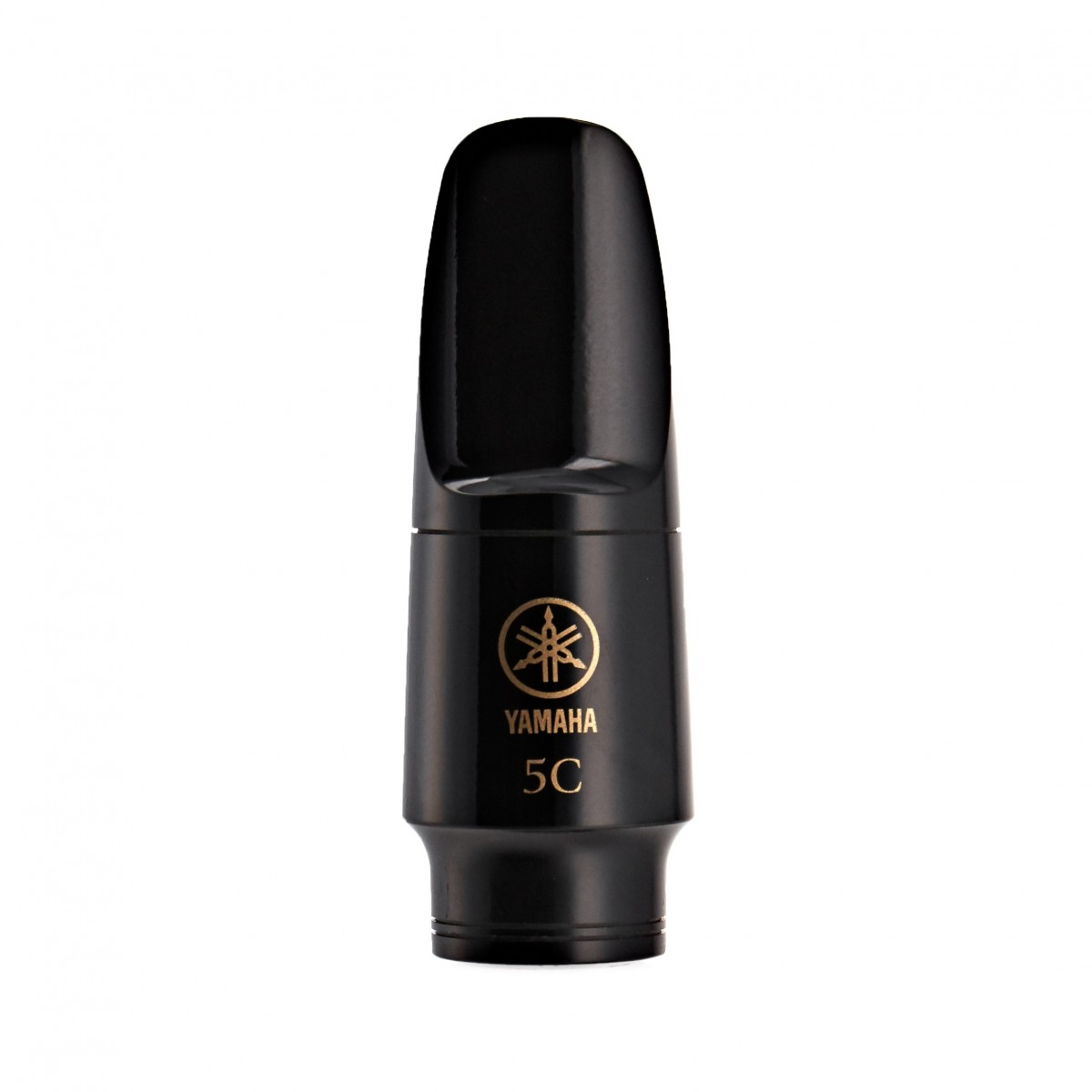 £40.00 ($51)
Yamaha
Yamaha 5C Soprano Saxophone Mouthpiece
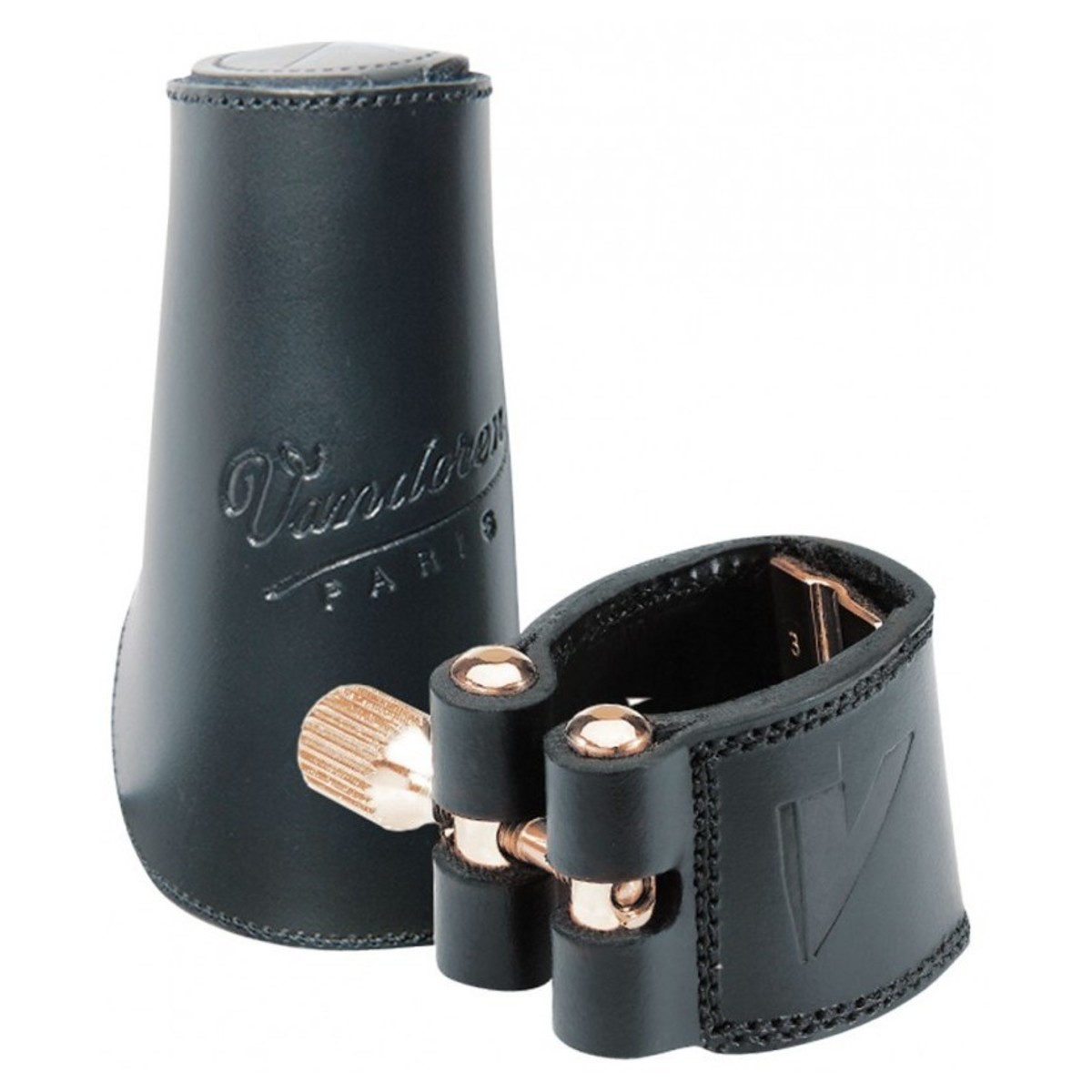 £85.70 ($109)
Vandoren
Vandoren Cuir Alto Sax Ligature Leather with Leather Cap
 £395.00 ($502)
JodyJazz Inc.
JodyJazz Super Jet Baritone Saxophone Mouthpiece 6
Frequently asked questions
- What is the tip opening of the Otto Link Tone Edge 6?
- The Otto Link Tone Edge 6 features a medium tip opening of 0.075 inches. This size is designed to balance ease of playability with the expressive needs of soloing.
- What material is this mouthpiece made from?
- It is constructed from high-quality hard rubber, also known as ebonite. This material is preferred by jazz musicians for its rich, resonant, and dark tonal qualities.
- Is the Tone Edge suitable for jazz music?
- Yes, it is highly acclaimed by jazz musicians worldwide. Its dark, vintage-inspired tone makes it ideal for jazz ensembles and solo performances.
- What kind of sound chamber does it have?
- The mouthpiece features a large internal chamber. This design allows for a broad, expressive sound and a wider range of dynamic performance.
- How does the Tone Edge compare to metal mouthpieces?
- Unlike metal mouthpieces that often produce a bright and piercing sound, the Tone Edge ebonite provides a warmer, darker, and more traditional jazz tone. It is generally less aggressive than metal alternatives.
- Where are Otto Link mouthpieces manufactured?
- Otto Link mouthpieces have been produced in the United States since the early 1930s. They maintain a long-standing reputation for American craftsmanship in woodwind accessories.
- Does this mouthpiece help with intonation?
- Yes, the Tone Edge is carefully crafted to provide accurate intonation and a consistent response across the saxophone's range. This makes it a reliable choice for technical performances.
- Can I use this mouthpiece for lead alto playing?
- Yes, its versatile tonal palette and responsive nature make it suitable for playing lead alto in large jazz ensembles. It allows the player to slot into the section while still having enough presence for solos.
- What reeds are compatible with the Tone Edge Alto?
- It is compatible with standard alto saxophone reeds. Products like D'Addario Organic Select Jazz Filed Alto reeds are commonly paired with this type of mouthpiece for jazz applications.
- Is this mouthpiece free-blowing?
- Yes, the Otto Link Tone Edge is known for its free-blowing responsiveness. This quality allows players to produce sound with less resistance, facilitating easier articulation.
- How much does the Otto Link Tone Edge typically cost?
- The typical price range for this mouthpiece is approximately £109. Prices may vary slightly depending on the specific retailer and region.
- Who is the ideal user for a Tone Edge 6?
- It is ideal for intermediate to professional players seeking a classic, dark jazz sound. The medium tip opening makes it accessible for those developing their embouchure while still meeting professional standards.