
Gear article
Otto Link Tone Edge Baritone Saxophone Mouthpiece (Ebonite 7)
The Otto Link Tone Edge is a professional-grade hard rubber mouthpiece designed for the baritone saxophone, specifically engineered to deliver a classic dark jazz tone. Manufactured in the USA, this '7' tip opening model is renowned for its large chamber design and free-blowing responsiveness, making it a standard choice for ensemble and solo performance.
See live pricesBackground and History
Otto Link began producing saxophone mouthpieces in the United States during the early 1930s. Over the subsequent decades, the brand established itself as a primary choice for jazz musicians globally. The Tone Edge series represents the company's commitment to the 'ebonite' or hard rubber tradition, providing an alternative to the brighter, more aggressive metal mouthpieces often found in modern jazz. The design has remained largely consistent, focusing on internal geometries that favour warmth and depth over sheer projection.
Design and Key Features
The Tone Edge Baritone 7 is defined by its hard rubber construction, which contributes to a resonant and rich acoustic profile. Key technical features include:
- Large Chamber: The internal cavity is sized to facilitate a broad, expansive sound.
- 0.110" Tip Opening: The '7' designation corresponds to a medium tip opening that balances the air requirements of a larger saxophone with the control needed for technical passages.
- Responsiveness: The facing and rail design are crafted to ensure an easy response across the baritone's full range, from the low A/Bb up to the altissimo register.
- Versatility: While rooted in jazz, the mouthpiece is capable of handling various musical contexts due to its balanced intonation.
Sound Character
The primary sonic characteristic of the Tone Edge is its 'dark' vintage tone. Unlike modern high-baffle mouthpieces that produce a piercing or 'edgy' sound, the Tone Edge emphasizes lower-middle frequencies and harmonic warmth. This makes it particularly effective for slotting into large jazz ensembles or big bands, where the baritone saxophone must provide a solid, woody foundation for the saxophone section without overpowering the other instruments. The large chamber allows for significant dynamic expression, ranging from subtle, breathy sub-tones to full-bodied fortissimo.
Player Suitability
This mouthpiece is highly suited for jazz musicians seeking a traditional, non-synthetic sound. Because the 0.110" tip opening is considered a medium-sized gap, it is accessible to advancing students while providing enough resistance and flexibility for professional soloists. It is frequently chosen by lead players in jazz ensembles who require a versatile tonal palette and accurate intonation during complex technical performances.
Comparison to Alternatives
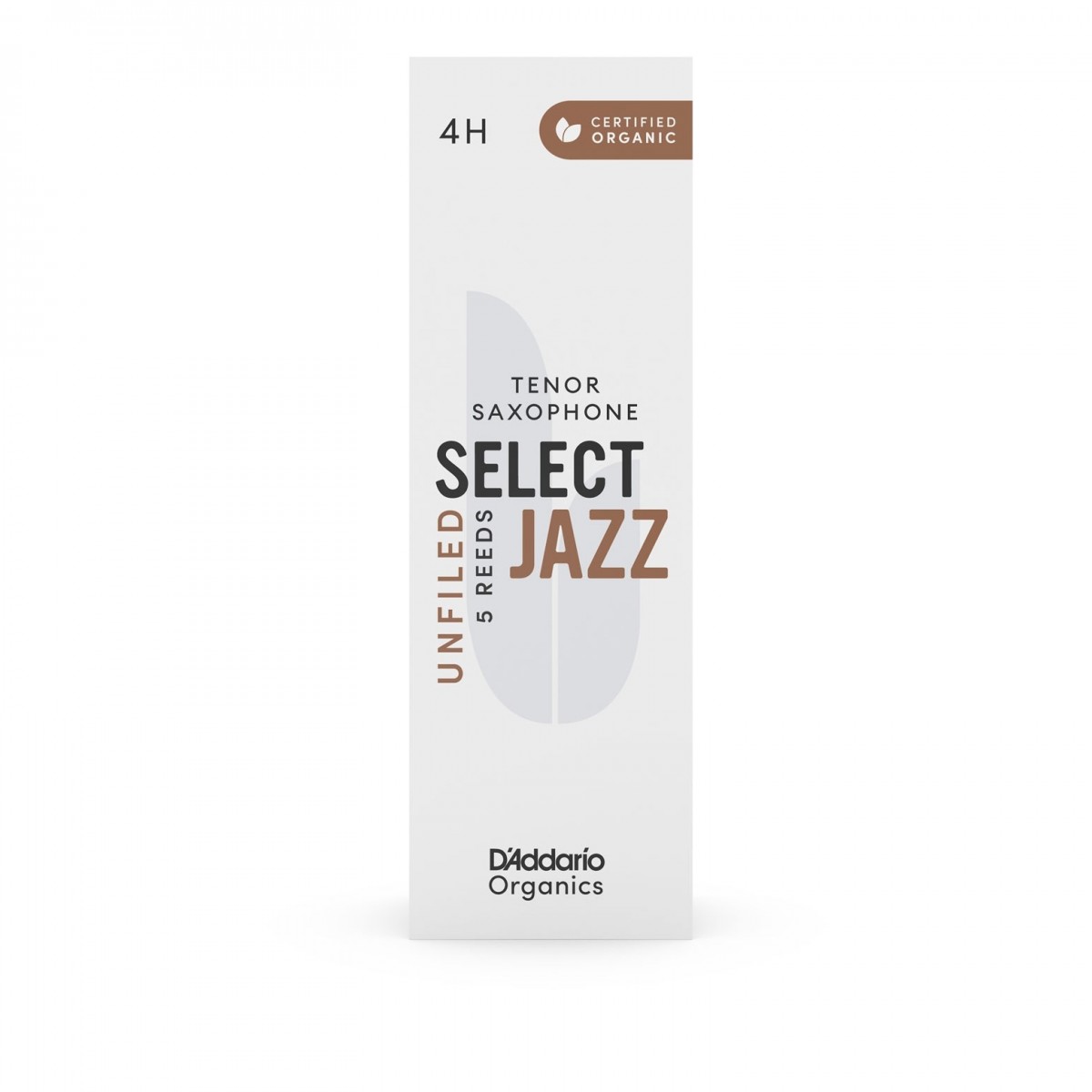
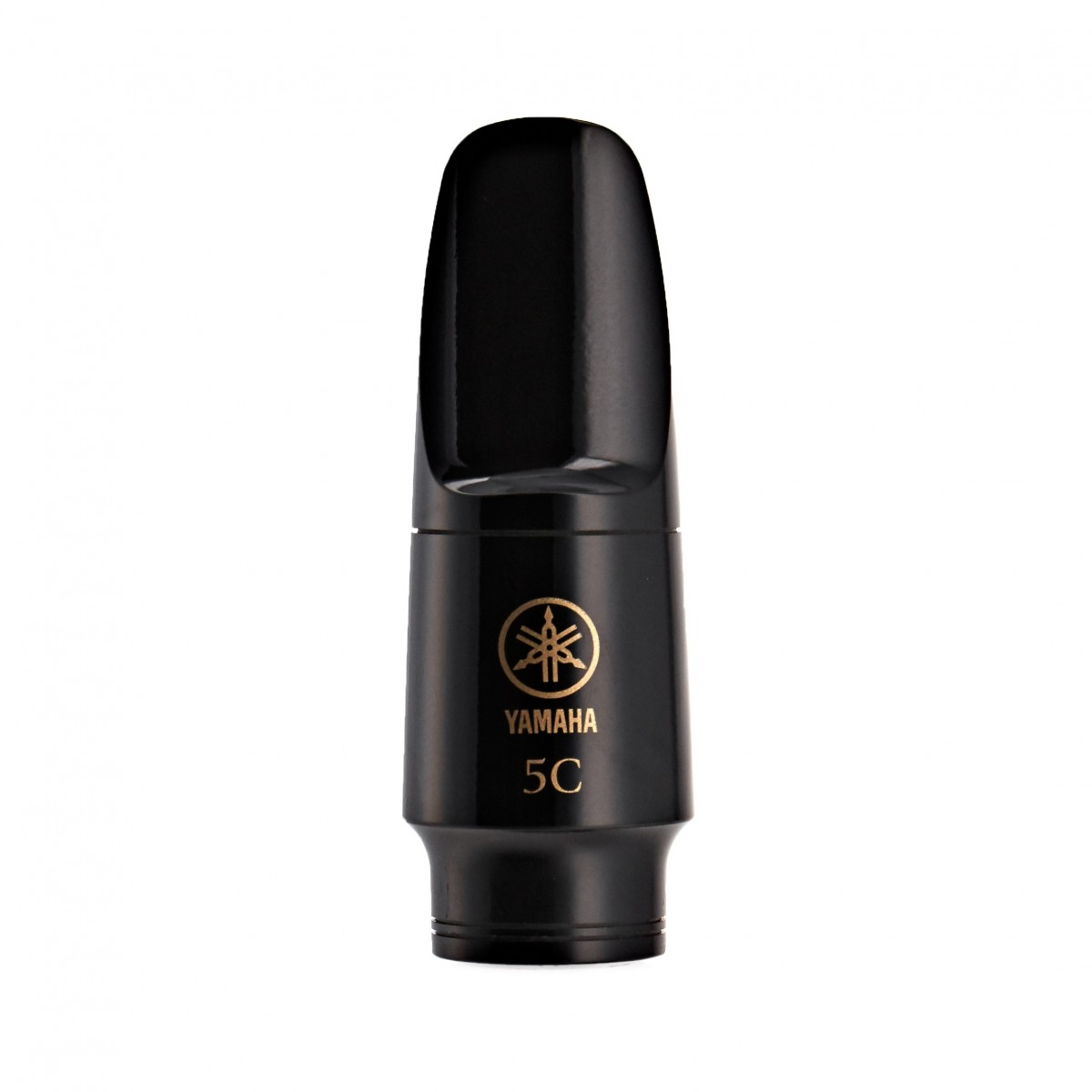
When compared to contemporary alternatives like the JodyJazz Super Jet Baritone Saxophone Mouthpiece, the Tone Edge is significantly darker and less aggressive. While the Super Jet is designed for high-volume projection and 'zing,' the Tone Edge prioritises warmth and blend. In terms of student-level gear, such as the Yamaha 5C, the Tone Edge offers a much larger chamber and a more professional material (ebonite versus plastic), resulting in a more complex and expressive sound profile. It is often paired with high-quality reeds such as D'Addario Organic Select Jazz or Vandoren Java to further refine its response.
Related gear
 £21.80 ($28)
Daddario
DAddario Organic Select Jazz Unfiled Tenor Sax Reeds 4H (5 Pack)
 £31.00 ($39)
Rovner
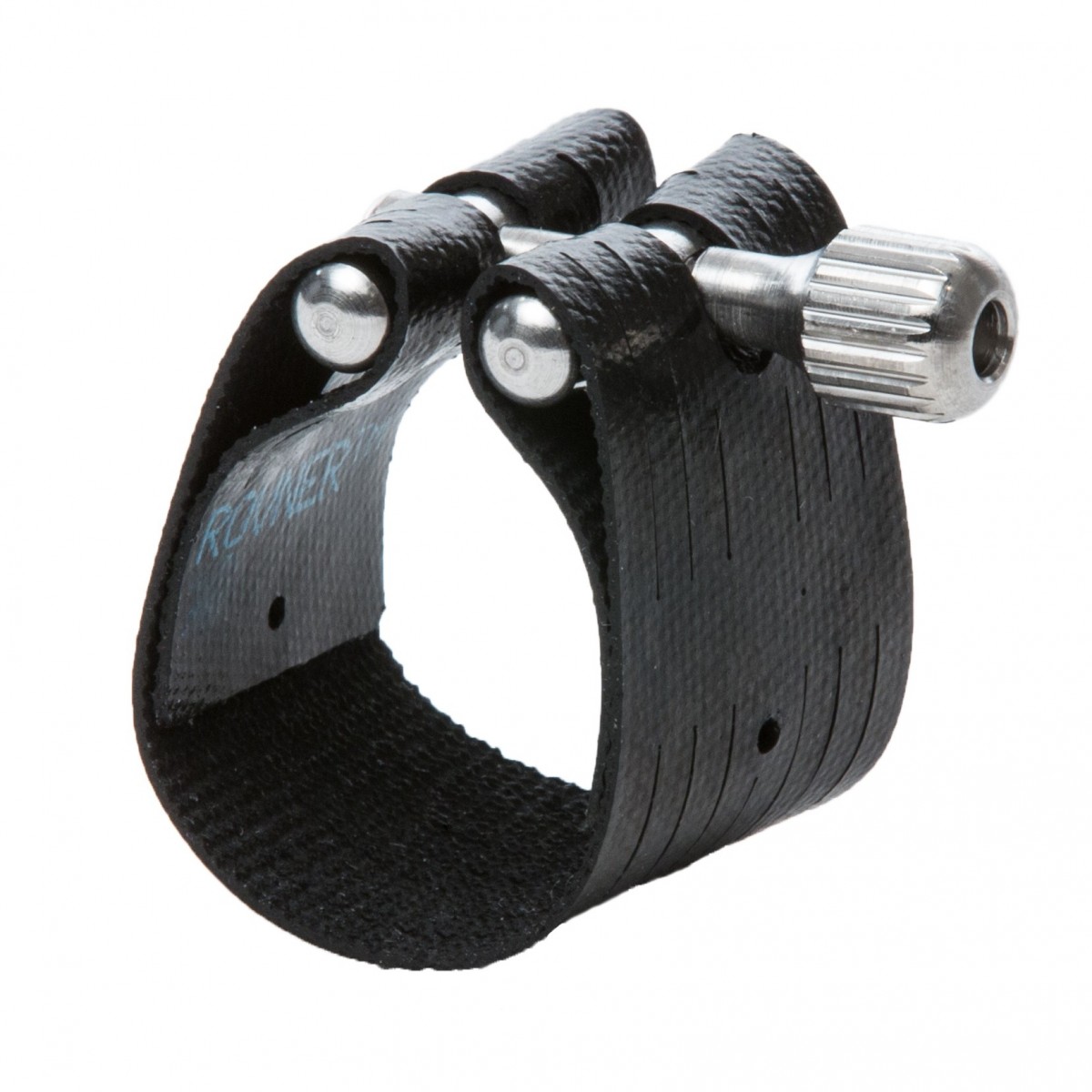
Rovner 3RL Dark Bass Clarinet/Saxophone Ligature and Cap
 £22.40 ($28)
Vandoren
Vandoren Java Tenor Saxophone Reeds 1.5 (5 Pack)
 £25.25 ($32)
Daddario
DAddario Organic Select Jazz Filed Alto Sax Reeds 4M (10 Pack)
 £7,531.00 ($9,564)
Yamaha
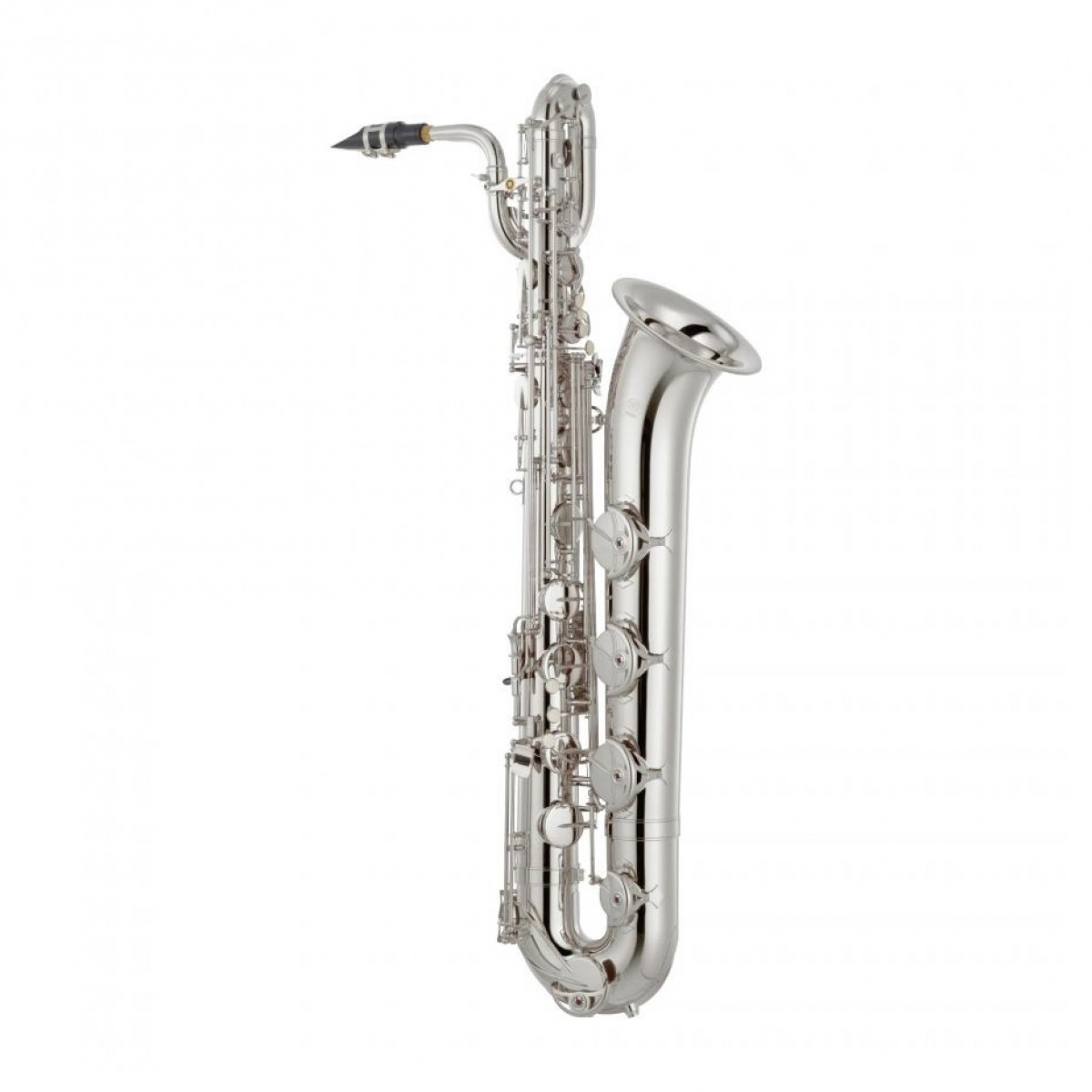
Yamaha YBS480 Baritone Saxophone Silver Plate
 £40.00 ($51)
Yamaha
Yamaha 5C Soprano Saxophone Mouthpiece
 £85.70 ($109)
Vandoren
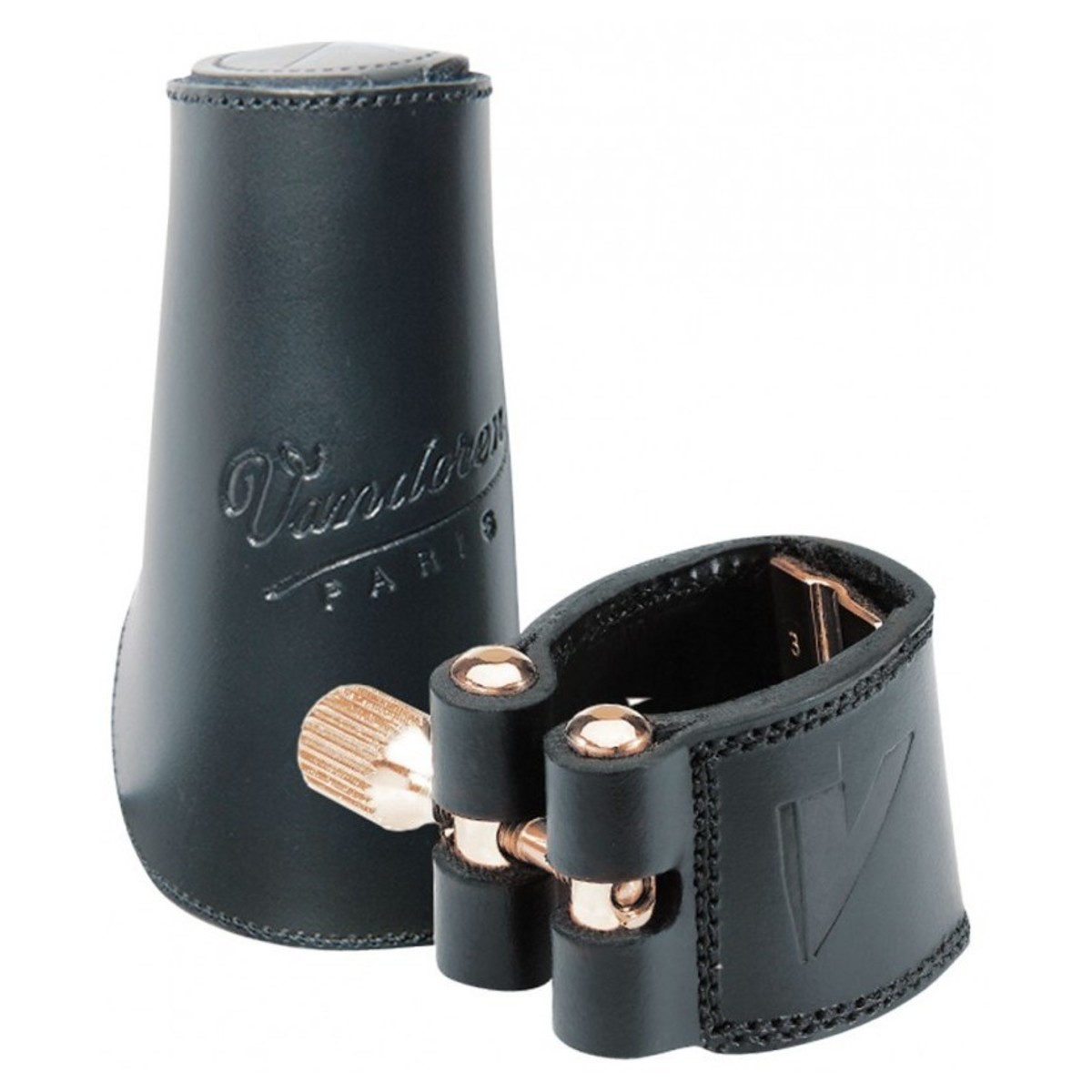
Vandoren Cuir Alto Sax Ligature Leather with Leather Cap
 £395.00 ($502)
JodyJazz Inc.
JodyJazz Super Jet Baritone Saxophone Mouthpiece 6
Frequently asked questions
- What is the tip opening measurement for the Otto Link Tone Edge 7?
- The tip opening for the size 7 baritone mouthpiece is 0.110 inches. This is considered a medium opening that balances playability with expressive potential.
- What material is this mouthpiece made from?
- It is constructed from high-quality hard rubber, often referred to as ebonite. This material is preferred by many jazz players for its rich, resonant, and warm tonal characteristics.
- Where is the Otto Link Tone Edge manufactured?
- Otto Link mouthpieces have been produced in the United States since the early 1930s. The brand maintains a long-standing heritage of American craftsmanship.
- Is this mouthpiece suitable for beginners?
- While it is a professional-grade mouthpiece, the '7' tip opening is manageable for advancing students. However, absolute beginners might find a smaller opening like a Yamaha 5C easier to control initially.
- How does the chamber size affect the sound?
- The Tone Edge features a large chamber, which helps produce a classic dark and broad tone. This design allows for a more expressive dynamic range and a sound that 'fills' the room.
- Is the Tone Edge better for soloing or ensemble playing?
- It is designed to be versatile enough for both. Its ability to blend makes it perfect for large jazz ensembles, while its responsiveness and tonal richness suit technical soloing.
- What kind of reeds are recommended for this mouthpiece?
- Jazz-style reeds such as D'Addario Organic Select Jazz or Vandoren Java are popular choices. The specific strength will depend on the player's preference for the 0.110" tip opening.
- How does the Tone Edge compare to metal mouthpieces?
- The Tone Edge (ebonite) is generally darker and warmer than most metal mouthpieces. Metal models often provide more 'edge' and projection, whereas the rubber Tone Edge focuses on a vintage, woody character.
- What is the typical price for this model?
- The Otto Link Tone Edge Baritone Saxophone Mouthpiece typically retails for approximately £196.00. This places it in the mid-to-high range for professional rubber mouthpieces.
- Does the mouthpiece come with a ligature and cap?
- Standard Otto Link mouthpieces usually include a basic ligature and cap. However, many players choose to upgrade to an aftermarket option like a Rovner 3RL Dark ligature for enhanced performance.
- Why is 'ebonite' mentioned in the description?
- Ebonite is another term for the vulcanised hard rubber used in the mouthpiece's construction. It is the industry standard for producing a traditional jazz saxophone sound.
- Can this mouthpiece be used for classical music?
- While primarily designed for jazz, its dark tone can work in some classical contexts. However, the large chamber and tip opening are specifically optimised for the flexibility required in jazz and blues.