
Gear article
Otto Link Tone Edge Baritone Saxophone Mouthpiece (8)
The Otto Link Tone Edge Baritone Saxophone Mouthpiece is a hard rubber professional-grade accessory known for its classic dark tone and expressive dynamic range. Handcrafted in the USA, it features a large chamber and a wide 0.120" tip opening designed for jazz soloists and ensemble players who require a rich, resonant sound.
See live pricesHistory and Heritage
Otto Link began producing saxophone mouthpieces in the United States during the early 1930s. Over the decades, the brand has become a staple in the jazz community, earning acclaim for its consistent focus on tonal warmth and responsiveness. The Tone Edge series, specifically the ebonite (hard rubber) line, remains one of the most sought-after designs for musicians pursuing the traditional 'vintage' sound that defined mid-century jazz recordings.
Design and Construction
The Tone Edge for baritone saxophone is machined from high-quality hard rubber, a material preferred for its resonance and organic feel compared to metal or plastic alternatives. This specific model features an '8' tip opening, measuring 0.120 inches. The interior is characterized by a large chamber, which is instrumental in providing the mouthpiece's signature dark tonal profile. The combination of the wide tip and the large internal volume allows for significant airflow, resulting in a free-blowing experience that supports expressive playing techniques.
Acoustic Characteristics
The primary sonic characteristic of the Otto Link Tone Edge is its rich, dark, and resonant tone. Unlike brighter, contemporary mouthpieces, the Tone Edge emphasizes the lower and middle frequencies of the baritone saxophone. The 0.120" tip opening facilitates easier note bending and inflections, which are essential for soloists. Despite its capacity for solo performance, the mouthpiece's ability to 'slot' into a section makes it equally effective for lead players in large jazz ensembles who need to anchor the woodwind section without becoming overly abrasive.
Target Audience
This mouthpiece is specifically tailored for jazz musicians who prefer the feel of rubber over metal. Due to the wide 8 tip opening, it is generally recommended for intermediate to professional players who have developed the necessary embouchure strength to control a larger gap. It is an ideal choice for performers who value dynamic flexibility, as the large chamber allows the player to move from a whisper to a full-bodied roar without losing tonal integrity.
Comparison to Alternatives
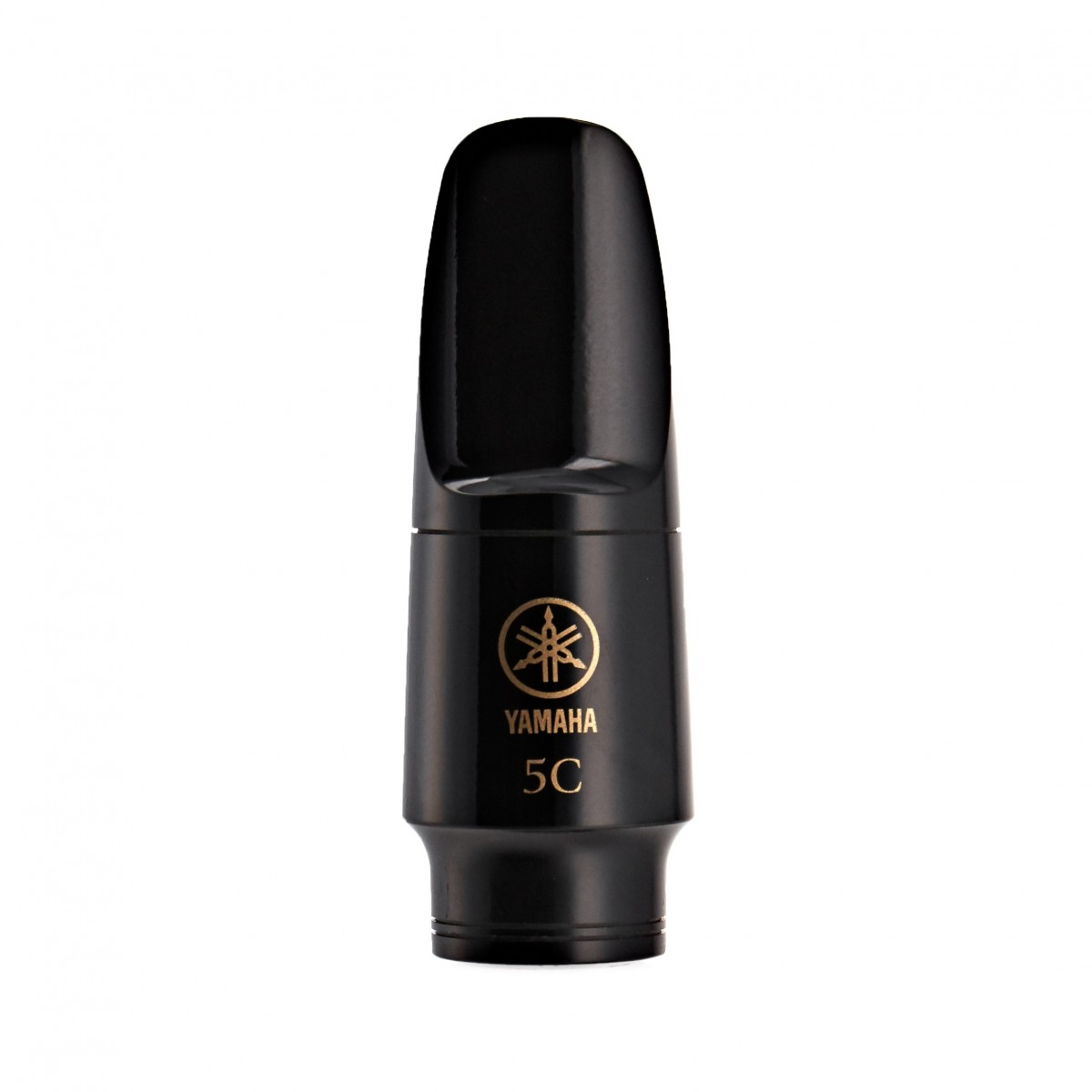
Compared to high-baffle mouthpieces like the JodyJazz Super Jet, the Otto Link Tone Edge is significantly darker and less aggressive. While the Super Jet is designed for projection and cutting through loud electronic instruments, the Tone Edge focuses on warmth and blending. In contrast to entry-level plastic options such as the Yamaha 5C, the Tone Edge offers a much more complex harmonic profile and a wider tip opening, providing the professional player with more tools for expressive nuance.
Related gear
 £21.80 ($28)
Daddario
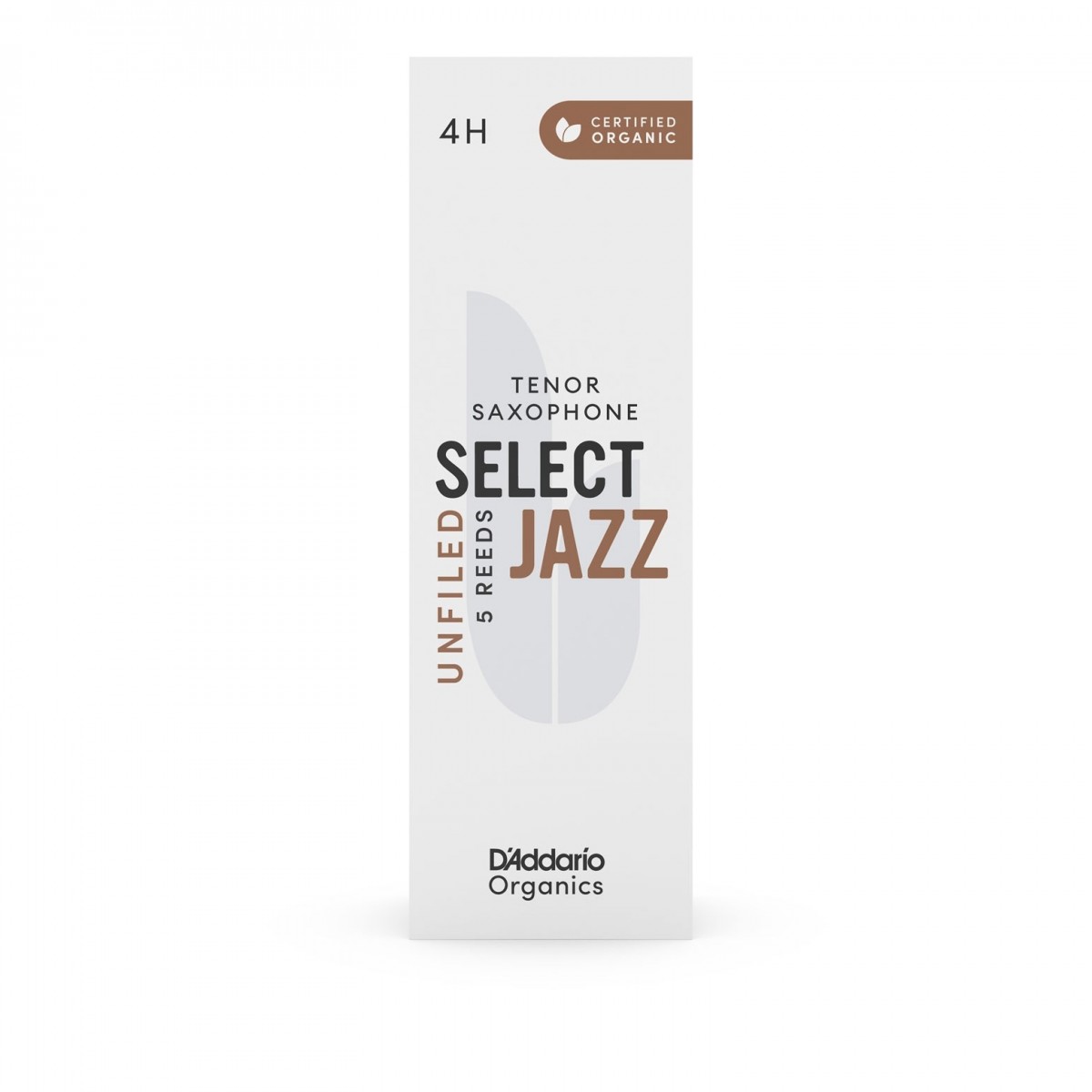
DAddario Organic Select Jazz Unfiled Tenor Sax Reeds 4H (5 Pack)
 £31.00 ($39)
Rovner
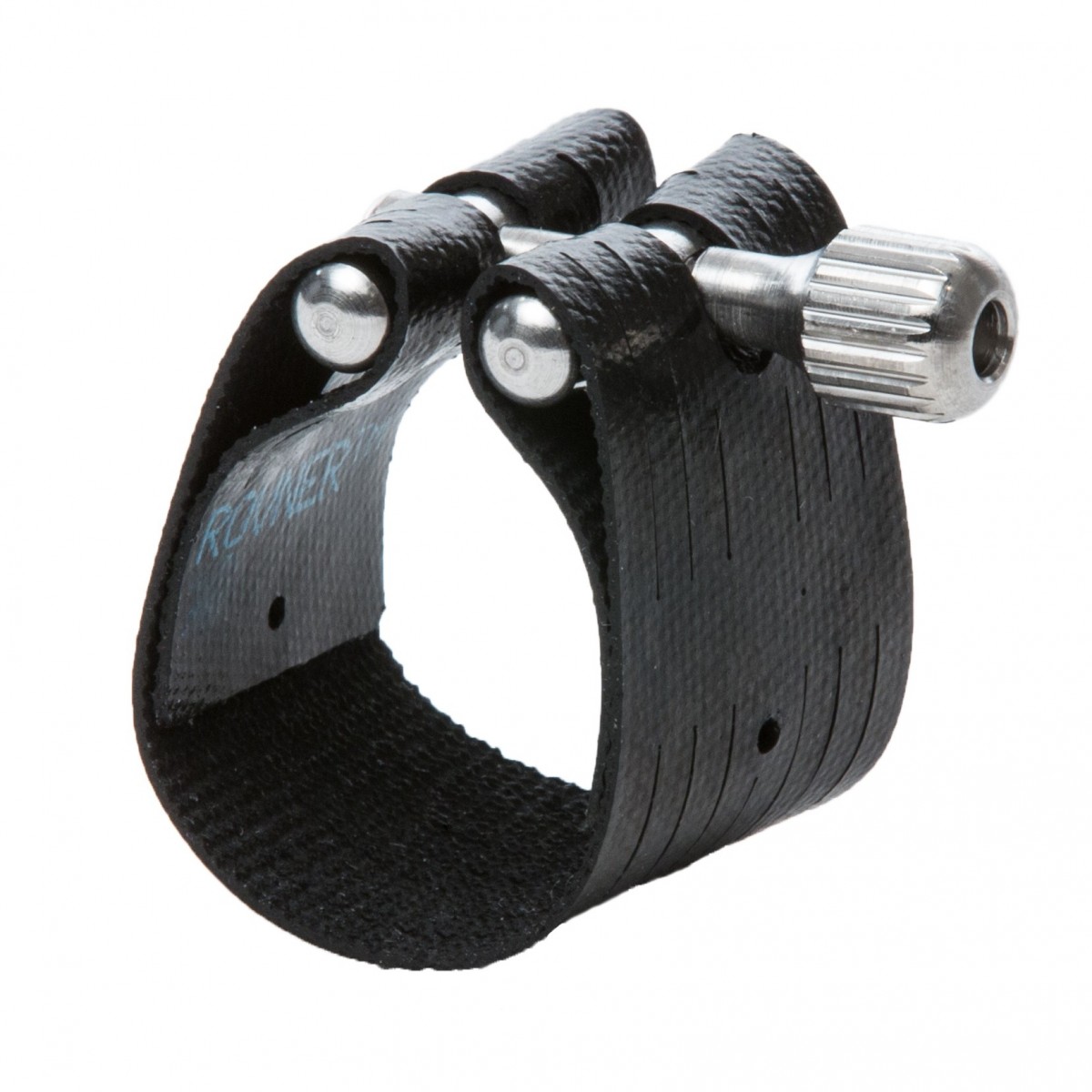
Rovner 3RL Dark Bass Clarinet/Saxophone Ligature and Cap
 £22.40 ($28)
Vandoren
Vandoren Java Tenor Saxophone Reeds 1.5 (5 Pack)
 £25.25 ($32)
Daddario
DAddario Organic Select Jazz Filed Alto Sax Reeds 4M (10 Pack)
 £7,531.00 ($9,564)
Yamaha
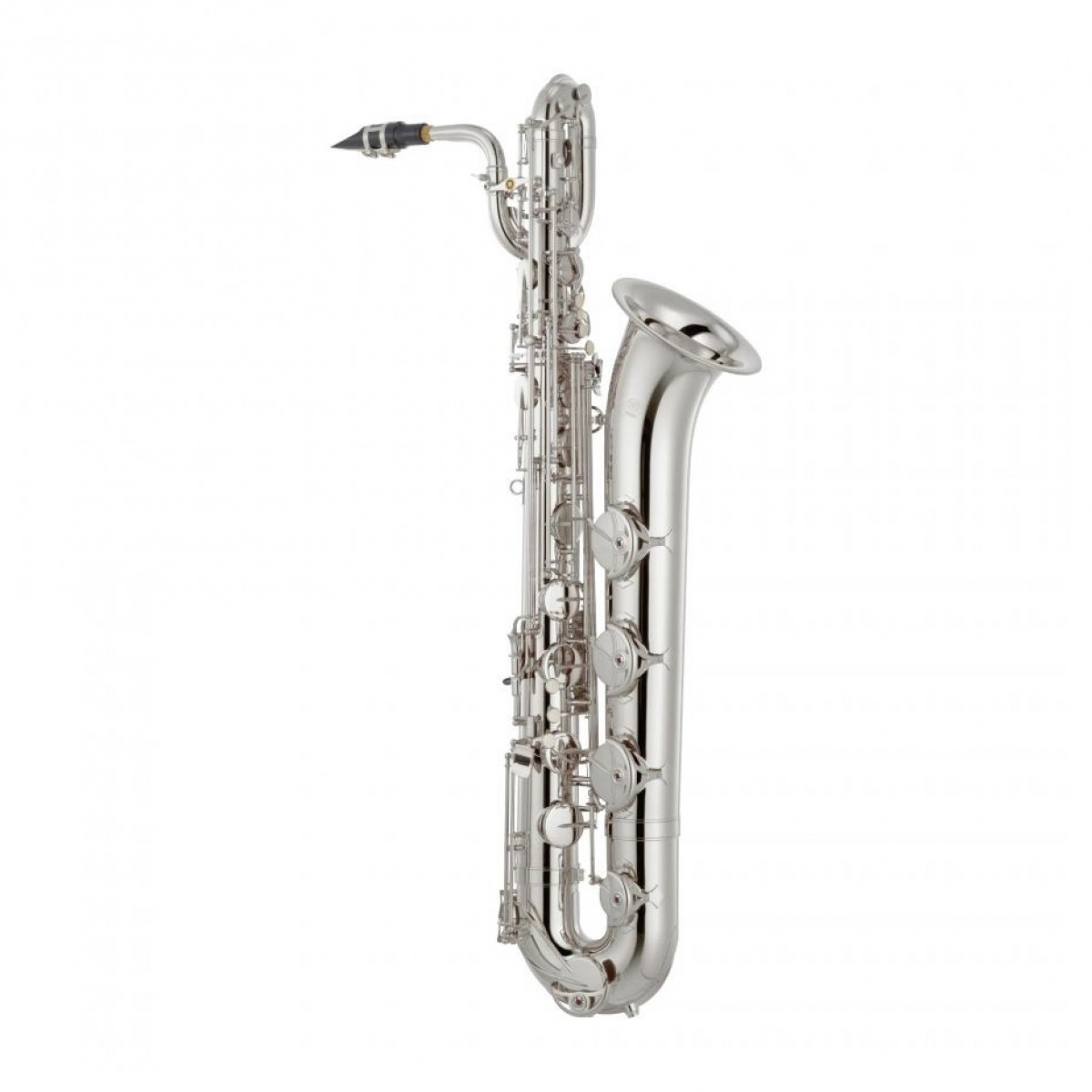
Yamaha YBS480 Baritone Saxophone Silver Plate
 £40.00 ($51)
Yamaha
Yamaha 5C Soprano Saxophone Mouthpiece
 £85.70 ($109)
Vandoren
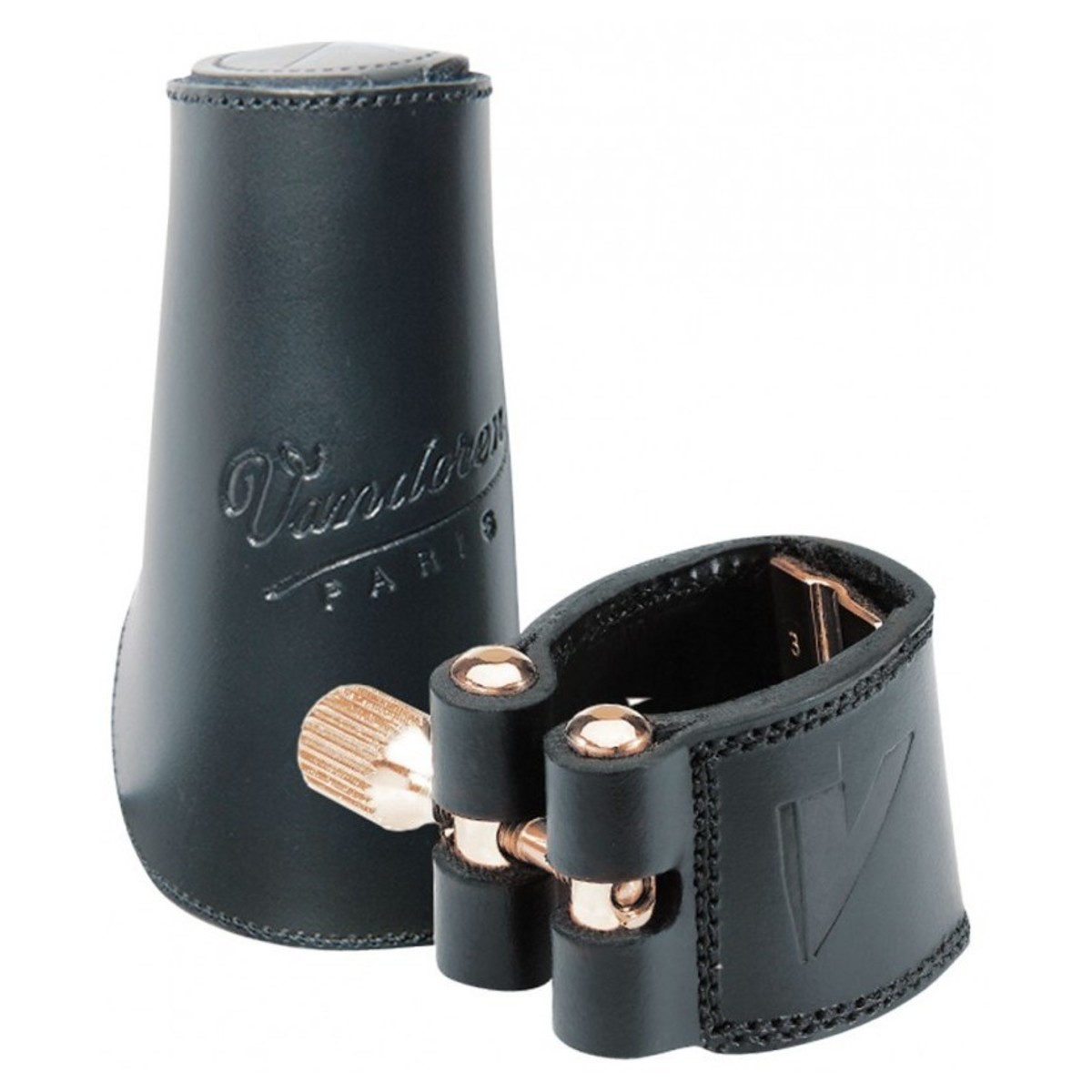
Vandoren Cuir Alto Sax Ligature Leather with Leather Cap
 £395.00 ($502)
JodyJazz Inc.
JodyJazz Super Jet Baritone Saxophone Mouthpiece 6
Frequently asked questions
- What is the tip opening of the Otto Link Tone Edge 8?
- The 8 tip opening for the baritone saxophone model measures 0.120 inches. This wide opening allows for greater flexibility and air intake compared to smaller openings.
- What material is the Tone Edge made from?
- The mouthpiece is constructed from hard rubber, also known as ebonite. This material is chosen for its resonant properties and its ability to produce a warm, dark sound.
- Is this mouthpiece suitable for classical music?
- While primarily designed for jazz, its dark tone can work for some classical applications. However, the wide 8 tip opening may be difficult to control for the strict tonal requirements of traditional classical repertoire.
- Does it come with a ligature and cap?
- Standard Otto Link Tone Edge mouthpieces typically include a basic ligature and cap. Many players choose to upgrade to specialized options like a Rovner 3RL for different response characteristics.
- How long has Otto Link been making mouthpieces?
- Otto Link has been manufacturing mouthpieces in the USA since the early 1930s. They have maintained a reputation for quality in the jazz world for nearly a century.
- What kind of chamber does the Tone Edge have?
- It features a large chamber design. This internal architecture is responsible for the mouthpiece's easy response and its signature rich, resonant tonal palette.
- Is the 0.120" tip opening good for beginners?
- Generally, no; a 0.120" opening is quite wide and requires a developed embouchure. Beginners are usually better suited to smaller openings, such as those found on a Yamaha 5C.
- What is the typical price for this mouthpiece?
- The Otto Link Tone Edge Baritone Saxophone Mouthpiece typically retails for approximately £213. Prices may vary slightly based on the specific retailer and region.
- Can I use Tenor Saxophone reeds with this mouthpiece?
- No, you should use reeds specifically designed for the baritone saxophone. While some players experiment with cross-compatibility, baritone-specific reeds ensure the correct vibration and seal on the table.
- How does this compare to the JodyJazz Super Jet?
- The Tone Edge is much darker and more traditional, whereas the Super Jet is designed for high volume and brightness. The Tone Edge is better for blending in jazz ensembles.
- Where is the Otto Link Tone Edge manufactured?
- These mouthpieces are carefully crafted in the United States. This domestic production has been a consistent part of the brand's history since the 1930s.
- What tonal character is this mouthpiece known for?
- It is famous for providing a 'classic dark tone.' It emphasizes warmth and resonance rather than the bright, edgy sound found in contemporary pop mouthpieces.