Gear article
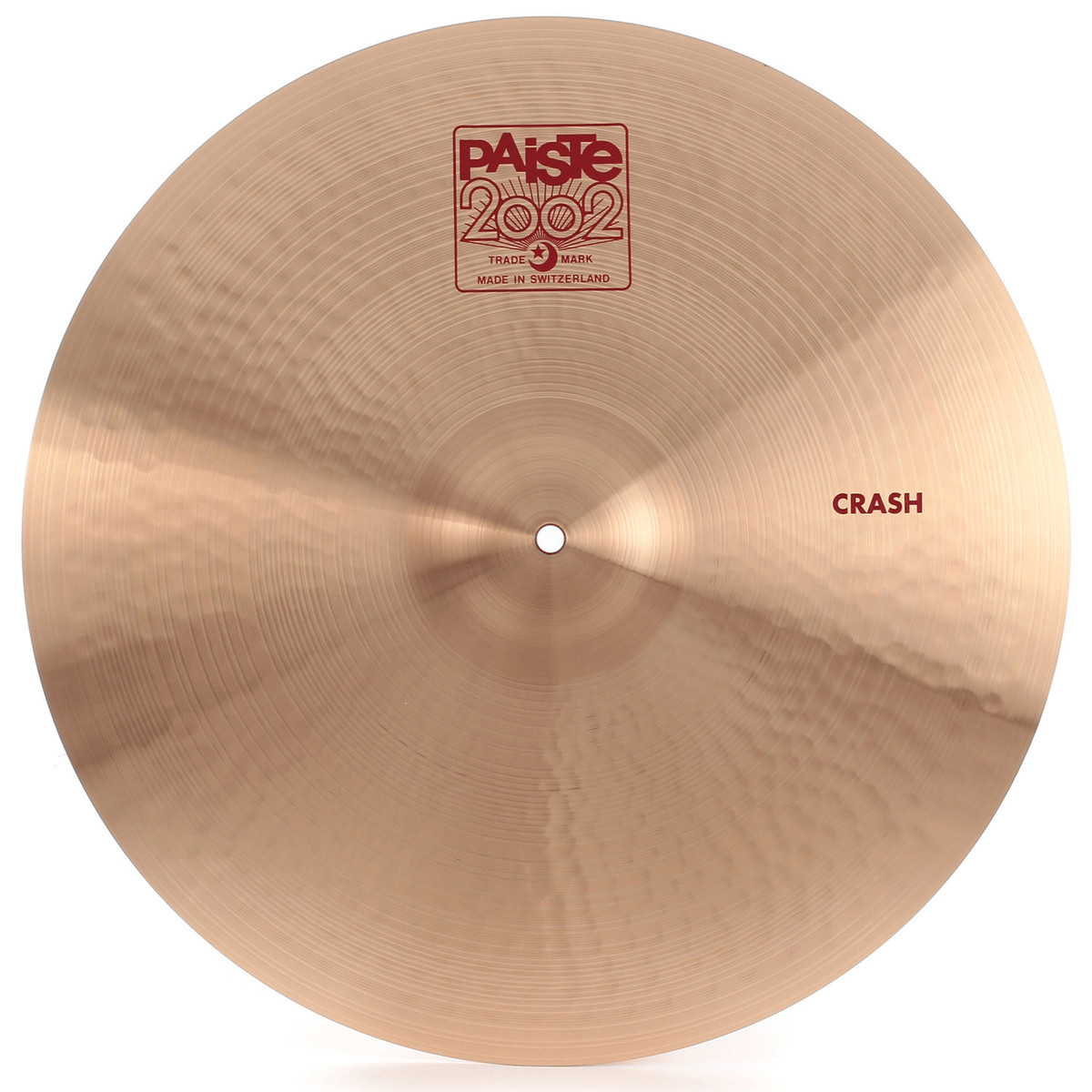
Paiste 2002 22" Crash Cymbal
The Paiste 2002 22" Crash is a large-format professional cymbal constructed from the brand's proprietary CuSn8 bronze alloy. Known for its bright, crisp, and full-bodied sound, it is a staple in high-volume musical settings due to its extreme durability and projection.
Background and History
The Paiste 2002 series was originally launched in 1971 to address the changing needs of the music industry as amplification grew louder. It was engineered to cut through high-decibel stage environments without losing musicality. The 22" Crash represents one of the largest standard crash sizes in this legendary line, which has become synonymous with the sound of rock and roll and classic metal.
Throughout its history, the 2002 line has been defined by its use of '2002 Bronze' (CuSn8), a material that provides a distinct clarity and shimmer compared to traditional B20 alloys. This specific model continues that tradition, offering a professional-grade solution for drummers requiring maximum volume and presence.
Design and Construction
The 22" variant of the 2002 Crash is built with a focus on sturdiness and high performance. Its construction is designed to withstand heavy-hitting techniques common in rock and metal genres. Key design features include:
- Hand-lathed surface: Providing a consistent, bright response.
- CuSn8 Bronze: A proprietary alloy known for its durability and 'glassy' high-end frequencies.
- Massive Surface Area: The 22-inch diameter provides a significant amount of sustain and a deeper fundamental tone than smaller crashes in the same series.

Sonic Characteristics
The sound of the Paiste 2002 22" Crash is described by the manufacturer as bright, crisp, and full. Because of its large size, it delivers a massive wall of sound that is less 'splashy' and more 'gong-like' or 'washy' than smaller models. It possesses a high degree of projection, ensuring that its transients are heard clearly above distorted guitars and heavy bass.
While inherently bright, the 22-inch diameter introduces a lower pitch and a longer decay, making it suitable for slow, heavy accents as well as energetic, driving rhythms.
Target Audience and Versatility
Although the 2002 series is most commonly associated with Hard Rock and Heavy Metal, the 22" Crash is versatile enough for a range of other genres including R&B and Soul. In these contexts, the cymbal is often used for its full, lush wash and its ability to provide a deep rhythmic bed.
It is ideally suited for drummers looking for an upgrade from entry-level or intermediate cymbals to a professional-standard instrument that offers both durability and high-fidelity sound quality.
Market Comparisons
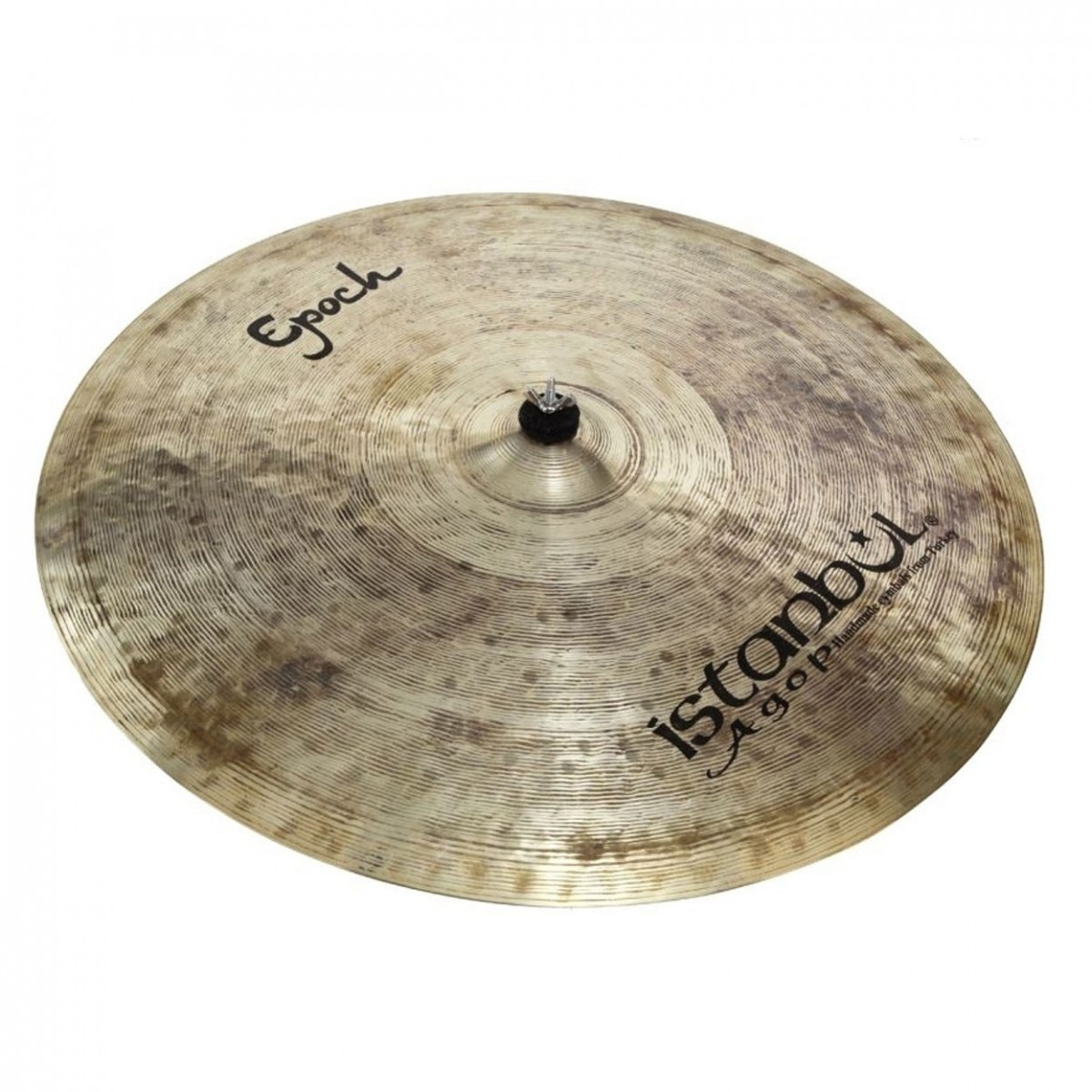
When compared to other professional cymbals, the Paiste 2002 22" Crash occupies a unique space. It offers a brighter and more focused sound than 'dry' alternatives like the Meinl Byzance 19" Extra Dry Thin Crash. While jazz-focused cymbals such as the Istanbul Agop 19" Lenny White Epoch Crash offer more complex, dark overtones, the Paiste 2002 remains the standard for clean, powerful projection.
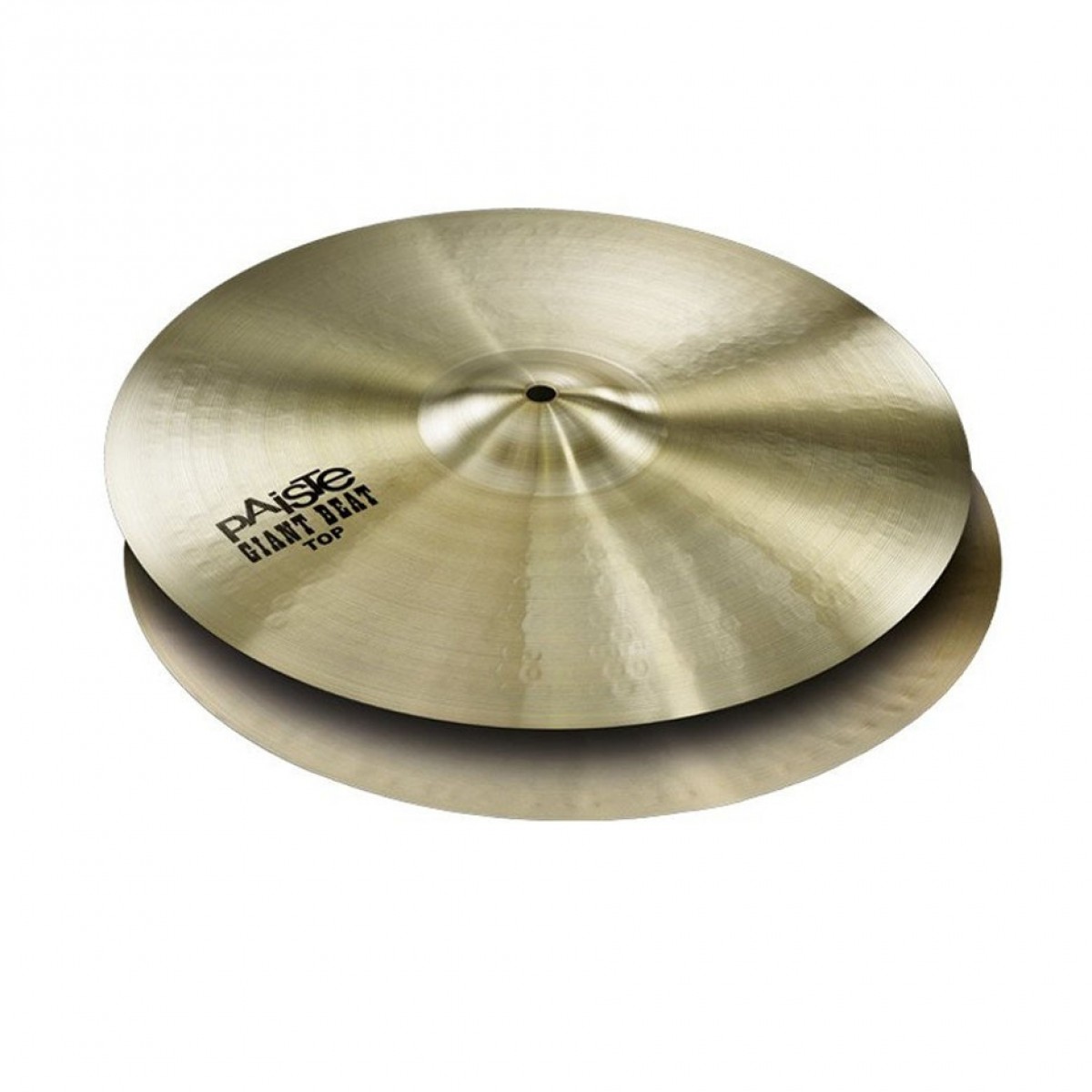
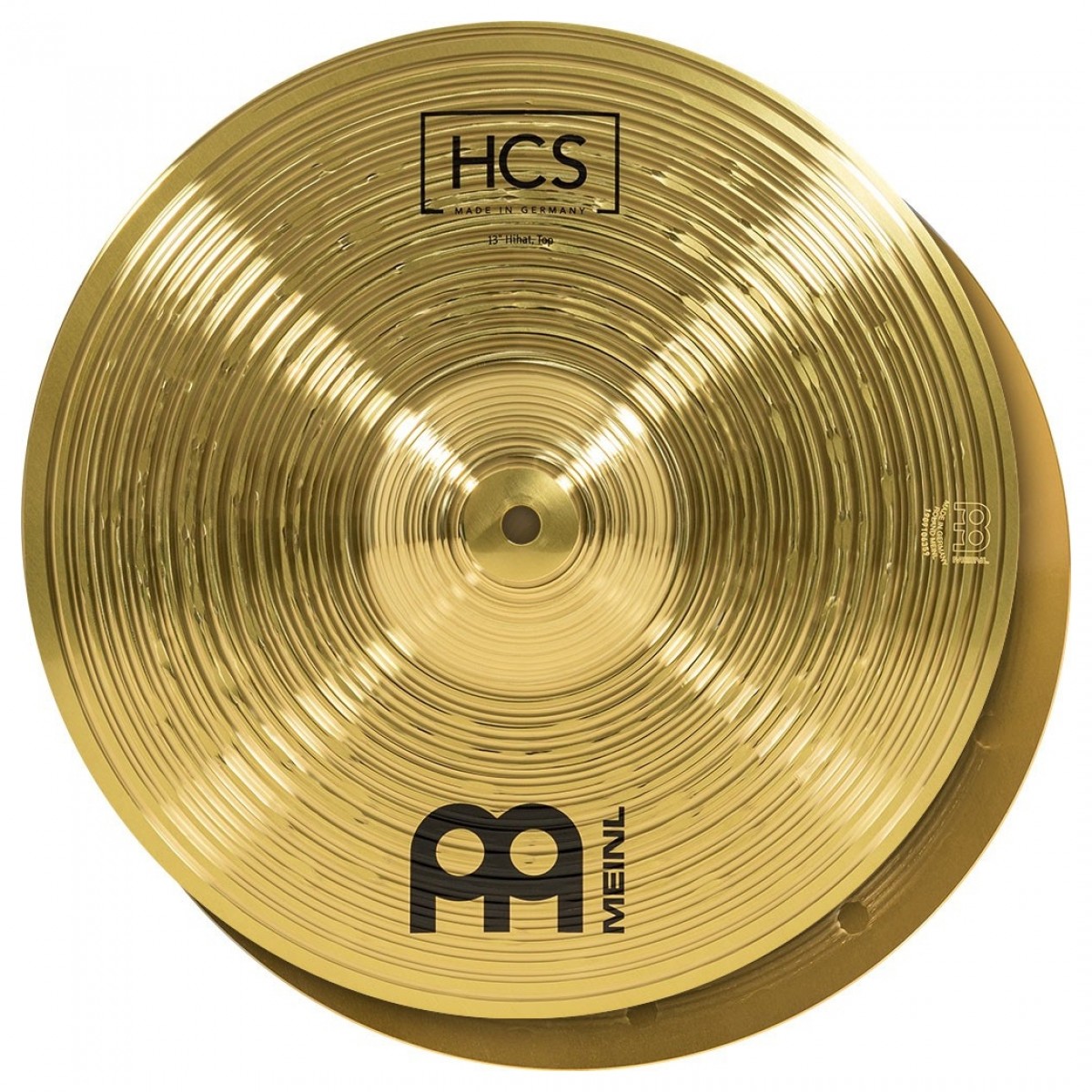
For drummers who prefer a more vintage, 'mellow' Paiste tone, the Giant Beat series (such as the Giant Beat 14" Hi-Hats) provides a comparable heritage but with a slightly different sonic profile. In contrast to entry-level options like the Gear4Music Low Volume packs or Meinl HCS series, the 2002 is a fully professional, high-output instrument.
Related gear
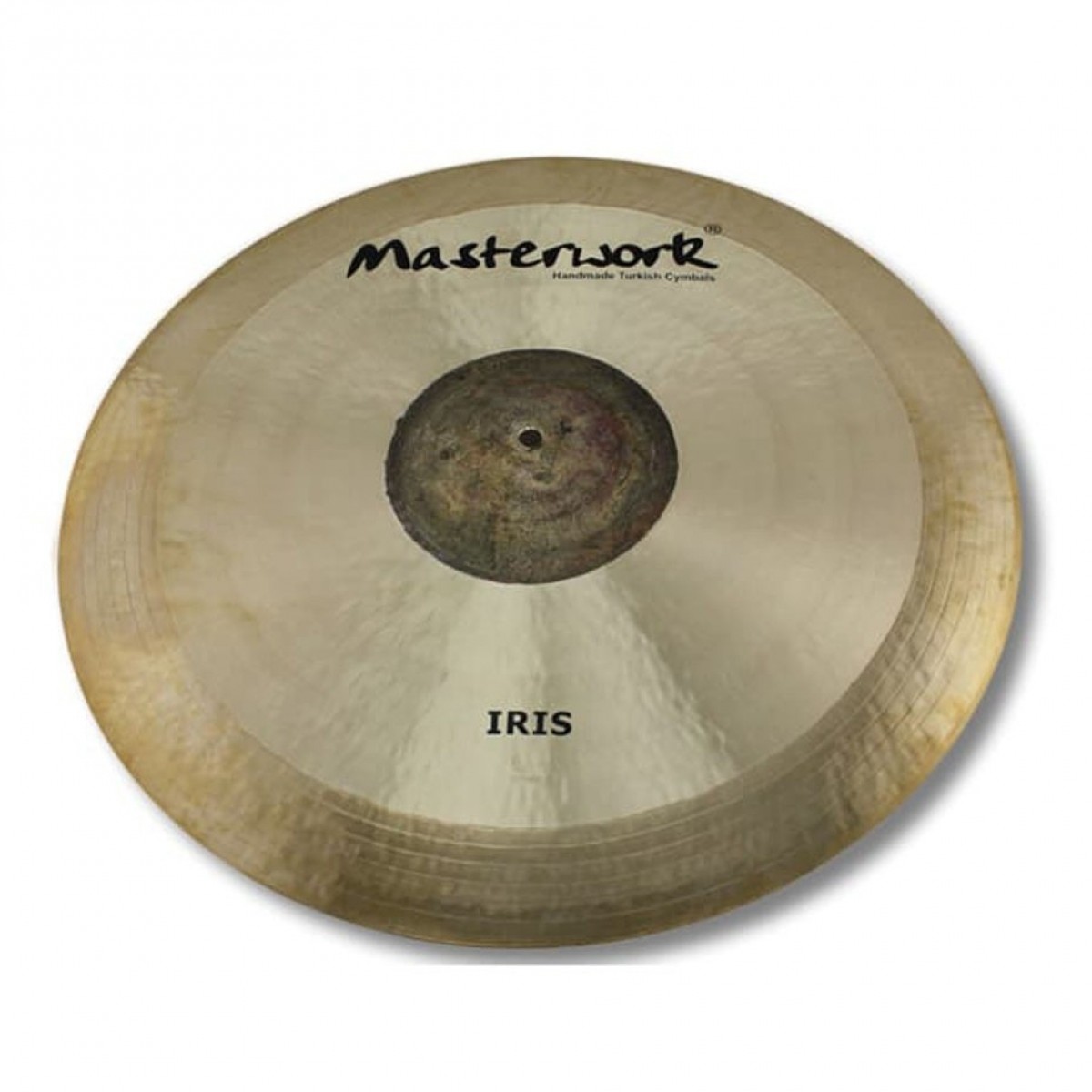 £261.00 ($331)
Masterwork
Masterwork Iris 21 Ride
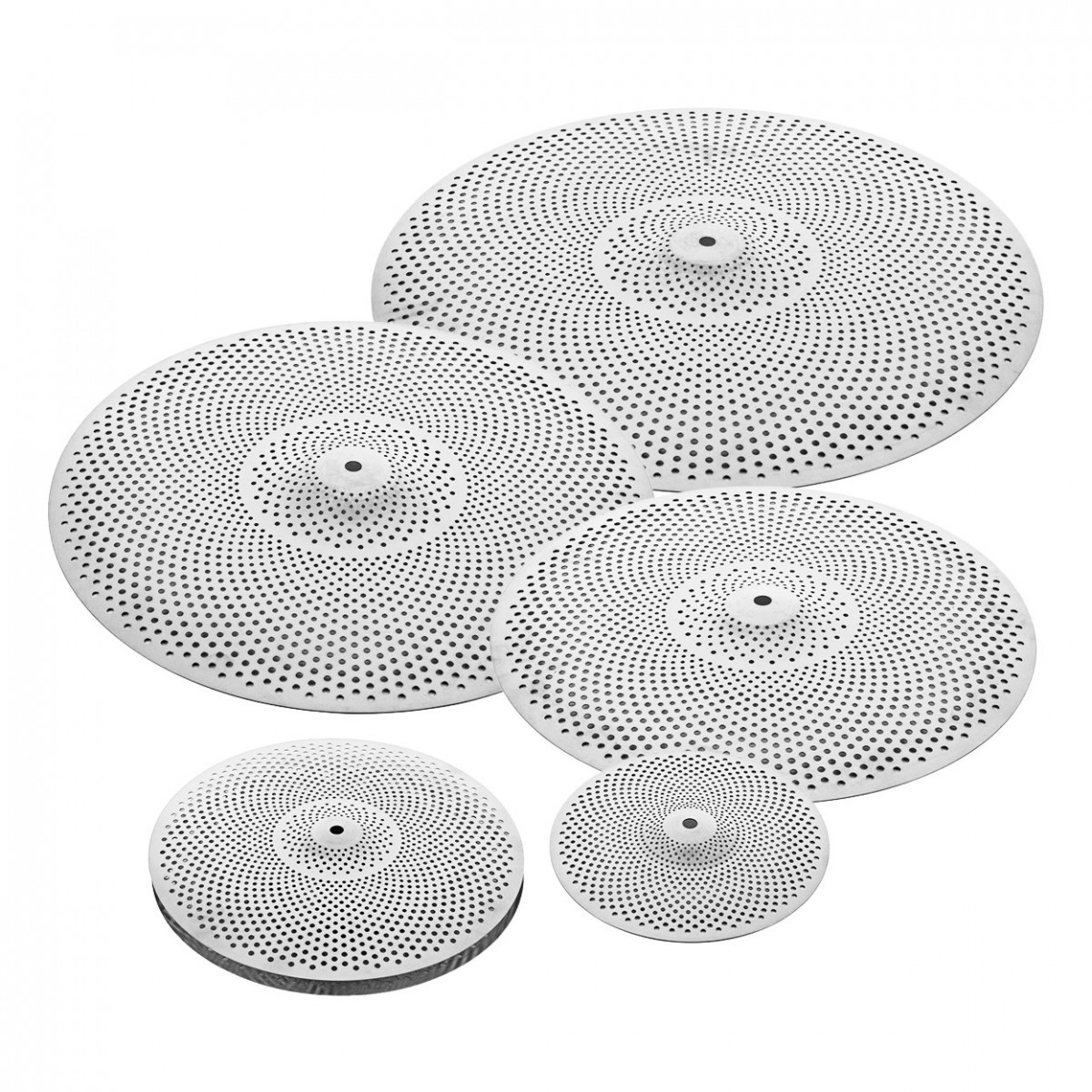 £99.99 ($127)
Gear4Music
5pc Low Volume Cymbal Pack by Gear4music Silver
 £355.00 ($451)
Paiste
Paiste Giant Beat 14 Hi-Hat Cymbals
 £496.00 ($630)
Istanbul Agop
Istanbul Agop 19" Lenny White Epoch Crash
 £358.00 ($455)
UFIP
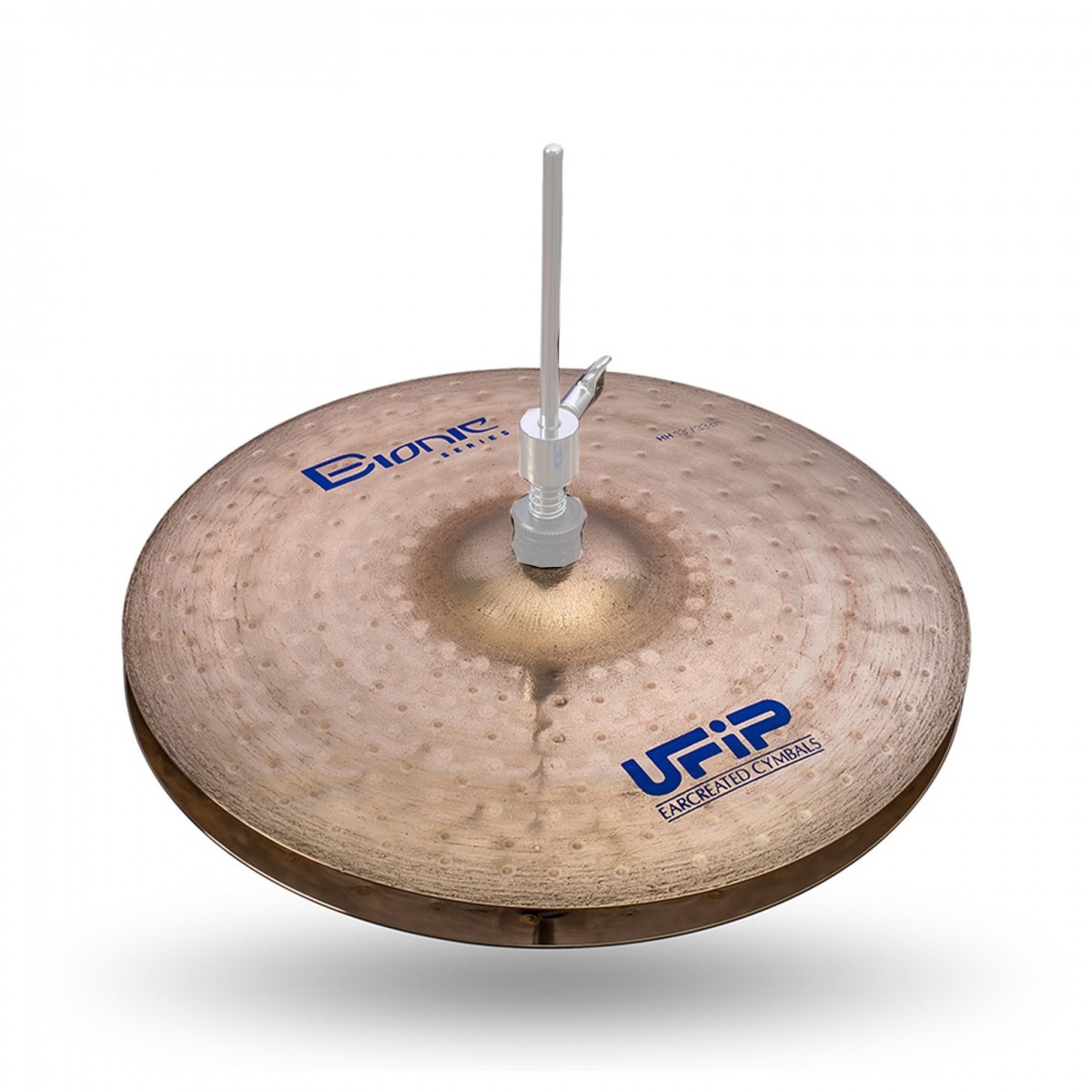
UFIP Bionic Series 13" Hi Hat
 £386.00 ($490)
UFIP
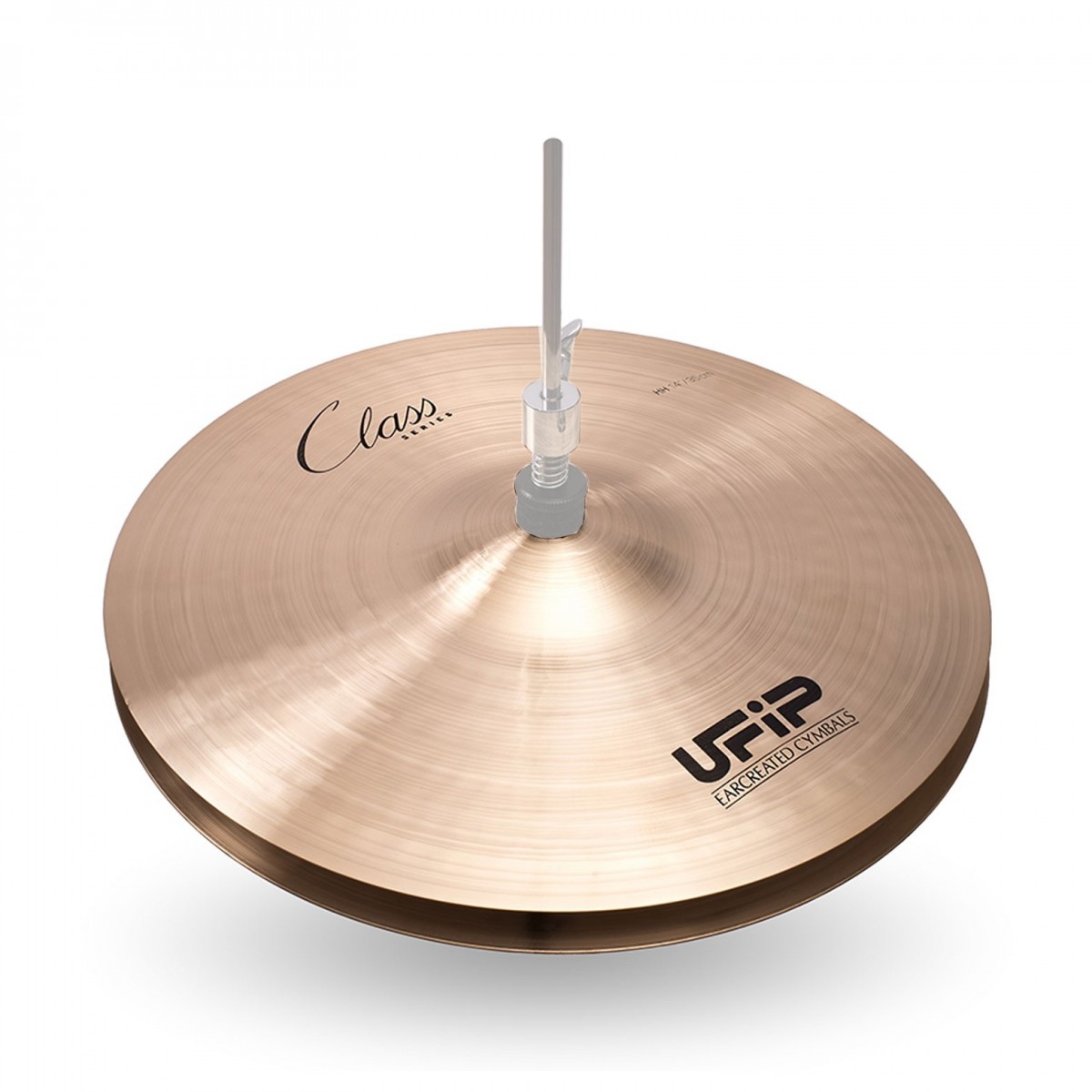
UFIP Class Series 14" Light Hi Hat
 £109.00 ($138)
Meinl
Meinl HCS 13 Hi Hat Cymbals
- £449.00 ($570)
Meinl
Meinl Byzance 19" Extra Dry Thin Crash
Frequently asked questions
- What is the typical price for the Paiste 2002 22" Crash?
- The typical price for this cymbal is approximately £385. This puts it in the professional price bracket for high-end bronze percussion.
- What genres is the Paiste 2002 22" Crash best suited for?
- It is highly versatile, suited for Hard Rock, Heavy Metal, R&B, and Soul. Its durability makes it a favourite for high-volume rock, while its full sound fits R&B grooves.
- What alloy is used in the construction of this cymbal?
- The cymbal is made from CuSn8 Bronze, which is often referred to as '2002 Bronze'. This alloy is known for its bright, shimmering character and high durability.
- How does the size of the 22" crash affect its sound?
- The 22-inch diameter provides a fuller, deeper sound with more sustain than smaller crashes. It offers a massive presence and high volume potential.
- Is this cymbal durable enough for heavy hitters?
- Yes, the Paiste 2002 series is specifically marketed for its extremely durable and sturdy construction. It is designed to withstand the rigours of professional touring and heavy performance.
- How is the sound of the 2002 22" Crash described?
- The manufacturer describes the sound as bright, crisp, and full. It is designed to be high-performing and able to cut through dense musical mixes.
- Can the 22" Crash be used as a ride cymbal?
- While designed as a crash, its large 22-inch size and full sound allow it to function as a light, wash-heavy ride in certain musical contexts. However, its primary purpose is crashing.
- How does it compare to the Meinl Byzance Extra Dry series?
- The Paiste 2002 is much brighter and crispier than the Meinl Byzance Extra Dry, which is known for its dark, short, and trashy characteristics. The Paiste has significantly more shimmer and sustain.
- Is the Paiste 2002 22" Crash considered a professional cymbal?
- Yes, it is a professional-quality cymbal intended for high-performance use. It is widely considered an industry standard for live rock performances.
- Does this cymbal have a fast or slow decay?
- Given its 22-inch size, it has a relatively long and full decay. It provides a 'wide' sound that lingers longer than smaller 16" or 18" crash models.
- How does it differ from the Paiste Giant Beat series?
- While both use similar bronze, the 2002 series is generally brighter and more 'modern' in its projection. The Giant Beat series has a slightly more multi-functional, vintage character.
- What makes the 2002 series iconic?
- The series is iconic due to its association with the rise of rock music in the 1970s. Its ability to provide clarity at high volumes changed how drummers approached stadium and arena performances.