
Gear article
D'Addario Metalite M9 Baritone Saxophone Mouthpiece
The D'Addario Metalite M9 is a baritone saxophone mouthpiece designed to provide the tonal characteristics of metal through a lightweight resin construction. Featuring a medium-small chamber and an M9 tip opening, it is engineered for musicians seeking high projection, clarity, and an expressive range of inflections.
See live pricesOverview and Design
The D'Addario Metalite M9 Baritone Saxophone Mouthpiece represents a unique design philosophy in the wind instrument market, aiming to bridge the gap between traditional plastic and high-end metal mouthpieces. It is manufactured from a durable, lightweight resin specifically formulated to emulate the acoustic properties of metal. This choice of material allows for a lower price point while maintaining high performance standards.
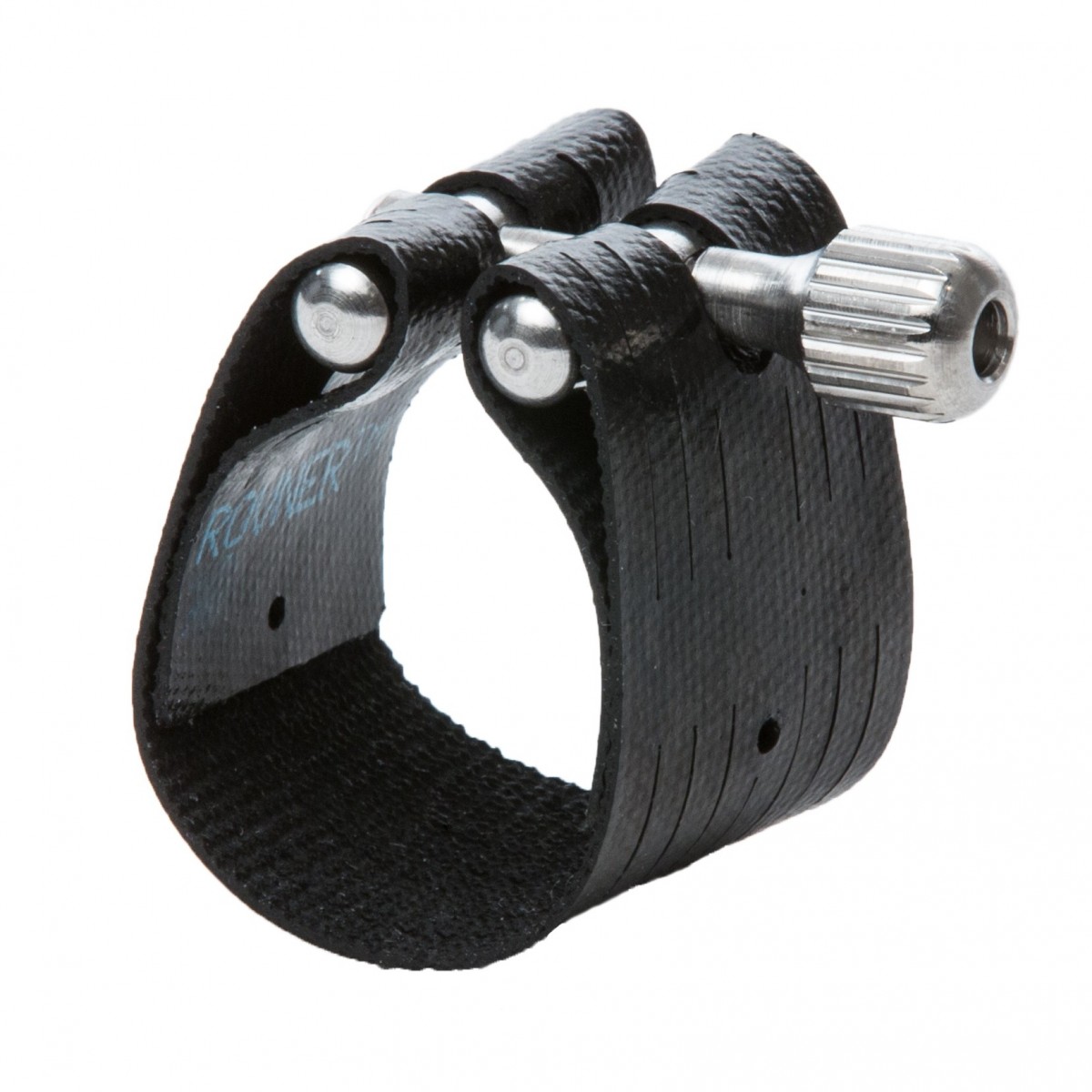
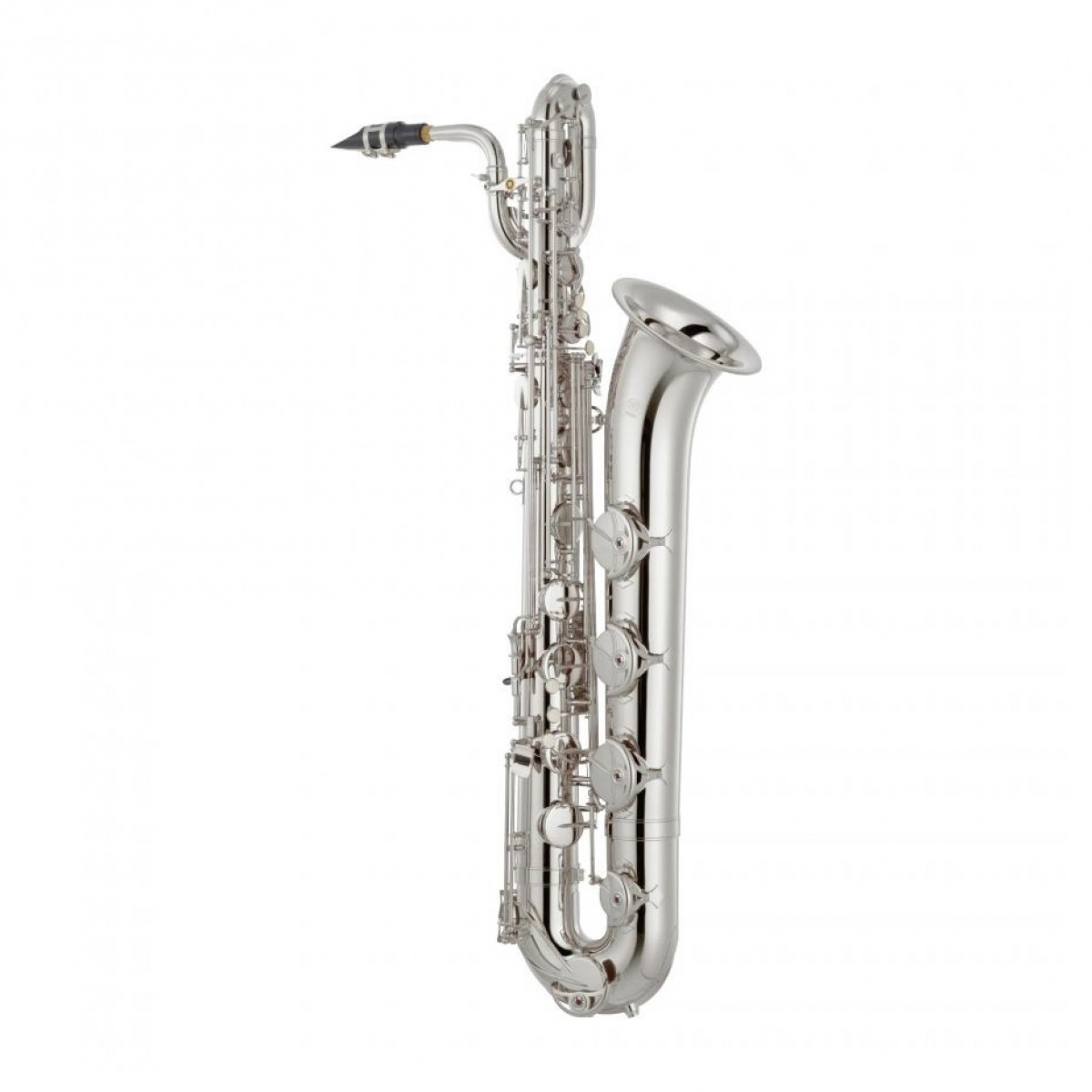
The M9 model is distinguished by its medium-small chamber. This internal geometry is critical for directing airflow in a way that increases clarity and enhances the player's control over the instrument. It is designed to be compatible with standard baritone saxophones, such as the Yamaha YBS480, and works effectively with various ligature types, including the Rovner 3RL Dark series.
Tip Opening and Playability
The 'M9' designation refers to the specific tip opening of this mouthpiece. A larger tip opening like the M9 generally requires more air support but rewards the player with a diverse range of expressive characteristics. This setup is particularly beneficial for musicians who wish to add subtle inflections, vibrato, and pitch bends to their performance.
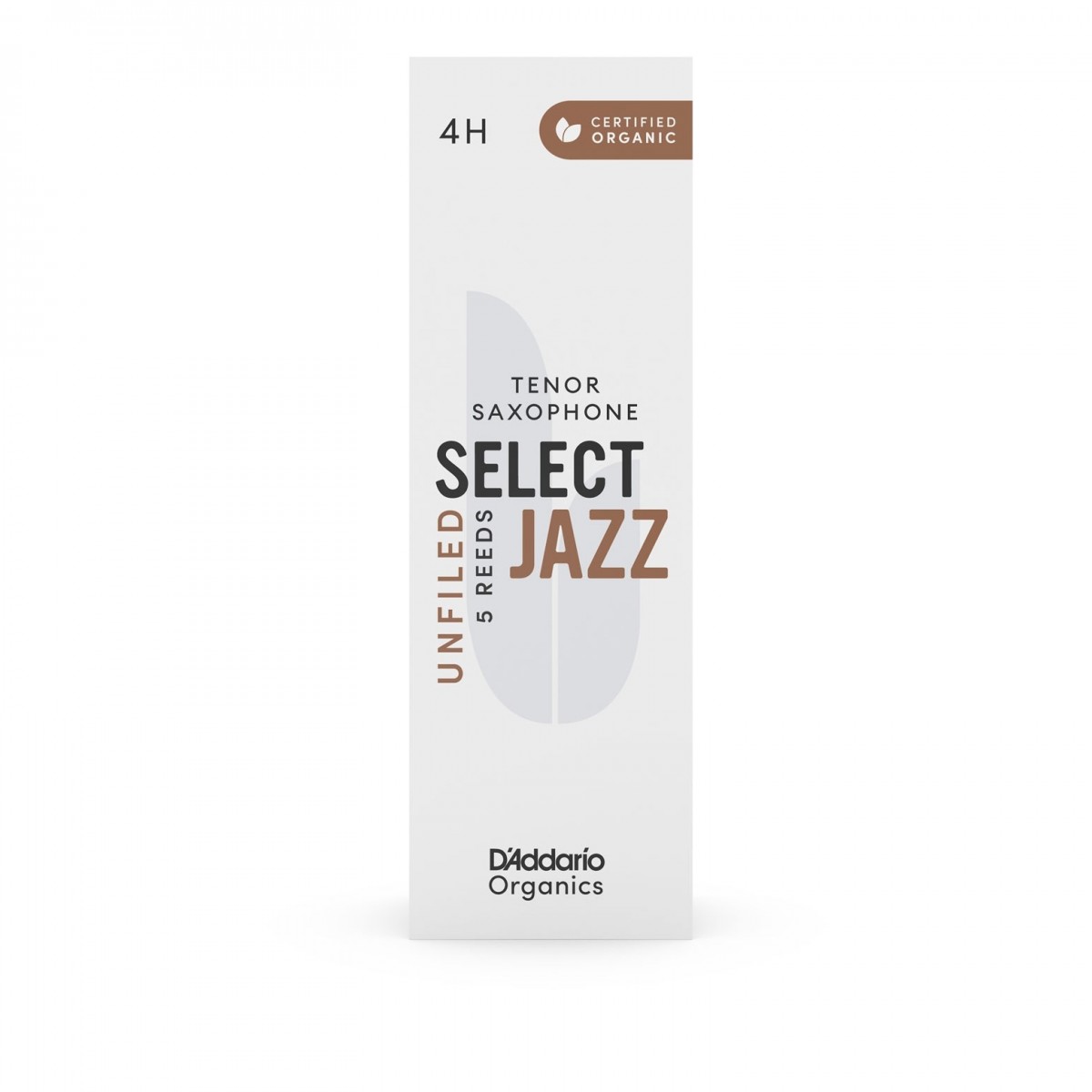
Because the M9 provides a wider opening, it is often paired with specific reed strengths to balance resistance. Common pairings include D'Addario Organic Select Jazz reeds or Vandoren Java series reeds. The combination of the resin material and the M9 opening allows for a free-blowing experience that suits various musical genres from jazz to contemporary pop.
Tonal Character
The sound profile of the Metalite M9 is characterised by its brightness and projection. By mimicking the density and reflective properties of metal, the resin construction ensures that the baritone saxophone can cut through a dense ensemble or big band setting.
The medium-small chamber assists in focusing the tone, preventing the low end of the baritone from becoming muddy. This results in a crisp articulation and a punchy response across the full range of the instrument. The M9 opening further enhances this by providing the headroom necessary for high-volume playing without sacrificing the ability to play with nuance.
Market Position and Comparisons
Retailing at approximately £52, the Metalite M9 occupies a specific niche as a high-value, high-output mouthpiece. It is frequently compared to more expensive professional options such as the JodyJazz Super Jet Baritone Saxophone Mouthpiece 6. While the JodyJazz is a premium metal offering, the Metalite provides a similar sonic direction—focused on power and brightness—at a fraction of the cost.
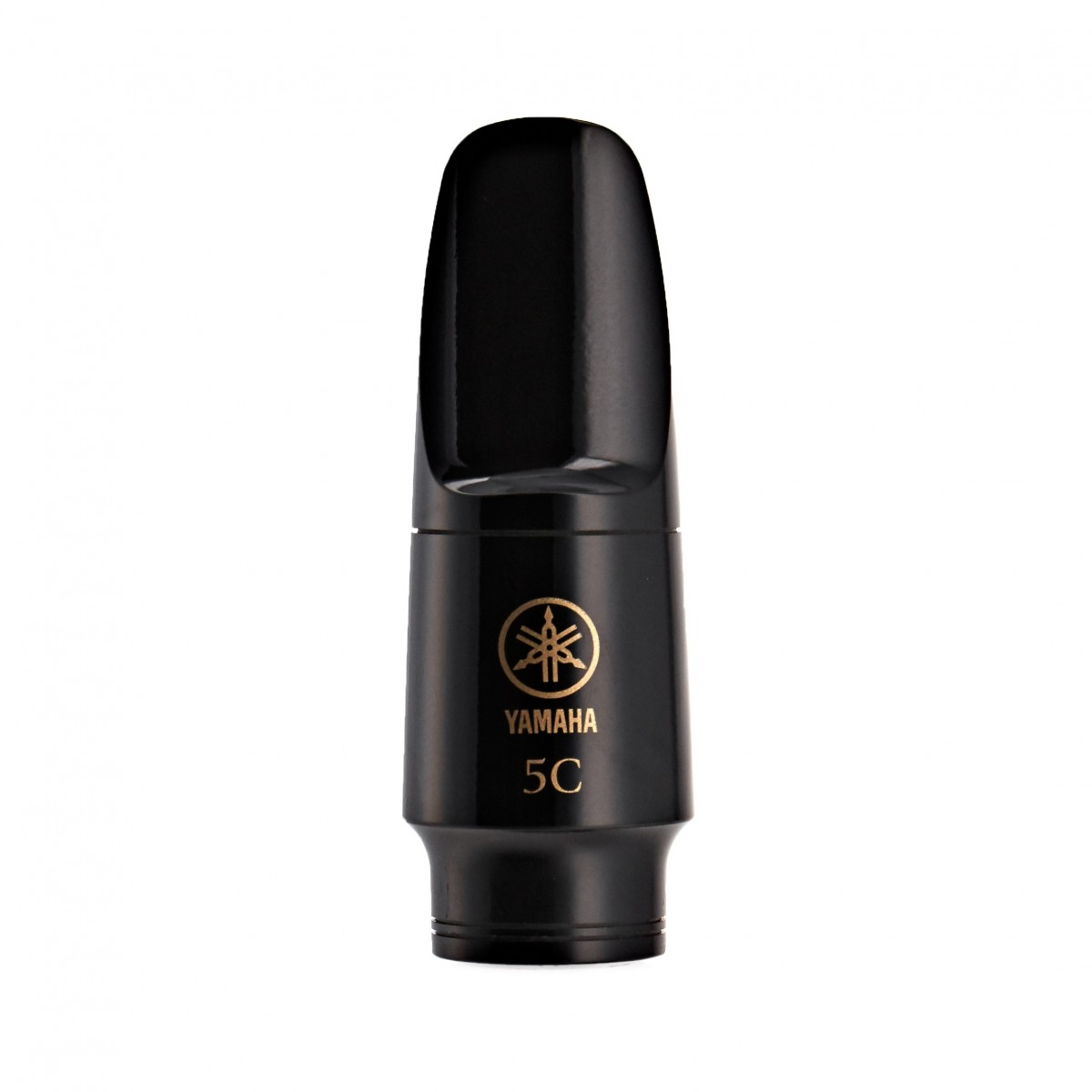
Compared to entry-level mouthpieces like the Yamaha 5C, which is often made of phenol resin with a smaller tip opening, the Metalite M9 is significantly more aggressive and expressive. It serves as an ideal upgrade for students moving into jazz or for professional players who need a reliable, durable 'metal-style' sound for outdoor gigs or high-intensity environments.
Related gear
 £21.80 ($28)
Daddario
DAddario Organic Select Jazz Unfiled Tenor Sax Reeds 4H (5 Pack)
 £31.00 ($39)
Rovner
Rovner 3RL Dark Bass Clarinet/Saxophone Ligature and Cap
 £22.40 ($28)
Vandoren
Vandoren Java Tenor Saxophone Reeds 1.5 (5 Pack)
 £25.25 ($32)
Daddario
DAddario Organic Select Jazz Filed Alto Sax Reeds 4M (10 Pack)
 £7,531.00 ($9,564)
Yamaha
Yamaha YBS480 Baritone Saxophone Silver Plate
 £40.00 ($51)
Yamaha
Yamaha 5C Soprano Saxophone Mouthpiece
 £85.70 ($109)
Vandoren
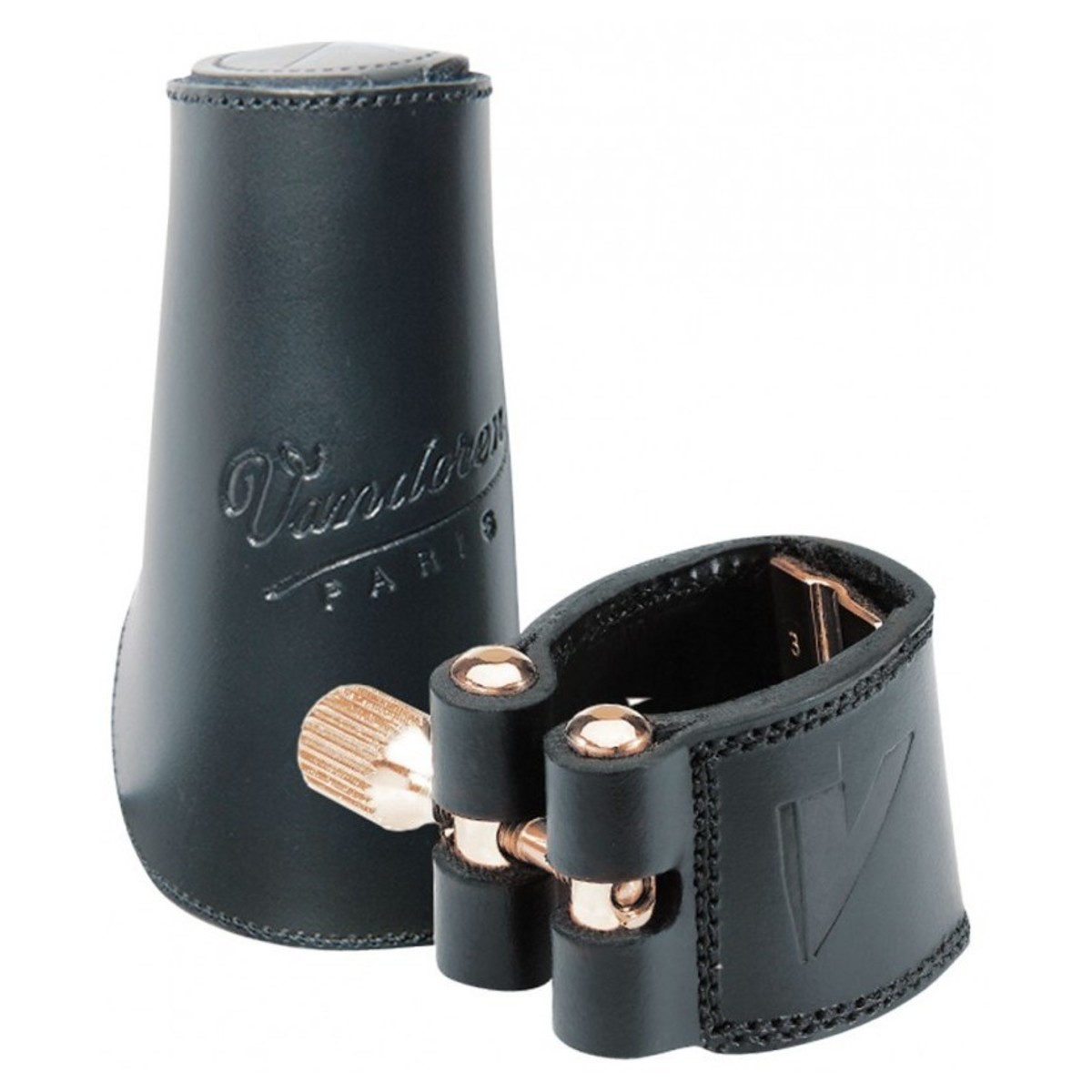
Vandoren Cuir Alto Sax Ligature Leather with Leather Cap
 £395.00 ($502)
JodyJazz Inc.
JodyJazz Super Jet Baritone Saxophone Mouthpiece 6
Frequently asked questions
- What material is the Metalite M9 made from?
- The mouthpiece is constructed from a specially formulated lightweight resin. This material is designed to provide acoustic characteristics similar to traditional metal mouthpieces while remaining durable and cost-effective.
- What is the benefit of the medium-small chamber?
- The medium-small chamber increases the velocity of the air as it passes through the mouthpiece. This design choice adds clarity to the notes and provides the player with greater control over their articulation.
- Who is the M9 tip opening best suited for?
- The M9 tip opening is suited for players who want maximum expressiveness and volume. It allows for easier pitch bending and tonal inflections, though it may require more air support than smaller tip openings.
- Can this mouthpiece be used for classical music?
- While it can be used for any style, its bright and projected character is generally better suited for jazz, rock, and contemporary music. Classical players usually prefer a smaller tip opening and a larger chamber for a darker sound.
- What reeds are recommended for the Metalite M9?
- It pairs well with D'Addario Organic Select Jazz reeds (either Filed or Unfiled) and Vandoren Java Tenor or Baritone reeds. The choice of reed strength will depend on the player's preference for resistance.
- Does it come with a ligature and cap?
- Typically, the Metalite M9 is sold as the mouthpiece only. Players often purchase separate ligatures, such as the Rovner 3RL Dark or Vandoren Cuir Leather ligatures, to complete the setup.
- How does the price of the M9 compare to metal mouthpieces?
- The M9 is significantly more affordable, typically costing around £52. In contrast, professional metal mouthpieces can cost several hundred pounds, making the Metalite a high-value alternative.
- Is the M9 tip opening larger than the M5 or M7?
- Yes, in the Metalite numbering system, a higher number indicates a larger tip opening. The M9 is the largest in the series, offering the most projection and flexibility for inflections.
- Will this mouthpiece fit a Yamaha YBS480 baritone saxophone?
- Yes, the Metalite M9 is designed to be compatible with standard baritone saxophones, including the Yamaha YBS480. It fits onto the standard neck cork of most modern baritone saxes.
- How does the resin material affect the weight of the mouthpiece?
- The resin is much lighter than brass or stainless steel. This reduces the physical weight on the instrument's neck and can make the saxophone feel slightly more balanced for some players.
- What kind of sound character should I expect?
- You should expect a bright, powerful, and edgy sound. It is designed to 'cut through' other instruments, making it ideal for soloing or playing in loud ensembles.
- Is the M9 suitable for beginners?
- The M9 tip opening is quite large, which might be challenging for absolute beginners who haven't developed their embouchure. It is generally recommended for intermediate to advanced players.