
Gear article
Rode Dead Mouse Pin High Wind Cover
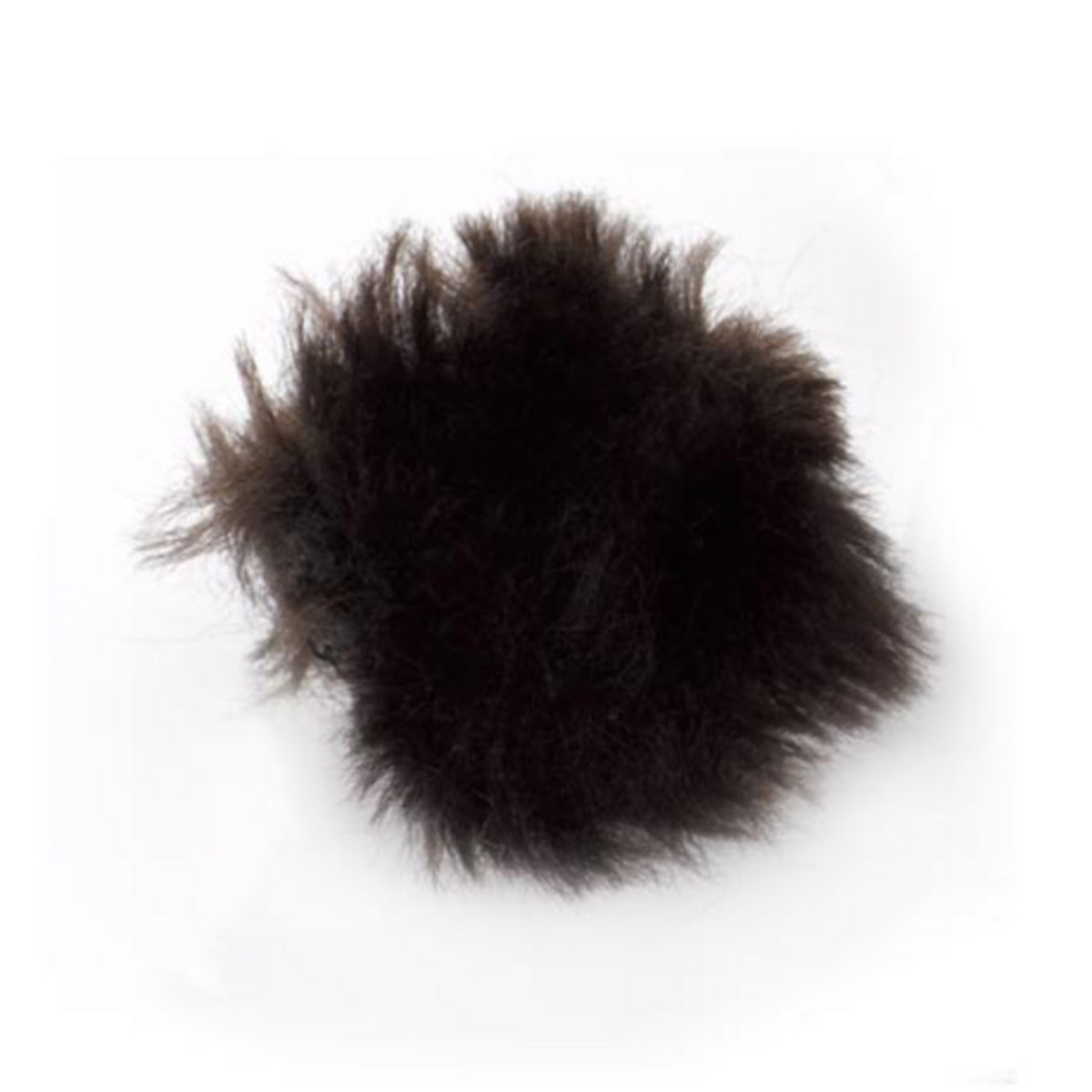
The Rode Dead Mouse Pin is a specialised furry windshield designed exclusively for the Rode PinMic lavalier microphone. It is engineered to minimise wind noise during outdoor recordings in high-wind environments, ensuring audio clarity for film, television, and broadcast applications.
Overview
The Rode Dead Mouse Pin is a high-performance wind protection solution tailored specifically for discrete recording scenarios. As part of Rode's wider range of 'DeadCat' style accessories, this product focuses on the unique form factor of the PinMic, a lavalier microphone known for its pin-through-clothing mounting system. The Dead Mouse Pin provides an essential layer of acoustic treatment for location sound recordists working in unpredictable outdoor weather.
Design and Functionality
The windshield is constructed from synthetic fur, which serves as a physical baffle to disrupt and diffuse wind airflows before they reach the microphone capsule. Despite its dense fibres, the material is acoustically transparent, meaning it allows the primary audio signal to pass through with minimal high-frequency attenuation. The design is compact to maintain the low profile of the PinMic system while offering the maximum possible surface area for wind diffusion.
Acoustic Character
When used in high-wind conditions, the Dead Mouse Pin significantly reduces the 'buffeting' and low-end distortion typically caused by air hitting the microphone diaphragm. While any physical barrier can slightly alter the frequency response of a microphone, the Dead Mouse Pin is designed to be neutral, preserving the natural tone of the voice. It is specifically calibrated for the PinMic to ensure that the unique pin-mount mechanics are not obstructed.
Applications and Target Audience
This accessory is primarily aimed at professional sound engineers, videographers, and broadcast journalists. It is particularly useful for:
- Outdoor Interviews: Protecting dialogue clarity in parks, city streets, or coastal areas.
- Electronic News Gathering (ENG): Ensuring reliable audio during live reports in gusty conditions.
- Film Production: Maintaining consistent sound quality during exterior scenes.
It is ideally suited for those who already own the Rode PinMic system and require a robust alternative to standard foam windscreens, which are often insufficient in high-velocity air environments.
Market Context
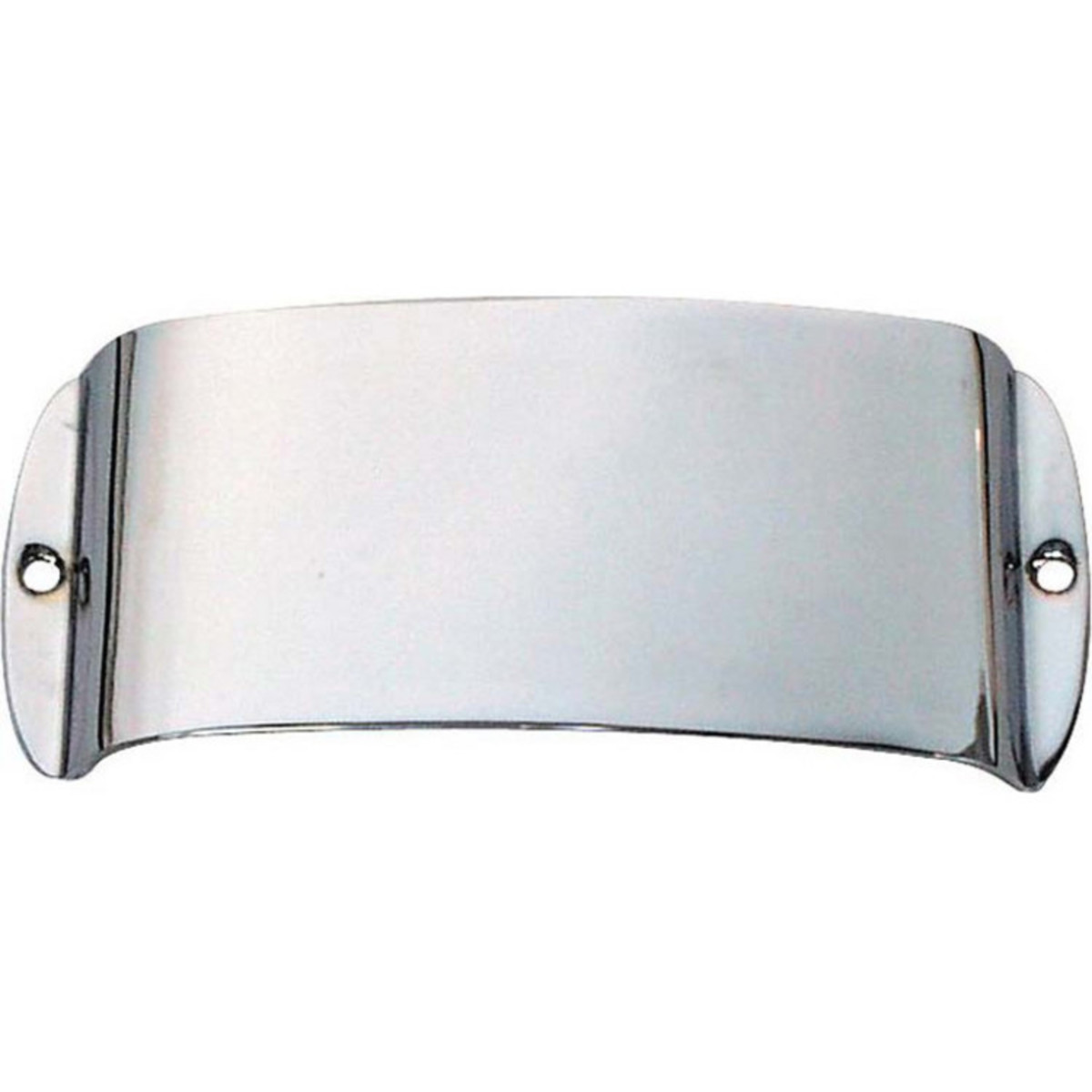
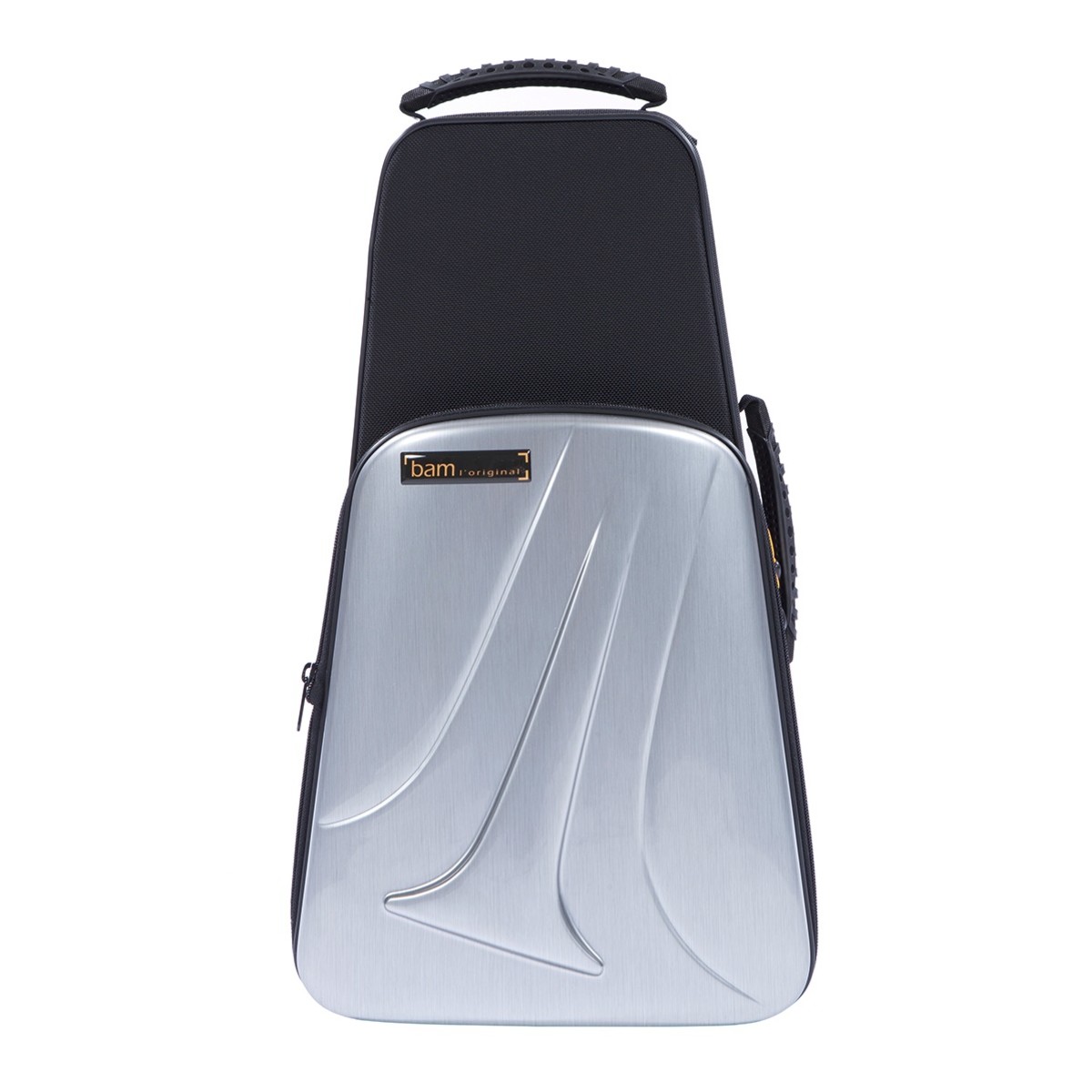
Within the broader category of cases and accessories, the Dead Mouse Pin occupies a niche for specialised microphone protection. While general-purpose covers exist, such as the Fender Vintage Precision Bass Pickup Cover or various BAM instrument cases like the New Trekking Single Trumpet Case, the Dead Mouse Pin is a precision-engineered acoustic tool. It is priced competitively within the professional audio market, typically retailing around £25.
Related gear
 £189.00 ($240)
BAM
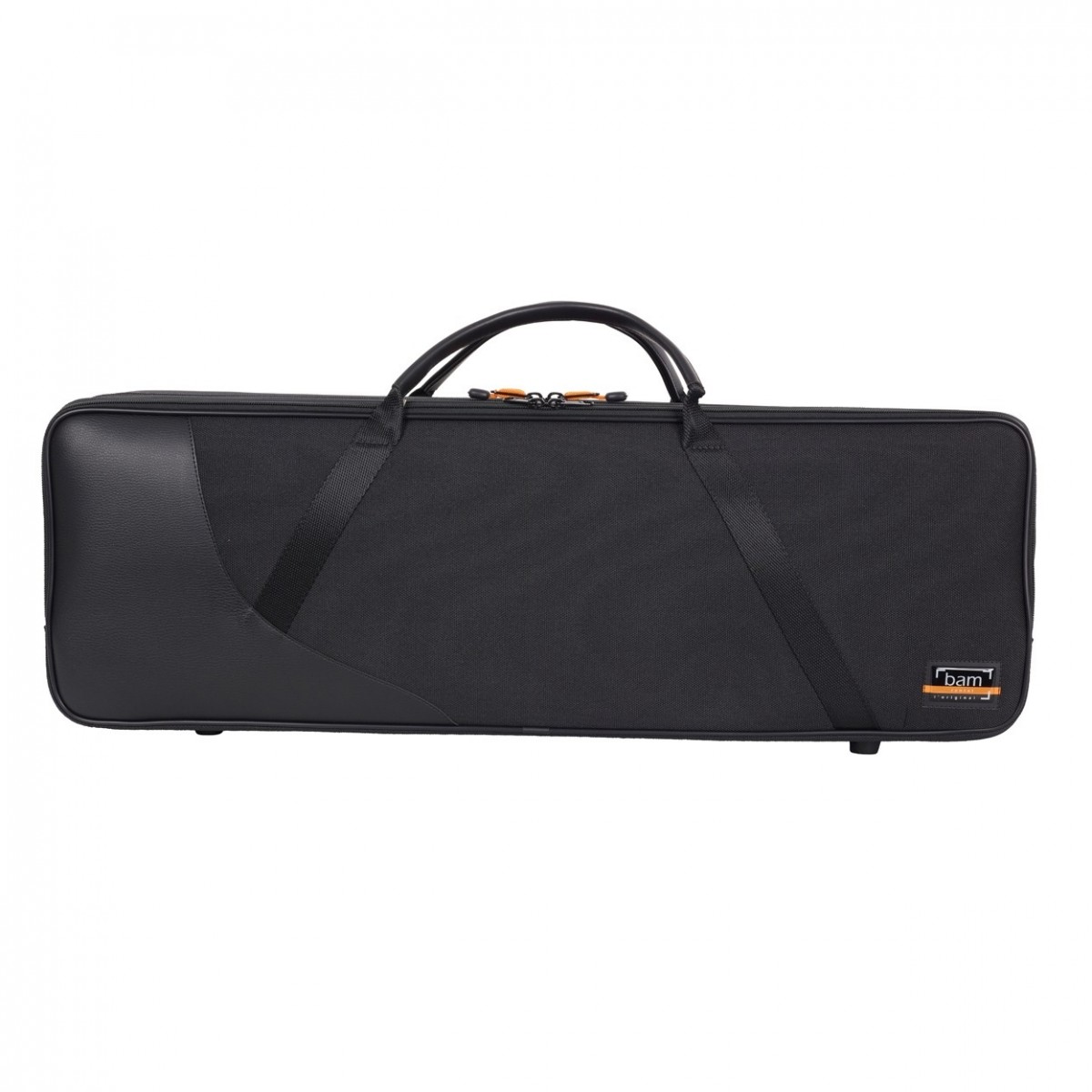
BAM CONS2002SN Conservatoire Violin Case 4/4 Black
 £259.00 ($329)
BAM
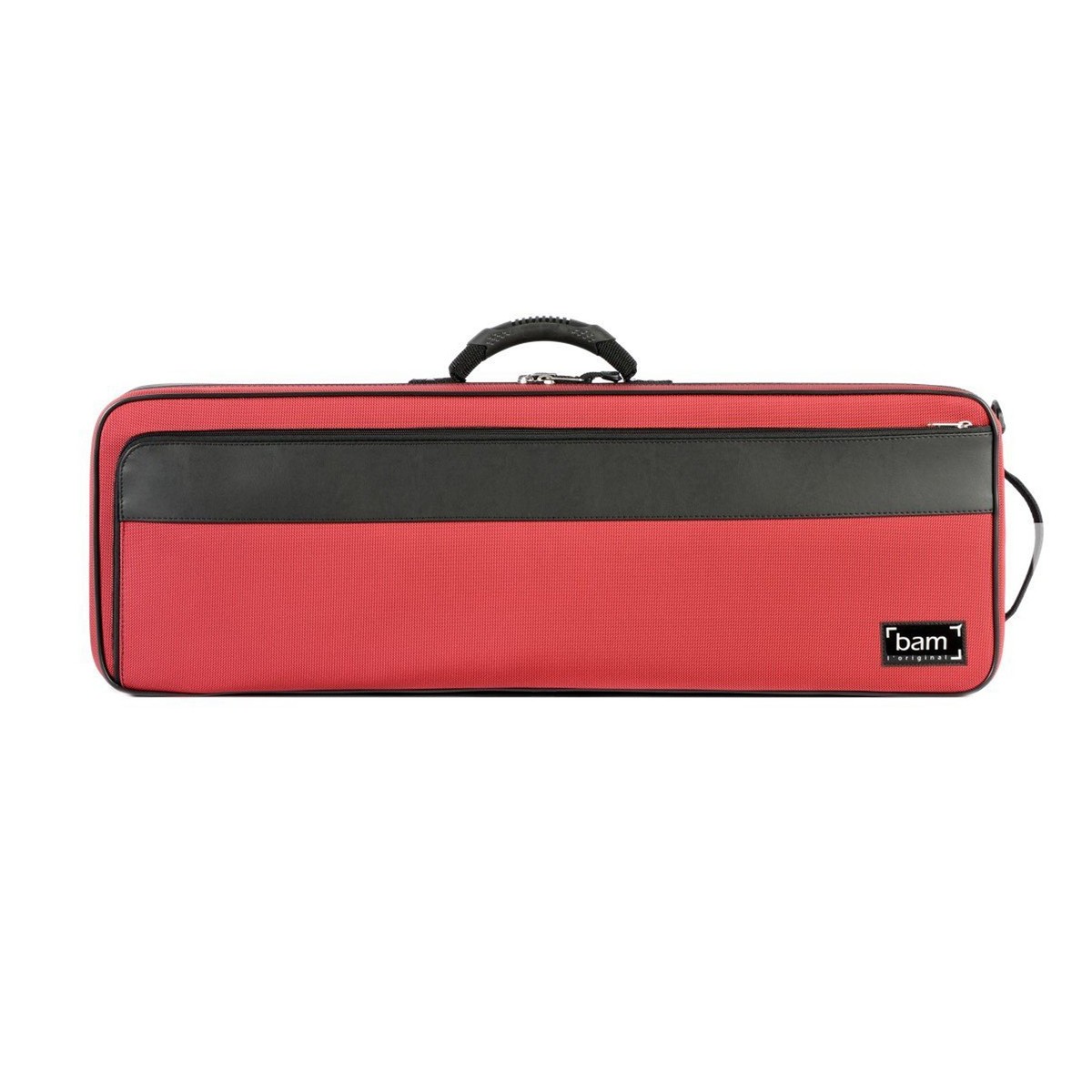
BAM 2002B Artisto Oblong Violin Case Red
 £2,087.00 ($2,650)
BAM
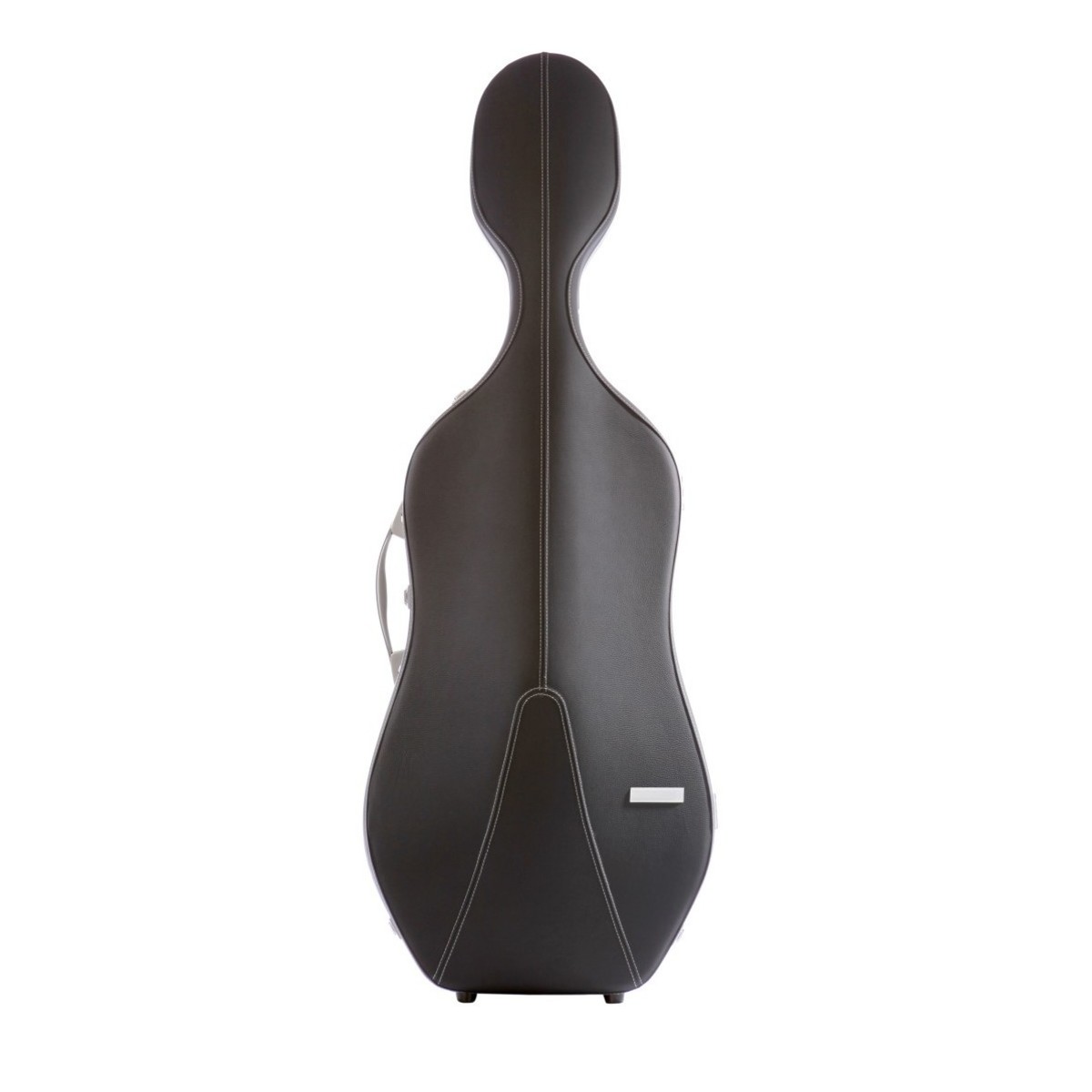
BAM ET1005XL LEtoile Hightech Slim Cello Case Black
 £336.00 ($427)
BAM
BAM TREK3023S New Trekking Single Trumpet Case Brushed Aluminium
 £29.99 ($38)
Gear4Music
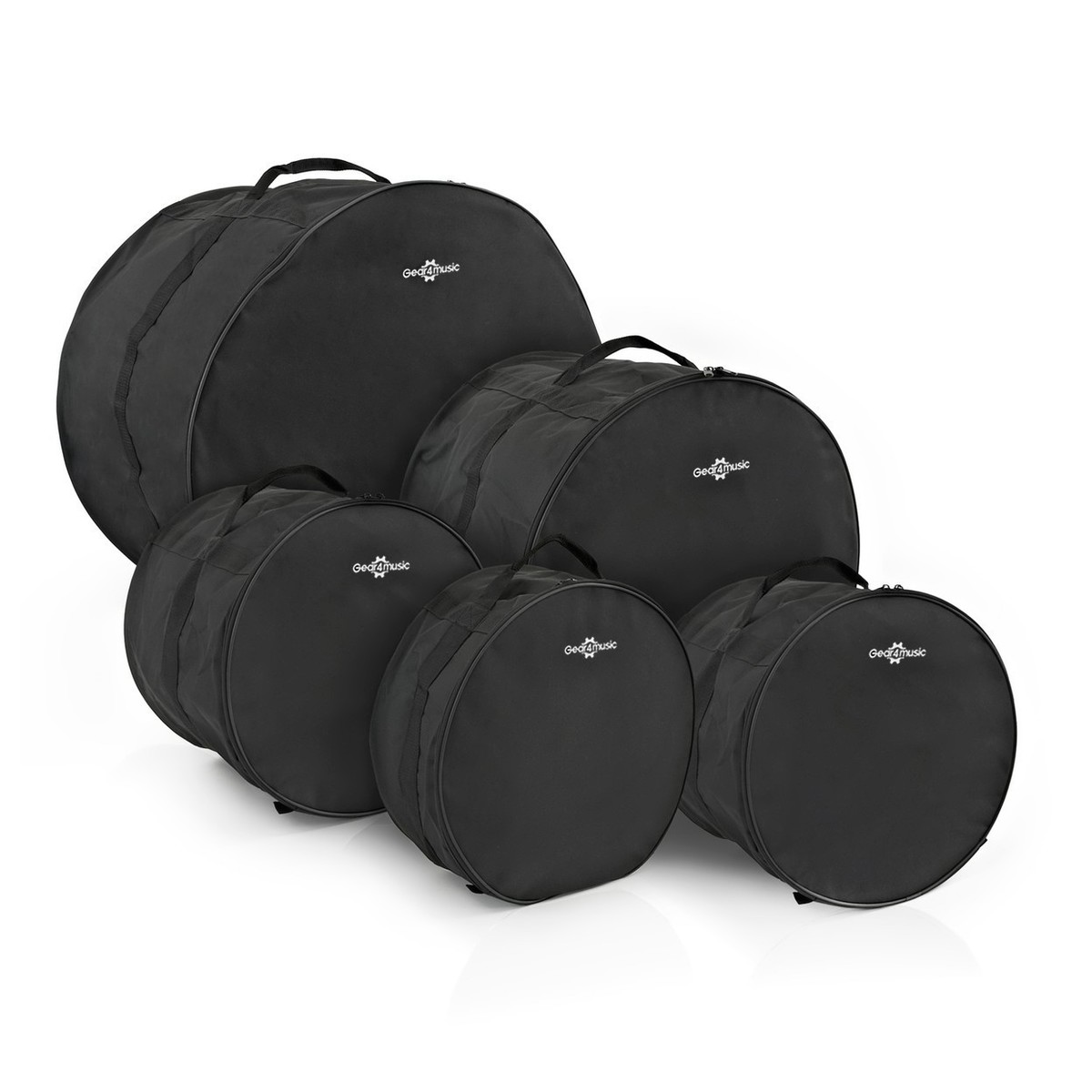
Rock Fusion Drum Bag Set by Gear4music
 £50.20 ($64)
Latin Percussion
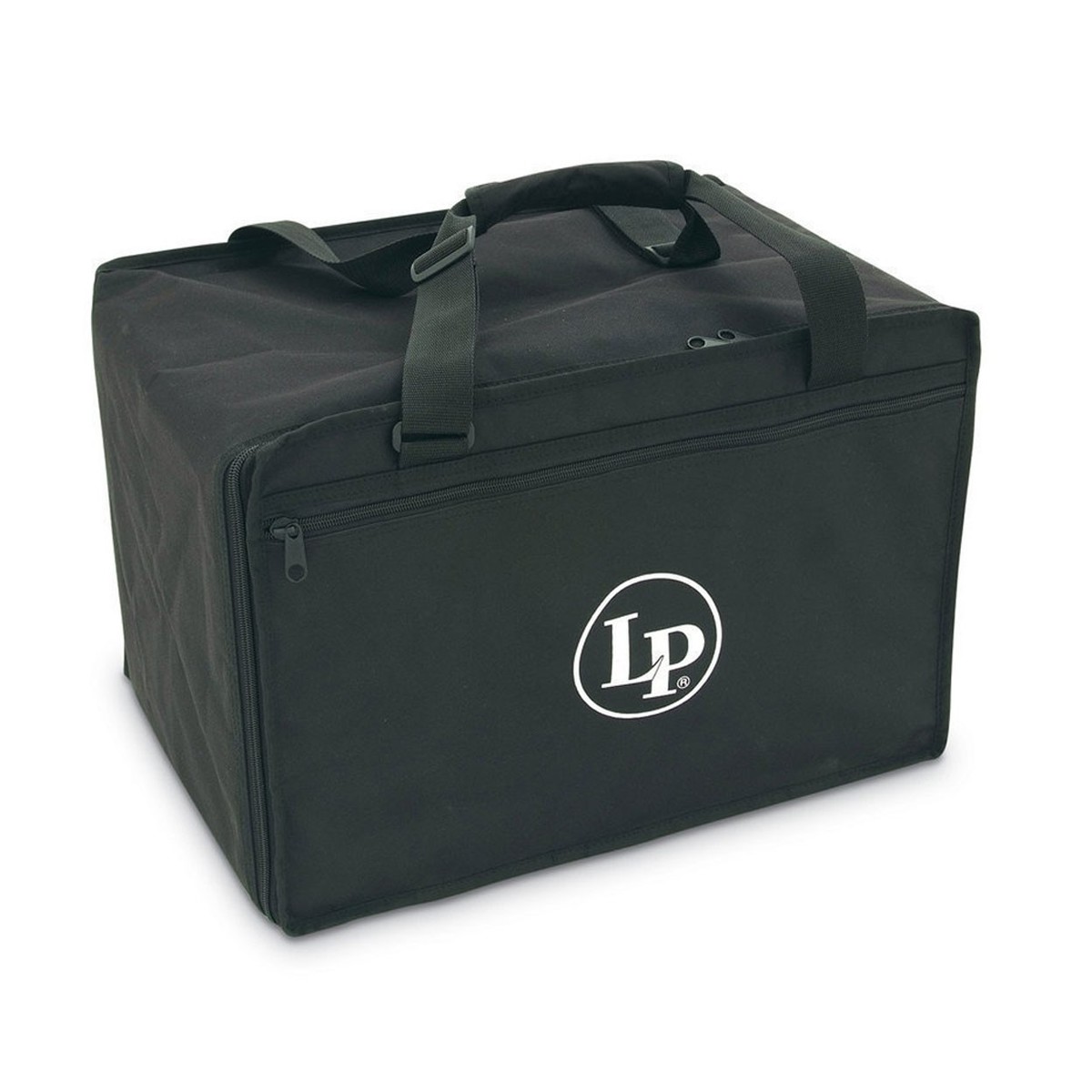
LP Cajon Bag
- £19.99 ($25)
Fender
Fender Vintage Precision Bass Pickup Cover Chrome
 £11.90 ($15)
Gibson
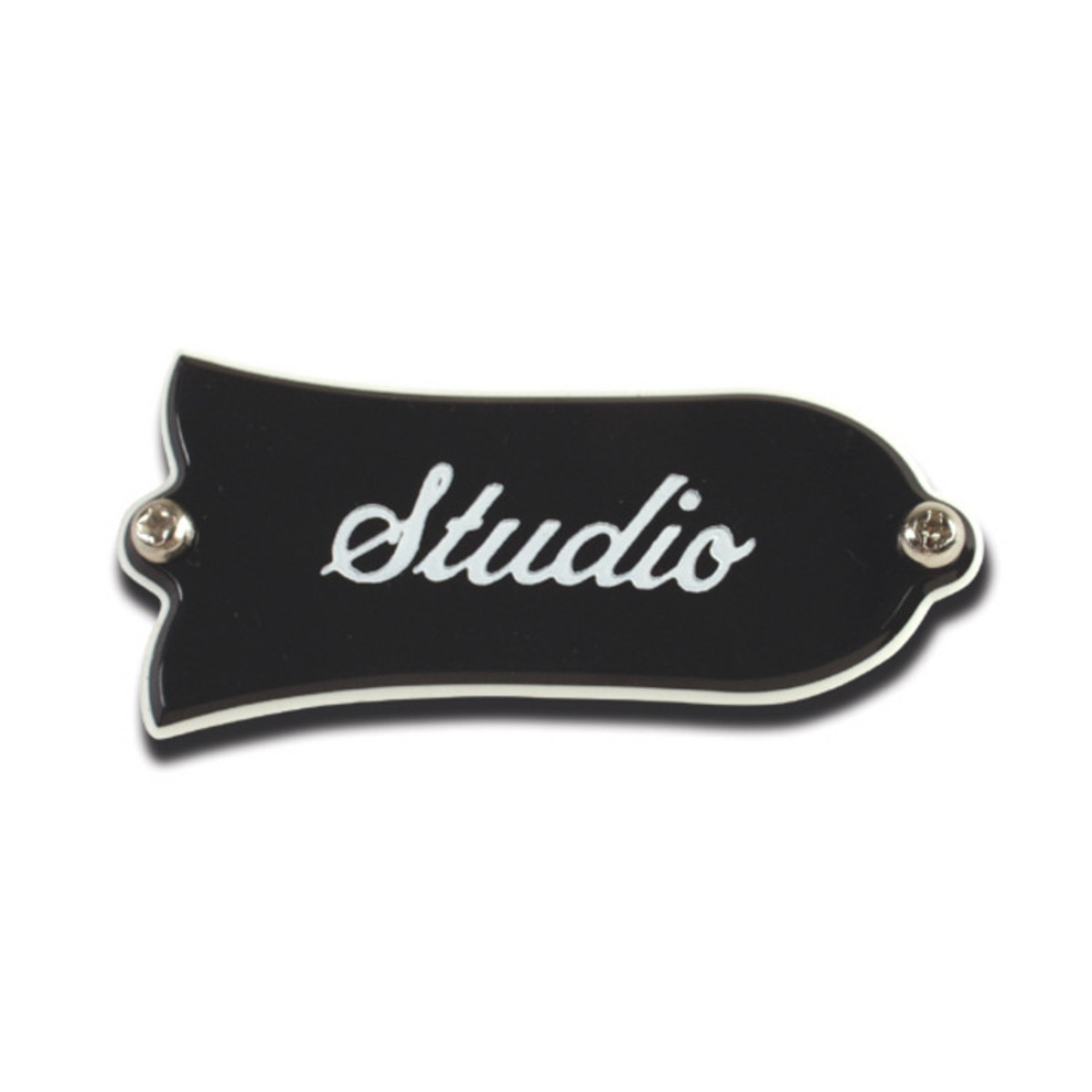
Gibson PRTR-040 Truss Rod Cover Les Paul Studio
Frequently asked questions
- What is the primary purpose of the Rode Dead Mouse Pin?
- The primary purpose is to minimise wind noise when recording with the Rode PinMic in high-wind conditions. It prevents the air from causing distortion or 'thumping' on the microphone capsule.
- Which microphones is the Dead Mouse Pin compatible with?
- It is specifically designed for use with the Rode PinMic. It may not fit other lavalier microphones due to the unique mounting structure of the PinMic system.
- How much does the Rode Dead Mouse Pin typically cost?
- The typical price range for this accessory is approximately £25 in the United Kingdom. Prices may vary slightly depending on the retailer.
- Is the Dead Mouse Pin effective in calm indoor environments?
- While it won't harm the audio, it is unnecessary for indoor use. A standard foam shield is usually preferred indoors as it is more discrete and wind protection is not required.
- Does the windshield significantly muffle the sound?
- No, it is made from acoustically transparent synthetic fur. It is designed to allow sound waves to pass through while only blocking the physical movement of wind.
- How does it attach to the microphone?
- The Dead Mouse Pin is designed to fit securely over the head of the PinMic capsule. It stays in place even when the microphone is pinned through fabric.
- Can it be used in rain?
- While it can withstand light moisture, it is primarily designed for wind. If the fur becomes soaked, it will lose its acoustic transparency and effectiveness, needing to be dried thoroughly.
- How many units are typically included in a pack?
- Standard retail packages usually include one Dead Mouse Pin windshield. Users requiring multiple covers for multi-mic setups would need to purchase them individually.
- What material is used in its construction?
- It is made from high-quality synthetic fur. This material is chosen for its ability to break up wind turbulence without shedding excessively or blocking clear audio.
- How do I clean the Dead Mouse Pin?
- It should be gently brushed with a soft-bristled brush to keep the fibres from matting. If it becomes dirty, it can sometimes be cleaned with a damp cloth and mild air drying, but should not be submerged.
- Is this the same as a DeadCat windshield?
- It is in the same family of 'furry' windshields by Rode, but 'DeadCat' usually refers to larger versions for shotgun microphones. The 'Dead Mouse' terminology is used for these smaller lavalier-sized covers.
- Does it work better than a standard foam windscreen?
- Yes, in high-wind conditions, synthetic fur is significantly more effective than foam at reducing noise. Foam is better suited for low-wind 'plosive' protection (pops from 'P' sounds).