
Gear article
Rode M5 Cardioid Condenser Microphone Matched Pair
The Rode M5 is a matched pair of premium-grade, small-diaphragm cardioid condenser microphones designed for both studio and live sound applications. These 'pencil' style microphones are engineered for high-fidelity capture of acoustic instruments, choirs, and drum overheads with a focus on accuracy and low-noise performance.
See live pricesBackground and Design
The Rode M5 represents the Australian manufacturer's commitment to providing high-quality small-diaphragm condenser (SDC) microphones at an accessible price point. Often referred to as 'pencil' microphones due to their slim, cylindrical form factor, the M5 is sold as a matched pair to ensure consistent stereo imaging. The design focuses on a minimalist aesthetic with a matte black finish, allowing the microphones to remain visually unobtrusive during live performances or video-recorded sessions.
Technical Features
The M5 features a 1/2-inch condenser capsule with a cardioid polar pattern, which helps to isolate the desired sound source while rejecting unwanted off-axis noise. A defining characteristic of the matched pair is the rigorous testing process where the two microphones are selected to ensure there is no more than a 1dB difference in sensitivity between them. This level of consistency is critical for stereo recording techniques such as X-Y or ORTF, where balance between left and right channels is paramount.
Sonic Character
In terms of audio performance, the Rode M5 is characterised by a full frequency response and low self-noise. It is designed to relay every nuance of the source material with a high degree of accuracy. The microphone avoids excessive coloration, making it a reliable choice for capturing the natural timbre of acoustic guitars, pianos, and orchestral strings. Its ability to handle high pressure levels also makes it suitable for use as drum overheads or for capturing choral ensembles.
Suitability and Use Cases
The M5 is particularly well-suited for engineers and home studio users who require a versatile stereo kit. Because of their ultra-discreet design, they are ideal for close-mic applications where larger microphones might be distracting or physically impossible to place. They are equally at home in a professional studio environment or a live venue, providing a simple 'plug-and-play' experience when connected to a mixing desk or audio interface providing phantom power.
Comparison to Alternatives
When compared to other studio condensers, the M5 offers a more compact and specialised stereo solution than larger-diaphragm models like the Neumann TLM 102 or TLM 103. While those microphones excel at vocal duties, the M5's small diaphragm provides a faster transient response better suited for percussion and acoustic instruments. Compared to high-end alternatives like the Neumann KM 185, the Rode M5 provides a more budget-friendly entry point for matched-pair recording without sacrificing the essential requirement of low noise and accurate frequency reproduction.
Related gear
 £39.98 ($51)
SoundMagic
SoundMAGIC E11D In Ear Isolating USB-C Earphones with Mic Silver
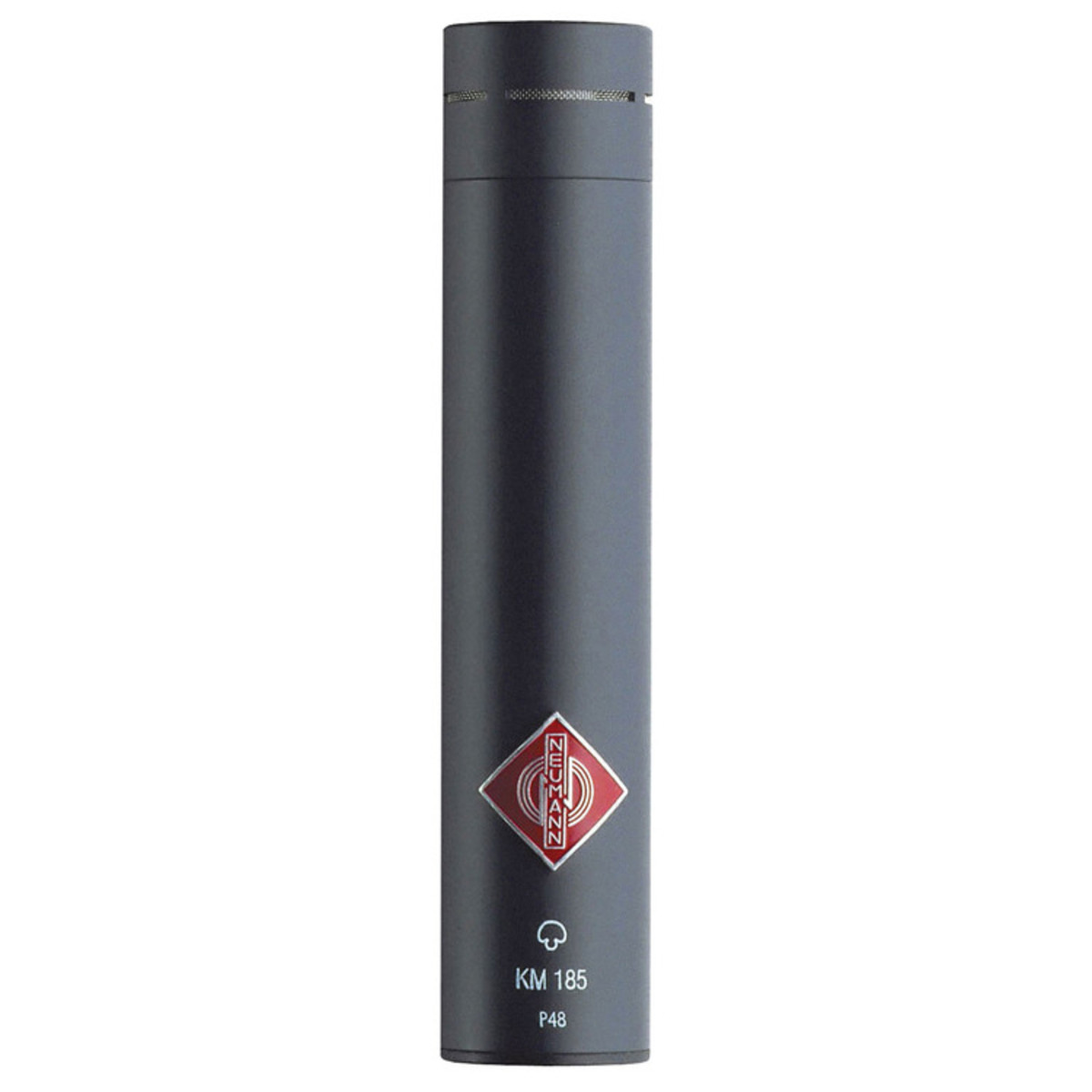 £709.28 ($901)
Neumann
Neumann KM 185 MT Super-Cardioid Compact Condenser Mic Black
 £139.99 ($178)
G4M
G4M Studio Condenser Microphone Home Recording Pack
 £258.50 ($328)
Shure
Shure SM35-XLR Cardioid Condenser Headset Microphone
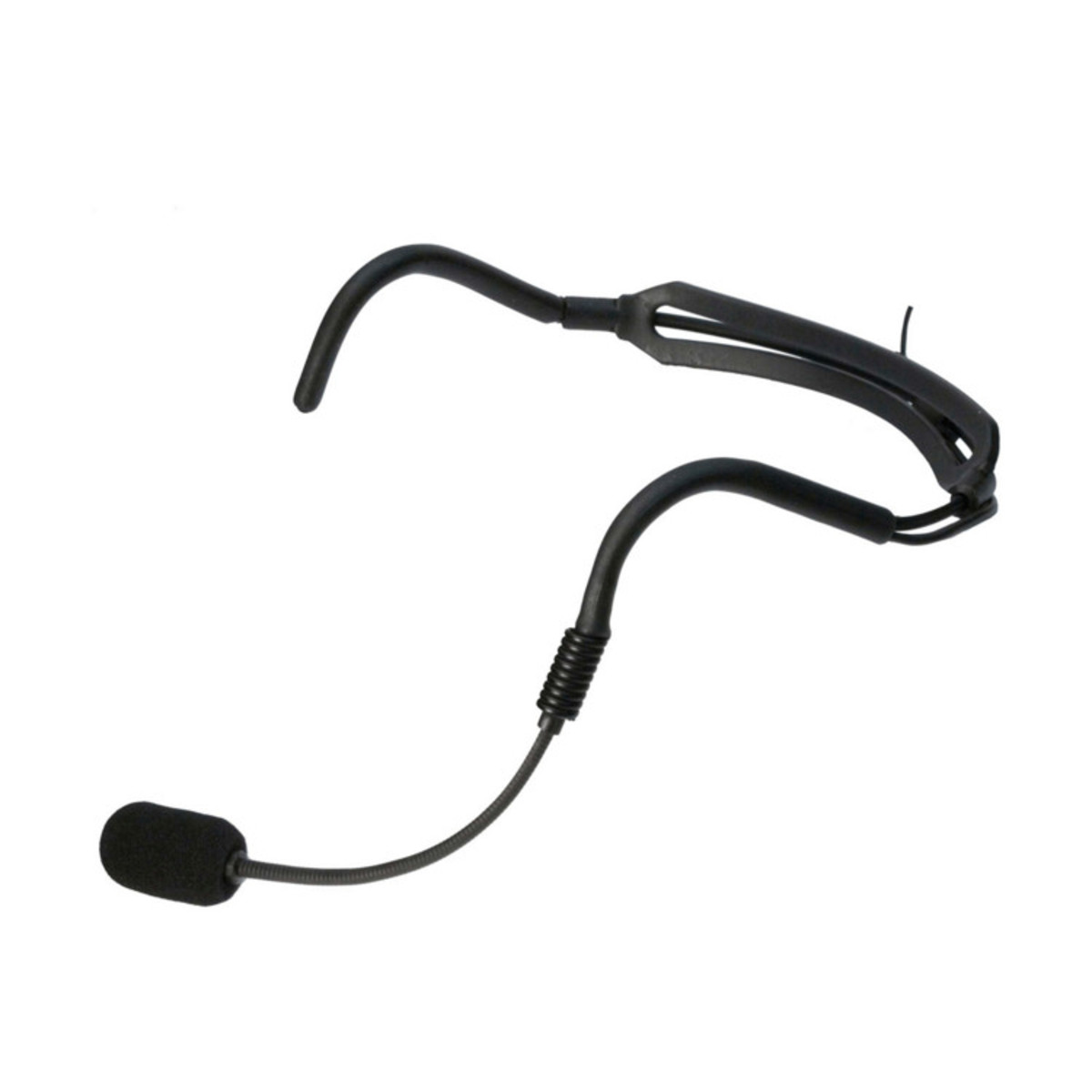 £201.19 ($256)
Audix
Audix HT2 Super Cardioid Headset Condenser Mic With 3 Pin Mini XLR
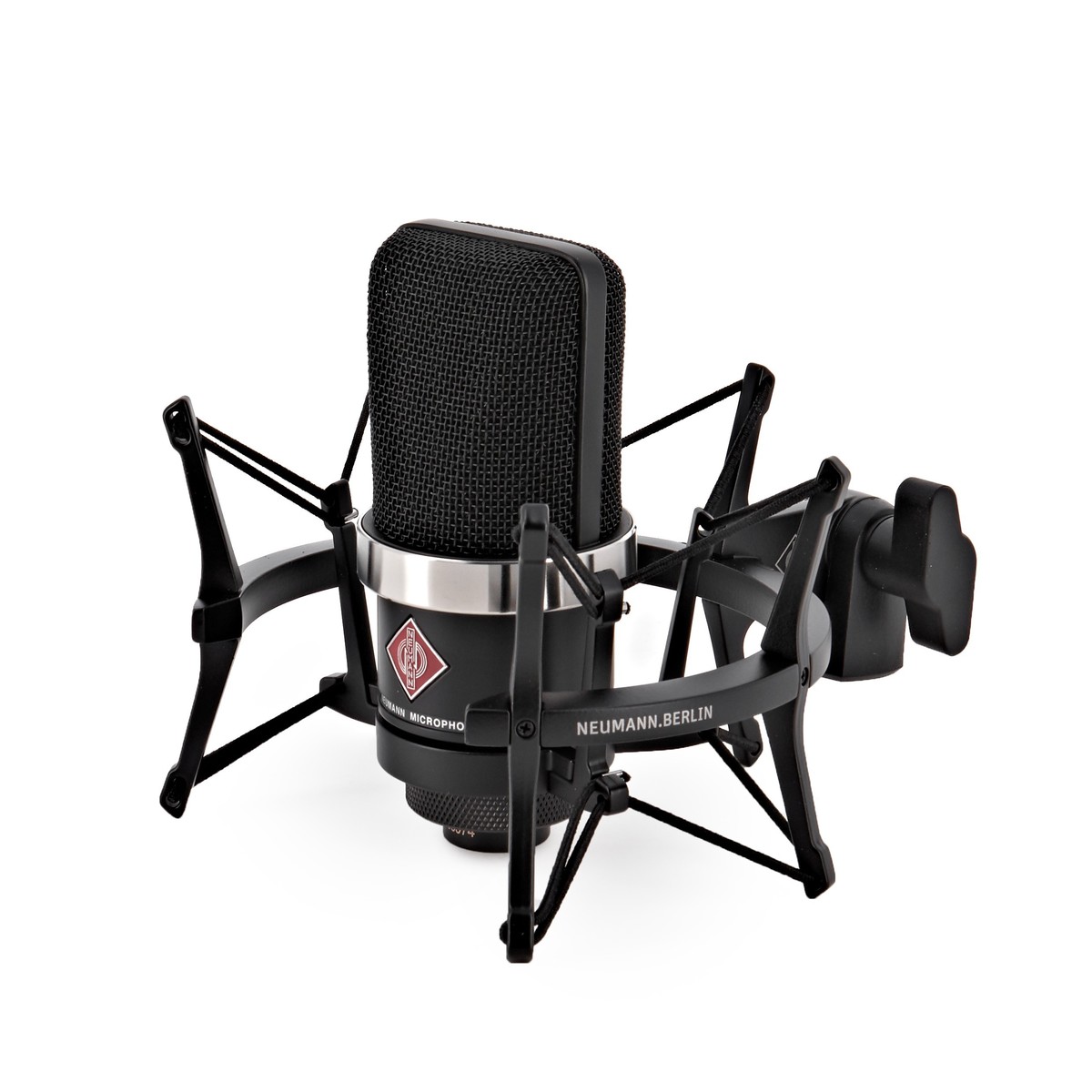 £655.91 ($833)
Neumann
Neumann TLM 102 Microphone Studio Set Black
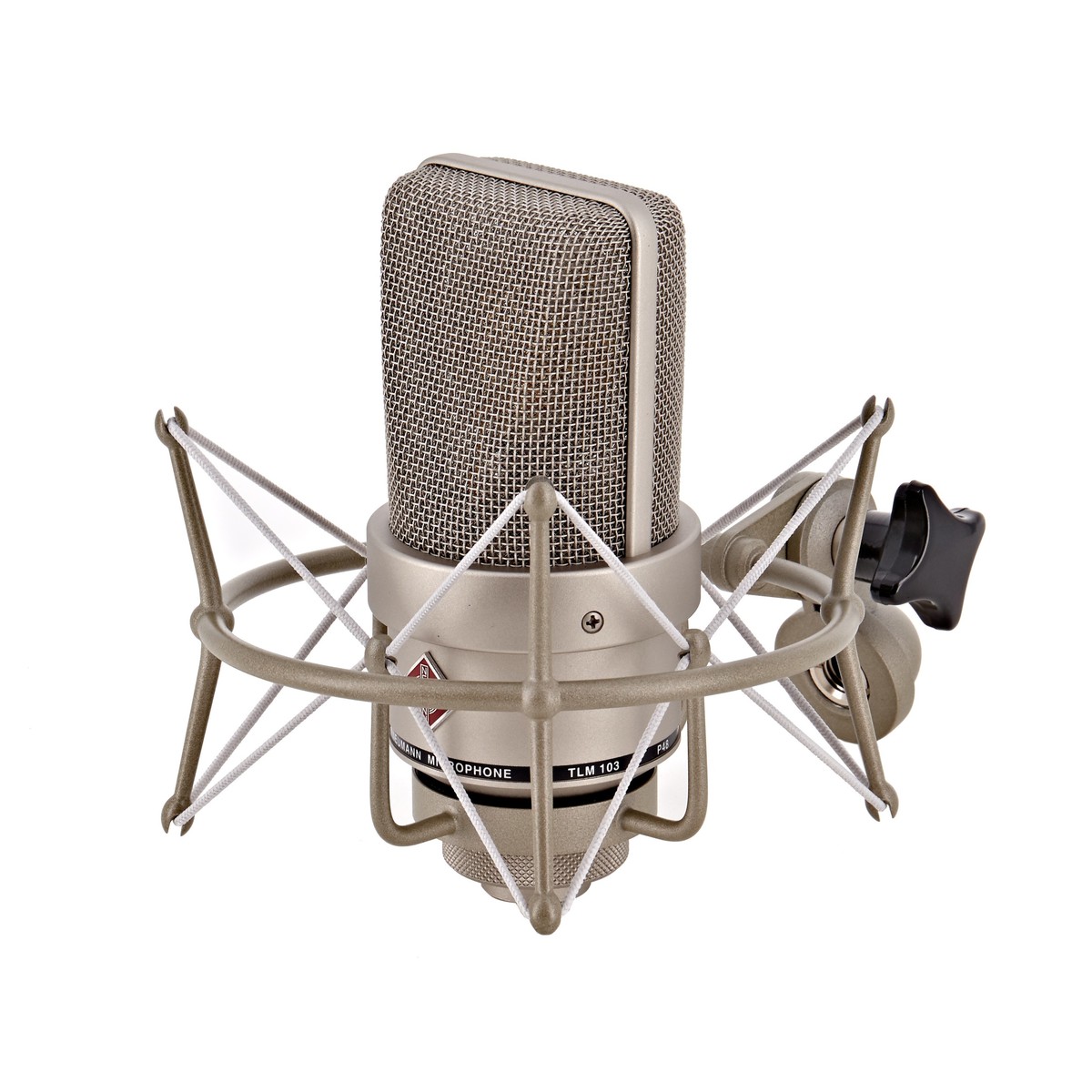 £1,110.08 ($1,410)
Neumann
Neumann TLM 103 Studio Set Microphone Nickel
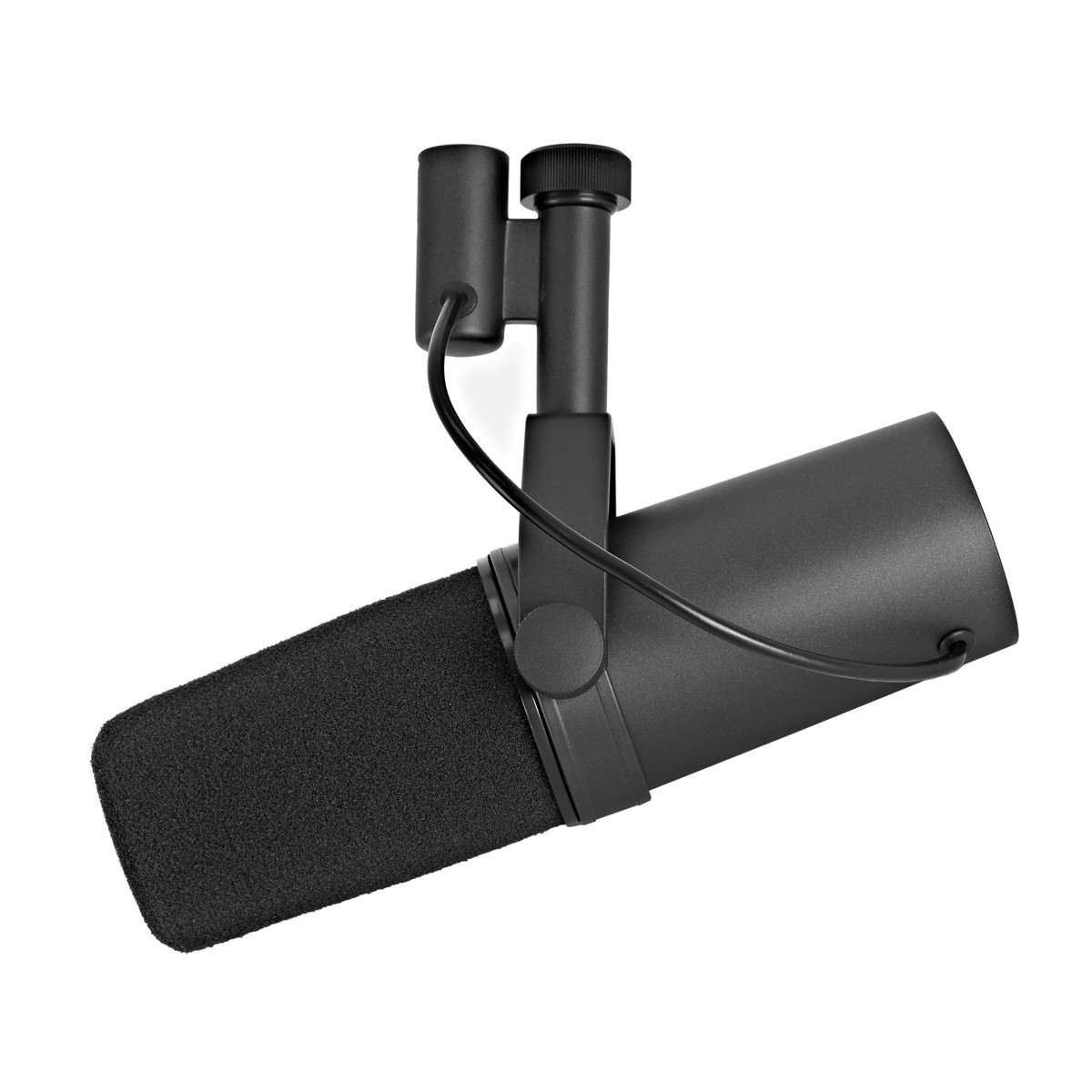 £381.50 ($485)
Shure
Shure SM7B Dynamic Studio Microphone
Frequently asked questions
- What is included in the Rode M5 Matched Pair?
- The package includes two M5 cardioid condenser microphones that have been sonically matched to ensure consistent performance. Typically, accessories like microphone clips and windshields are included to facilitate immediate use in various recording environments.
- What does 'matched pair' actually mean for the M5?
- A matched pair means that Rode has tested these two specific microphones to ensure their sensitivity and frequency response are nearly identical. Specifically, there is no more than a 1dB difference in sensitivity between the two units, ensuring a balanced stereo image.
- Do these microphones require phantom power?
- Yes, as condenser microphones, the Rode M5 pair requires 48V phantom power to operate. This is typically supplied via an XLR cable from an audio interface, a mixing console, or an external power supply.
- Can the Rode M5 be used for recording vocals?
- While the M5 is primarily designed for instruments and choirs, it can be used for vocals in a pinch. However, its small diaphragm and cardioid pattern make it more sensitive to plosives, so a pop filter and careful positioning are highly recommended.
- Are these microphones suitable for live sound?
- Absolutely. Their ultra-discrete design and small footprint make them excellent for live stages where you want to minimise visual clutter. They are commonly used for live drum overheads, acoustic ensembles, and stage choirs.
- What is the polar pattern of the Rode M5?
- The Rode M5 features a cardioid polar pattern. This means it is most sensitive to sound coming from the front and rejects sound from the rear, which helps in reducing feedback and background noise.
- How does the M5 handle high-volume sources like drums?
- The M5 is designed to handle high sound pressure levels, making it an excellent choice for drum overheads or percussion. Its fast transient response allows it to capture the sharp 'attack' of drums accurately.
- What is the typical price range for the M5 Matched Pair?
- The Rode M5 Matched Pair typically retails for approximately £135 (GBP). Prices may vary slightly depending on the retailer and any current promotions or bundles offered.
- Is the Rode M5 better than a Shure SM7B for acoustic guitar?
- The M5 is often preferred for acoustic guitar because its small-diaphragm condenser design captures more high-end detail and 'air' compared to the SM7B dynamic mic. The M5 pair also allows for stereo recording, providing a wider soundstage than a single SM7B.
- How small are the M5 microphones?
- The M5 is a 'pencil' style microphone, meaning it is very slim and relatively short. This 'ultra-discrete' design is intended to prevent 'red light fever' by being less intimidating to performers than large-diaphragm mics.
- Can I buy a single Rode M5 microphone?
- While the M5 is most commonly sold as a matched pair to provide the best value and stereo consistency, you should check specific retailer listings. However, the 'Matched Pair' is the standard configuration for this model.
- What instruments are the Rode M5 best suited for?
- These microphones excel on acoustic guitars, pianos, violins, and other stringed instruments. They are also highly effective for capturing choirs and serving as overheads for drum kits due to their full frequency response.