Gear article
Rode NTG-2 Dual Powered Shotgun Condenser Microphone
The Rode NTG-2 is a versatile shotgun condenser microphone designed for professional film, video, and television applications. It is distinguished by its dual-power capability, allowing it to operate via standard 48V phantom power or a single AA battery, making it a popular choice for DSLR and mobile recording setups.
See live pricesOverview
The Rode NTG-2 is a professional-grade shotgun microphone specifically engineered for high-fidelity audio capture in broadcast and location recording environments. Its primary design goal is to provide directional audio pickup while maintaining a lightweight form factor suitable for mounting on DSLRs and boom poles. The microphone is notable for its 'dual-power' functionality, which addresses a common limitation in field recording where devices may not provide phantom power.
Key Features and Operation
The NTG-2 operates using a condenser transducer that ensures a wide frequency response and detailed sound reproduction.
- Dual Powering: The unit can be powered by a standard 1.5V AA battery or 48V phantom power. This versatility is essential for videographers using cameras that lack professional XLR power outputs.
- Integrated High-Pass Filter: A switchable 80Hz high-pass filter is included to mitigate low-frequency interference, such as traffic rumble or air conditioning noise, at the source.
- Low Handling Noise: The internal design focuses on minimising physical vibration transfer, ensuring signal integrity during active filming sessions.
Sound Character
As a shotgun microphone, the NTG-2 features a highly directional polar pattern designed to capture audio from the front while rejecting sounds from the sides and rear. The condenser element provides a transparency and detail that is typically associated with studio microphones, but adapted for the rigours of location work. When used with the included WSVM windshield, the microphone maintains its clarity while successfully combatting mild wind noise.
Suitability and Use Cases
The Rode NTG-2 is primarily suited for independent filmmakers, news gatherers, and documentarians. Because it can run on internal battery power, it is an ideal match for DSLR users who require higher audio quality than on-board microphones can provide. It is also frequently employed in home recording setups where a directional condenser is needed to isolate a voice from room reflections.
Comparison to Alternatives
Within the professional audio market, the NTG-2 occupies a specific niche between entry-level video mics and high-end studio condensers. Unlike the Shure SM7B, which is a dynamic microphone requiring significant gain and no phantom power, the NTG-2 is a sensitive condenser designed for distance. Compared to super-cardioid mics like the Neumann KM 185, the NTG-2 offers a longer interference tube for greater side-rejection. For users requiring a full studio solution, products like the Neumann TLM 102 or G4M Studio Packs offer different characteristics suited for controlled environments rather than mobile field use.
Related gear
 £39.98 ($51)
SoundMagic
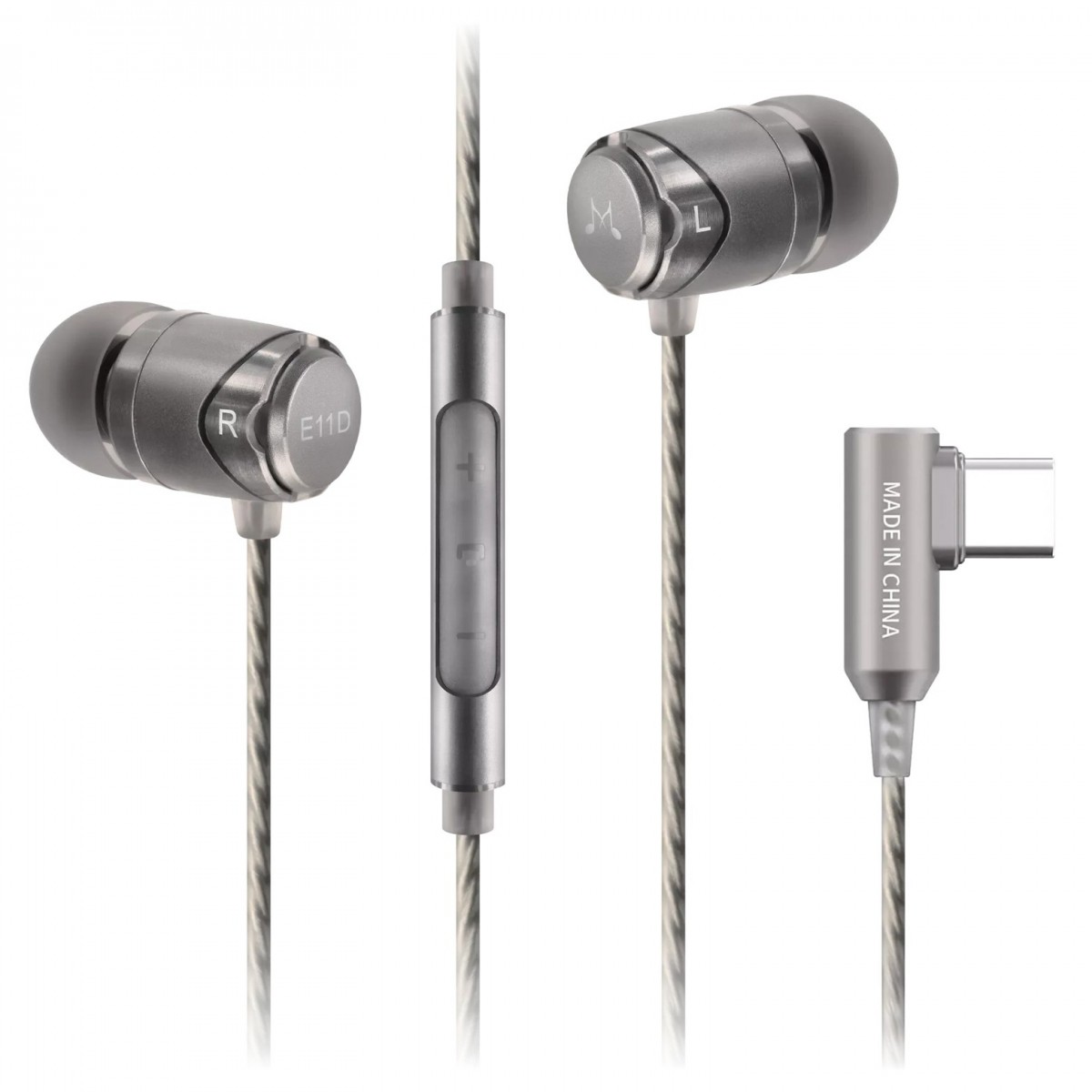
SoundMAGIC E11D In Ear Isolating USB-C Earphones with Mic Silver
 £709.28 ($901)
Neumann
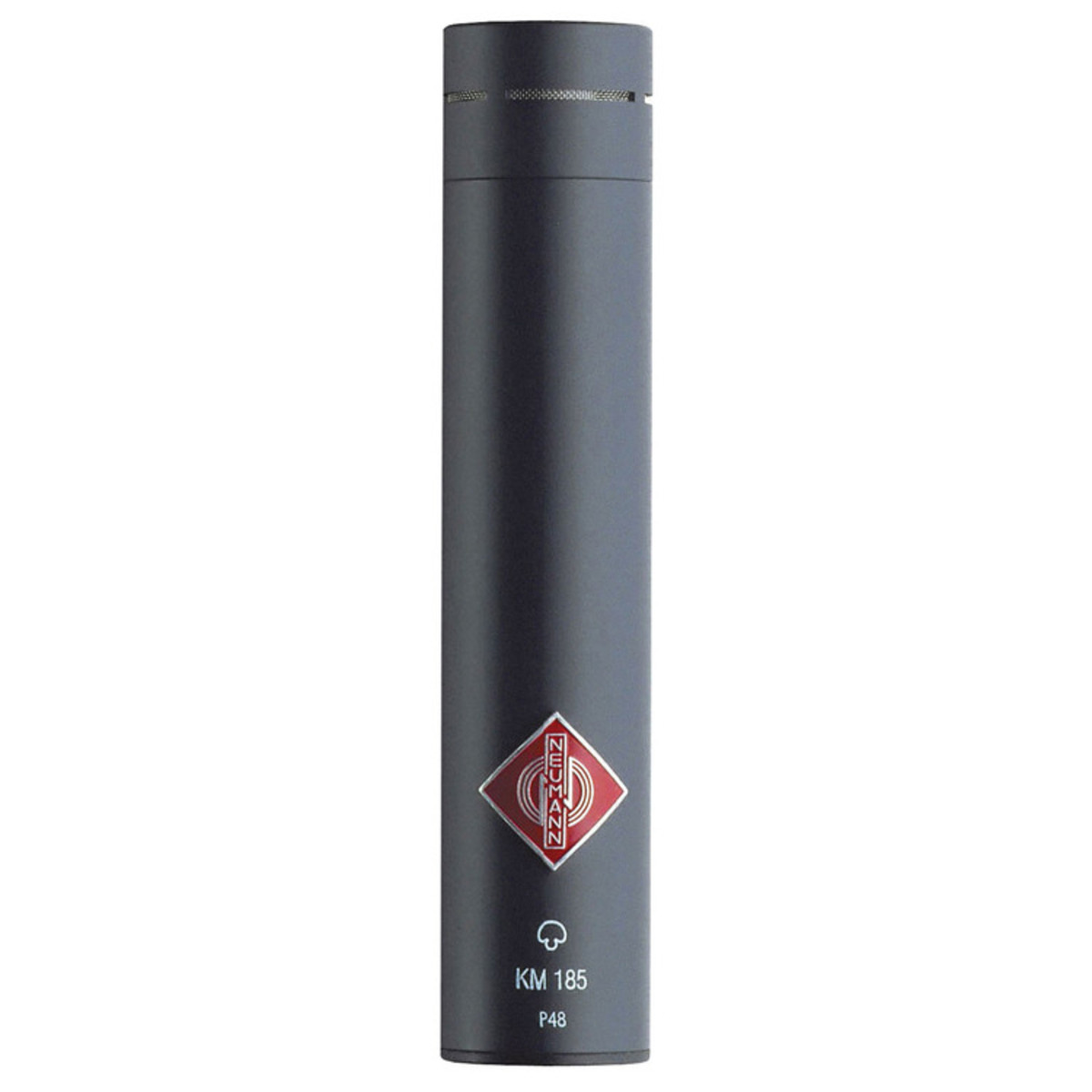
Neumann KM 185 MT Super-Cardioid Compact Condenser Mic Black
 £139.99 ($178)
G4M
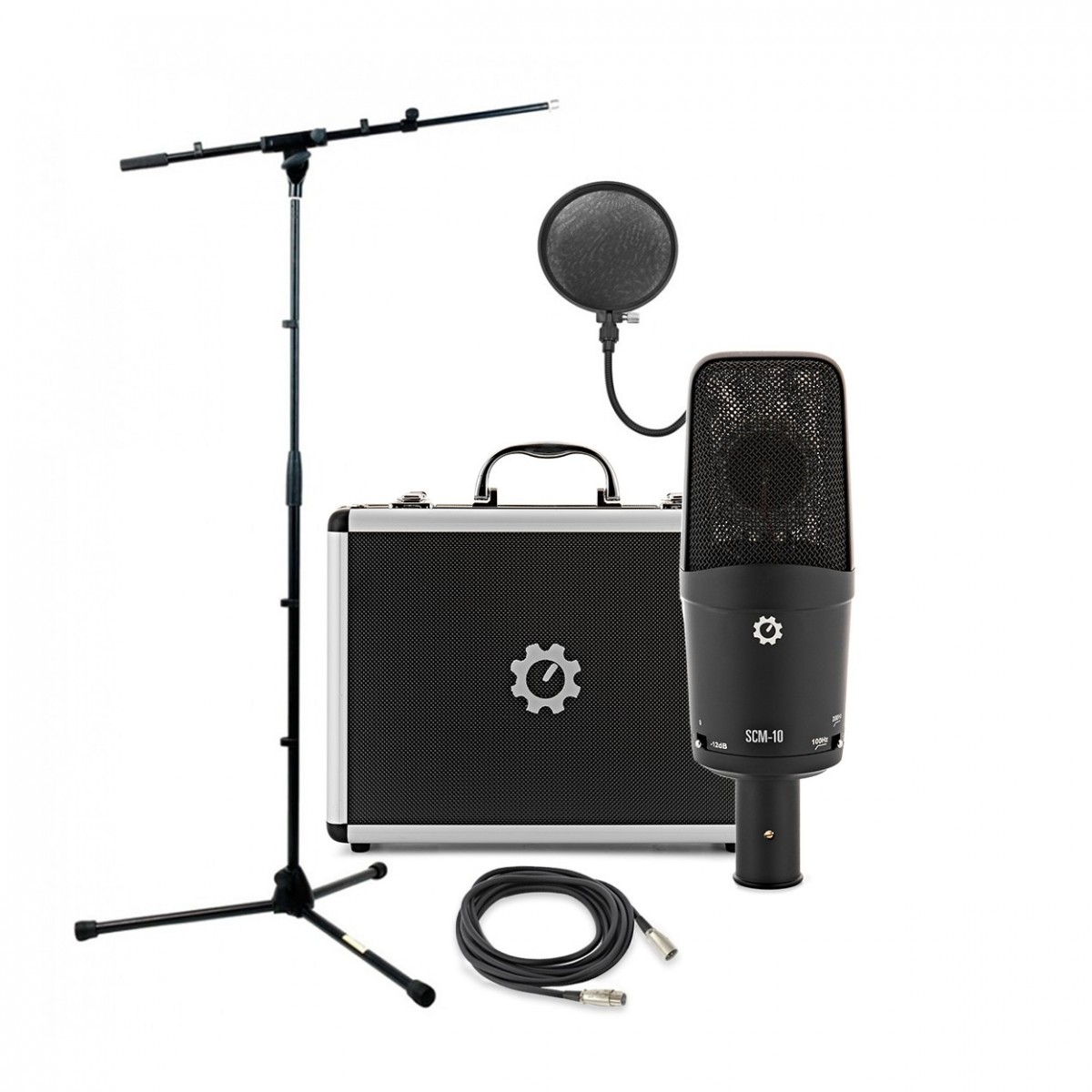
G4M Studio Condenser Microphone Home Recording Pack
 £258.50 ($328)
Shure
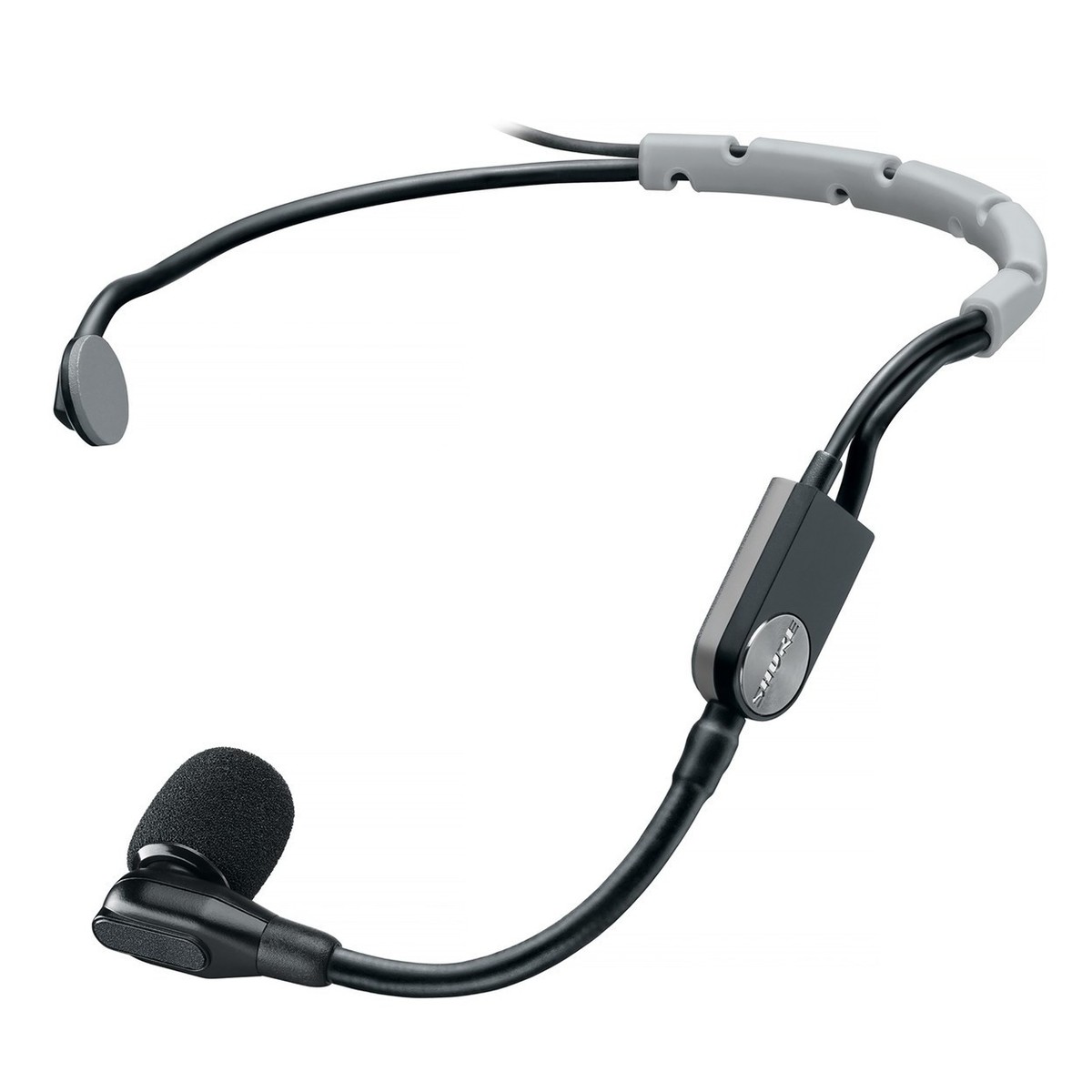
Shure SM35-XLR Cardioid Condenser Headset Microphone
 £201.19 ($256)
Audix
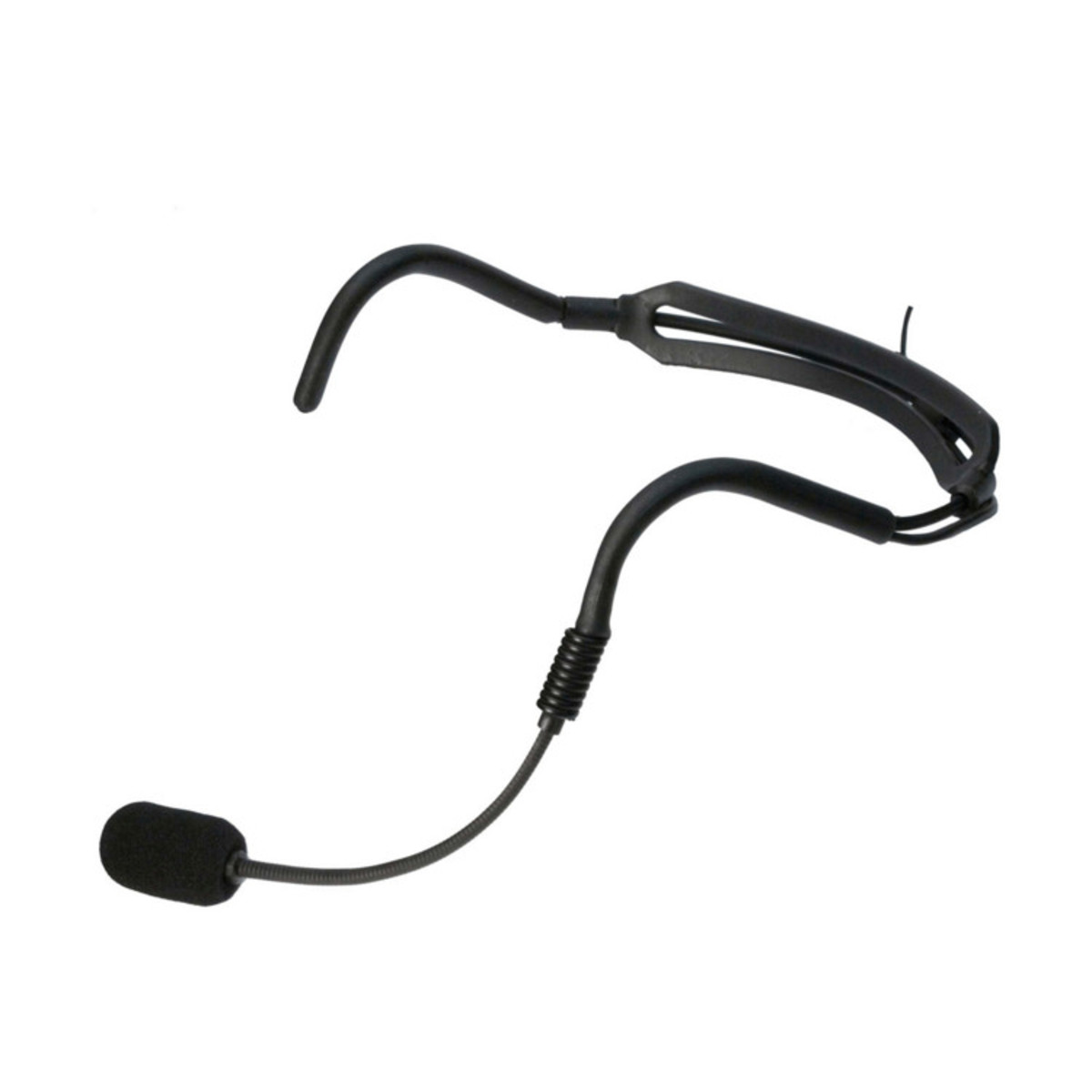
Audix HT2 Super Cardioid Headset Condenser Mic With 3 Pin Mini XLR
 £655.91 ($833)
Neumann
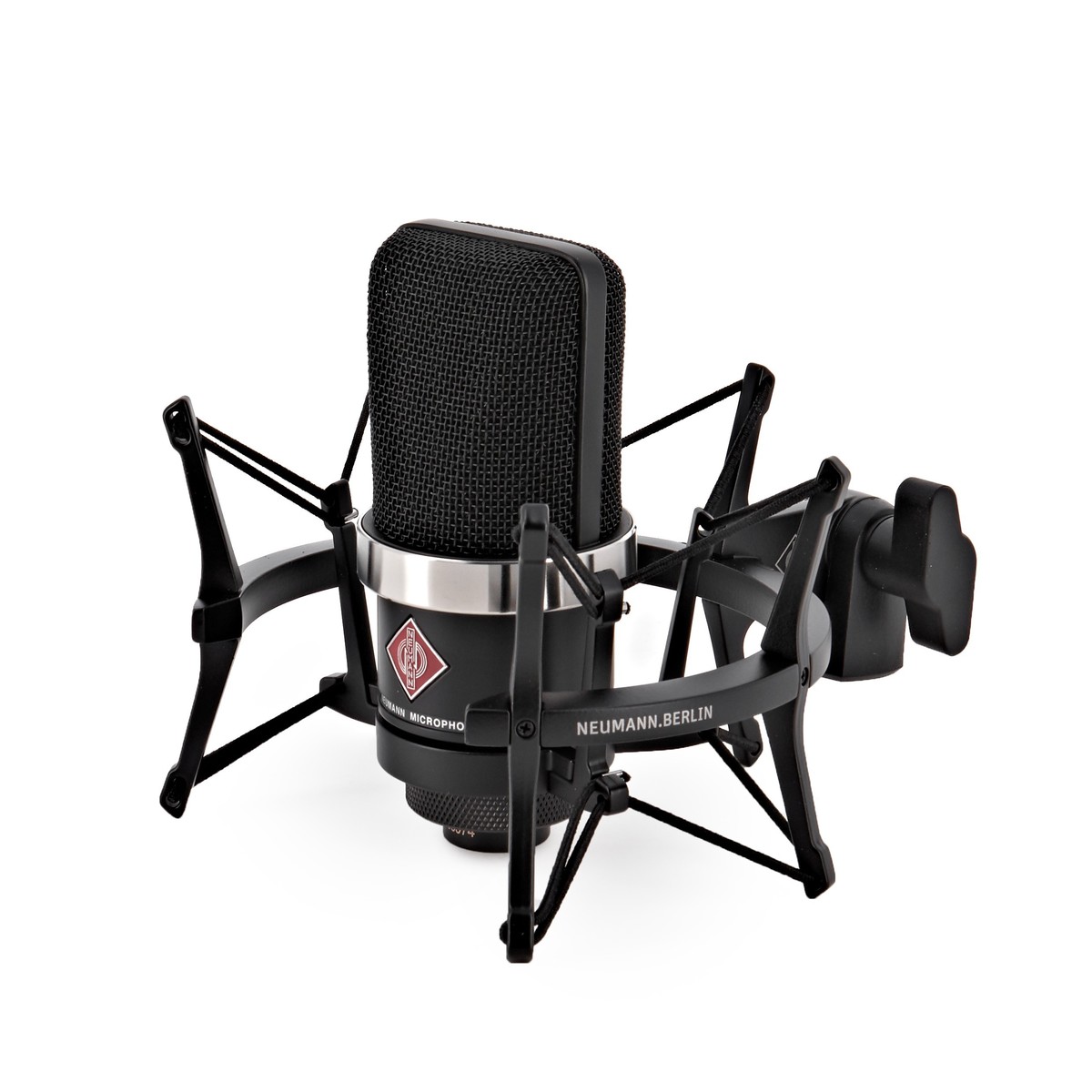
Neumann TLM 102 Microphone Studio Set Black
 £1,110.08 ($1,410)
Neumann
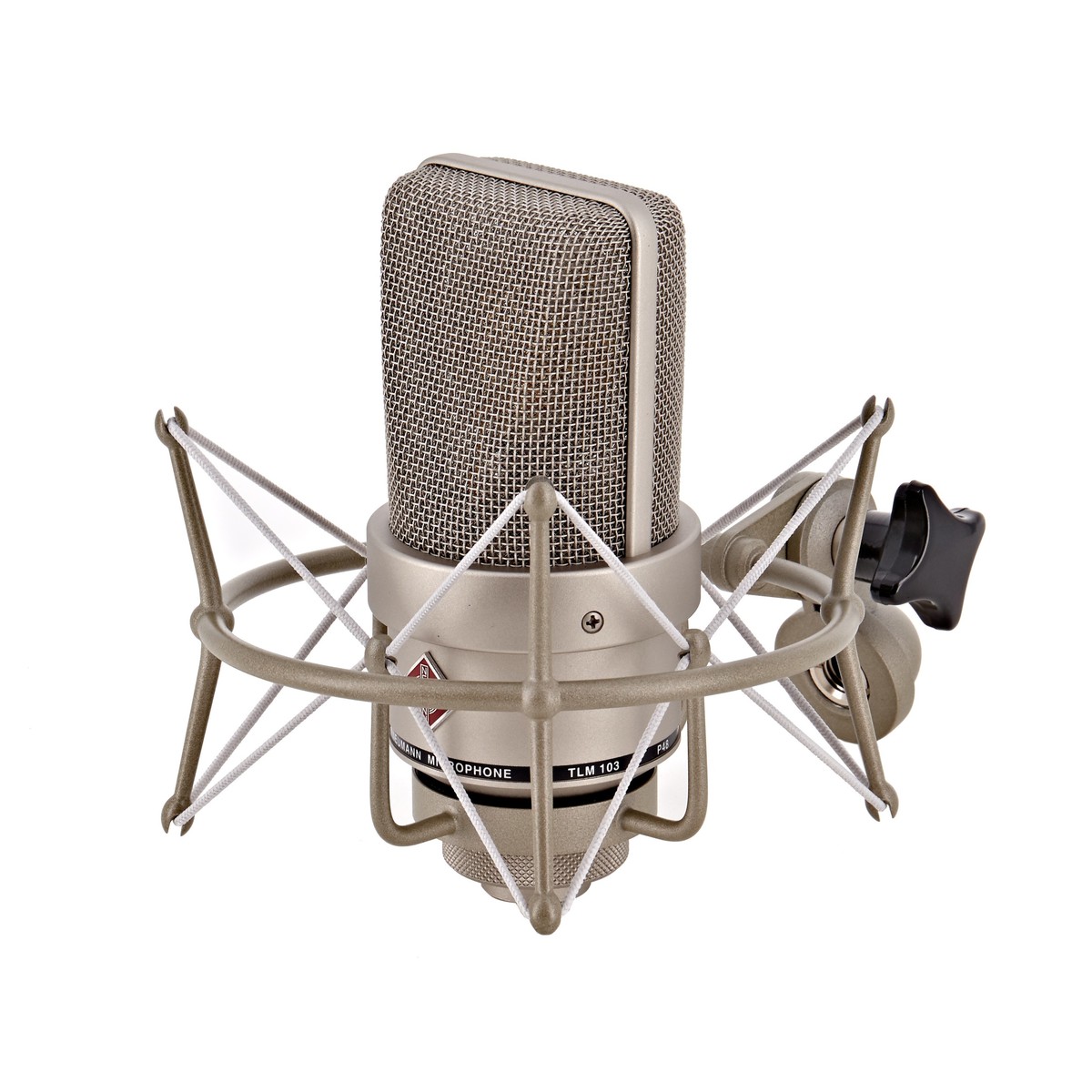
Neumann TLM 103 Studio Set Microphone Nickel
 £381.50 ($485)
Shure
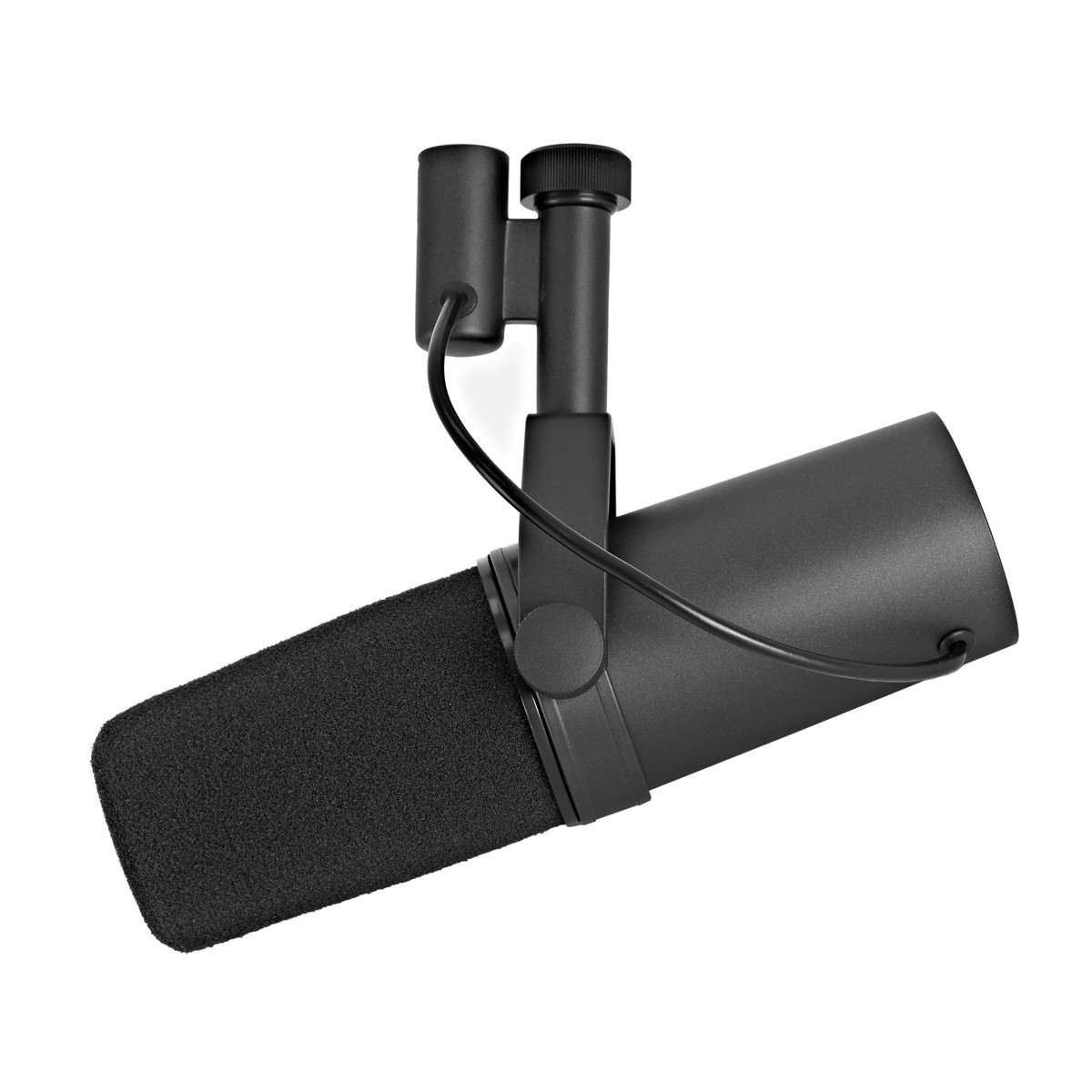
Shure SM7B Dynamic Studio Microphone
Frequently asked questions
- What is the primary power source for the Rode NTG-2?
- The Rode NTG-2 can be powered by either 48V phantom power or a single 1.5V AA battery. This allows it to be used with a wide variety of recording equipment, including cameras that do not provide power.
- Can the NTG-2 be used with a DSLR camera?
- Yes, the NTG-2 is specifically designed for use with DSLRs and professional-grade cameras. Its ability to run on a battery makes it compatible with cameras that have 3.5mm inputs via a proper adapter cable.
- What is included in the box with the Rode NTG-2?
- The microphone comes complete with a WSVM windshield. This accessory is designed to help combat wind noise during outdoor filming and reduce plosives during close-up recording.
- Does the NTG-2 have a high-pass filter?
- Yes, it features an integrated high-pass filter set at 80Hz. This can be toggled to minimise unwanted low-end noise from sources like traffic, fans, or mechanical vibration.
- How does the NTG-2 handle physical movement?
- The microphone boasts low-handling noise, which is critical for signal integrity. This design helps prevent the sound of hand movements or boom pole adjustments from being picked up by the capsule.
- Is the NTG-2 a dynamic or condenser microphone?
- The Rode NTG-2 is a condenser microphone. It uses a condenser transducer to deliver a wide frequency response and capture audio in high detail.
- What is the typical price range for the Rode NTG-2?
- The typical price for this microphone is approximately GBP 565, positioned as a professional-grade audio tool.
- What is the purpose of the shotgun design?
- The shotgun design uses an interference tube to provide high directionality. It captures sound directly in front of the microphone while rejecting noise from the sides and rear.
- How does the NTG-2 compare to the Shure SM7B?
- The NTG-2 is a directional shotgun condenser meant for location video, whereas the SM7B is a dynamic studio microphone typically used for broadcasting and vocals in treated rooms.
- Can I use the NTG-2 for studio recording?
- While designed for video, its high-quality condenser transducer makes it suitable for studio applications where high directionality is needed to reject room noise.
- Is a battery required if I am using phantom power?
- No, the battery is not required if the microphone is receiving 48V phantom power from an external source like a mixer or audio interface.
- What frequency response does the NTG-2 offer?
- The NTG-2 provides a wide frequency response that captures audio sources in immense detail across the audible spectrum, suitable for professional broadcast.