Gear article
Rode Procaster Dynamic Broadcast Microphone
The Rode Procaster is a professional-grade dynamic microphone designed specifically for broadcast, podcasting, and voiceover applications. It features a tailored frequency response and internal pop filtering to provide a rich, full-bodied vocal sound while maintaining high levels of ambient noise rejection.
See live pricesOverview
The Rode Procaster is a large-diaphragm dynamic microphone engineered to deliver broadcast-quality audio at a competitive price point. While many studio microphones are sensitive condensers that require controlled environments, the Procaster is designed to flatter the human voice while remaining resilient to the acoustic challenges of home studios and streaming setups. Its sleek, robust design ensures durability in professional environments.
Design and Key Features
The microphone is built with a heavy-duty metal chassis, reflecting its purpose as a long-term studio workhorse. A standout internal feature is its integrated pop filter, which is specifically designed to minimise plosives (such as 'p' and 'b' sounds) and sibilance. This improves overall speech intelligibility without the immediate need for external foam covers or mesh screens. The Procaster utilizes a tight cardioid polar pattern, which helps in isolating the voice from background noise, such as keyboard clicks or computer fans.
Sound Character
The Procaster provides a rich and natural tonality that is tailored for the human voice. It delivers a full-bodied sound that mimics the 'radio voice' aesthetic often found in high-end broadcast facilities. Because it is a dynamic microphone, it handles high sound pressure levels with ease and offers a frequency response that emphasizes vocal clarity and warmth across various voice types.
Comparative Analysis
When compared to high-end industry standards like the Shure SM7B or the Neumann TLM 103, the Procaster offers a more accessible entry point for aspiring creatives. While the Neumann TLM 102 and TLM 103 are condenser microphones providing high sensitivity, the dynamic nature of the Procaster makes it more forgiving in untreated rooms. It serves as a dedicated broadcast alternative to general-purpose microphones like the Audix HT2 or the G4M Studio Condenser, providing a specialized focus on spoken word applications.
Related gear
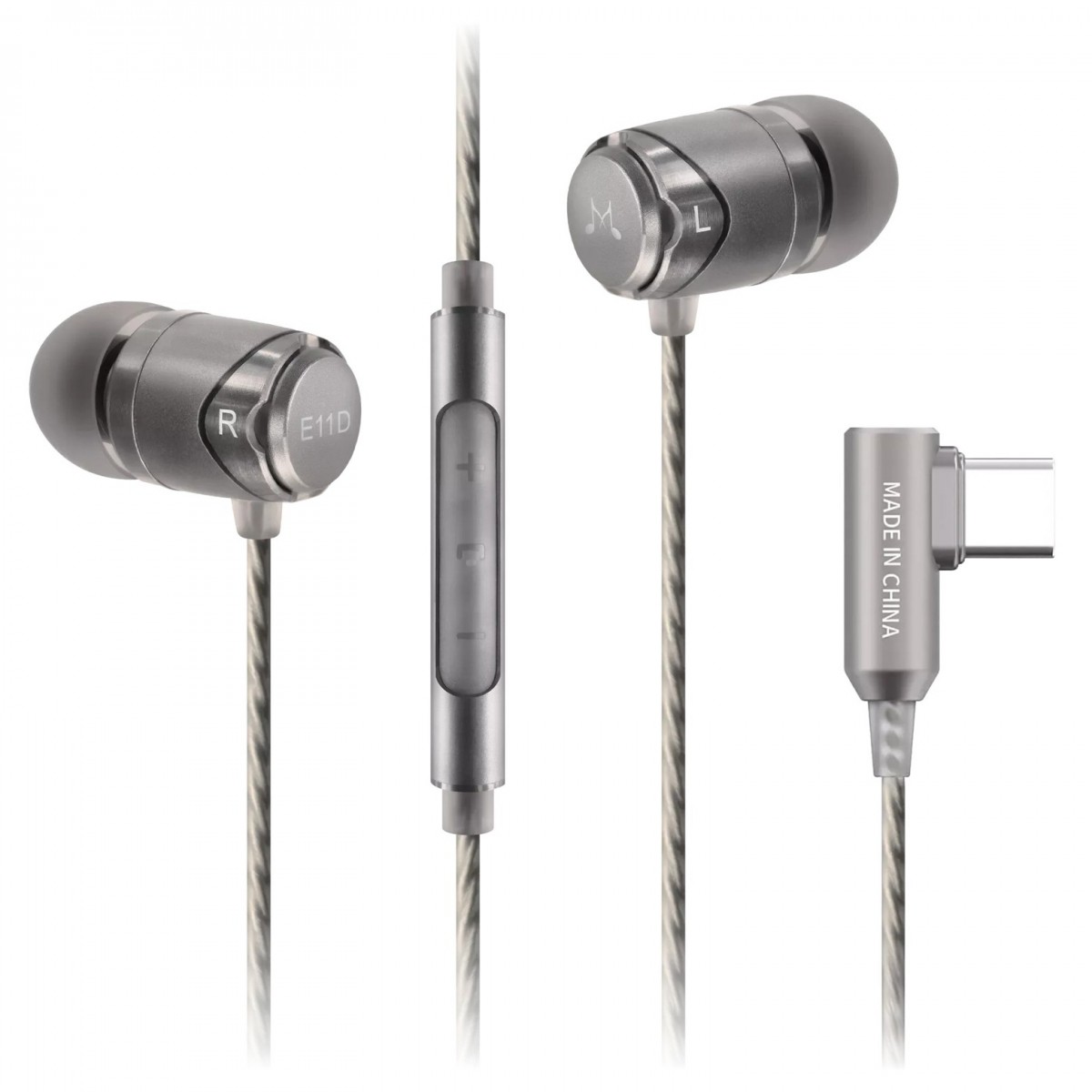 £39.98 ($51)
SoundMagic
SoundMAGIC E11D In Ear Isolating USB-C Earphones with Mic Silver
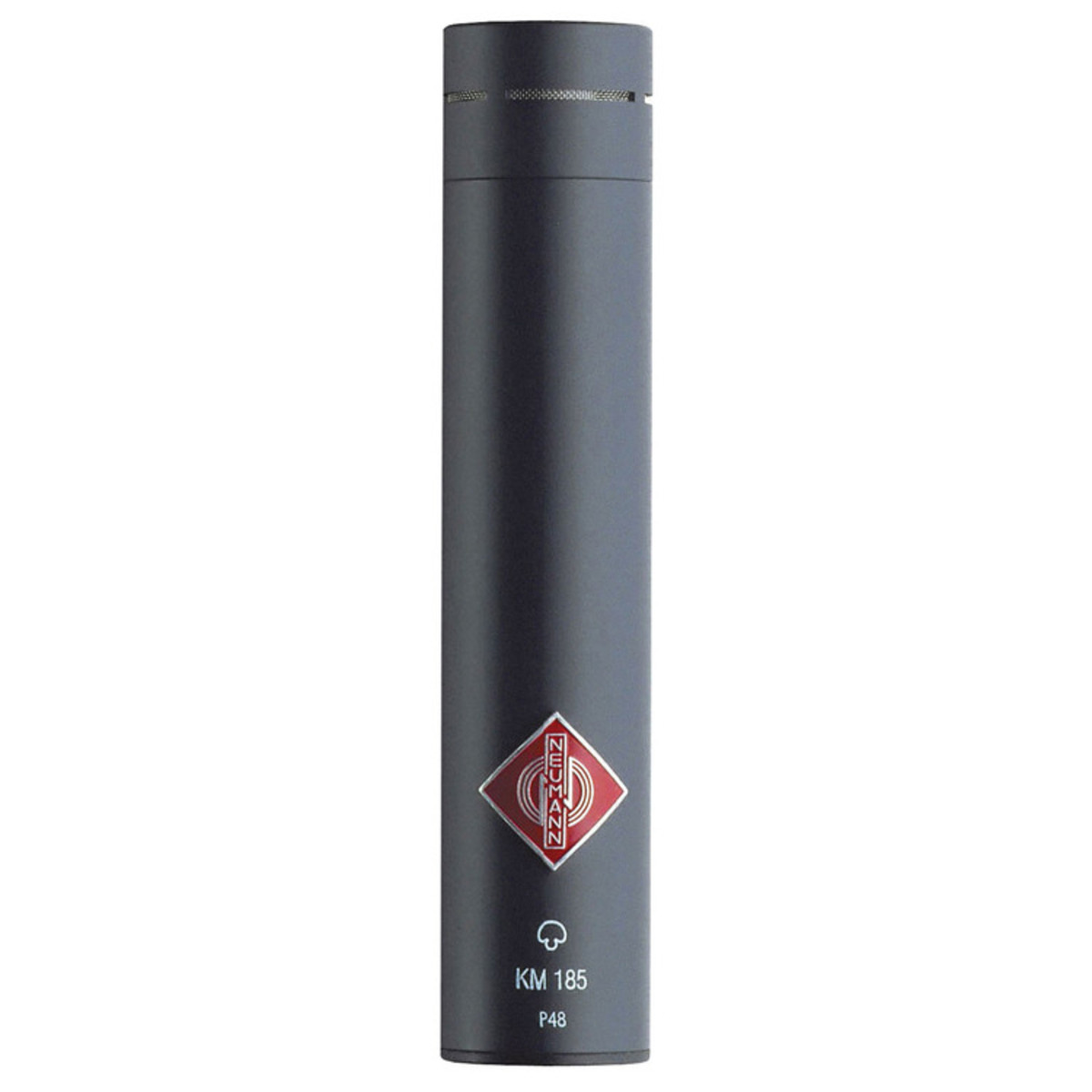 £709.28 ($901)
Neumann
Neumann KM 185 MT Super-Cardioid Compact Condenser Mic Black
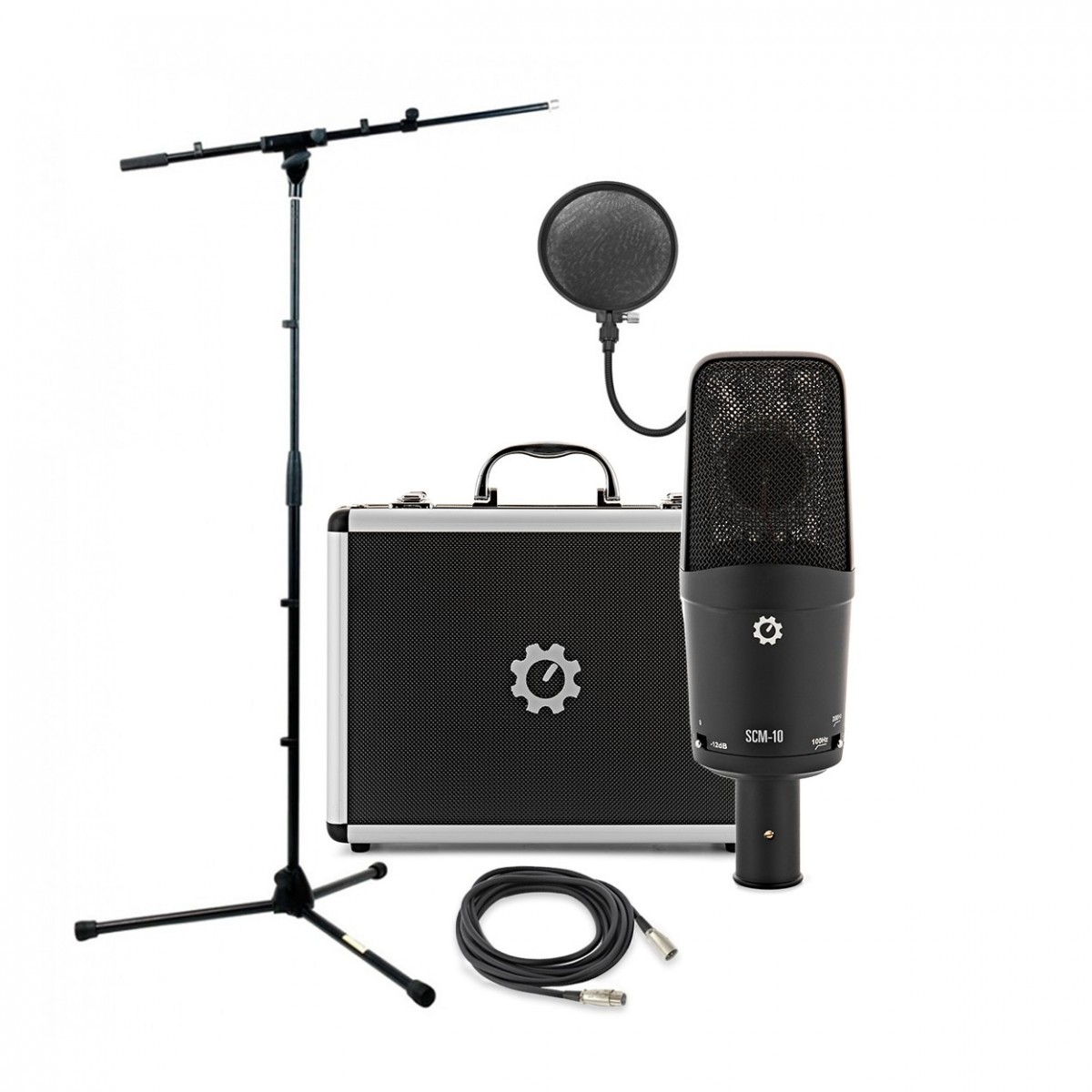 £139.99 ($178)
G4M
G4M Studio Condenser Microphone Home Recording Pack
 £258.50 ($328)
Shure
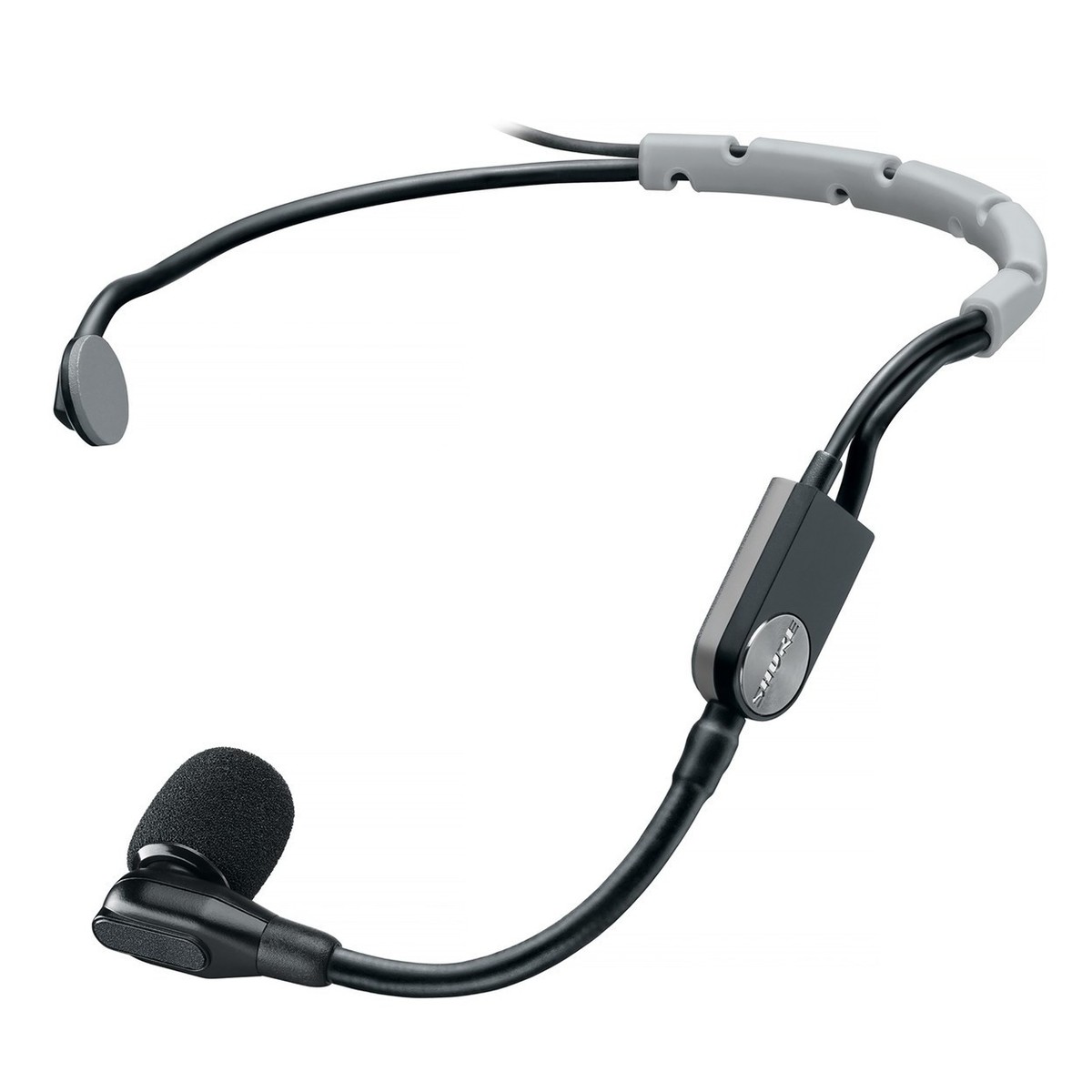
Shure SM35-XLR Cardioid Condenser Headset Microphone
 £201.19 ($256)
Audix
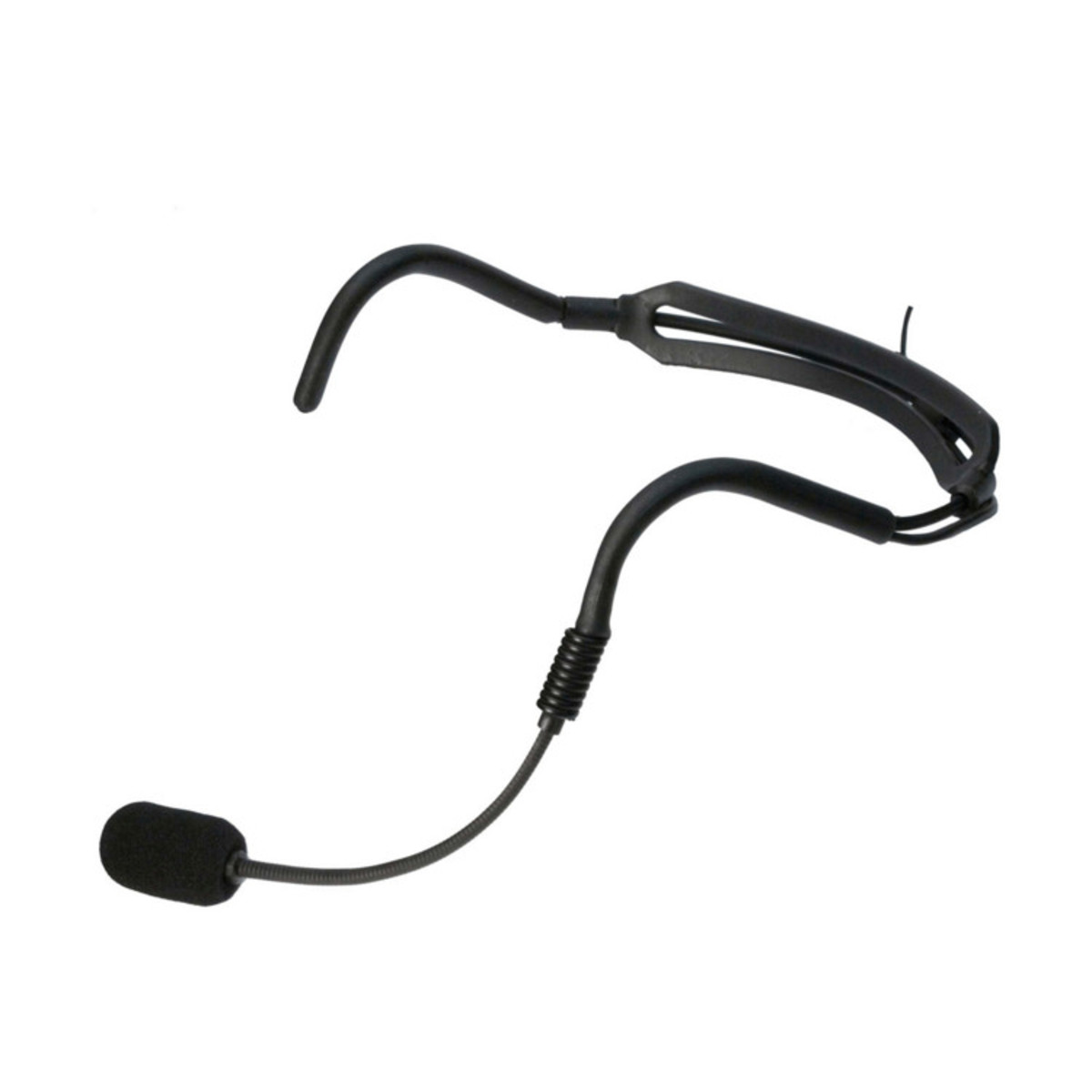
Audix HT2 Super Cardioid Headset Condenser Mic With 3 Pin Mini XLR
 £655.91 ($833)
Neumann
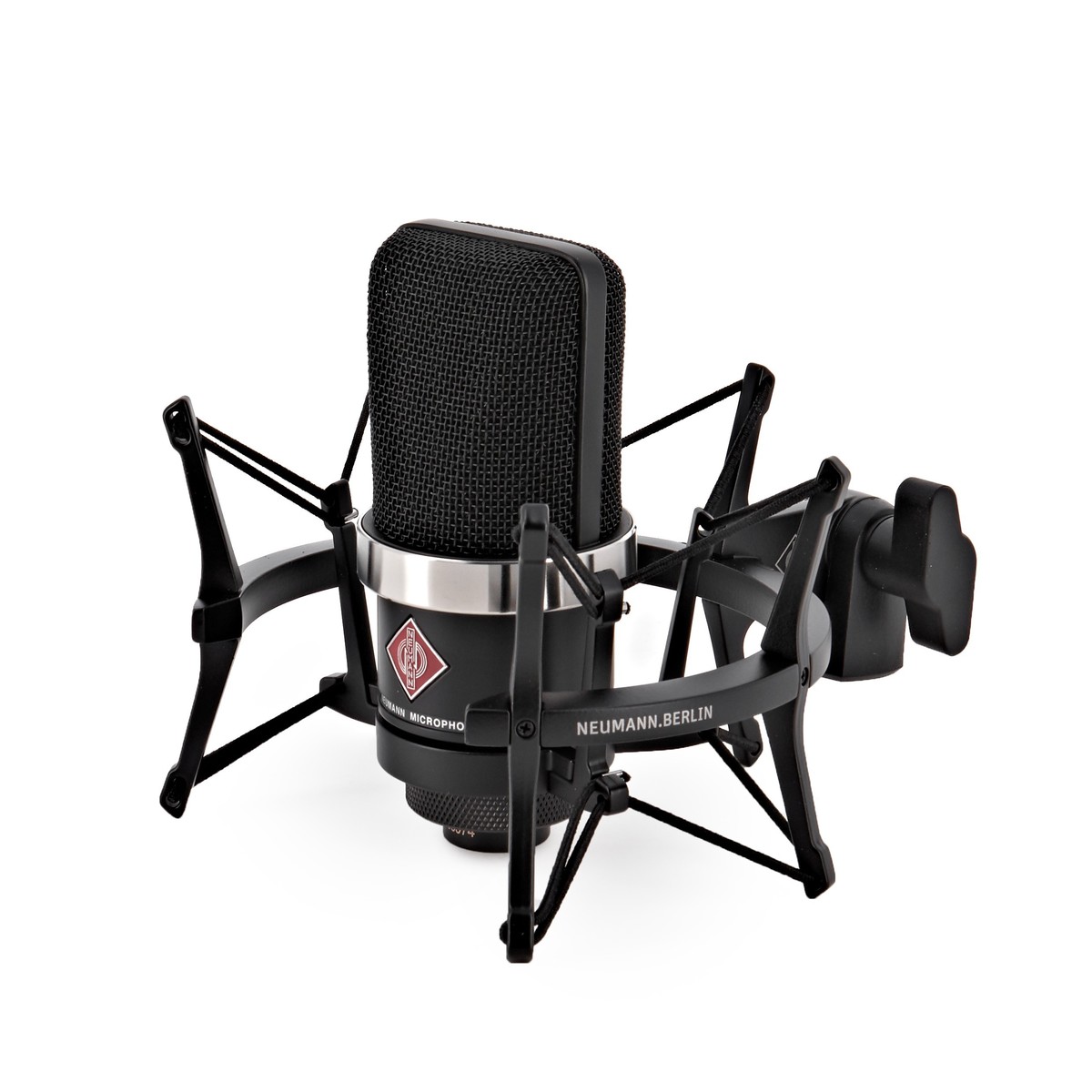
Neumann TLM 102 Microphone Studio Set Black
 £1,110.08 ($1,410)
Neumann
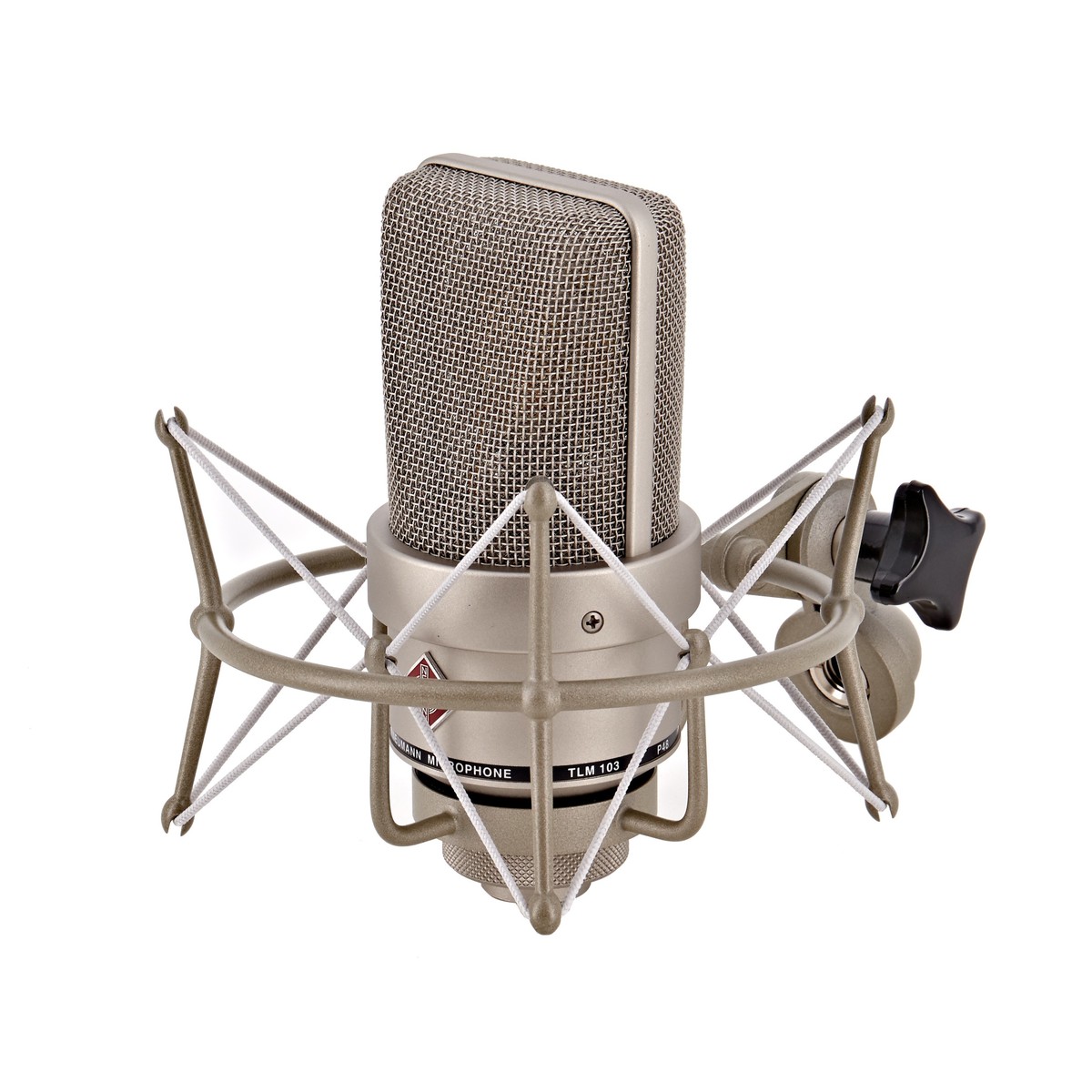
Neumann TLM 103 Studio Set Microphone Nickel
 £381.50 ($485)
Shure
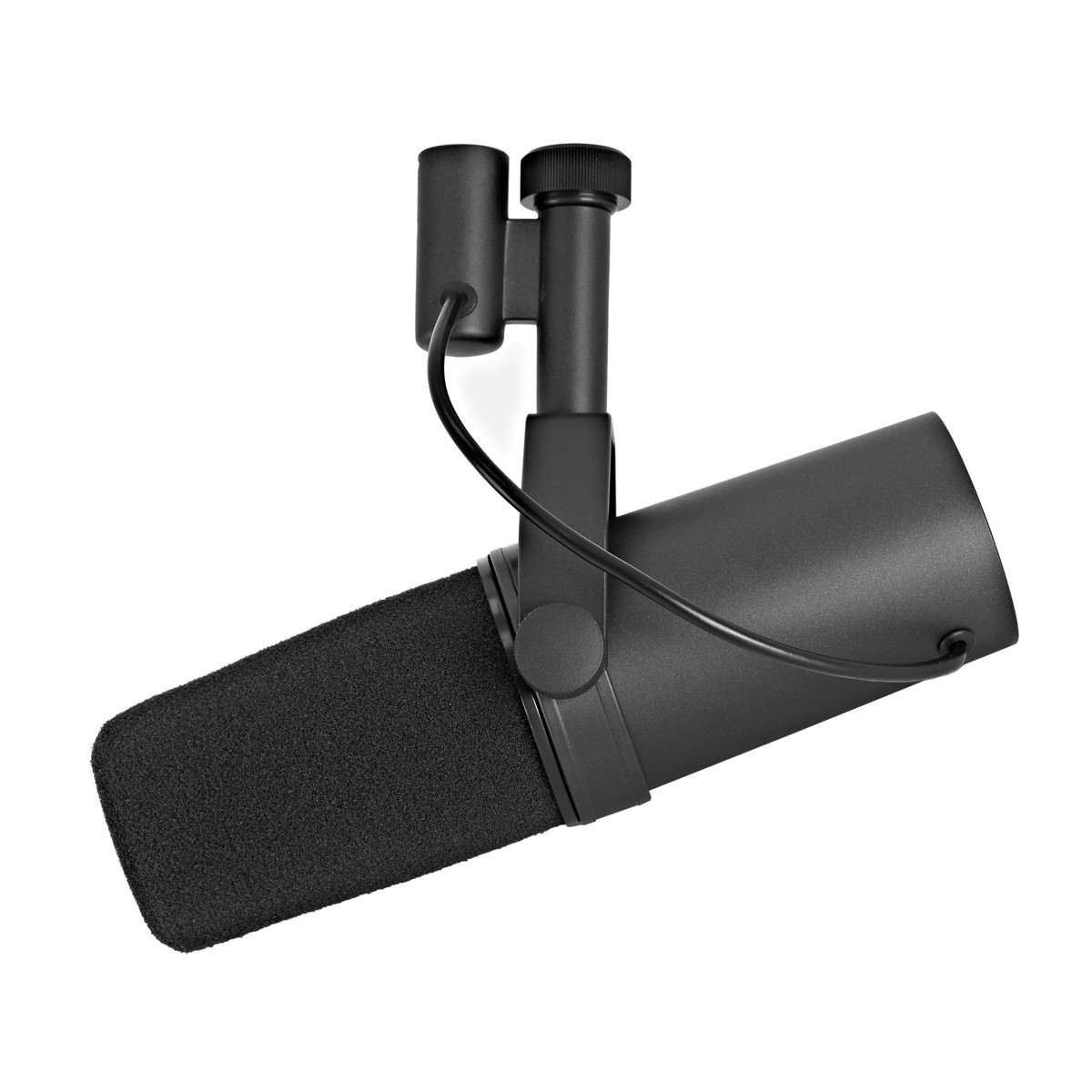
Shure SM7B Dynamic Studio Microphone
Frequently asked questions
- What is the primary use for the Rode Procaster?
- The Procaster is primarily designed for broadcast-quality vocal applications. This includes podcasting, online streaming, professional voiceovers, and vocal demos where a rich, focused sound is required.
- Does the Rode Procaster require phantom power?
- No, the Rode Procaster is a dynamic microphone and does not require 48V phantom power to operate. It connects via a standard XLR cable to an audio interface or mixer.
- How does the internal pop filter work?
- The internal pop filter is designed to sit inside the microphone head to reduce plosive sounds and sibilance. This allows the user to speak closely to the microphone for an intimate sound without causing audio distortion from air blasts.
- Is the Rode Procaster good for untreated rooms?
- Yes, its dynamic capsule and cardioid polar pattern make it excellent at rejecting ambient room noise. It is often preferred over condenser microphones in environments that lack professional acoustic treatment.
- What is the typical price range for the Procaster?
- The Rode Procaster typically retails for approximately EUR 158. This makes it an affordable professional option compared to high-end broadcast condensers.
- What accessories are included with the Procaster?
- The microphone typically comes with essential accessories including a stand mount. It is designed to be compatible with standard broadcast boom arms and shock mounts for desk-based setups.
- How does it compare to the Shure SM7B?
- Both are dynamic broadcast microphones, but the Procaster is generally more affordable. While both offer excellent noise rejection, the Procaster has a tailored frequency response designed to be 'ready to use' with minimal external processing.
- Can the Procaster be used for recording music?
- While optimized for speech, the Procaster can be used for vocal demos. Its full-bodied sound can suit certain singing styles, though it lacks the high-frequency extension found in condenser microphones like the Neumann TLM 102.
- What kind of connection does the Procaster use?
- The microphone uses a standard 3-pin XLR output. Users will need an XLR cable and an audio interface or mixer to connect it to a computer.
- Is the build quality suitable for professional use?
- Yes, the Procaster features a sleek and robust all-metal design. It is built to withstand the rigours of daily studio use and frequent handling.
- Does it reject background noise well?
- Yes, its cardioid polar pattern is very effective at picking up sound from the front while rejecting sound from the rear and sides. This is ideal for streamers who may have fan or keyboard noise in their environment.
- Who is the ideal user for this microphone?
- It is the perfect choice for aspiring creatives, podcasters, and professional broadcasters who want a 'radio-ready' sound without the high cost of vintage condenser microphones.