
Gear article
Rode Reporter Handheld Dynamic Omnidirectional Interview Mic
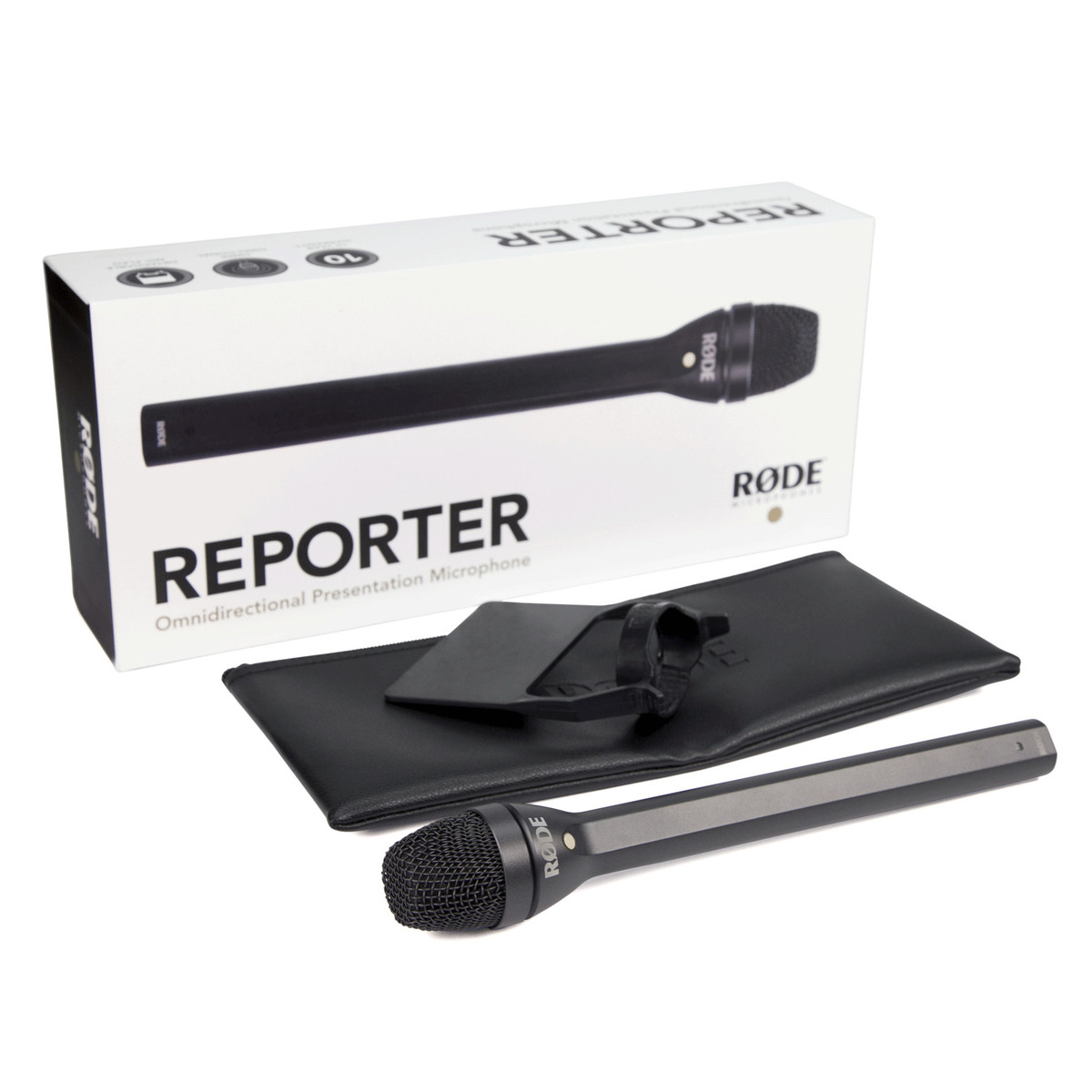
The Rode Reporter is a professional handheld dynamic microphone specifically engineered for broadcast journalism and field interviews. It features an elongated body design and an omnidirectional polar pattern to ensure clear voice capture while maintaining a comfortable distance between the interviewer and the subject.
Overview and Design
The Rode Reporter is a specialised tool designed to meet the ergonomic and acoustic demands of field reporting. The most striking physical attribute is its elongated body, which serves a practical purpose: it allows the interviewer to position the microphone close to the subject's mouth without encroaching on their personal space. This length is particularly beneficial for televised or filmed interviews where maintaining a natural visual frame is essential.
Built to withstand the rigours of mobile journalism, the microphone features a robust construction. It includes a multi-layered mesh grille designed to protect the internal capsule from the elements, reducing the impact of wind noise without the immediate need for bulky external foam windscreens.
Technical Characteristics
Unlike many vocal microphones that use a cardioid pattern to reject off-axis sound, the Rode Reporter utilises an omnidirectional polar pattern. This choice is deliberate for interview scenarios, as it provides a forgiving pickup area. If the subject moves their head or if the interviewer does not point the microphone perfectly, the audio remains consistent.
Its dynamic capsule is tailored for speech. The frequency response is specifically tuned to enhance vocal clarity and intelligibility, ensuring that speech is crisp even when recording in challenging environments with high ambient noise. While optimised for voice, its durable design also makes it suitable for alternative uses such as podcasting and voiceover work.
Sound Profile
The sonic character of the Rode Reporter is defined by its focus on the human voice. It delivers a detailed sound that emphasises the mid-range frequencies where speech resides. Because it is an omnidirectional microphone, it does not suffer from the 'proximity effect'—a bass boost that occurs when a cardioid mic is placed very close to a source. This results in a more natural, uniform sound regardless of distance, which is ideal for spontaneous field recordings.
Market Comparison
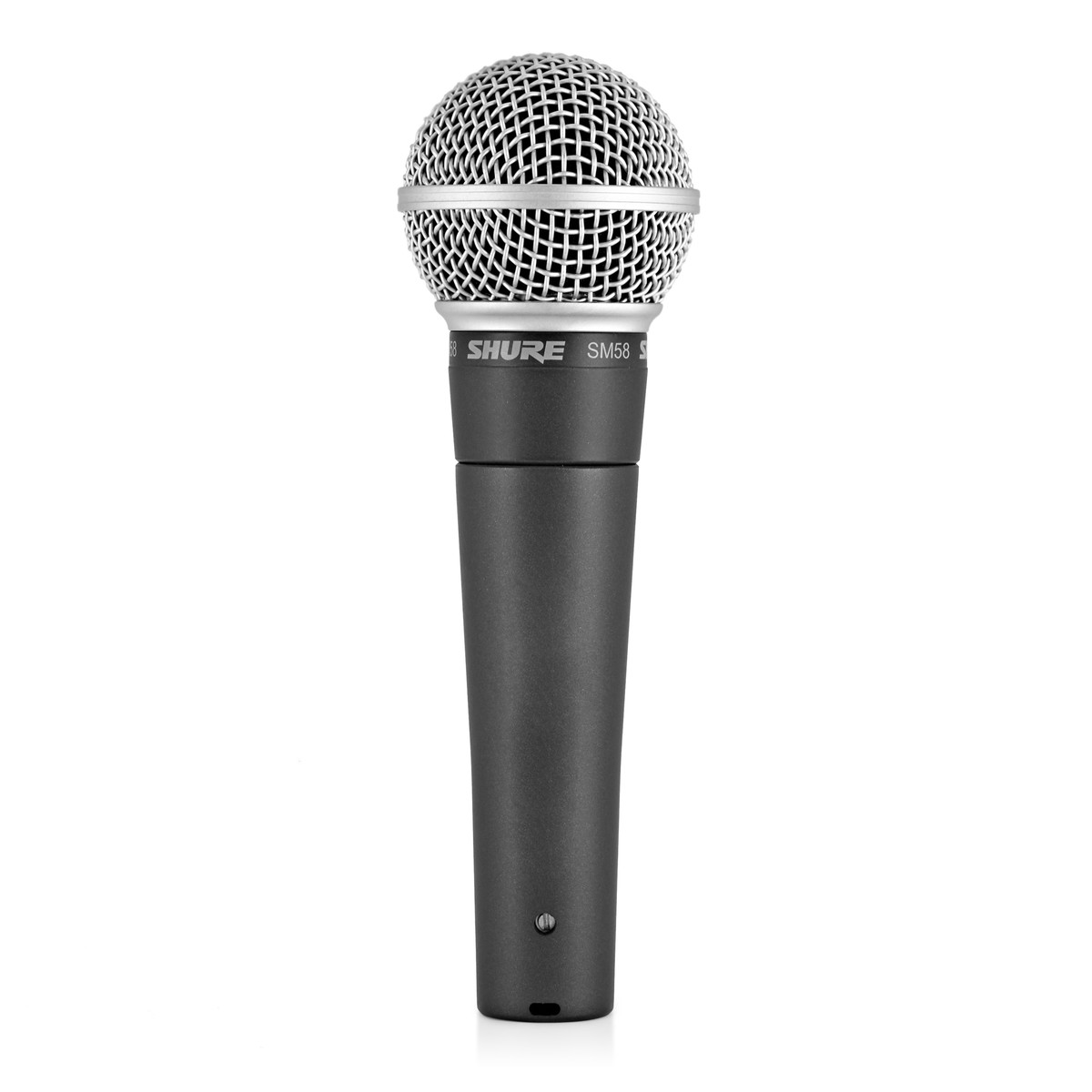
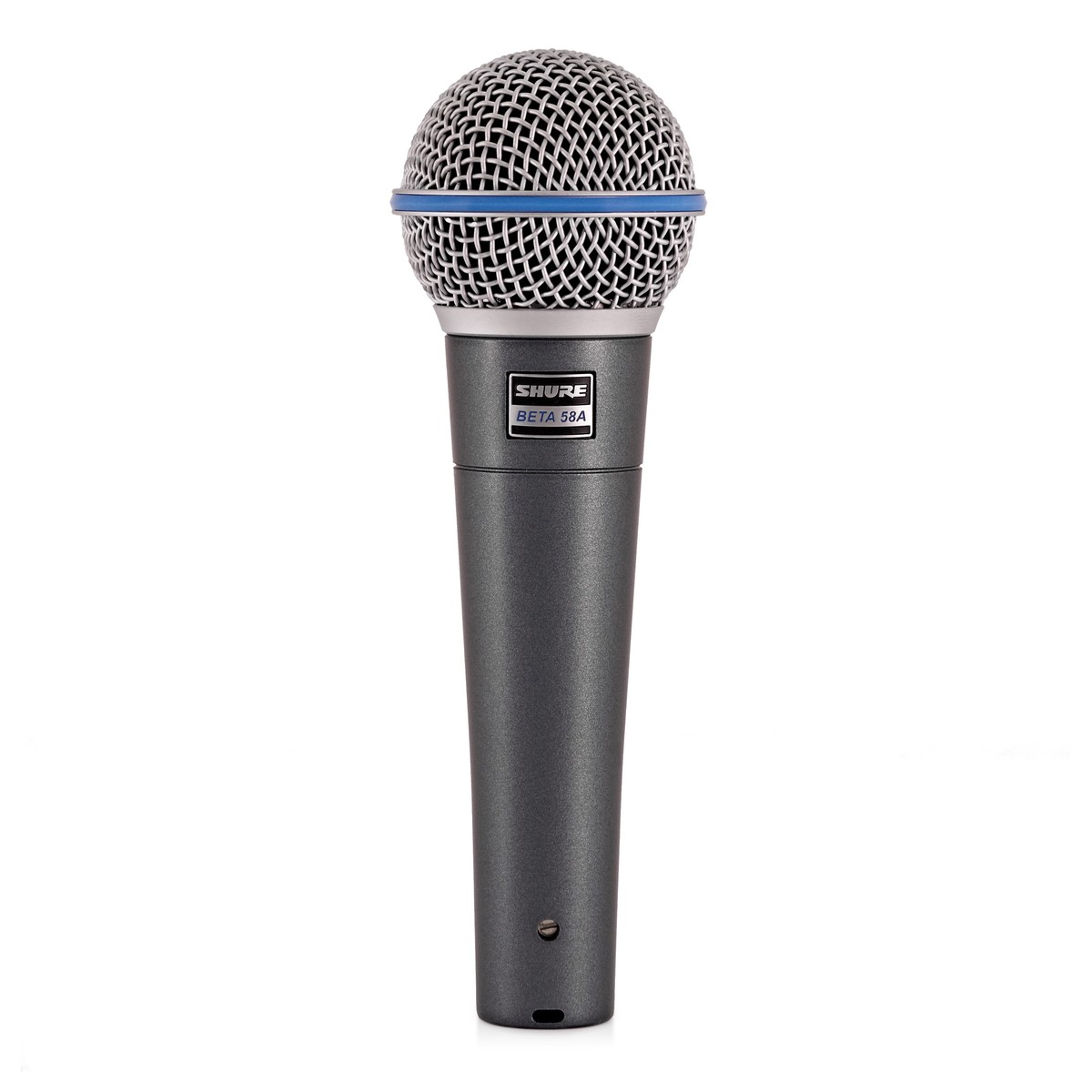
When compared to industry standards like the Shure SM58 or Beta 58A, the Rode Reporter differs significantly in its polar pattern. While the Shure models use cardioid or supercardioid patterns to isolate a single singer on a loud stage, the Rode's omnidirectional pick-up is better suited for capturing two-way conversations and environment-appropriate speech.
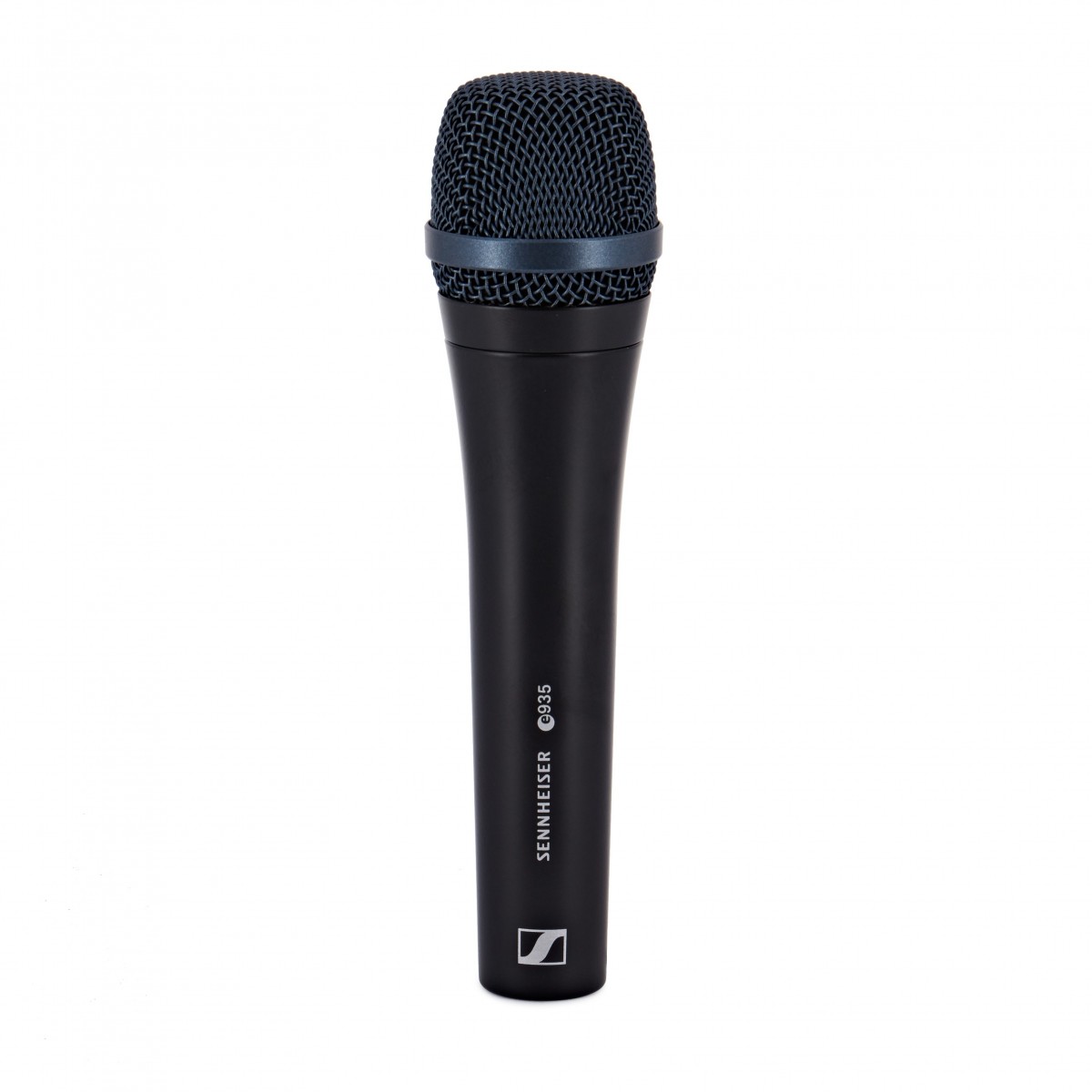
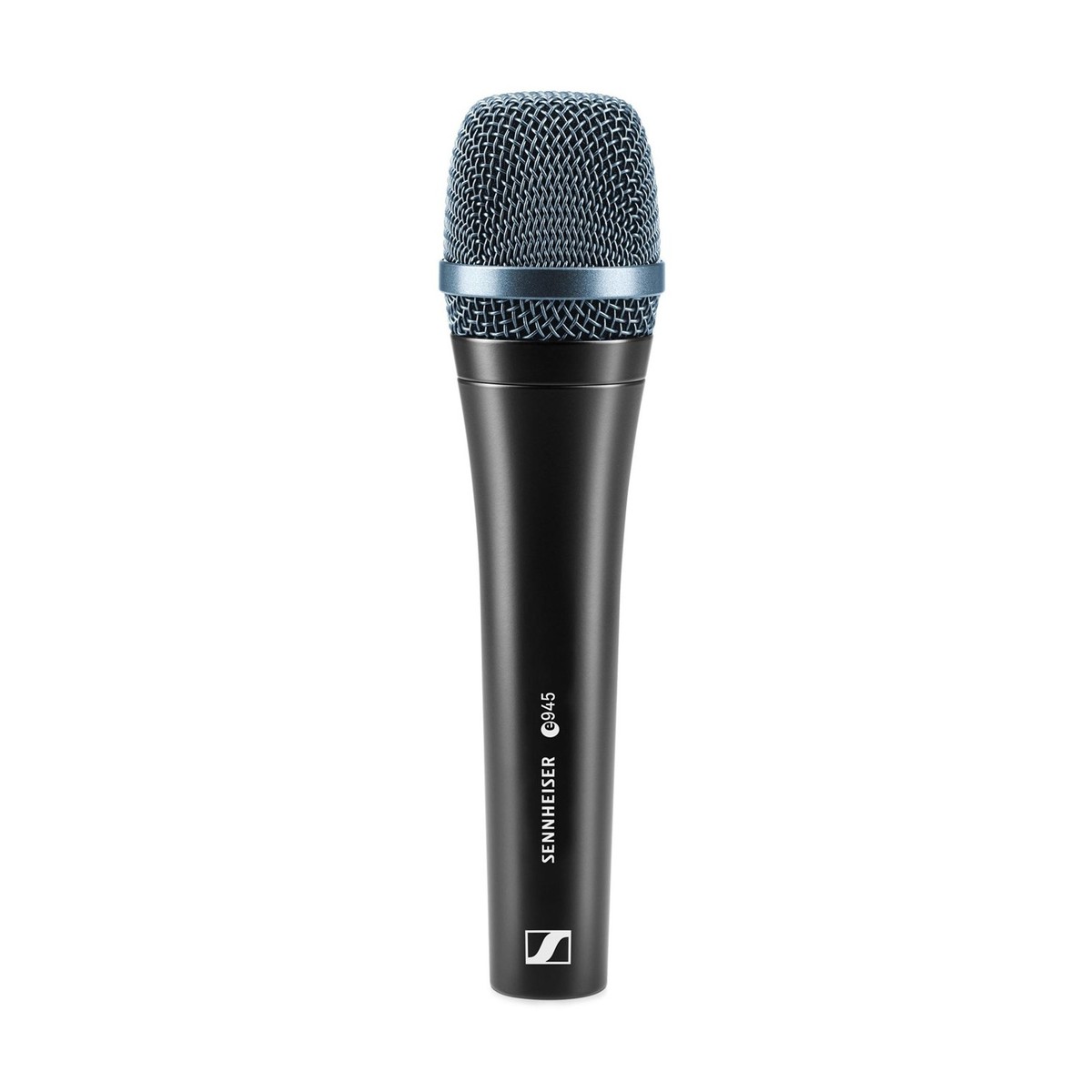
In contrast to high-end studio dynamics like the Sennheiser MD 441-U or the Electro-Voice RE20, which are often used for detailed broadcasting and musical applications, the Rode Reporter is a more portable and affordable solution specifically balanced for handheld field use. It offers a specialised form factor that general-purpose microphones like the Sennheiser e935 or e945 lack for reporting duties.
Related gear
 £559.00 ($710)
Electro-Voice
Electro-Voice RE20 Dynamic Cardioid Microphone
 £168.70 ($214)
Sennheiser
Sennheiser e935 Dynamic Vocal Microphone
 £135.25 ($172)
Shure
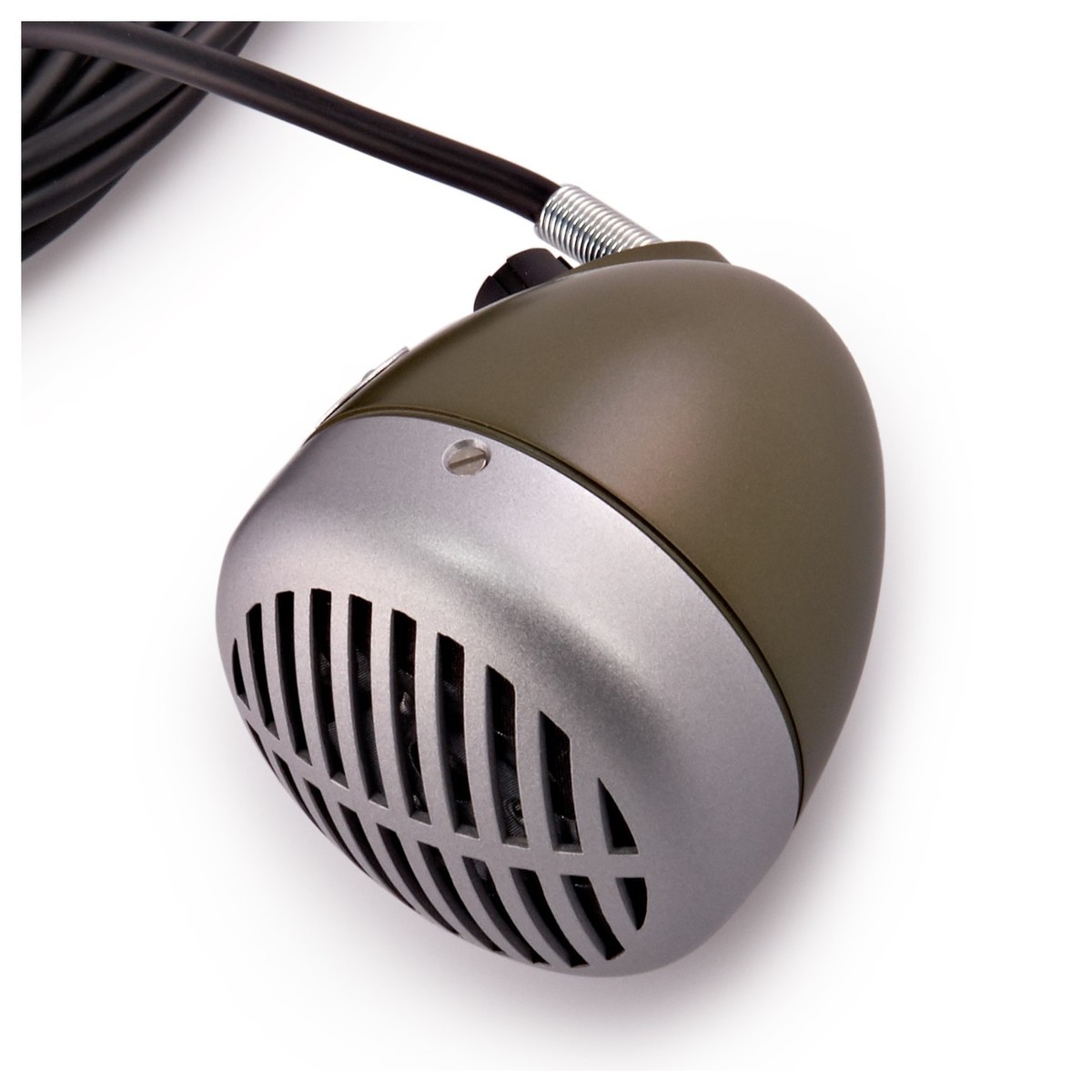
Shure 520DX Green Bullet Harmonica Microphone
 £161.00 ($204)
Shure
Shure Beta 58A Dynamic Microphone
- £259.00 ($329)
Shure
Shure SM58 Dynamic Cardioid Vocal Microphone
 £167.55 ($213)
Sennheiser
Sennheiser e945 Dynamic Vocal Microphone
 £103.75 ($132)
Shure
Shure SM57 Dynamic Instrument Microphone
 £1,080.00 ($1,372)
Sennheiser
Sennheiser MD 441-U Dynamic Supercardioid Microphone
Frequently asked questions
- What is the primary purpose of the Rode Reporter?
- The Rode Reporter is primarily designed for broadcast journalism and conducting handheld interviews in the field. Its design facilitates easy positioning between an interviewer and their subject.
- What polar pattern does this microphone use?
- It uses an omnidirectional polar pattern. This allows it to capture sound evenly from all sides, which is useful for interviews where the microphone might not be perfectly aligned with the speaker's mouth.
- Why is the handle of the Rode Reporter so long?
- The elongated body is a specialised design feature that allows the interviewer to reach the subject comfortably. It helps maintain personal space and prevents the interviewer's arm from becoming intrusive in the shot.
- Can the Rode Reporter be used for podcasting?
- Yes, while it is designed for interviews, it can be used for podcasting and voiceover work. Its frequency response is tailored for vocal clarity, making it a viable option for speech-heavy content.
- How does it handle wind noise?
- The microphone features a multi-layered mesh grille. This internal protection helps to diffuse wind and reduce plosives, ensuring maximum intelligibility during outdoor recordings.
- Is the Rode Reporter a dynamic or condenser microphone?
- It is a dynamic microphone. This makes it robust and less sensitive to moisture or extreme temperatures compared to condenser microphones, which is ideal for outdoor reporting.
- Does this microphone require phantom power?
- No, as a dynamic microphone, the Rode Reporter does not require +48V phantom power to operate. It can be plugged directly into most recording devices or mixers with a standard XLR input.
- How does the sound compare to a Shure SM58?
- Unlike the cardioid SM58, the Rode Reporter is omnidirectional. This means it has no proximity effect and a wider pickup area, making it more forgiving for interviewers who are moving the mic between speakers.
- Is it suitable for recording musical instruments?
- While it can record instruments, it is specifically tuned for speech. For instruments, dedicated mics like the Shure SM57 or Sennheiser e935 are generally preferred for their different frequency responses and polar patterns.
- What is the typical price for the Rode Reporter?
- The typical price for the Rode Reporter is approximately GBP 127. This places it in the mid-range category for professional handheld broadcast microphones.
- Does the microphone include a 'flag' for branding?
- The Rode Reporter is designed to accommodate a removable microphone flag. This allows news organisations to easily display their logo during televised interviews.
- Is the frequency response flat?
- No, the frequency response is specifically tailored for the human voice. It is engineered to deliver crisp and detailed speech, even in demanding acoustic environments.