Gear article
Roland DP-2 Damper Pedal
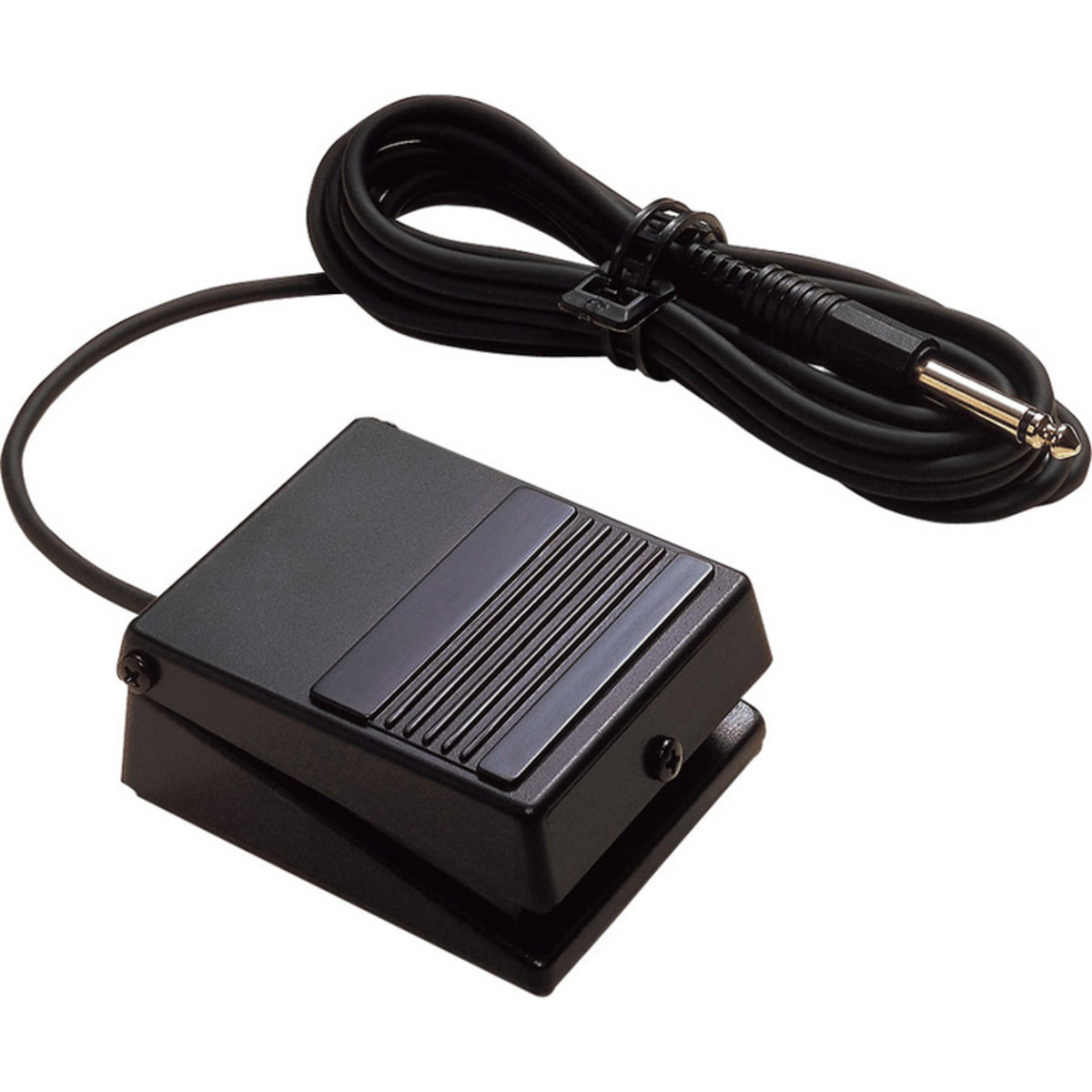
The Roland DP-2 is a compact, momentary footswitch designed for use as a sustain pedal for keyboards or as a control switch for recording equipment. Housed in a durable all-metal chassis, it features a non-slip rubber base and an integrated 3-metre (10ft) cable with a standard 1/4-inch jack connection.
History and Background
The Roland DP-2 has served as a staple utility peripheral within the Roland and BOSS ecosystems for several decades. Designed to provide a portable alternative to traditional piano-style sustain pedals, it was developed to meet the needs of mobile musicians and studio engineers who require reliable triggering without the bulk of a full-sized pedalboard. While primarily associated with digital pianos and synthesizers, its utility has expanded alongside the evolution of digital multitrack recorders and workstation keyboards.
Design and Functionality
The DP-2 is characterised by its small footprint and rugged design. Unlike 'piano-style' pedals that mimic the physical lever of an acoustic piano, the DP-2 utilises a square, pressure-sensitive pad on an all-metal base. Key functional features include:
- Integrated Cabling: It comes with a fixed 10ft (3m) cable, eliminating the need for separate leads and ensuring it can reach equipment mounted on high stands.
- Momentary Action: The pedal functions as a non-latching switch, meaning it only sends a signal while depressed.
- Versatile Switching: Beyond sustain, it is frequently used for 'punching in' and 'punching out' during recording sessions on BOSS or Roland multi-track recorders, allowing for hands-free tracking.
Compatibility
While the DP-2 is optimised for Roland and BOSS hardware, its 1/4-inch jack makes it physically compatible with a wide range of electronic instruments. However, users should note the polarity of the switch; Roland hardware typically uses a 'normally open' configuration. While many modern keyboards allow the user to switch polarity in software, the DP-2 is most reliable when paired with its native ecosystem. It is suitable for MIDI controllers, drum machines, and digital recording interfaces that feature a footswitch input.
Comparison to Alternatives
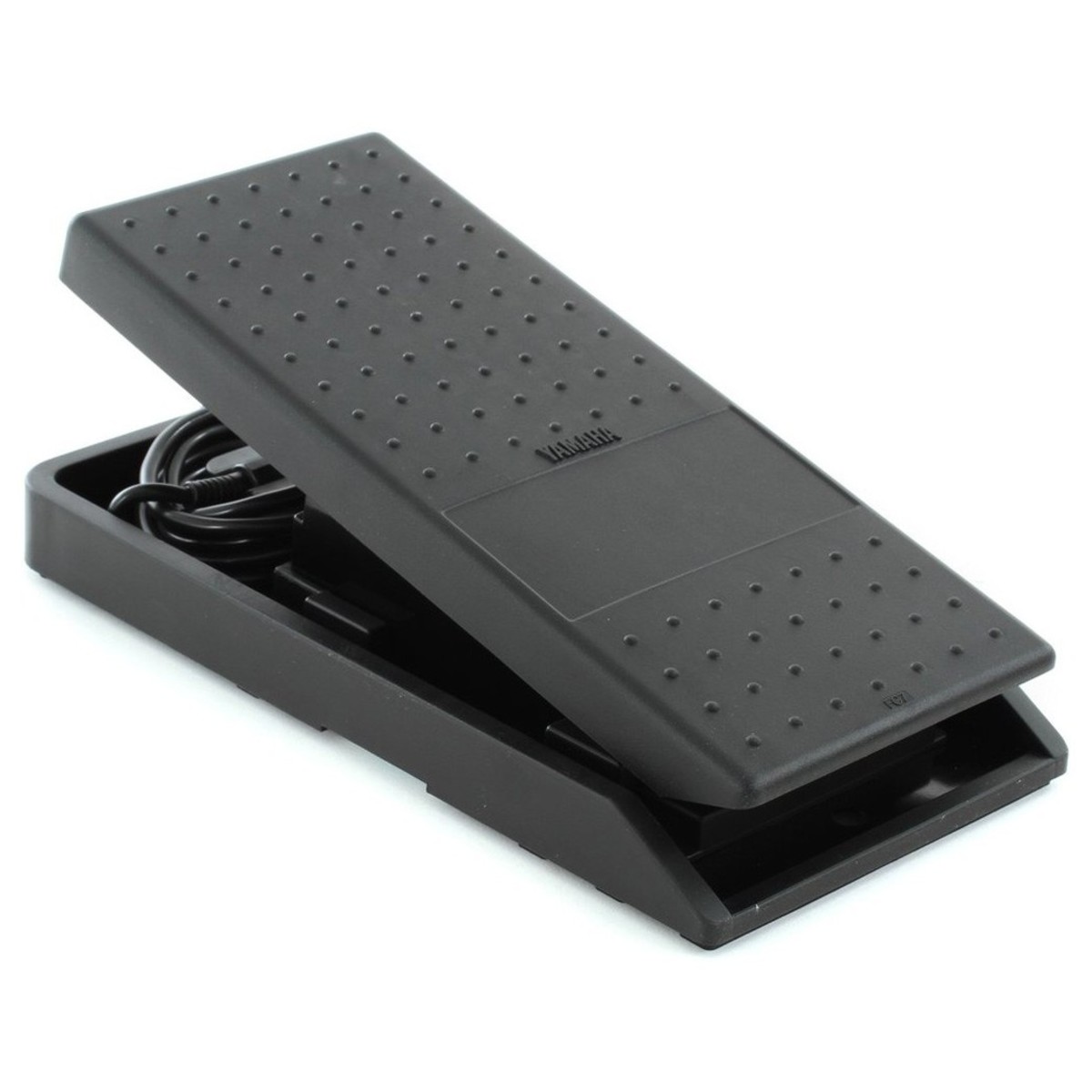
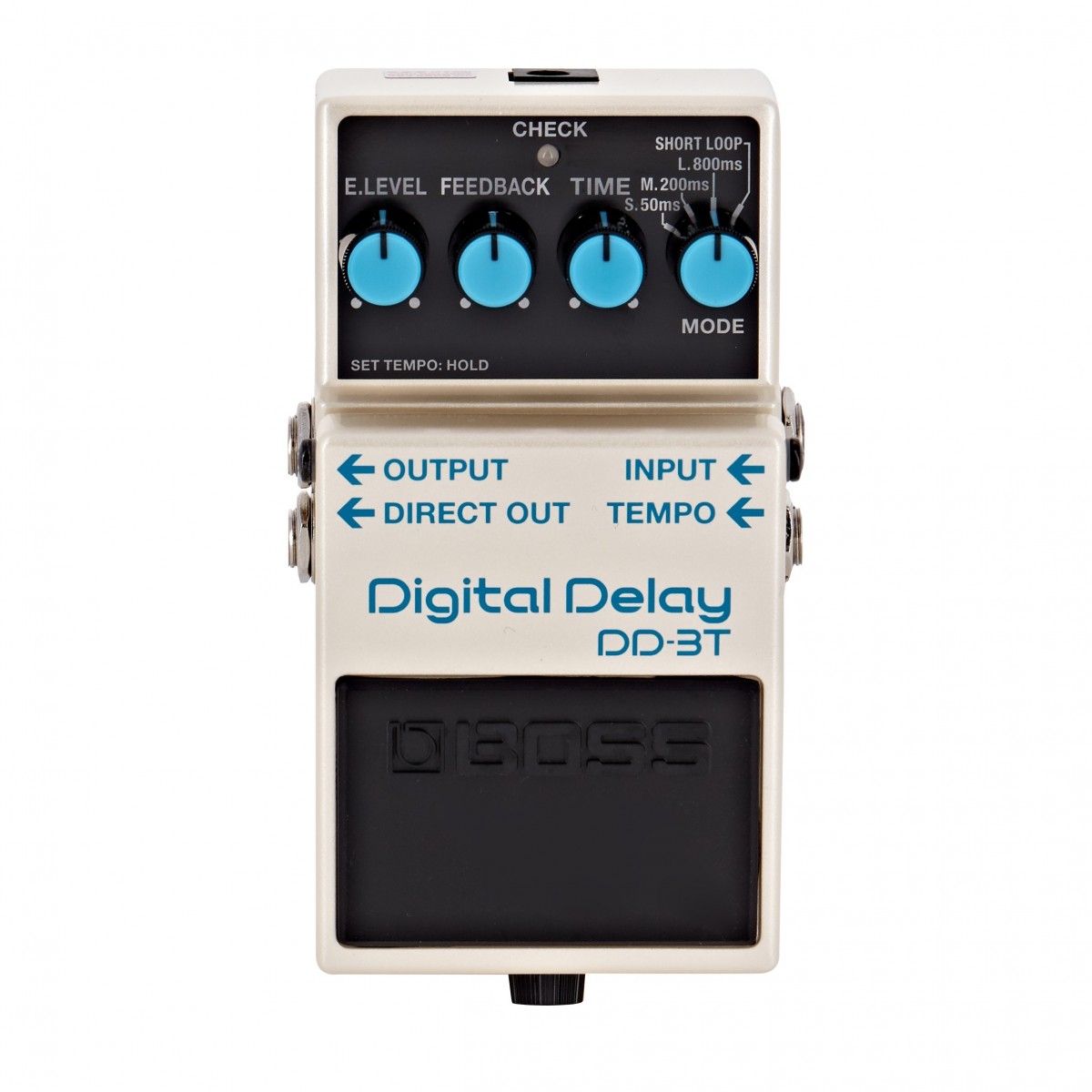
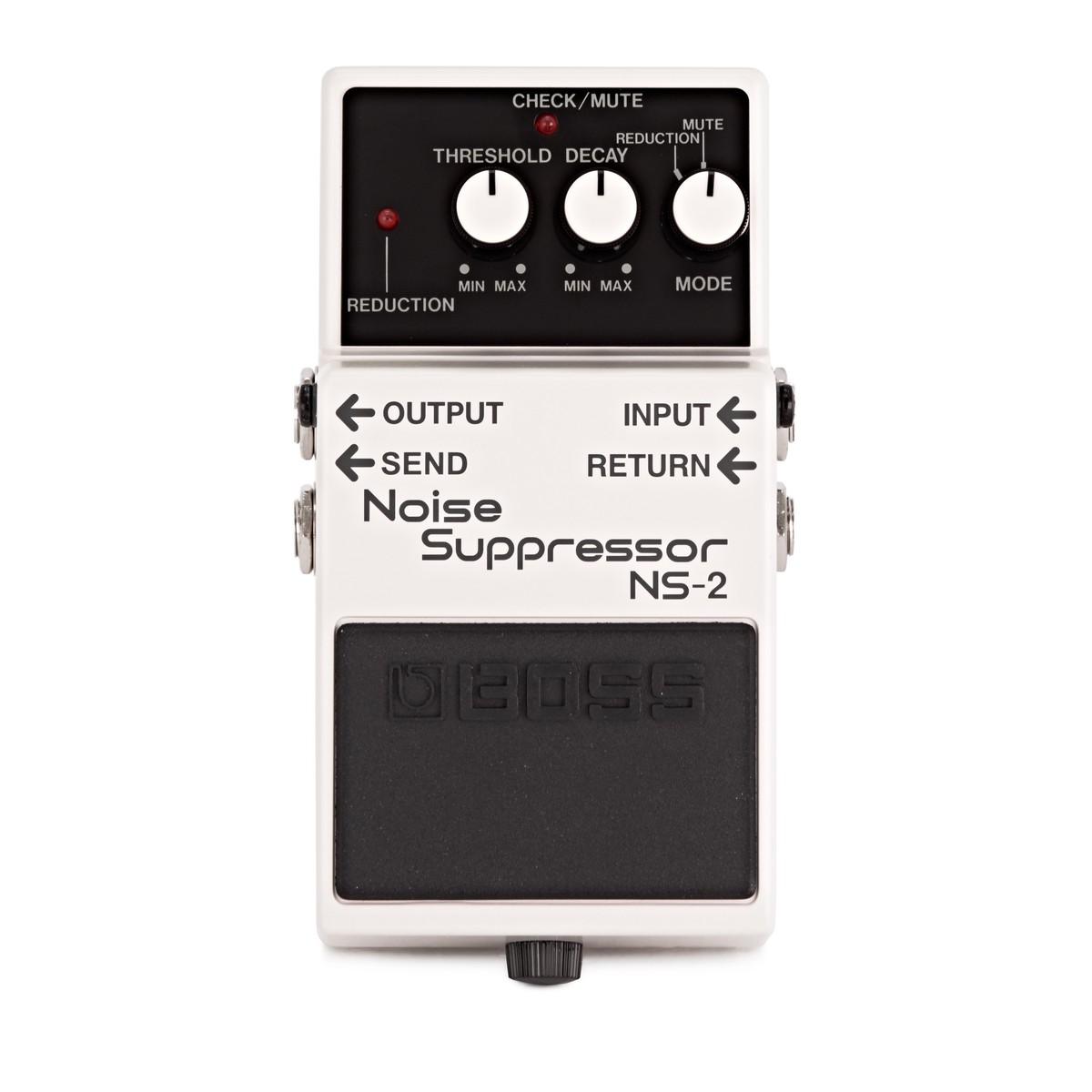
Within the market, the DP-2 occupies a specific niche between basic plastic footswitches and premium sustain pedals. Compared to the Yamaha FC7, which is a dedicated expression pedal for continuous data control, the DP-2 is a binary on/off switch. Unlike guitar-specific pedals such as the Boss NS-2 or DD-3T, the DP-2 does not process an audio signal; it is purely a control device. For users seeking a more traditional feel, piano-style units like the Roland DP-10 offer a longer throw and half-damper support, whereas the DP-2 prioritises portability and studio utility at a lower price point.
Related gear
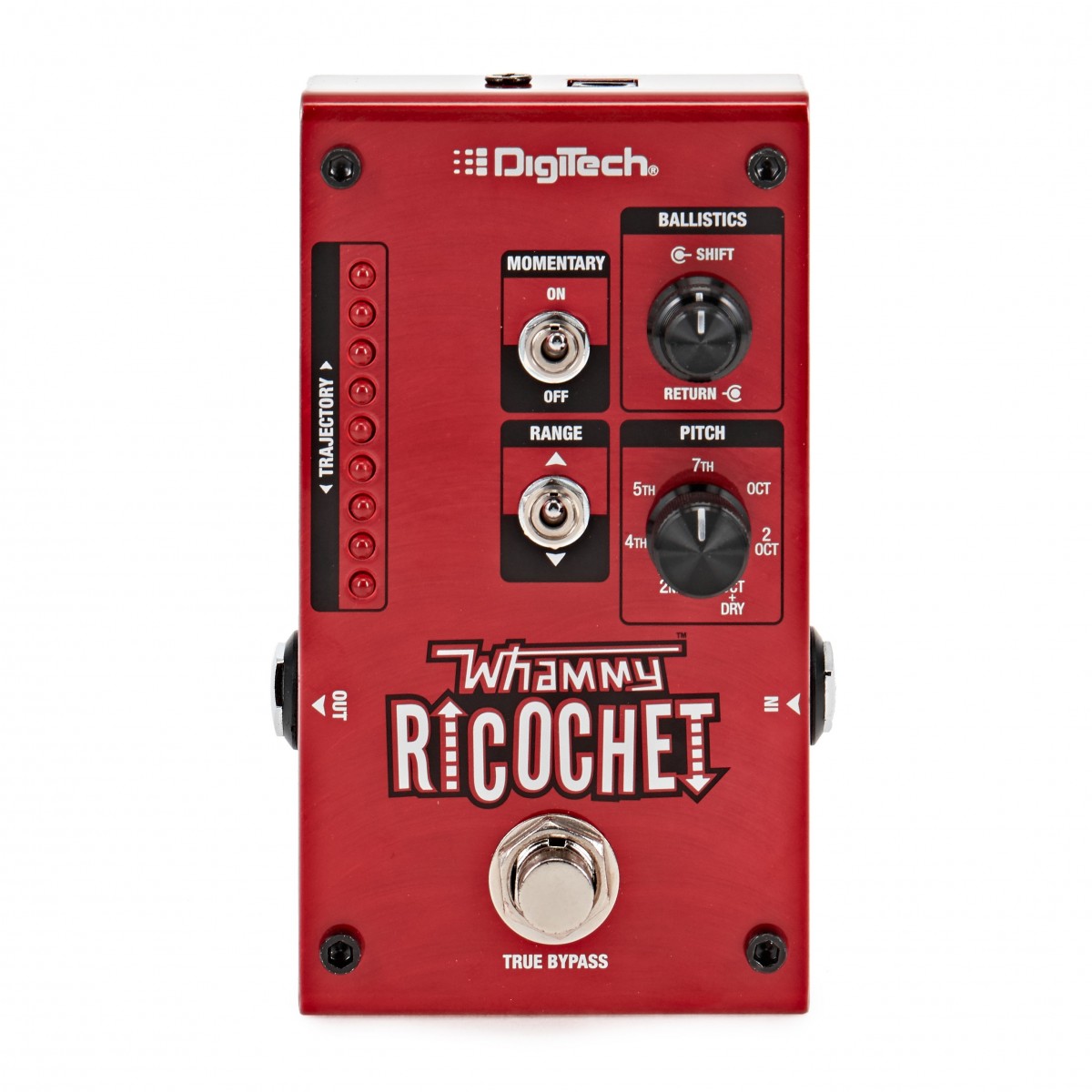 £119.00 ($151)
Digitech
Digitech Whammy Ricochet Guitar Effects Pedal
 £85.00 ($108)
Fender
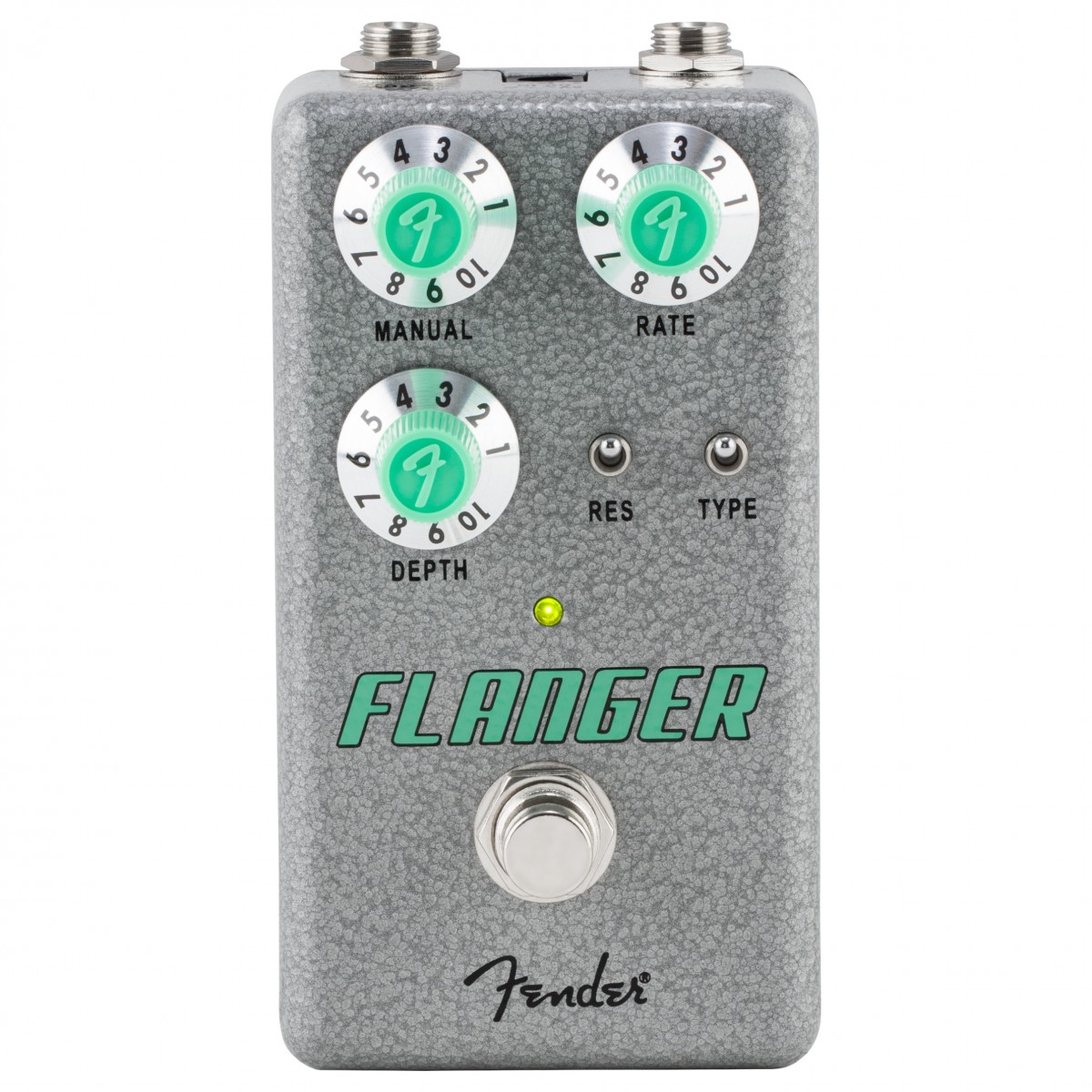
Fender Hammertone Flanger Pedal
 £23.00 ($29)
Behringer
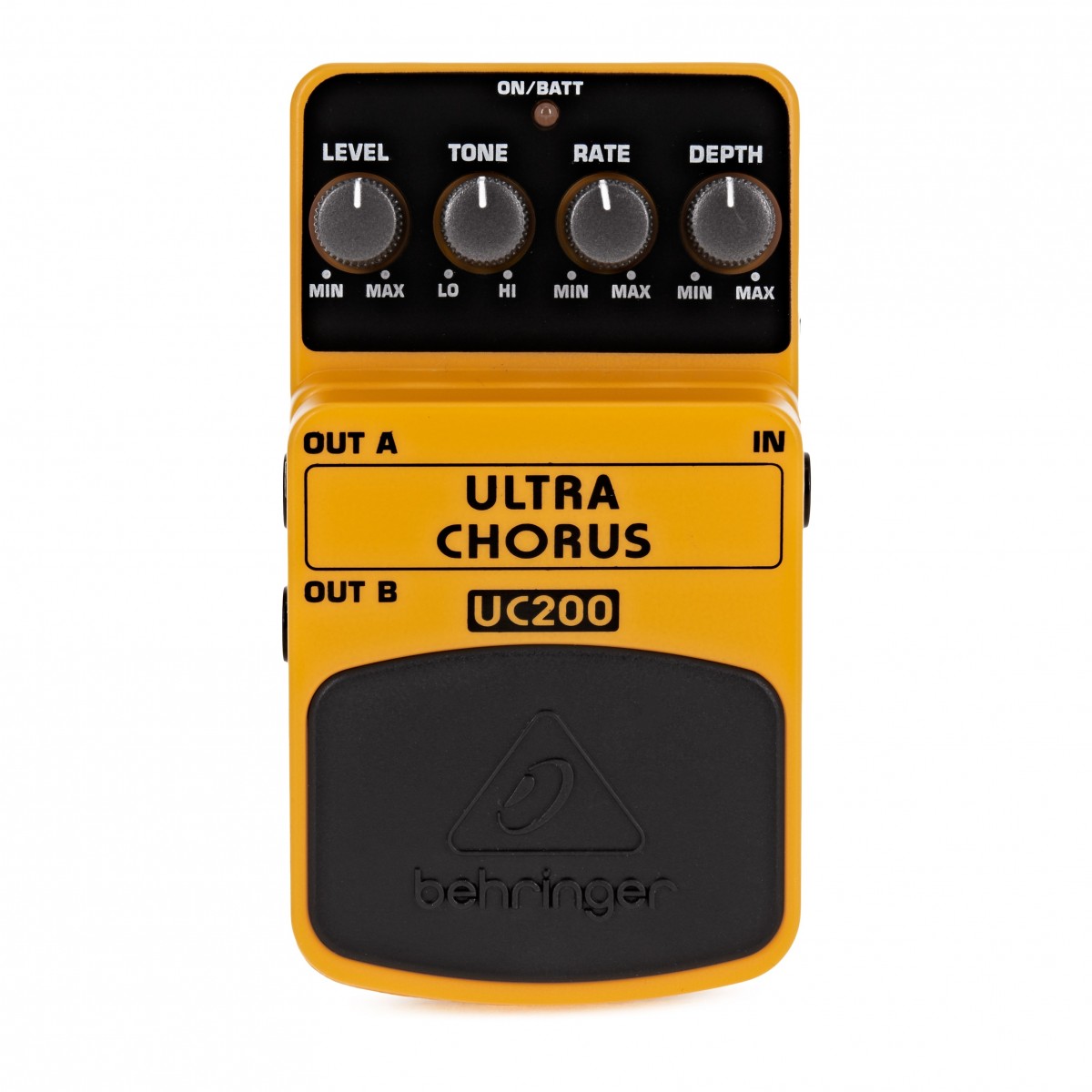
Behringer UC200 Ultra Chorus Pedal
 £259.00 ($329)
Dunlop
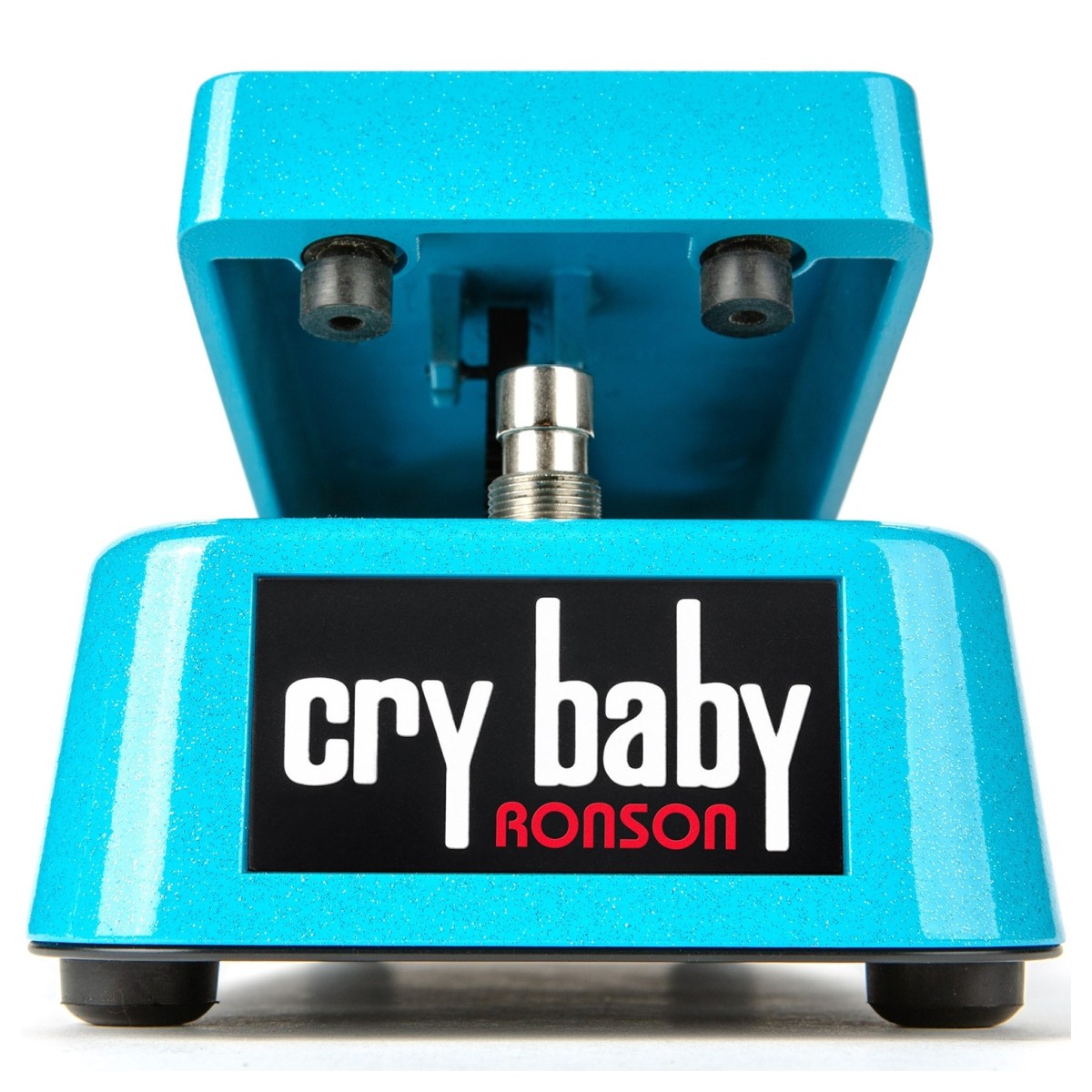
Dunlop Mick Ronson Cry Baby Wah
 £109.00 ($138)
Fender
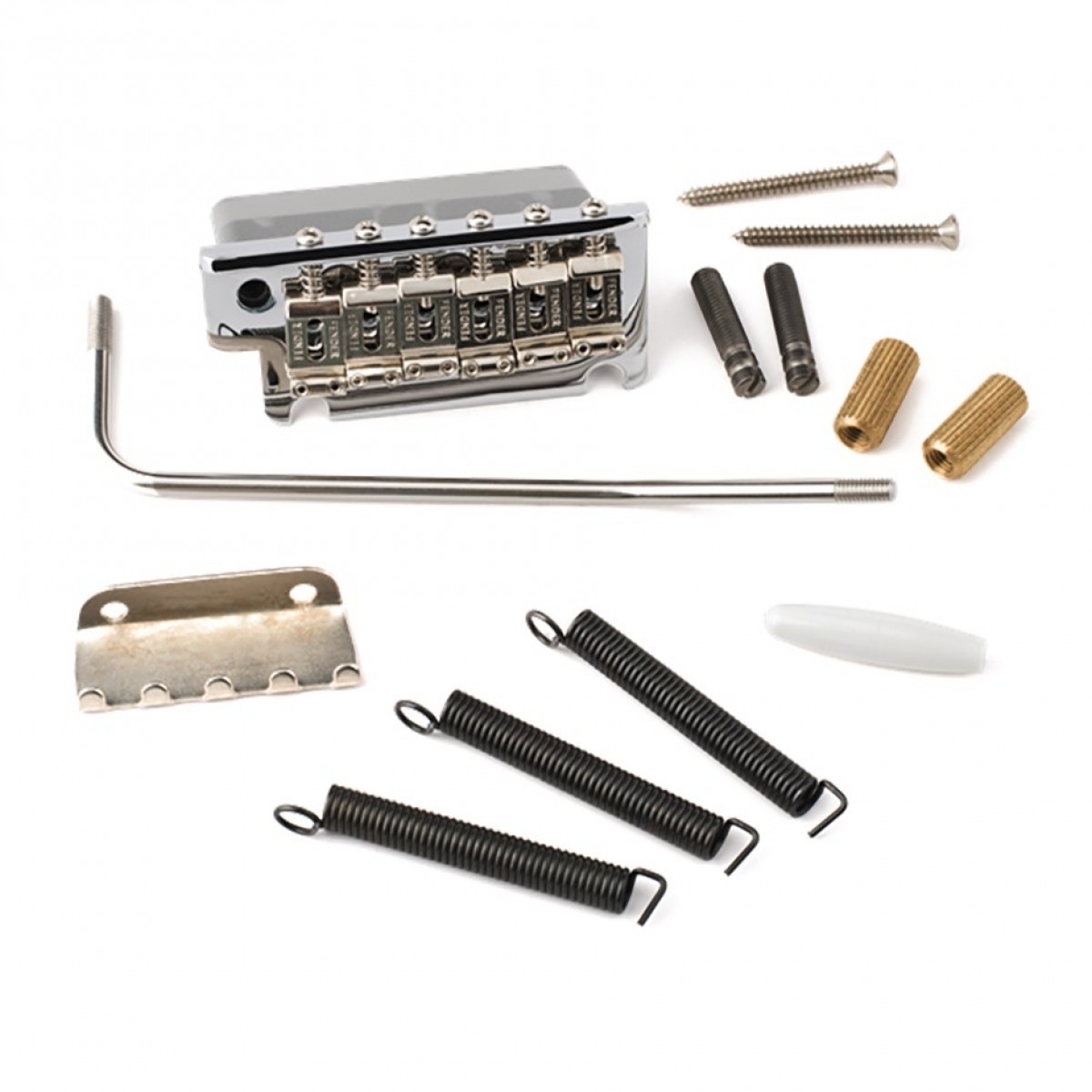
Fender American Standard Stratocaster Tremolo Bridge Assembly Chrome
- £78.60 ($100)
Yamaha
Yamaha FC7 Expression Pedal
 £175.00 ($222)
Boss
Boss DD-3T Digital Delay Pedal
 £99.10 ($126)
Boss
Boss NS-2 Noise Suppressor Guitar Pedal
Frequently asked questions
- What is the primary use of the Roland DP-2?
- The DP-2 is primarily used as a sustain pedal for digital keyboards or as a remote footswitch for triggering recording functions on Roland and BOSS hardware.
- Is the cable on the DP-2 detachable?
- No, the DP-2 features a fixed, integrated 10ft cable with a 1/4-inch jack. This design ensures that the cable cannot be lost or disconnected during a performance.
- Can I use the DP-2 for recording 'punch-ins'?
- Yes, it is specifically designed to work with Roland and BOSS recording gear to allow hands-free punching in/out, which simplifies the tracking process for solo musicians.
- What material is the DP-2 made of?
- The pedal features a rugged all-metal construction, making it significantly more durable than lightweight plastic alternatives.
- Does this pedal work with non-Roland keyboards?
- It typically works with any keyboard that accepts a momentary 1/4-inch footswitch. However, because it has a fixed polarity, some non-Roland brands may require the keyboard's settings to be adjusted to recognise the pedal correctly.
- Is the DP-2 a 'latching' or 'momentary' pedal?
- The DP-2 is a momentary pedal. This means it only remains 'active' for as long as your foot is pressing down on it.
- How long is the included cable?
- The pedal includes an extra-long 10ft (approximately 3 metres) cable, which provides ample length for large stage setups or studio routing.
- Does the DP-2 require a battery or external power?
- No, the DP-2 is a passive switch and does not require any batteries or external power source to operate.
- What is the difference between the DP-2 and a piano-style sustain pedal?
- The DP-2 has a small, square footprint and a short travel distance, whereas piano-style pedals are shaped like acoustic piano pedals and usually offer a longer physical stroke.
- Can the DP-2 be used as an expression pedal?
- No, the DP-2 is a binary switch (on/off). For continuous control over parameters like volume or wah, a dedicated expression pedal like the Yamaha FC7 is required.
- Is the DP-2 slip-resistant?
- Yes, the pedal features a rubberised base designed to prevent it from sliding on floor surfaces during use.
- Can I use the DP-2 as a tap tempo pedal?
- If your keyboard or effects unit (such as a Boss DD-3T) supports momentary footswitches for tap tempo, the DP-2 can be used for that purpose.