Gear article
Roland E-A7 Expandable Arranger Keyboard
The Roland E-A7 is a professional 61-key arranger keyboard designed for live performance, featuring an extensive library of over 1,500 tones and a dual-screen interface. It is notable for its lightweight 7.9kg construction and its focus on providing quick access to global backing styles and professional-grade sound manipulation.
Overview
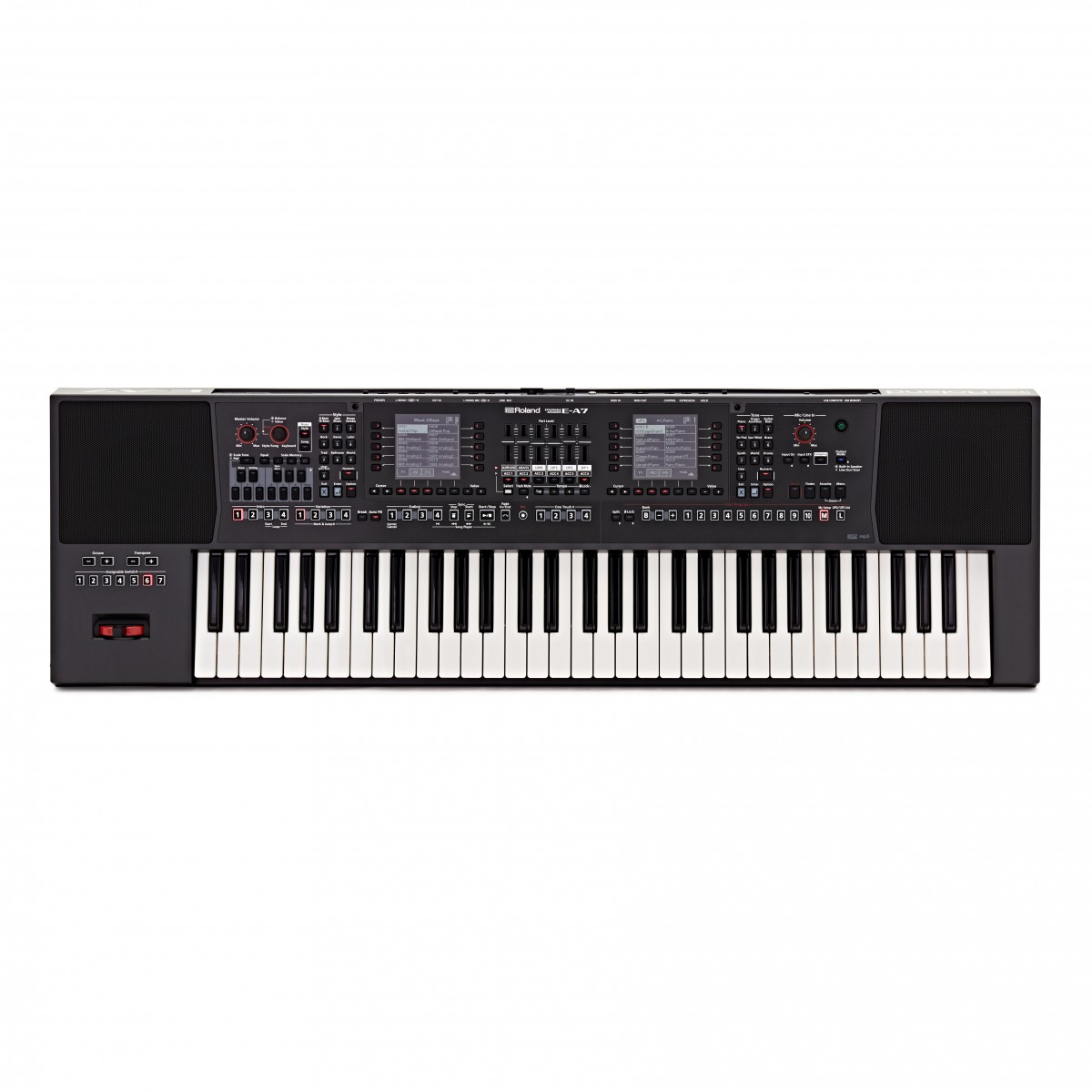
The Roland E-A7 is a versatile arranger workstation positioned within the mid-to-high-tier professional market. Designed specifically for gigging musicians who require a portable yet powerful instrument, it balances a deep sound engine with a physical interface optimized for real-time control. Its primary appeal lies in its 'expandable' nature, allowing users to incorporate vast libraries of sounds and rhythms from diverse global traditions.
Key Features and Interface
A defining physical characteristic of the E-A7 is its dual LCD display system. By splitting the visual feedback—typically with styles on the left and sounds on the right—the keyboard allows the player to monitor multiple parameters simultaneously without menu-diving. The 61-key velocity-sensitive bed is accompanied by dedicated quick-access controls, designed to facilitate immediate adjustments during a live set.
Technically, the unit is pre-loaded with over 1,500 tones, including a wide array of orchestral, electronic, and ethnic instruments. The hardware is remarkably light for its class, weighing just 7.9kg, making it a viable option for touring performers who handle their own equipment.
Sound Character and Performance
The E-A7 is engineered for high-fidelity output across a broad frequency spectrum. It features dedicated backing tracks sourced from musicians around the world, providing authentic rhythmic support that goes beyond standard Western pop patterns. The 'Expandable' nomenclature refers to its ability to import WAV samples and create new sounds directly on the hardware, ensuring the sonic palette does not become dated.
Target Audience
This keyboard is primarily suited for: * Solo Performers: The extensive backing styles and dual-screen workflow are ideal for musicians who need to manage a full-band sound alone. * Global Musicians: Its focus on international styles makes it a preferred choice for players performing traditional or world music. * Gigging Professionals: The low weight and quick-access buttons cater to those who need reliability and speed in high-pressure live environments.
Market Comparisons
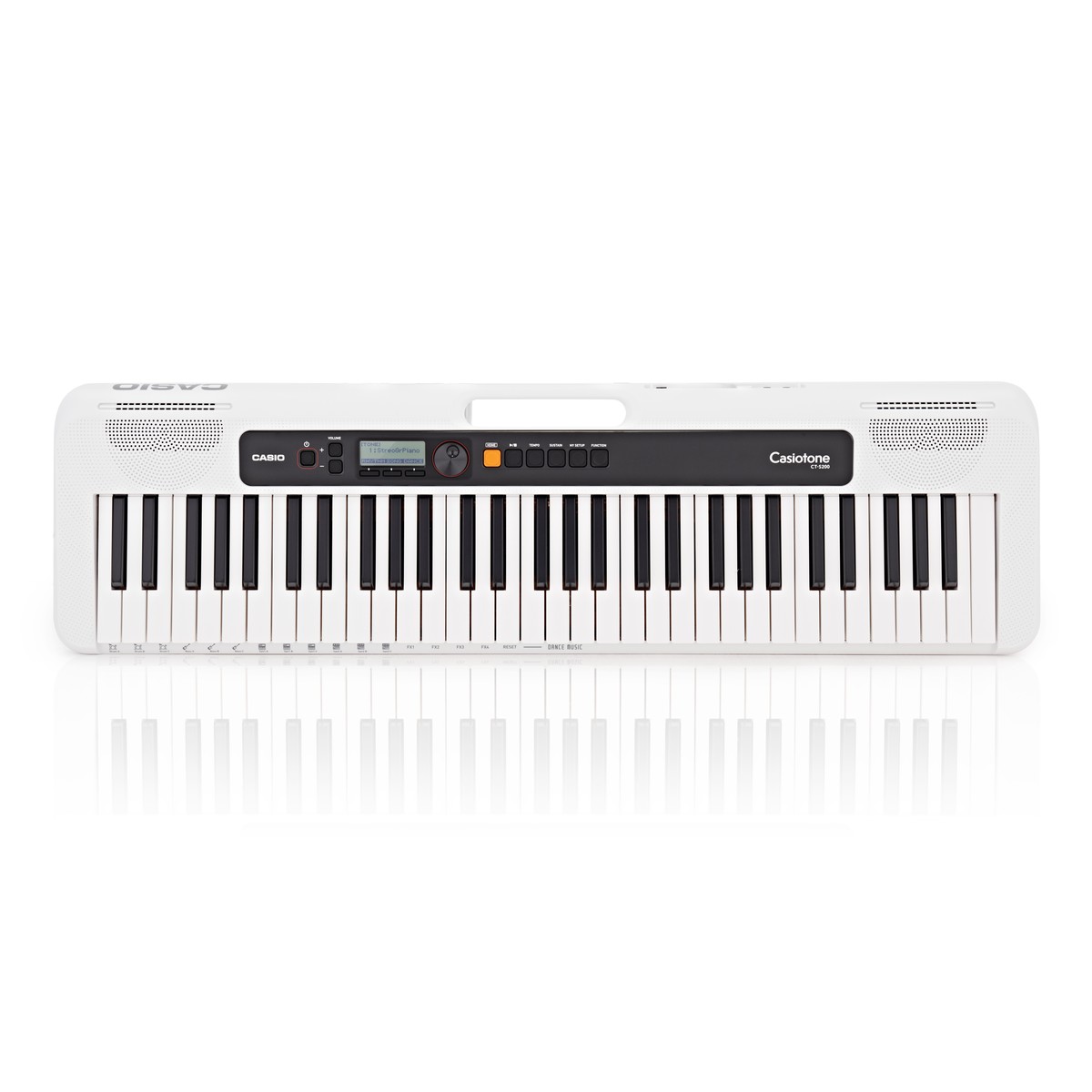
Within the arranger market, the E-A7 competes with models like the Korg Pa300 and the Yamaha PSR-SX720. While the Korg Pa300 offers a solid entry into professional arranging, the E-A7's dual-screen layout and lighter weight provide a different ergonomic experience. Compared to entry-level models like the Casio CT-S200 or Yamaha PSR-E383, the E-A7 offers significantly more advanced synthesis, sampling capabilities, and physical controls for professional use.
Related gear
- £106.00 ($135)
Casio
Casio CT S200 Portable Keyboard White
 £44.99 ($57)
Gear4Music
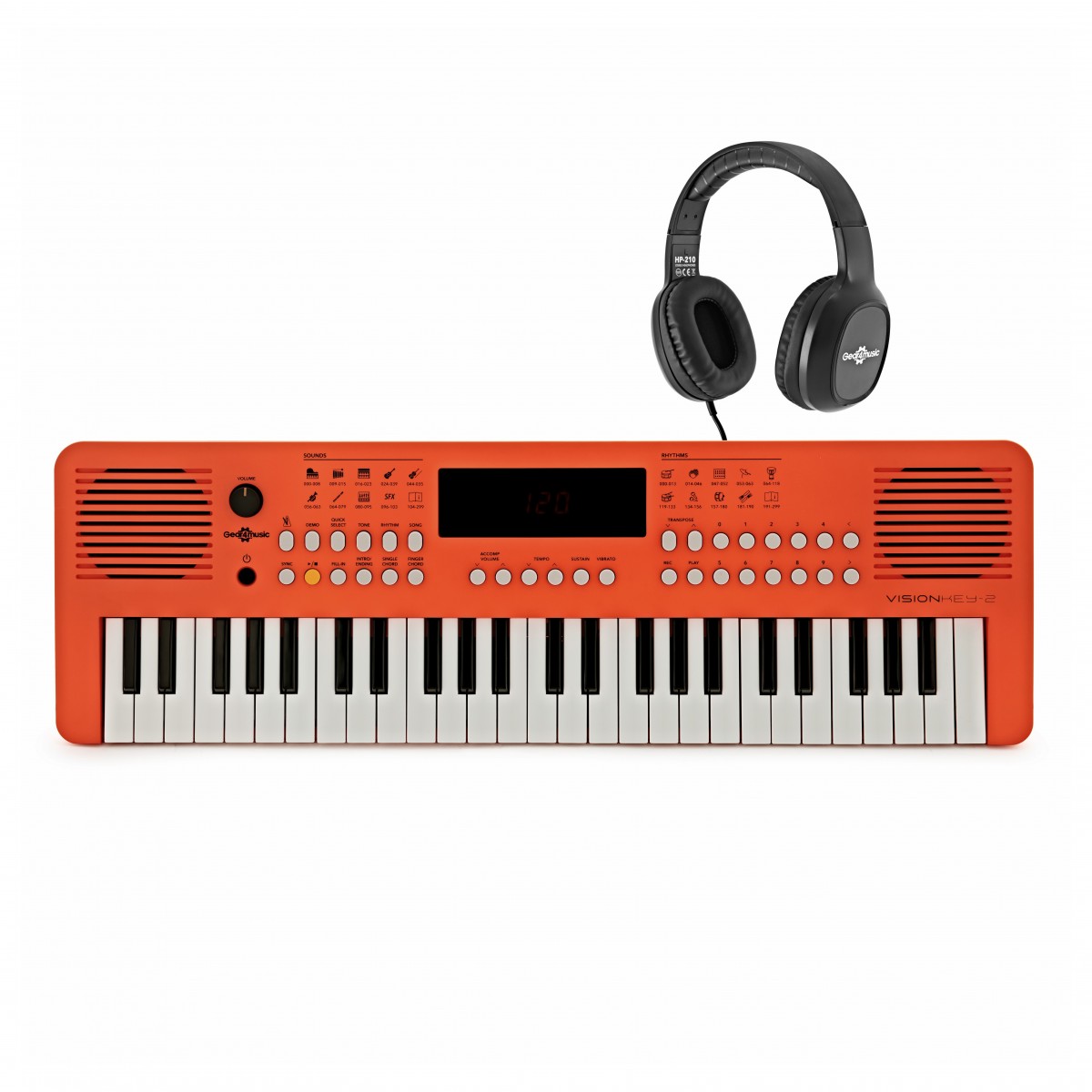
VISIONKEY-2 49 Key Portable Keyboard Orange Headphones Pack
 £159.00 ($202)
Yamaha
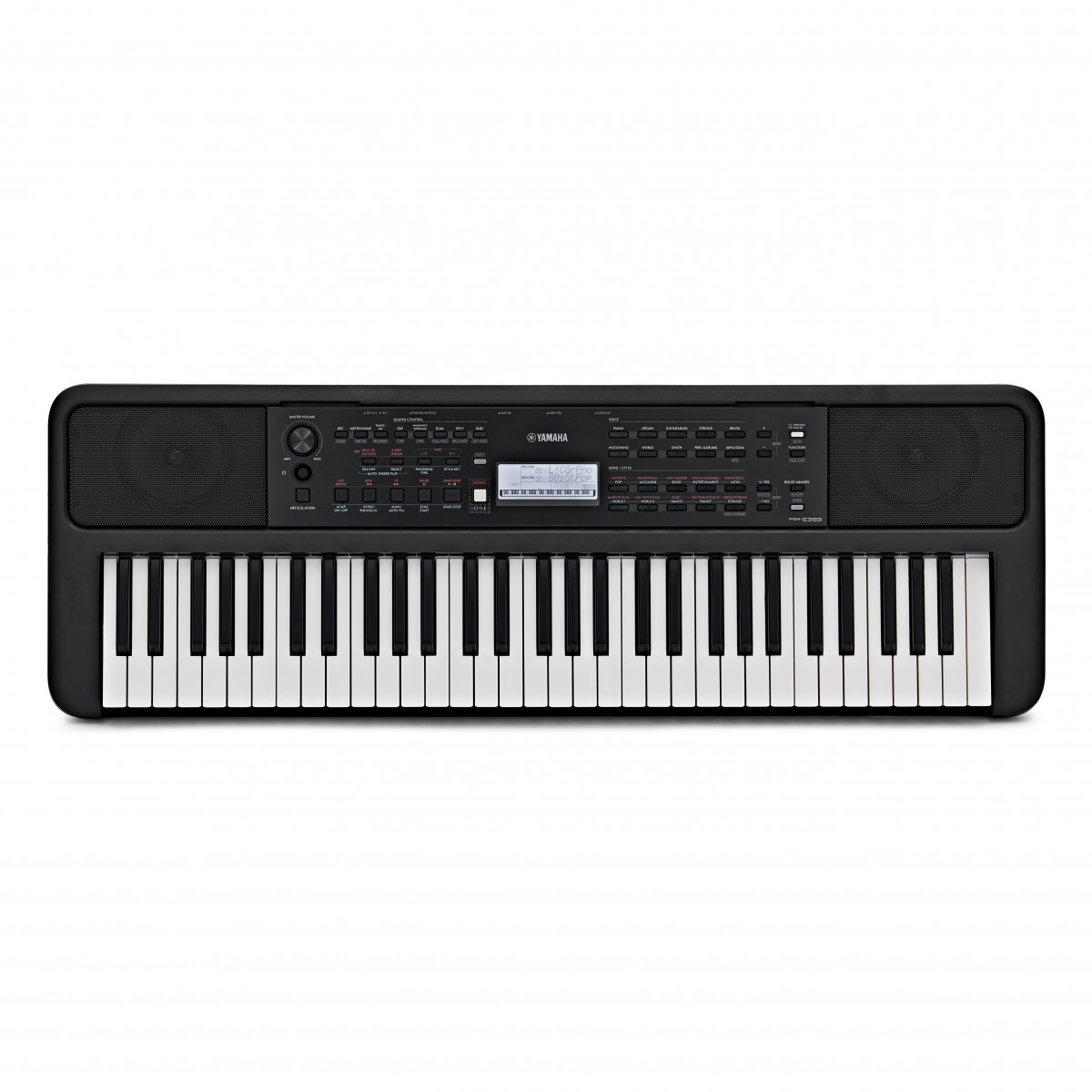
Yamaha PSR E383 Portable Keyboard Black
 £1,159.00 ($1,472)
Yamaha
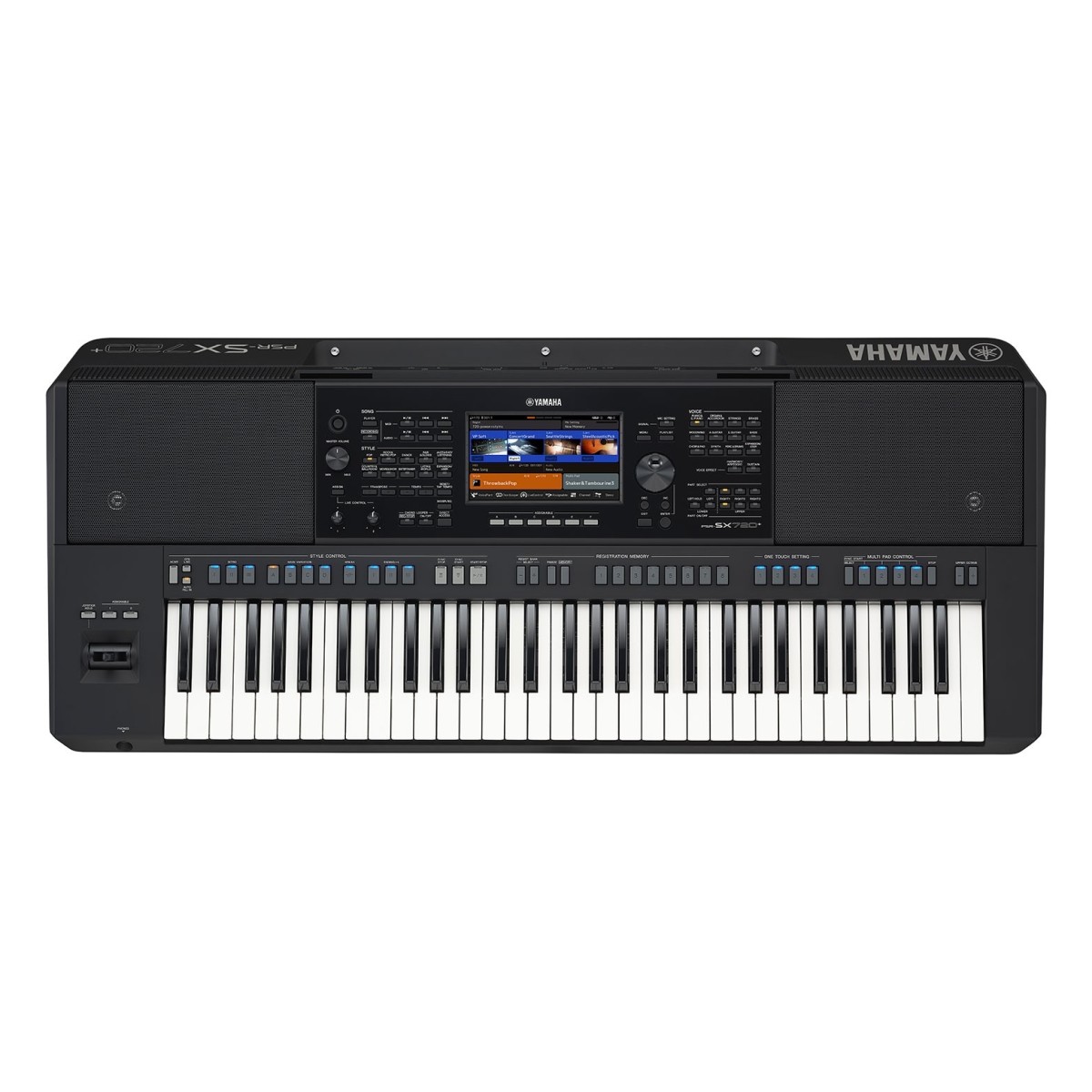
Yamaha PSR SX720+ Digital Arranger Keyboard
 £120.50 ($153)
Casio
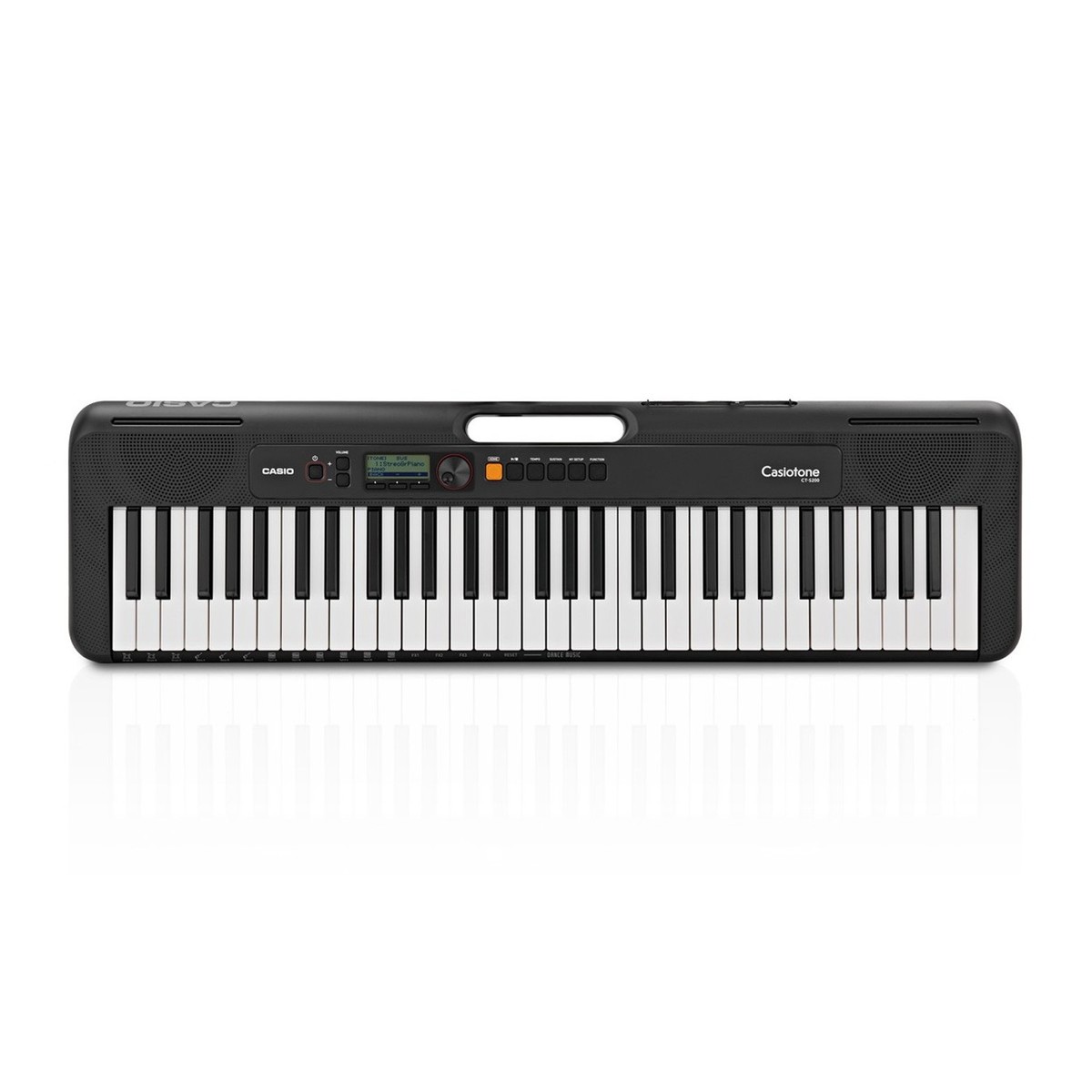
Casio CT S200 Portable Keyboard Black
 £57.50 ($73)
Yamaha
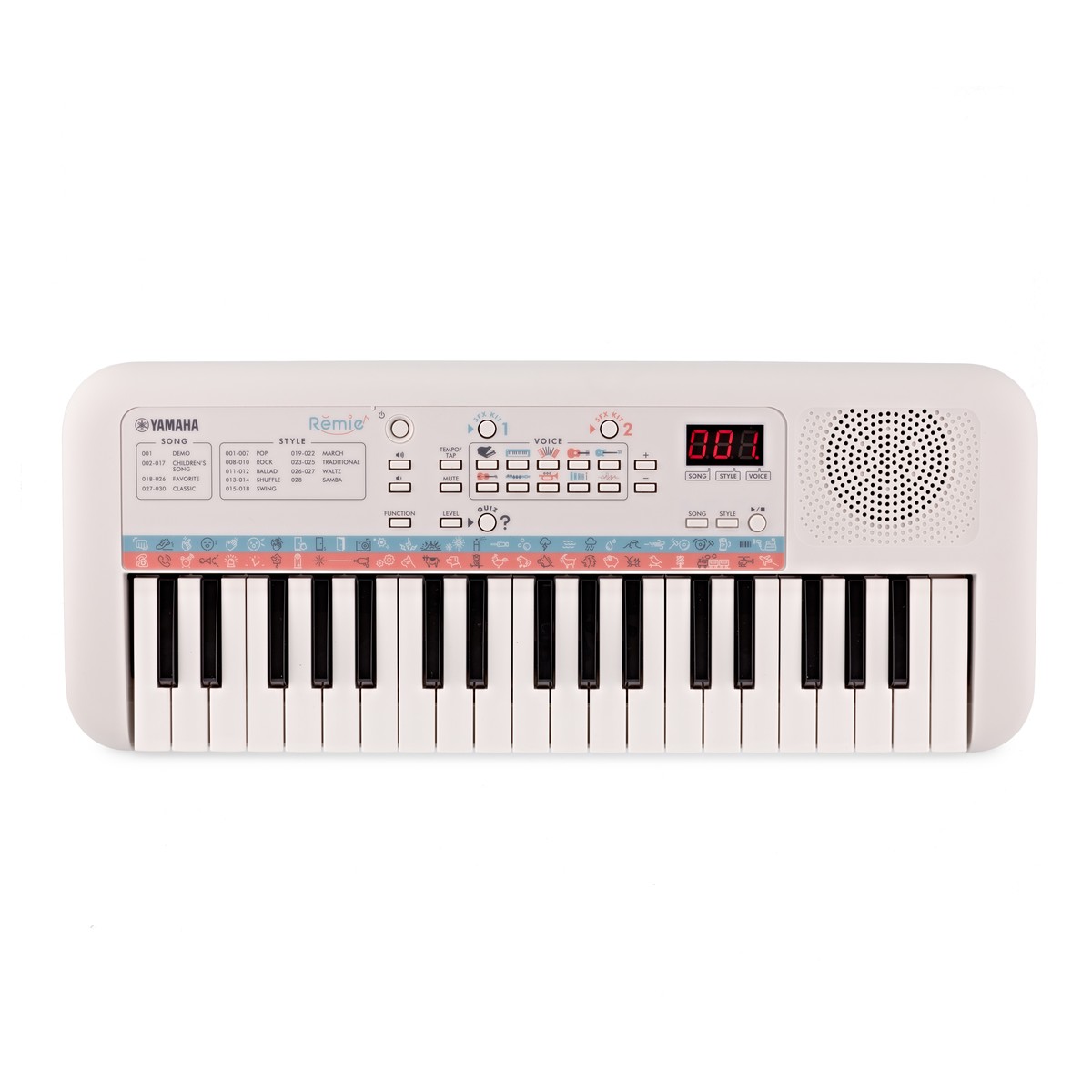
Yamaha PSS E30 Portable Keyboard
 £193.25 ($245)
Casio
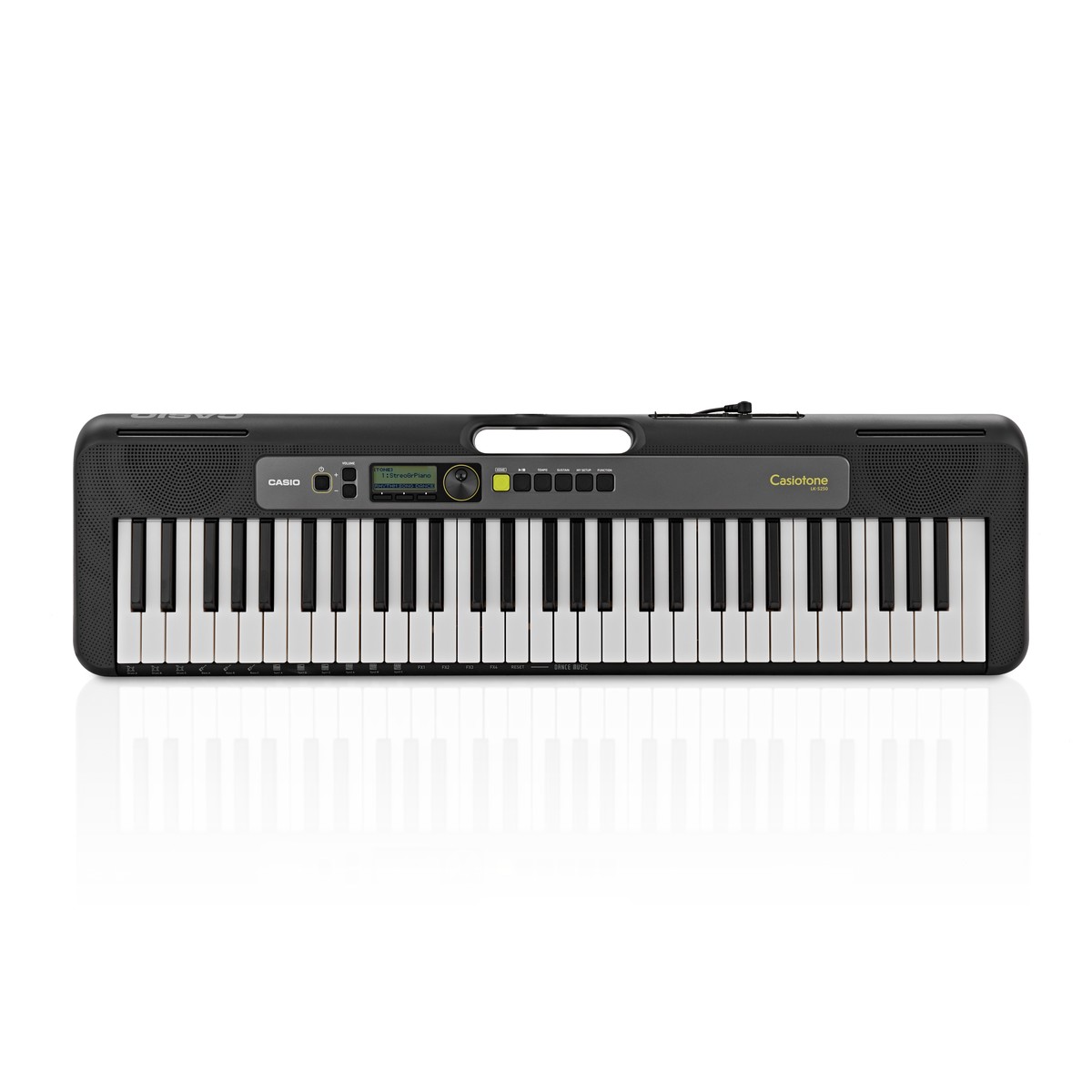
Casio LK S250 Portable Keyboard
 £549.00 ($697)
Korg
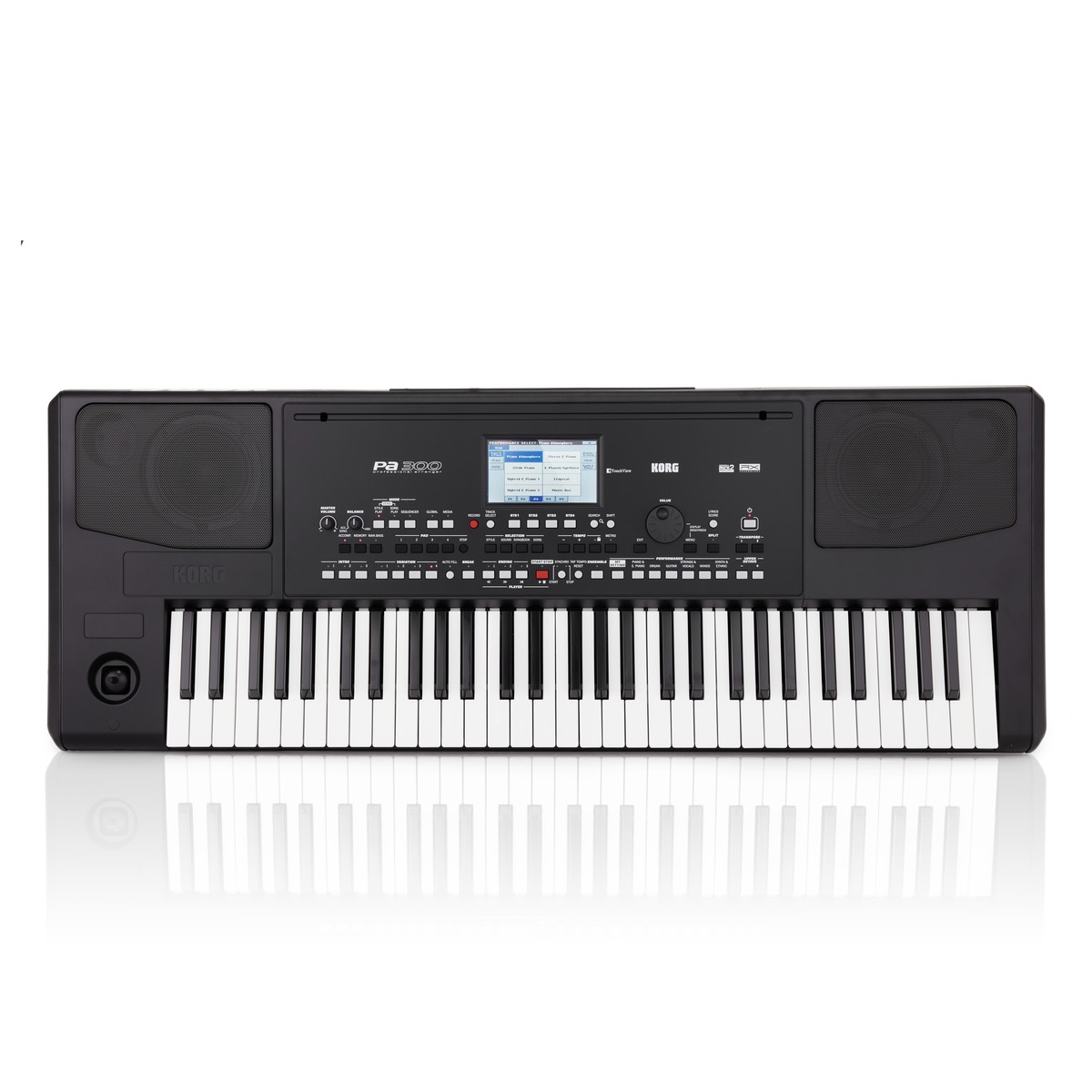
Korg Pa300 Professional Arranger Keyboard
Frequently asked questions
- How many keys does the Roland E-A7 have?
- The Roland E-A7 features 61 keys. These keys are velocity-sensitive, allowing for expressive playing dynamics during performance.
- What is the weight of the Roland E-A7?
- The keyboard weighs approximately 7.9kg. This lightweight design is intended to make it easy for musicians to transport to various gigs and rehearsals.
- What makes the E-A7 interface unique?
- It uses an innovative dual LCD display system. This allows the player to see styles on one side and sounds on the other, reducing the need to switch screens during a performance.
- How many preset tones are included?
- There are over 1,500 onboard tones. These include a wide variety of professional sounds from across the globe, suitable for many different musical genres.
- Can I import my own sounds into the E-A7?
- Yes, the E-A7 is an expandable arranger. It allows for the import of WAV samples and has onboard sampling functions to create custom instruments.
- Does the E-A7 include backing tracks?
- Yes, it includes a massive library of backing styles from all over the world. These tracks are designed to provide authentic rhythmic accompaniment for solo performers.
- Is the Roland E-A7 suitable for live gigging?
- Absolutely, it was designed specifically for live use. Its dedicated quick-access controls and lightweight frame are tailored for the needs of performing musicians.
- How does the E-A7 compare to the Korg Pa300?
- Both are professional arrangers, but the E-A7 features a unique dual-screen interface and a heavier emphasis on global backing styles. The E-A7 is also designed for rapid physical control access.
- What is the typical price for the Roland E-A7?
- The typical price range for this model is approximately GBP 1299. Prices may vary slightly depending on the retailer and regional taxes.
- Are there dedicated controls for real-time adjustments?
- Yes, the keyboard features dedicated quick-access buttons. These allow the user to trigger functions and change parameters instantly without navigating deep menus.
- Can the E-A7 be used for world music styles?
- Yes, one of its primary features is the inclusion of backing tracks and tones from across the world. It is highly regarded for its versatility in international musical traditions.
- Is the Roland E-A7 a workstation or an arranger?
- It is primarily an arranger keyboard. While it has some workstation-like features such as sampling and tone editing, its core focus is on live performance and automatic accompaniment.