
Gear article
Roland Gaia 2 Synthesizer
The Roland Gaia 2 is a modern hybrid synthesizer that integrates wavetable and virtual analog synthesis within a user-friendly hardware interface. Designed for both sound design education and professional performance, it features a hands-on panel layout, full-sized keys, and a unique Motional Pad for real-time modulation.
See live pricesOverview and Design
The Roland Gaia 2 is designed to provide a logical and intuitive workflow for synthesists of all skill levels. Its primary focus is on accessibility, featuring a clear panel layout that follows the signal flow of traditional synthesis. This makes it an effective tool for learning the fundamentals of sound creation while remaining powerful enough for advanced sound design. The instrument is equipped with full-size keys, catering to performers who require a traditional playing experience.
Synthesis Engine and Sound
At the core of the Gaia 2 is a hybrid engine that combines wavetable synthesis with virtual analog technology. This combination allows for a vast sonic palette, ranging from classic, warm analog-style pads and leads to the complex, evolving digital textures typical of wavetable oscillators. The inclusion of Model Expansion support further broadens the instrument's capabilities, allowing users to load different Roland synth architectures into the hardware.
Performance Features
The Gaia 2 includes several tools for dynamic performance and composition:
- Motional Pad: A touch-responsive controller that allows for the real-time manipulation of multiple parameters simultaneously.
- Sequencer: An integrated sequencer for generating complex phrases and rhythmic patterns on the fly.
- Hands-on Controls: Numerous knobs and sliders corresponding to the synth's internal parameters for immediate adjustment during live use.
Market Context and Alternatives
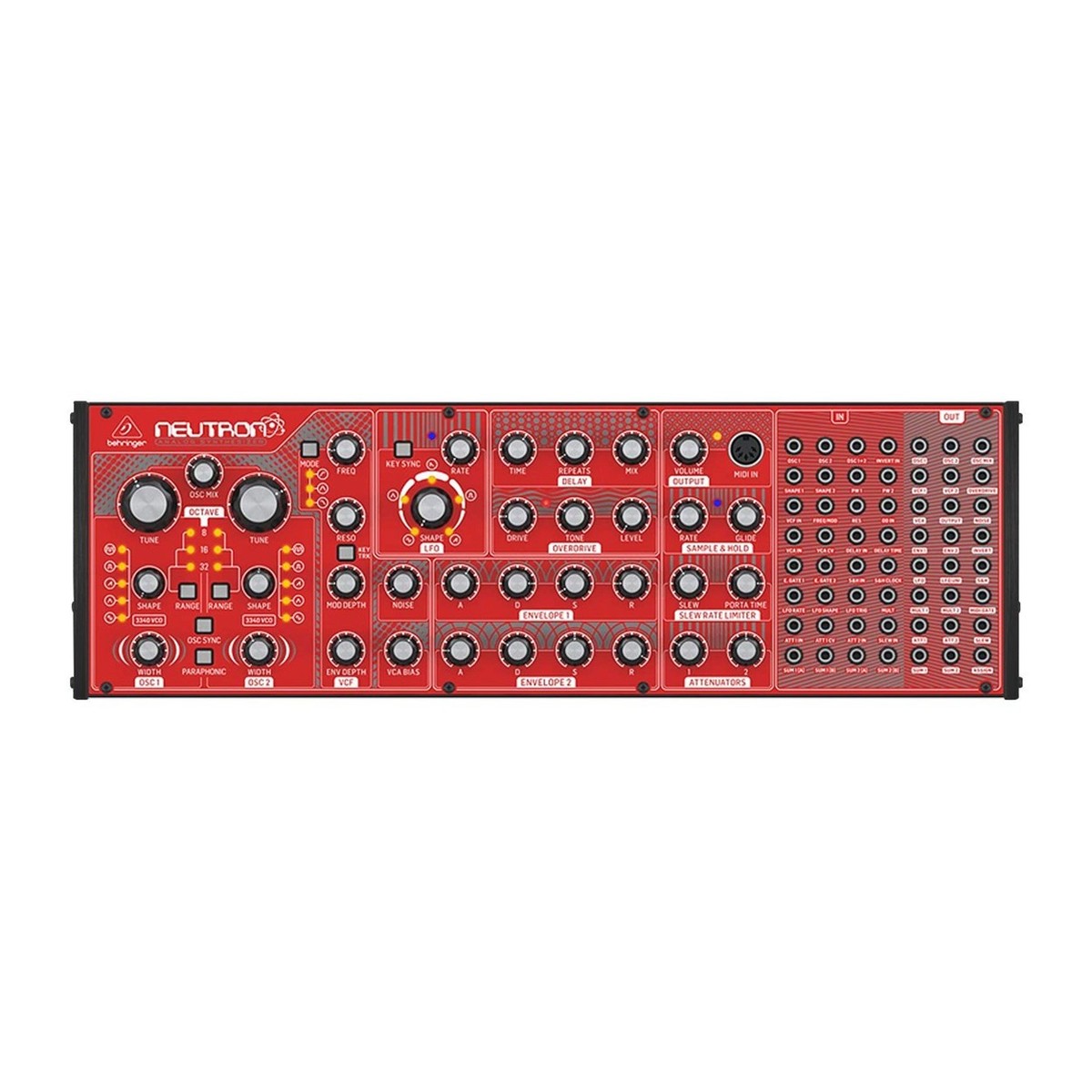
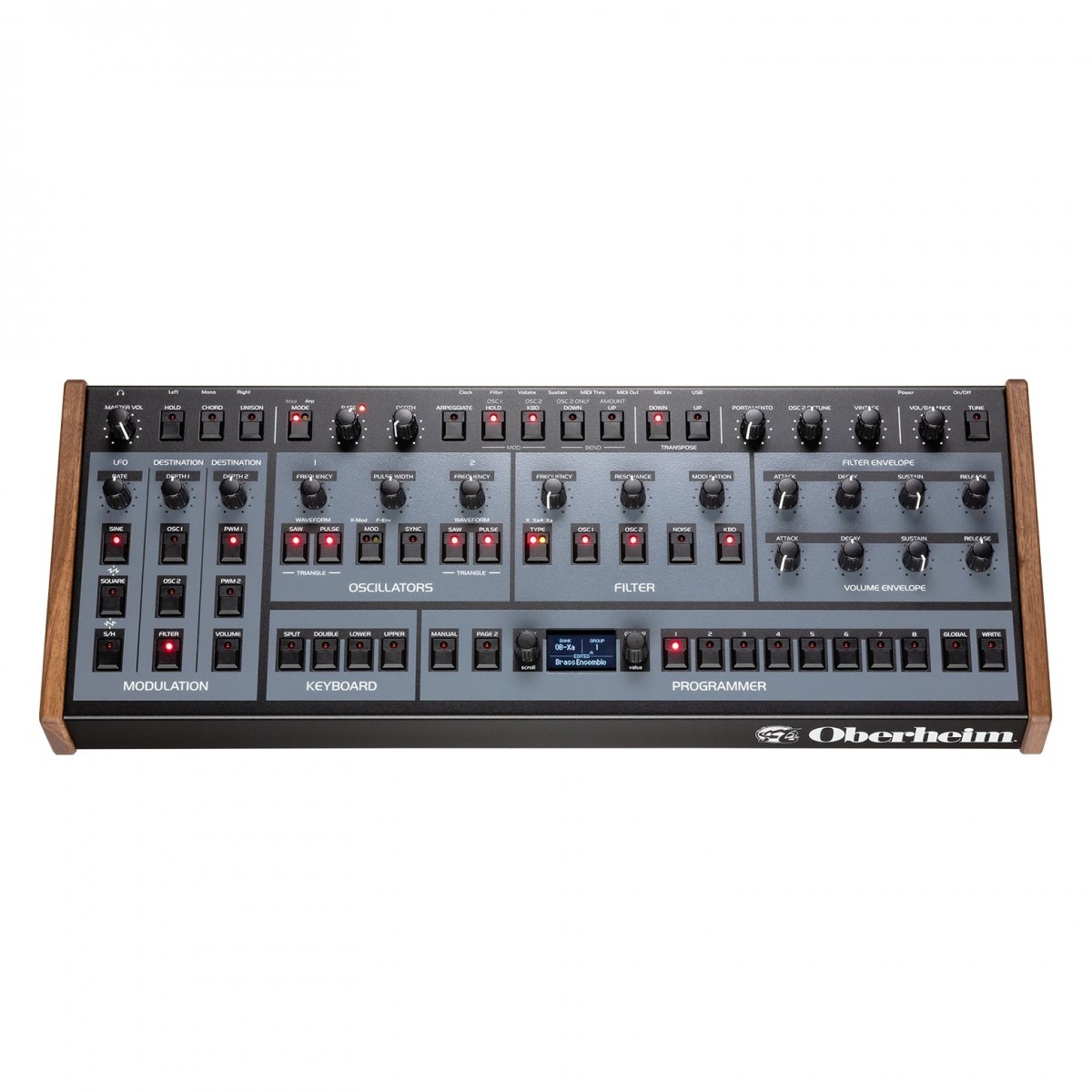
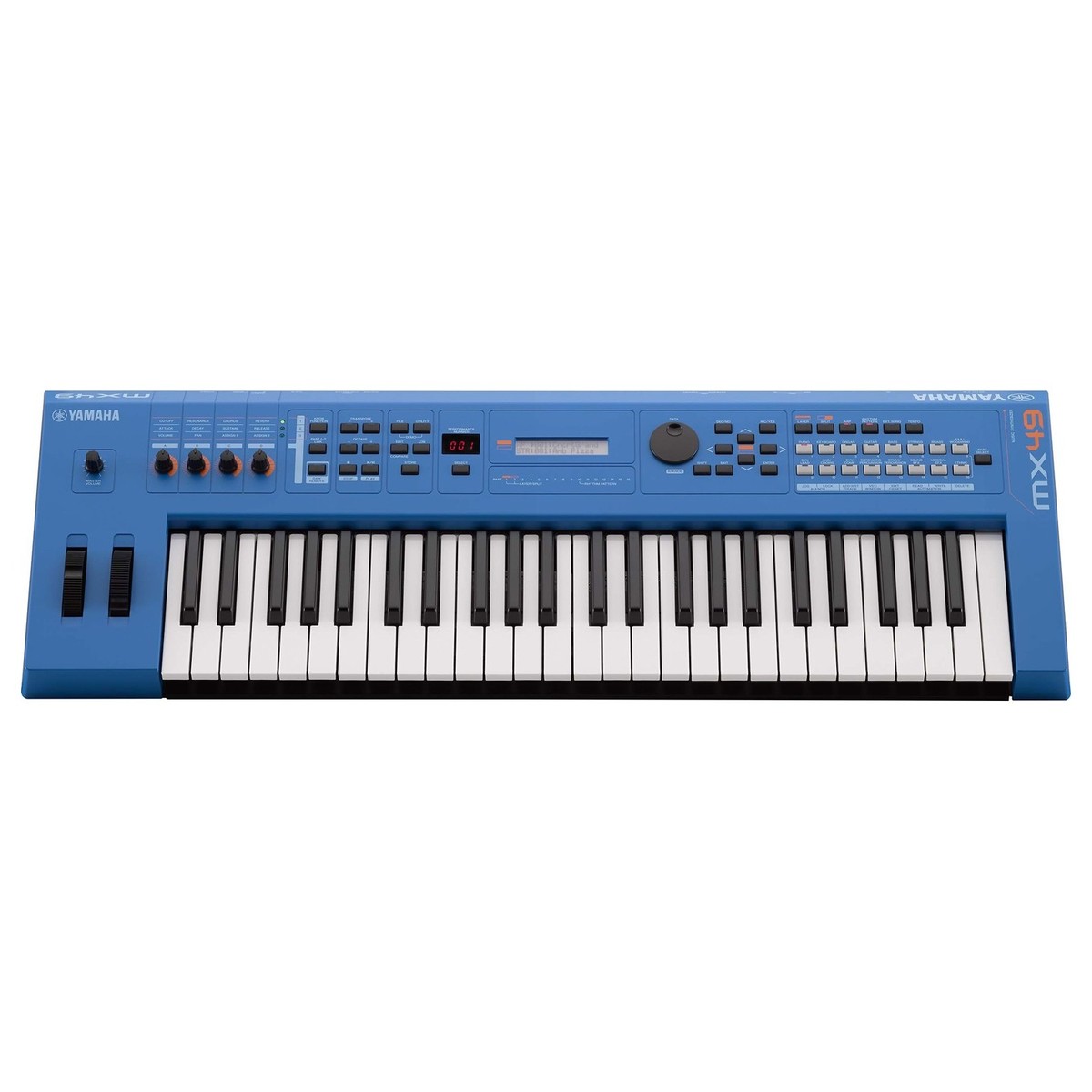
Positioned within the mid-range synthesizer market, the Gaia 2 competes with a variety of digital and analog instruments. While it offers a versatile hybrid approach, users looking for specific workflows might consider alternatives like the Behringer Neutron for semi-modular exploration or the Yamaha MX49 II for a focus on bread-and-butter production sounds. For those seeking pure high-end analog tones, the Oberheim OB-X8 represents a more traditional, though significantly more expensive, alternative. The Gaia 2 occupies a unique space by balancing educational clarity with a deep, modern digital engine.
Related gear
 £368.00 ($467)
Roland
Roland Boutique TR-08 Rhythm Composer Drum Machine
 £239.00 ($304)
Behringer
Behringer Neutron Semi-Modular Synthesizer
 £3,599.00 ($4,571)
Oberheim
Oberheim OB-X8 Analog Synthesizer Desktop Module
 £454.00 ($577)
Yamaha
Yamaha MX49 II Music Production Synthesizer Blue
 £113.00 ($144)
Electro Harmonix
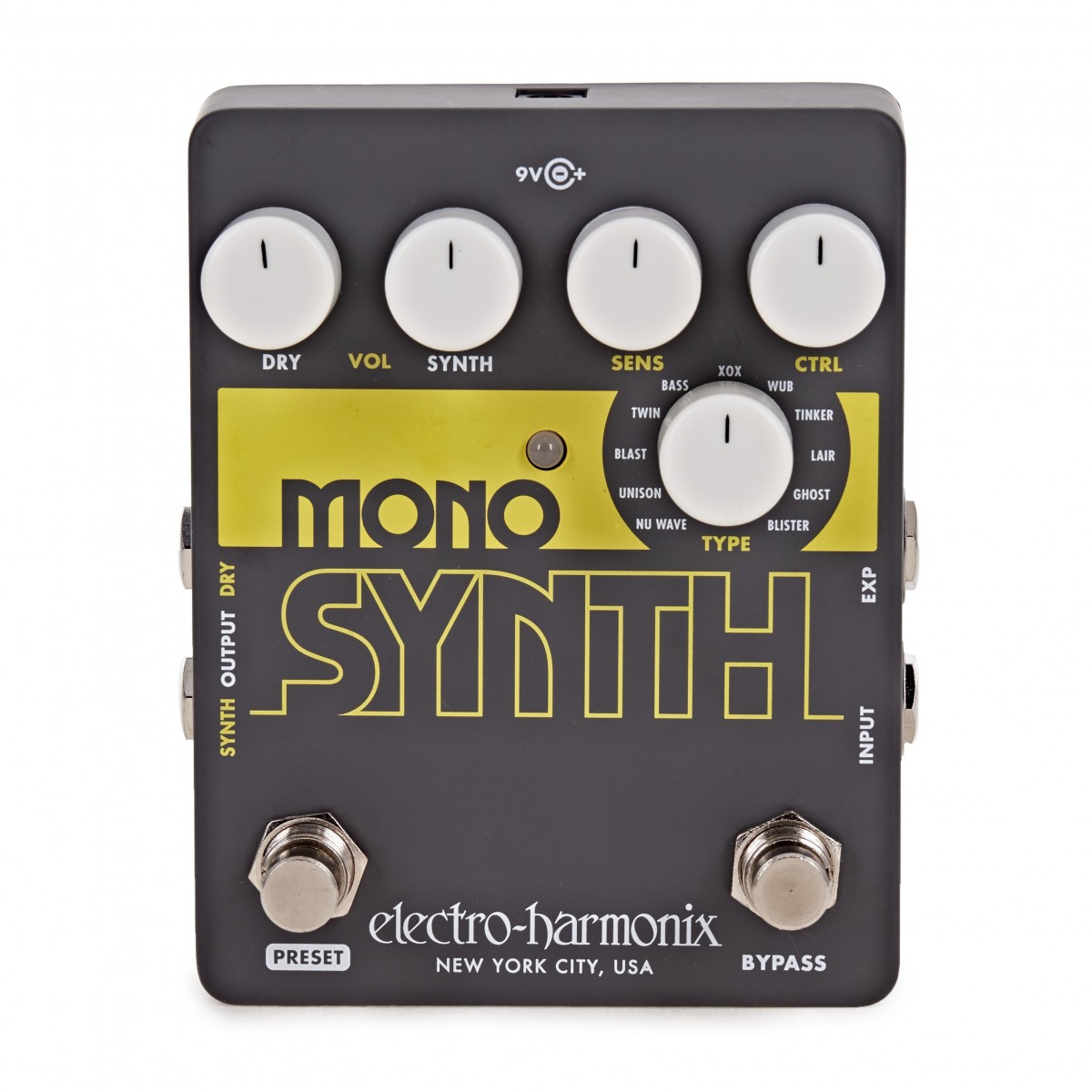
Electro Harmonix Mono Synth Guitar Synthesizer
 £2,248.64 ($2,856)
Viscount Organs
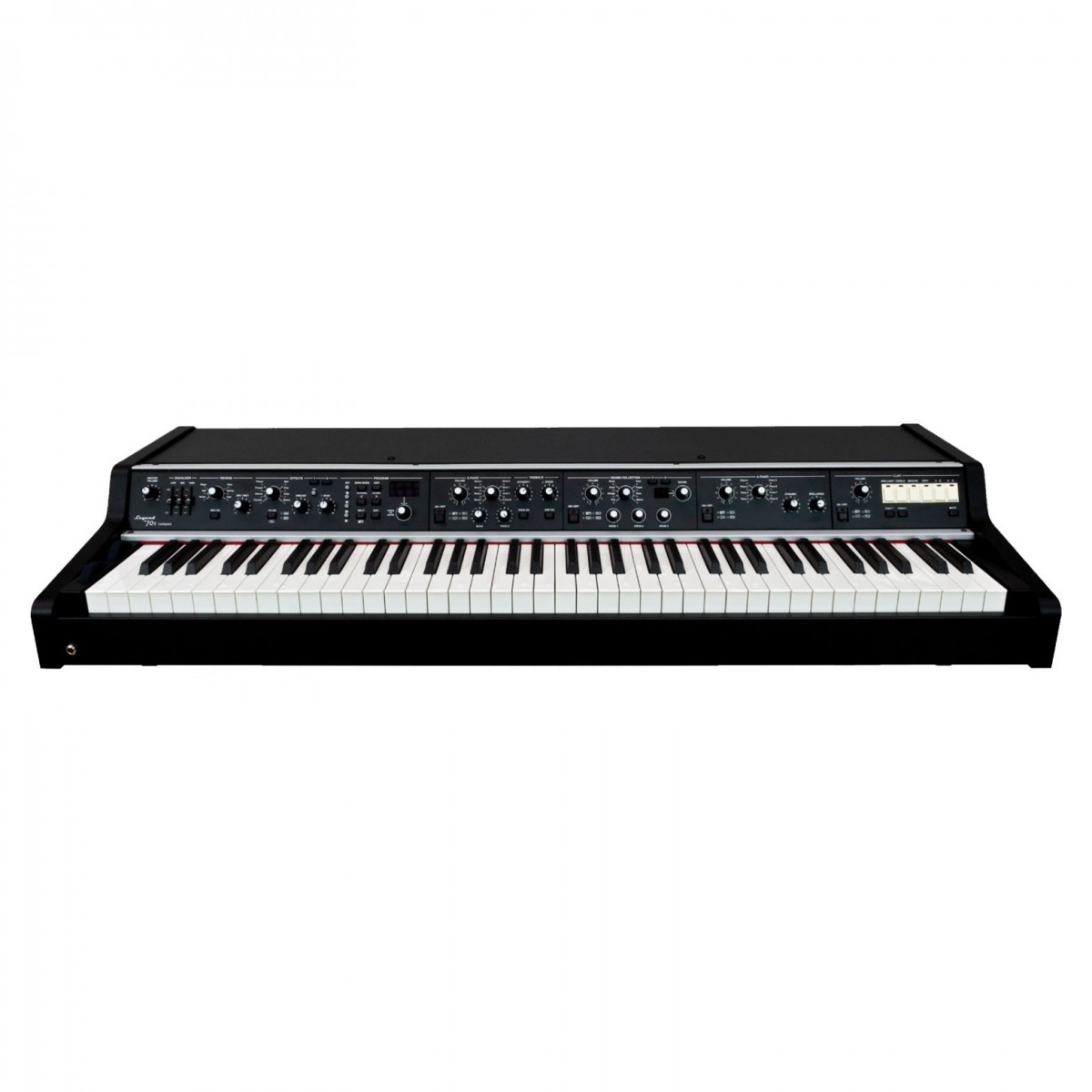
Viscount Legend 70s Compact EX Modular Stage Piano
 £637.97 ($810)
Yamaha
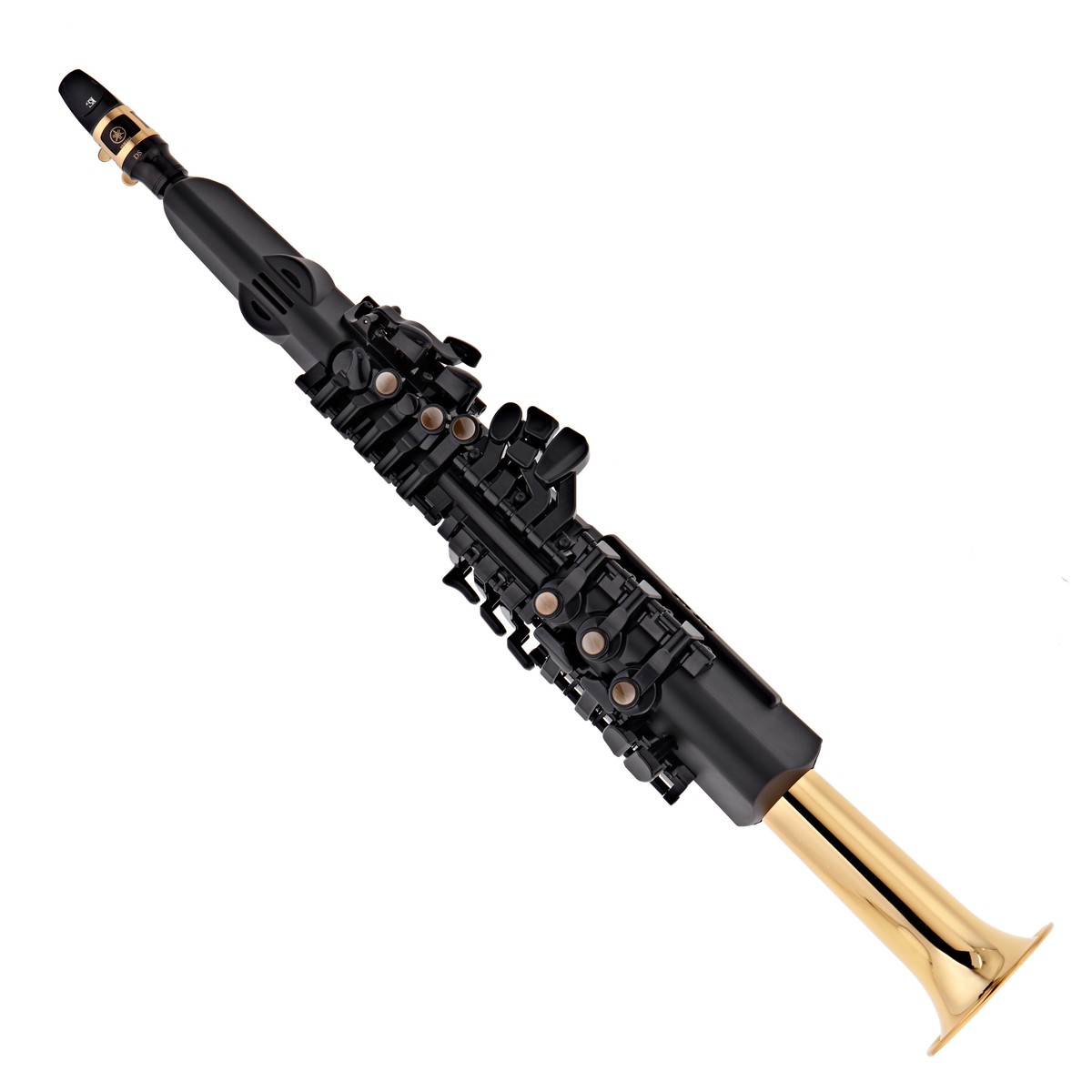
Yamaha YDS 150 Digital Wind Synthesizer
 £499.99 ($635)
Gear4Music
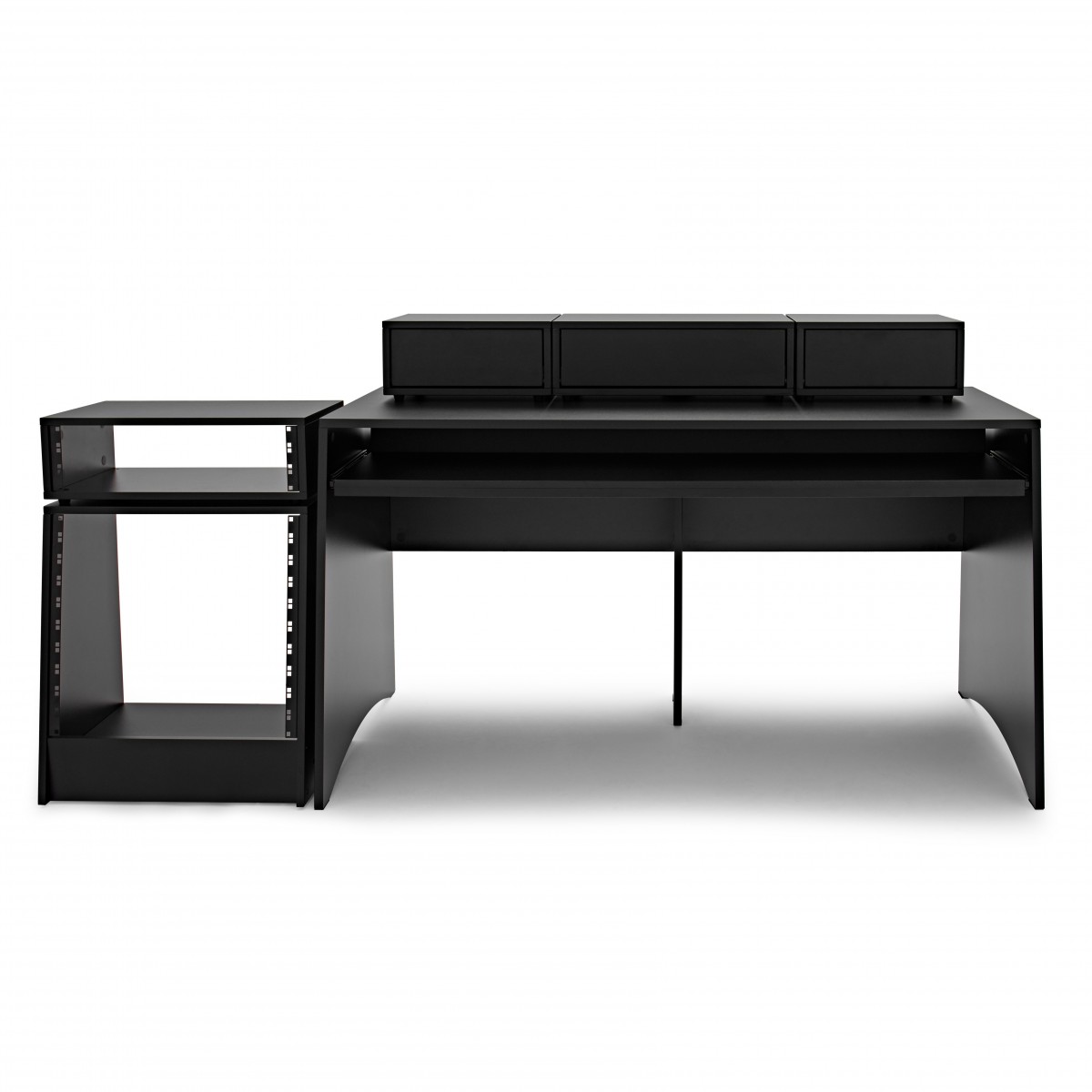
modul Modular Complete Studio System Black
Frequently asked questions
- What type of synthesis does the Roland Gaia 2 use?
- The Gaia 2 employs a hybrid engine that combines wavetable synthesis with virtual analog synthesis. This allows it to produce both modern digital textures and classic analog-style sounds.
- Does the Gaia 2 have full-size keys?
- Yes, the Gaia 2 features full-size keys to ensure a professional and immersive playing experience. This distinguishes it from many compact synthesizers that use 'slim' or 'mini' keys.
- What is the Motional Pad?
- The Motional Pad is a specialized control surface on the Gaia 2 that allows users to record and playback parameter movements. It enables complex, dynamic changes to the sound that can be modified on the fly during a performance.
- Can the Gaia 2 be expanded with new sounds?
- Yes, the instrument supports Roland Model Expansions. This feature allows users to load different synthesizer models into the Gaia 2 hardware, significantly increasing its sonic versatility.
- Is the Gaia 2 suitable for beginners?
- The Gaia 2 is designed with a user-friendly panel layout that is highly logical. This makes it an excellent choice for learning the fundamentals of synthesis while offering enough depth for advanced users.
- Does it include an onboard sequencer?
- Yes, it features a built-in sequencer. This tool allows for the creation of complex phrases and patterns, which can be manipulated in real-time to generate evolving musical sequences.
- What is the typical price for the Roland Gaia 2?
- The Gaia 2 is typically priced around £705. This puts it in the mid-range category of professional hardware synthesizers.
- How does the Gaia 2 compare to the Behringer Neutron?
- The Gaia 2 is a polyphonic hybrid synth with presets and full keys, whereas the Behringer Neutron is a monophonic semi-modular analog synth. The Gaia 2 is more suited for structured performance, while the Neutron is geared toward experimental patching.
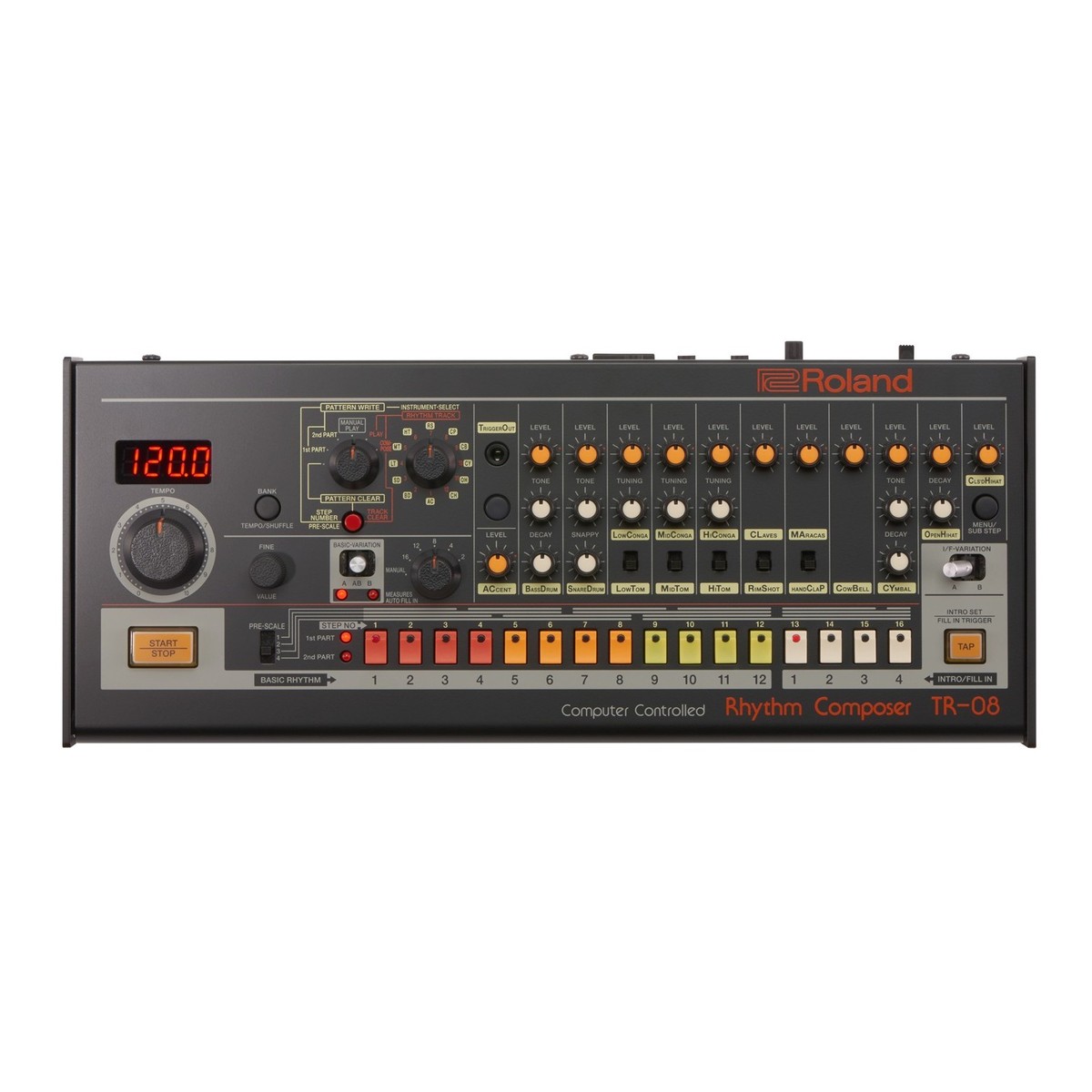
- Can the Gaia 2 produce classic rhythm sounds like the TR-08?
- While the Gaia 2 is a melodic synthesizer rather than a dedicated drum machine like the Roland TR-08, its flexible engine can be used to design percussive sounds. However, the TR-08 is a specialized recreation of a specific rhythm composer.
- How does it differ from a digital wind synth like the Yamaha YDS 150?
- The Gaia 2 is a traditional keyboard-based synthesizer controlled by hands and fingers. The Yamaha YDS 150 is a wind-controller instrument designed to be played like a saxophone.
- Is the Gaia 2 a modular system?
- No, the Gaia 2 is a fixed-architecture synthesizer. Those looking for a fully modular experience would be better served by a product like the Gear4Music modul Complete Studio System.
- Does the Gaia 2 focus on acoustic piano sounds like the Viscount Legend 70s?
- No, the Gaia 2 is a sound design-focused synthesizer. The Viscount Legend 70s is a modular stage piano specifically designed for emulating classic electric and acoustic pianos.