
Gear article
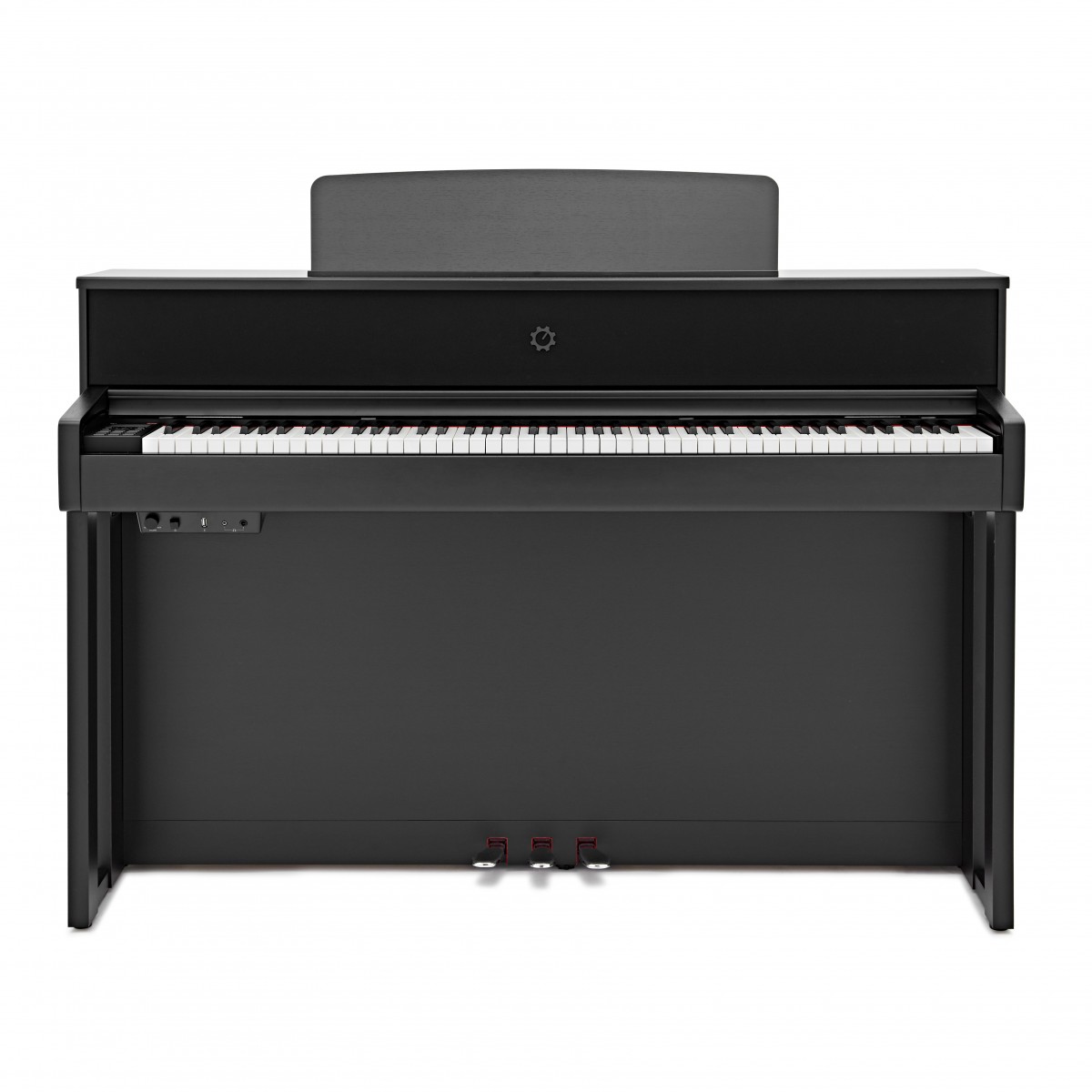
Roland HP704 Digital Piano Light Oak
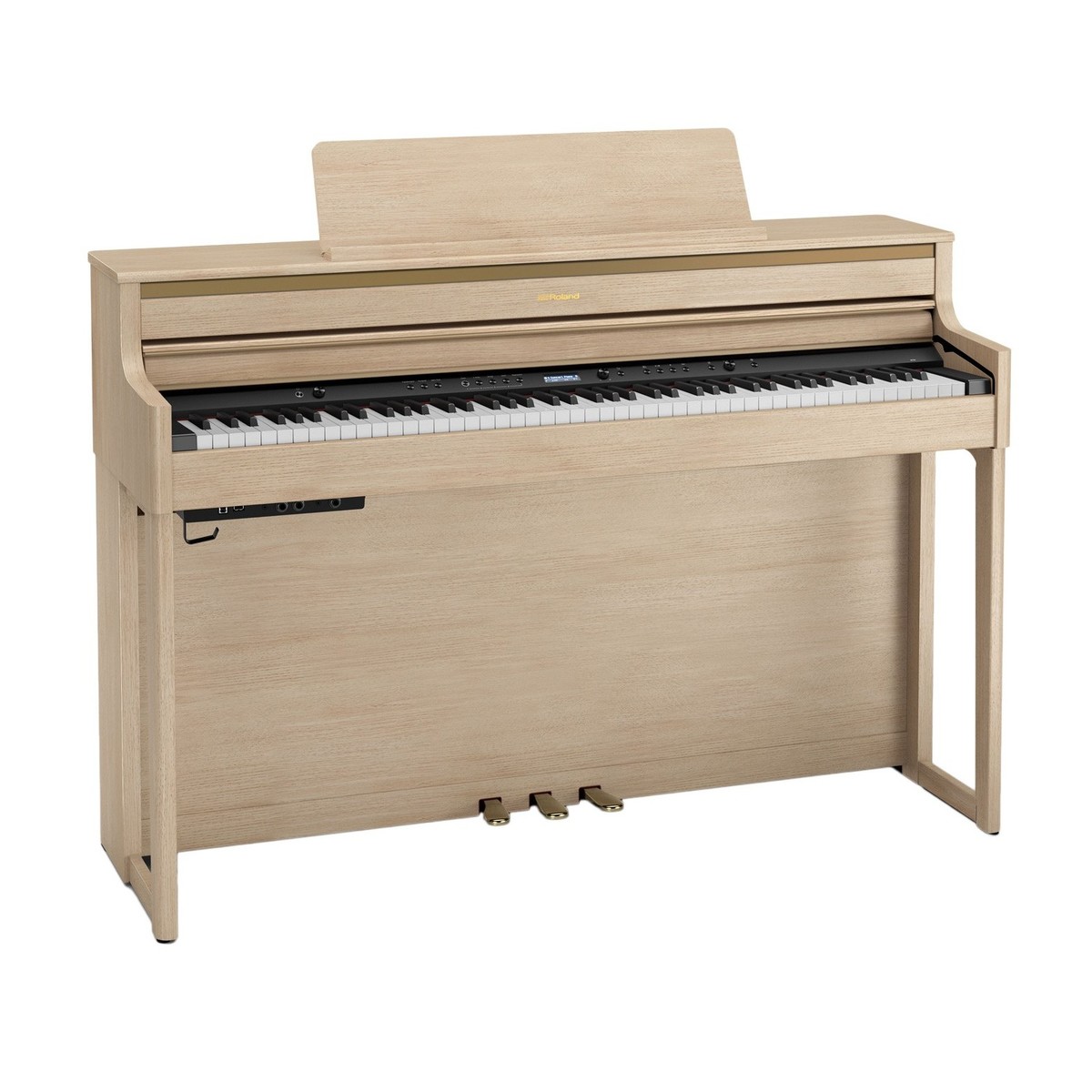
The Roland HP704 Light Oak is a premium-grade digital piano designed to replicate the nuances of an acoustic instrument through advanced SuperNATURAL Piano Modeling. It features a four-speaker Acoustic Projection System and the PHA-50 hybrid keyboard to provide an authentic performance experience for home and professional use.
Overview
The Roland HP704 represents a balance between contemporary furniture design and high-end musical performance. Dressed in a Light Oak finish, this digital piano is built to suit modern living spaces while providing the technical specifications required for serious practice and performance. It occupies a position in Roland’s HP series that emphasises the physical sensation of playing through tactile feedback and immersive sound stage reproduction.
Keyboard Action and Playability
Central to the HP704's performance is the PHA-50 keyboard action. This hybrid design combines wood and moulded materials; the wooden sides provide a traditional weight and look, while the inner frame ensures durability and stability. The action is designed to be ultra-expressive, mimicking the escapement and physical resistance of a grand piano. Such fluid playability allows for technical nuances typically only found on mechanical instruments.
Sound Generation and Acoustics
Unlike standard digital pianos that rely on static samples, the HP704 utilises Roland’s SuperNATURAL Piano Modeling technology. This process calculates the complex physical interactions within an acoustic piano in real-time, resulting in a more responsive and organic tone.
To project this sound, the instrument employs a specialised Acoustic Projection System. This consists of four speakers arranged to recreate the rich sound field of an acoustic piano. The configuration ensures that the sound emanates from different points of the cabinet, capturing nuances of the upper harmonics and the deep resonance of the soundboard.
Smart Features and Connectivity
Modern functionality is integrated via built-in Bluetooth connectivity. This allows users to stream audio from smartphones or tablets through the piano's four-speaker system, facilitating play-along sessions. Additionally, the MIDI-over-Bluetooth capability enables wireless connection to music education and composition apps, expanding the educational potential of the instrument beyond the onboard sounds.
Market Comparisons
The Roland HP704 competes with other high-fidelity digital pianos such as the Kawai CN301 and the CA501, which also focus on wooden-key actions. While the Roland RP701 offers a more entry-level approach, the HP704 sits closer to the premium performance found in models like the Kawai CA901. For users requiring a more minimalist footprint, the Roland DP603 remains a slimline alternative with similar internal technology, though the HP704 offers a more traditional upright presence and a more robust speaker array.
Related gear
- £2,539.00 ($3,225)
Roland
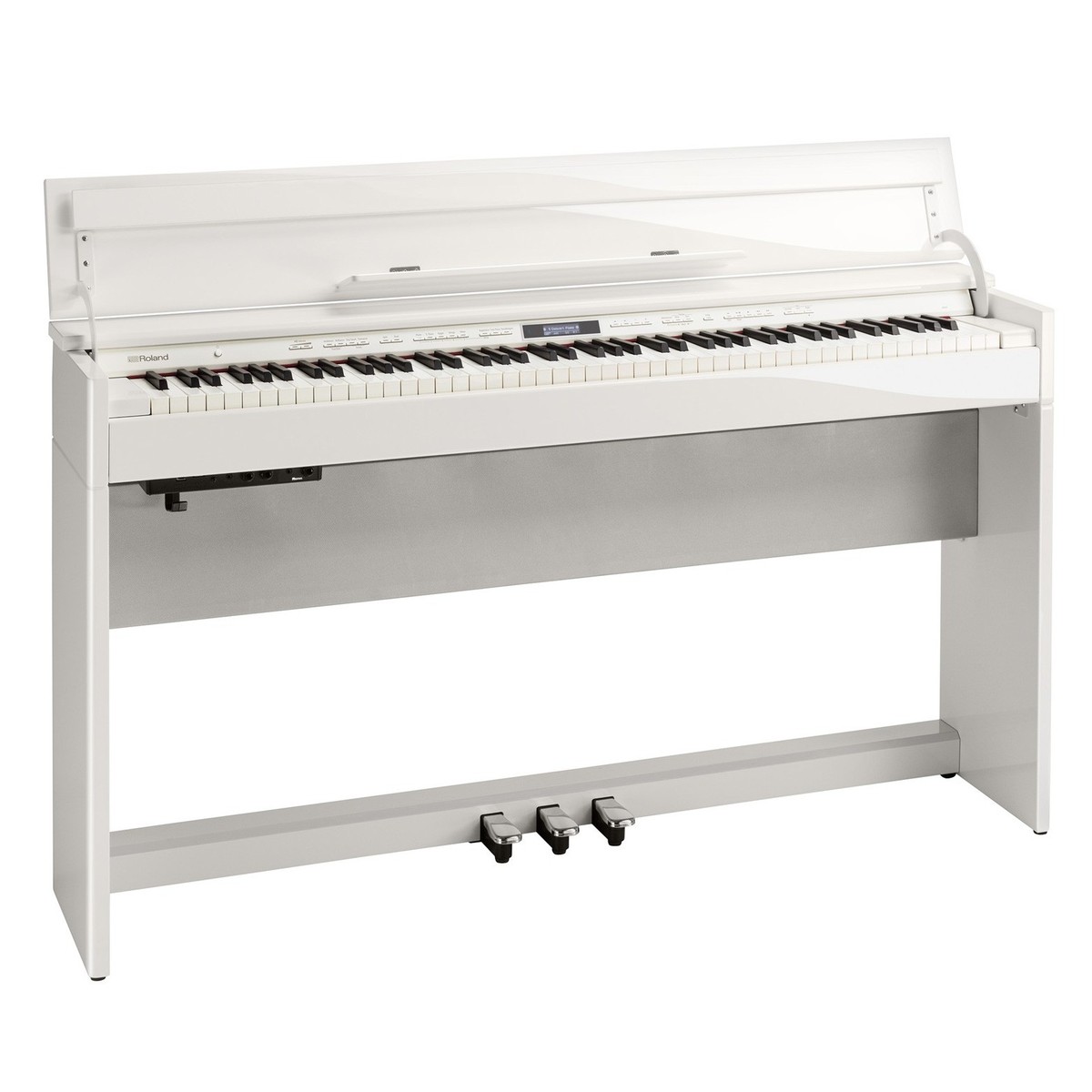
Roland DP603 Digital Piano Polished White
 £1,636.71 ($2,079)
Kawai
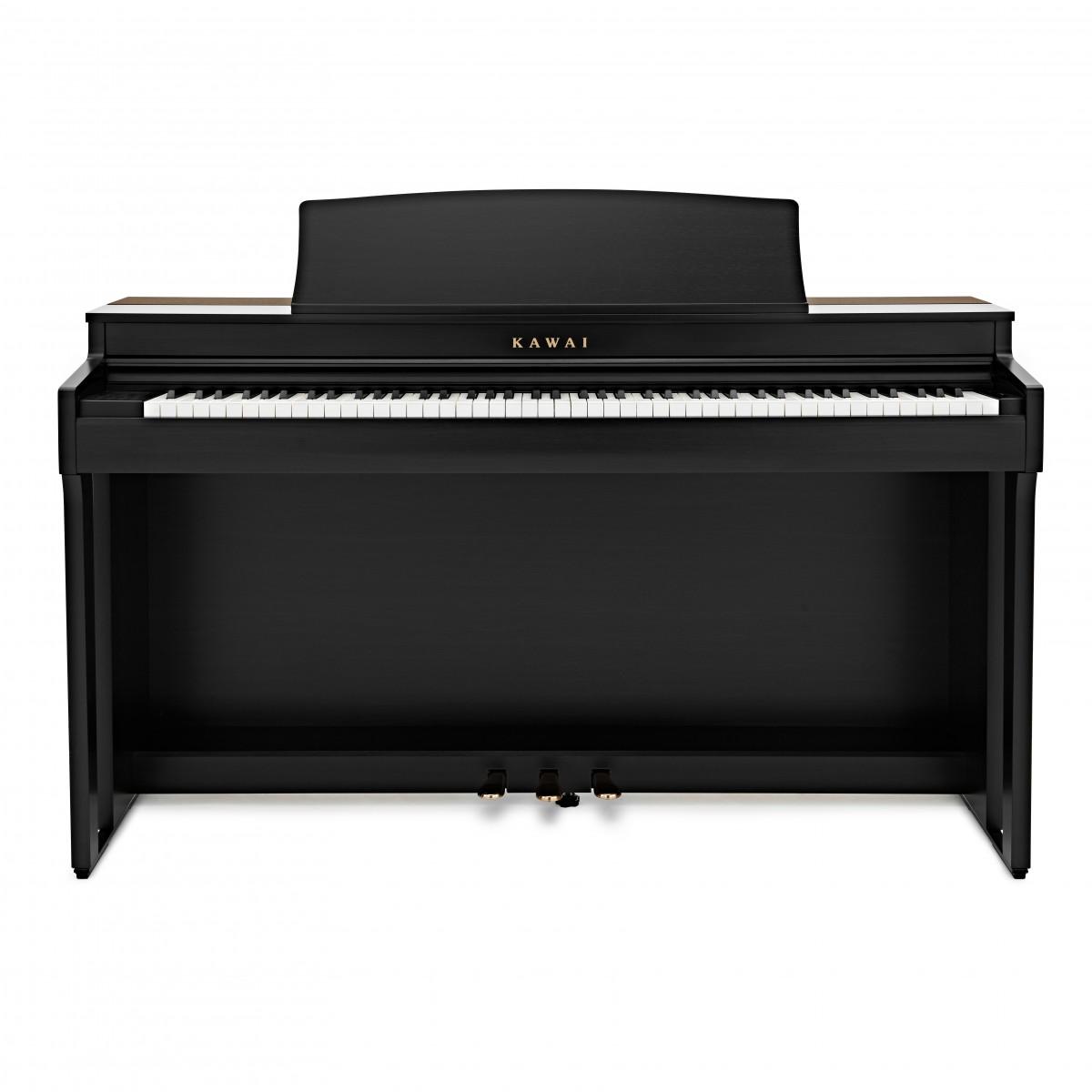
Kawai CN301 Digital Piano Satin Black
 £2,218.83 ($2,818)
Kawai
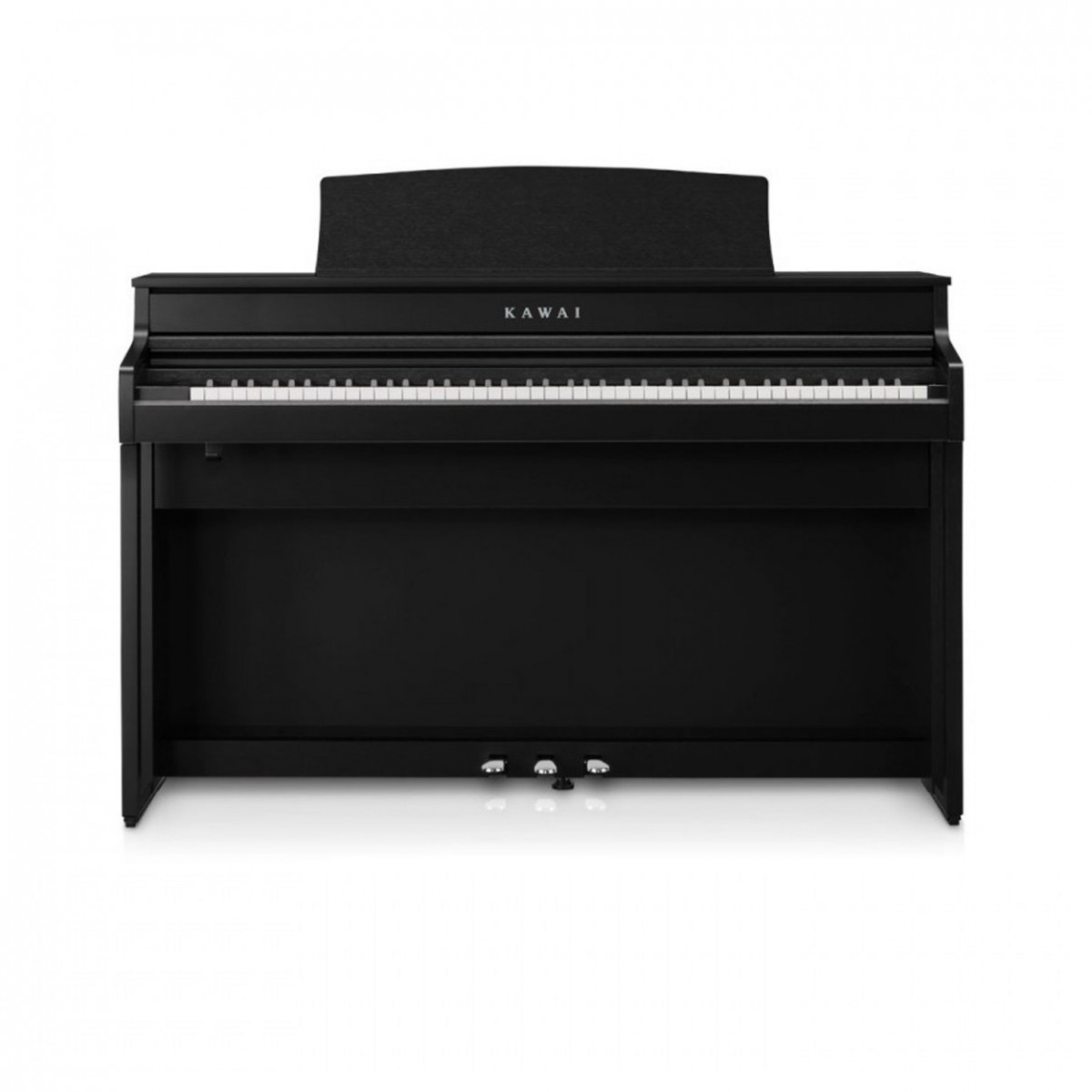
Kawai CA501 Digital Piano Satin Black
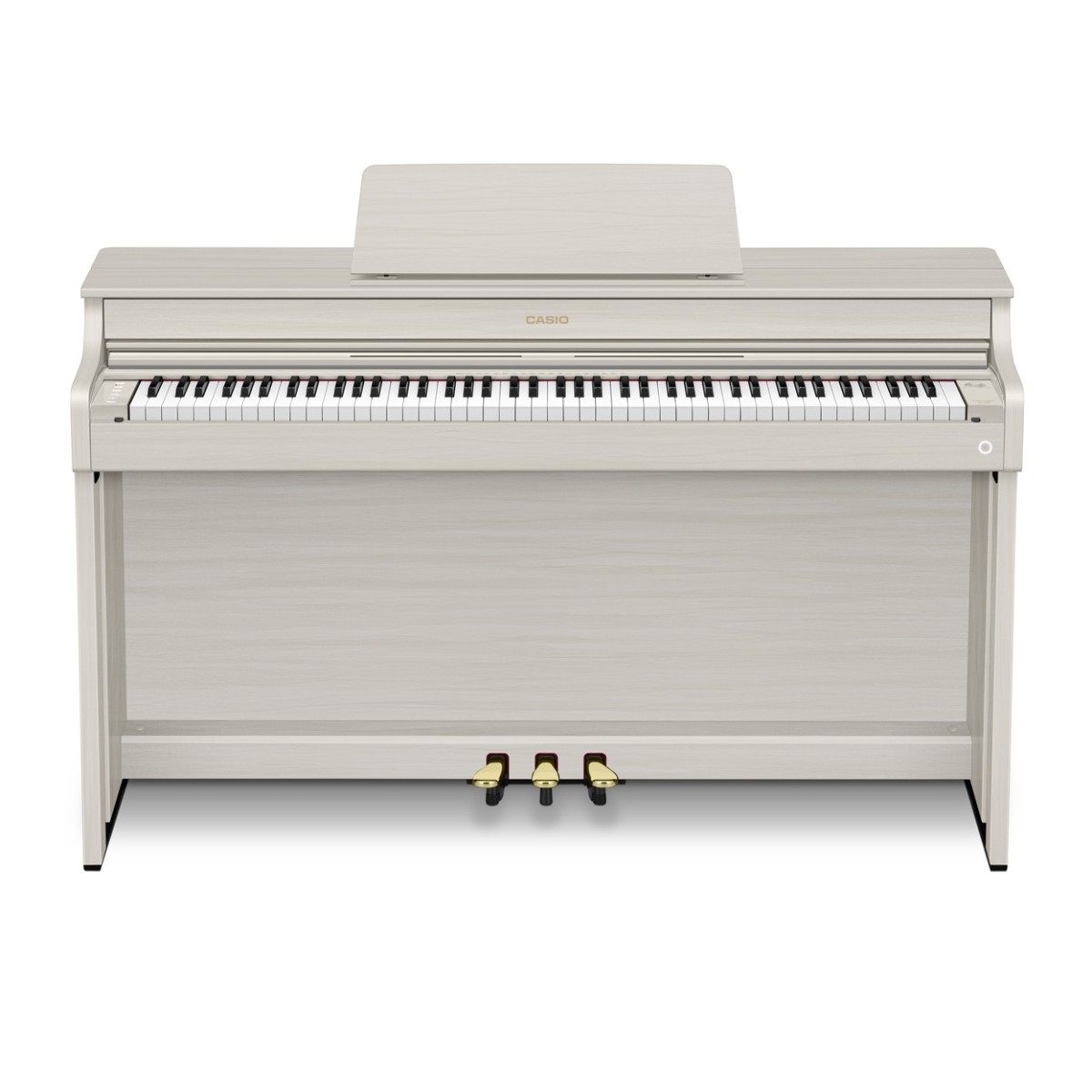 £1,025.00 ($1,302)
Casio
Casio AP-300 Digital Piano Grey Beige
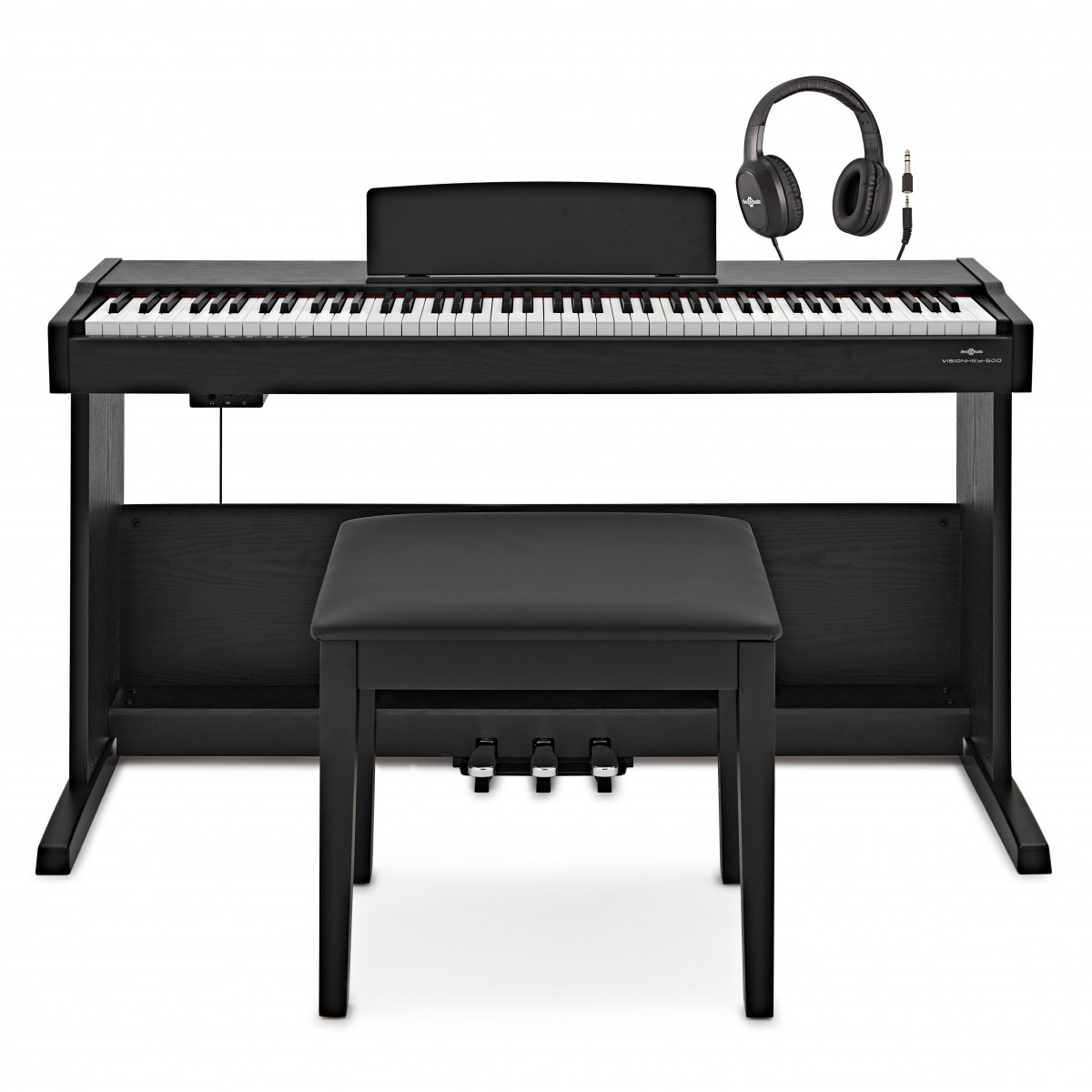 £329.99 ($419)
Gear4Music
VISIONKEY-500 Digital Piano Bench Pack Black
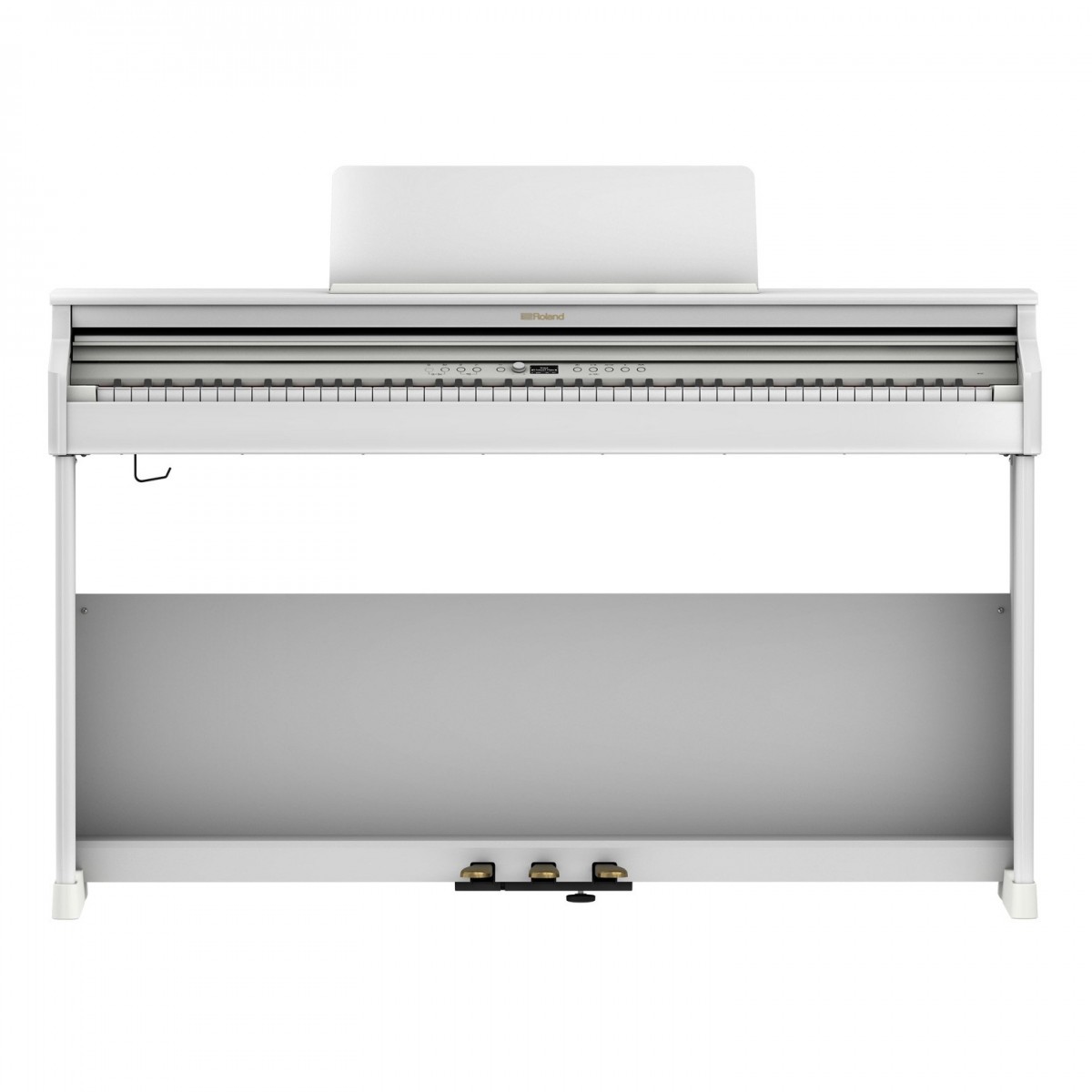 £1,249.00 ($1,586)
Roland
Roland RP701 Digital Piano White
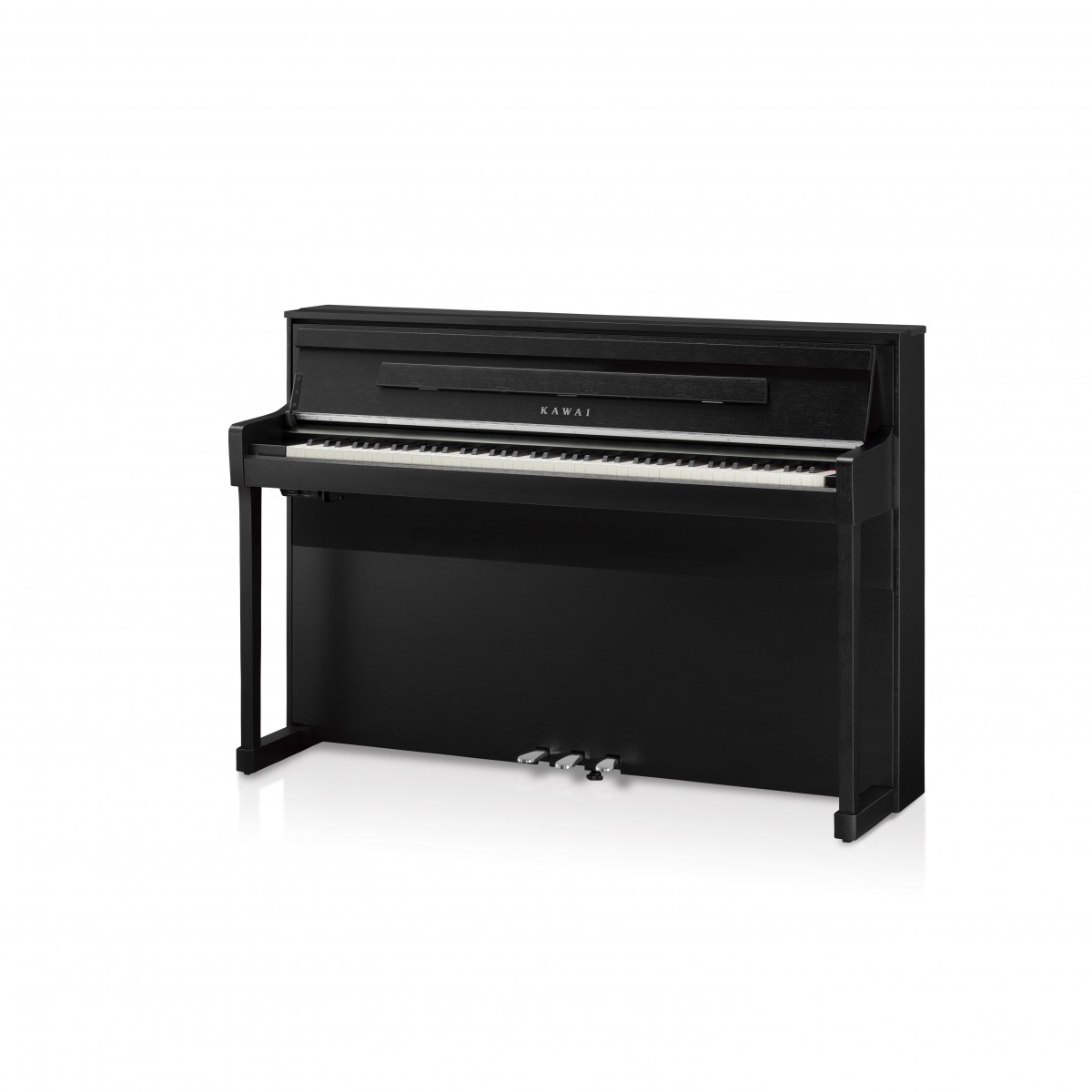 £3,211.80 ($4,079)
Kawai
Kawai CA901 Digital Piano Satin Black
 £799.99 ($1,016)
G4M
G4M HDP-1 Upright Digital Piano Black
Frequently asked questions
- What is the key action used in the Roland HP704?
- The HP704 features the PHA-50 keyboard action. This is a hybrid structure combining wooden sides with durable moulded materials to provide the feel of a traditional acoustic piano.
- How many speakers are included in the HP704?
- It is equipped with a four-speaker Acoustic Projection System. These speakers work together to create a rich, immersive sound field that mimics an acoustic piano's resonance.
- What sound engine does this piano use?
- The instrument uses Roland's SuperNATURAL Piano Modeling technology. This differs from standard sampling by recreating the sound through physical modelling for better expression.
- Does the Roland HP704 support Bluetooth?
- Yes, it features built-in Bluetooth connectivity. This allows for both audio streaming through the speakers and MIDI connection for use with various music applications.
- What finish is available for this specific model?
- This specific model is finished in Light Oak. This provides a contemporary, bright wood aesthetic suitable for modern home interiors.
- Is the HP704 suitable for professional practice?
- Yes, its combination of the PHA-50 wood-hybrid action and high-end sound modelling makes it a premium-grade choice for serious students and professionals.
- How does the HP704 compare to the Roland RP701?
- The HP704 is a higher-tier model featuring the superior PHA-50 action and a four-speaker sound system. The RP701 is a more compact, entry-level alternative with a different keyboard feel.
- Can I use headphones with the Roland HP704?
- Yes, it includes headphone outputs. These typically utilize Roland's 3D Ambience technology to provide an immersive sound experience during silent practice.
- What is the typical price range for the HP704?
- The HP704 is generally positioned at a premium price point, typically retailing for approximately GBP 2029.
- What makes the PHA-50 keyboard unique?
- It blends the aesthetic and tactile feel of wooden keys with the reliability of modern composite materials. This prevents the warping issues sometimes found in purely wooden keys while maintaining a traditional touch.
- Does the cabinet design impact the sound?
- Yes, the contemporary cabinet is designed to house the Acoustic Projection System. This allows the four speakers to project sound in a way that replicates the natural dispersion of an upright acoustic piano.
- How does it compare to the Kawai CA501?
- Both are premium digital pianos with wooden key elements. The Roland focuses on SuperNATURAL modeling for tone generation, whereas Kawai often relies on high-resolution sampling of their own grand pianos.