
Gear article
Roth Sihon Wire Cello Mute
The Roth Sihon Wire Cello Mute is a specialised accessory for cellists designed to provide medium to heavy muting while maintaining tonal clarity. Unlike traditional removable mutes, this wire-based device remains attached to the instrument strings, allowing for rapid transitions between muted and open play during a performance.
See live pricesOverview
The Roth Sihon Wire Cello Mute is a standard orchestral accessory that prioritises convenience and consistent dampening. It is designed to fit onto the G and D strings of the cello, offering a permanent solution for players who frequently move between *con sordino* (muted) and *senza sordino* (unmuted) passages. By remaining on the strings behind the bridge when not in use, it eliminates the risk of misplacing the mute during a concert.
Installation and Mechanism
The mute operates through a simple mechanical grip. To install the device, the player must gently squeeze the G and D strings together and push the mute down over them. Once the strings are released, they engage with the mute's internal structure to secure it in place.
When muting is required, the player slides the device up the strings until it rests against the bridge. When not needed, it is slid down towards the tailpiece, where it remains parked without affecting the instrument's resonance.
Sound Character and Performance
The Roth Sihon is characterised by its ability to provide medium to heavy muting without the significant tonal distortion often associated with heavy rubber practice mutes. Its primary acoustic effect is the reduction of overall volume and the dampening of high-frequency overtones.
Beyond simple volume control, the mute serves a secondary purpose in stabilising the instrument's vibration. It helps to dampen the strings and can be effective in reducing 'wolf tones'—unwanted beating or oscillating sounds caused by the natural resonance of the cello body conflicting with the frequency of a played note.
Suitability
This mute is suitable for all styles of play, ranging from student orchestral settings to professional chamber music. Because it facilitates quick changes, it is particularly useful for orchestral repertoire where players have only a few bars of rest to engage or disengage the mute. Its low price point of approximately £9 makes it an accessible upgrade for students using standard beginner instruments like the Stentor Harlequin or Gear4Music Student series.
Comparison to Alternatives
Compared to traditional ebony or heavy rubber 'comb' mutes, the Roth Sihon offers greater security as it cannot fall off the instrument during play. While heavy rubber practice mutes provide more significant volume reduction for apartment practice, they often sacrifice more tone than the Roth Sihon. Unlike the 'Tourte' style round mutes, the Roth Sihon's wire construction provides a different weight and grip profile, often favoured for its ability to address wolf tones more effectively.
Related gear
 £12.38 ($16)
Pirastro
Pirastro Cellisto Cello Rosin
 £429.00 ($545)
Stentor
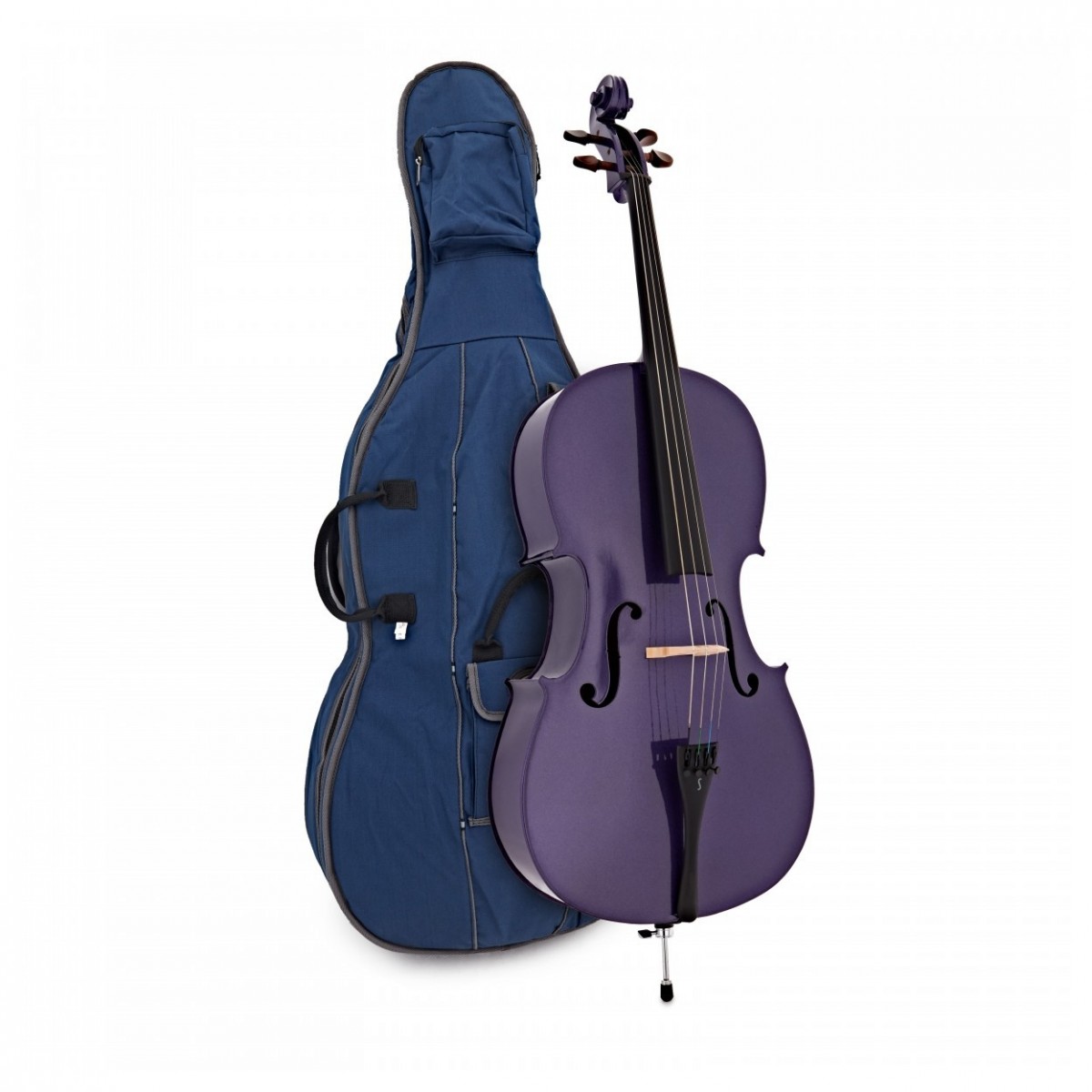
Stentor Harlequin Cello Outfit Purple 1/2
 £53.70 ($68)
Primavera
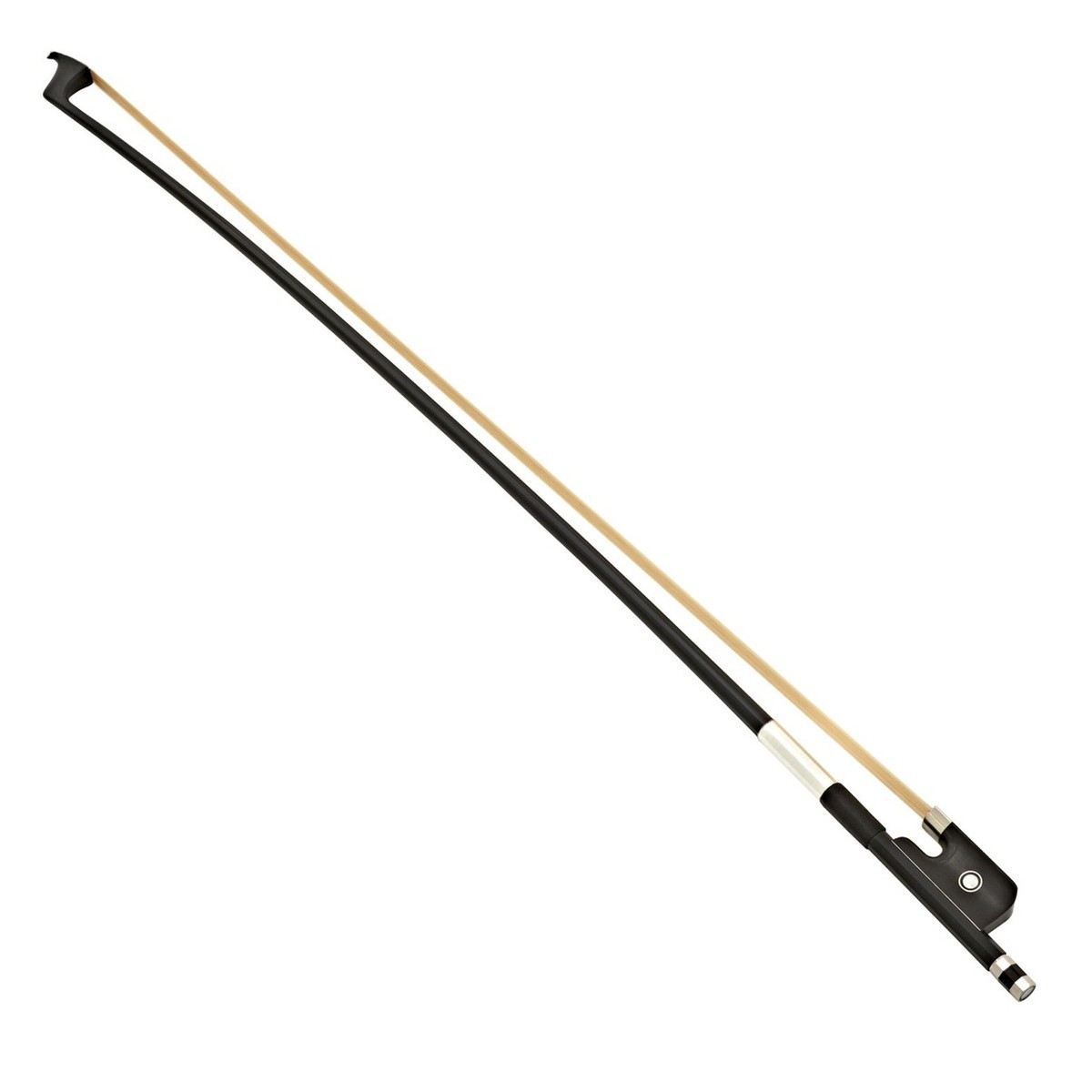
Primavera Composite Cello Bow Round 1/4
 £205.00 ($260)
Coruss Bows
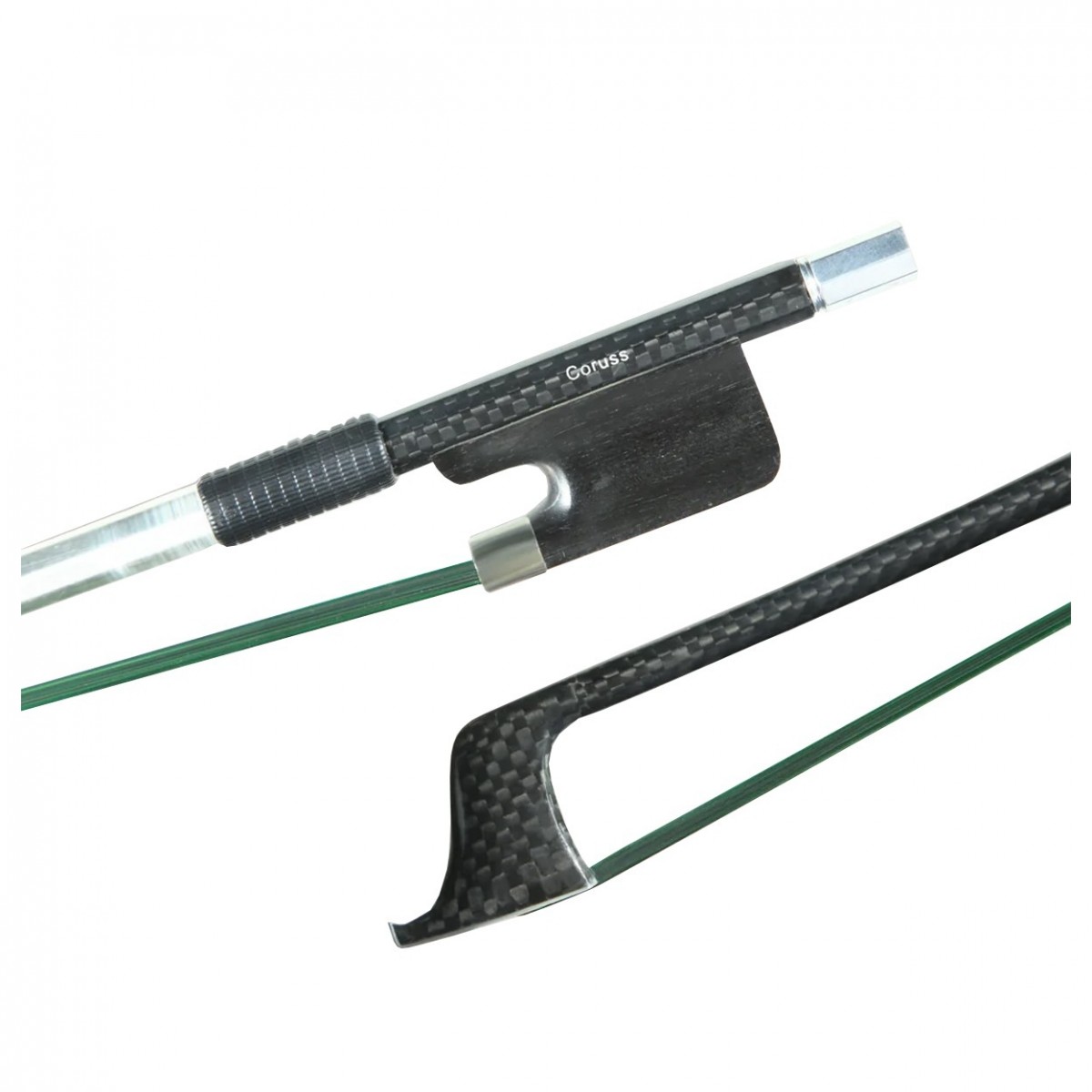
Coruss Carbon Bow for Cello 3/4 Green Hair
 £219.99 ($279)
Gear4Music
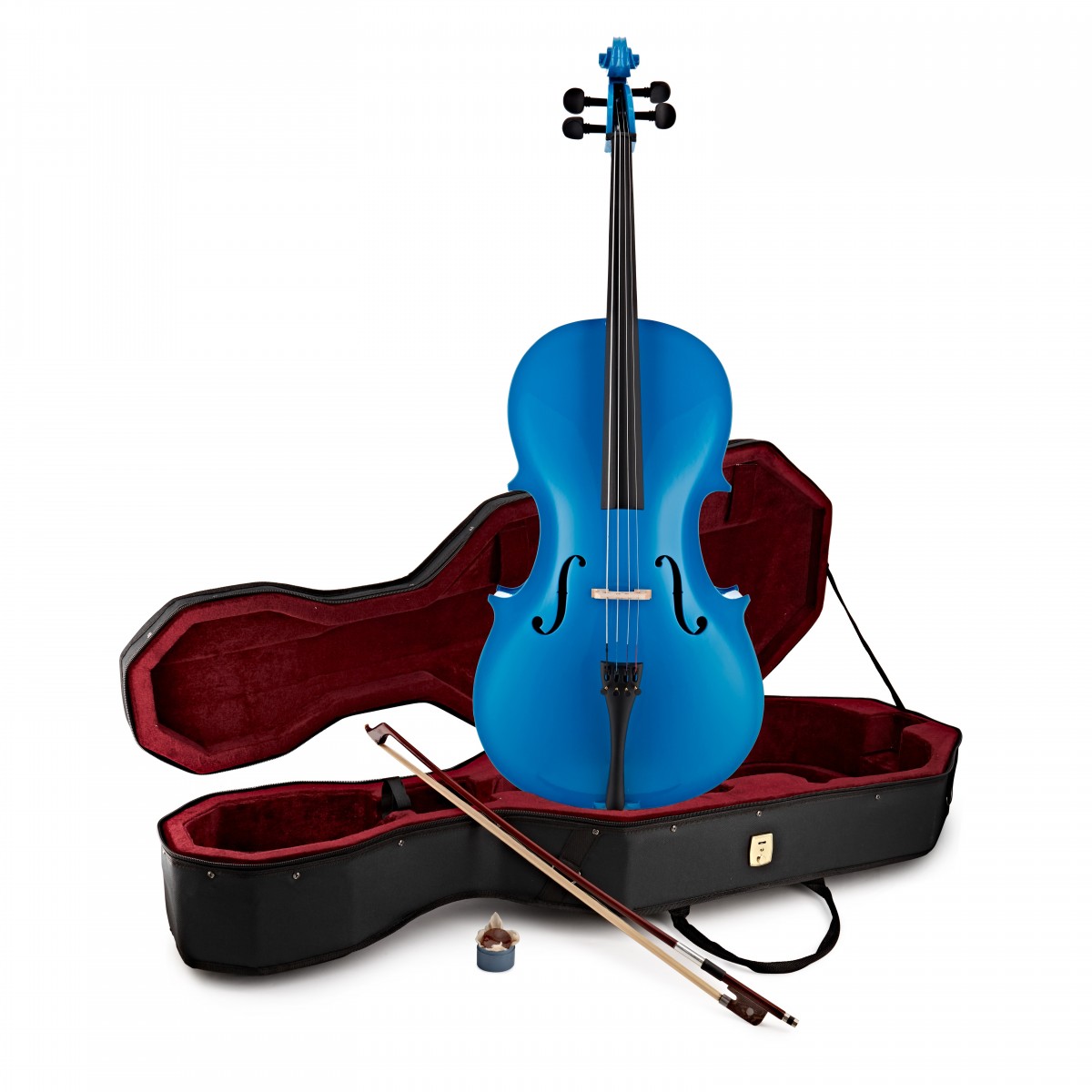
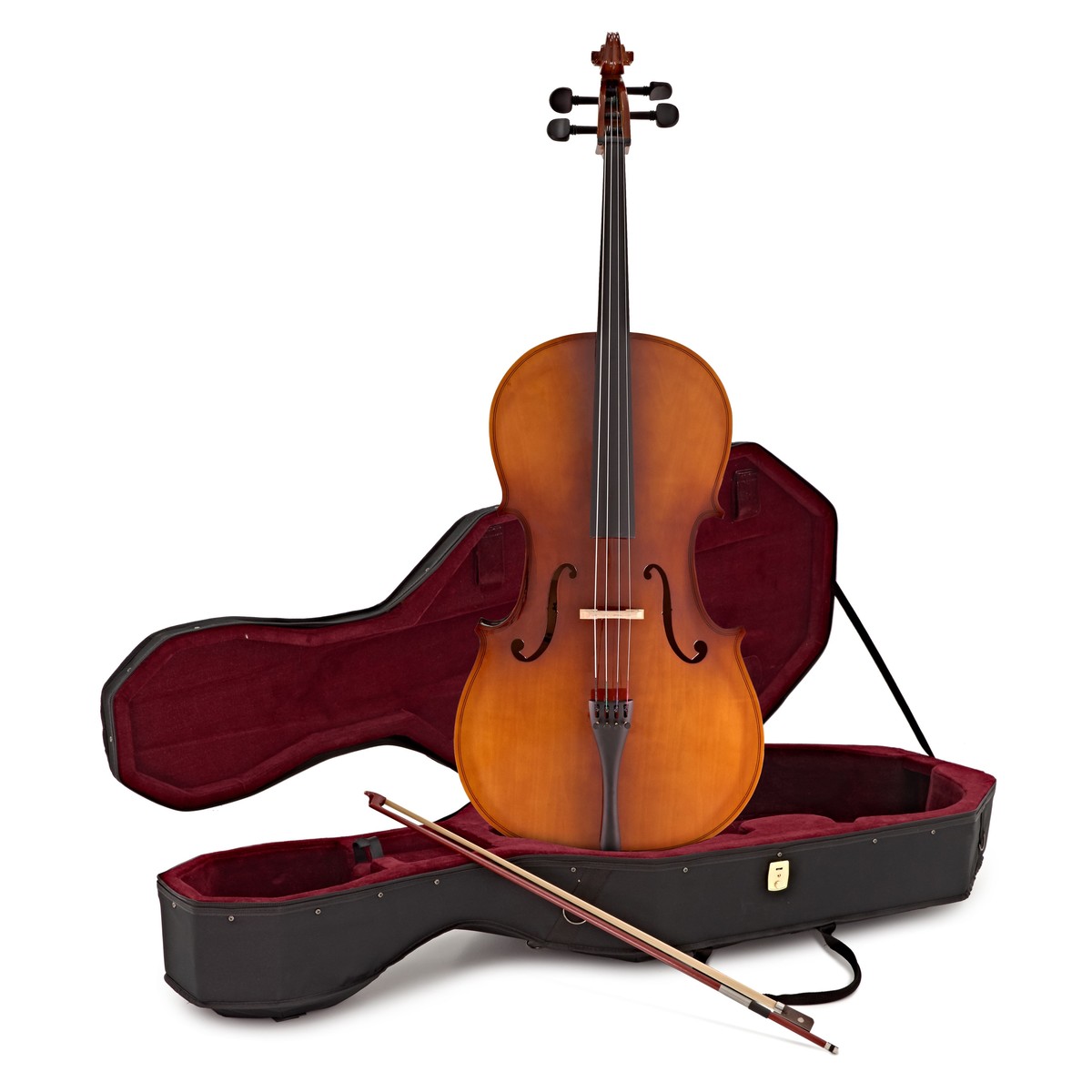
Student 1/2 Size Cello by Gear4music Blue
 £249.99 ($317)
Gear4Music
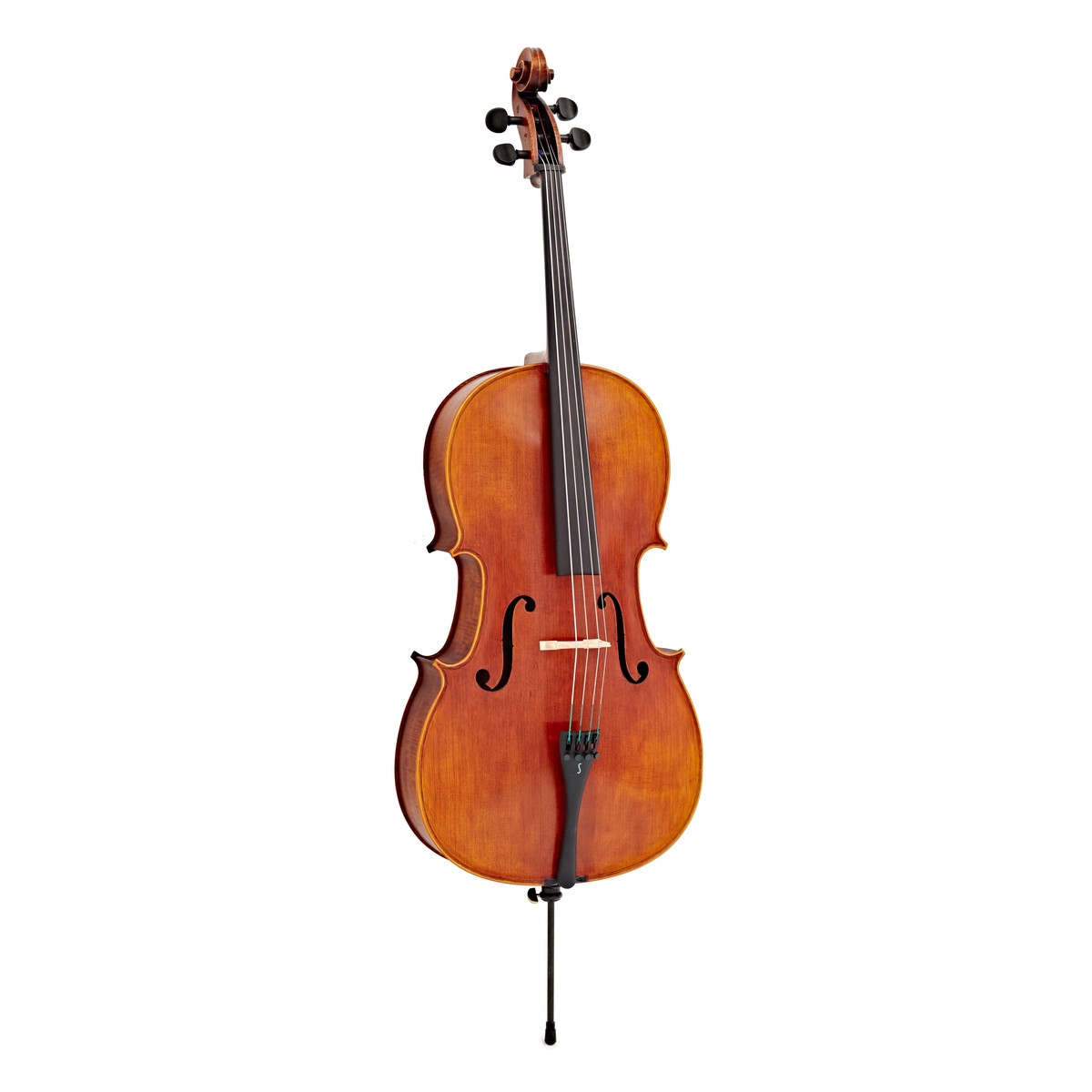
Student Full Size Cello by Gear4music Antique Fade
 £2,189.00 ($2,780)
Stentor
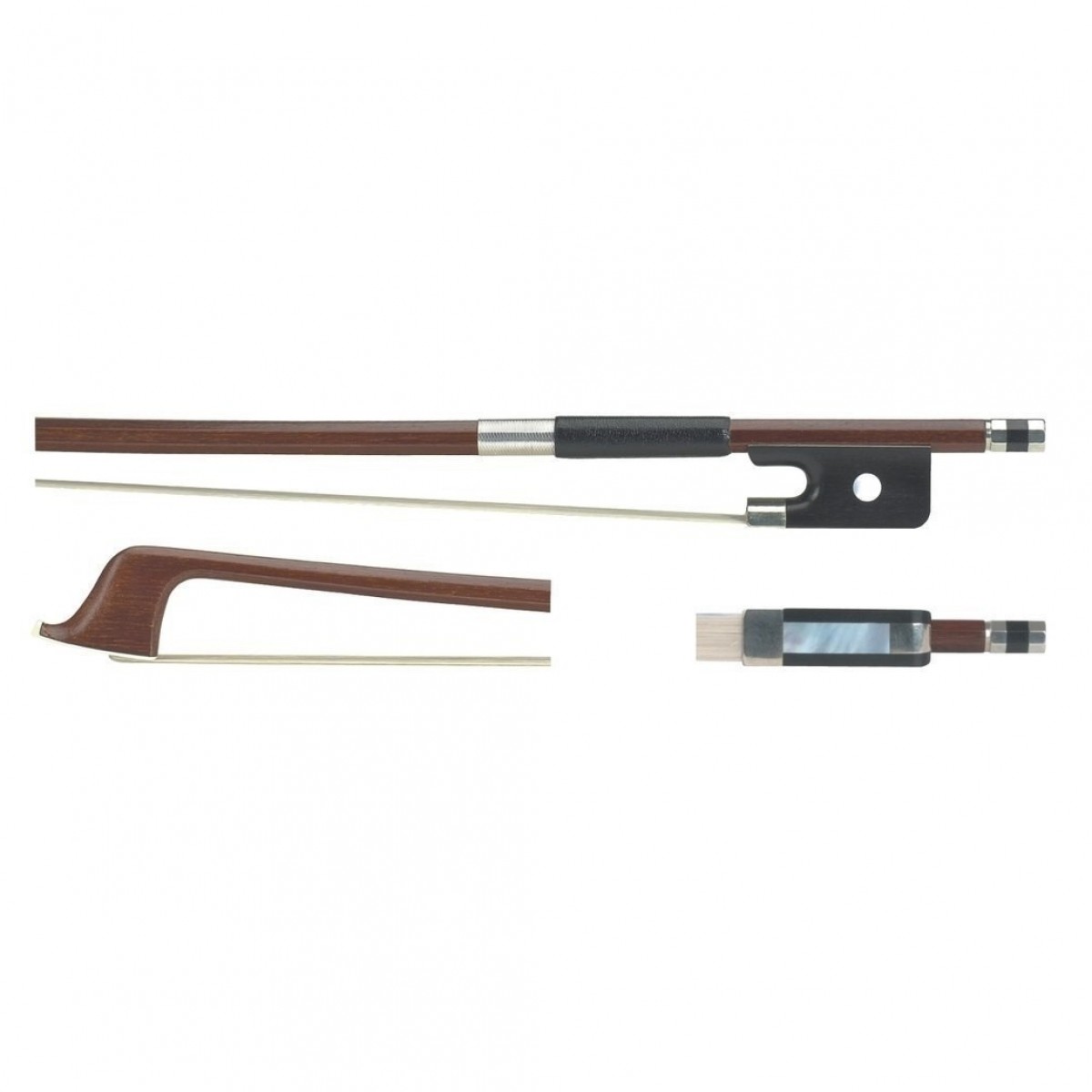
Stentor Messina Cello Full Size Instrument Only
 £146.00 ($185)
Gewa
Jaeger Germany Premium Bulletwood Student Cello Bow Octagonal 3/4
Frequently asked questions
- What is the main purpose of the Roth Sihon Wire Cello Mute?
- Its main purpose is to provide medium to heavy muting to reduce the cello's volume. It also functions to dampen strings and reduce unwanted wolf tones during performance.
- How do you install the mute on the cello?
- Installation involves squeezing the G and D strings together and pushing the mute down over them. Releasing the strings allows them to engage with the mute and secure it into place.
- Does this mute significantly distort the cello's tone?
- No, the Roth Sihon is designed to enable muting without heavily distorting the natural tone of the instrument. It offers a cleaner sound compared to some heavy practice mutes.
- Where does the mute go when it is not being used?
- When muting is not required, the device can be easily slid down the strings toward the tailpiece. It stays on the instrument so it is ready for immediate use.
- Is this mute suitable for beginners?
- Yes, it is suitable for all styles and skill levels. It is often used with student instruments like the Stentor Messina or Gear4Music Student models due to its ease of use.
- What level of muting does this product provide?
- The Roth Sihon provides a medium to heavy muting effect. This is more pronounced than light orchestral mutes but less extreme than dedicated rubber practice mutes.
- Can the Roth Sihon mute help with wolf tones?
- Yes, one of its functional benefits is the reduction of wolf tones. By dampening the strings, it helps eliminate unwanted sympathetic vibrations.
- How much does the Roth Sihon Wire Cello Mute typically cost?
- The typical price range for this specific mute is approximately £9.00. This makes it a very affordable accessory for most cellists.
- Does the mute fall off easily?
- No, because it is secured between the G and D strings, it is much less likely to fall off than clip-on ebony or rubber mutes. It remains attached to the strings at all times.
- Is the mute compatible with all cello sizes?
- While typically used on full-size cellos, the wire design allows for some flexibility. It is frequently paired with various sizes, including 1/2 and 3/4 instruments.
- What material is the Roth Sihon mute made from?
- It features a wire-based construction. This metal framework provides the necessary tension to grip the strings and the weight required for effective muting.
- Can this mute be used for double bass?
- Yes, the Roth Sihon wire mute category includes versions suitable for both cellos and double basses. The mechanical application remains the same for both instruments.