
Gear article
D'Addario Royal Alto Saxophone Reeds
Royal by D'Addario alto saxophone reeds are filed reeds designed for advancing players, featuring a thinner profile and blank construction. They are engineered to provide an even response across all registers with increased resonance and harmonic clarity.

Overview and Construction
The Royal by D'Addario series represents a specific design philosophy focused on accessibility and tonal clarity for the developing saxophonist. These reeds are constructed with a 'filed' cut, also known as a French cut, which involves removing a strip of the bark below the vamp. This design choice, combined with a thinner profile and blank, is intended to facilitate a more immediate response.
Technically, the Royal series is distinguished by a stronger spine. This structural reinforcement is designed to support the reed's vibration, allowing for a higher degree of resonance and the production of richer harmonics compared to standard student-grade reeds.
Performance and Sound Profile
The primary sonic characteristic of the Royal Alto Saxophone reed is clarity. Because of the thinner profile, the reed offers an even response across the entire range of the instrument, from the low register to the altissimo. The integration of a stronger spine ensures that while the reed is responsive, it does not lack the necessary resistance to produce a full, resonant tone. This balance makes it particularly suitable for players looking to transition from beginner reeds to a more sophisticated sound.

Target Audience
D'Addario positions the Royal range specifically for 'advancing players.' At a strength of 3.5, these reeds are intended for saxophonists who have developed sufficient embouchure strength to handle higher resistance. They are commonly used by intermediate students and school ensembles where a consistent, clear, and reliable reed is required for both technical practice and performance.
Comparative Analysis
Within the D'Addario ecosystem, the Royal series serves as a middle ground between basic student reeds and professional-grade options like the D'Addario Organic Select Jazz series. While the Select Jazz reeds (available in Filed and Unfiled varieties) are tailored for specific stylistic nuances in jazz performance, the Royal is designed for a broader, more universal application.
When compared to industry alternatives such as Vandoren Java reeds, which are often unfiled and tailored for a brighter, more contemporary sound, the Royal’s filed cut provides a more traditional, centered response. It is often paired with standard mouthpieces like the Yamaha 5C to ensure a predictable and controlled playing experience.
Related gear
- £21.70 ($28)
Daddario
DAddario Organic Select Jazz Unfiled Tenor Sax Reeds 4H (5 Pack)
 £31.00 ($39)
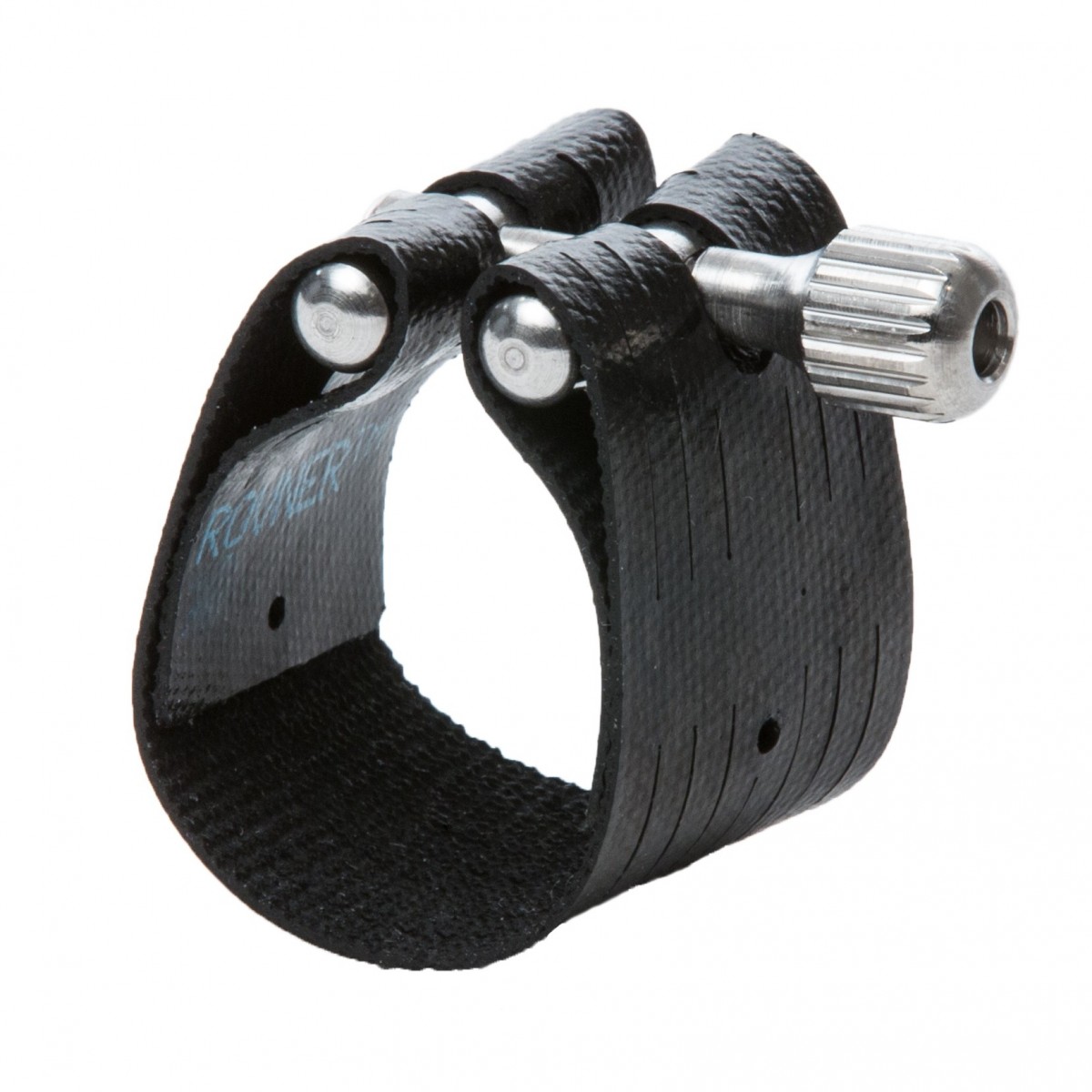
Rovner
Rovner 3RL Dark Bass Clarinet/Saxophone Ligature and Cap
 £23.50 ($30)
Vandoren
Vandoren Java Tenor Saxophone Reeds 1.5 (5 Pack)
 £25.25 ($32)
Daddario
DAddario Organic Select Jazz Filed Alto Sax Reeds 4M (10 Pack)
 £7,531.00 ($9,564)
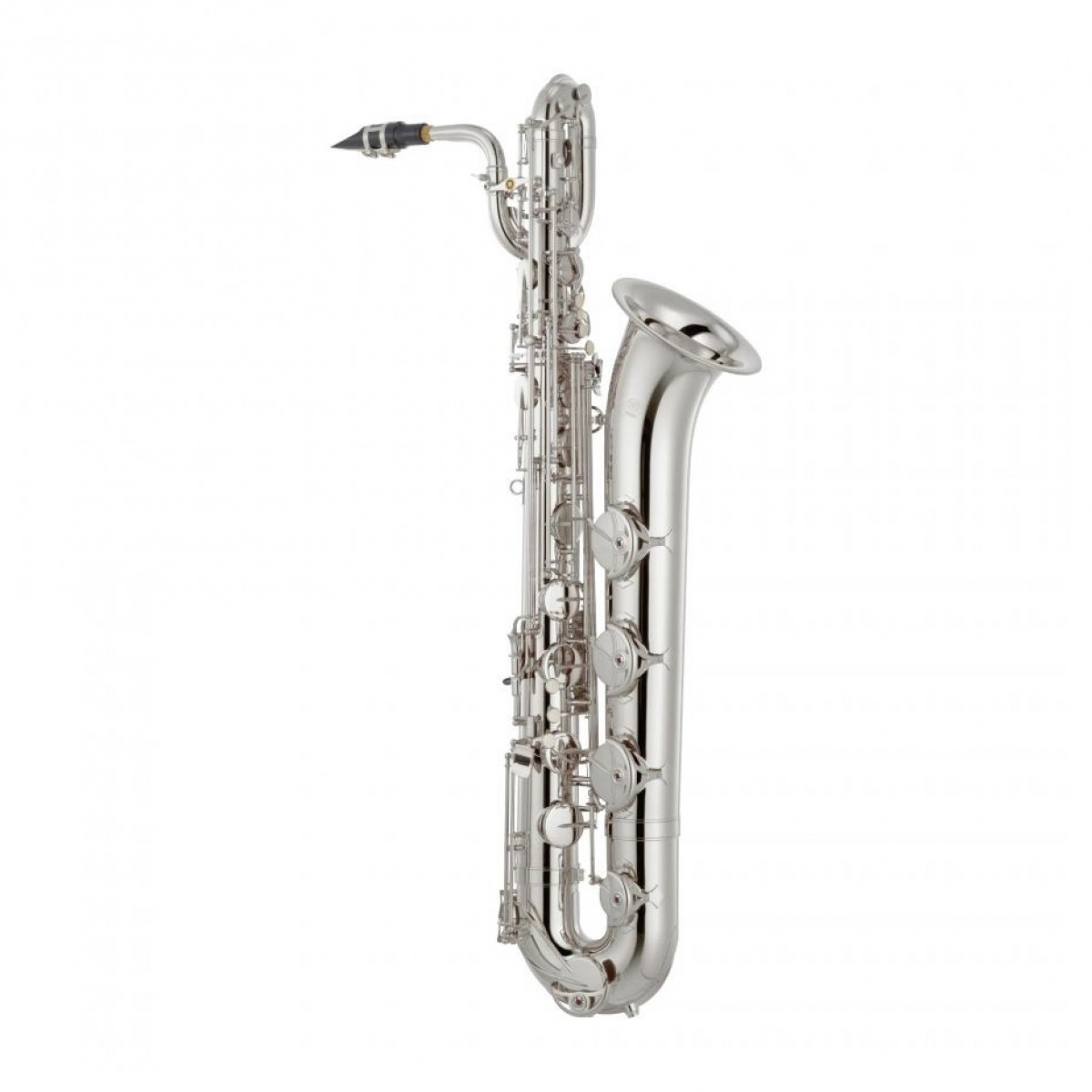
Yamaha
Yamaha YBS480 Baritone Saxophone Silver Plate
 £40.00 ($51)
Yamaha
Yamaha 5C Soprano Saxophone Mouthpiece
 £80.90 ($103)
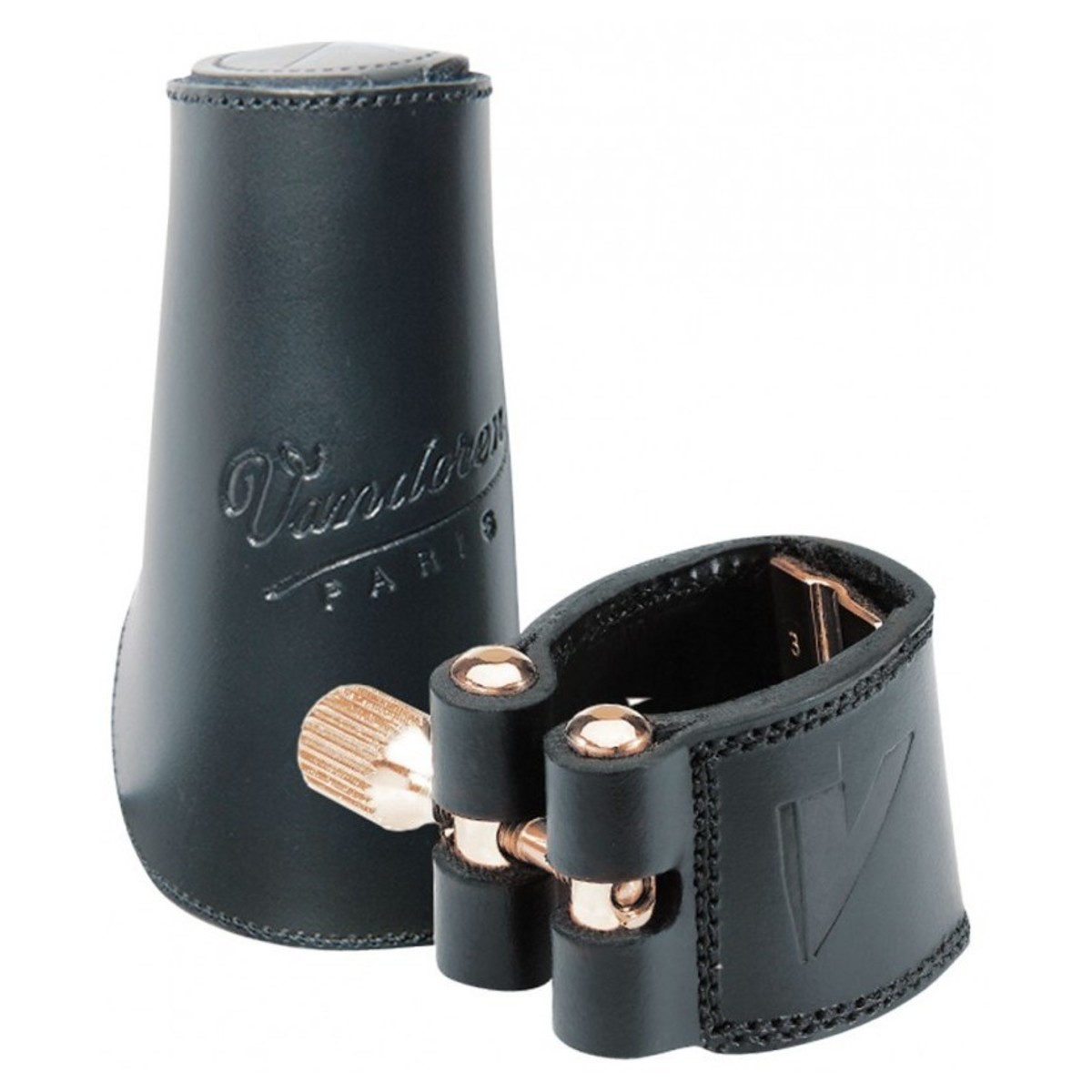
Vandoren
Vandoren Cuir Alto Sax Ligature Leather with Leather Cap
 £392.00 ($498)
JodyJazz Inc.
JodyJazz Super Jet Baritone Saxophone Mouthpiece 6
Frequently asked questions
- What does 'filed' mean in the context of Royal reeds?
- A filed reed, also known as French cut, has a thin strip of bark removed in a straight line just below the vamp. This modification typically allows for a faster response and easier vibration, particularly in the lower register.
- Who are these reeds designed for?
- D'Addario specifically designs the Royal series for advancing players. They provide a step up from basic beginner reeds by offering more harmonic complexity and a stronger spine for better resonance.
- What is the typical price for a 10-pack of Royal Alto Sax reeds?
- The typical price range for a box of 10 D'Addario Royal Alto Saxophone reeds is approximately £23.
- How does the 'thin profile' affect the playing experience?
- The thinner profile and blank design are intended to provide an even response across all registers. This makes the reed easier to speak, which is beneficial for students developing their technique.
- What is the benefit of a stronger spine on a saxophone reed?
- A stronger spine provides the reed with more structural integrity. This allows for greater resonance and a richer harmonic content in the sound, preventing the tone from becoming thin or tubby.
- Is a strength of 3.5 suitable for beginners?
- Generally, a 3.5 strength is considered quite firm and is better suited for intermediate or advancing players. Beginners usually start with lower strengths, such as 1.5 or 2.0, to accommodate a developing embouchure.
- How many reeds come in a standard Royal Alto Sax pack?
- These specific D'Addario Royal reeds are sold in a pack of 10. This allows players to rotate their reeds, which can extend the overall lifespan of each individual reed.
- Can these reeds be used for jazz music?
- Yes, they can be used for jazz, though D'Addario also offers the Select Jazz series for players seeking a more specialized jazz tone. The Royal provides a clear, versatile sound that works in many genres.
- How does the Royal reed compare to the D'Addario Select Jazz series?
- The Royal is a filed reed designed for general advancing play, whereas the Select Jazz series (available in both filed and unfiled) is specifically voiced for jazz players, often offering different tip and spine dimensions.
- What instruments are compatible with these reeds?
- These specific reeds are cut for the Alto Saxophone. While D'Addario makes Royal reeds for other saxophones and clarinets, the dimensions of these 3.5 reeds are unique to the alto.
- Does the Royal reed offer a consistent response across registers?
- Yes, one of the primary design goals of the Royal series is to offer an even response from the bottom to the top of the saxophone's range, aided by its thinner profile.
- What accessories are often used with these reeds?
- These reeds are often paired with standard mouthpieces like the Yamaha 5C or JodyJazz models, and secured with ligatures such as the Rovner Dark or Vandoren Leather series.