
Gear article
D'Addario Royal Baritone Saxophone Reeds
D'Addario Royal baritone saxophone reeds are premium filed reeds designed for advancing musicians seeking enhanced clarity and response. Featuring a thinner profile and a strengthened spine, these reeds are engineered to provide tonal resonance and consistency across all registers of the baritone saxophone.
See live pricesOverview
The Royal series by D'Addario represents a bridge between traditional student reeds and professional-grade performance equipment. These reeds are specifically constructed with a 'filed' cut, also known as a French cut, which involves removing a thin layer of bark from the reed's shoulders. This design choice is intended to facilitate a faster response, particularly in the lower register of the baritone saxophone.
Sold in packs of 10, the strength 3 variant offers a balanced resistance that suits players who have developed sufficient embouchure strength to handle a medium-firm reed. The manufacturing process focuses on consistency, ensuring that advancing players can rely on a uniform feel across the entire box.
Design and Construction
The technical architecture of the Royal reed is defined by two primary characteristics: a thinner profile and a robust spine. The thinner blank allows for easier vibration, which contributes to the reed's reputation for even response across the high, middle, and low registers.
To balance this thin profile, D'Addario incorporates a stronger spine. This structural reinforcement is critical for the baritone saxophone, as it allows the reed to maintain its integrity under the higher air pressure required for the instrument. This combination results in a sound rich in harmonics and increased resonance compared to standard unfiled reeds.
Sound Character
In terms of sonics, the Royal baritone reeds are characterised by their clarity and brilliance. The filed cut typically reduces some of the 'darkness' or 'thud' associated with thick-cut reeds, replacing it with a crisp articulation.
The added harmonics provided by the strong spine make these reeds versatile. While they are often favoured for classical and concert band settings due to their purity of tone, the resonance they provide allows them to project sufficiently in jazz ensembles or solo performances.
Target Audience
D'Addario specifically markets the Royal line toward 'advancing players.' This demographic includes intermediate students, university-level musicians, and dedicated hobbyists who require more nuance than a basic student reed provides. The strength 3 rating is a standard choice for those who have moved past the initial learning stages and require a reed that can handle more dynamic range and control without being excessively difficult to blow.
Comparison and Compatibility
When compared to other D'Addario products, such as the Select Jazz series, the Royal reeds offer a more traditional, 'symphonic' feel due to their filed cut. In contrast, the Select Jazz Unfiled Tenor Reeds (4H) or Filed Alto Reeds (4M) are tailored for specific genre characteristics like projection and 'edge'.
For optimal performance, these reeds are often paired with high-quality hardware. Common pairings include the Yamaha YBS480 baritone saxophone or mouthpieces like the JodyJazz Super Jet for players seeking a contemporary sound. Ligature choice also plays a role, with options like the Rovner 3RL Dark or Vandoren Leather ligatures helping to further refine the reed's vibration.
Related gear
 £21.80 ($28)
Daddario
DAddario Organic Select Jazz Unfiled Tenor Sax Reeds 4H (5 Pack)
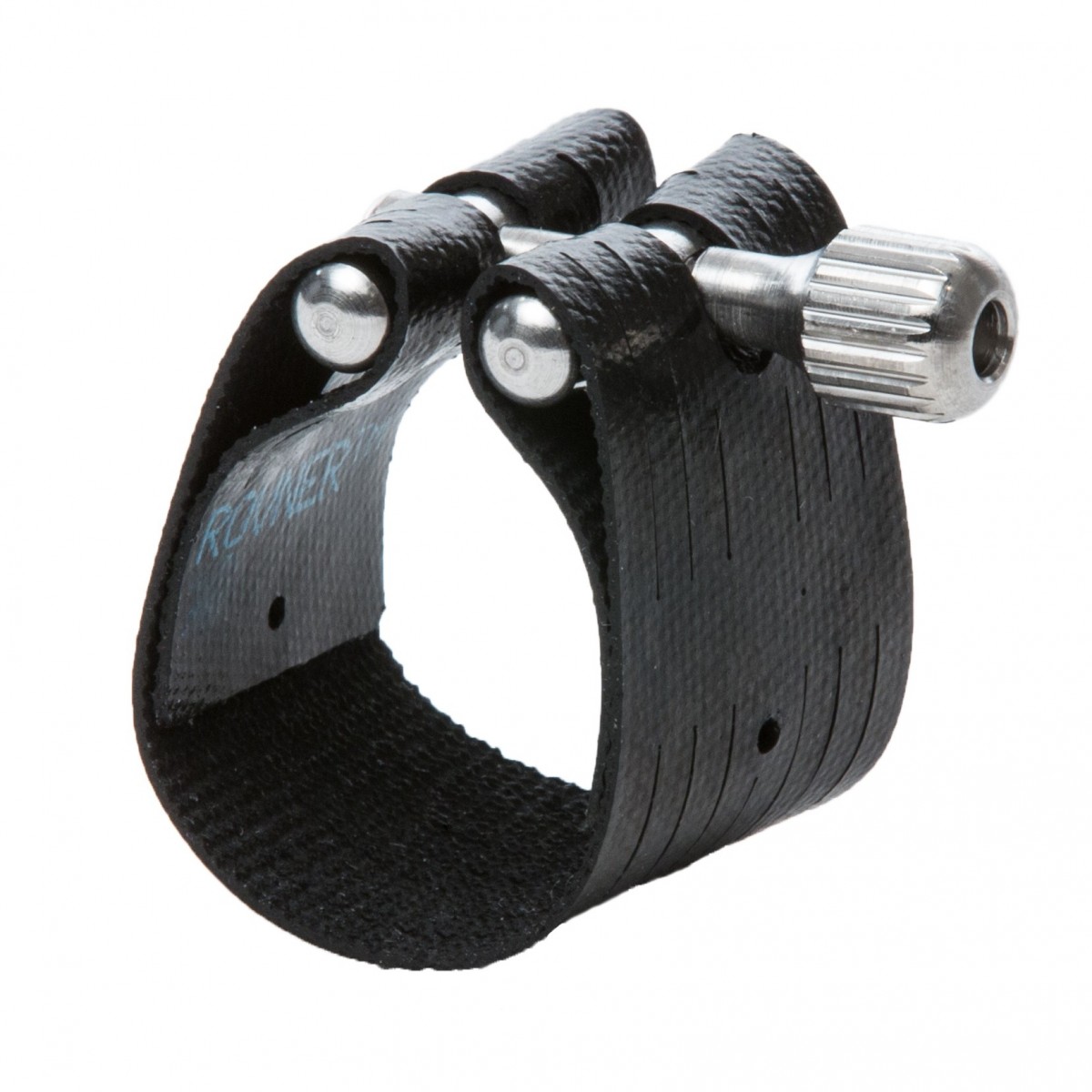 £31.00 ($39)
Rovner
Rovner 3RL Dark Bass Clarinet/Saxophone Ligature and Cap
 £22.40 ($28)
Vandoren
Vandoren Java Tenor Saxophone Reeds 1.5 (5 Pack)
 £25.25 ($32)
Daddario
DAddario Organic Select Jazz Filed Alto Sax Reeds 4M (10 Pack)
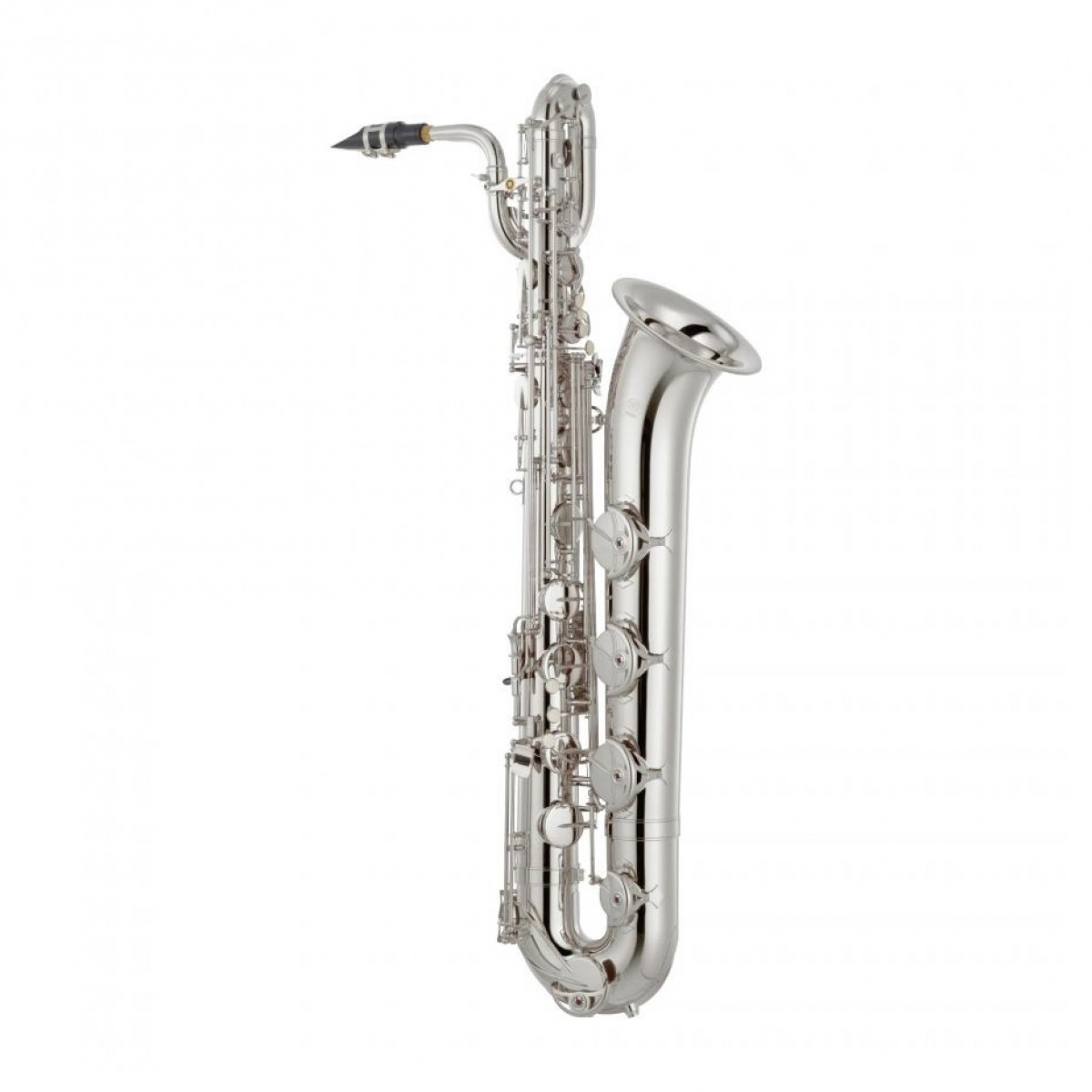 £7,531.00 ($9,564)
Yamaha
Yamaha YBS480 Baritone Saxophone Silver Plate
 £40.00 ($51)
Yamaha
Yamaha 5C Soprano Saxophone Mouthpiece
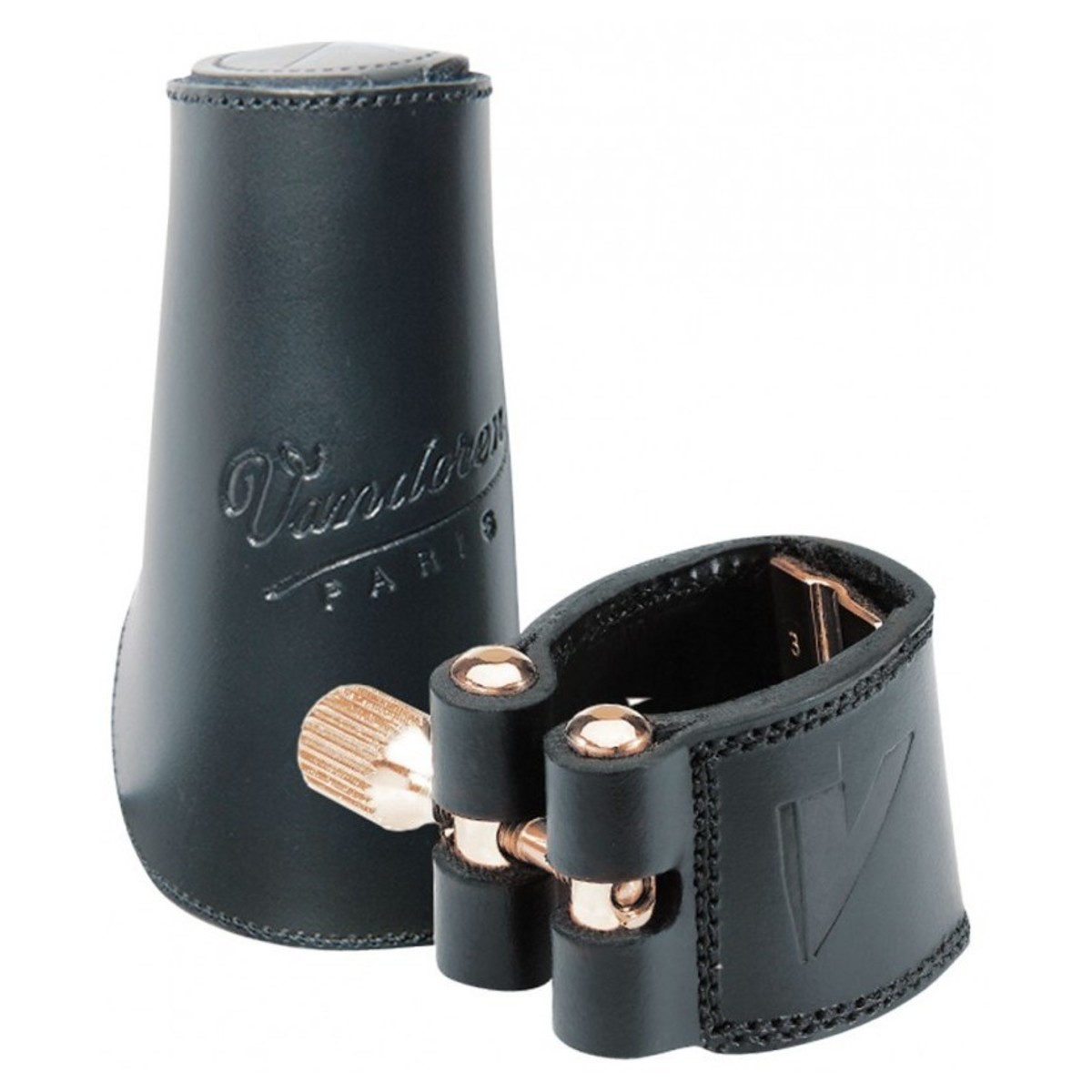 £85.70 ($109)
Vandoren
Vandoren Cuir Alto Sax Ligature Leather with Leather Cap
 £395.00 ($502)
JodyJazz Inc.
JodyJazz Super Jet Baritone Saxophone Mouthpiece 6
Frequently asked questions
- What does 'filed' mean in the context of Royal reeds?
- A filed reed, or French cut, has a strip of bark removed in a straight line just below the vamp. This typically results in a faster response and a brighter, clearer tone compared to unfiled reeds.
- Who are these reeds designed for?
- D'Addario Royal reeds are specifically designed for advancing players. They provide the consistency and tonal clarity needed for musicians transitioning from beginner to intermediate or professional levels.
- What is the benefit of a thinner profile?
- The thinner profile and blank allow the reed to vibrate more easily. This makes the instrument more responsive across all registers, which is particularly helpful for the large baritone saxophone.
- Why do these reeds have a stronger spine?
- A stronger spine provides structural support to the thinner profile. This allows for increased resonance and a richer harmonic profile in the sound, preventing the tone from becoming thin.
- How many reeds come in a pack?
- These D'Addario Royal baritone saxophone reeds are sold in a pack of 10. This is a standard quantity for student and intermediate players to ensure a consistent supply.
- What is the typical price for a 10-pack of these reeds?
- The typical price for this 10-pack of baritone saxophone reeds is approximately £46.00. Prices may vary slightly depending on the retailer.
- Is a strength 3 reed suitable for beginners?
- A strength 3 is generally considered medium to firm. Beginners usually start with a 1.5 or 2.0; a 3.0 is better suited for advancing players with developed embouchure control.
- Can these reeds be used for jazz?
- Yes, while popular for classical and concert settings, their clarity and resonance make them versatile enough for jazz. However, those seeking a specific jazz sound might also consider the D'Addario Select Jazz series.
- How do these compare to D'Addario Select Jazz reeds?
- Royal reeds feature a filed cut for a clearer, more traditional response. Select Jazz reeds are available in filed and unfiled versions and are voiced specifically for maximum projection and grit.
- What mouthpieces work well with these reeds?
- They work well with a wide range of mouthpieces, from standard options like the Yamaha 5C to professional models like the JodyJazz Super Jet, depending on the desired musical style.
- Are these reeds made of natural cane?
- Yes, D'Addario Royal reeds are made from natural cane. D'Addario also offers 'Organic' versions of certain reed lines, focusing on sustainable growing practices.
- Do these reeds require a specific ligature?
- While they work with any standard baritone sax ligature, using a high-quality option like a Rovner Dark or Vandoren Leather ligature can help enhance the reed's natural resonance.