
Glossary
Scale Length
Scale length is the distance between the nut and the bridge saddle on a stringed instrument, representing the vibrating length of the string. It is a fundamental specification that determines string tension, fret spacing, and the overall harmonic character of a guitar or bass.
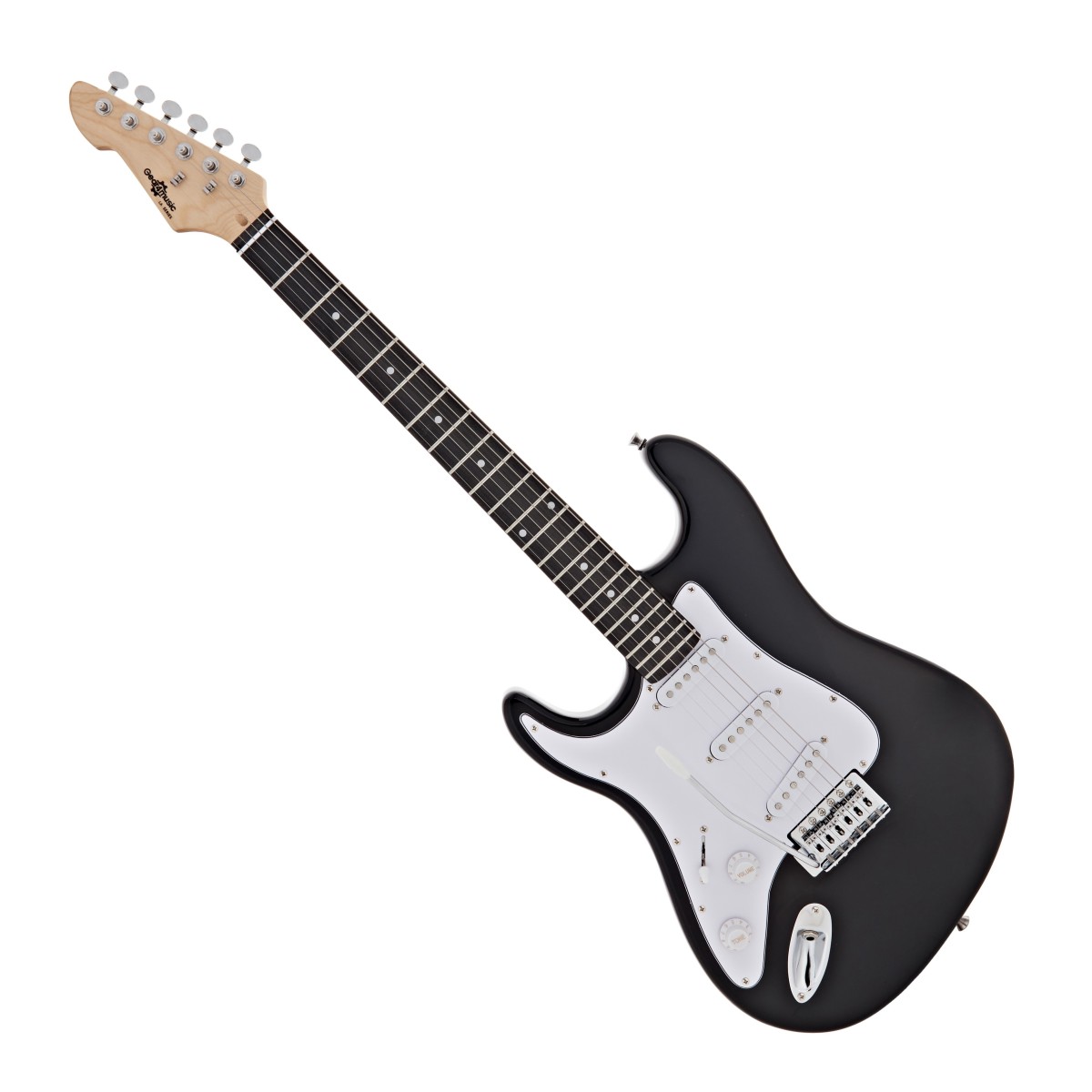
Definition and Measurement
Technically, the scale length is the theoretical length of the string that vibrates to produce a pitch. In physical terms, it is the distance from the inner edge of the nut to the point where the string contacts the bridge saddle. Because bridge saddles are often adjusted for intonation (compenstation), the most accurate way to calculate the true scale length of an instrument is to measure the distance from the nut to the centre of the 12th fret wire and then double that measurement.
Scale length is not determined by the total length of the neck or the body size, but strictly by the placement of the bridge relative to the nut. This measurement dictates exactly where every fret must be placed to ensure the instrument plays in tune across the fingerboard.
Mechanical Impact on Tension
The relationship between scale length and string tension is governed by physical laws. For two strings of the same gauge tuned to the exact same pitch, the string on the instrument with the longer scale length will require higher tension. Conversely, a shorter scale length allows for lower tension, which often results in a 'looser' or 'slinkier' feel under the fingers.
This impact on tension is why guitarists who use lower tunings (such as Drop C or B Standard) often prefer longer scale lengths. The increased distance allows them to maintain adequate string tension and clarity without needing excessively heavy string gauges that might not fit the nut or bridge.
Ergonomics and Fret Spacing
Scale length directly affects the physical layout of the fingerboard. On a longer scale instrument, the frets are spaced further apart, particularly in the lower positions (near the nut). This can be advantageous for players with larger hands or those who find the upper register of a shorter-scale neck too cramped.
Short-scale instruments are frequently chosen by players with smaller hands or those who prefer the ease of large stretches. For example, a reach that spans five frets is physically shorter in centimetres on a 24-inch scale guitar than on a 25.5-inch scale guitar.
Tonal Characteristics
Scale length contributes significantly to the 'voice' of an instrument. Longer scales generally produce a brighter, more percussive tone with a clear, defined low end and strong harmonic overtones. This is often referred to as 'snap' or 'twang'.
Short-scale instruments tend to exhibit a warmer, rounder sound with a more pronounced fundamental frequency. Because the tension is lower, the strings vibrate with a wider elliptical pattern, which can result in a thicker midrange but potentially less 'shimmer' in the high frequencies compared to longer counterparts.
Common Standards
Different manufacturers have popularised specific scale lengths that have become industry standards:
- 25.5 inches: The traditional standard for T-style and S-style electric guitars. Known for high tension and bright clarity.
- 24.75 inches: The traditional standard for single-cut and double-cut mahogany electric guitars. Offers a warmer tone and easier playability.
- 34 inches: The industry standard 'Long Scale' for bass guitars, providing a balance of tension and tonal definition.
- 30 inches: Common for 'Short Scale' basses, offering less tension and a deeper, 'thumpy' tone.
Frequently asked questions
- How do I measure scale length?
- Measure from the edge of the nut to the middle of the 12th fret wire, then multiply by two. This is more accurate than measuring to the bridge, as saddles are often moved for intonation.
- Does scale length affect string gauge choice?
- Yes. If you move to an instrument with a shorter scale length, you may need a heavier gauge of strings to maintain the same tension and tactile feel you are used to on a longer scale.
- What is considered a short-scale bass?
- A short-scale bass typically has a scale length of 30 inches or less. This is significantly shorter than the standard 34-inch long-scale bass.
- Why do metal players prefer longer scale lengths?
- Longer scales provide more tension, which is necessary to keep strings from becoming too floppy when tuning down to lower pitches like Drop B or A.
- Does scale length affect the reach of my fingers?
- Yes, longer scale lengths result in wider spacing between frets. This makes large chord stretches more difficult but provides more room for fingers in the higher frets.
- What is a multi-scale or fanned-fret guitar?
- These instruments feature different scale lengths for different strings—usually longer for the low strings and shorter for the high strings. This balances tension and improves intonation across the set.
- How does scale length affect tone?
- Longer scales usually sound brighter and 'snappier' with more harmonic clarity. Shorter scales tend to sound warmer, thicker, and have more emphasis on the fundamental note.
- Can I change the scale length of my guitar?
- Generally no, as the fret positions are mathematically locked to the scale length. You would need a 'conversion neck' specifically designed to work with your guitar's bridge placement.
- Is a 25-inch scale a compromise?
- Companies like PRS use a 25-inch scale to provide a middle ground between the 24.75-inch and 25.5-inch standards, offering a balance of snap and warmth.
- Does scale length affect sustain?
- While construction matters more, higher tension on longer scales can sometimes result in better sustain, though shorter scales may allow for easier vibrato and bending which aids perceived sustain.
- What is the standard scale for an acoustic guitar?
- Most full-sized acoustics use either a 25.4-inch or 24.9-inch scale. Parlour guitars and travel guitars often feature much shorter scales.
- Does scale length make bending strings easier?
- Shorter scale lengths make bending easier because the string tension is lower. You don't have to push as hard to change the pitch compared to a longer-scale instrument with the same strings.