
Gear article
Selmer Paris S80 Tenor Saxophone Mouthpiece (C**)
The Selmer Paris S80 C** is a professional-grade hard rubber mouthpiece designed for tenor saxophone, widely regarded as a global standard for classical performance and pedagogy. Manufactured in France since the 1970s, it is distinguished by its unique square chamber design which facilitates precise intonation and a controlled, warm tonal profile.
See live pricesBackground and History
The Selmer Paris S80 series was introduced in the 1970s and quickly ascended to become a reference point for saxophone tone. Developed by the historic Henri Selmer Paris company, the S80 was designed to provide a more stable and focused alternative to the round-chamber designs of previous decades. Over the last fifty years, it has become one of the most popular mouthpieces for students and professionals alike, particularly within the classical and conservatory traditions.
Design and Construction
Each S80 mouthpiece is crafted from a solid rod of high-quality hard rubber. The manufacturing process involves precision milling followed by meticulous hand-finishing in France to ensure consistent facings. The defining technical feature of the S80 is its square chamber. Unlike traditional circular chambers, this geometry provides a specific level of resistance that helps the player maintain a stable pitch centre and a uniform sound across all registers of the tenor saxophone.
Sound Character and Performance
The S80 C is known for a 'broad' and 'warm' acoustic character. It offers a high degree of control, making it easier for players to achieve delicate pianissimo passages or powerful projection without losing tonal focus. The C tip opening is slightly wider than the standard C* model, providing a touch more flexibility and volume while remaining accessible to those who prefer a moderate resistance setup. It is designed to work harmoniously with a variety of reed strengths, though it is frequently paired with unfiled or filed reeds depending on the player's preference for brightness.
Target Audience
This mouthpiece is positioned as a versatile tool for three primary groups:
- Students: Its dependable response helps developing players build a solid embouchure and reliable intonation.
- Teachers: It is often recommended by educators due to its consistent manufacturing, ensuring that a student's equipment is not a hindrance to their progress.
- Professionals: Its sophisticated tone and precise control make it a staple for chamber music, orchestral work, and solo classical recitals.
Comparison to Alternatives
Compared to jazz-oriented mouthpieces like the JodyJazz Super Jet or the D'Addario Select Jazz series, the S80 C** offers a much more contained and dark sound profile. While jazz mouthpieces often feature large round chambers or high baffles for increased 'edge' and volume, the S80’s square chamber prioritises blending and purity of tone. Within the Selmer range, the S80 is more resistant and focused than the S90 series, making it the preferred choice for those seeking the traditional French classical saxophone sound.
Related gear
 £21.80 ($28)
Daddario
DAddario Organic Select Jazz Unfiled Tenor Sax Reeds 4H (5 Pack)
 £31.00 ($39)
Rovner
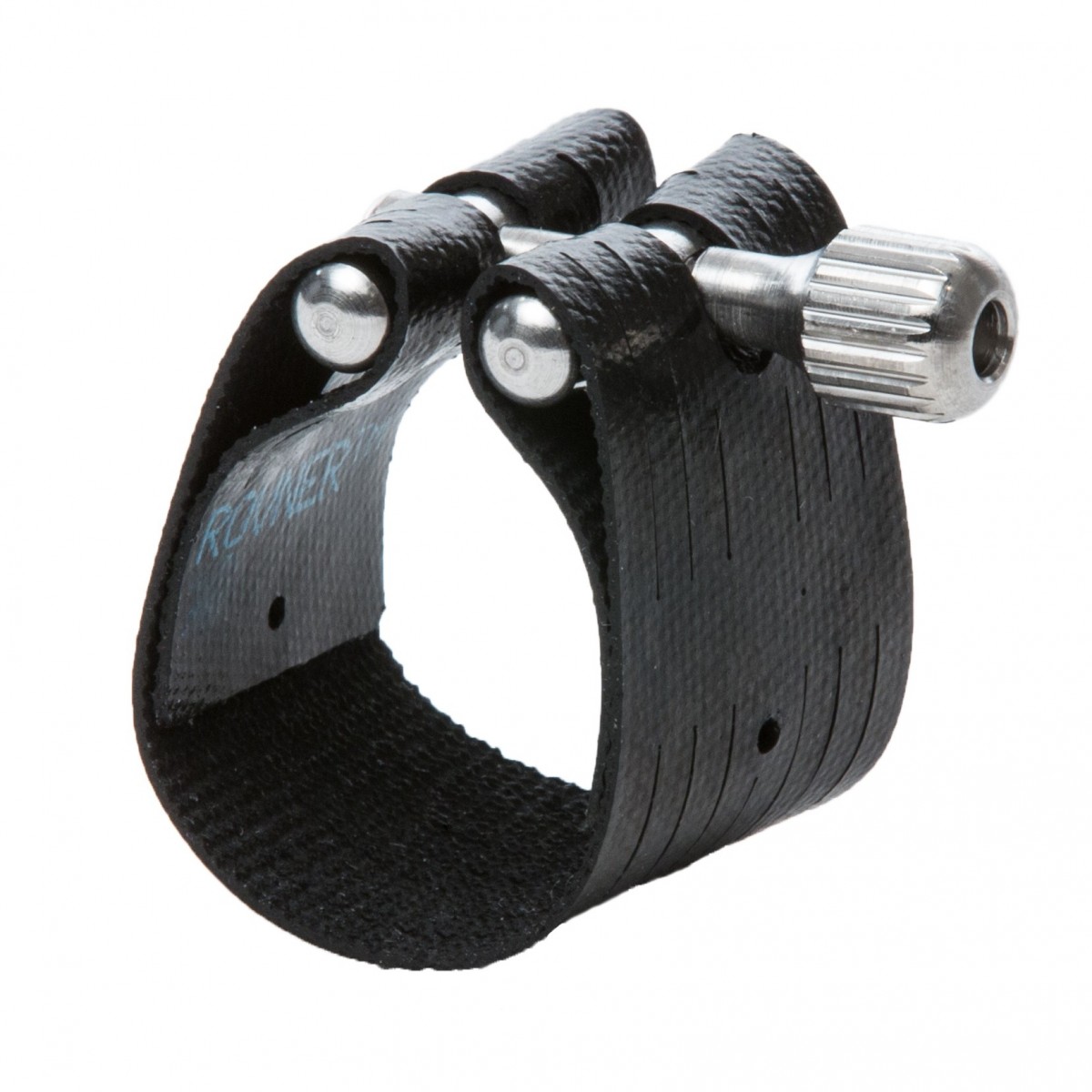
Rovner 3RL Dark Bass Clarinet/Saxophone Ligature and Cap
 £22.40 ($28)
Vandoren
Vandoren Java Tenor Saxophone Reeds 1.5 (5 Pack)
 £25.25 ($32)
Daddario
DAddario Organic Select Jazz Filed Alto Sax Reeds 4M (10 Pack)
 £7,531.00 ($9,564)
Yamaha
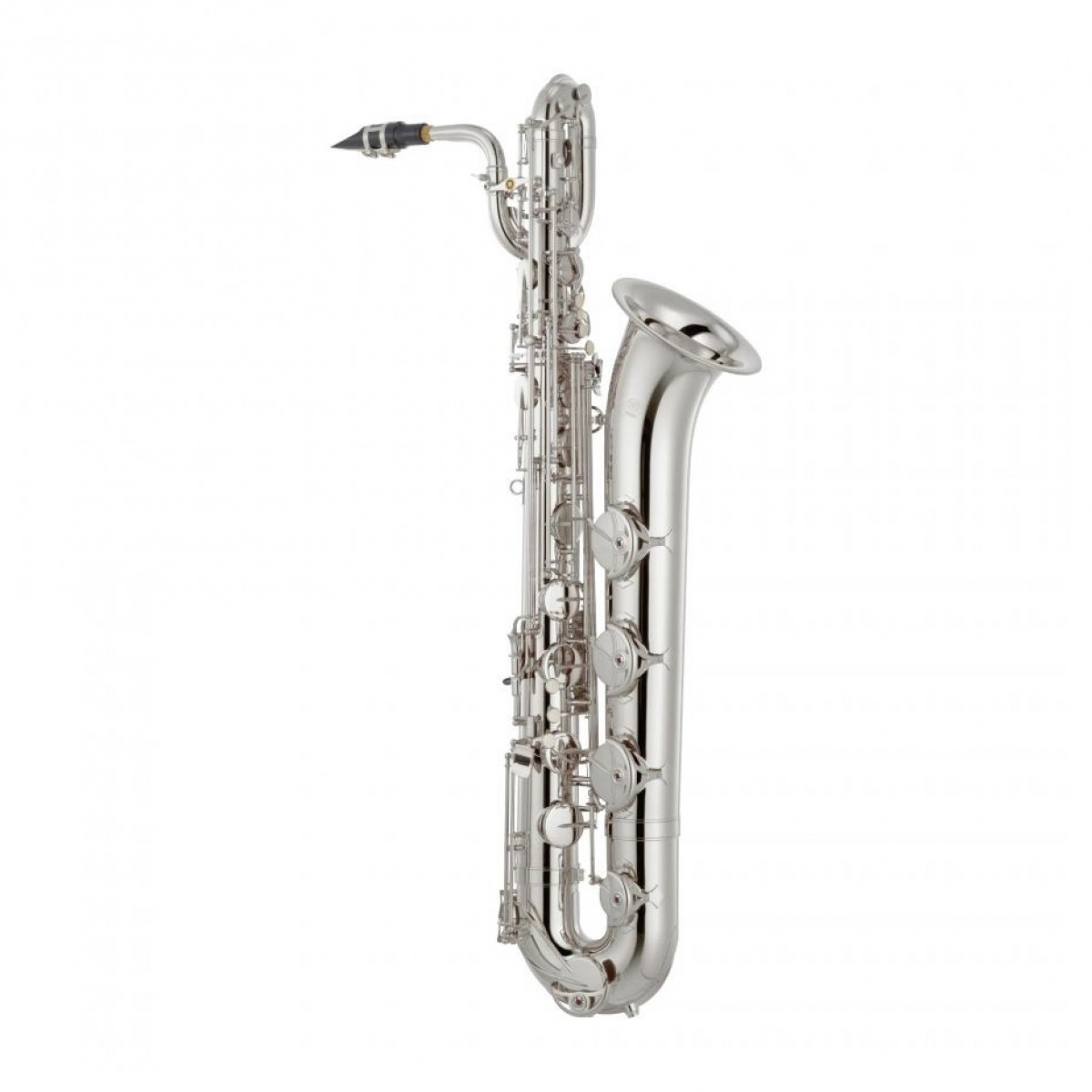
Yamaha YBS480 Baritone Saxophone Silver Plate
 £40.00 ($51)
Yamaha
Yamaha 5C Soprano Saxophone Mouthpiece
 £85.70 ($109)
Vandoren
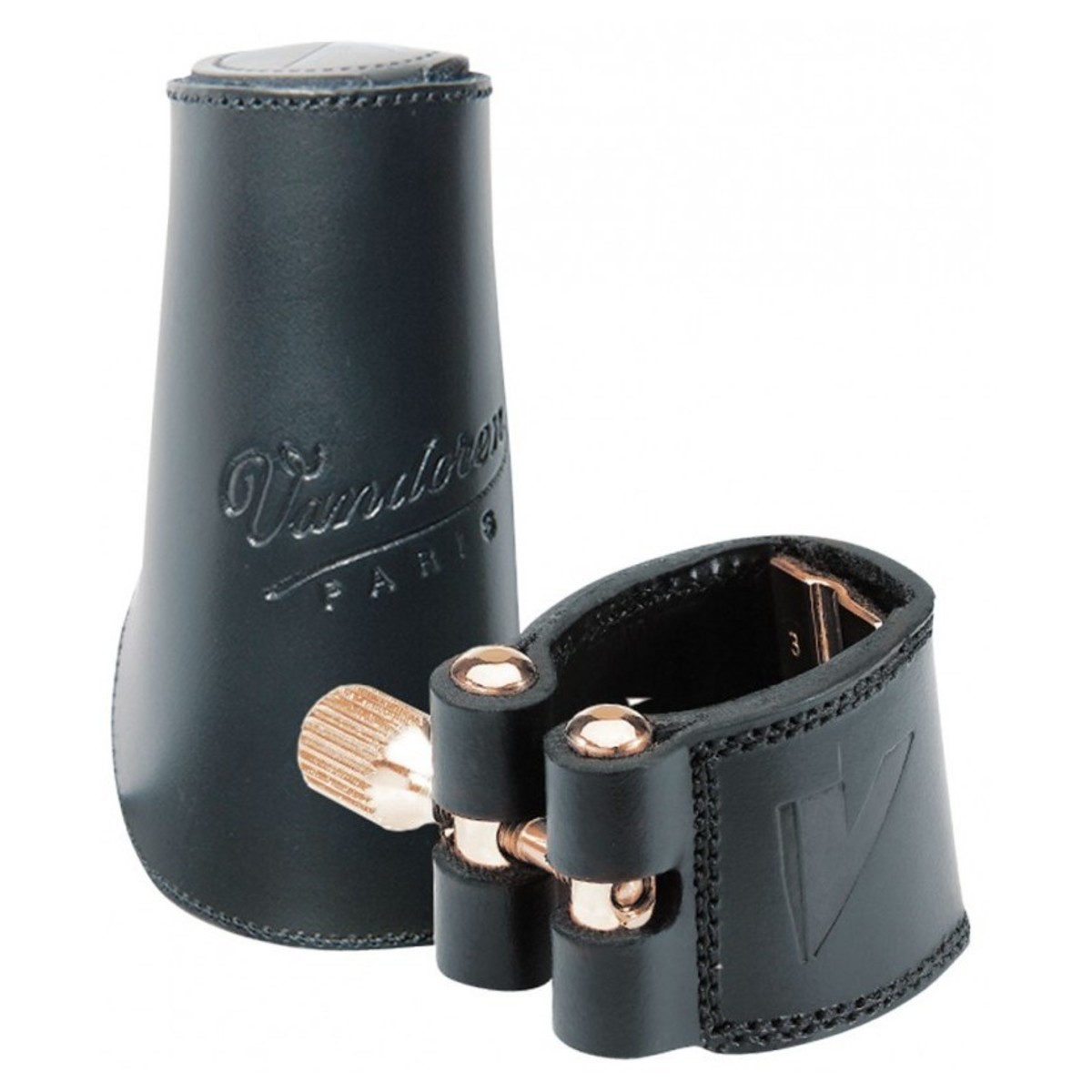
Vandoren Cuir Alto Sax Ligature Leather with Leather Cap
 £395.00 ($502)
JodyJazz Inc.
JodyJazz Super Jet Baritone Saxophone Mouthpiece 6
Frequently asked questions
- What is the primary material used in the S80 C**?
- The S80 C** is manufactured from a solid rod of hard rubber, also known as ebonite, which is precision milled and hand-finished in France.
- How does the square chamber affect the sound?
- The square chamber design is engineered to provide accurate intonation and a controlled, focused projection, resulting in the warm and broad tone characteristic of the S80 series.
- What is the difference between the C* and C** tip openings?
- The C** tip opening is slightly larger than the C* version. This allows for a bit more volume and flexibility, though it requires slightly more air control from the player.
- Is the Selmer S80 suitable for jazz music?
- While it can be used for jazz, the S80 is primarily designed for classical, concert band, and educational settings where a warm, blended, and controlled sound is preferred over high brightness or projection.
- Does this mouthpiece come with a ligature and cap?
- The Selmer Paris S80 usually includes a mouthpiece cushion for comfort, but ligatures such as the Rovner 3RL or Vandoren Cuir are typically purchased separately.
- Where are Selmer S80 mouthpieces manufactured?
- All Selmer Paris S80 mouthpieces are manufactured and hand-finished at the Selmer factory in France to ensure consistent quality.
- Which reeds are commonly used with the S80 C**?
- It is compatible with many reeds, including D'Addario Organic Select Jazz or Vandoren Java, though classical players often prefer traditional cut reeds for a more focused response.
- Is this mouthpiece appropriate for a beginning student?
- Yes, the S80 C** is widely recommended for students because its consistent facing and stable intonation help beginners develop proper playing habits without fighting the equipment.
- What is the typical price range for this model?
- The Selmer Paris S80 Tenor Saxophone mouthpiece typically retails for approximately GBP 189.
- How does the S80 compare to the Yamaha 5C?
- The S80 is a professional-grade hard rubber mouthpiece with a unique square chamber, whereas the Yamaha 5C is a plastic student mouthpiece with a simpler round chamber design.
- How long has the S80 been in production?
- The S80 series has been a staple of the Selmer Paris catalogue since its introduction in the 1970s.
- What does 'hand-finished' mean for this product?
- After the initial milling process, skilled technicians in France manually refine the baffle and tip rail to ensure the playability and response meet professional standards.