
Gear article
Sennheiser e614 Overhead Condenser Microphone
The Sennheiser e614 is a professional small-diaphragm condenser microphone designed primarily for overhead percussion and instrument miking. Featuring a supercardioid polar pattern and an extremely wide frequency response, it is engineered to capture nuanced audio from woodwinds, strings, and drums while maintaining high isolation.
See live pricesOverview
The Sennheiser e614 is a specialised condenser microphone that belongs to the manufacturer's Evolution series. It is designed to handle demanding SPL levels and provide a full-spectrum frequency response, making it suitable for both studio recording and live performance environments. Its slim, compact form factor allows for unobtrusive placement in complex setups, such as drum kits or orchestral sections.
Key Features and Operation
The e614 is defined by its supercardioid pick-up pattern, which offers outstanding directivity. This tight polar pattern ensures that the microphone focuses strictly on the intended sound source while rejecting ambient noise and off-axis bleed from other instruments.
Key technical attributes include: * Wide Frequency Response: Capable of capturing everything from deep lows to bright, shimmering highs. * Transient Response: The microphone is engineered to respond quickly to sharp attacks, making it ideal for percussion. * High SPL Handling: It is built to manage high volume levels without distortion, allowing for close-miking of loud sound sources.
Sound Character
The sonic profile of the e614 is characterised by its transparency and faithfulness to the original source. It provides a 'crystal clear' sound that avoids coloration, ensuring that woodwind and string instruments sound natural rather than processed. Because of its broad frequency range, it captures the delicate nuances and overtones that are often lost in less sensitive dynamic microphones.
Suitability and Applications
This microphone is highly versatile but excels in roles requiring detail and isolation. It is an excellent choice for: * Drum Overheads: Capturing the shimmer of cymbals and the attack of the kit. * Acoustic Instruments: Recording the intricate textures of violins, cellos, or acoustic guitars. * Woodwinds: Providing the necessary clarity for flutes and clarinets. It is equally at home in a professional studio or on a concert stage where feedback rejection is a primary concern.
Comparative Analysis
Within the Sennheiser and Neumann family, the e614 serves as a focused instrument-specific alternative to larger studio condensers like the Neumann TLM 102 or TLM 103, which are more common for vocals. Compared to the Neumann KM 185 MT—another supercardioid condenser—the e614 offers a robust solution within the Evolution line at a competitive price point. While dynamic microphones like the Shure SM7B are preferred for their 'warmth' on vocals, the e614 is preferred for 'detail' and high-frequency extension on acoustic sources.
Related gear
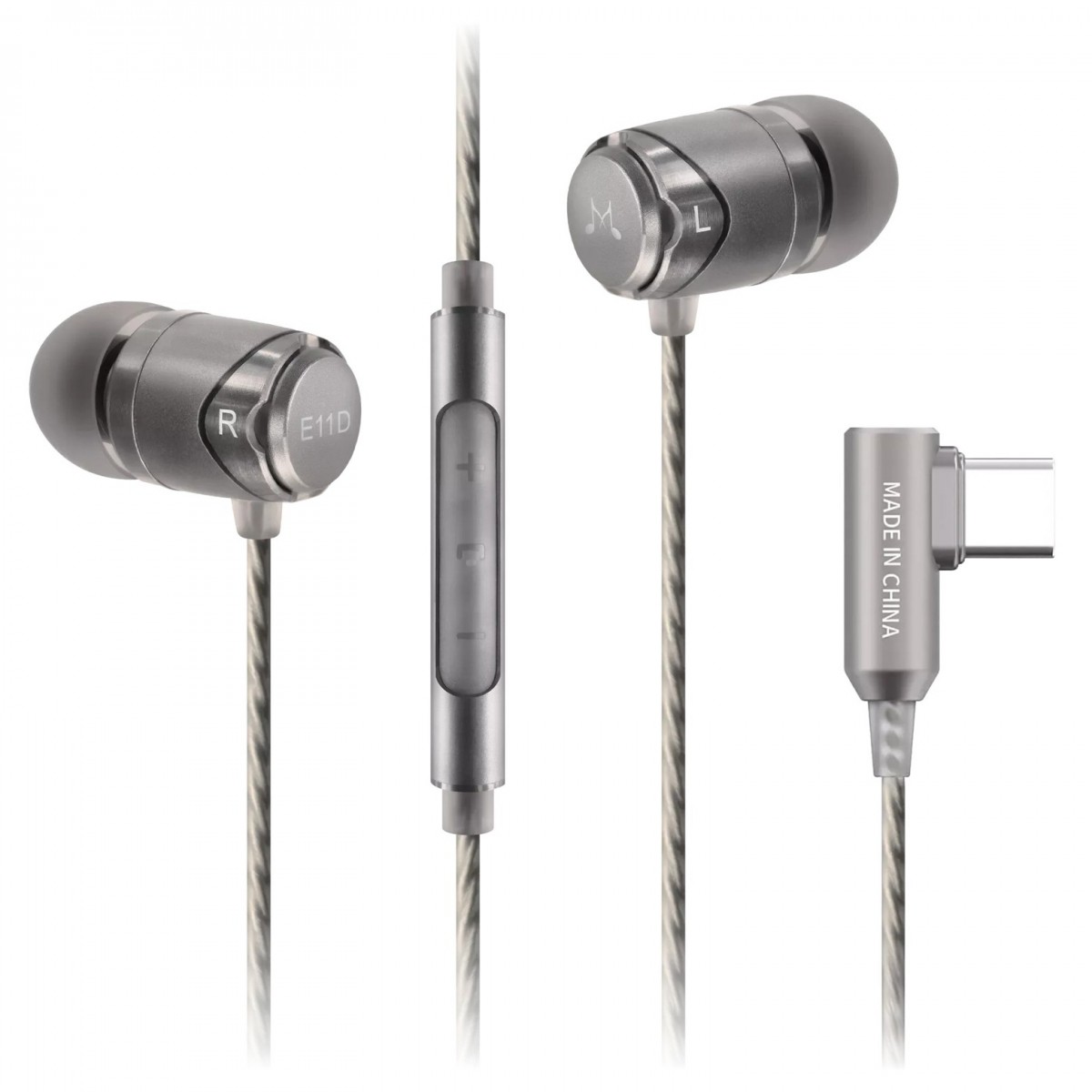 £39.98 ($51)
SoundMagic
SoundMAGIC E11D In Ear Isolating USB-C Earphones with Mic Silver
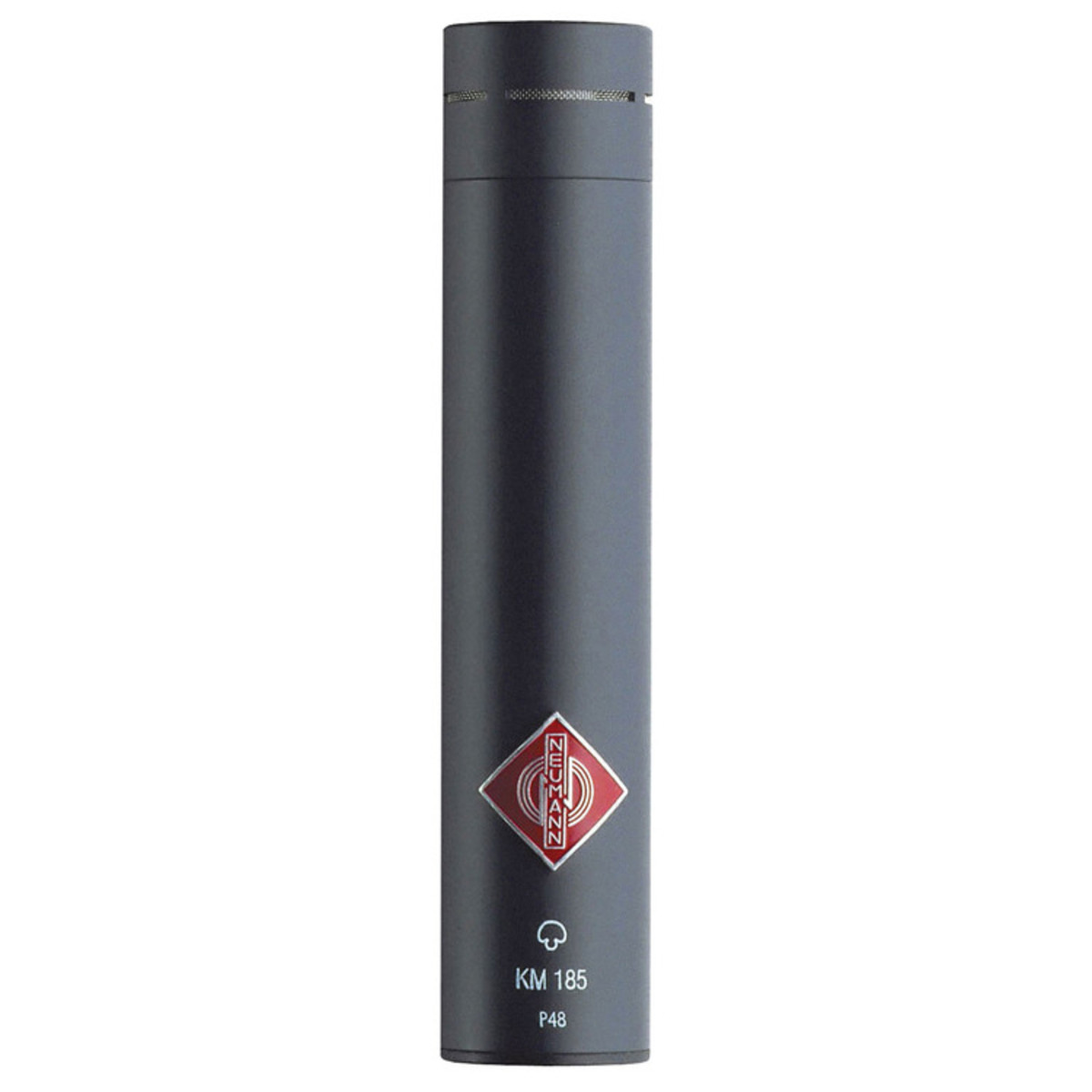 £709.28 ($901)
Neumann
Neumann KM 185 MT Super-Cardioid Compact Condenser Mic Black
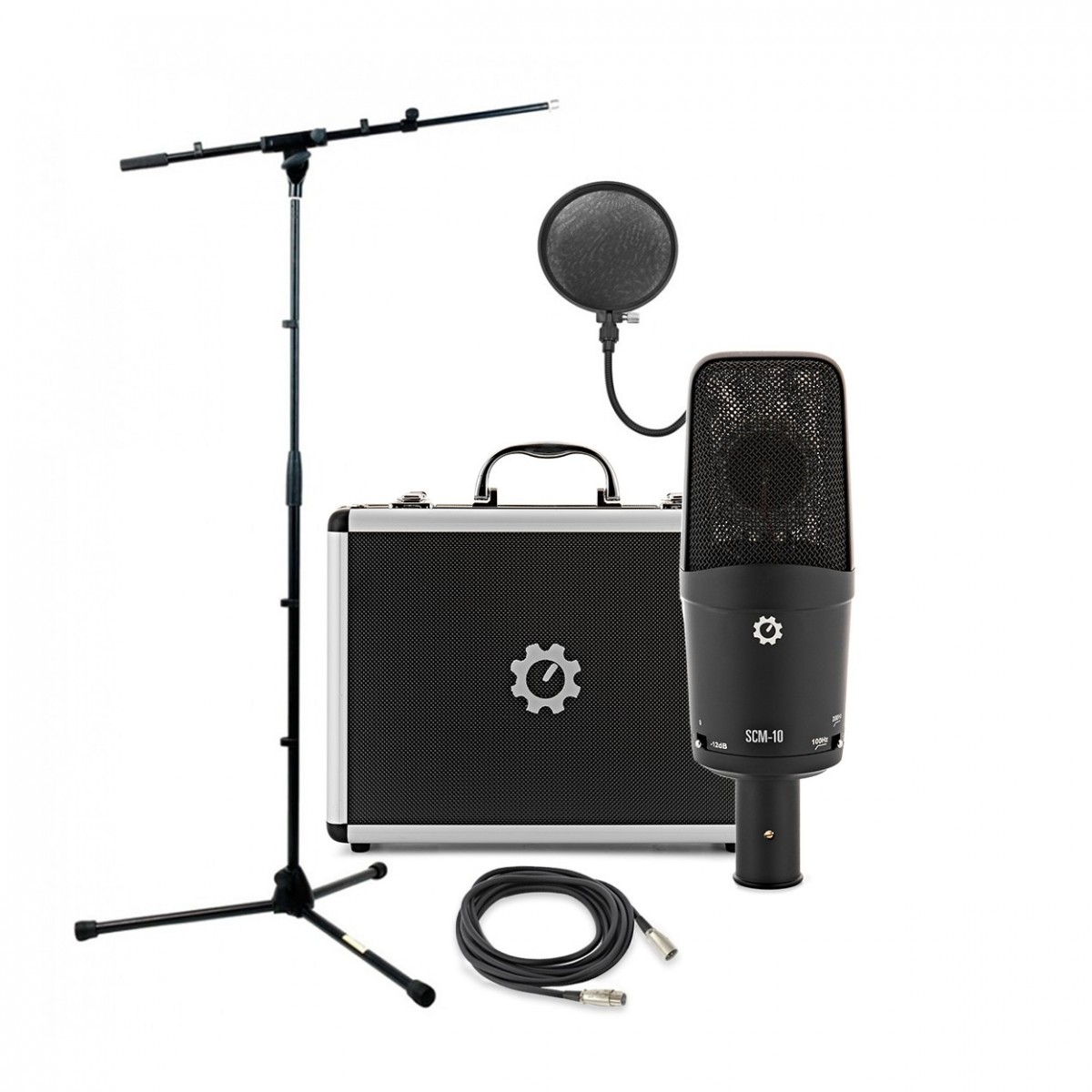 £139.99 ($178)
G4M
G4M Studio Condenser Microphone Home Recording Pack
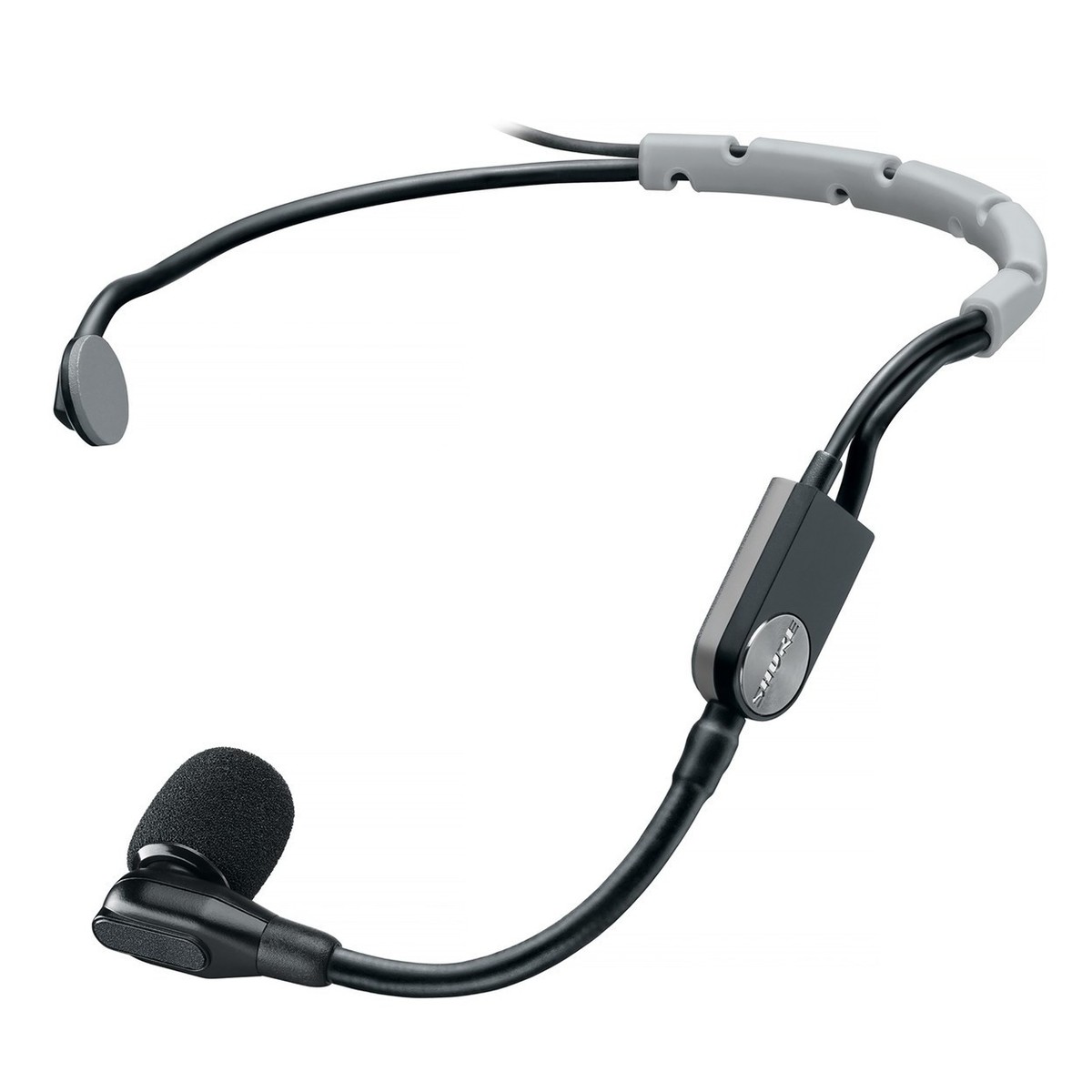 £258.50 ($328)
Shure
Shure SM35-XLR Cardioid Condenser Headset Microphone
 £201.19 ($256)
Audix
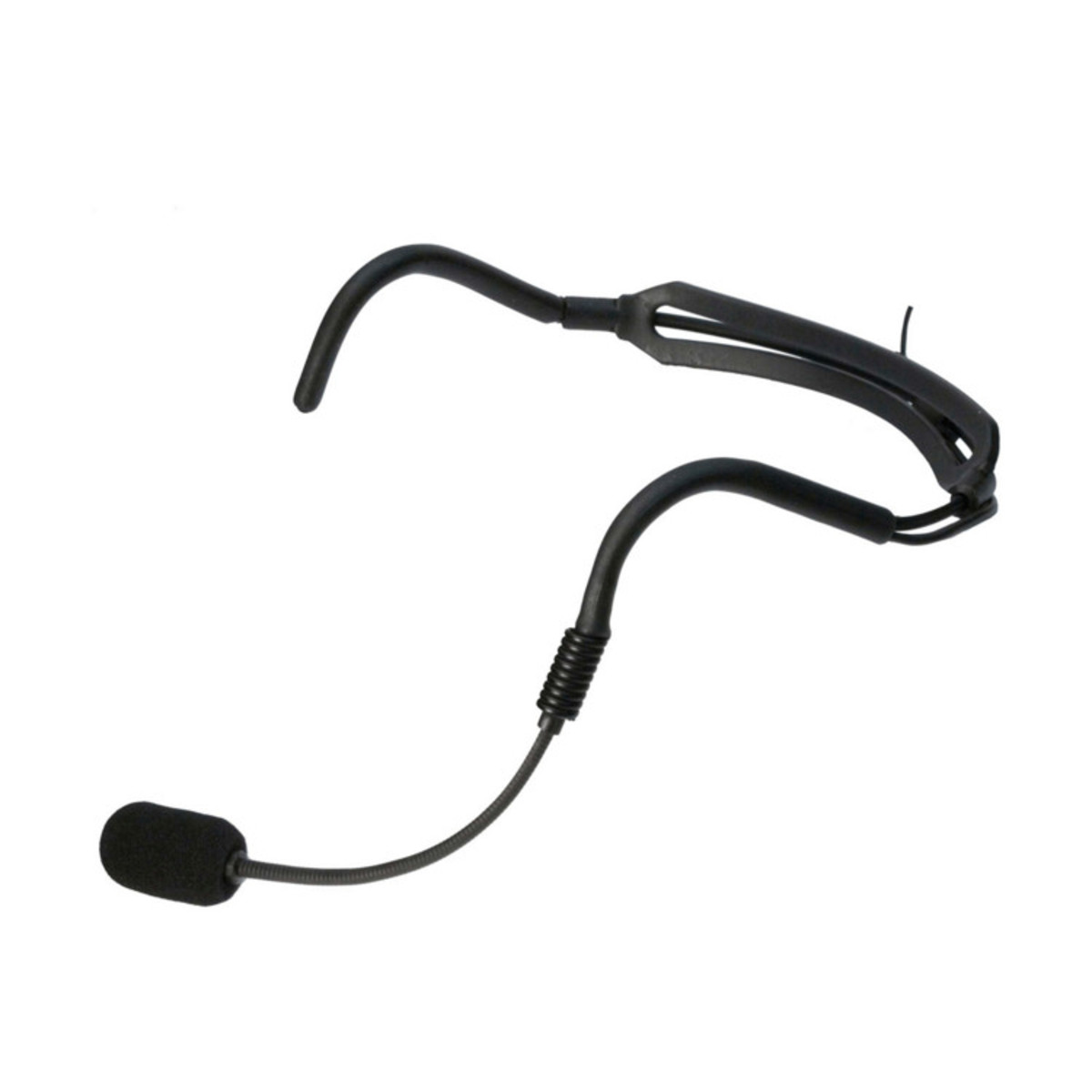
Audix HT2 Super Cardioid Headset Condenser Mic With 3 Pin Mini XLR
 £655.91 ($833)
Neumann
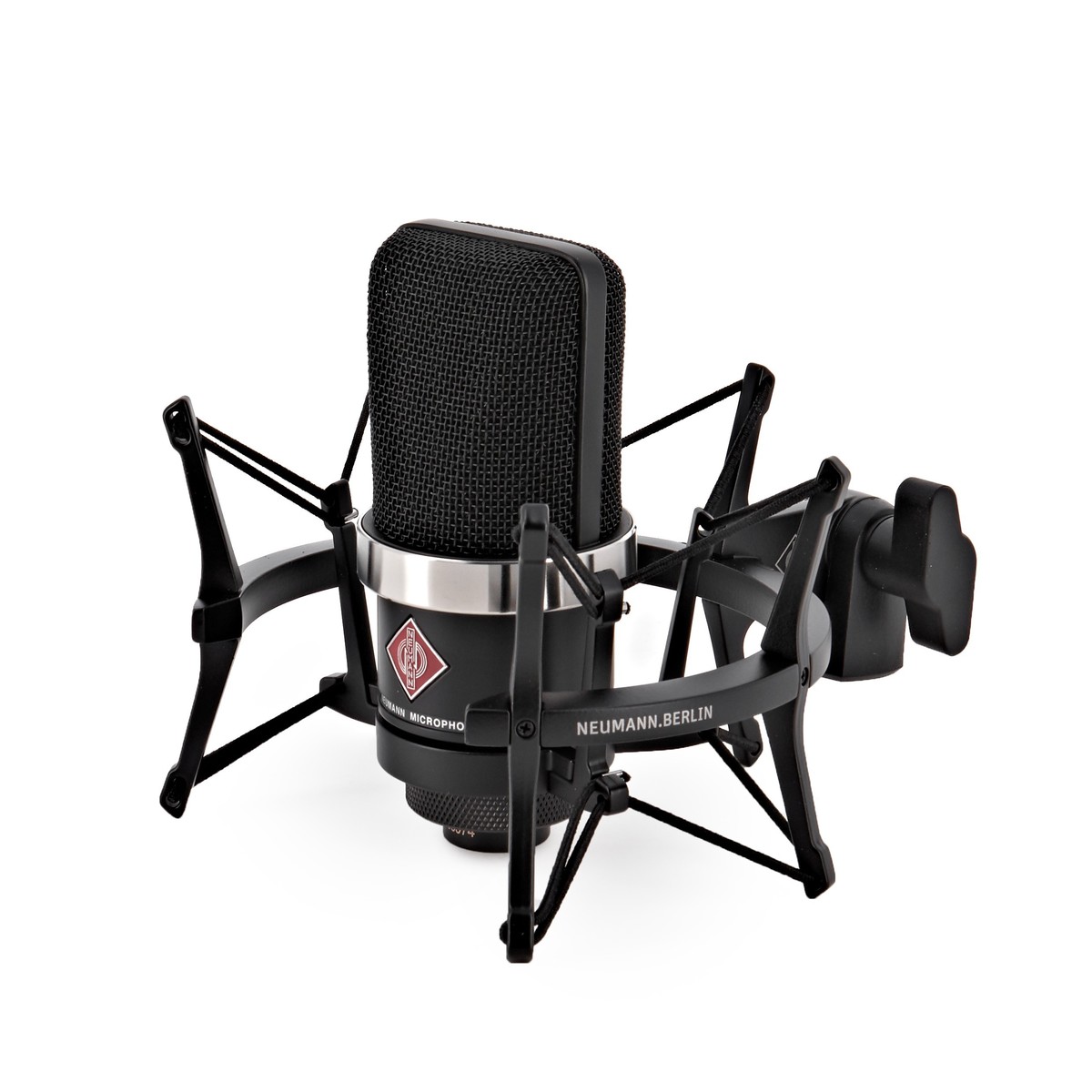
Neumann TLM 102 Microphone Studio Set Black
 £1,110.08 ($1,410)
Neumann
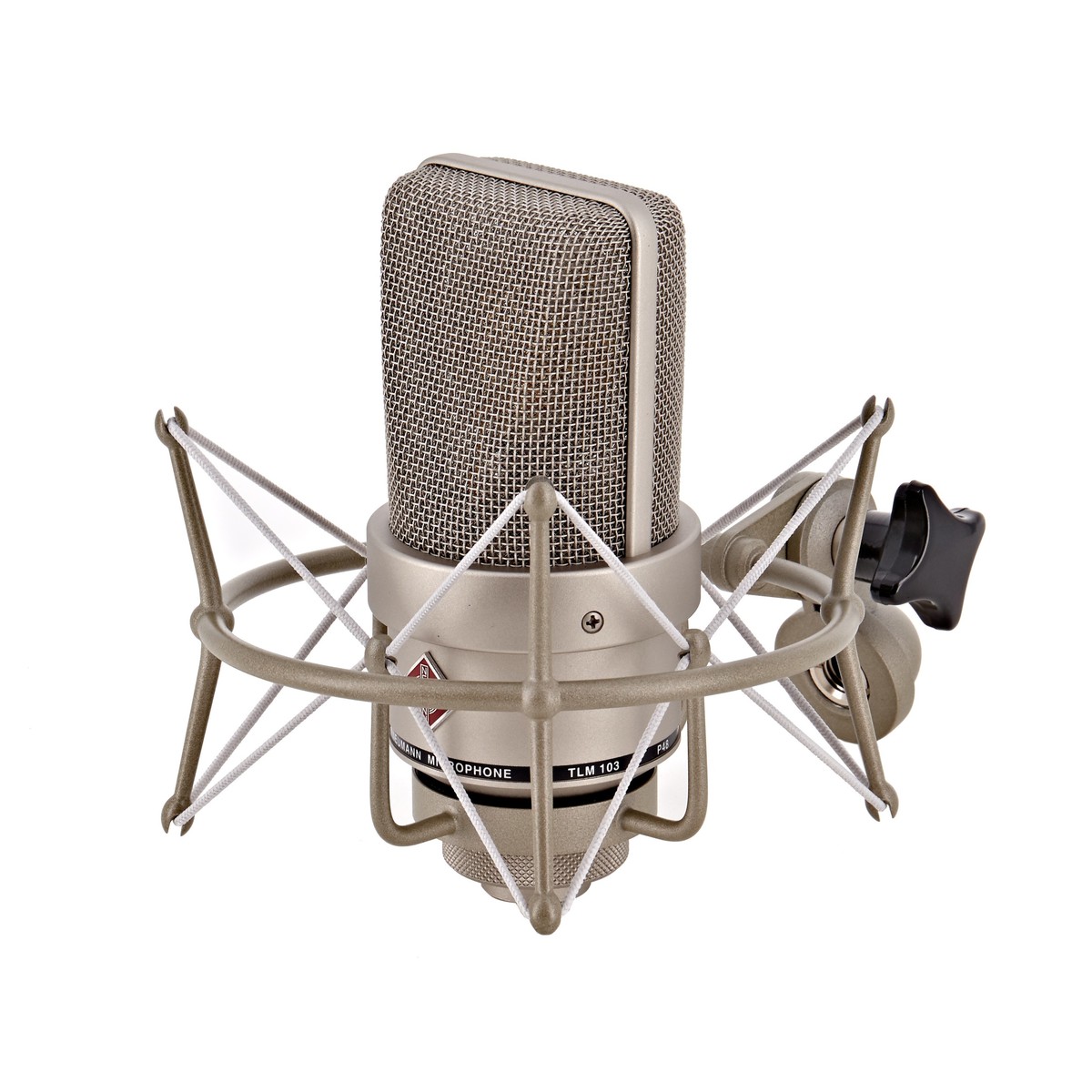
Neumann TLM 103 Studio Set Microphone Nickel
 £381.50 ($485)
Shure
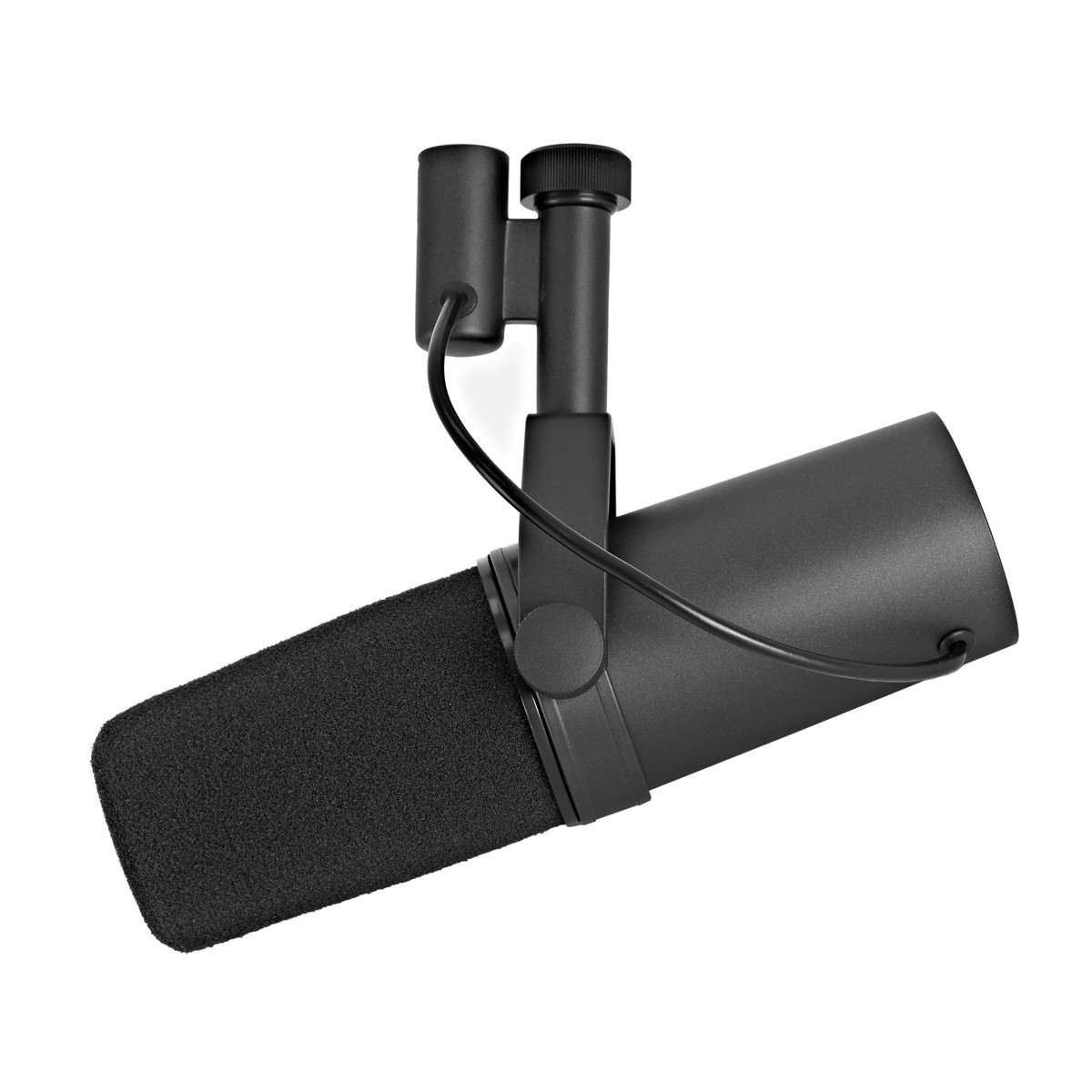
Shure SM7B Dynamic Studio Microphone
Frequently asked questions
- What is the primary pick-up pattern of the Sennheiser e614?
- The Sennheiser e614 features a supercardioid polar pattern. This design provides excellent isolation by focusing on the sound source directly in front of the mic while rejecting noise from the sides and rear.
- Is the Sennheiser e614 a dynamic or condenser microphone?
- It is a pre-polarised condenser microphone. This allows it to have a faster transient response and a wider frequency range compared to most dynamic microphones.
- Can the e614 handle high volume levels?
- Yes, the e614 is designed to handle high sound pressure levels (SPL) without distortion. This makes it suitable for recording loud instruments like drums and brass.
- Does the e614 require phantom power?
- Yes, as a condenser microphone, the e614 requires 48V phantom power to operate. This is typically provided by a mixing console or an audio interface.
- What instruments is the e614 best suited for?
- It is highly effective for woodwinds, string instruments, and drum overheads. Its wide frequency response allows it to capture both the deep lows and bright highs of these sources.
- How does the e614 help with feedback in live settings?
- Due to its supercardioid directivity, it rejects off-axis sound very effectively. This isolation reduces the risk of feedback and ambient stage noise entering the signal path.
- How does the e614 compare to the Neumann KM 185?
- Both are supercardioid small-diaphragm condensers, but the e614 is part of Sennheiser's Evolution series and is generally more budget-friendly. Both are excellent for instrument isolation in professional environments.
- Is the Sennheiser e614 suitable for vocal recording?
- While it can record vocals, its design is optimised for instruments. For dedicated vocal studio work, microphones like the Neumann TLM 102 or Shure SM7B are generally preferred.
- What is the frequency response of the e614?
- The e614 features an extremely wide frequency response designed to capture everything from deep lows to bright highs. This ensures a faithful reproduction of the instrument's natural tone.
- Is the e614 durable enough for touring?
- Yes, Sennheiser builds the Evolution series to be rugged and reliable. Its compact size and solid construction make it a popular choice for touring sound engineers.
- Can I use the e614 for recording acoustic guitar?
- Yes, it is an excellent choice for acoustic guitar. The small-diaphragm condenser design captures the fast transients of the strings and the natural resonance of the wood.
- How should I position the e614 for drum overheads?
- It should be placed on a stand above the kit, angled toward the cymbals or shells. Its isolation capabilities allow you to capture a clean drum image with minimal bleed from other stage monitors.