
Gear article
Sennheiser e935 Dynamic Vocal Microphone
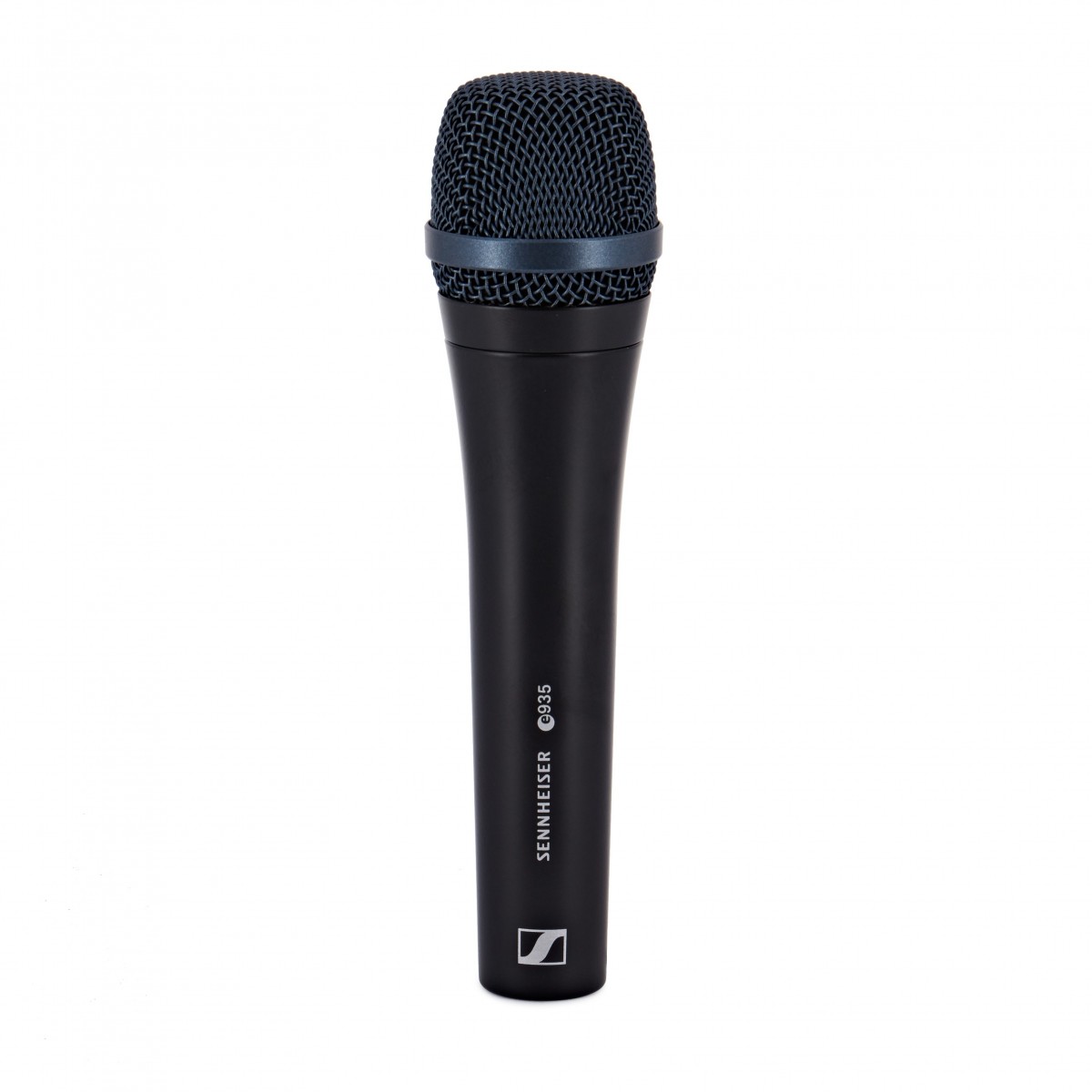
The Sennheiser e935 is a professional-grade cardioid dynamic microphone designed specifically for vocal performance in live sound environments. It is engineered to provide a natural, detailed response with high feedback rejection and a rugged metal construction suited for touring.
Overview and Design
The Sennheiser e935 is a cornerstone of the evolution 900 series, developed as a high-performance tool for lead vocalists. It features a robust metal housing designed to survive the physical demands of professional touring. The internal architecture includes a shock-mounted capsule, which significantly reduces sensitivity to impact and handling noise, ensuring that the primary signal remains clear during active stage performances.
Technical Features
Technically, the e935 is distinguished by several key engineering choices:
- Cardioid Pickup Pattern: Offers excellent insulation from other on-stage signals, focusing on the vocalist while rejecting sound from the rear.
- Hum Compensating Coil: A unique addition that reduces electrical interference, ensuring a clean signal even in environments with complex lighting and power rigs.
- Neodymium Ferrous Magnet: Provides a stable output across various climates and temperatures.
- Fast Transient Response: Delivers a detailed and present sound that captures the nuances of a vocal performance.

Sonic Character
The microphone is known for a natural and transparent frequency response. Unlike some dynamic microphones that may sound muffled, the e935 is noted for its clarity and presence. The internal shock mount and capsule design allow for a high level of detail, making it suitable for vocalists who require their voice to cut through a loud or dense instrument mix without sounding overly processed.
Artist Usage and Reputation
The e935 has achieved significant professional adoption and is frequently seen on major international tours. Notable users of the microphone include Alex Turner of Arctic Monkeys, Taylor Swift, Stevie Nicks, Harry Styles, and Jack Vinders. Its reliability under pressure and consistent tonal quality have made it a preferred choice for high-profile live sound engineers and performers alike.
Comparison with Alternatives
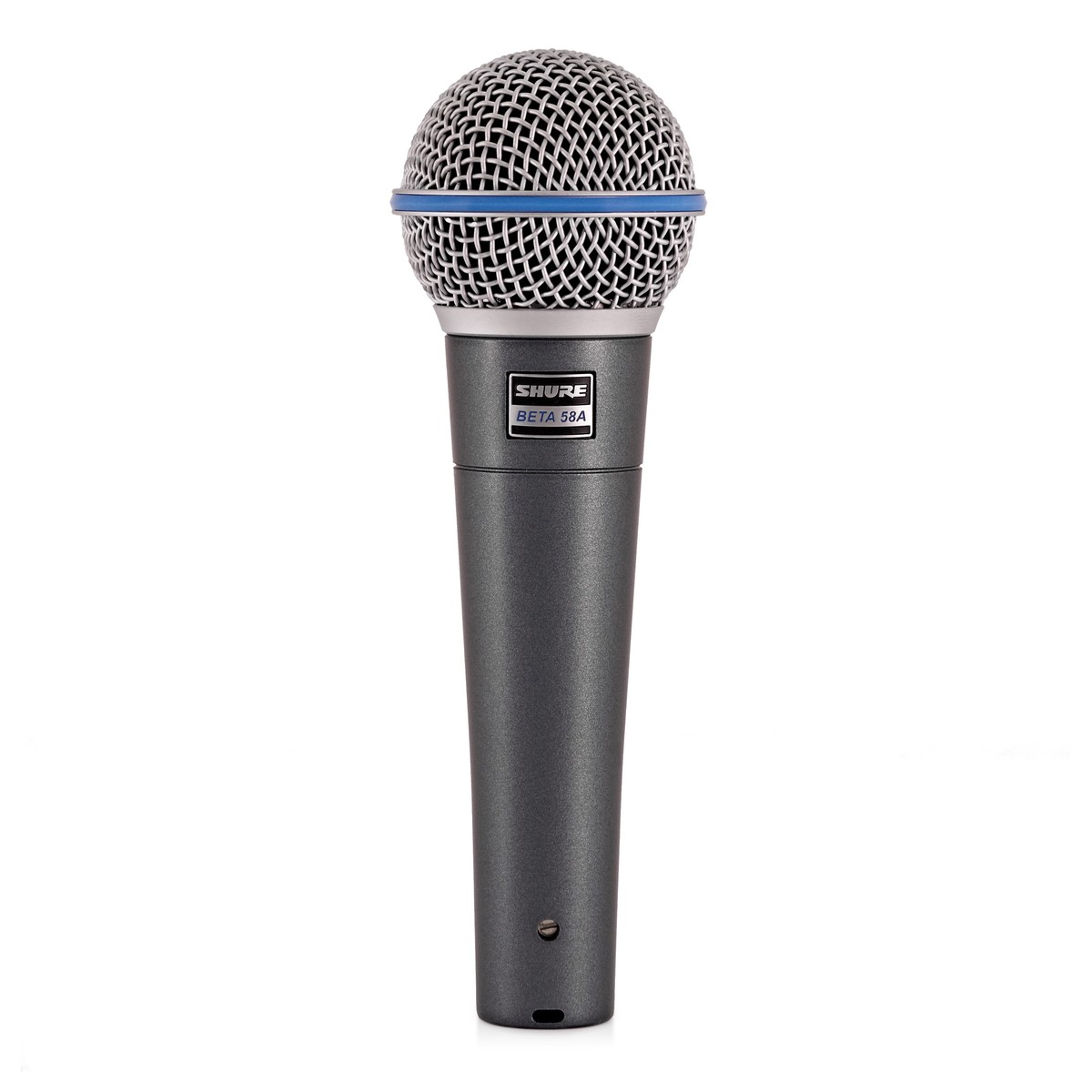
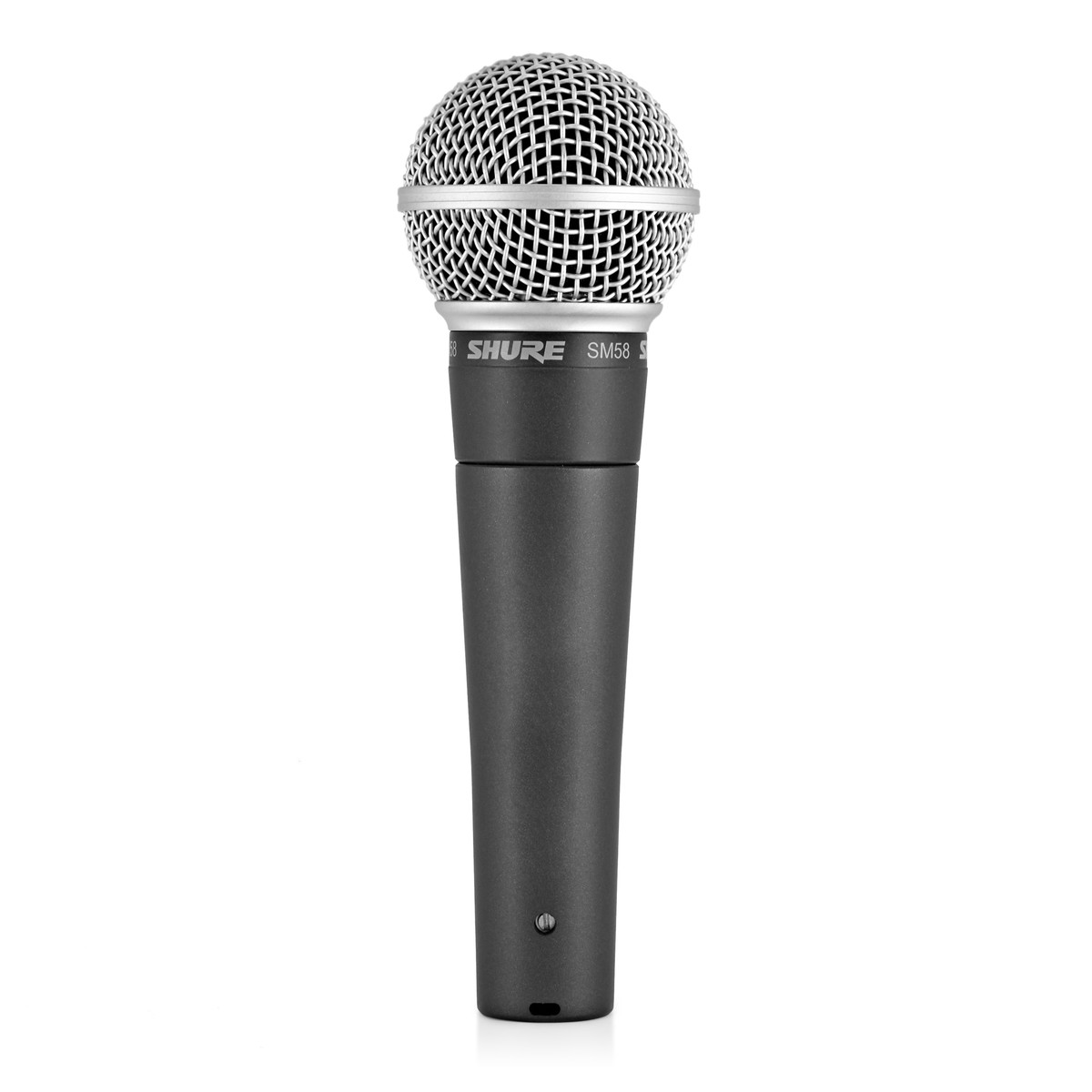
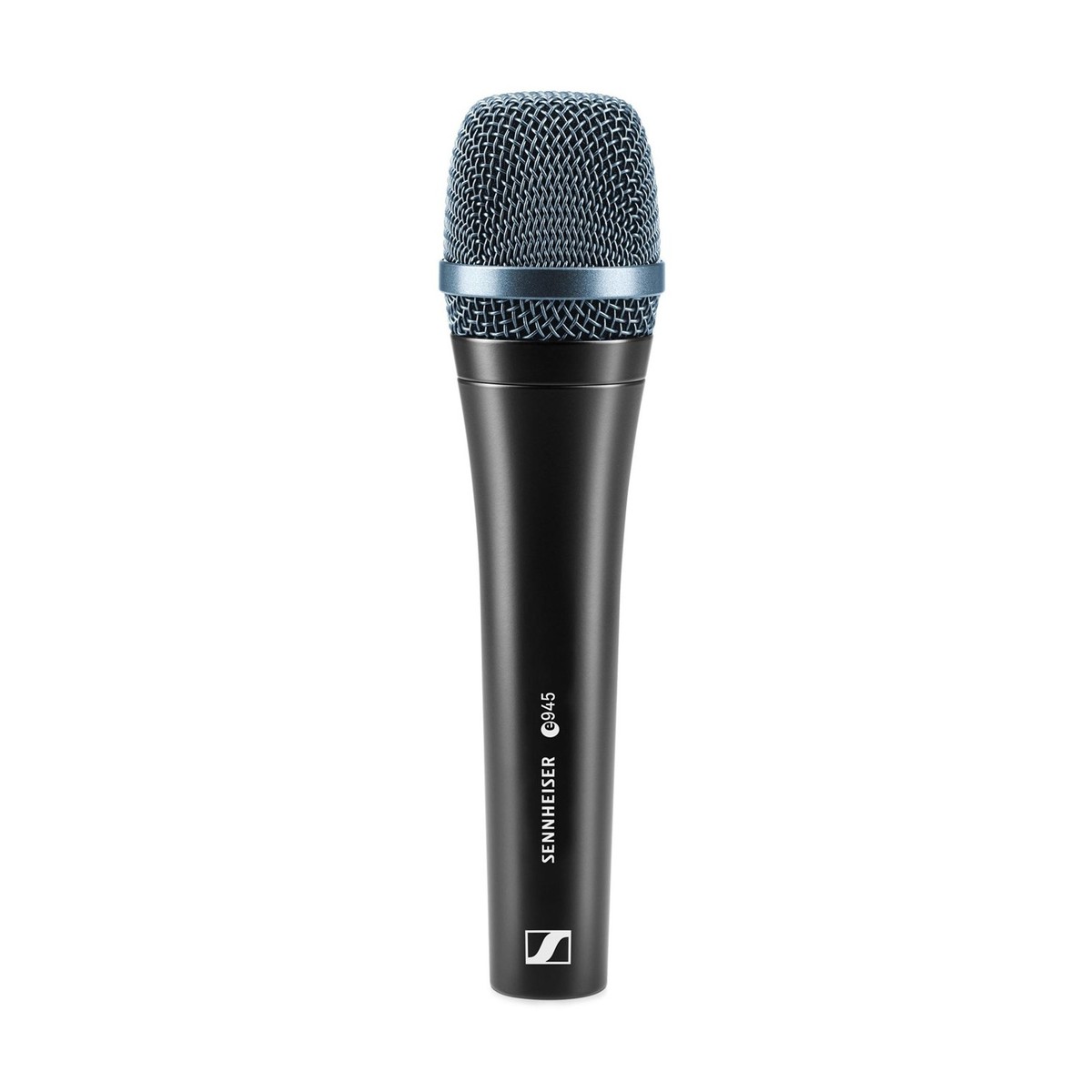
When compared to industry standards like the Shure SM58 or the Beta 58A, the e935 is often praised for a more 'open' top-end response. While the SM58 is valued for its mid-range durability, the e935 offers a more modern, hi-fi sound. Within the Sennheiser range, it is often compared to the e945; the e935 uses a cardioid pattern which is generally more forgiving regarding singer movement, whereas the e945 features a tighter supercardioid pattern for even greater feedback rejection.
Artists who play it
Related gear
 £559.00 ($710)
Electro-Voice
Electro-Voice RE20 Dynamic Cardioid Microphone
 £149.99 ($190)
SubZero
SubZero P10 Portable PA Speaker with Bluetooth & Wireless Mic
 £135.25 ($172)
Shure
Shure 520DX Green Bullet Harmonica Microphone
 £161.00 ($204)
Shure
Shure Beta 58A Dynamic Microphone
 £259.00 ($329)
Shure
Shure SM58 Dynamic Cardioid Vocal Microphone
 £167.55 ($213)
Sennheiser
Sennheiser e945 Dynamic Vocal Microphone
 £103.75 ($132)
Shure
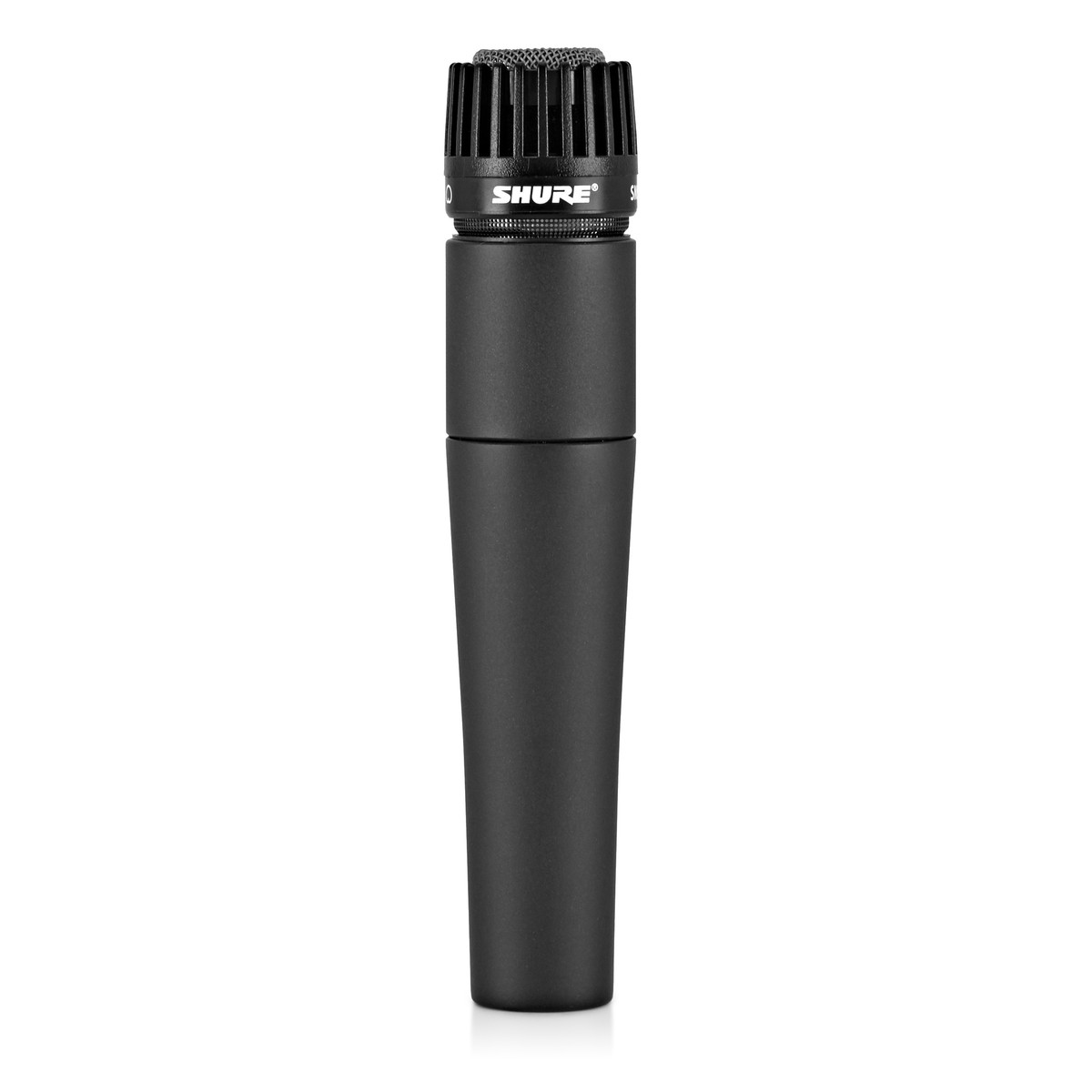
Shure SM57 Dynamic Instrument Microphone
 £1,080.00 ($1,372)
Sennheiser
Sennheiser MD 441-U Dynamic Supercardioid Microphone
Frequently asked questions
- What type of pickup pattern does the Sennheiser e935 use?
- The e935 utilizes a cardioid pickup pattern. This pattern is designed to pick up sound from the front of the microphone while providing excellent insulation from other sound sources on stage.
- Is the Sennheiser e935 suitable for studio recording?
- While primarily designed for live vocal performance, its detailed sound and fast transient response make it a viable option for studio work where a natural dynamic sound is desired. However, it is optimized for the high-volume environments of the stage.
- How does the e935 handle electrical interference?
- It features a unique hum compensating coil. This specific component is designed to reduce electromagnetic interference, keeping the signal clean even near lighting rigs or power cables.
- What is the benefit of the neodymium magnet in this microphone?
- The neodymium ferrous magnet ensures the microphone remains stable regardless of climate changes. This helps maintain a consistent signal quality during outdoor festivals or in humid club environments.
- Does the e935 require phantom power?
- No, the Sennheiser e935 is a dynamic microphone. It does not require external phantom power to operate and can be plugged directly into any standard XLR preamp or mixer.
- How durable is the construction of the microphone?
- The e935 is built with a rugged metal casing. It is specifically designed as a professional tool for working musicians to withstand the rigors, drops, and impacts associated with on-stage use.
- What is the price of the Sennheiser e935?
- The typical price range for the Sennheiser e935 is approximately £149. This places it in the mid-to-high tier for professional dynamic vocal microphones.
- How does it reduce handling noise?
- The microphone contains a shock-mounted capsule. This internal suspension system isolates the transducer from the body, significantly dampening the sounds created by moving the microphone or placing it in a stand.
- What is the difference between the e935 and the e945?
- The primary difference is the pickup pattern; the e935 is cardioid, while the e945 is supercardioid. The e935 is slightly more forgiving of off-axis movement by the singer, whereas the e945 offers tighter rejection of side noise.
- Which famous artists are known to use the Sennheiser e935?
- The microphone is used by several high-profile artists, including Taylor Swift, Alex Turner, Stevie Nicks, Harry Styles, and Jack Vinders.
- Can it be used for instruments like the Shure SM57?
- While the e935 is optimized for vocals, its high SPL handling and clear response mean it can be used on instruments in a pinch. However, the SM57 is traditionally specialized for instrument application.
- What is meant by a 'fast transient response' in this mic?
- A fast transient response means the microphone's diaphragm can react quickly to sudden peaks in sound. This results in a more detailed, crisp, and present audio signal that accurately captures the 'attack' of a voice.