
Gear article
Sennheiser MEB 102 B Omnidirectional Boundary Microphone
The Sennheiser MEB 102 B is a compact boundary layer microphone designed for permanent surface installation in professional environments. Featuring an omnidirectional polar pattern and a rugged housing, it is engineered to capture speech with high clarity in conference and presentation settings.
See live pricesOverview
The Sennheiser MEB 102 B represents a specialised solution for fixed-audio installations. It is a boundary layer microphone, meaning it is designed to be mounted flush against a surface to take advantage of the pressure zone where sound waves reflect. This specific model is finished in black and utilizes an omnidirectional capsule to capture audio from all directions (360 degrees) equally.
The device is housed in a rugged, timeless casing that is both compact and unobtrusive, making it suitable for modern architectural spaces where visible technology needs to be minimised.
Installation and Mechanics
Designated for permanent installation, the MEB 102 B features an M20 threading. This allows the unit to be securely fastened through holes in surfaces such as conference room tables, ceiling tiles, or lecture podiums. The connection is handled via a standard 3-pin XLR output, ensuring compatibility with professional mixers and audio interfaces that provide phantom power.
Performance and Sound Character
The microphone is equipped with a high-quality Sennheiser capsule that delivers a wide frequency response of 40 Hz to 20 kHz. This range is tailored to ensure that the full spectrum of the human voice is captured, from the deep resonances to the sibilant detail necessary for intelligibility.
With a maximum SPL handling of 125 dB, the MEB 102 B can withstand high-volume speech or sudden loud environmental noises without distorting. Its omnidirectional nature makes it particularly effective at picking up multiple speakers around a table without the 'proximity effect' associated with directional microphones.
Applications and Suitability
This microphone is primarily suited for: * Conferencing: Capturing all participants at a table equally. * Presentations: Fixed installation on a podium for consistent speech pickup. * Security and Monitoring: Discreet mounting in ceilings for room-wide audio capture.
It is ideal for users who require a set-and-forget solution that integrates into the furniture or room structure, providing reliable performance without the clutter of mic stands or handheld units.
Comparison to Alternatives
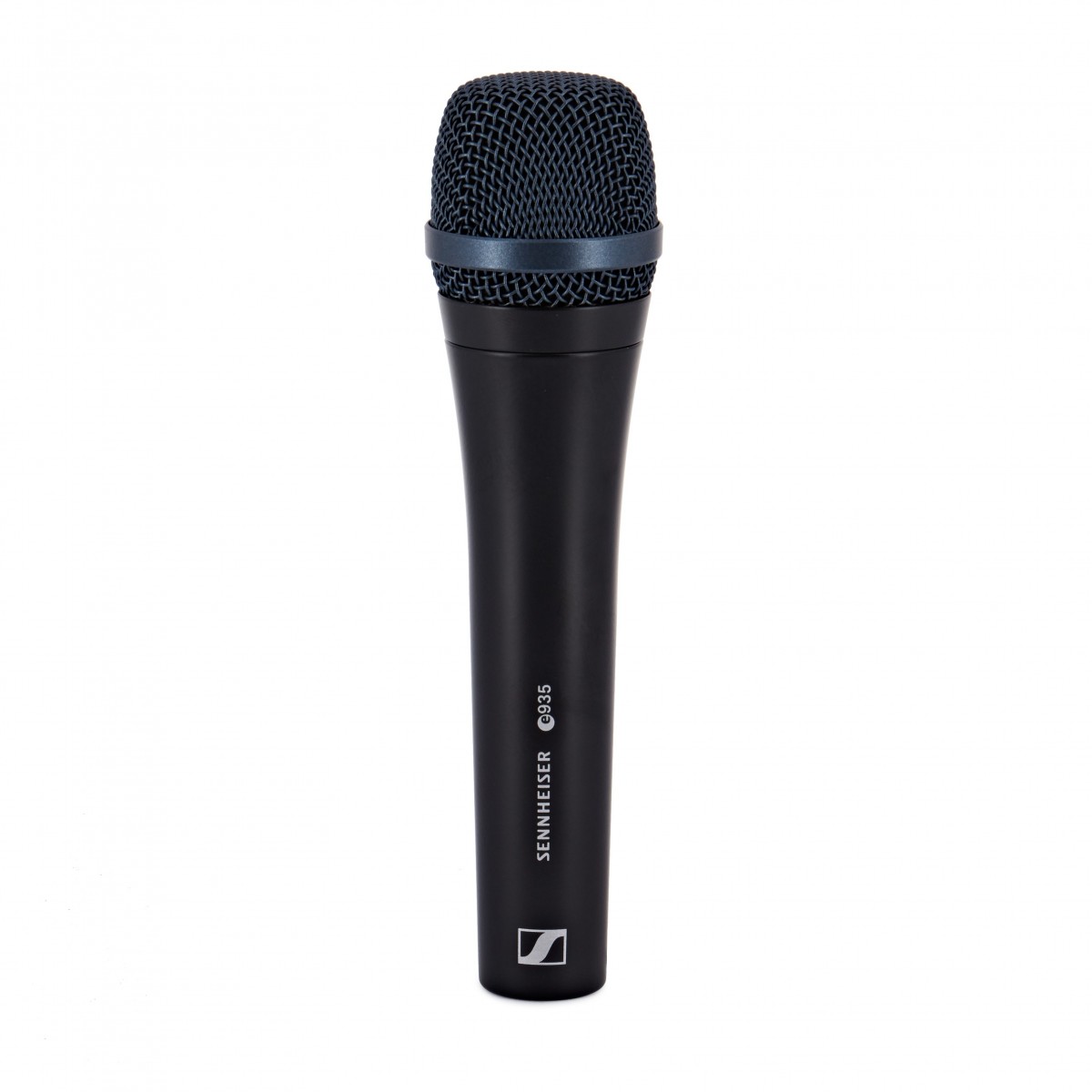
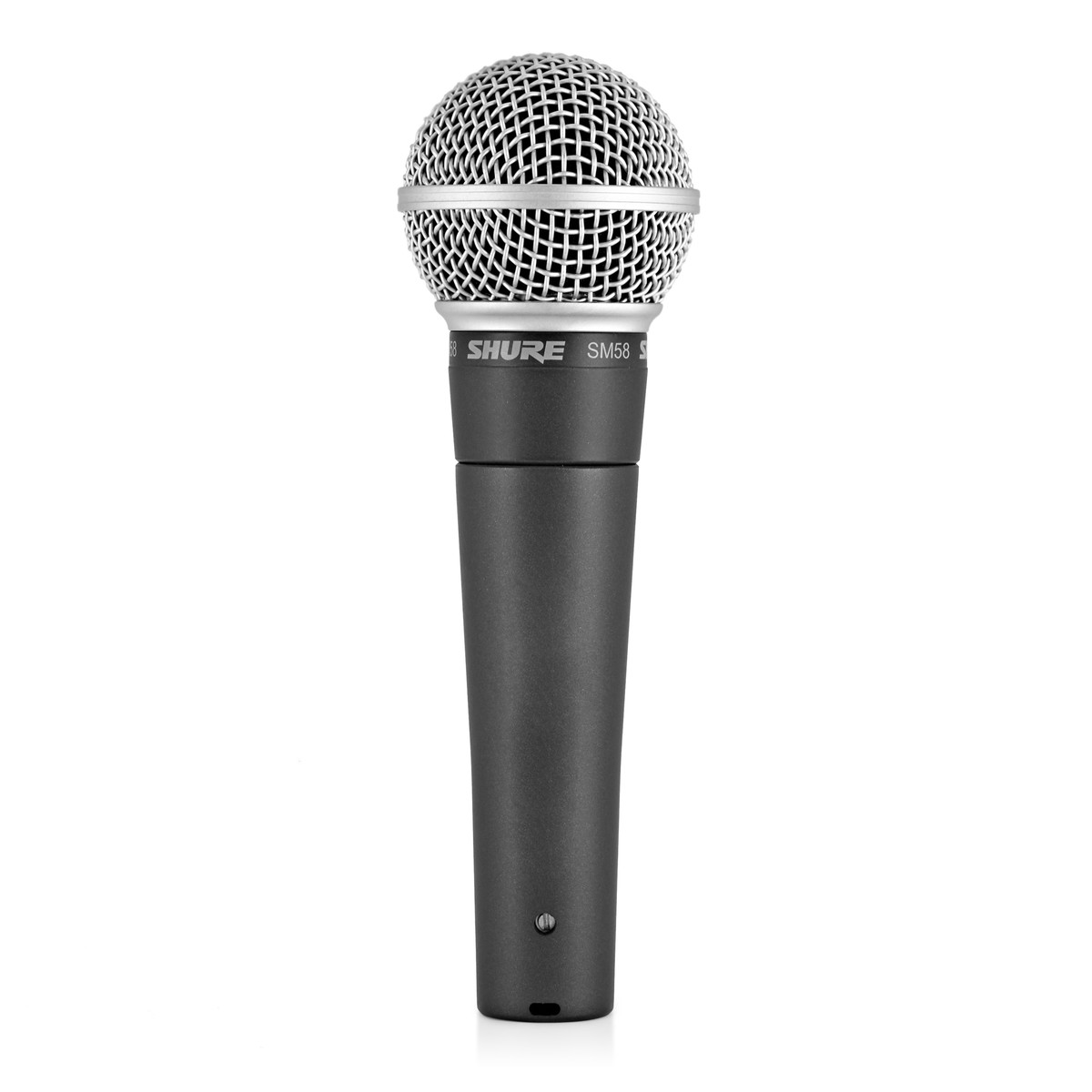
Unlike traditional dynamic microphones such as the Shure SM58 or Sennheiser e935, which are handheld and designed for close-up vocal use, the MEB 102 B is a fixed installation tool. While dynamic mics like the Electro-Voice RE20 or Sennheiser MD 441-U offer superior isolation for studio recording, the MEB 102 B prioritises a wide pickup area and physical discretion. Compared to cardioid boundary mics, this omnidirectional version is better for round-table discussions but offers less rejection of background noise coming from specific directions.
Related gear
 £563.00 ($715)
Electro-Voice
Electro-Voice RE20 Dynamic Cardioid Microphone
 £148.75 ($189)
Sennheiser
Sennheiser e935 Dynamic Vocal Microphone
 £142.25 ($181)
Shure
Shure 520DX Green Bullet Harmonica Microphone
 £161.50 ($205)
Shure
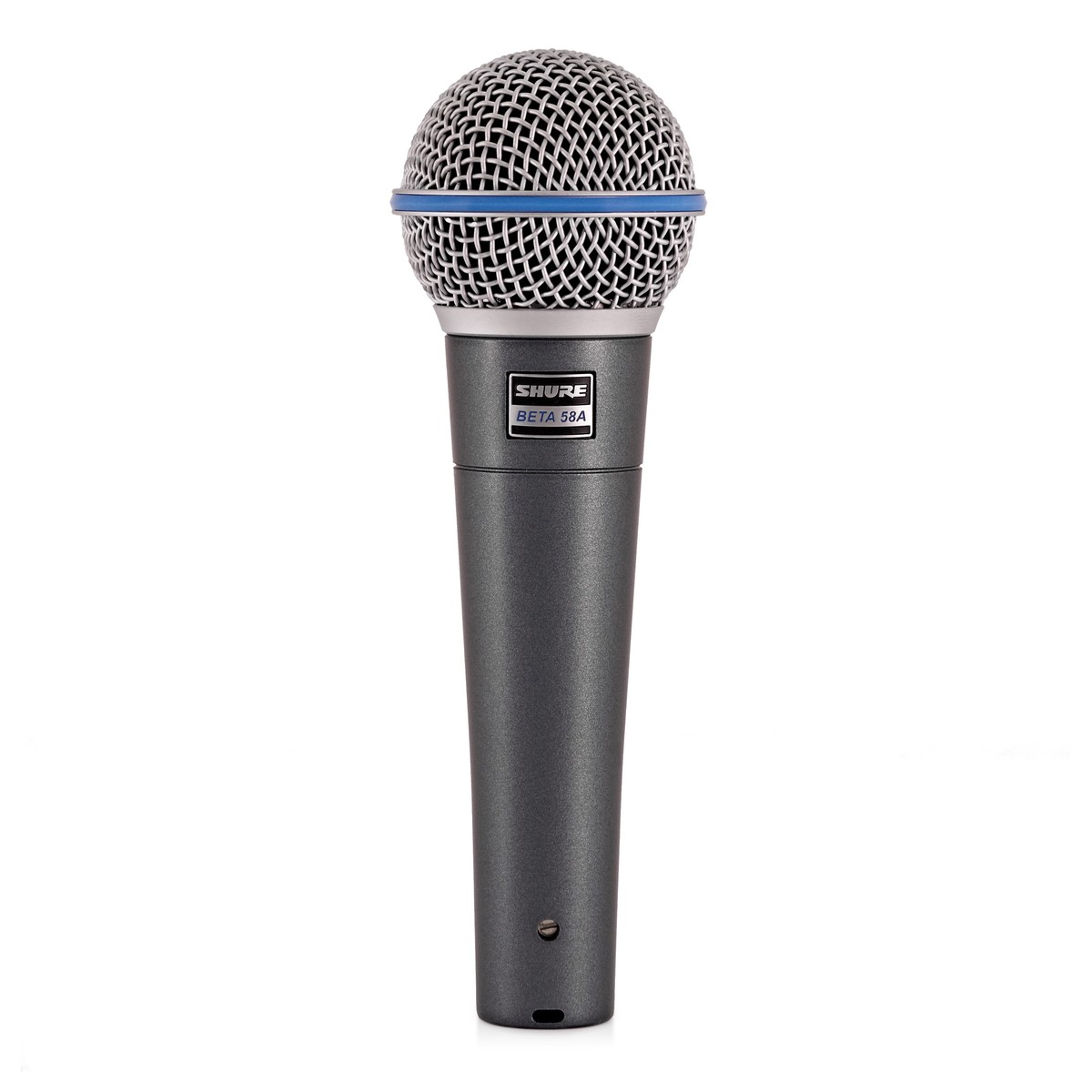
Shure Beta 58A Dynamic Microphone
 £259.00 ($329)
Shure
Shure SM58 Dynamic Cardioid Vocal Microphone
 £149.00 ($189)
Sennheiser
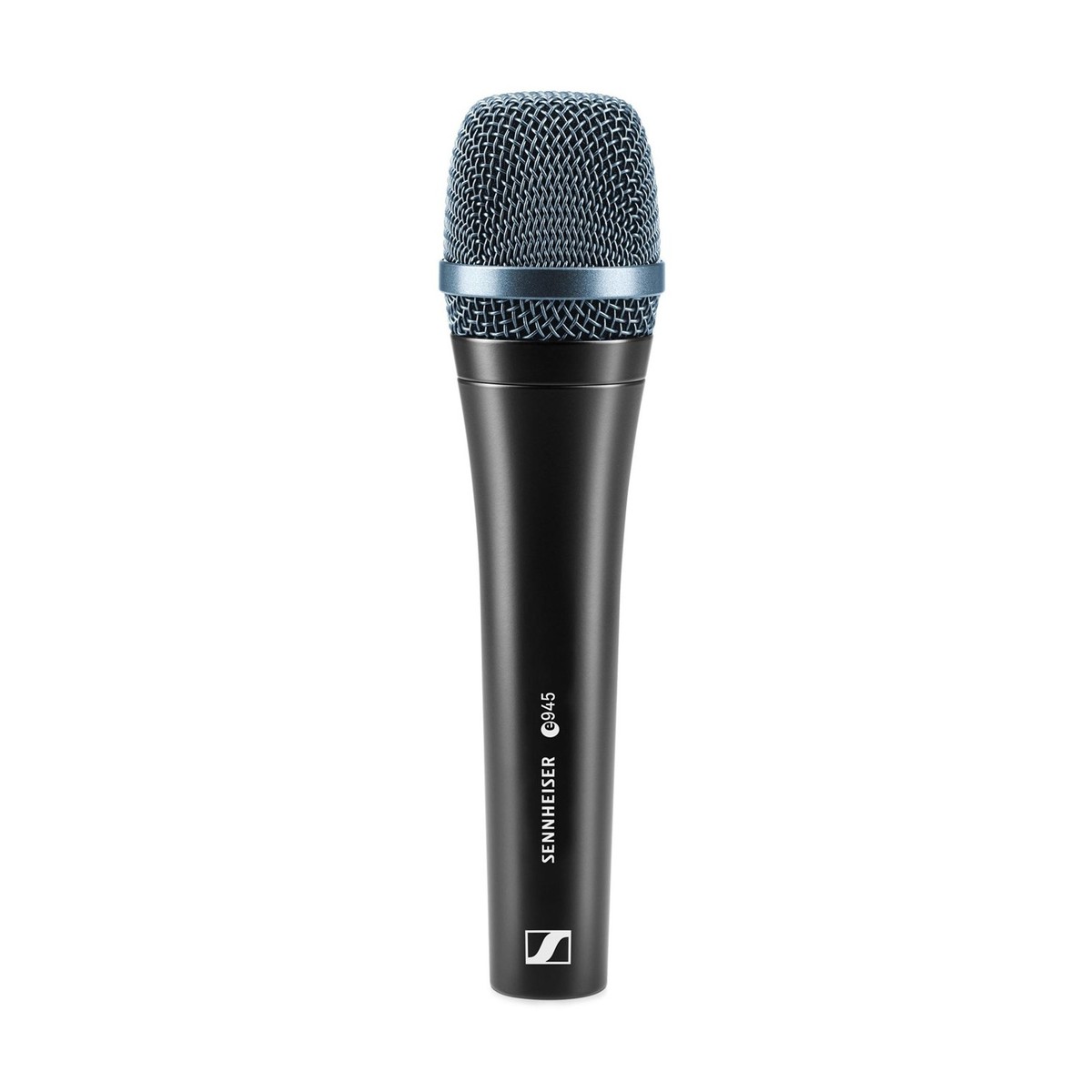
Sennheiser e945 Dynamic Vocal Microphone
 £103.50 ($131)
Shure
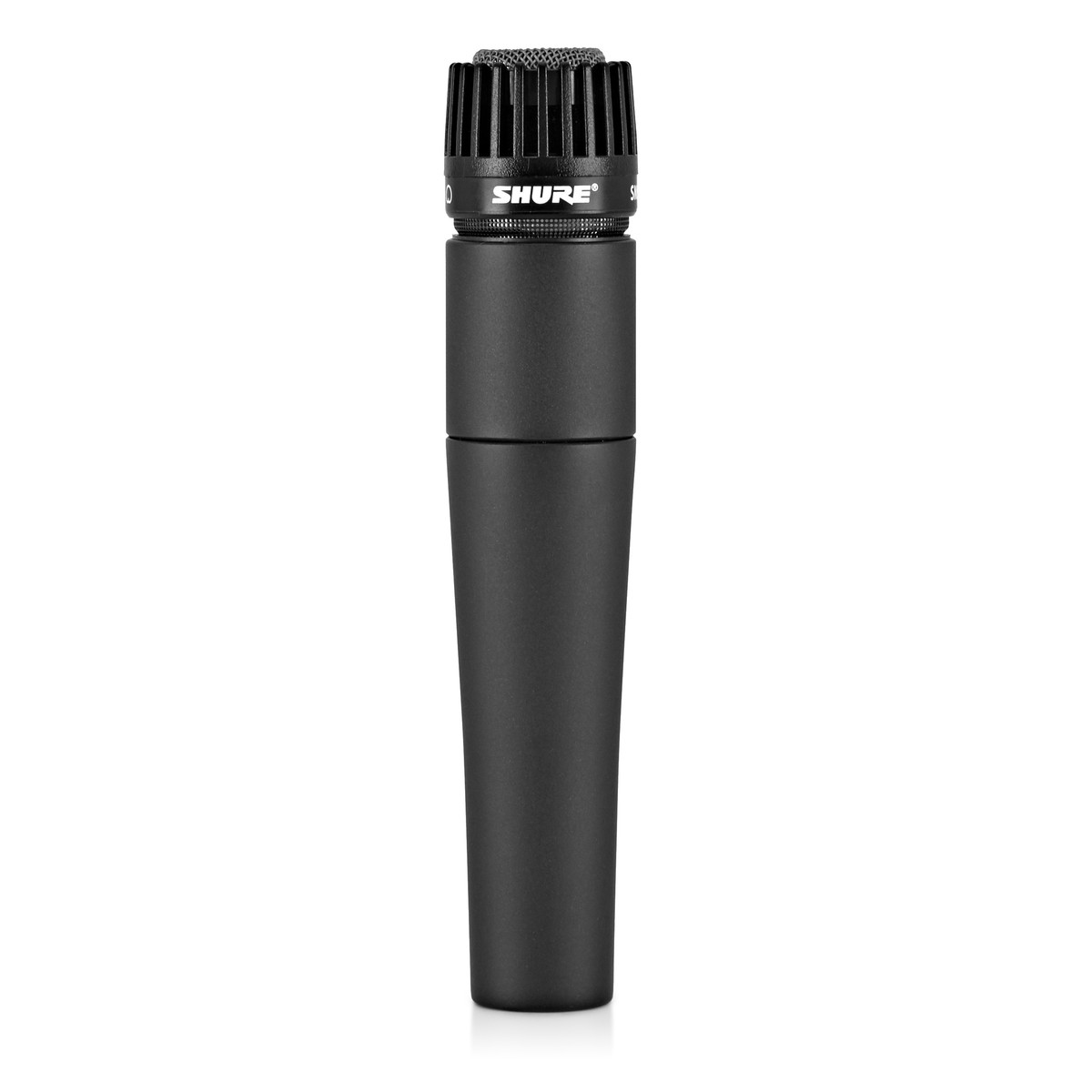
Shure SM57 Dynamic Instrument Microphone
 £1,080.00 ($1,372)
Sennheiser
Sennheiser MD 441-U Dynamic Supercardioid Microphone
Frequently asked questions
- What is the polar pattern of the Sennheiser MEB 102 B?
- The MEB 102 B features an omnidirectional polar pattern. This means it picks up sound equally from all directions (360 degrees) around the capsule.
- Where is this microphone typically installed?
- It is designed for surface mounting in locations such as conference tables, podiums, and ceiling tiles. The compact design ensures it remains unobtrusive in professional environments.
- What is the frequency range of the MEB 102 B?
- The microphone boasts a wide frequency response range of 40 Hz to 20 kHz. This allows it to capture clear and natural-sounding speech across the entire vocal spectrum.
- How is the microphone mounted to a surface?
- The unit uses M20 threading for installation. This allows it to be bolted securely through a pre-drilled hole in a table or ceiling panel.
- What is the maximum sound pressure level (SPL) it can handle?
- The MEB 102 B can handle a maximum SPL of up to 125 dB. This ensures it can record loud voices or sudden noises without signal distortion.
- What type of connector does the MEB 102 B use?
- It features a standard 3-pin XLR output. This makes it compatible with most professional audio equipment, including mixers and wall-plate inputs.
- Is the housing of the MEB 102 B durable?
- Yes, the microphone is built with a rugged housing designed for long-term installation. Its construction ensures reliability in high-traffic professional settings.
- What color options are available for this specific model?
- The MEB 102 B specifically refers to the black version of the microphone. This allows it to blend in with dark surfaces or professional decor.
- Does this microphone require phantom power?
- Yes, as a professional installation microphone with an XLR output, it typically requires 48V phantom power from the connected mixer or interface. The capsule design necessitates an external power source to operate.
- What are the primary use cases for the MEB 102 B?
- It is primarily used for conferences, presentations, and corporate meetings. Its ability to capture speech clearly from multiple directions makes it ideal for group discussions.
- How does an omnidirectional boundary mic differ from a handheld mic?
- Unlike handheld mics like the Shure SM58, the MEB 102 B is fixed to a surface and captures sound from a wide area. Handheld mics are usually cardioid and designed to be held close to the mouth to isolate a single voice.
- What is a 'boundary layer' microphone?
- A boundary layer microphone is designed to be placed against a flat surface. This placement eliminates interference from reflected sound waves, resulting in a clearer signal with higher sensitivity.