
Gear article
Sennheiser MKE 1 Omnidirectional Condenser Lavalier Microphone
The Sennheiser MKE 1 is a professional-grade, ultra-miniature omnidirectional condenser lavalier microphone designed for high-discretion environments such as theatre, broadcasting, and live performance. Renowned for its diminutive profile, it provides a natural sound profile while incorporating advanced moisture resistance for durability during long performances.
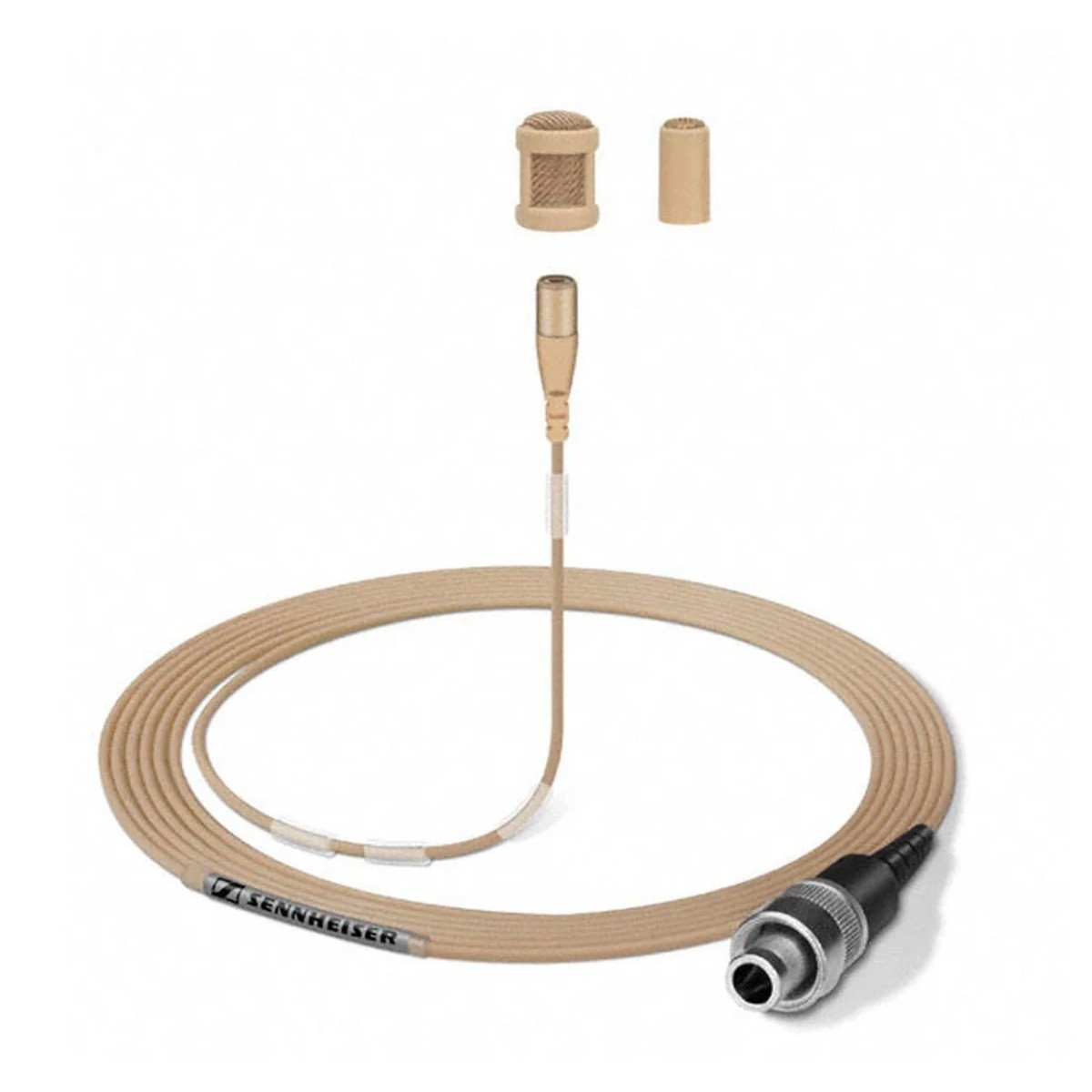
Design and Construction
The Sennheiser MKE 1 is engineered for applications where the microphone must remain virtually invisible. Its ultra-miniature capsule allows it to be hidden within costumes, wigs, or taped directly to the skin without compromising audio fidelity. The build quality prioritises longevity in harsh environments, featuring a moisture-resistant protective membrane that shields the internal condenser components from sweat and humidity—a critical requirement for actors and presenters in high-pressure live settings.
Acoustic Characteristics
As an omnidirectional condenser microphone, the MKE 1 offers a consistent frequency response regardless of the source's orientation. This is particularly beneficial for performers who move their heads frequently, as the pickup remains stable and natural. The microphone is designed to deliver clear, articulate speech with a focus on realism, avoiding the proximity effect typically found in directional microphones.
Cable and Connectivity
This specific variant of the MKE 1 features a beige finish and a 3-pin connector, suitable for integration into professional wireless bodypack systems. The unit is equipped with a durable, ultra-thin cable designed to minimise handling noise. This specialised cabling ensures that the rustle of clothing or the movement of the cable against the body does not introduce unwanted artifacts into the audio signal.
Market Comparison
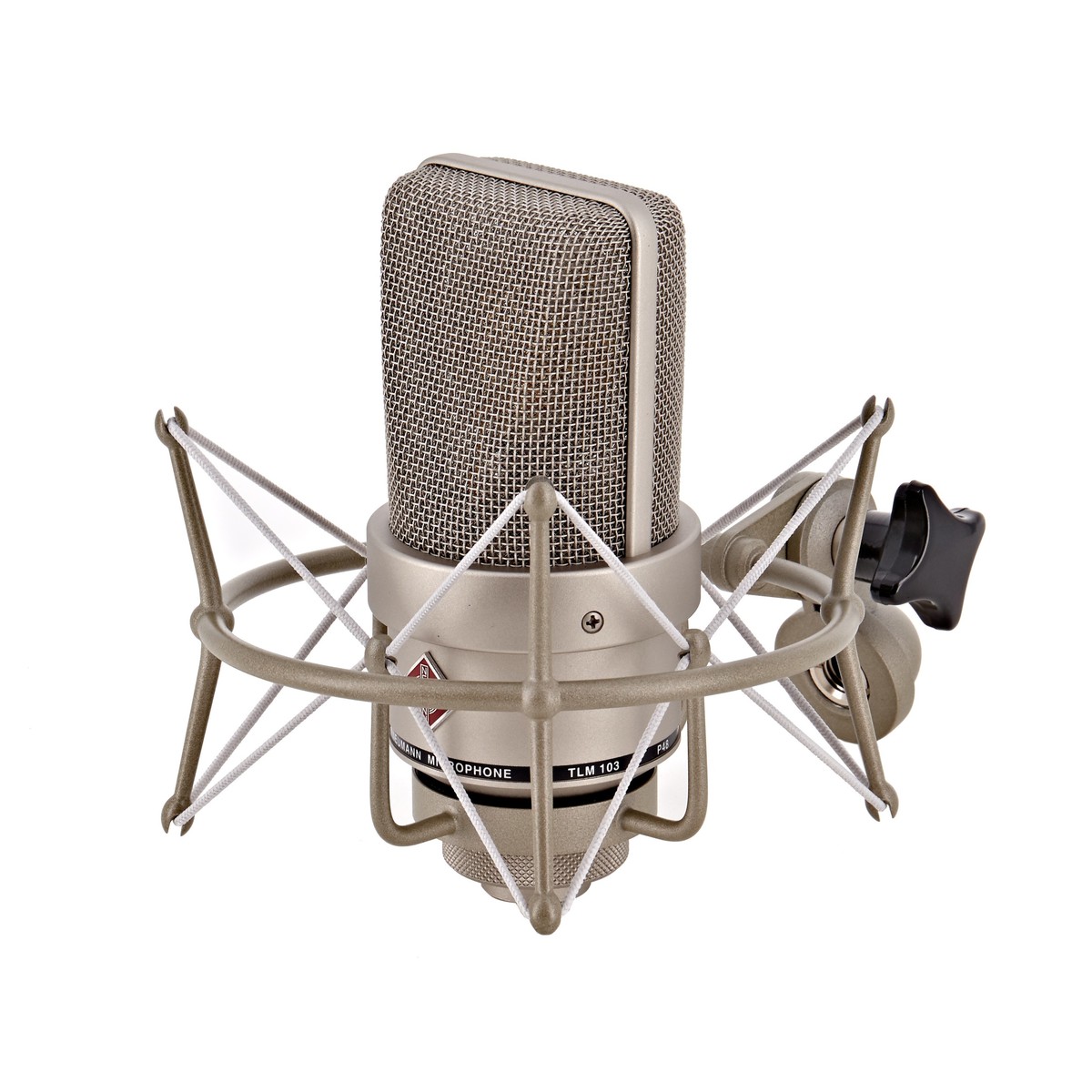
Within the Sennheiser catalogue and the broader professional market, the MKE 1 occupies a premium niche focused on miniaturisation. While products like the Shure SM35-XLR or Audix HT2 offer headset-style stability for active performers, they are significantly more visible. Conversely, for studio environments where visibility is not a concern, microphones such as the Neumann TLM 102 or Shure SM7B would be preferred for their larger diaphragms and different sonic textures. The MKE 1 remains a specialist tool for when both sound quality and absolute discretion are required.
Related gear
 £39.98 ($51)
SoundMagic
SoundMAGIC E11D In Ear Isolating USB-C Earphones with Mic Silver
 £709.28 ($901)
Neumann
Neumann KM 185 MT Super-Cardioid Compact Condenser Mic Black
 £129.99 ($165)
G4M
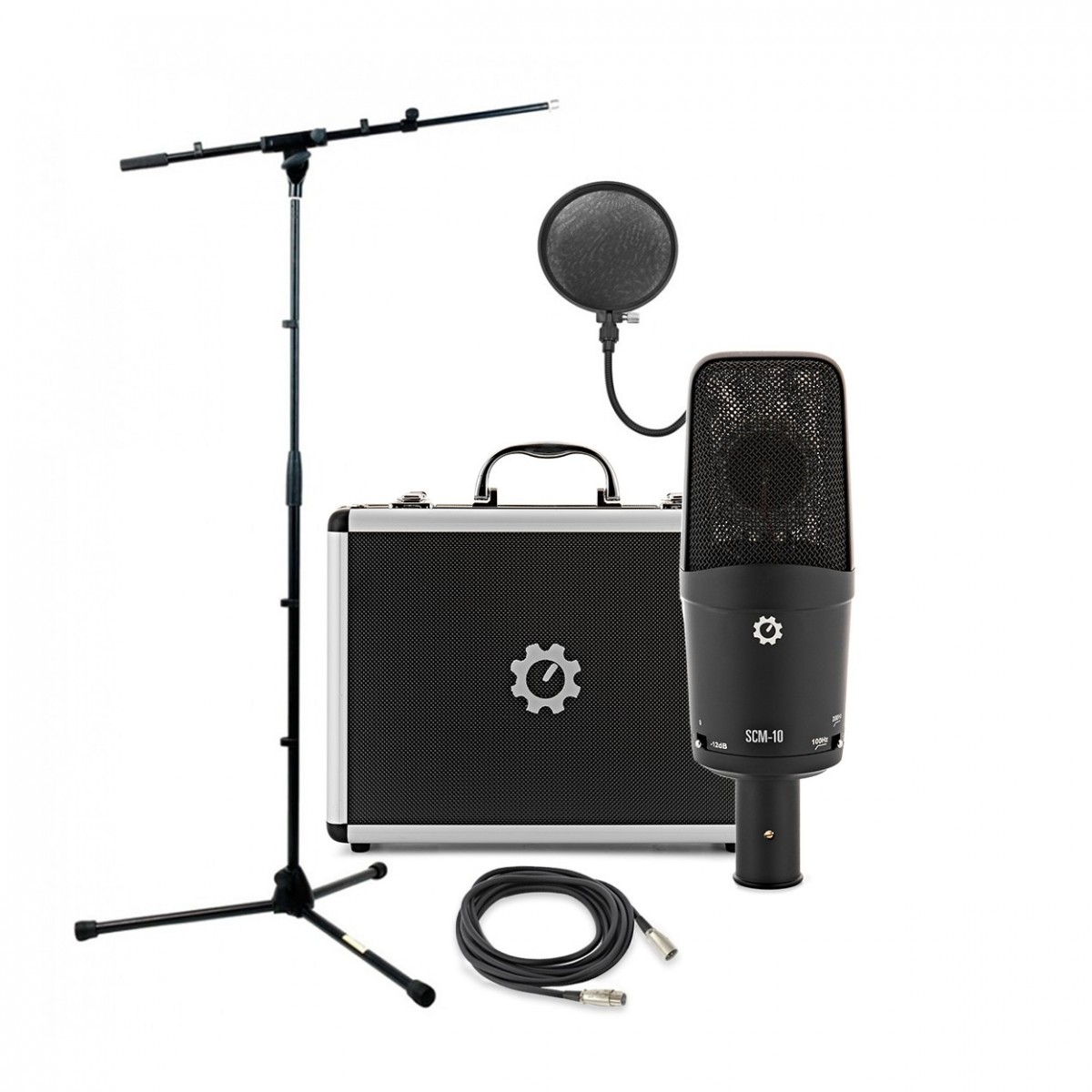
G4M Studio Condenser Microphone Home Recording Pack
 £245.00 ($311)
Shure
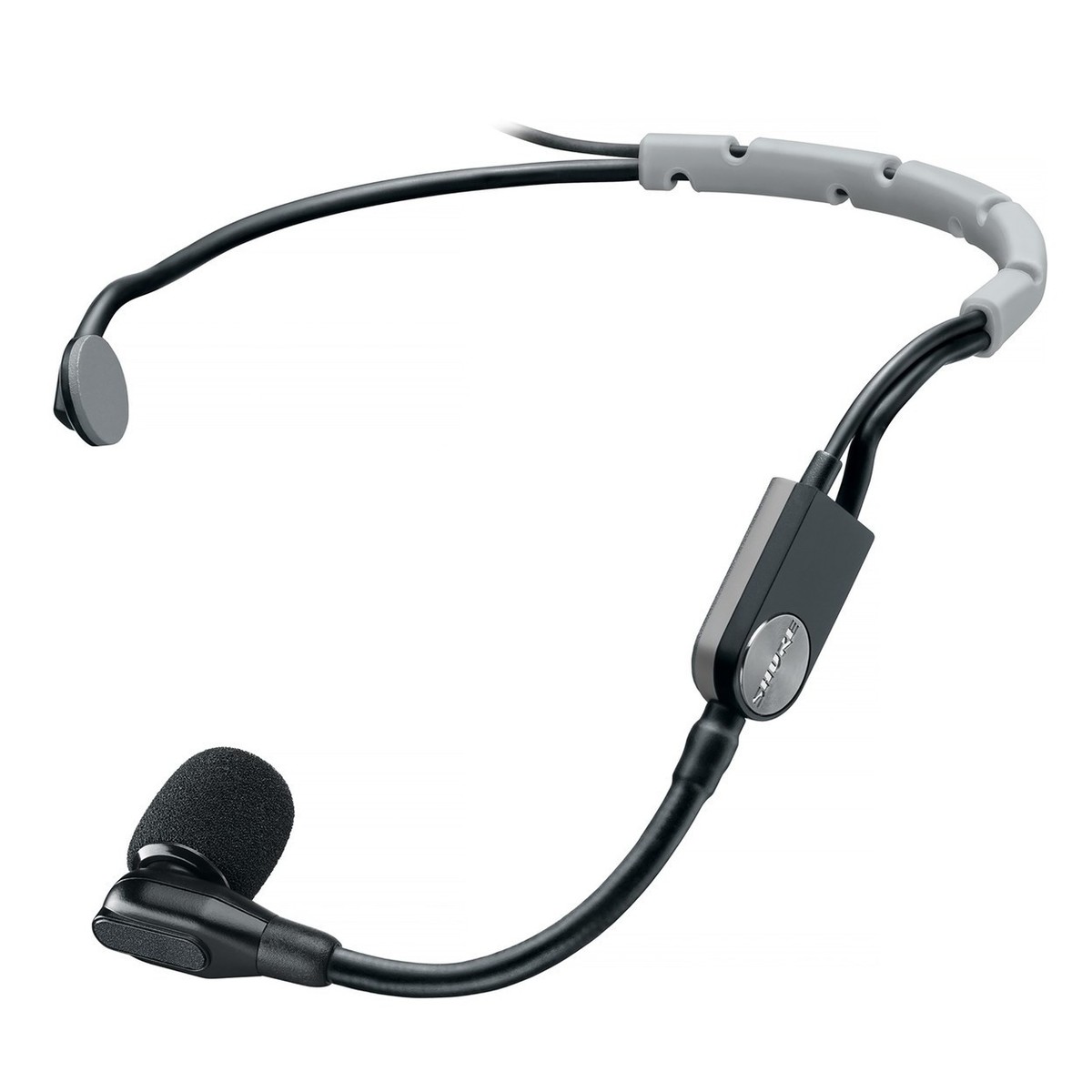
Shure SM35-XLR Cardioid Condenser Headset Microphone
 £201.19 ($256)
Audix
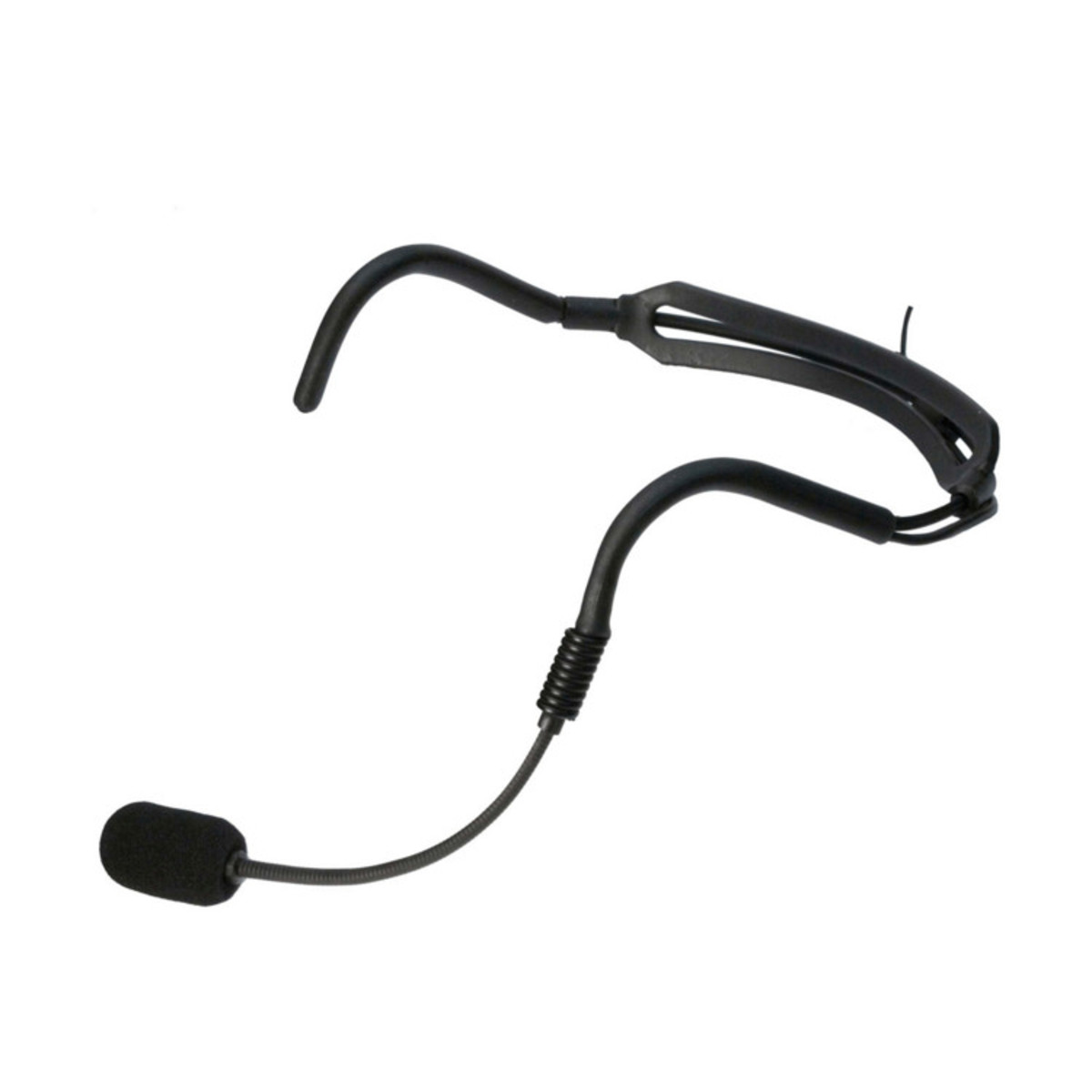
Audix HT2 Super Cardioid Headset Condenser Mic With 3 Pin Mini XLR
 £629.42 ($799)
Neumann
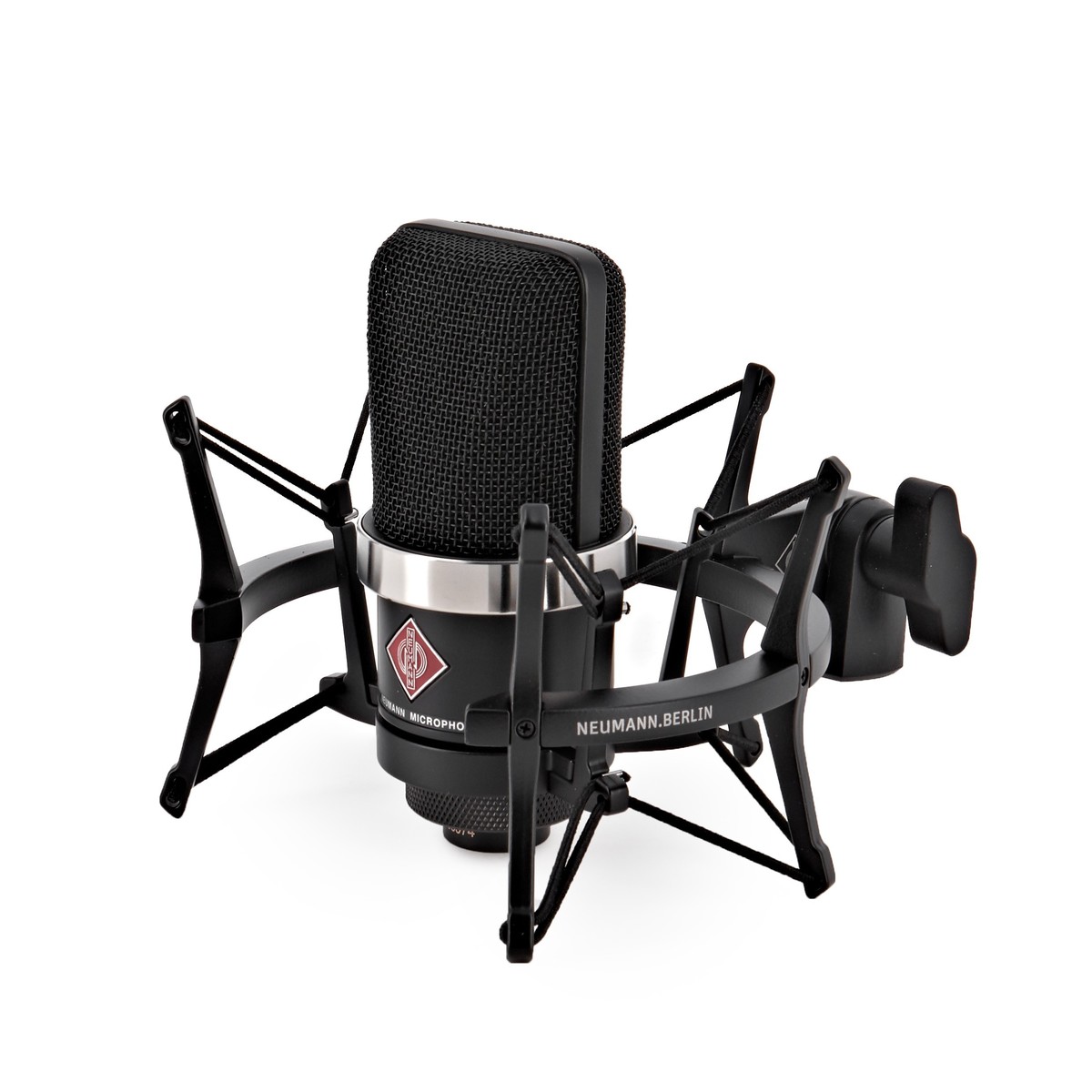
Neumann TLM 102 Microphone Studio Set Black
- £1,110.08 ($1,410)
Neumann
Neumann TLM 103 Studio Set Microphone Nickel
 £349.00 ($443)
Shure
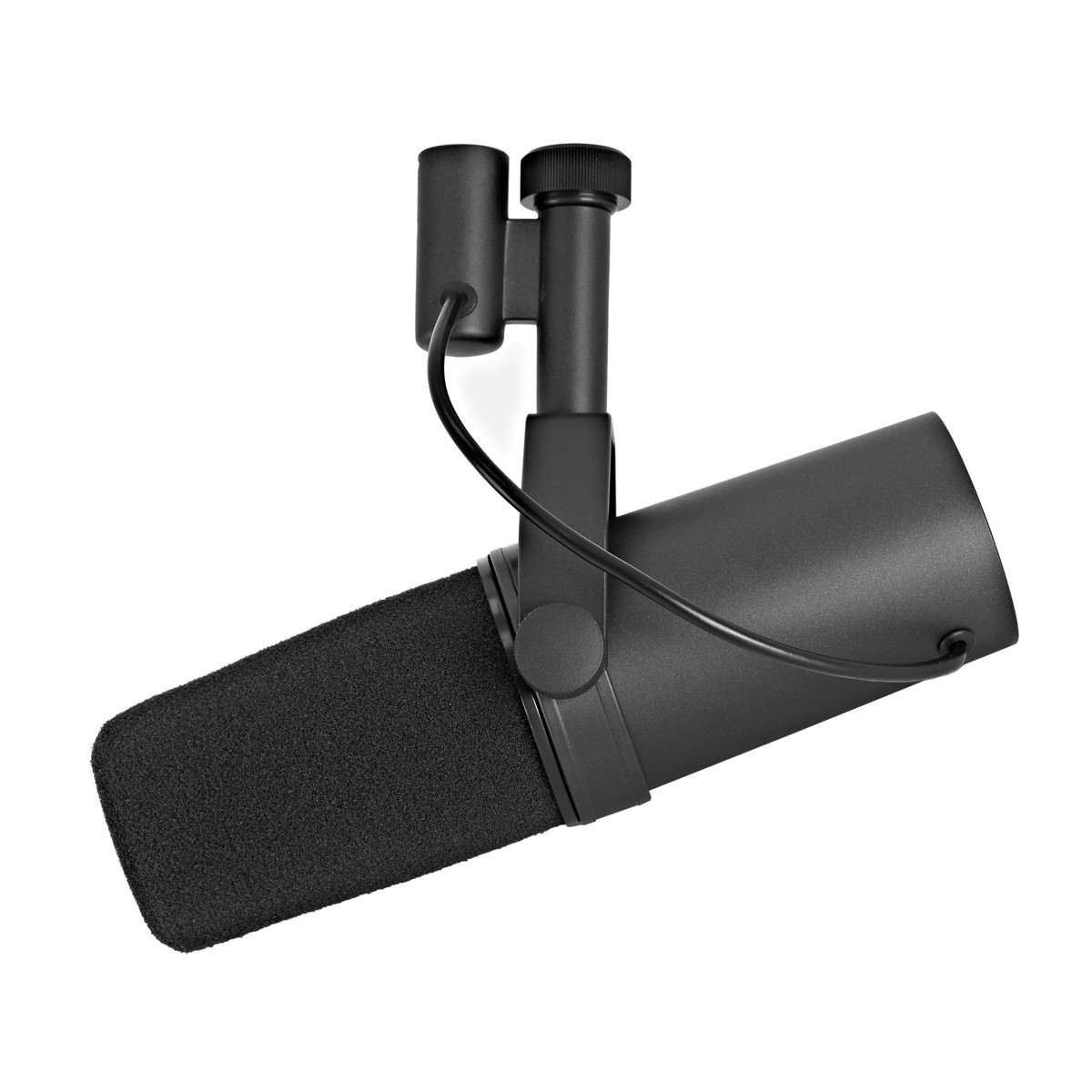
Shure SM7B Dynamic Studio Microphone
Frequently asked questions
- What is the primary application for the Sennheiser MKE 1?
- The MKE 1 is designed for professional use in theatre, broadcasting, and live performances where a microphone needs to be hidden from the audience. Its ultra-miniature size makes it ideal for mounting in hair, clothing, or on the forehead.
- How does the moisture-resistant membrane benefit the user?
- The membrane protects the sensitive condenser capsule from sweat and humidity. This ensures the microphone remains functional and reliable during long, physically demanding performances where salt and moisture could otherwise cause signal degradation.
- What polar pattern does the MKE 1 use?
- The microphone features an omnidirectional polar pattern. This allows it to capture sound evenly from all directions, providing a consistent audio level even as the performer turns their head or moves.
- Is the cable durable enough for daily use?
- Yes, the MKE 1 uses a durable, ultra-thin cable that is specifically engineered to withstand the rigours of professional live use while remaining flexible and discreet. It is also designed to reduce handling noise.
- What type of connector does this model use?
- This specific version of the MKE 1 comes with a 3-pin connector. This is a standard termination for many professional wireless microphone bodypack transmitters used in broadcast and theatre.
- Does the MKE 1 require phantom power?
- As a condenser microphone, it requires a power source. When used with a wireless bodypack, this power is typically provided by the transmitter's bias voltage.
- Why is the beige colour significant?
- The beige finish is intended to blend in with various skin tones. This helps the microphone remain invisible when taped to the face or hidden near the hairline of a performer.
- How does the MKE 1 handle background noise?
- Because it is an omnidirectional microphone, it does not reject off-axis sound. However, its proximity to the sound source (the mouth) and its clear speech reproduction help maintain a high signal-to-noise ratio in professional environments.
- Is the MKE 1 suitable for recording music?
- While it can record instruments, it is specifically voiced for speech and vocals in live or broadcast settings. For studio music recording, a large-diaphragm condenser like the Neumann TLM 103 is generally preferred.
- What is the typical price range for the MKE 1?
- The MKE 1 typically retails for approximately £366. This reflects its status as a high-end, professional-grade miniature transducer.
- How does the MKE 1 compare to headset microphones like the Shure SM35-XLR?
- The MKE 1 is a lavalier designed for concealment, whereas the SM35-XLR is a headset microphone designed for stability. The MKE 1 is much smaller and easier to hide, while the headset offers a fixed distance from the mouth.
- Can the MKE 1 be used for home recording?
- While possible, it is not the standard choice for home studios. Products like the G4M Studio Condenser Microphone are usually better suited for general home recording tasks where miniaturisation is not required.