
Gear article
Sennheiser MKE 40 Cardioid Condenser Lavalier Microphone
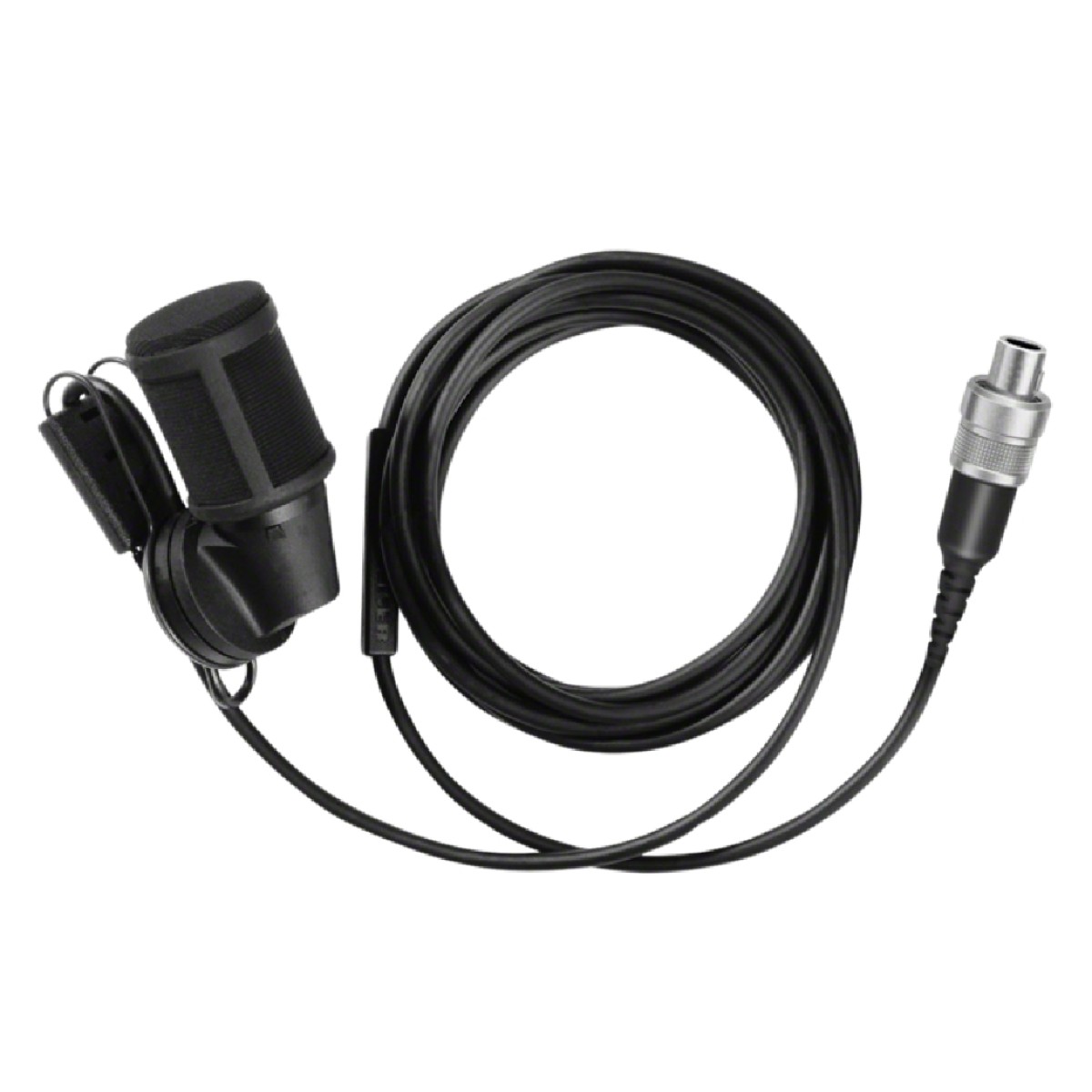
The Sennheiser MKE 40 is a professional-grade cardioid condenser clip-on microphone designed for live sound, broadcasting, and public speaking. It is notable for its high feedback rejection and focused sound capture, making it a staple for presenters and performers in challenging acoustic environments.
Overview
The Sennheiser MKE 40 is a high-quality lavalier microphone engineered for professional applications where discreet placement and high audio fidelity are paramount. Unlike many omnidirectional lavalier microphones, the MKE 40 features a cardioid pickup pattern. This directional characteristic is specifically chosen to provide excellent feedback rejection and to isolate the speaker's voice from ambient stage noise or loudspeaker output.
The unit is finished in black and is designed to be clipped onto clothing, such as a lapel or tie. Its construction emphasises reliability and consistency, ensuring that it can withstand the rigours of daily broadcast or touring schedules without degrading in performance.
Design and Key Features
The MKE 40 is defined by several technical features that cater to the professional audio industry:
- Cardioid Pickup Pattern: By focusing on the sound source directly in front of the capsule, the microphone effectively ignores sound from the rear and sides, reducing the risk of feedback in live settings.
- Discreet Profile: The compact dimensions allow for unobtrusive placement on garments, ensuring the audience focuses on the speaker rather than the equipment.
- Handling Noise Suppression: The internal design is optimised to minimise the transmission of noise caused by the microphone rubbing against clothing or cable movement.
- 3-Pin Connector: This version features a standard connector suitable for integration into professional wireless bodypack systems or wired preamplifier interfaces.
Sound Character
The MKE 40 is recognised for its outstanding audio clarity. As a condenser microphone, it offers a fast transient response and a broad frequency range, capturing the nuances of the human voice with precision. Its directional nature gives it a slightly more 'focused' sound compared to omnidirectional alternatives, which can sometimes sound thinner or more distant. The MKE 40 maintains a natural tonal balance while ensuring that the speaker remains the primary focus of the audio mix.
Ideal Applications and Comparisons
This microphone is best suited for presenters, broadcast professionals, and live performers who operate in loud environments or venues with complex monitoring setups.
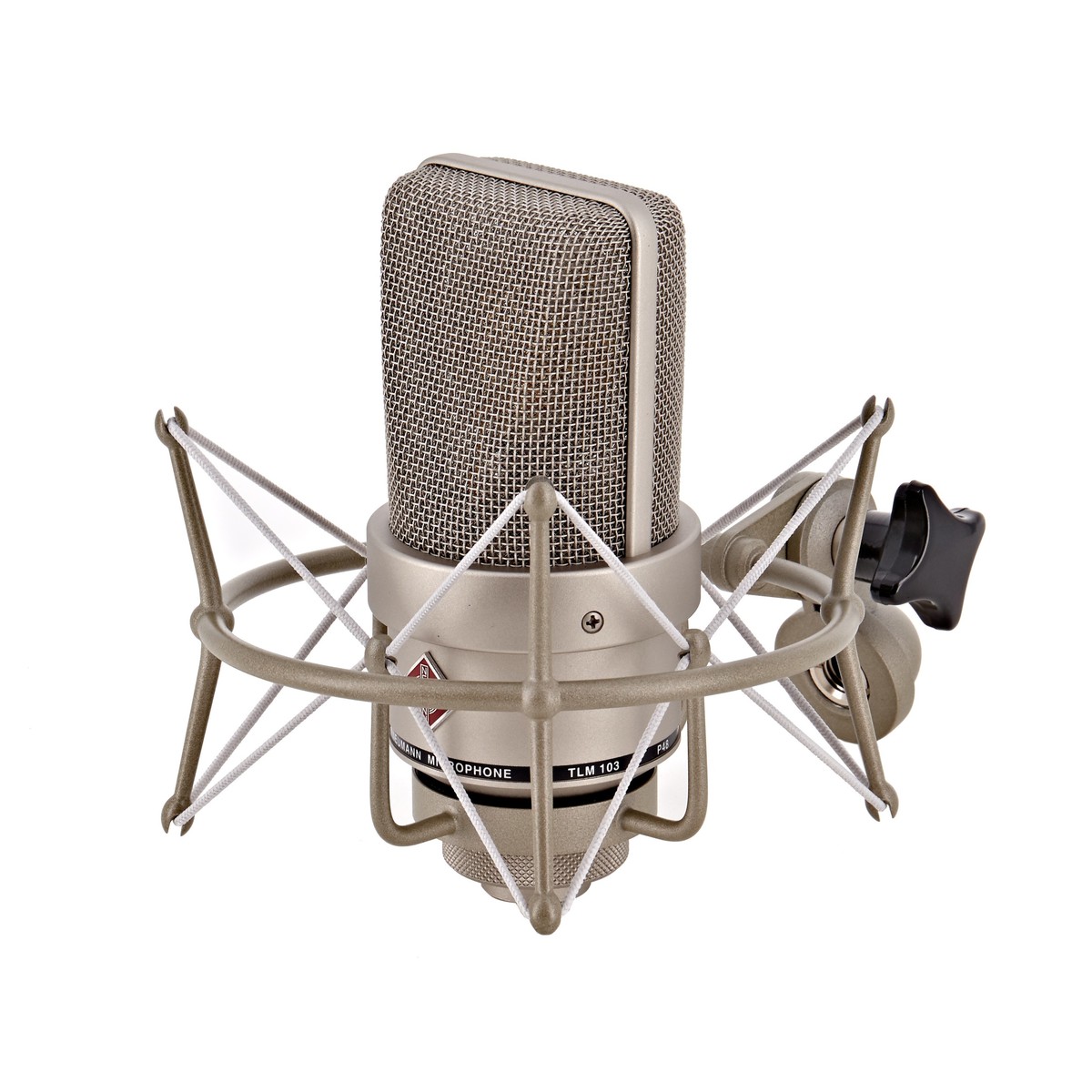
When compared to alternatives like the Shure SM35-XLR or Audix HT2, which are headset-mounted cardioid condensers, the MKE 40 offers a more discreet visual profile as it does not require a frame around the head. Compared to larger studio microphones like the Neumann TLM 103 or Shure SM7B, the MKE 40 sacrifices the large-diaphragm 'warmth' for extreme portability and hands-free operation. While it lacks the extreme isolation of a super-cardioid mic like the Neumann KM 185, its cardioid pattern remains the industry standard for balanced rejection and ease of placement.
Related gear
 £39.98 ($51)
SoundMagic
SoundMAGIC E11D In Ear Isolating USB-C Earphones with Mic Silver
 £709.28 ($901)
Neumann
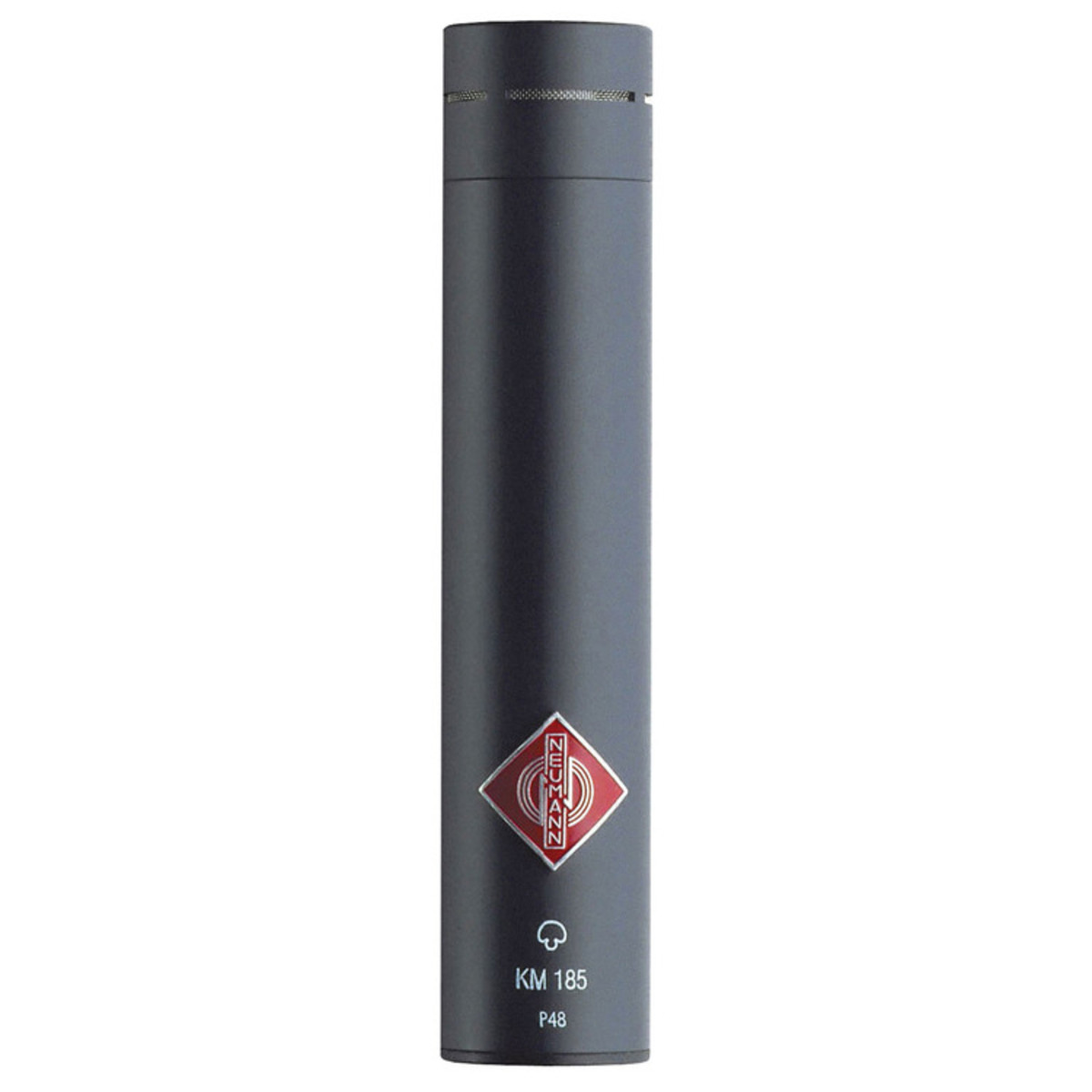
Neumann KM 185 MT Super-Cardioid Compact Condenser Mic Black
 £129.99 ($165)
G4M
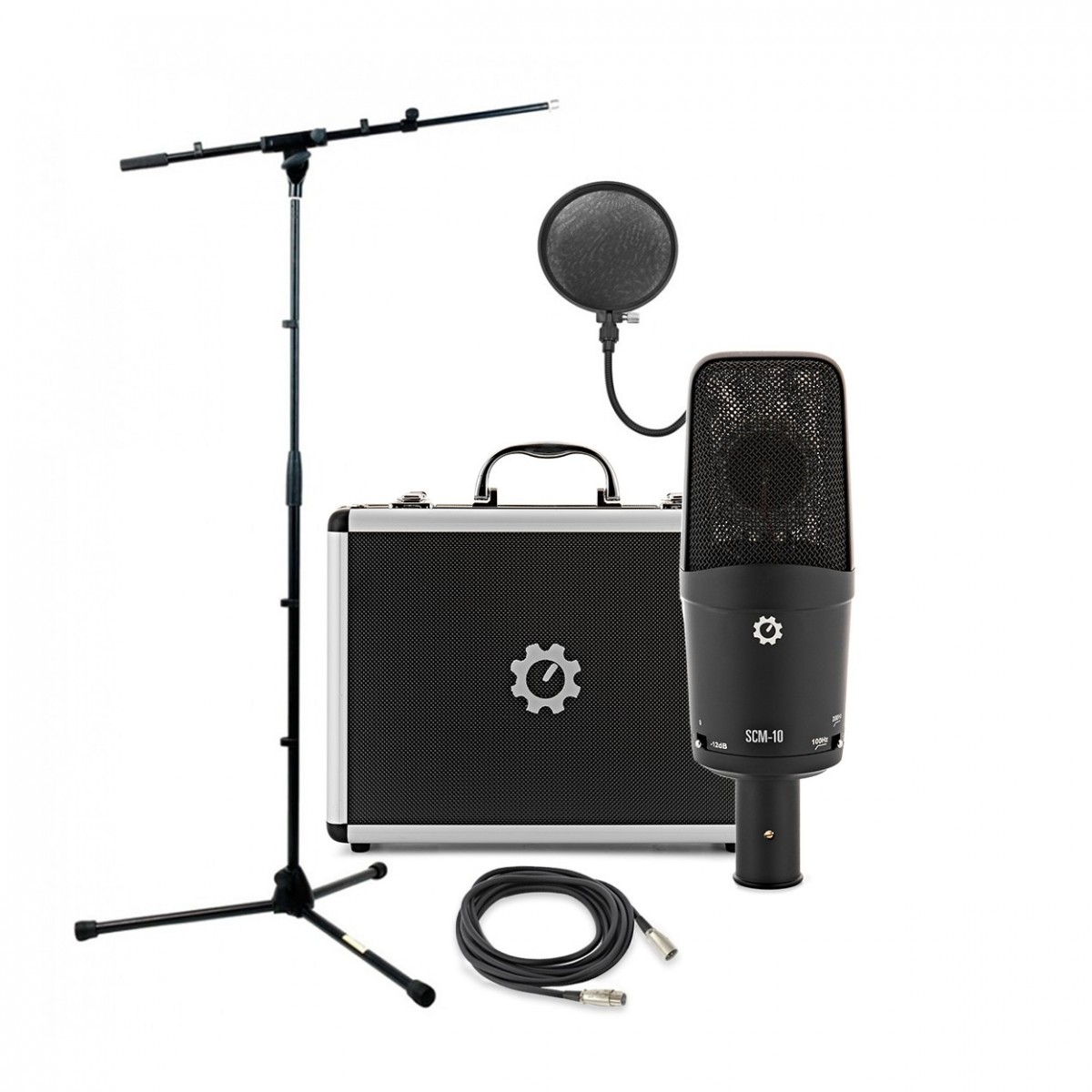
G4M Studio Condenser Microphone Home Recording Pack
 £245.00 ($311)
Shure
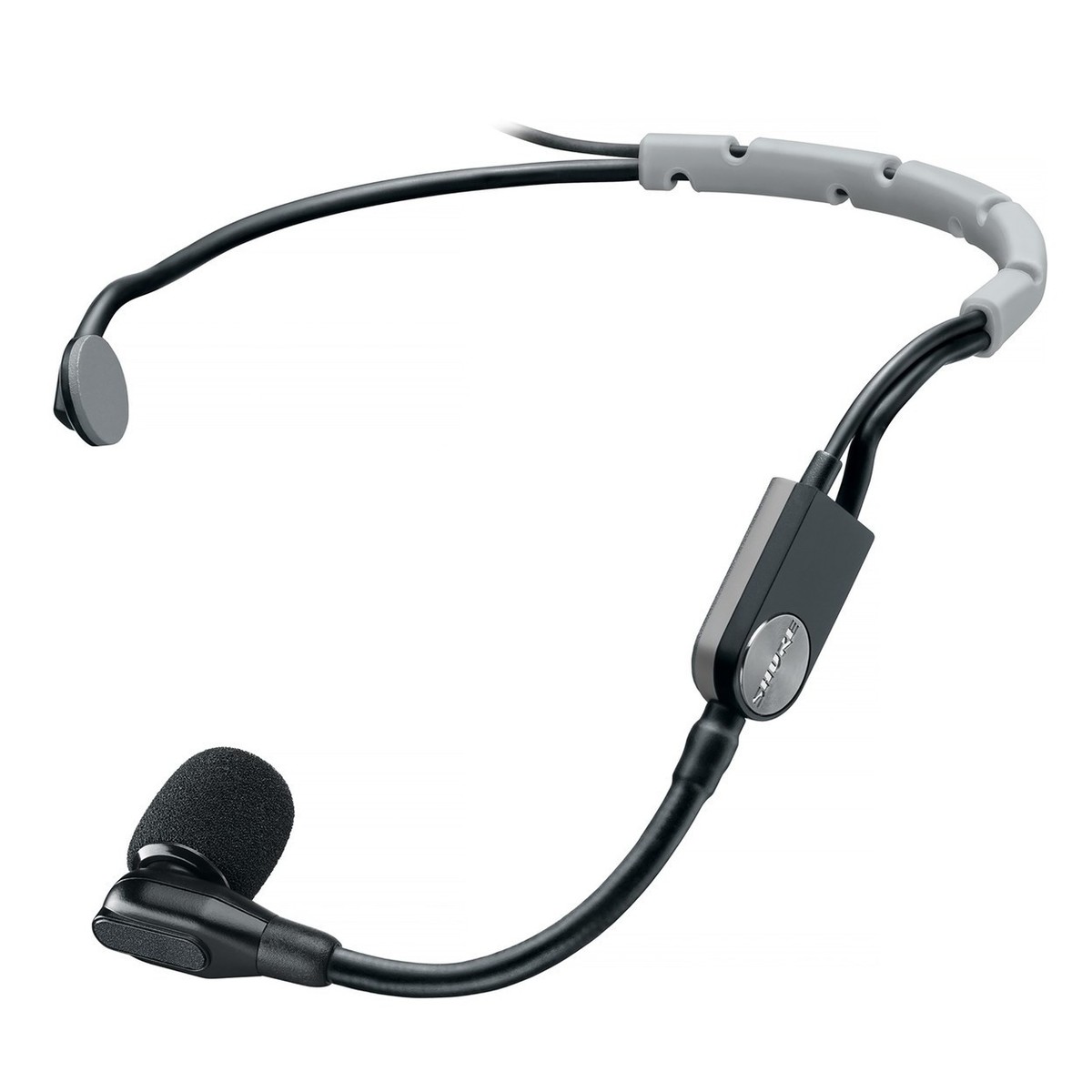
Shure SM35-XLR Cardioid Condenser Headset Microphone
 £201.19 ($256)
Audix
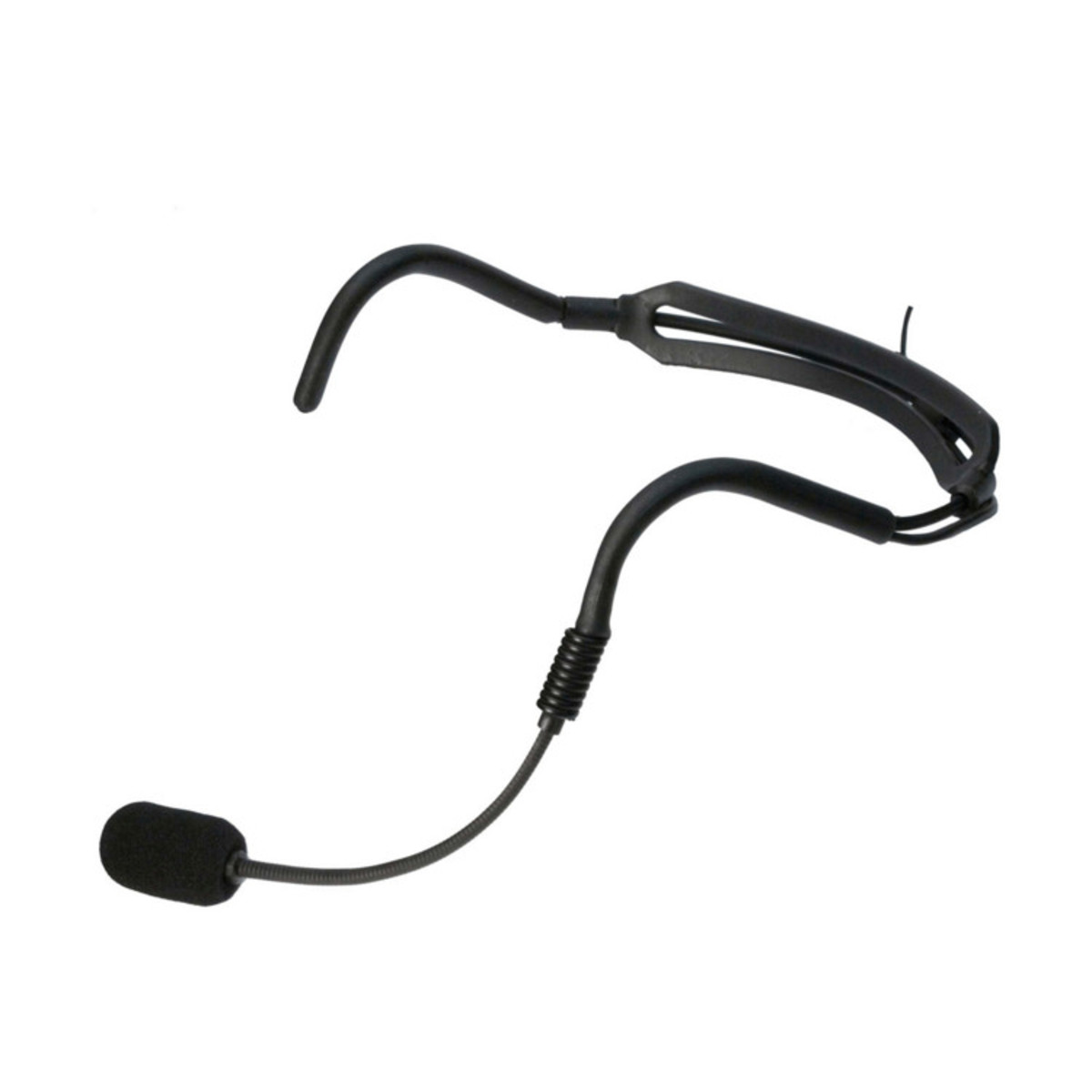
Audix HT2 Super Cardioid Headset Condenser Mic With 3 Pin Mini XLR
 £629.42 ($799)
Neumann
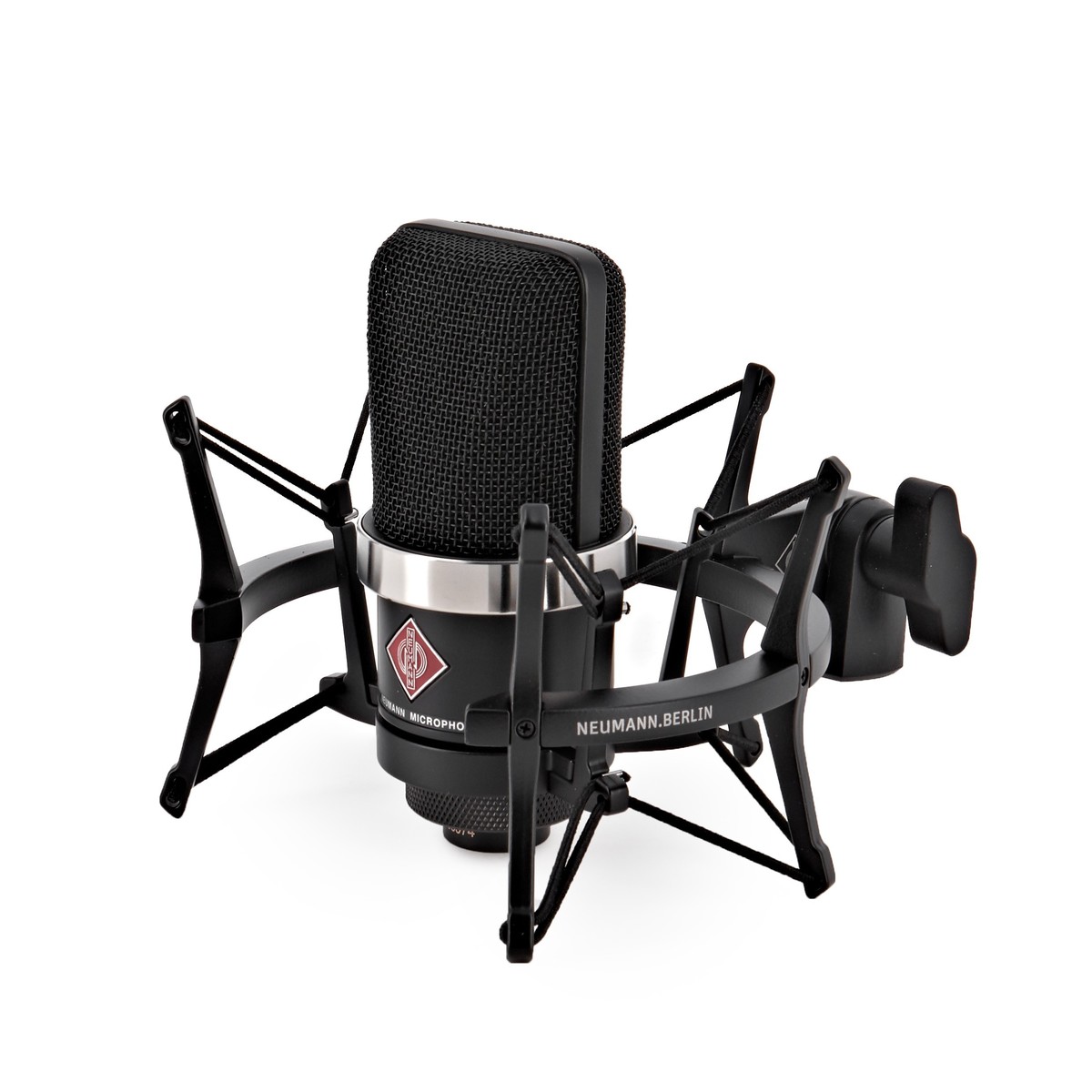
Neumann TLM 102 Microphone Studio Set Black
- £1,110.08 ($1,410)
Neumann
Neumann TLM 103 Studio Set Microphone Nickel
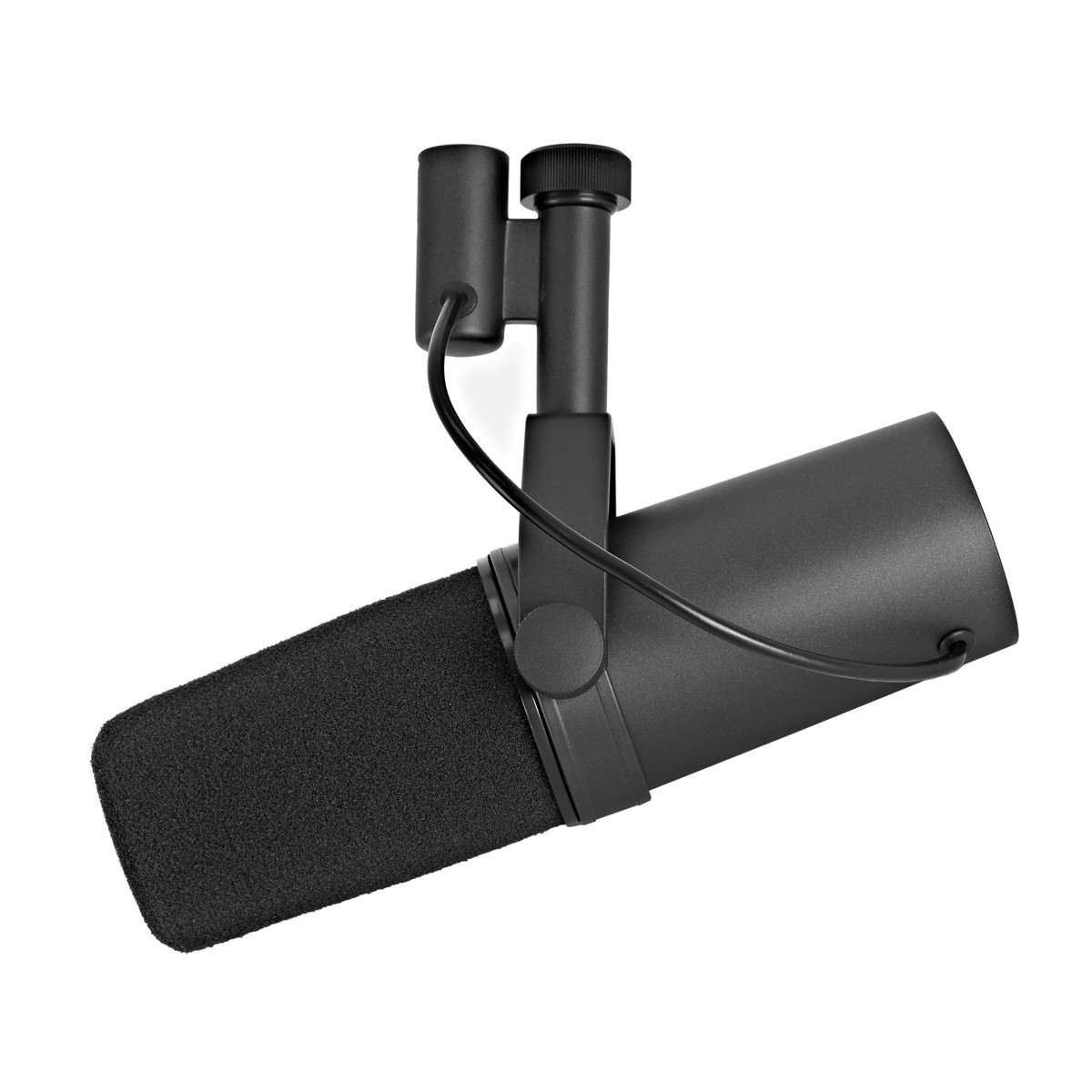 £349.00 ($443)
Shure
Shure SM7B Dynamic Studio Microphone
Frequently asked questions
- What is the primary pickup pattern of the Sennheiser MKE 40?
- The MKE 40 features a cardioid pickup pattern. This means it captures sound primarily from the front while rejecting sound from the sides and rear.
- Is the Sennheiser MKE 40 a condenser or dynamic microphone?
- It is a condenser microphone. This allows it to capture high-frequency detail and voice nuances more accurately than most dynamic clip-on microphones.
- What type of connector does this specific model use?
- This specific version of the MKE 40 is equipped with a 3-pin connector. This is standard for connecting to professional wireless bodypack transmitters or XLR adapters.
- Does the MKE 40 require phantom power?
- Yes, as a condenser microphone, it requires a power source. This is typically provided by the wireless bodypack transmitter or an external phantom power supply if using an XLR adapter.
- Can this microphone be used for musical instruments?
- While primarily designed for speech and vocals, its high-quality cardioid capsule and high SPL handling make it suitable for clipping onto certain acoustic instruments in live settings.
- How does the MKE 40 handle feedback?
- The cardioid pattern is excellent for feedback rejection. By positioning the 'null' side of the mic toward loudspeakers, users can achieve higher volume levels before feedback occurs.
- Is the Sennheiser MKE 40 suitable for broadcast?
- Yes, it is widely used in professional broadcasting. Its clear sound quality and discreet black finish make it ideal for television presenters and news anchors.
- What is included in the typical price range for this microphone?
- The typical price is approximately £349. This usually includes the microphone capsule, the integrated cable with a 3-pin connector, and a mounting clip.
- How does the MKE 40 compare to an omnidirectional lavalier?
- An omnidirectional mic picks up sound from all directions, which sounds more natural but is prone to feedback. The MKE 40's cardioid pattern offers better isolation in noisy environments.
- Is handling noise a problem with this microphone?
- No, the MKE 40 is specifically designed for minimal handling noise. Its construction helps isolate the capsule from mechanical vibrations caused by clothing or movement.
- What colour options are available for the MKE 40?
- The model described here is the black version. Sennheiser often produces these in neutral colours to remain as inconspicuous as possible against dark clothing.
- Can I use the MKE 40 with a standard XLR mixer input?
- To use it with a standard XLR mixer, you will typically need a power adapter (such as the Sennheiser MZA 900 P) to convert the 3-pin mini connector to a standard XLR and manage phantom power.