
Gear article
Seydel 1847 - Easy Third Harmonica (Low D)
The Seydel 1847 Easy Third Harmonica in Low D is a professional-grade diatonic instrument featuring stainless steel reeds and a sealed maple comb. Designed for a deep tonal range and responsive performance, it is particularly suited for blues, country, and expressive melodic genres.
See live pricesOverview
The Seydel 1847 Easy Third Harmonica in Low D represents the premium tier of the world's oldest harmonica manufacturer's catalogue. This specific model is engineered for musicians requiring a lower register than a standard D harmonica, providing a 'Low D' pitch that retains the clarity and responsiveness typically associated with higher-tuned instruments. It incorporates modern materials, most notably stainless steel reeds, to ensure longevity and tonal stability under demanding performance conditions.
Construction and Design
The instrument is built around a maple comb that has been multiple-sealed to resist the common issues of moisture absorption and swelling. This is paired with fine-cut reedplates designed with minimal air leakage and exceptionally tight reed-to-plate tolerances. These manufacturing specifications lead to improved volume and air efficiency. The exterior features 0.5mm stainless steel coverplates with a rounded, ergonomic design and smooth hole openings, prioritising player comfort during extended sessions.
Tonal Character and Performance
Tuned in Low D, this harmonica delivers a bold, overtone-rich sound. The use of stainless steel reeds allows for a quick response, which is essential for precise note bending and maintaining dynamic control across various volumes. While the Low D tuning provides a deep, resonant floor, the instrument's design ensures it does not suffer from the sluggishness sometimes found in lower-tuned harps. It is particularly effective for melodic playing where expressive textures are required.
Target Audience and Application
This harmonica is aimed at serious musicians and professionals. Its tonal profile makes it a staple for blues and country players who need a deeper voice for their compositions. Because of its air-tight construction and reliable response, it is also a practical choice for session players who require an instrument that can handle both nuanced studio work and high-energy live performances.
Comparative Analysis
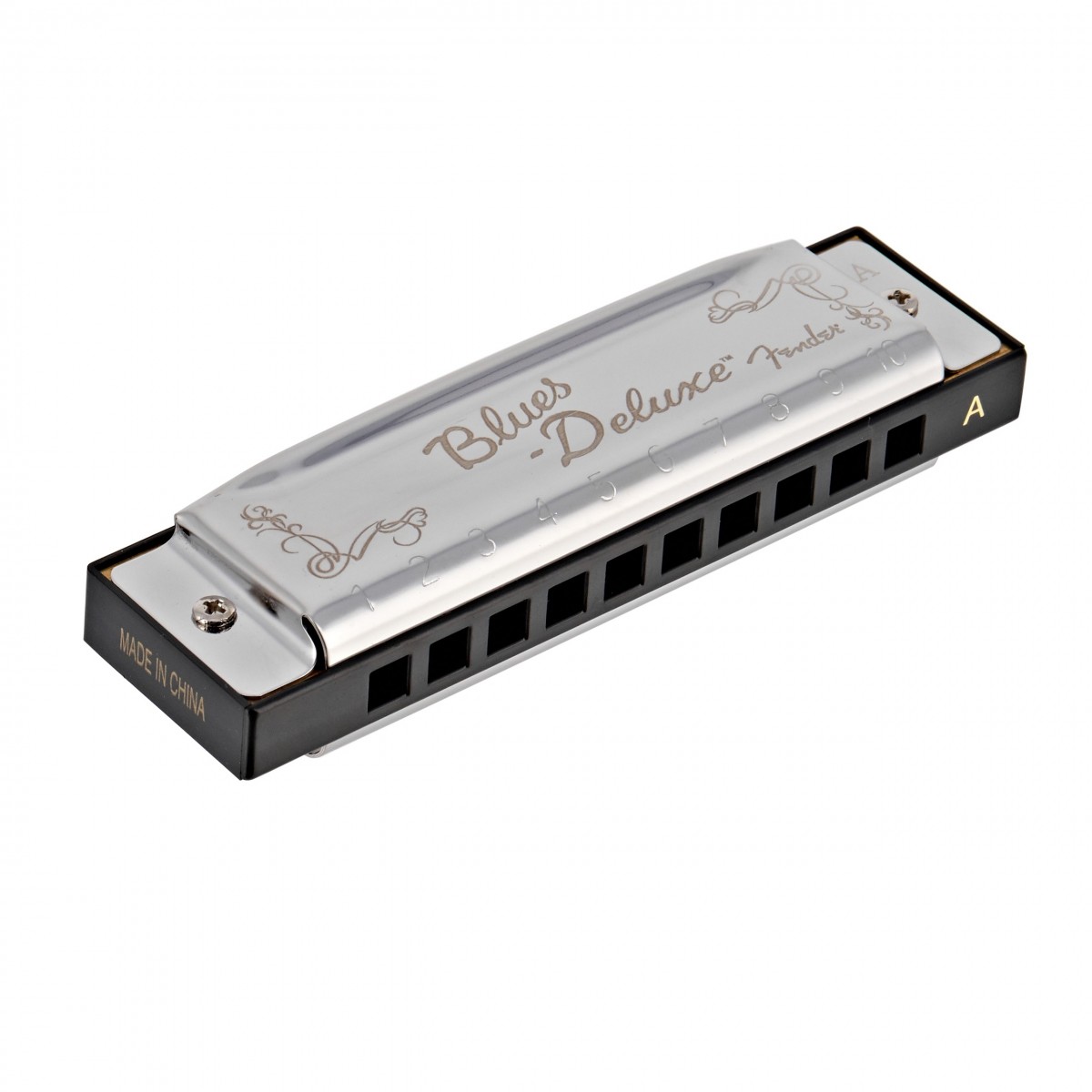
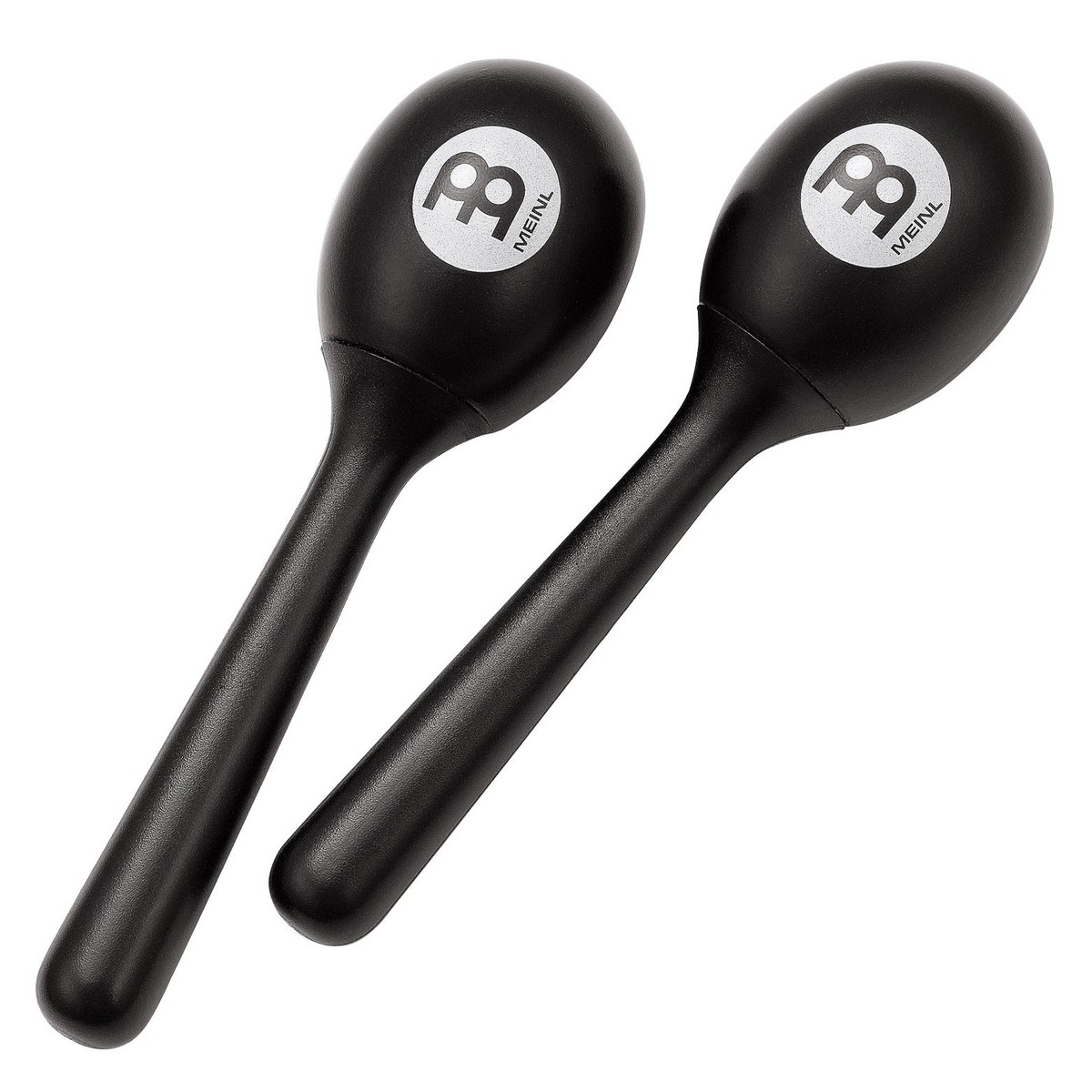
When compared to standard beginner models like the Fender Blues Deluxe (A), the Seydel 1847 offers a significant upgrade in materials, specifically the shift from brass to stainless steel reeds and a sealed wooden comb versus plastic. Unlike handheld percussion such as the Meinl Small Plastic Egg Maracas or the Stagg Rock Cowbell, the Seydel 1847 is a precision-tuned melodic instrument requiring specific technique for air management and note production.
Related gear
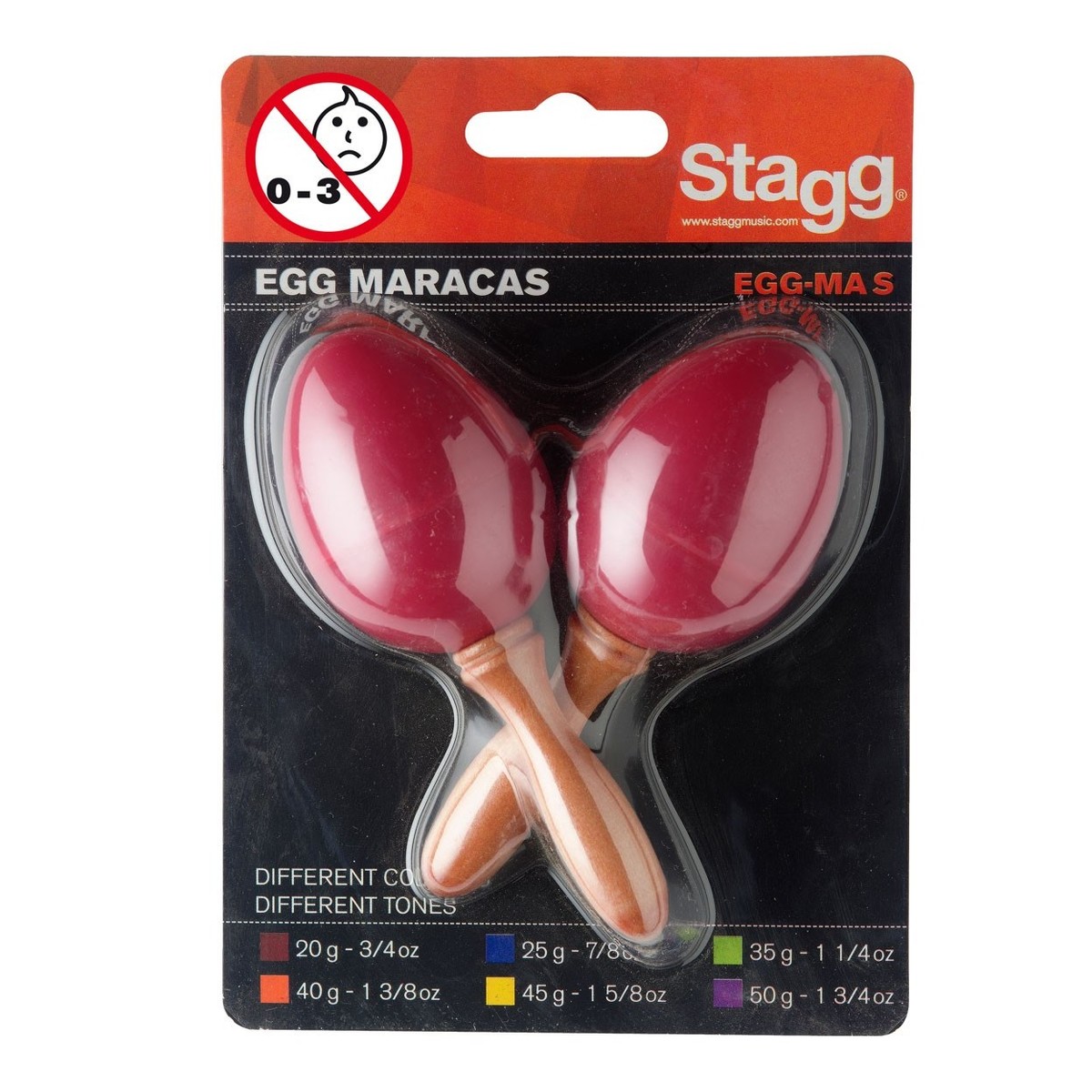 £3.99 ($5)
Stagg
Stagg Plastic Egg Maracas Red
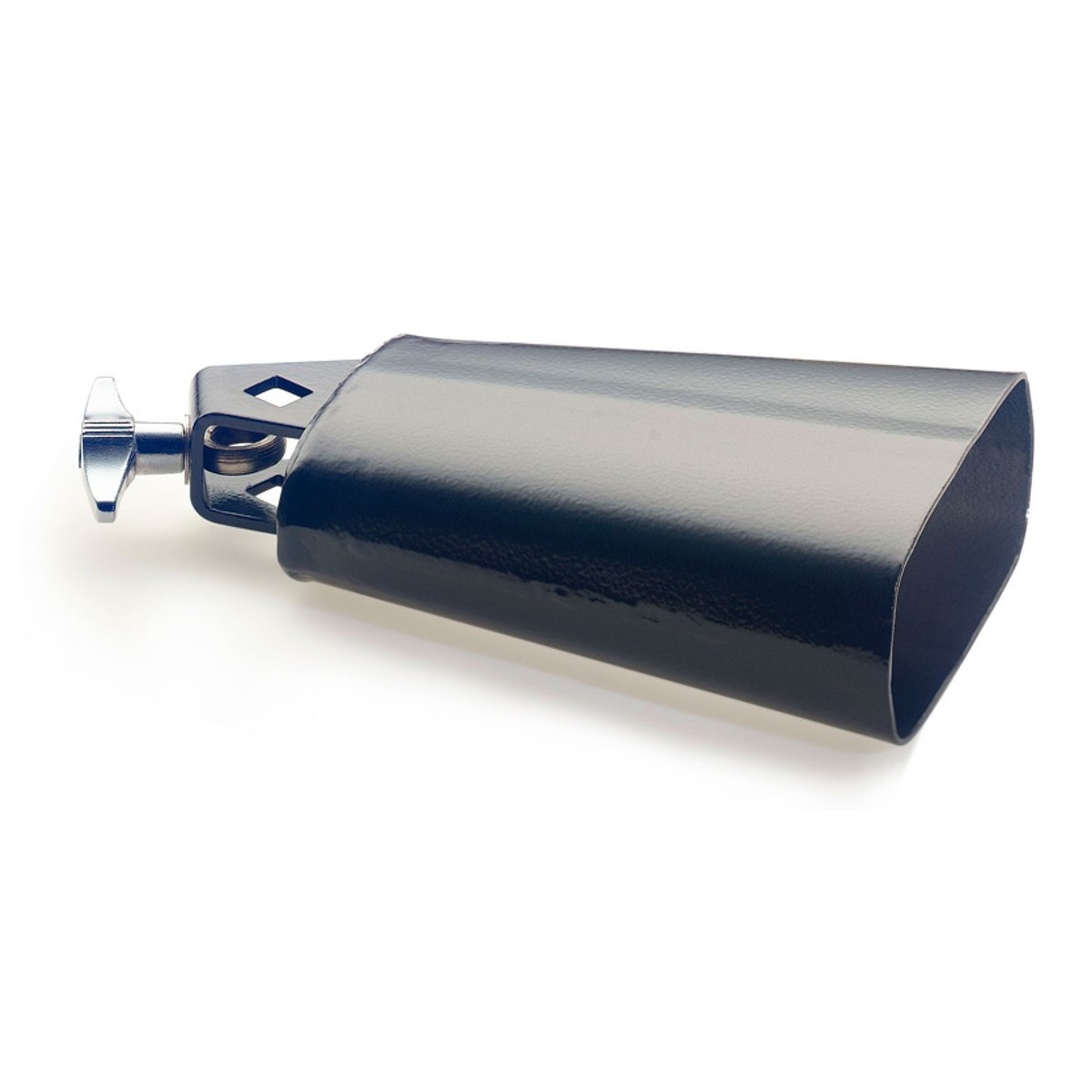 £9.99 ($13)
Stagg
Stagg Rock 5-1/2" Cowbell Black
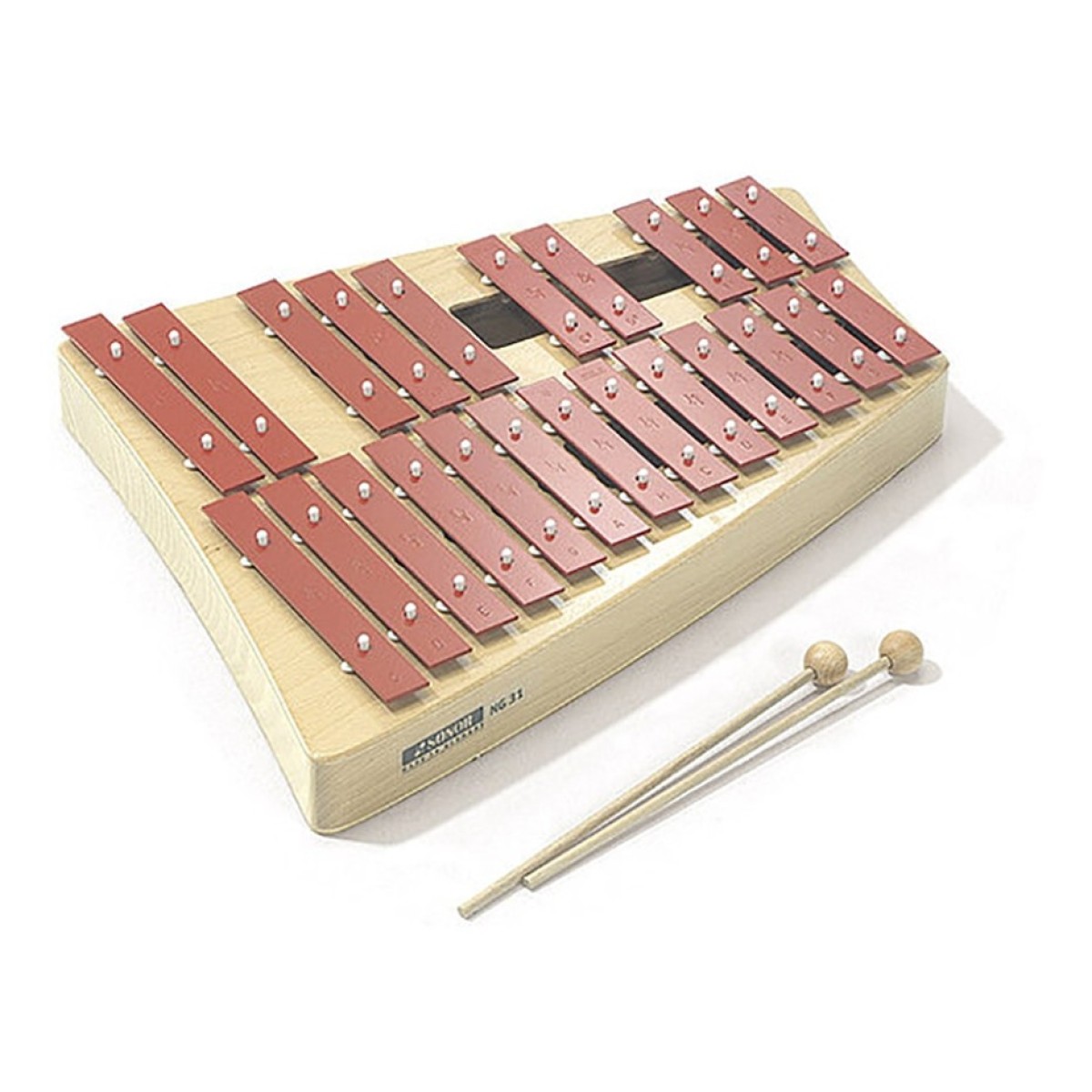 £119.00 ($151)
Sonor
Sonor Orff NG31 Alto Chromatic Glockenspiel
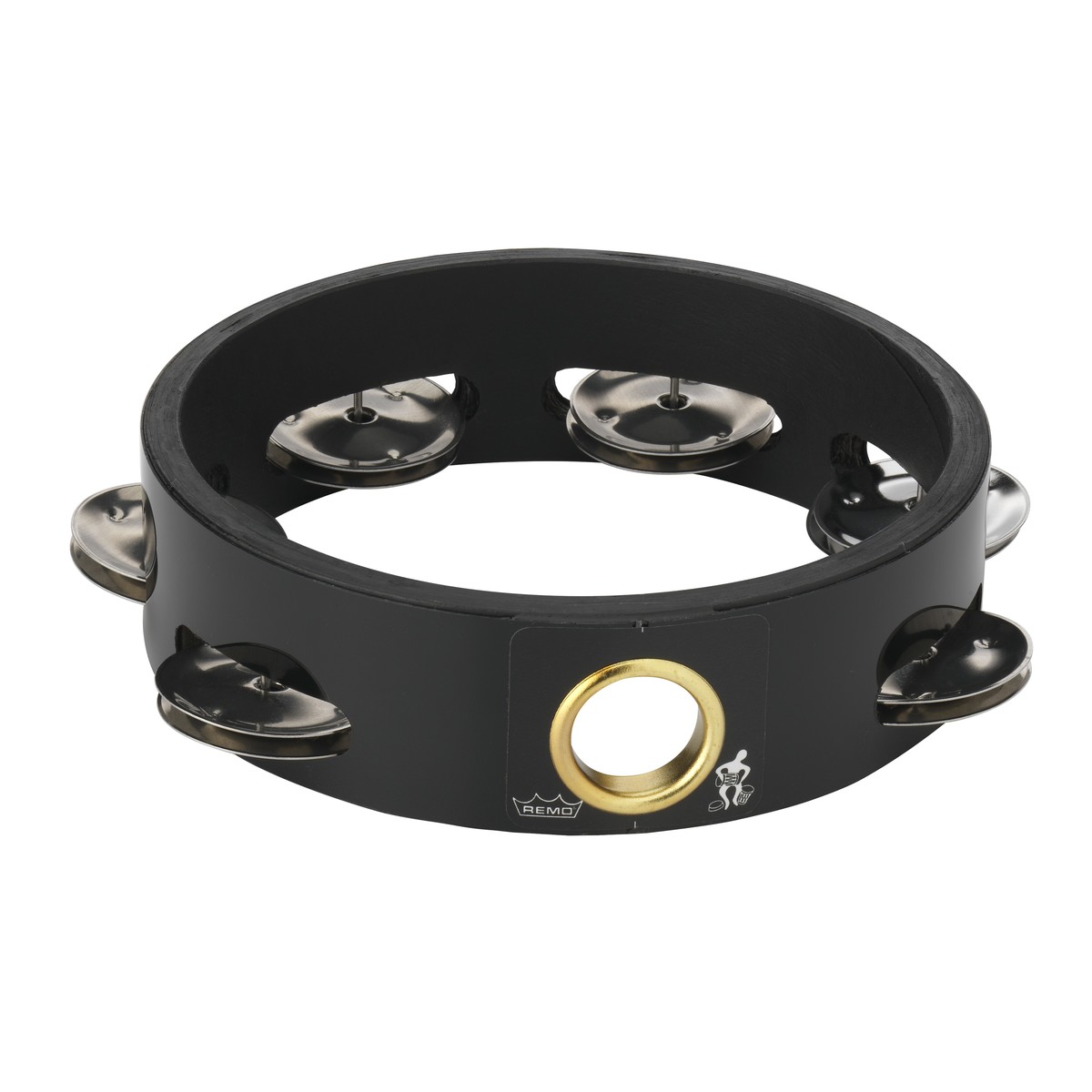 £23.70 ($30)
Remo
Remo 6 Single Row Headless Tambourine Black
 £299.00 ($380)
Meinl
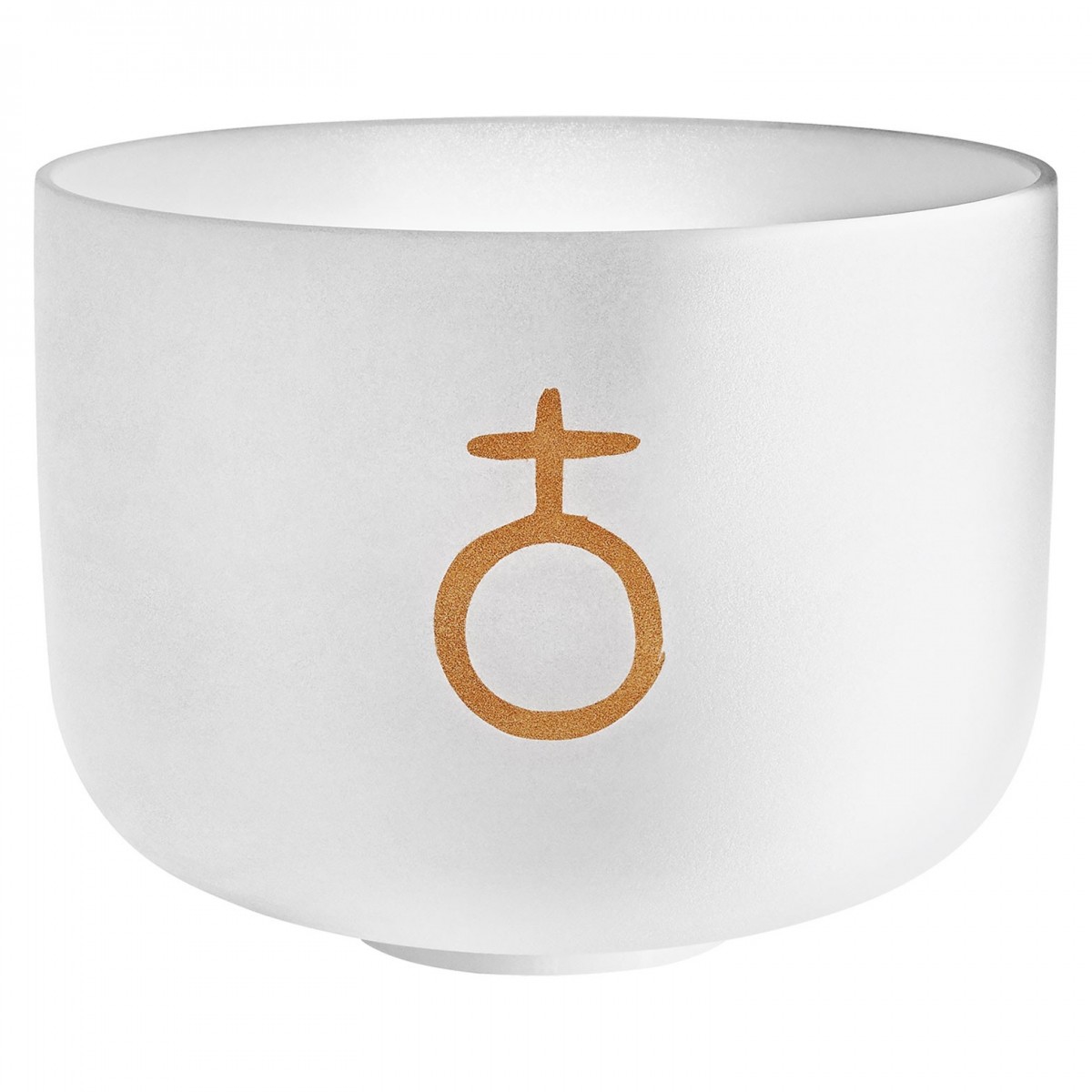
Meinl Planetary Tuned Crystal Singing Bowl 12" Earth Year / Om
 £16.00 ($20)
Fender
Fender Blues Deluxe Harmonica A
 £23.80 ($30)
Meinl
Meinl Spin Spark Shaker Black Nickel
 £7.30 ($9)
Meinl
Meinl Small Plastic Egg Maracas Black
Frequently asked questions
- What is the primary benefit of the Low D tuning?
- The Low D tuning provides a deeper, more resonant tonal range than a standard D harmonica. This allows players to access lower frequencies while maintaining the same scale patterns they are familiar with, which is excellent for adding gravitas to blues or country tracks.
- Why does this harmonica use stainless steel reeds?
- Stainless steel reeds are more durable and resistant to corrosion than traditional brass reeds. They also tend to hold their tuning for longer and provide a brighter, more overtone-rich sound profile with a faster response time.
- How does the sealed maple comb affect performance?
- The multiple layers of sealant on the maple comb prevent the wood from absorbing moisture from the player's breath. This stops the wood from swelling or warping, ensuring the harmonica remains airtight and comfortable to play over time.
- Is the Seydel 1847 suitable for note bending?
- Yes, the tight tolerances between the reeds and the reedplates make this harmonica highly responsive. This efficiency allows for precise bending and high levels of dynamic control, making it a favorite for expressive blues playing.
- What is the thickness of the coverplates?
- The coverplates are made from 0.5mm stainless steel. This thickness provides excellent structural stability and helps project the sound forward toward the audience or microphone.
- How does this model handle air leakage?
- The Seydel 1847 is designed with fine-cut reedplates and very narrow tolerances. This precision engineering minimizes air leakage, meaning the player needs less breath to produce a clear, loud tone, enhancing overall efficiency.
- What genres is the Low D Easy Third best for?
- It is specifically designed for blues, country, and expressive melodic playing. The deep tone is particularly effective for soulful solos and accompaniment that requires a thicker acoustic texture.
- Are the hole designs ergonomic?
- Yes, the harmonica features rounded coverplates and ergonomic hole designs. These features are intended to provide a smooth tactile experience for the lips and tongue, reducing friction during fast passages.
- How does the price of the Seydel 1847 compare to budget models?
- With a typical price of approximately £101, it is positioned as a premium professional instrument. This is significantly higher than entry-level harps like the Fender Blues Deluxe, reflecting the use of superior materials like stainless steel and sealed hardwood.
- Does this harmonica require a break-in period?
- While all harmonicas benefit from gentle initial play, the stainless steel reeds in the Seydel 1847 are designed for immediate response and stability. Its high-end construction ensures it is ready for serious use out of the box.
- Can this harmonica be used for studio recording?
- Absolutely. Its rich overtone content and lack of air hiss (due to the airtight design) make it an excellent choice for studio environments where every detail of the instrument's sound is captured by sensitive microphones.
- Is the 'Easy Third' tuning different from standard Richter tuning?
- The 'Easy Third' designation refers to specific tuning adjustments that facilitate easier melodic intervals. When combined with the Low D pitch, it offers a unique layout that is optimized for specific types of melodic expression and phrasing.