
Gear article
Seydel 1847 Saxony Chromatic Harmonica Low E
The Seydel 1847 Saxony is a premium, hand-crafted chromatic harmonica manufactured in Germany, notable for being the first serial-produced chromatic to feature stainless steel reeds. Constructed with a precision-machined aluminium comb and matte cover plates, it is designed to meet the rigorous durability and tonal requirements of professional musicians.
See live pricesBackground and Design
The Seydel Saxony represents the pinnacle of the manufacturer's chromatic range, drawing on the heritage of the 1847 series. Unlike traditional harmonicas that utilise brass reeds, the Saxony is built with stainless steel reeds, a hallmark of Seydel's premium line. This specific model is tuned to Low E, offering a deeper register while maintaining the technical capabilities of a chromatic instrument. Each unit is meticulously hand-crafted in Germany to ensure airtightness and structural integrity.
Core Features and Construction
The instrument is built around a precision-manufactured aluminium comb, which provides a stable, non-warping foundation that is superior to traditional wood. The cover plates feature a new matte finish, designed for both aesthetic appeal and a comfortable tactile experience during performance. The slide mechanism is engineered for high air-tightness and smooth action, allowing for rapid semi-tone transitions across the three-octave range.
Tonal Character
The use of stainless steel reeds contributes to a beautifully balanced and rounded tone. These reeds are known for being more durable and stable in pitch over time compared to brass alternatives. The Low E tuning provides a rich, resonant bass response that is particularly suited for jazz, classical, and blues styles where a deeper, more authoritative voice is required without sacrificing clarity in the upper register.
Professional Applications
Due to its high-end components and price point, the Saxony is aimed squarely at the professional market. Its longevity is a primary design goal, with every part selected to withstand frequent playing and the moisture associated with professional use. While beginner models like the Fender Blues Deluxe focus on accessibility, the Saxony focuses on precision and long-term reliability for recording and touring.
Market Comparison
In the broader context of musical instruments and percussion, the Saxony sits alongside other high-quality chromatic instruments such as the Sonor Orff NG31 Glockenspiel in terms of precision tuning. Within the harmonica world, it is distinguished from basic diatonic models by its complexity and material choice. While simpler hand percussion such as Meinl Egg Maracas or Stagg Cowbells serve foundational rhythmic roles, the Saxony is a lead melodic instrument capable of intricate chromatic passages.
Related gear
 £3.99 ($5)
Stagg
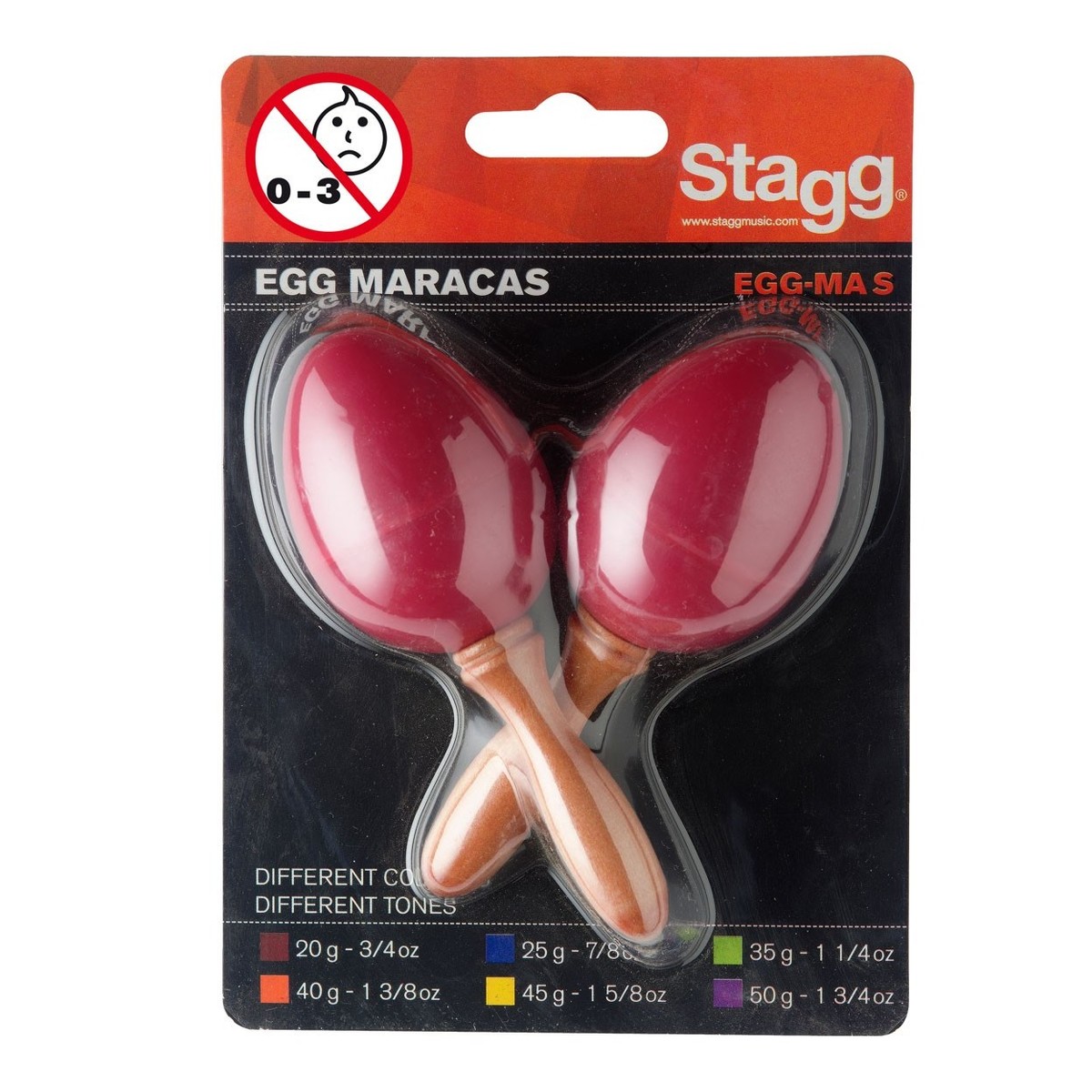
Stagg Plastic Egg Maracas Red
 £9.99 ($13)
Stagg
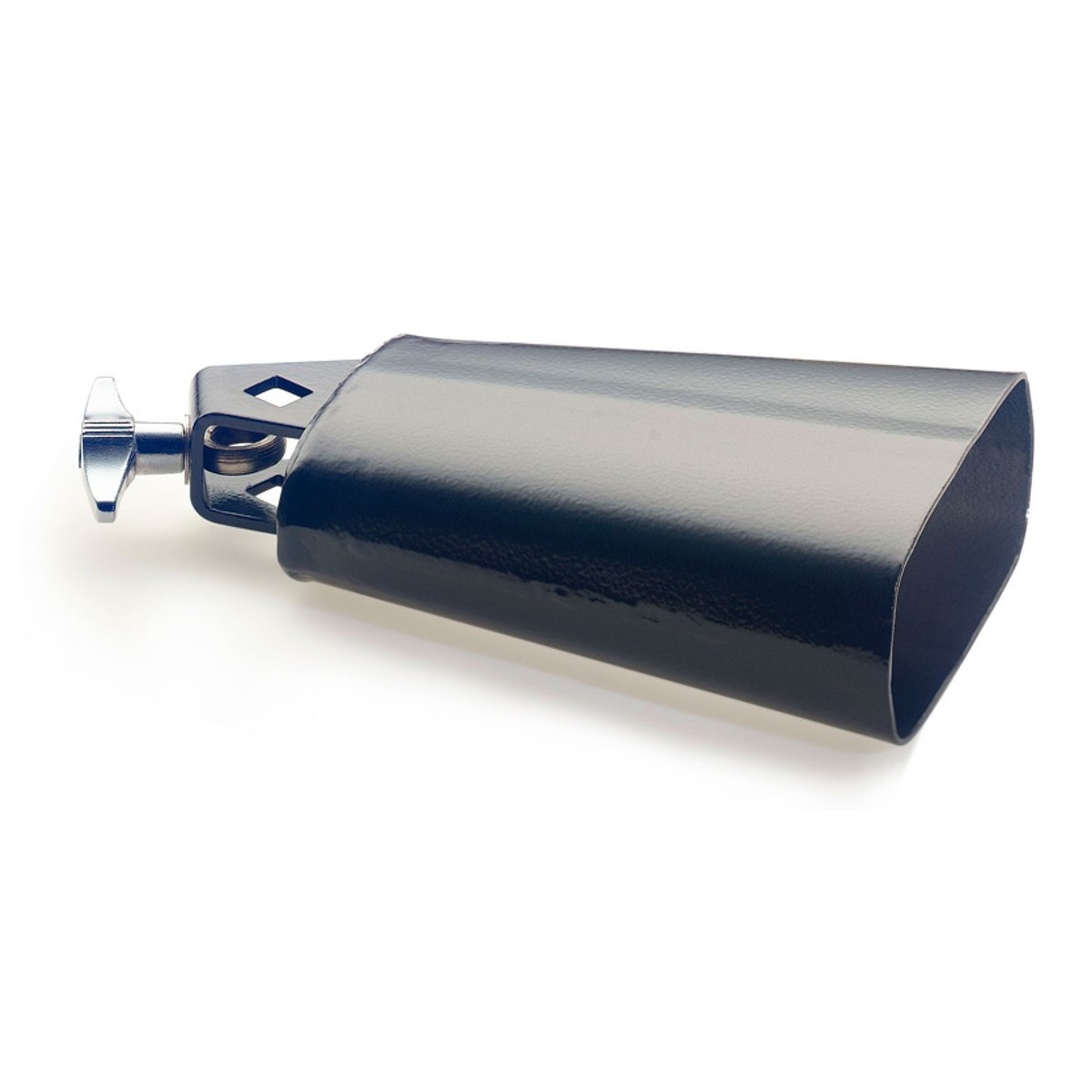
Stagg Rock 5-1/2" Cowbell Black
 £119.00 ($151)
Sonor
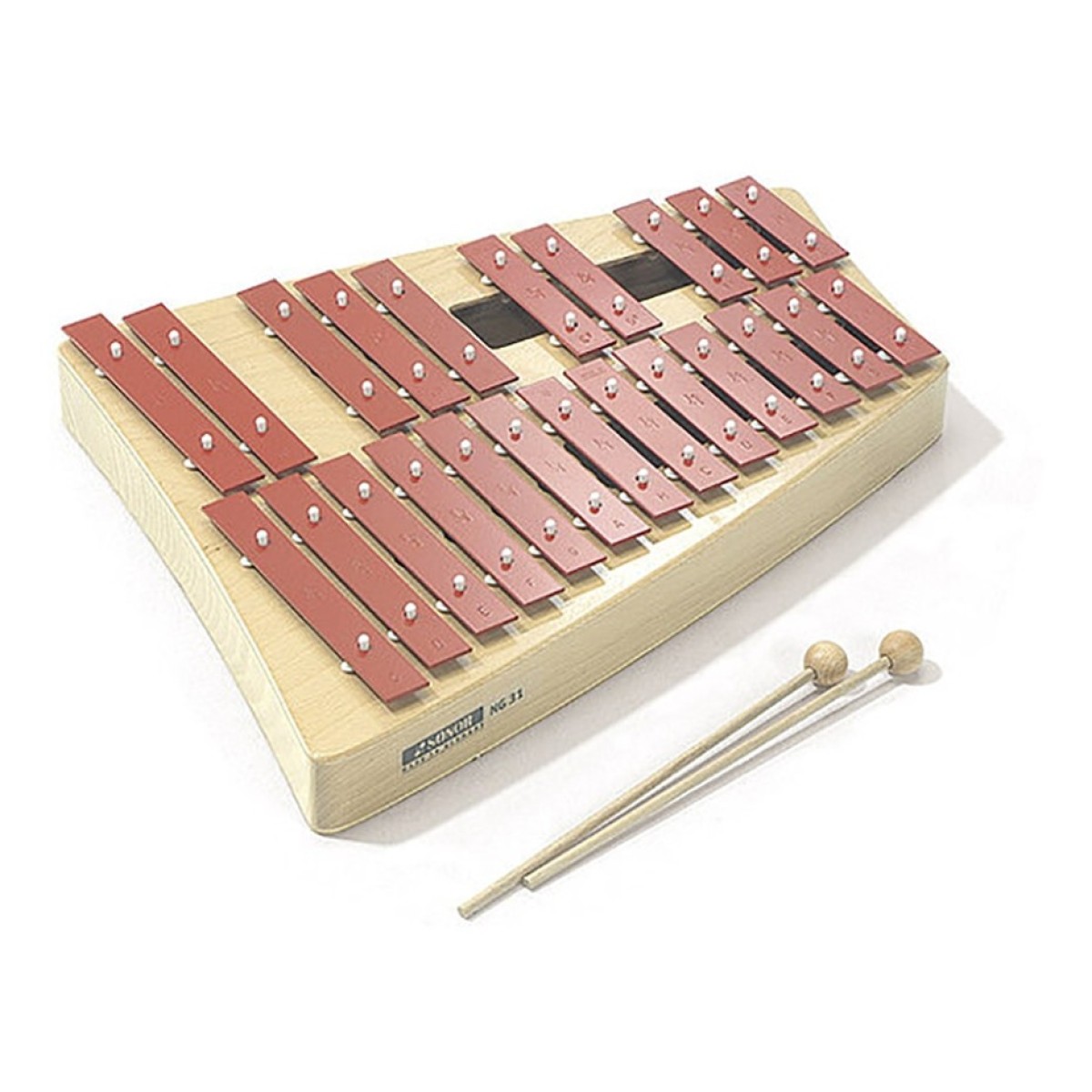
Sonor Orff NG31 Alto Chromatic Glockenspiel
 £23.70 ($30)
Remo
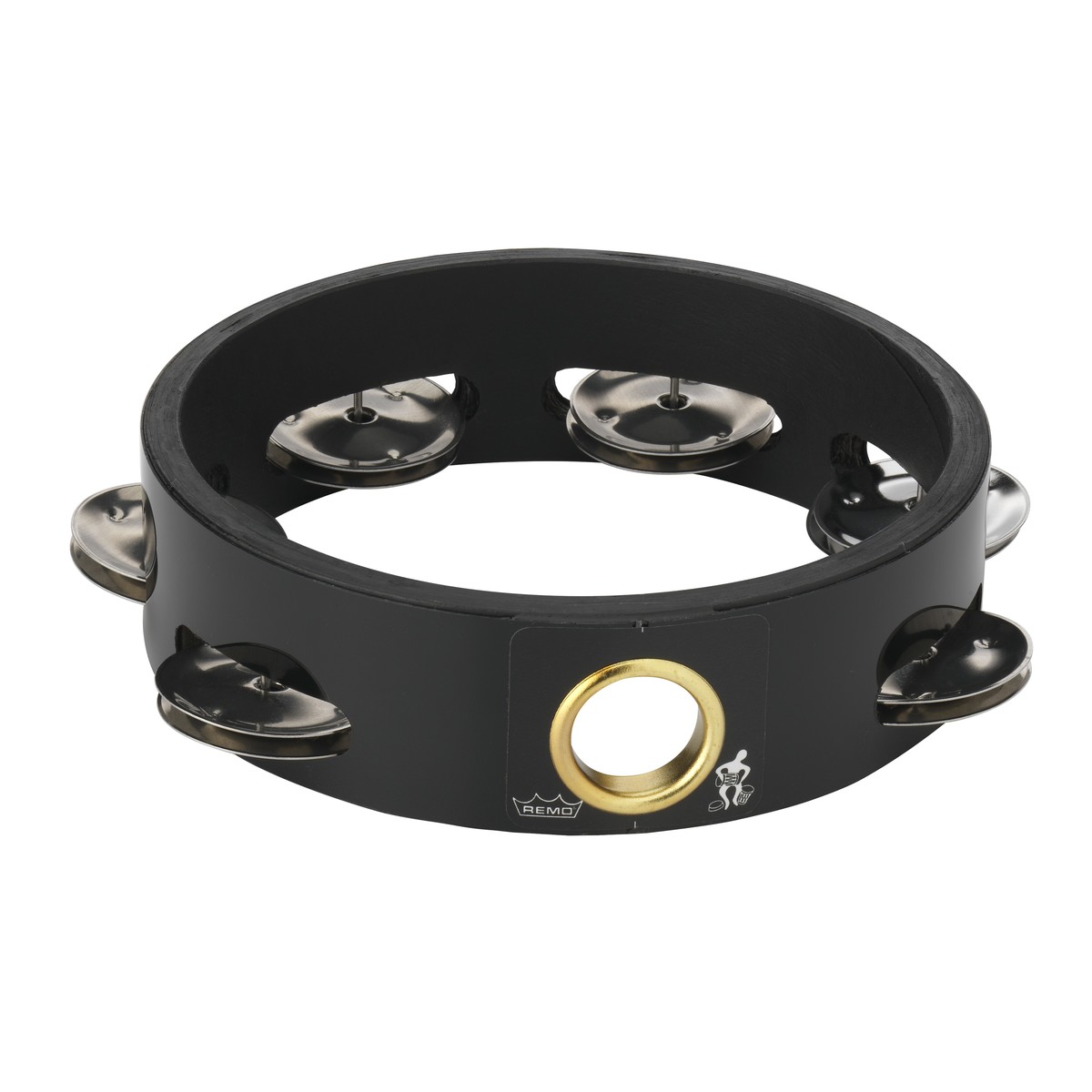
Remo 6 Single Row Headless Tambourine Black
 £299.00 ($380)
Meinl
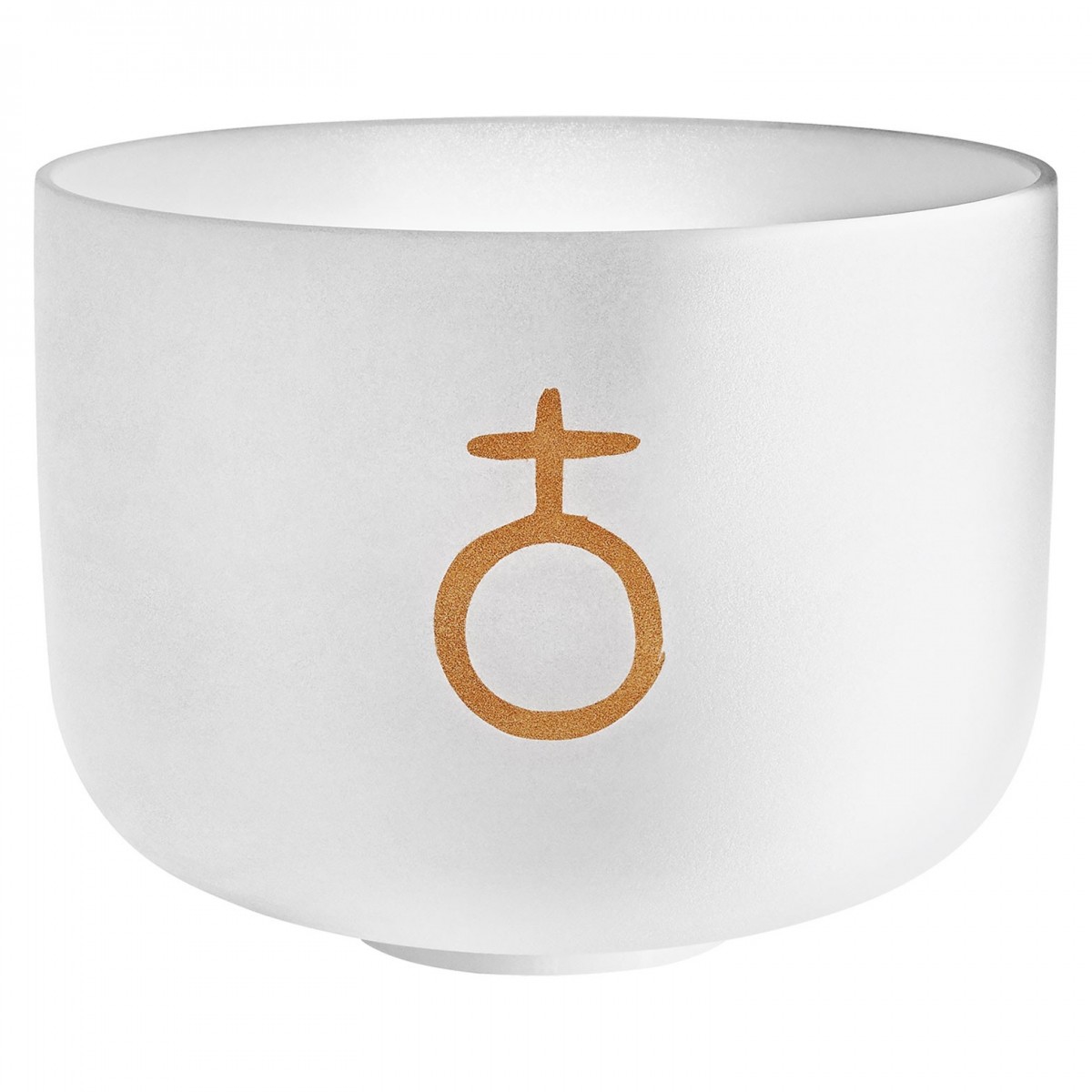
Meinl Planetary Tuned Crystal Singing Bowl 12" Earth Year / Om
 £16.00 ($20)
Fender
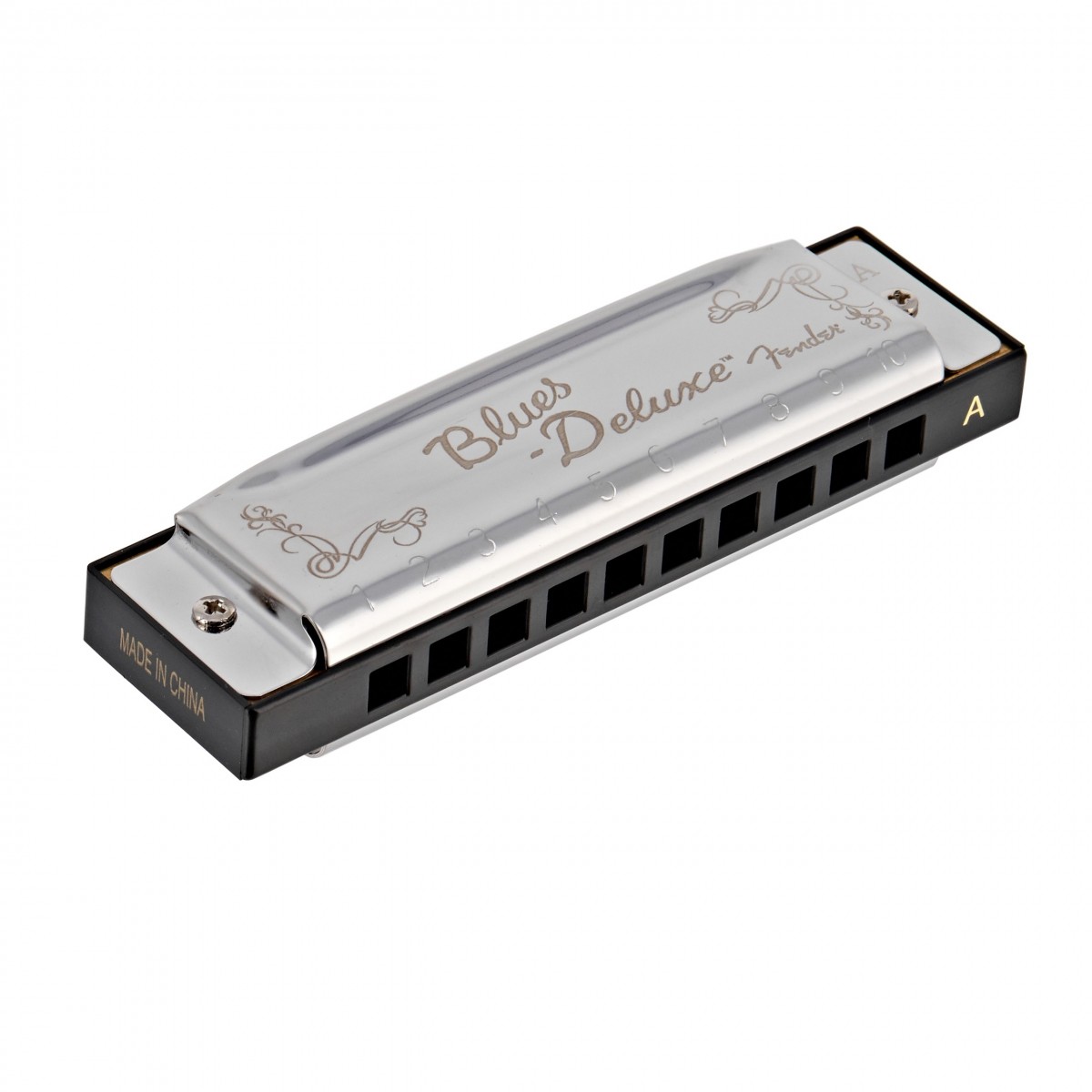
Fender Blues Deluxe Harmonica A
 £23.80 ($30)
Meinl
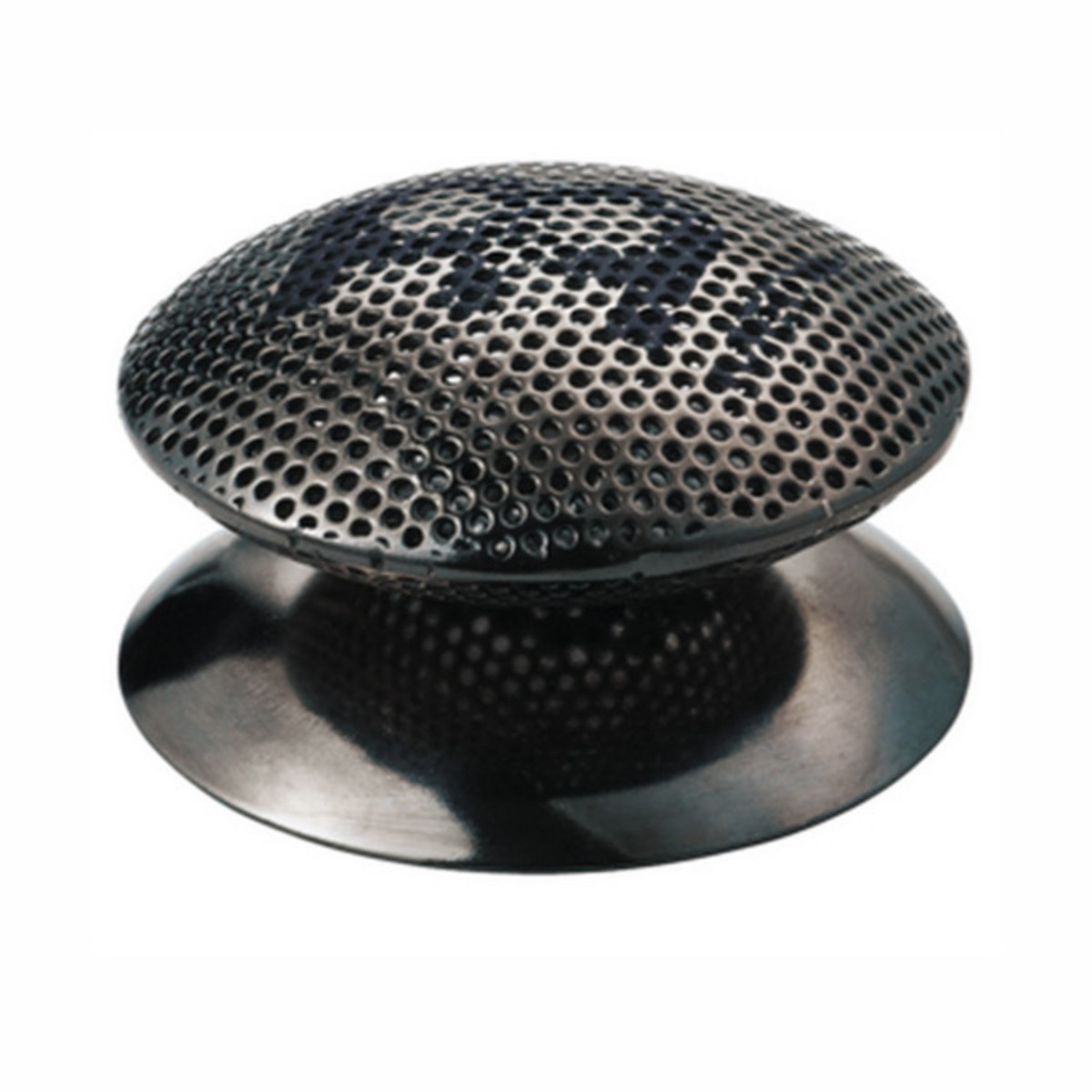
Meinl Spin Spark Shaker Black Nickel
 £7.30 ($9)
Meinl
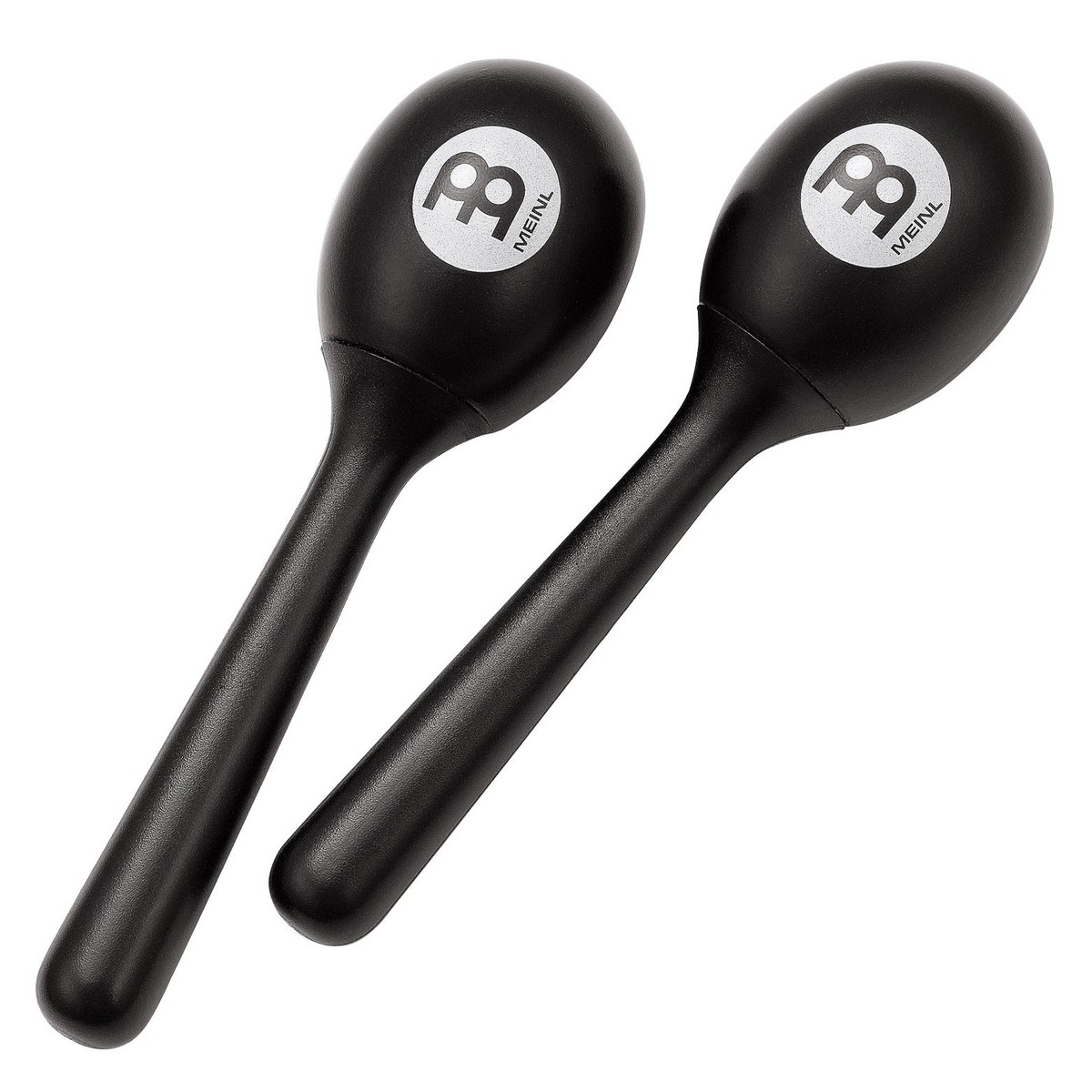
Meinl Small Plastic Egg Maracas Black
Frequently asked questions
- What makes the reeds on the Seydel Saxony unique?
- The Saxony features specialist stainless steel reeds rather than the standard brass reeds found in most harmonicas. These reeds offer greater durability, stability in pitch, and a rounded tonal character.
- What material is used for the comb of the Saxony?
- The instrument utilises a precision-manufactured aluminium comb. This provides a rigid, airtight structure that does not swell or warp like traditional wooden combs.
- Is the Seydel Saxony suitable for beginners?
- While a beginner can play it, the Saxony is a professional-grade instrument priced at approximately £385. Most beginners start with simpler diatonic models like the Fender Blues Deluxe before moving to a high-end chromatic.
- What is the benefit of the 'Low E' tuning?
- The Low E tuning allows the player to access a deeper register than a standard chromatic harmonica. This is ideal for playing bass lines or adding a darker, more resonant character to melodies.
- How is the Saxony harmonica manufactured?
- Every Seydel Saxony is meticulously hand-crafted to ensure perfection. This manual assembly process ensures the high air-tightness and responsiveness required by professional players.
- Does the Saxony have a specific finish on the cover plates?
- Yes, the Saxony features new matte cover plates. These are designed for longevity and to meet the ergonomic demands of professional performers.
- How does the Saxony compare to brass-reed harmonicas in terms of longevity?
- Stainless steel reeds are significantly more durable than brass reeds. They are less likely to fatigue or go out of tune even under heavy playing conditions over long periods.
- Is the Seydel Saxony considered a chromatic or diatonic harmonica?
- The Saxony is a chromatic harmonica, meaning it includes a slide mechanism that allows the player to play all the notes of the chromatic scale.
- What is the typical price range for this model in the UK?
- The typical price for the Seydel Saxony Chromatic in the UK is approximately £385.
- Can the Saxony be used for orchestral or jazz music?
- Absolutely. Its precise tuning, balanced tone, and full chromatic range make it an excellent choice for complex genres like jazz and classical music.
- How does the weight of the aluminium comb affect the instrument?
- The aluminium comb adds a reassuring weight and substantial feel to the instrument. It also contributes to the brightness and projection of the sound compared to plastic or wood.
- Are the parts of the Saxony replaceable?
- The Saxony is designed with longevity in mind, and its high-quality construction means individual parts are built for professional demands. Like most premium Seydel models, it is built to be maintainable.