
Gear article
Shure Beta 58A
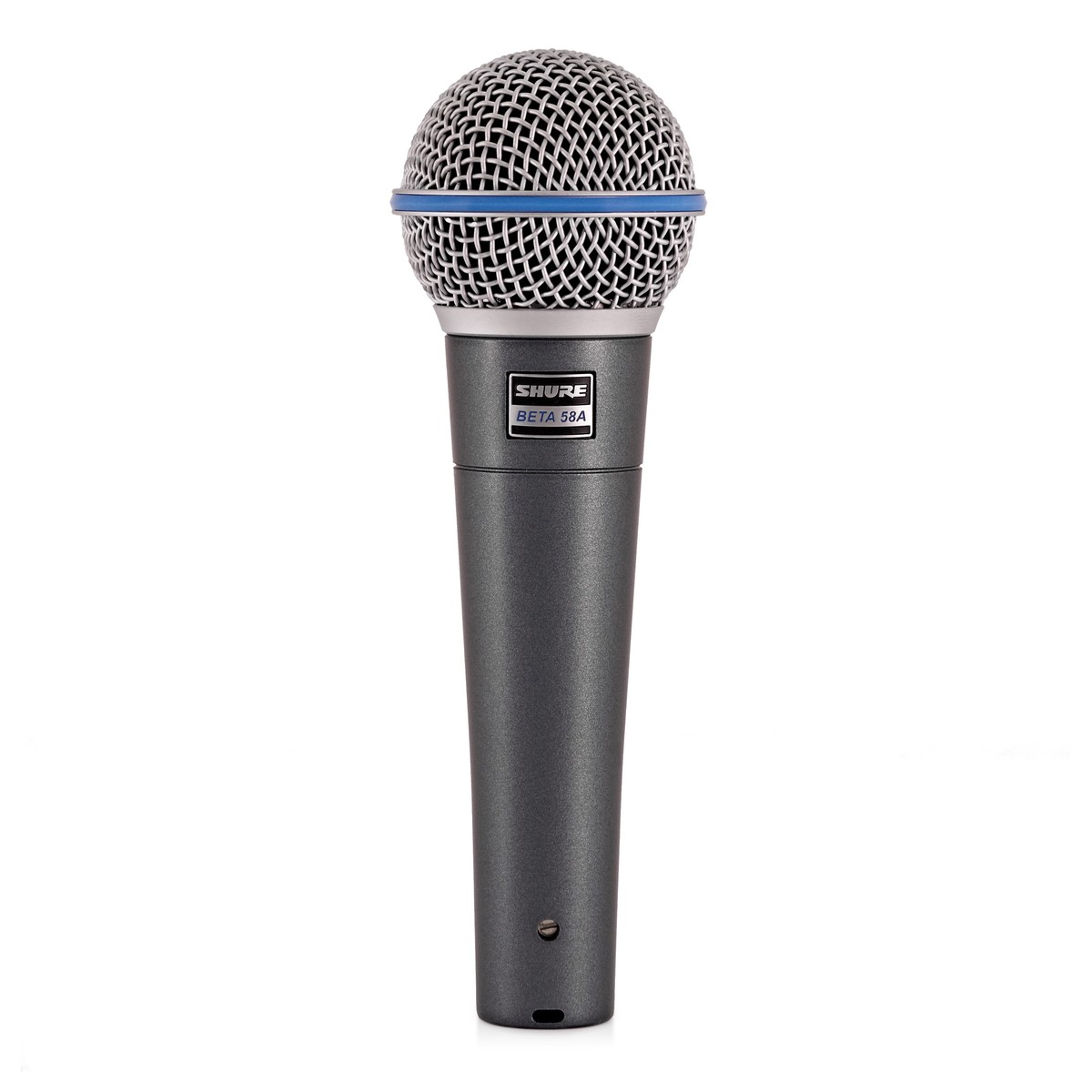
The Shure Beta 58A is a professional-grade dynamic microphone designed primarily for live vocal performances. Renowned for its durability and clarity, it features a supercardioid polar pattern that provides high gain-before-feedback and superior off-axis rejection compared to standard cardioid models.
History and Background
The Shure Beta 58A is an evolution of the industry-standard SM58. Released as a premium alternative to its predecessor, it was designed to meet the demands of modern touring environments where high-volume stage monitoring requires better isolation. Over several decades, the Beta 58A has established itself as a 'modern classic' in the Shure lineup.
It has been adopted by a vast range of legendary musicians across various genres. Notable users include Paul McCartney, Michael Jackson, Chris Martin of Coldplay, Trent Reznor, Simon Le Bon, David Paich, and Cristina Branco. Its reputation is built on Shure's solid construction, ensuring the microphone remains functional even on the rowdiest of stages.
Design and Key Features
The Beta 58A is a dynamic microphone with a tuned frequency response tailored for close-up vocals. Key technical specifications include:
- Supercardioid Pattern: Unlike the cardioid SM58, the Beta 58A has a tighter pickup pattern that rejects sound from the sides, focusing on the source directly in front of the capsule.
- Neodymium Magnet: Utilises a high-output neodymium magnet for an improved signal-to-noise ratio.
- Pneumatic Shock Mount: Features an advanced internal shock-mount system that reduces the transmission of mechanical noise and vibration.
- Hardened Steel Mesh Grille: Designed to withstand the physical rigours of touring while resisting dents and erosion.

Sound Character
The Beta 58A is celebrated for its 'crystal-clear' sound and authority in a live mix. It features specific frequency enhancements designed to help vocals stand out:
- Presence Boost: Natural boosts at 4kHz and 9kHz provide definition and allow the voice to 'cut through' dense instrument arrangements.
- Proximity Effect: The supercardioid pattern offers controlled low-frequency response, though it exhibits a pronounced proximity effect when used very close to the mouth, which many vocalists use to add warmth to their tone.
- Brightness: Compared to the SM58, the Beta 58A is generally perceived as brighter and more detailed in the high-end spectrum.
Comparison with Alternatives
When selecting a vocal microphone, the Beta 58A is frequently compared to several other industry staples:
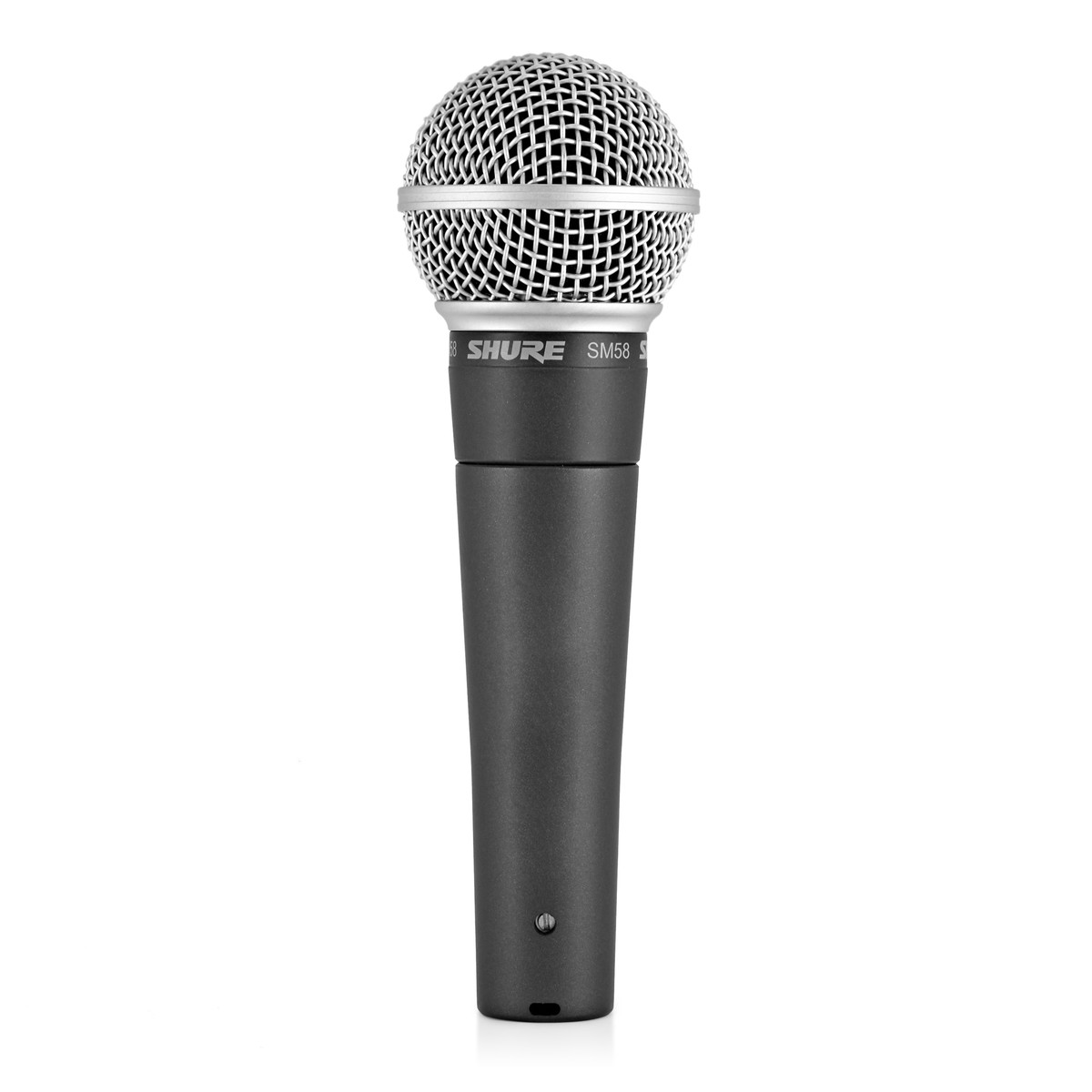
- Shure SM58: The SM58 features a cardioid pattern and a flatter high-end. The Beta 58A is more sensitive, brighter, and offers better isolation.
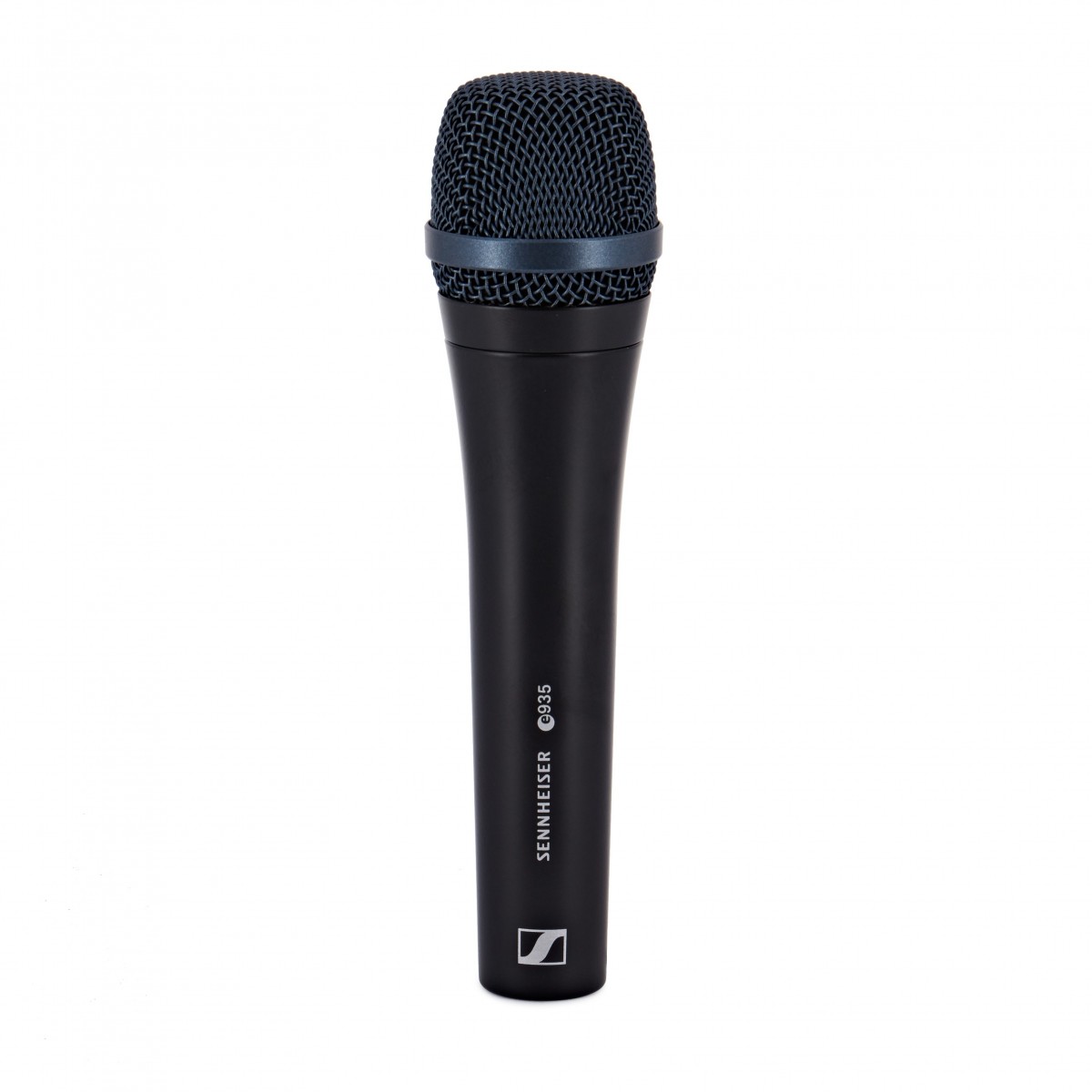
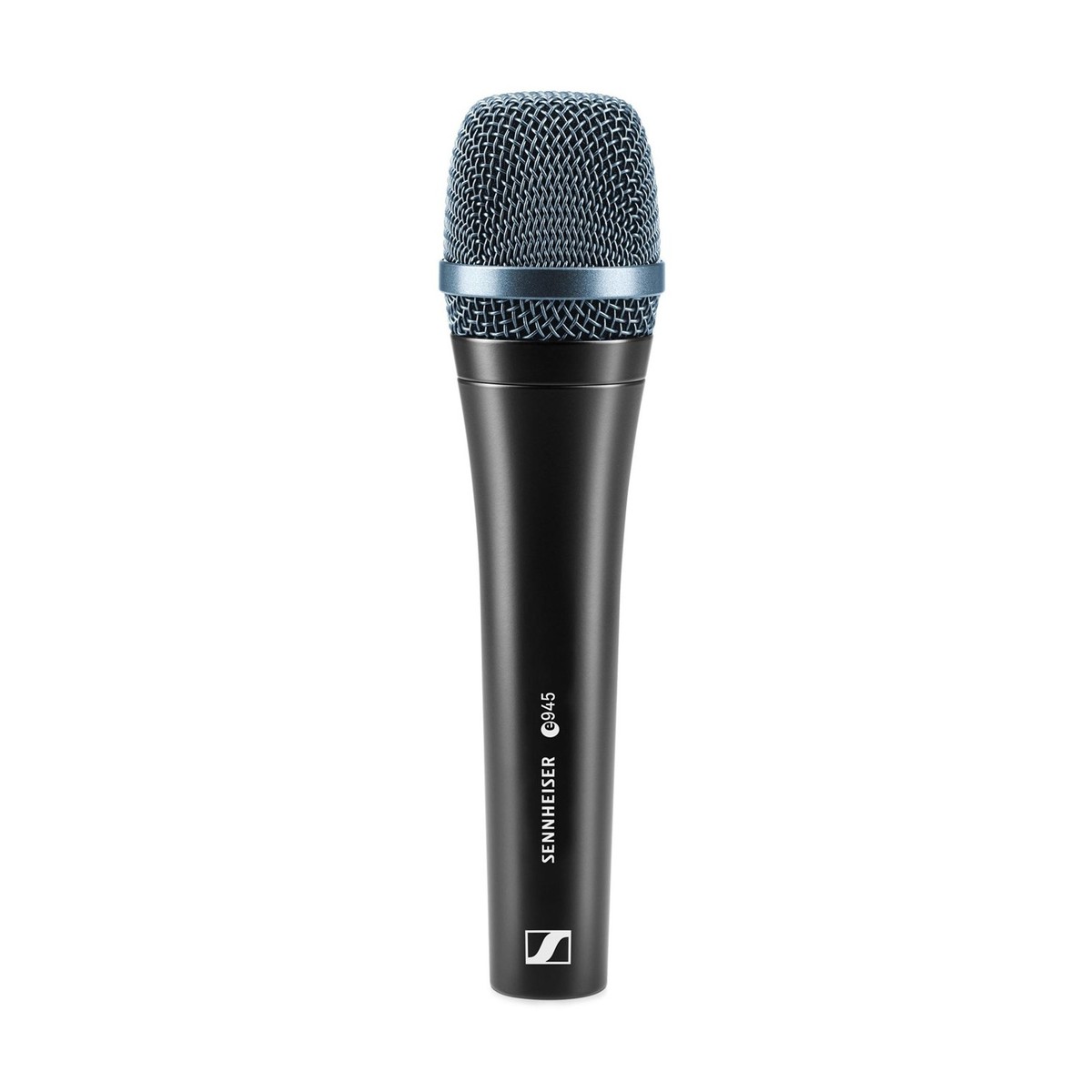
- Sennheiser e945 and e935: These are the primary competitors from Sennheiser. The e945 is also a supercardioid dynamic mic known for its smooth response, while the e935 is cardioid.
- Specialised Alternatives: For studio applications or specific tonal needs, engineers might look to the Sennheiser MD 441-U or the Electro-Voice RE20, though these are significantly more expensive and larger than the handheld Beta 58A.
Artists who play it



Related gear
 £559.00 ($710)
Electro-Voice
Electro-Voice RE20 Dynamic Cardioid Microphone
 £149.99 ($190)
SubZero
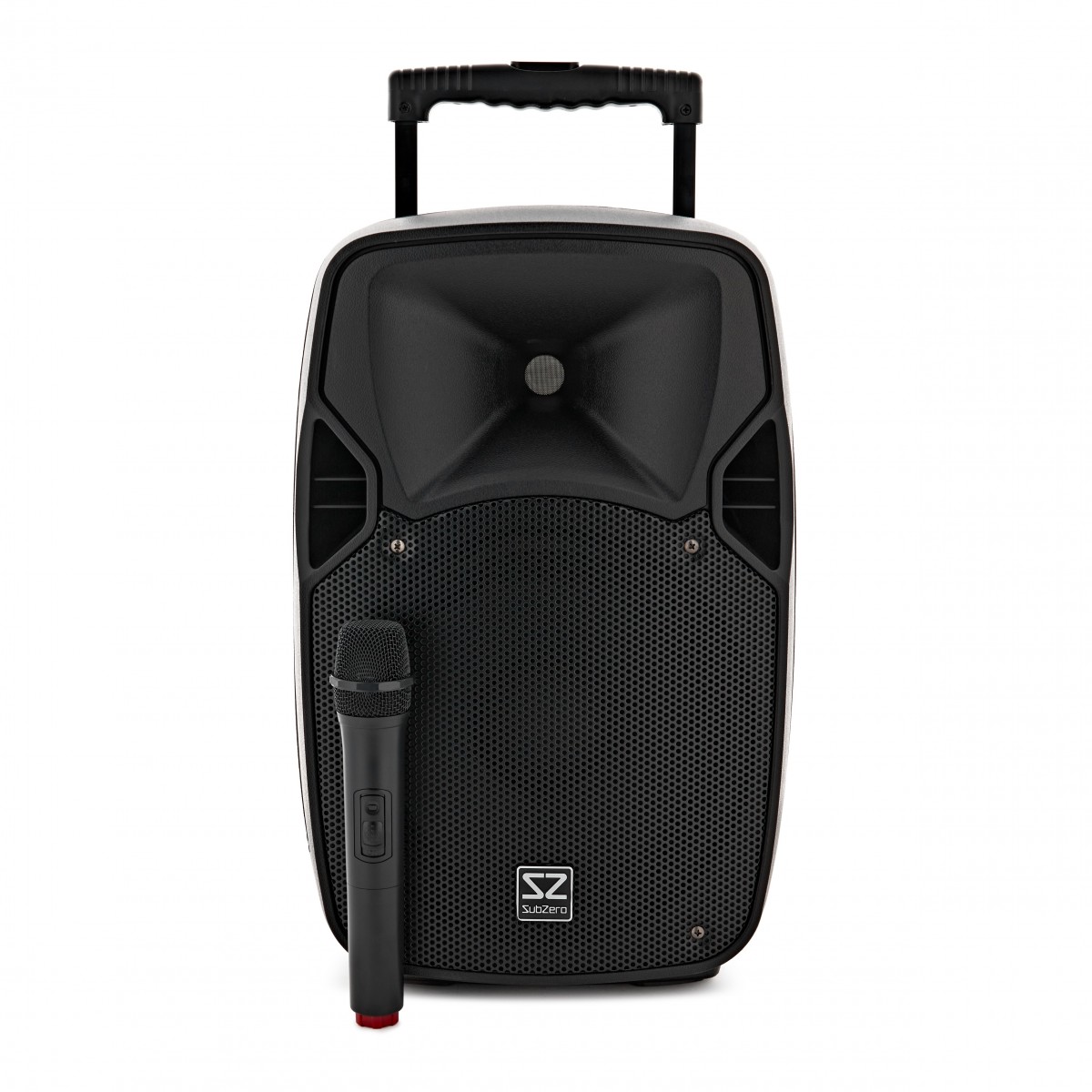
SubZero P10 Portable PA Speaker with Bluetooth & Wireless Mic
 £168.70 ($214)
Sennheiser
Sennheiser e935 Dynamic Vocal Microphone
 £135.25 ($172)
Shure
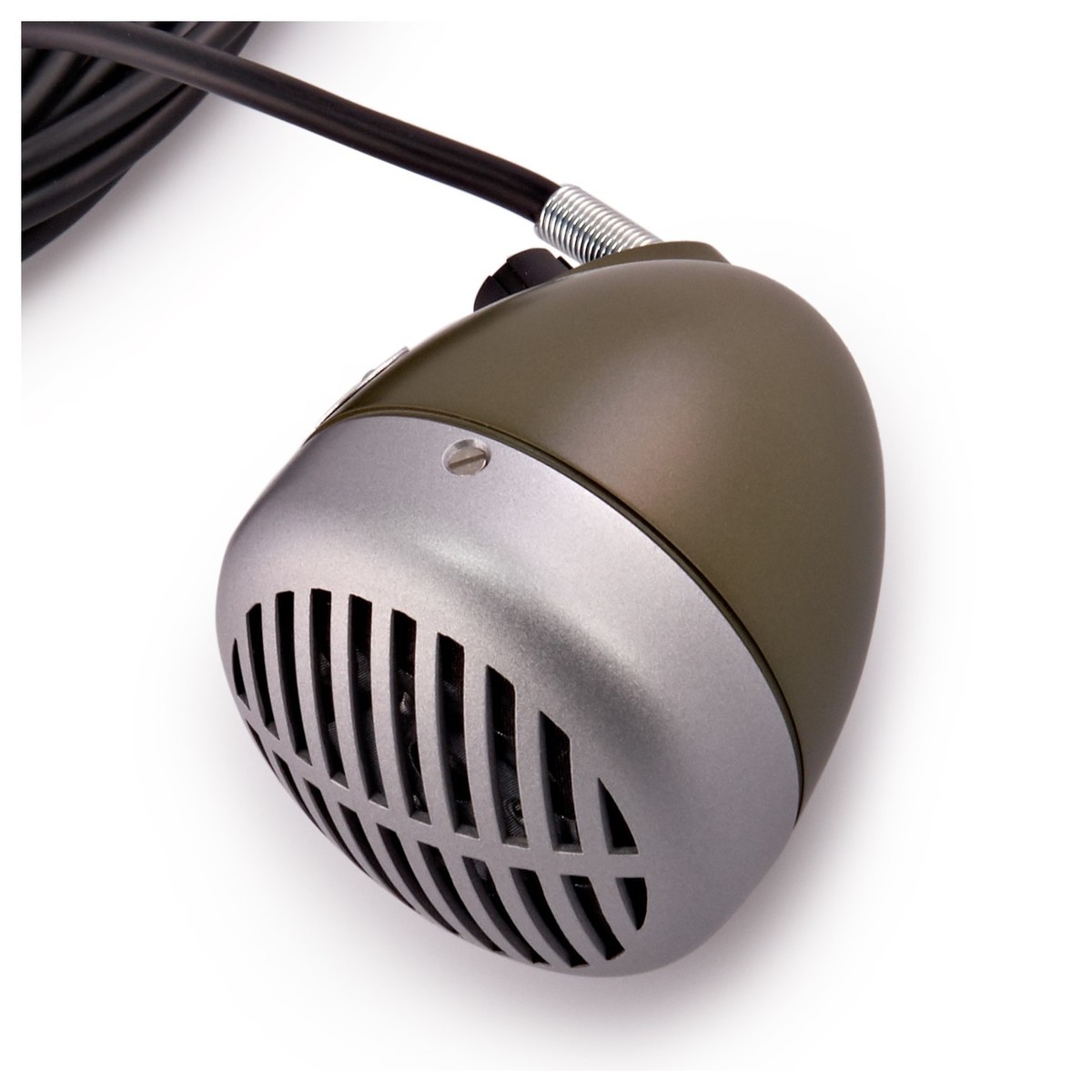
Shure 520DX Green Bullet Harmonica Microphone
 £259.00 ($329)
Shure
Shure SM58 Dynamic Cardioid Vocal Microphone
 £167.55 ($213)
Sennheiser
Sennheiser e945 Dynamic Vocal Microphone
 £103.75 ($132)
Shure
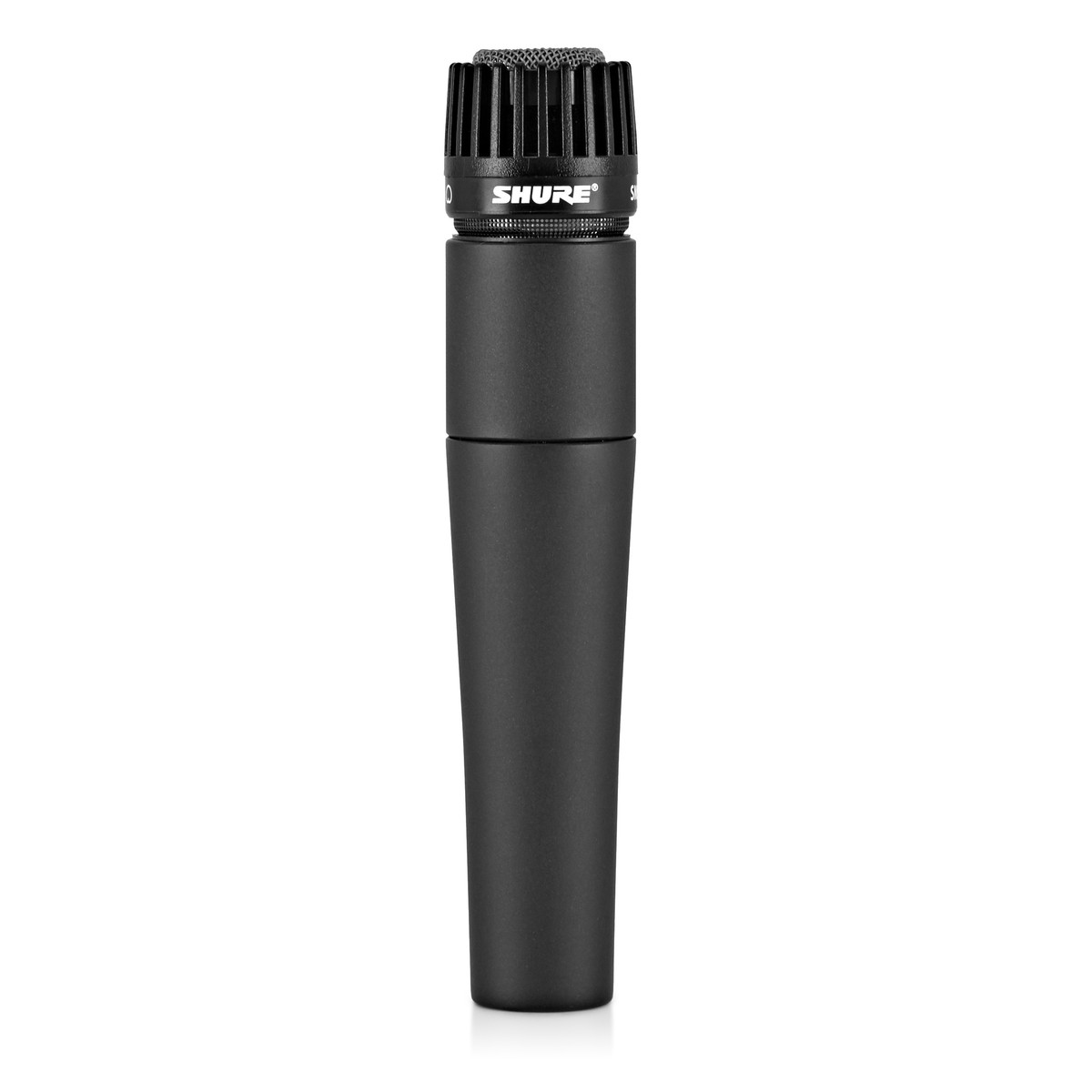
Shure SM57 Dynamic Instrument Microphone
 £1,080.00 ($1,372)
Sennheiser
Sennheiser MD 441-U Dynamic Supercardioid Microphone
Frequently asked questions
- What is the primary difference between the Beta 58A and the SM58?
- The Beta 58A has a supercardioid polar pattern for better isolation, whereas the SM58 is cardioid. Additionally, the Beta 58A has a brighter frequency response and higher output level due to its neodymium magnet.
- Does the Shure Beta 58A require phantom power?
- No, the Beta 58A is a passive dynamic microphone. It does not require phantom power or batteries to operate.
- Is the Beta 58A good for recording at home?
- While designed for the stage, it is an excellent choice for home recording in untreated rooms. Its supercardioid pattern helps reject background noise and room reflections better than many condenser microphones.
- Which artists are known for using the Shure Beta 58A?
- The microphone has been used by a diverse range of artists including Paul McCartney, Michael Jackson, Chris Martin, Trent Reznor, and Simon Le Bon.
- What is the polar pattern of the Beta 58A?
- The Beta 58A features a supercardioid polar pattern. This means it is most sensitive to sound at the front and has points of maximum rejection at approximately 120 degrees off-axis.
- Where are the presence boosts located on this microphone?
- The Beta 58A features natural presence boosts at 4kHz and 9kHz. These boosts are specifically tuned to help vocals cut through a loud musical mix.
- How durable is the Beta 58A for touring?
- It is built for the rowdiest stages with Shure's legendary solid construction. It features a hardened steel mesh grille and an advanced pneumatic shock mount system to handle physical abuse.
- Can the Beta 58A be used for instruments?
- While tailored for vocals, it can be used on instruments like snare drums or guitar cabinets. However, the Shure SM57 is often the preferred choice for dedicated instrument miking.
- What is the typical price range for a new Beta 58A?
- The Shure Beta 58A typically retails for approximately £162. Prices may vary slightly depending on the retailer and region.
- How does the supercardioid pattern affect monitor placement?
- Because a supercardioid mic has a small pickup lobe directly at the rear, floor monitors should be placed to the sides (at about 120 degrees) rather than directly behind the microphone for best feedback rejection.
- Does it come with a wireless version?
- Shure offers the Beta 58A capsule for various wireless systems, though the wired version is the standard for most handheld applications.
- How does it compare to the Sennheiser e945?
- Both are premium supercardioid dynamic vocal mics. The Beta 58A is often described as having a more aggressive presence boost, while the e945 is sometimes noted for a smoother, flatter response.