
Gear article
Shure Beta 91A Condenser Kick Drum Microphone
The Shure Beta 91A is a premium condenser boundary microphone specifically engineered for capturing high-impact low-frequency sources, most notably kick drums. It features a half-cardioid polar pattern and an integrated preamplifier designed to deliver modern, high-definition sound with a focus on attack and low-end clarity.
See live pricesOverview
The Shure Beta 91A is a professional-grade boundary microphone designed primarily for use inside kick drums and other high-SPL, low-frequency applications. Unlike traditional dynamic microphones used for percussion, the Beta 91A utilises a condenser capsule to provide a wider frequency response and superior transient detail. It is a 'plug-and-play' solution that requires no external mounting hardware when used inside a drum, as its flat-profile design allows it to rest directly on a cushion or the shell interior.
Design and Features
The microphone is precision-engineered with an integrated XLR preamplifier, which simplifies cable management and eliminates the need for an external mid-cable preamp module. A key feature of the Beta 91A is its two-position contour switch. This allows the user to toggle between a 'flat' response for a full-bodied natural sound and a 'scooped' setting. The scooped setting automatically reduces mid-range frequencies to enhance the 'click' of the attack and the 'thump' of the low end, effectively minimising the 'boxy' character often associated with kick drum recordings.
Sound Character
With a frequency range spanning 20Hz to 20kHz, the Beta 91A captures a degree of energy and articulation that is often missing in standard dynamic microphones. It is calibrated to deliver the explosive sound found in modern recordings, characterised by a sharp top-end attack and a deep, controlled low-end. The half-cardioid polar pattern ensures excellent gain-before-feedback and rejects unwanted off-axis noise, focusing purely on the source directly above the boundary plate.
Applications and Alternatives
While most commonly found inside kick drums, the Beta 91A is also suitable for other low-frequency instruments such as grand pianos. It is often paired with a secondary dynamic microphone, like the Shure Beta 52A, to provide a blend of condenser detail and dynamic weight. For users requiring different studio applications, alternatives include the Shure SM7B for vocals or the Neumann TLM 102 for high-end studio recording. However, for internal drum mounting and modern transient response, the Beta 91A remains a specialised industry standard.
Related gear
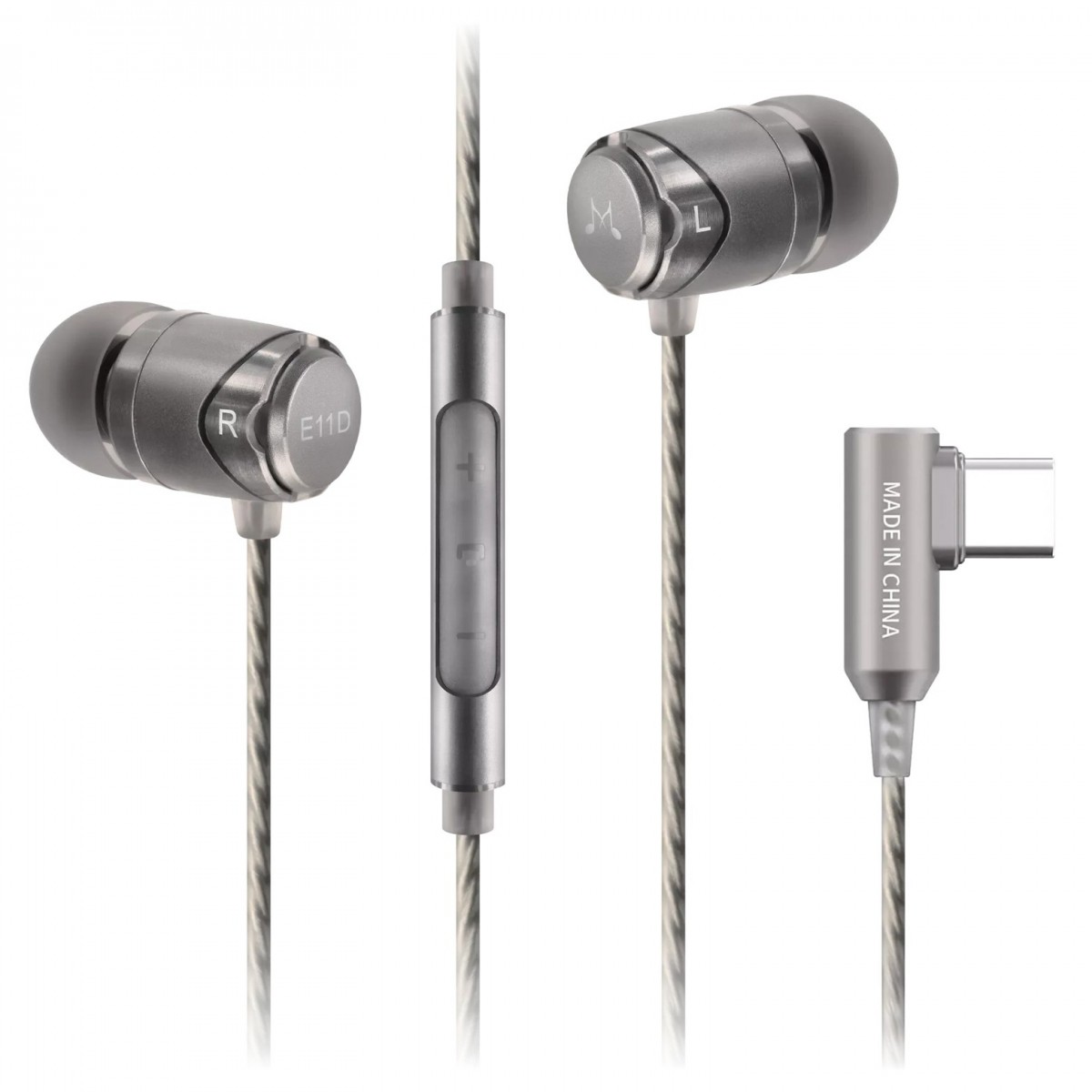 £39.98 ($51)
SoundMagic
SoundMAGIC E11D In Ear Isolating USB-C Earphones with Mic Silver
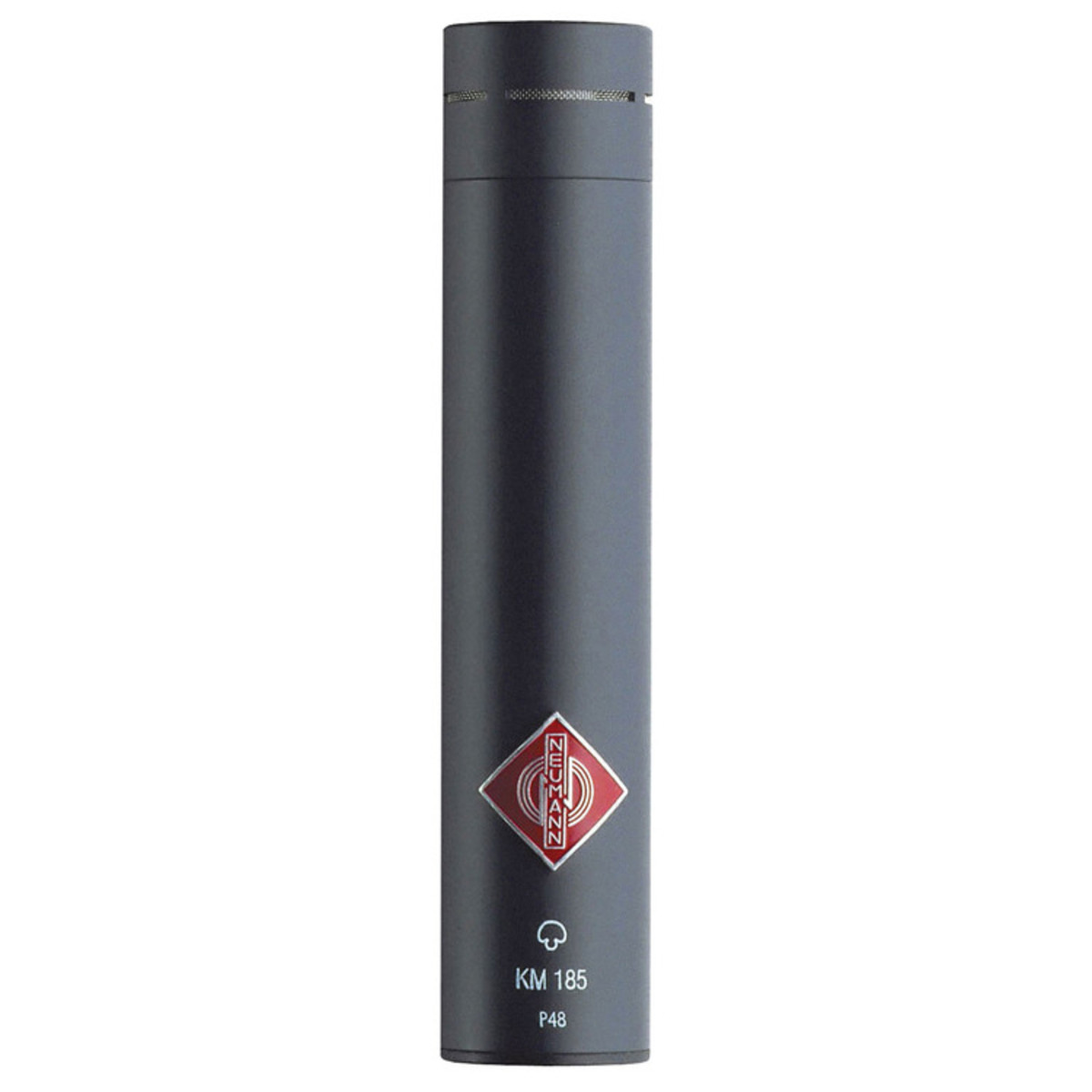 £709.28 ($901)
Neumann
Neumann KM 185 MT Super-Cardioid Compact Condenser Mic Black
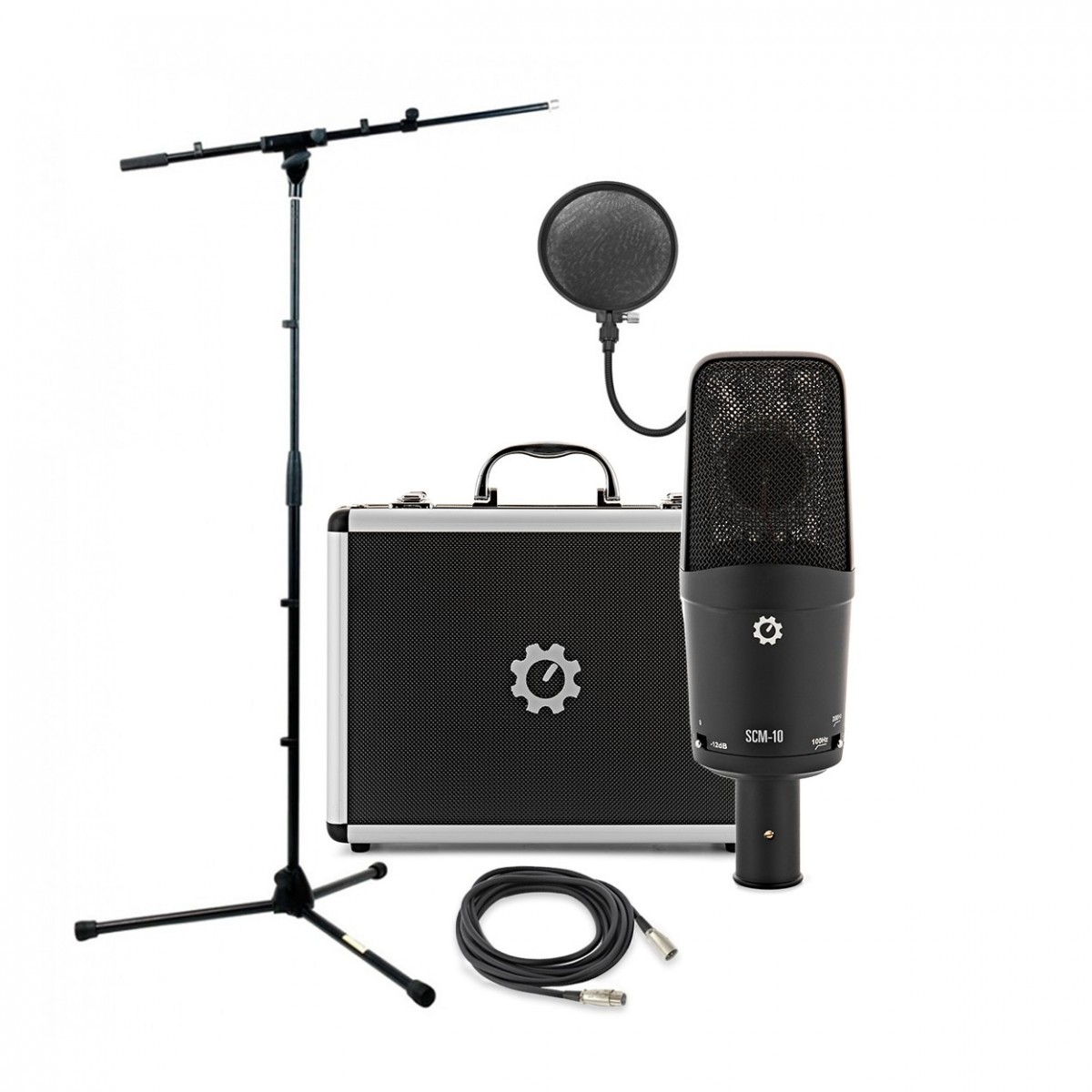 £139.99 ($178)
G4M
G4M Studio Condenser Microphone Home Recording Pack
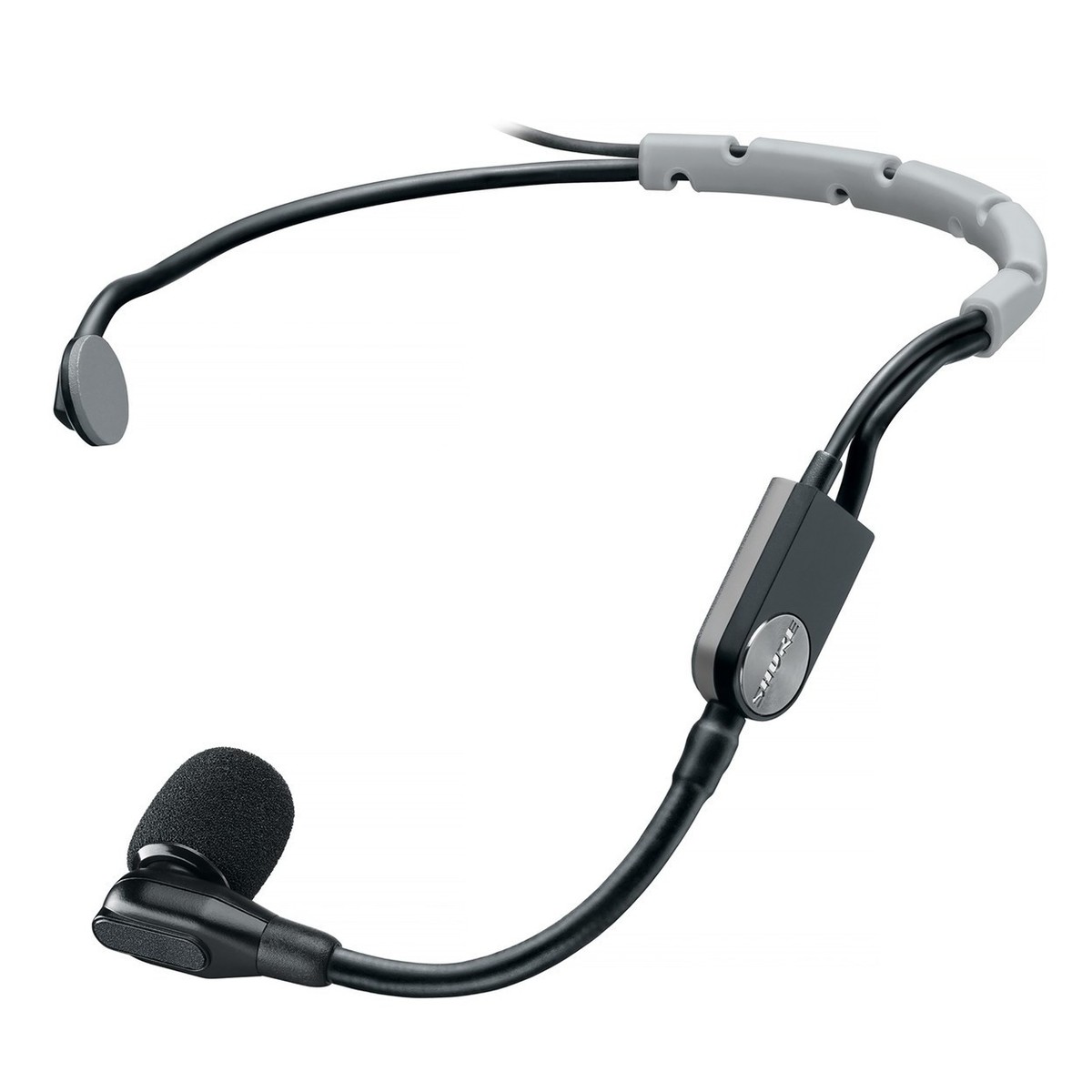 £258.50 ($328)
Shure
Shure SM35-XLR Cardioid Condenser Headset Microphone
 £201.19 ($256)
Audix
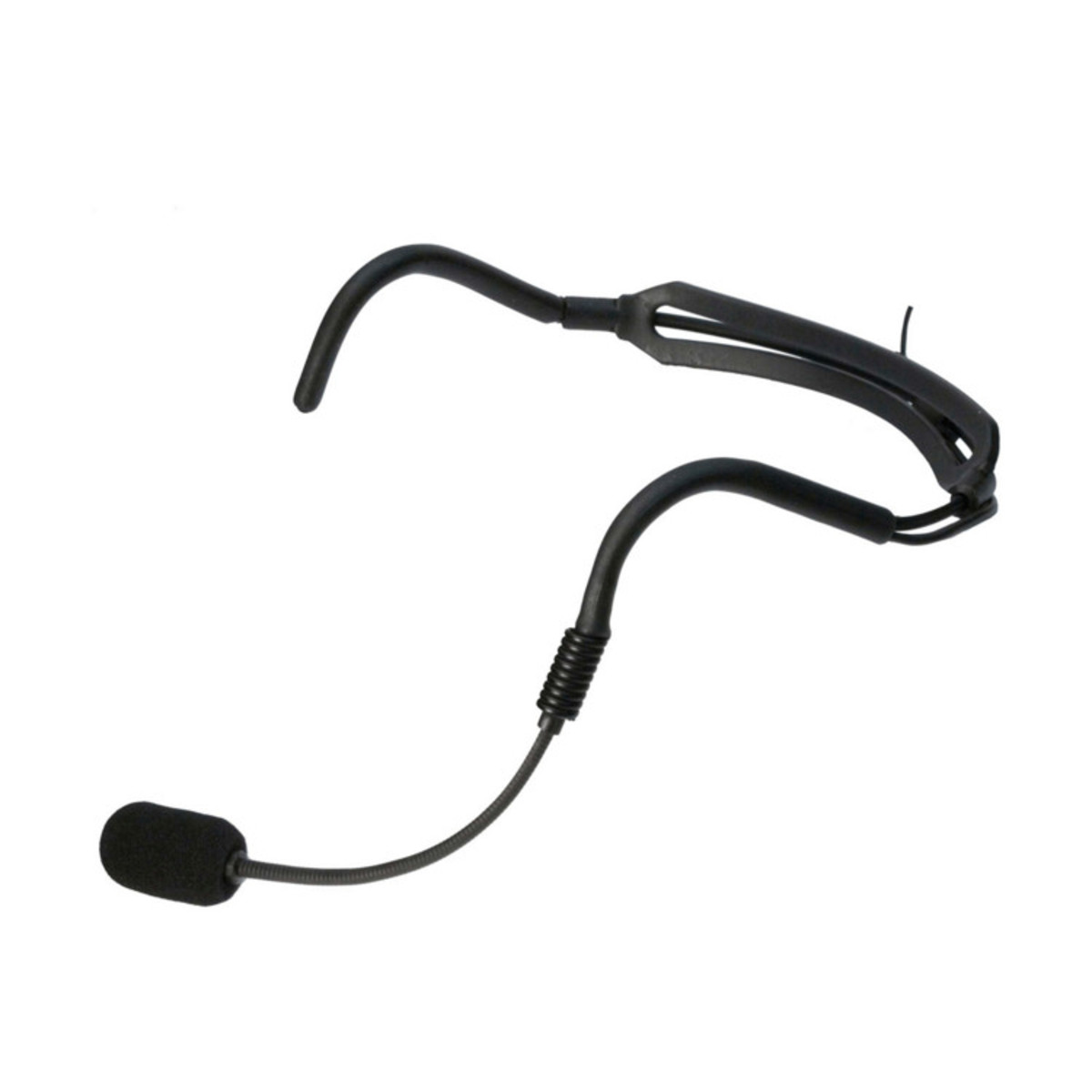
Audix HT2 Super Cardioid Headset Condenser Mic With 3 Pin Mini XLR
 £655.91 ($833)
Neumann
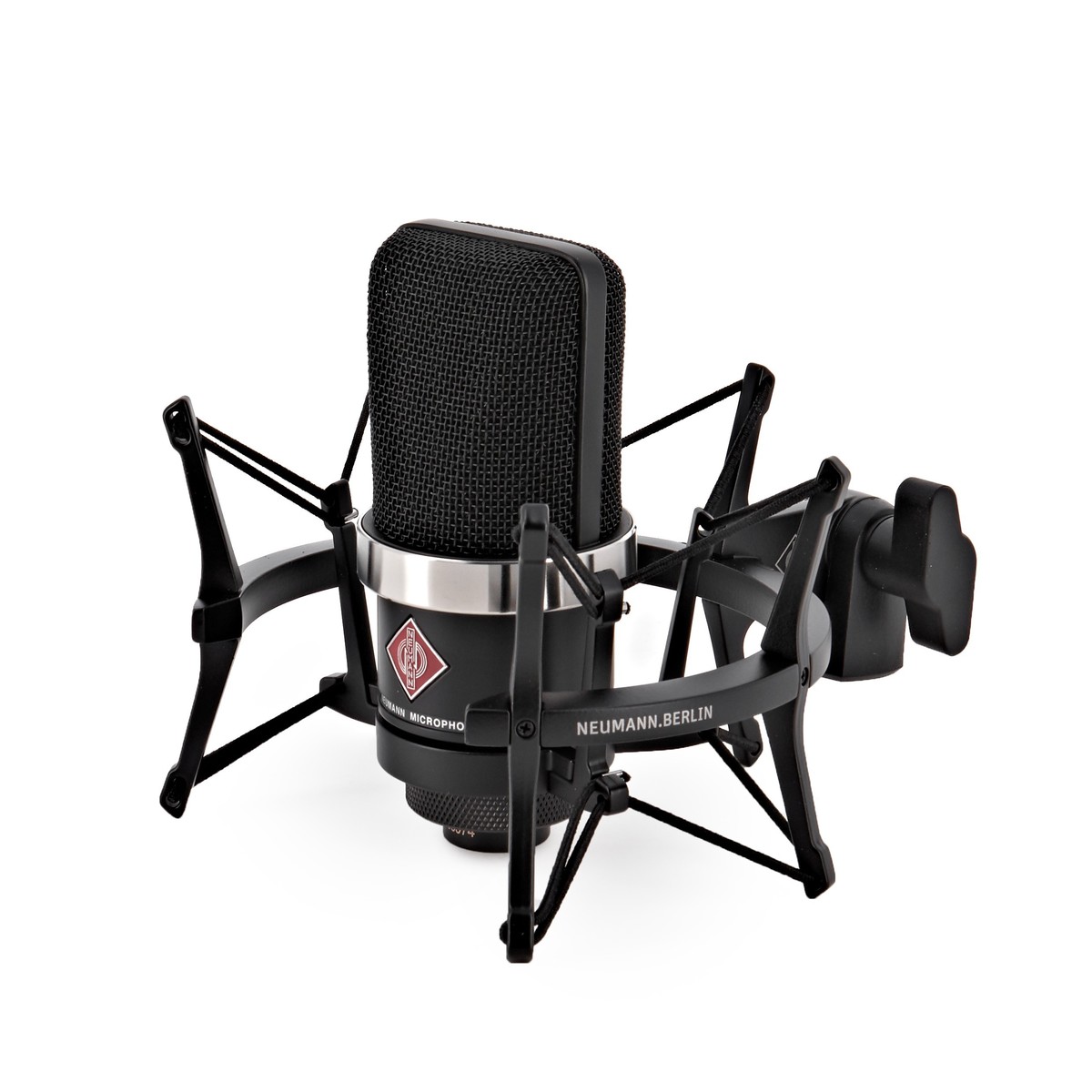
Neumann TLM 102 Microphone Studio Set Black
 £1,110.08 ($1,410)
Neumann
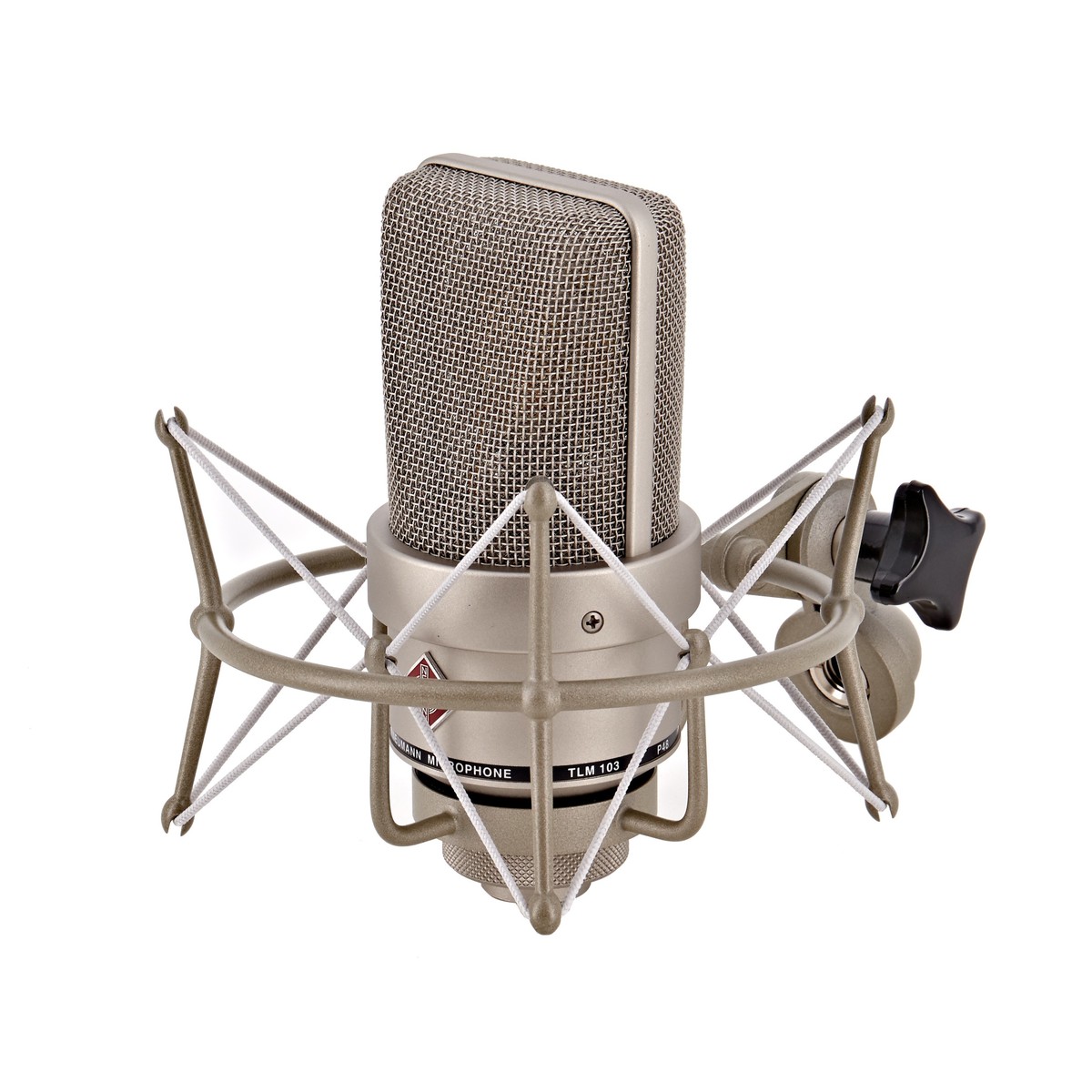
Neumann TLM 103 Studio Set Microphone Nickel
 £381.50 ($485)
Shure
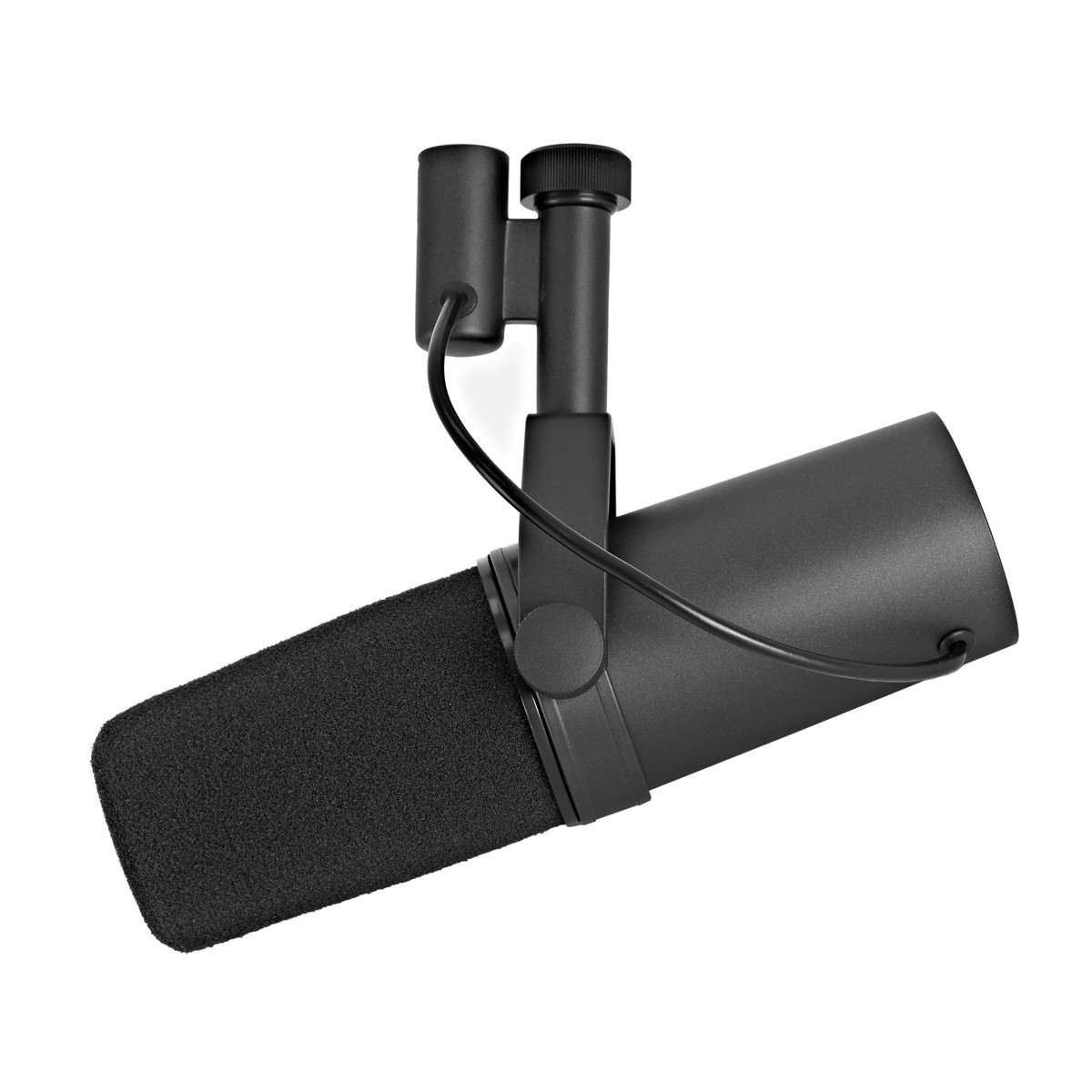
Shure SM7B Dynamic Studio Microphone
Frequently asked questions
- What is the primary use for the Shure Beta 91A?
- It is primarily designed for use inside kick drums to capture high-impact low-frequency transients and modern attack. Its flat design makes it ideal for placement on a pillow or the bottom of the drum shell.
- Does the Beta 91A require phantom power?
- Yes, as a condenser microphone with an integrated preamplifier, it requires +48V phantom power from a mixing desk or audio interface to operate.
- What frequency range does the Beta 91A cover?
- The microphone has a wide frequency response range of 20Hz to 20,000Hz (20kHz), allowing it to capture both deep sub-bass and high-frequency articulation.
- What is the purpose of the two-position contour switch?
- The switch allows users to choose between a flat response for a natural sound or a scooped response that reduces mid-range frequencies to emphasise attack and low-end thump.
- How does the Beta 91A compare to dynamic kick drum microphones?
- The Beta 91A offers faster transient response and more high-end clarity than dynamic microphones, which can sometimes sound less articulate in comparison.
- What polar pattern does the Beta 91A use?
- It utilizes a half-cardioid polar pattern, which is specific to boundary microphones, capturing sound in a hemispherical area above the mounting surface.
- Is an external preamplifier needed for this microphone?
- No, the Beta 91A features an integrated XLR preamplifier within the microphone housing, so you can connect a standard XLR cable directly to it.
- Can the Beta 91A be used for instruments other than kick drums?
- Yes, it is frequently used for other low-frequency applications, such as being placed inside a grand piano to capture a clear and punchy response.
- How does the Beta 91A handle 'boxy' drum sounds?
- The integrated frequency tailoring and the contour switch help to mitigate boxy mid-range frequencies, reducing the need for extensive EQ during the mixing process.
- What is the typical price range for this microphone?
- The Shure Beta 91A typically retails for approximately £259 in the UK market.
- What is the benefit of the boundary microphone design?
- The boundary design eliminates phase interference from reflections off the surface it is placed on, resulting in a cleaner and more direct signal.
- Is the Beta 91A durable enough for touring?
- Yes, it is precision-engineered by Shure to be robust and reliable, making it a staple choice for both professional touring live sound and studio environments.