
Gear article
Shure BLX2/B58-T11 Wireless Handheld Microphone Transmitter
The Shure BLX2/B58-T11 is a professional wireless handheld transmitter featuring the premium Beta 58A dynamic microphone capsule. Designed for live vocal performances, it integrates high-fidelity audio reproduction with the reliability of Shure's analogue wireless transmission technology.
See live pricesOverview
The Shure BLX2/B58-T11 serves as a high-quality solution for vocalists requiring freedom of movement on stage without sacrificing audio fidelity. It combines the industry-standard Beta 58A capsule with the BLX2 handheld transmitter, configured specifically for the T11 frequency band. This unit is part of Shure's entry-level professional wireless range, designed to provide a balance between ease of use and professional-grade performance.
Microphone Capsule and Performance
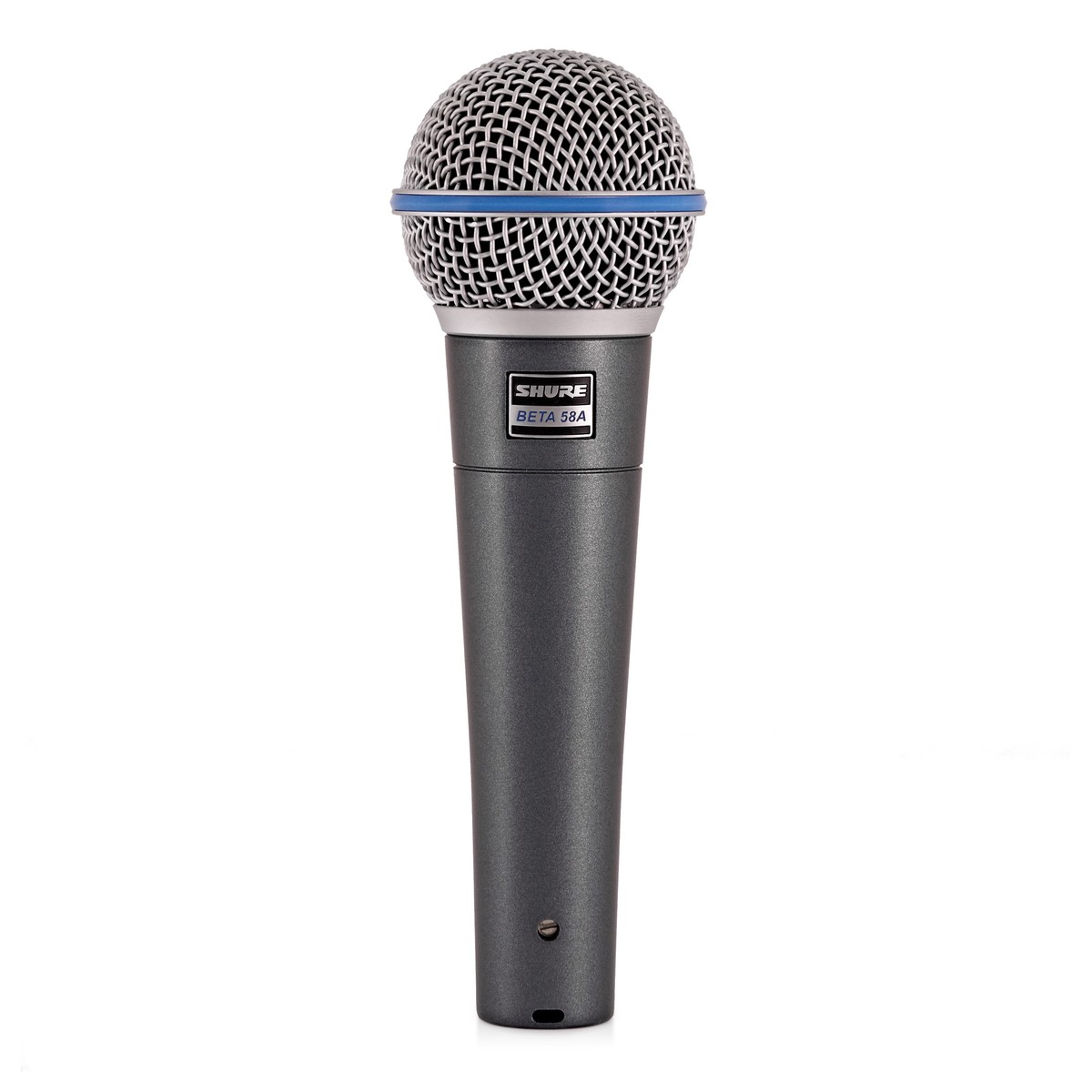
At the core of the device is the Shure Beta 58A, a high-output dynamic microphone capsule. Unlike the standard SM58, the Beta 58A is engineered for enhanced presence and sensitivity. The capsule is tailored for live vocal reproduction, focusing on a frequency response that delivers clarity in the midrange while maintaining a full low-end response. The supercardioid polar pattern of the Beta 58A provides excellent isolation from other sound sources on stage, reducing the risk of feedback.
Transmission and Connectivity
The BLX2 transmitter utilizes Shure's analogue wireless technology. The 'T11' designation indicates the specific frequency range it operates within, ensuring compatibility with other T11-band Shure analogue wireless receivers. The system is designed for quick setup and reliable signal stability, allowing performers to focus on their delivery rather than technical troubleshooting. The handheld form factor is ergonomically balanced for extended use during live sets.
Sound Character
The audio profile of the BLX2/B58-T11 is described as rich, warm, and accurate. The Beta 58A capsule provides a slight boost in the upper-mid frequencies, which helps vocals 'cut through' a dense instrument mix. This character makes it particularly effective for lead vocalists who need their voice to remain prominent and intelligible in loud stage environments.
Comparison to Alternatives
When compared to other industry standards, the BLX2/B58-T11 occupies a specific niche. While the standard Shure SM58 is prized for its ruggedness and flat response, the Beta 58A capsule in this unit offers higher sensitivity and a tighter pickup pattern. In comparison to high-end alternatives like the Sennheiser e945 or e935, the Shure system is often preferred for its specific 'warm' coloration. It sits as a more modern, high-output alternative to the classic SM58 wireless variants, providing a more detailed top-end response.
Related gear
 £563.00 ($715)
Electro-Voice
Electro-Voice RE20 Dynamic Cardioid Microphone
 £148.75 ($189)
Sennheiser
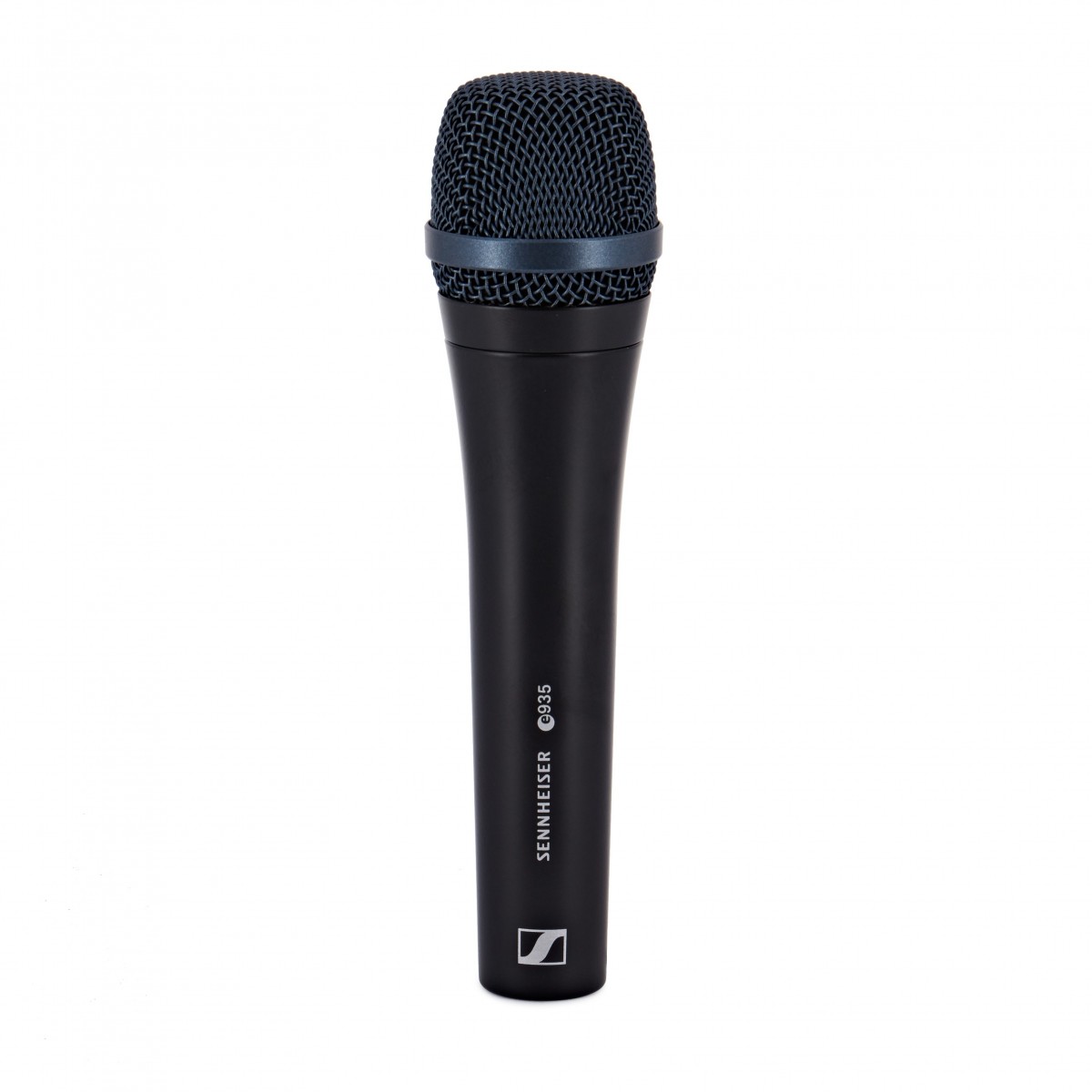
Sennheiser e935 Dynamic Vocal Microphone
 £142.25 ($181)
Shure
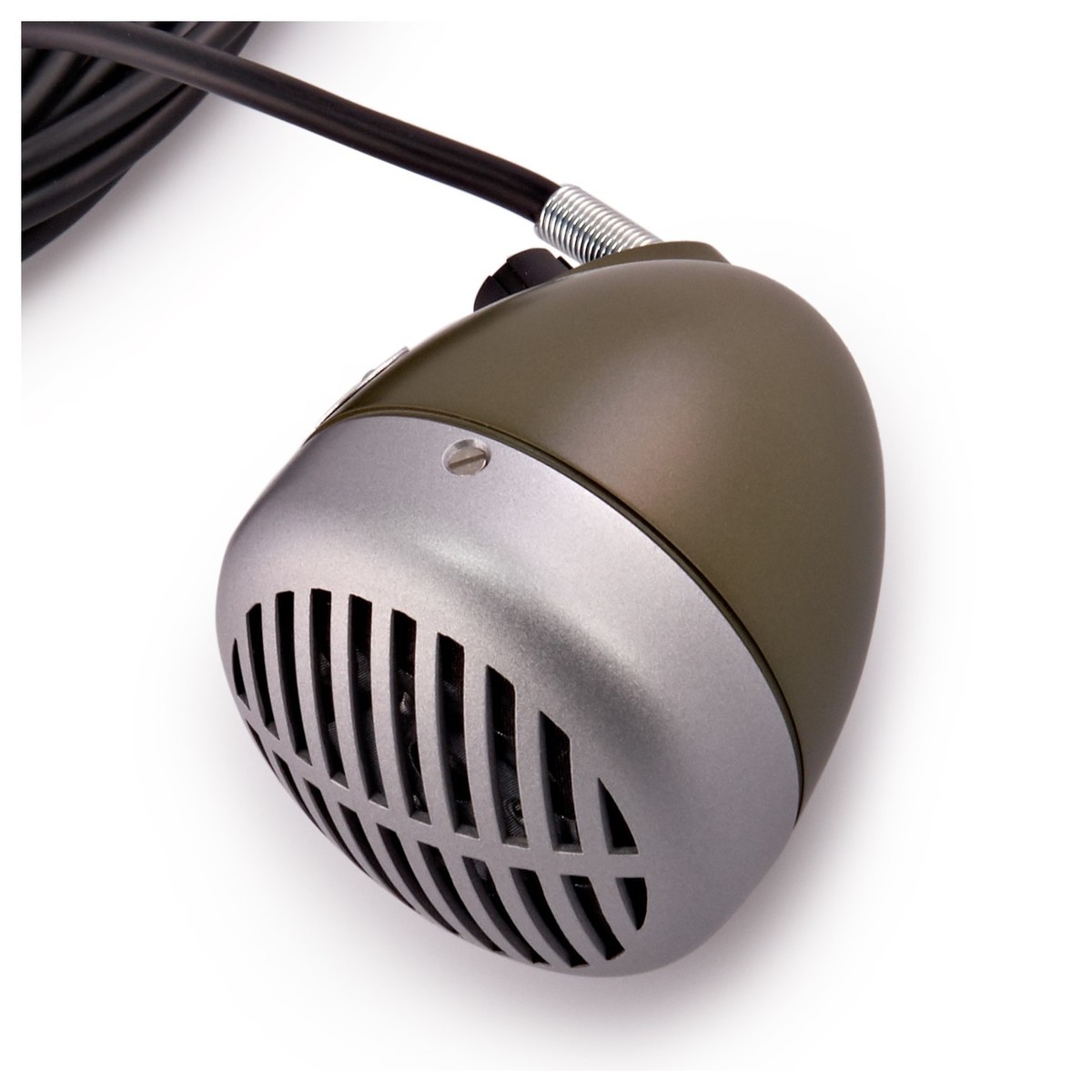
Shure 520DX Green Bullet Harmonica Microphone
 £161.50 ($205)
Shure
Shure Beta 58A Dynamic Microphone
 £259.00 ($329)
Shure
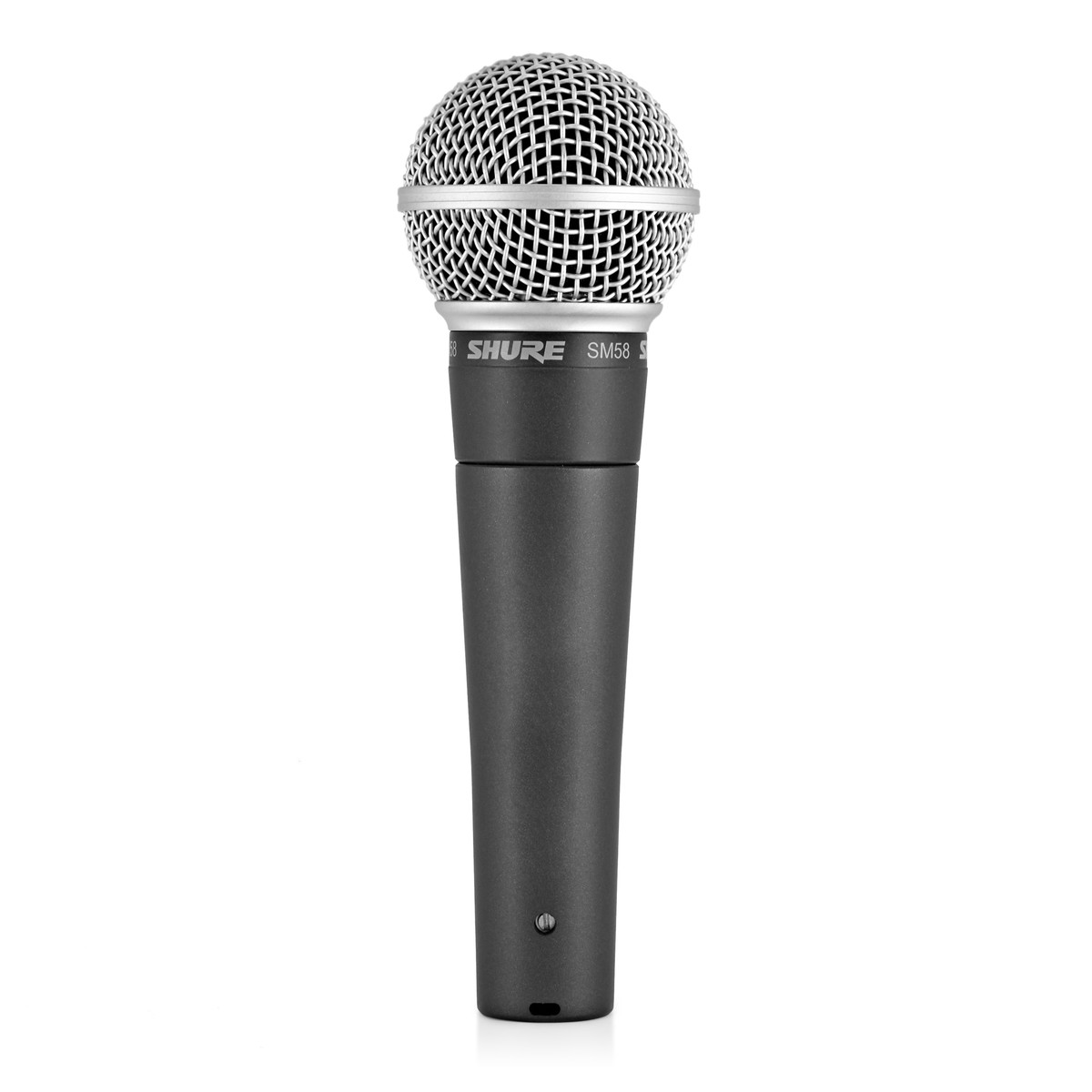
Shure SM58 Dynamic Cardioid Vocal Microphone
 £149.00 ($189)
Sennheiser
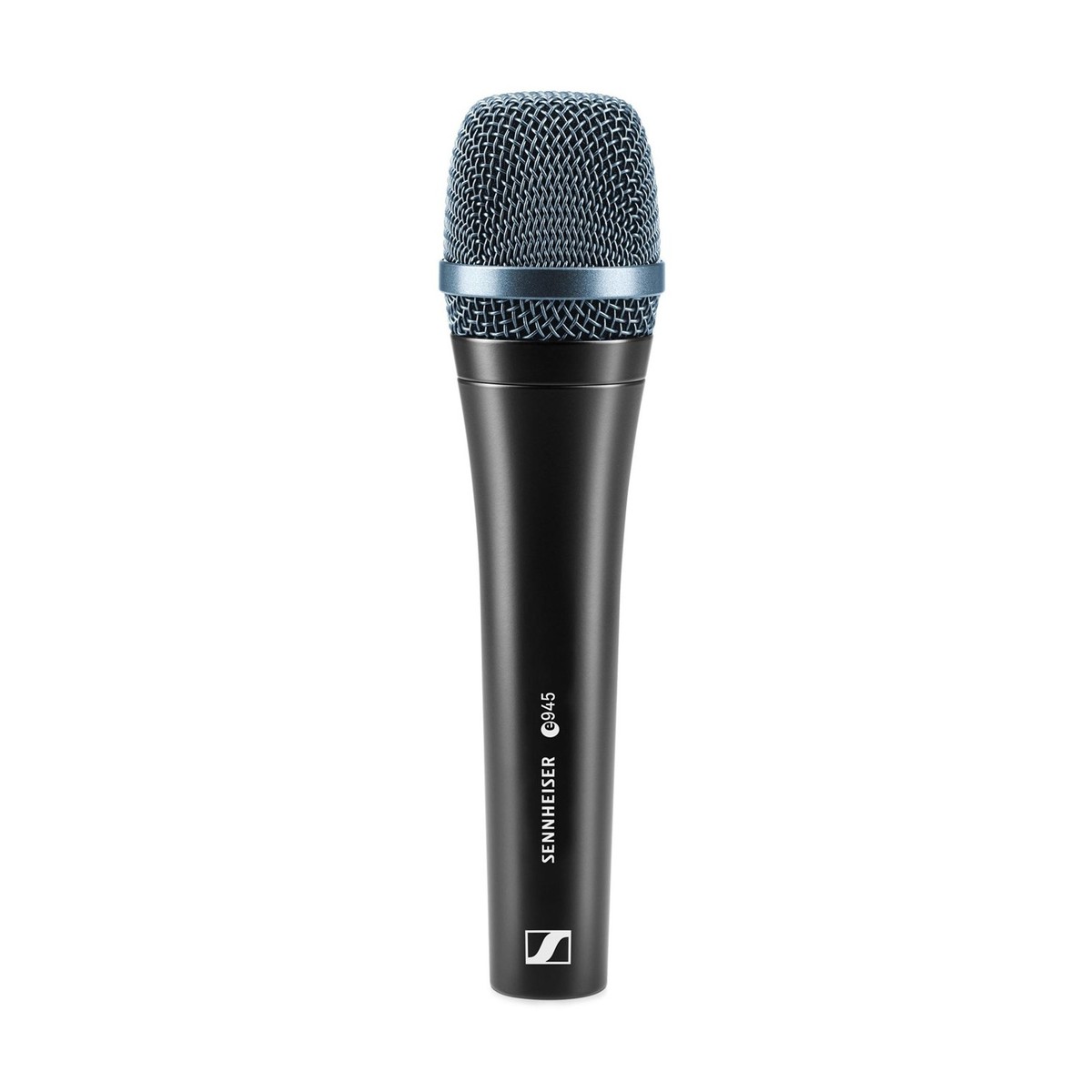
Sennheiser e945 Dynamic Vocal Microphone
 £103.50 ($131)
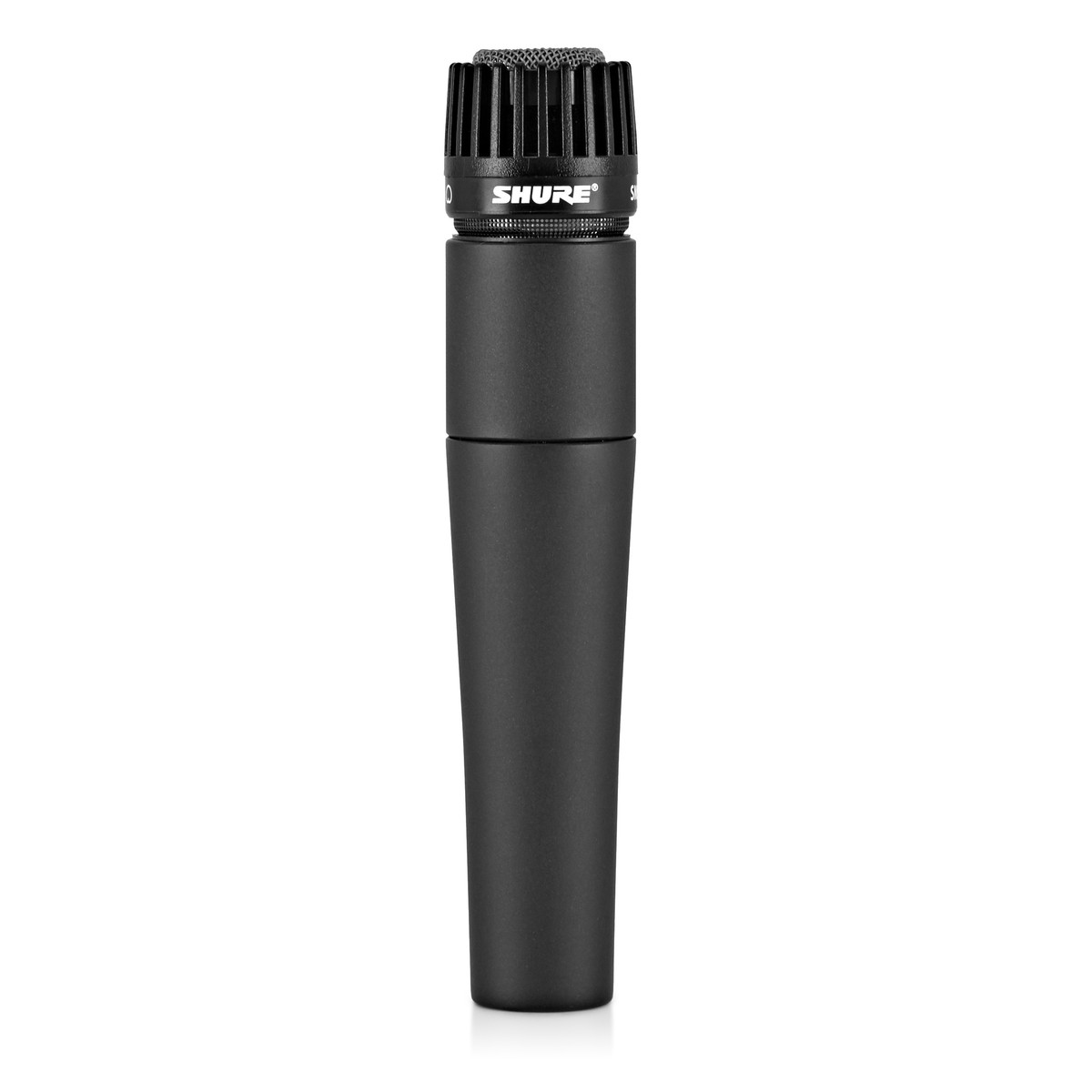
Shure
Shure SM57 Dynamic Instrument Microphone
 £1,080.00 ($1,372)
Sennheiser
Sennheiser MD 441-U Dynamic Supercardioid Microphone
Frequently asked questions
- What is the Shure BLX2/B58-T11?
- It is a wireless handheld transmitter that combines the Shure Beta 58A dynamic microphone capsule with the BLX2 analogue transmitter hardware. It is designed for live vocal use in professional settings.
- What capsule does this transmitter use?
- This transmitter uses the Beta 58A dynamic capsule. This is a premium capsule known for a bright midrange and high output compared to the standard SM58.
- What does 'T11' refer to in the product name?
- T11 refers to the specific frequency band used for wireless transmission. This transmitter must be paired with a Shure receiver that also operates on the T11 band to function correctly.
- Is this a digital or analogue wireless system?
- The BLX2/B58-T11 uses Shure's reliable analogue wireless transmission technology. It is designed to work within Shure's analogue wireless ecosystem.
- How does the sound character differ from an SM58?
- The Beta 58A capsule provides a warmer and more detailed audio reproduction with a focused supercardioid pattern. It is designed to offer more 'air' and clarity in the vocals compared to the flatter response of an SM58.
- Who is this microphone best suited for?
- It is ideal for professional vocalists who need to move freely on stage without cables. Its sound profile is specifically tailored for lead and backing vocals in live environments.
- What is the typical price for this unit?
- The typical price for the Shure BLX2/B58-T11 is approximately £258. Prices may vary slightly based on the retailer and current market conditions.
- Can I use this transmitter with any Shure receiver?
- No, it must be used with a Shure analogue wireless receiver that supports the T11 frequency band. Compatibility across different frequency bands is not possible.
- What is the polar pattern of the Beta 58A capsule?
- The Beta 58A features a supercardioid polar pattern. This provides high gain before feedback and excellent isolation from off-axis sounds on a busy stage.
- Is the capsule interchangeable?
- While Shure offers various capsules, the BLX series transmitters typically come with a fixed capsule integrated into the transmitter body. This specific model features the Beta 58A.
- How does it compare to the Sennheiser e945?
- Both are high-quality supercardioid dynamic microphones, but the Shure Beta 58A is often noted for its specific 'warm' Shure midrange. The Sennheiser e945 is another popular alternative known for a natural and smooth response.
- Is this microphone suitable for recording in a studio?
- While primarily designed for live use due to its wireless nature and feedback rejection, the Beta 58A capsule is high-quality enough for demo recording. However, a wired version is generally preferred in studio environments to avoid wireless interference.