Gear article
Shure MV7+ Podcast Microphone
The Shure MV7+ is a hybrid USB-C and XLR dynamic microphone designed for podcasting, streaming, and music production. It features advanced Digital Signal Processing (DSP) and a customisable LED touch panel, serving as an evolved version of the original MV7 for modern content creators.
See live pricesBackground and Design
The Shure MV7+ is a professional-grade dynamic microphone that builds upon the legacy of Shure’s broadcast equipment. It is designed to bridge the gap between amateur home setups and professional recording studios. The most striking physical update is the customisable LED touch panel, which allows users to choose from millions of colours for aesthetic personalisation while serving functional roles like level monitoring and instant muting.
Connectivity and Workflow
A primary feature of the MV7+ is its hybrid output capability. The inclusion of both USB-C and XLR outputs allows for significant flexibility:
- USB-C Mode: Enables direct connection to computers and mobile devices, providing access to internal DSP features and digital controls.
- XLR Mode: Allows the microphone to be used with traditional analogue audio interfaces, mixers, and preamps, similar to the classic Shure SM7B.
This dual-output design ensures that the microphone can grow with a creator's setup, transitioning from a simple USB plug-and-play device to a core component of a professional analogue signal chain.
Advanced Digital Signal Processing
The MV7+ leverages powerful onboard DSP accessible via the MOTIV Mix and MOTIV mobile apps. Key software features include:
- Digital Popper Stopper: Electronically reduces plosive sounds without the need for a physical pop filter.
- Real-time Denoiser: Removes unwanted background noise to ensure a clean signal in untreated rooms.
- Onboard Reverb: Adds spatial depth to vocals directly within the microphone's processing.
- Voice Isolation Technology: Focuses specifically on the user's voice, minimising the pickup of room reflections and ambient noise.
Sound Character and Suitability
The microphone is engineered with an optimised frequency response that prioritises vocal clarity and a natural tone. As a dynamic microphone, it is naturally more forgiving in non-acoustic environments compared to sensitive condenser microphones like the Neumann TLM 103 or TLM 102. It is particularly suited for podcasters, live streamers, and musicians who require a 'broadcast' sound without the high gain requirements of the standard Shure SM7B.
Market Comparison
Within the Shure ecosystem, the MV7+ sits between the entry-level handheld dynamics and the flagship SM7B. While the SM7B is a pure analogue industry standard, the MV7+ offers modern conveniences like direct headphone monitoring and internal effects. Compared to high-end condensers like the Neumann KM 185 MT or the G4M Studio Condenser, the MV7+ provides superior off-axis rejection, making it better suited for users recording in bedrooms or offices rather than sound-treated studio booths.
Related gear
 £39.98 ($51)
SoundMagic
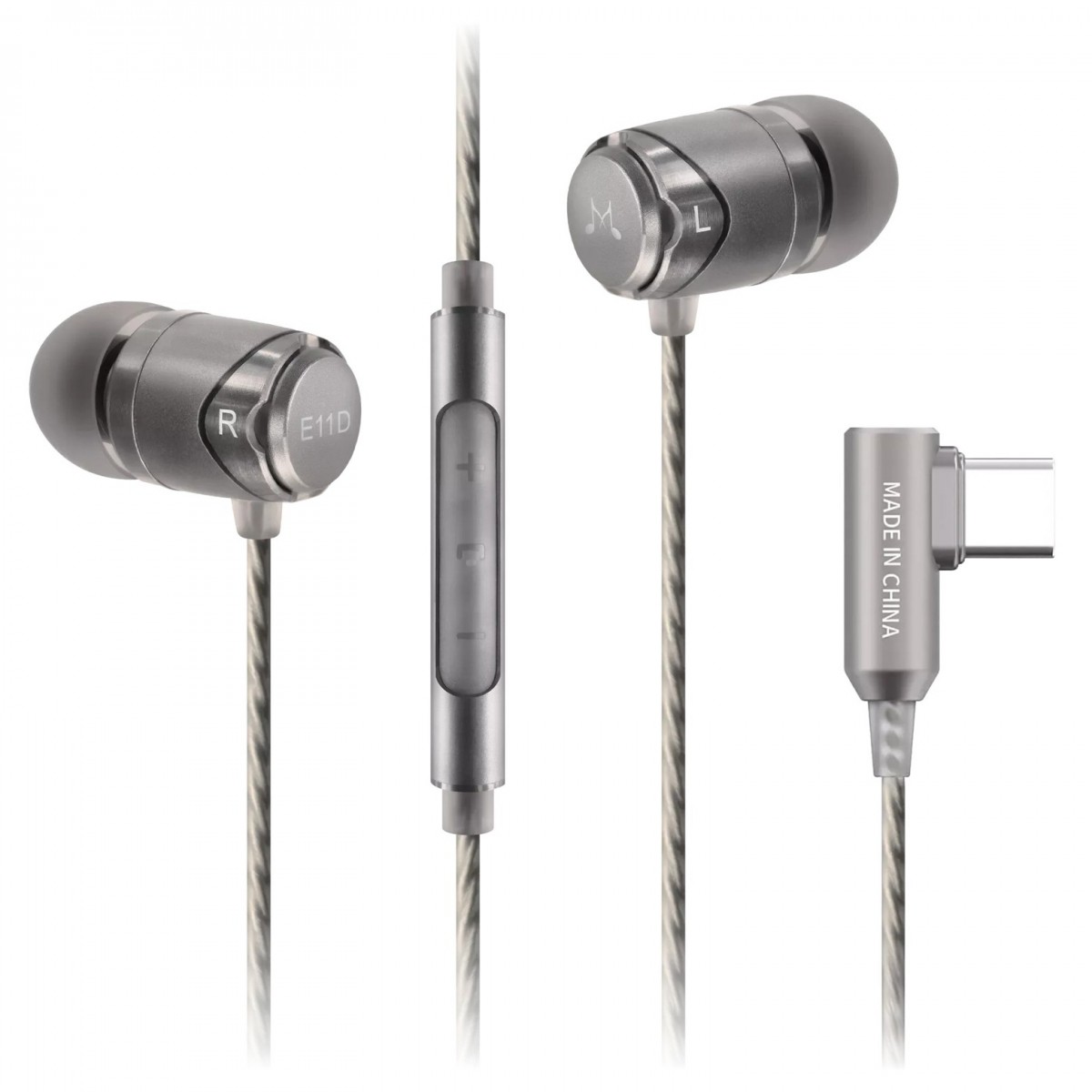
SoundMAGIC E11D In Ear Isolating USB-C Earphones with Mic Silver
 £709.28 ($901)
Neumann
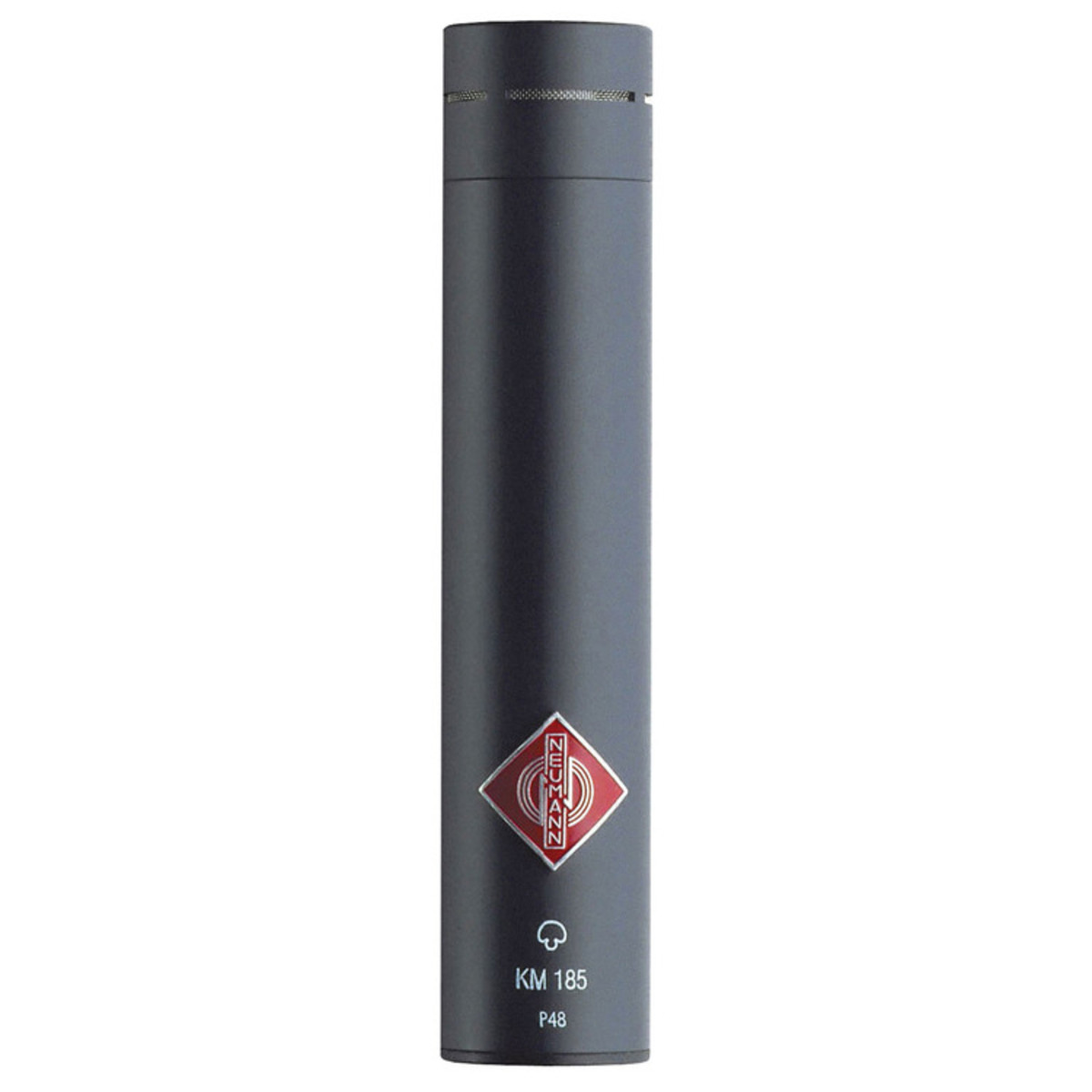
Neumann KM 185 MT Super-Cardioid Compact Condenser Mic Black
 £139.99 ($178)
G4M
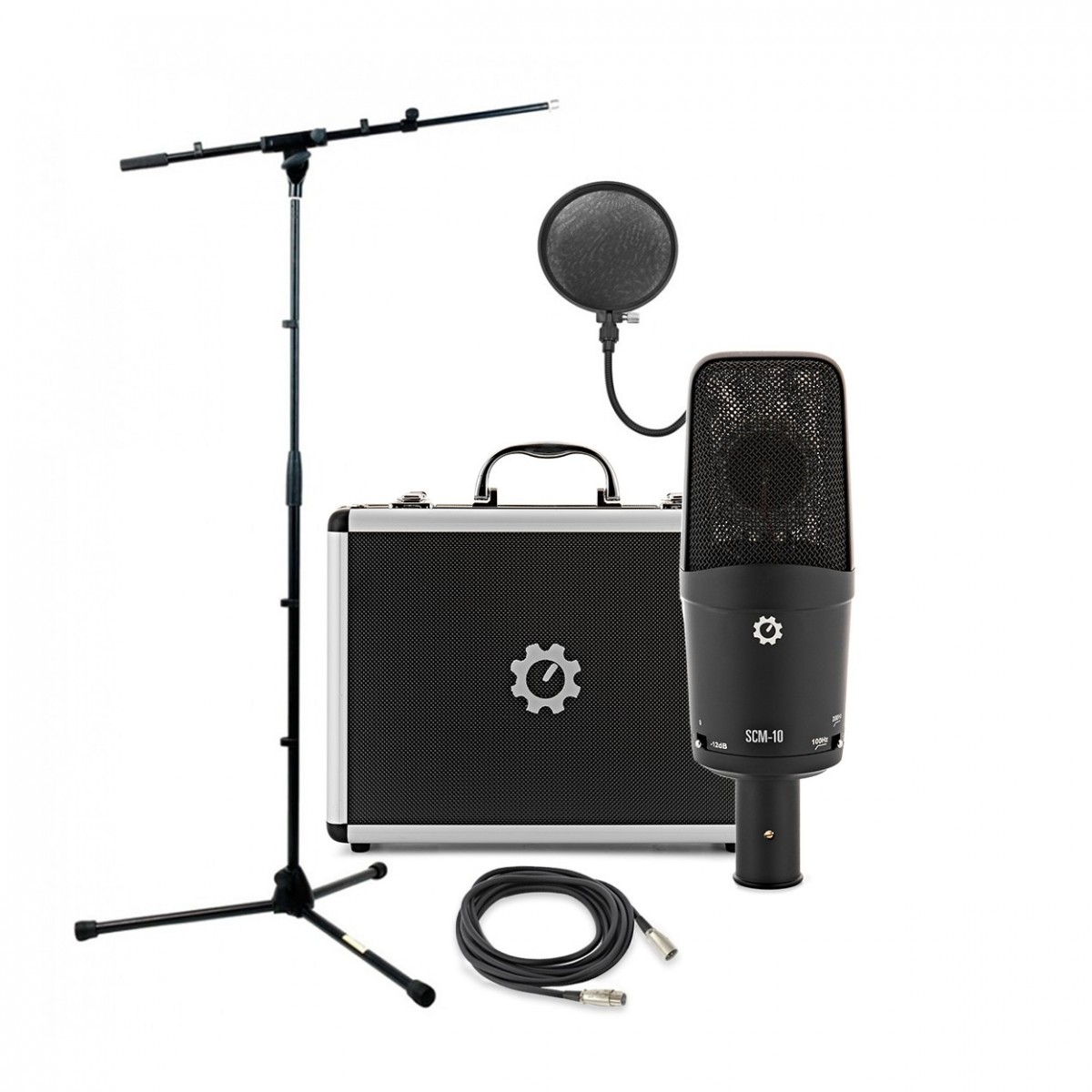
G4M Studio Condenser Microphone Home Recording Pack
 £258.50 ($328)
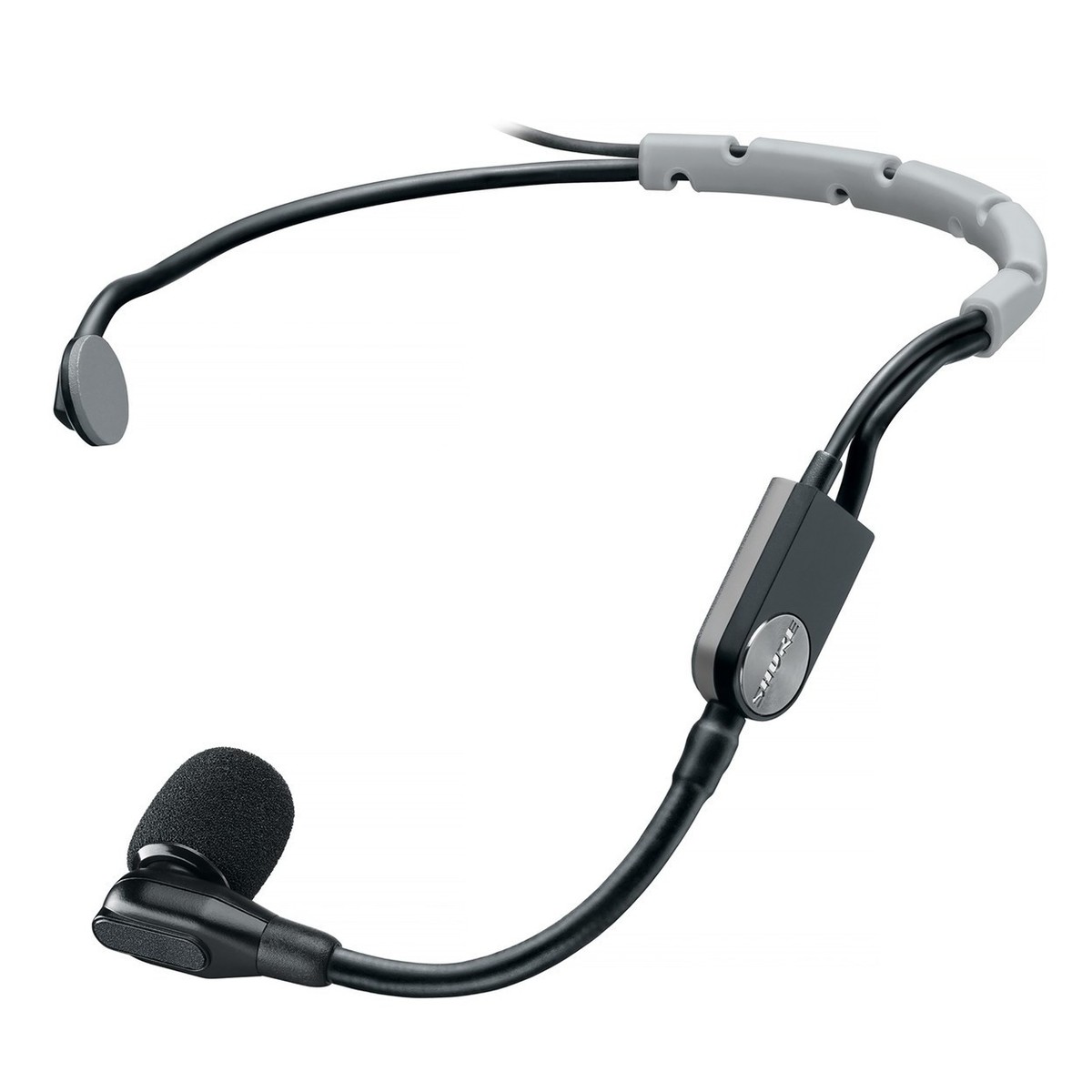
Shure
Shure SM35-XLR Cardioid Condenser Headset Microphone
 £201.19 ($256)
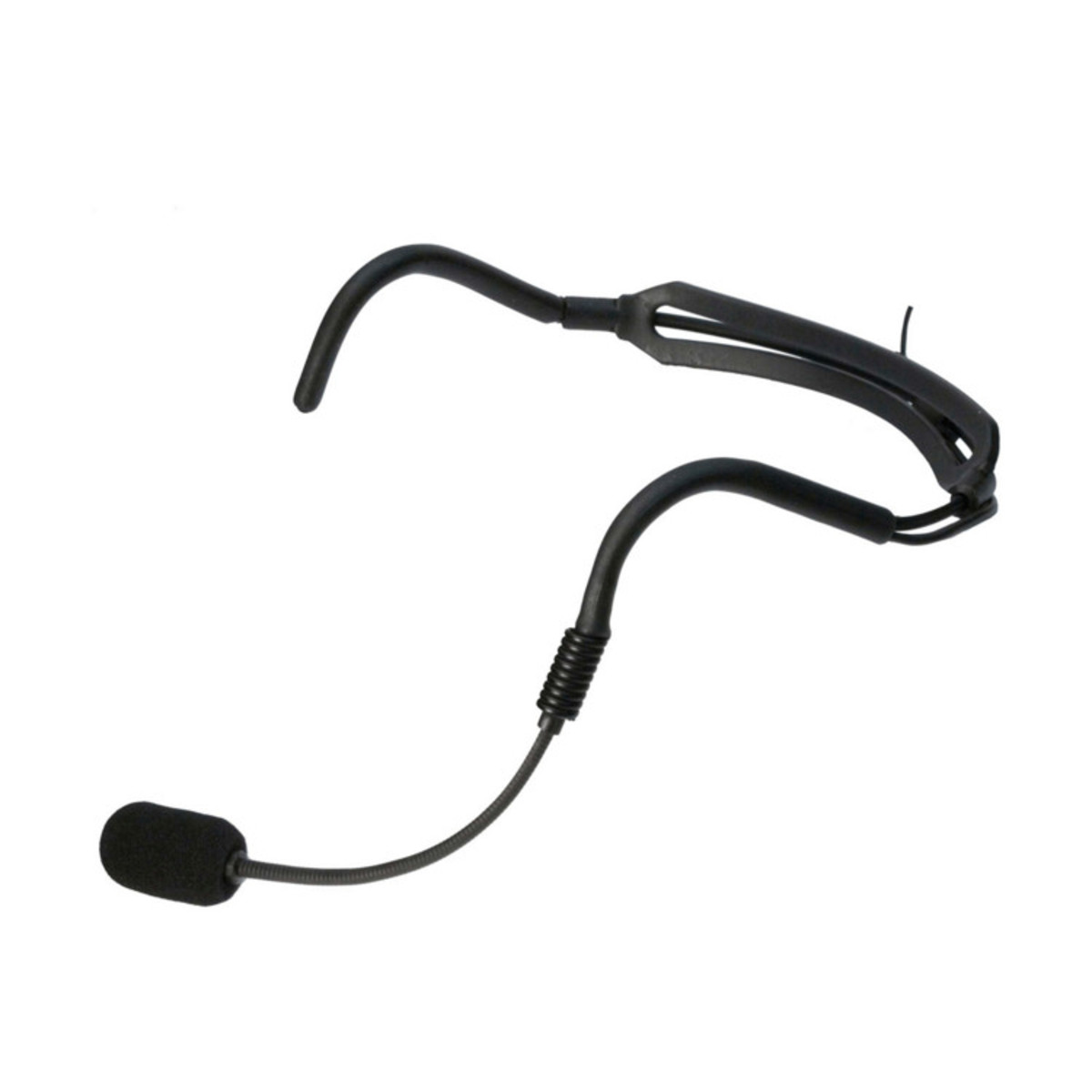
Audix
Audix HT2 Super Cardioid Headset Condenser Mic With 3 Pin Mini XLR
 £655.91 ($833)
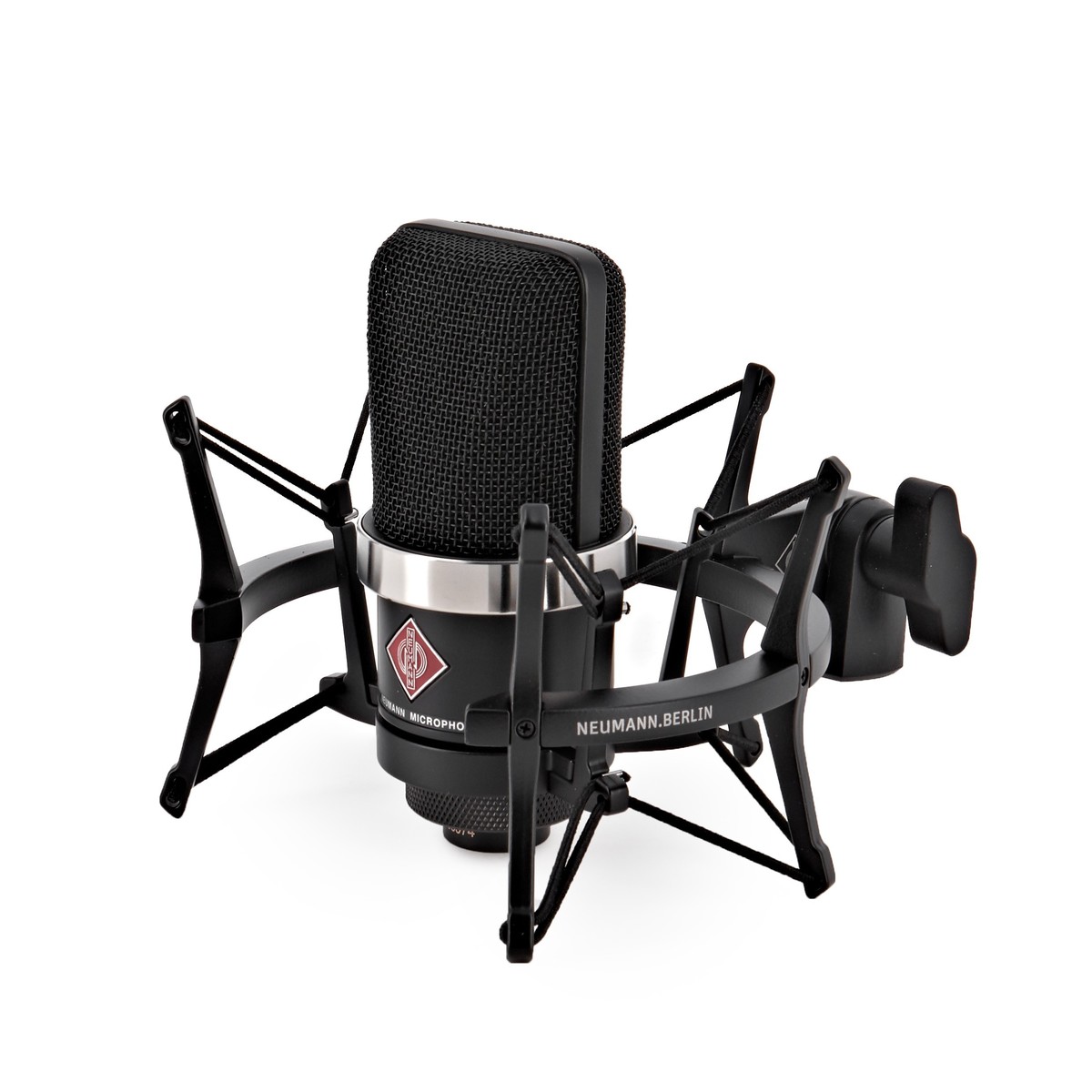
Neumann
Neumann TLM 102 Microphone Studio Set Black
 £1,110.08 ($1,410)
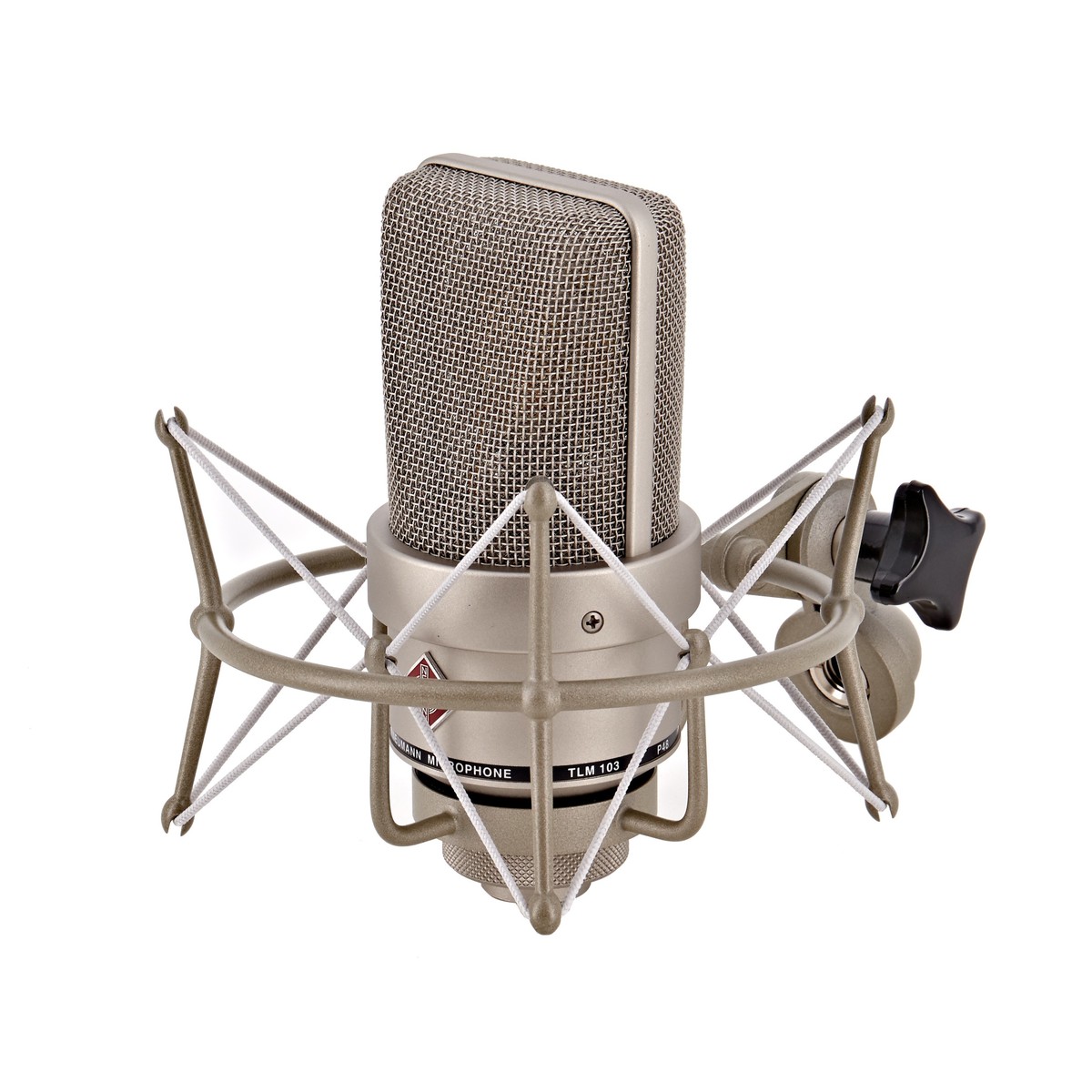
Neumann
Neumann TLM 103 Studio Set Microphone Nickel
 £381.50 ($485)
Shure
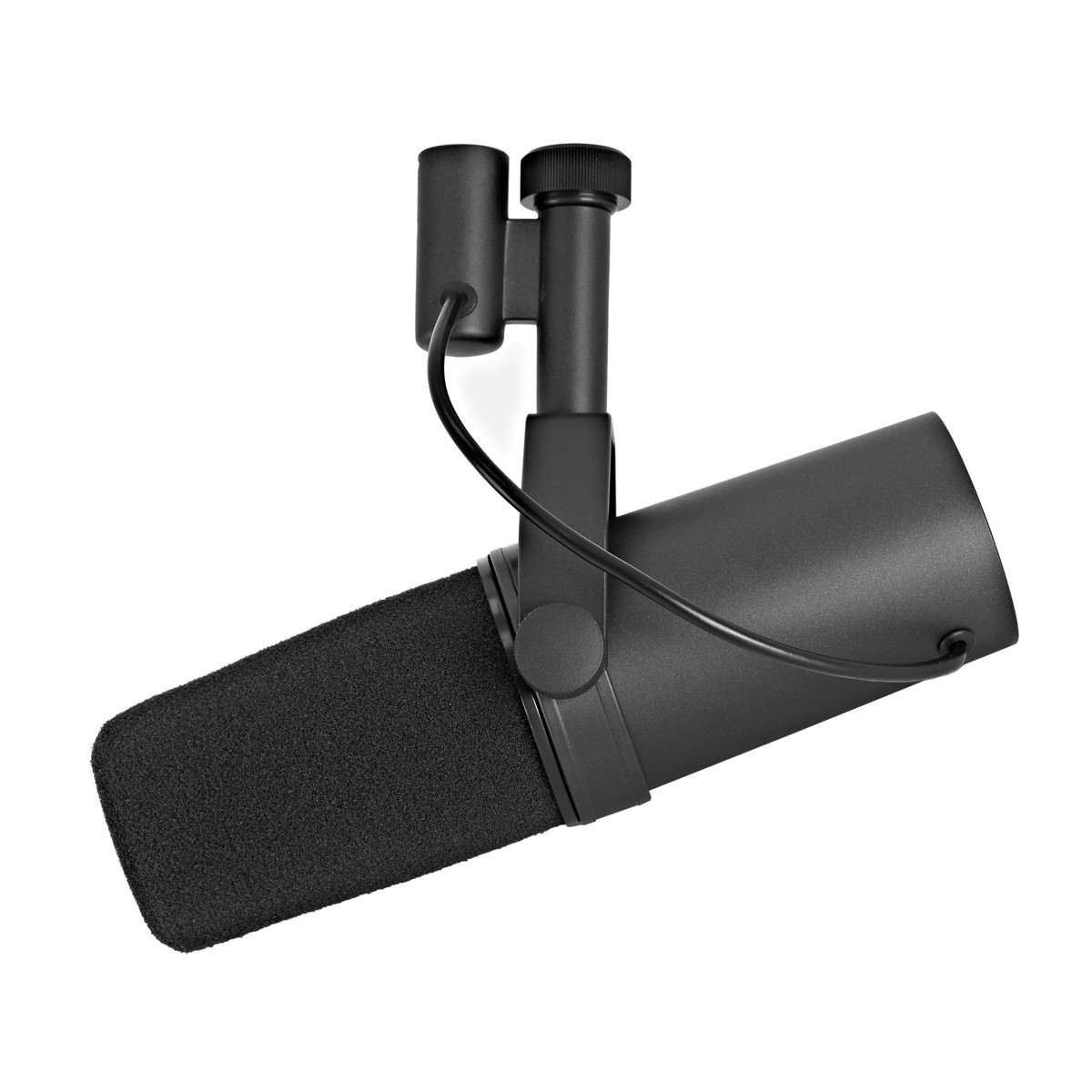
Shure SM7B Dynamic Studio Microphone
Frequently asked questions
- What is the main difference between the original MV7 and the MV7+?
- The MV7+ features an updated USB-C output, a new customisable LED touch panel with millions of colours, and enhanced DSP features such as the Digital Popper Stopper and real-time Denoiser.
- Can I use both the USB and XLR outputs at the same time?
- Yes, the hybrid design allows for simultaneous digital and analogue recording, which is useful for creating a backup track during a live session.
- What software do I need to control the MV7+ features?
- Users should use the Shure MOTIV Mix desktop app or the MOTIV mobile apps to access advanced DSP settings, lighting controls, and firmware updates.
- Does the MV7+ require phantom power?
- No, as a dynamic microphone, it does not require phantom power when used via XLR. When used via USB, it is powered by the connected device.
- What is the Digital Popper Stopper?
- It is a DSP-based feature that digitally identifies and eliminates harsh plosive sounds (like 'P' and 'B' sounds) to keep the audio clean without a bulky physical filter.
- How does the Real-time Denoiser work?
- The onboard DSP analyses the incoming audio and suppresses consistent background noise, such as fans or air conditioning, before the audio reaches your recording software.
- Can I monitor my audio directly from the microphone?
- Yes, the MV7+ features a built-in 3.5mm headphone jack for zero-latency direct monitoring of your voice and system audio.
- Is the LED panel just for decoration?
- While it can be personalised with millions of colours for aesthetics, it also functions as a live meter for audio levels and a touch-sensitive mute button.
- Is the Shure MV7+ good for singing?
- Yes, its optimised frequency response and natural tone make it a versatile tool for musicians recording vocals in home studio environments.
- How does the MV7+ compare to the Shure SM7B?
- The MV7+ is more versatile for home users as it has a built-in USB interface and requires less gain, whereas the SM7B is a strictly analogue professional studio standard.
- What does Voice Isolation Technology do?
- This technology uses a specific pickup pattern and internal processing to isolate the user's voice while rejecting unwanted background noise and room echoes.
- What type of connection does the digital output use?
- The MV7+ uses a modern USB-C connection, making it compatible with the latest computers, tablets, and smartphones.