Gear article
Shure SM7B Dynamic Studio Microphone
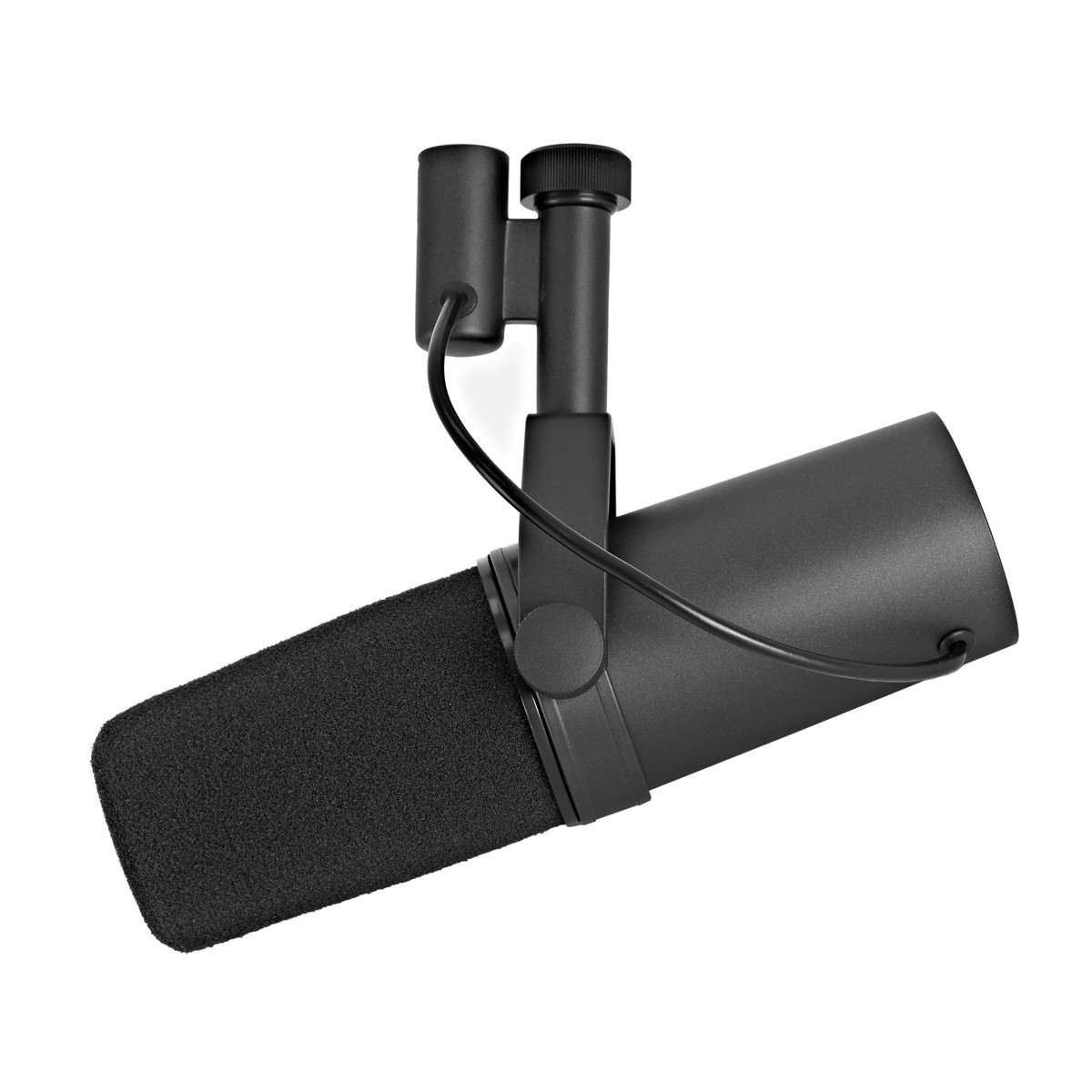
The Shure SM7B is a professional large-diaphragm dynamic microphone widely used in studio recording and broadcast environments. It is renowned for its flat, wide-range frequency response and its ability to deliver warm, clear audio for both vocals and instruments.
Background and Development
The Shure SM7B has established itself as an industry standard within the recording and broadcast sectors. Originally designed as a broadcast microphone, it evolved from earlier iterations of the SM7 line to become a staple in professional production environments. Shure developed the unit to provide high-quality audio capture while remaining resilient to the common acoustic challenges found in non-treated spaces.
Technical Features and Design
The SM7B features a cardioid polar pattern, which ensures that it primarily picks up sound from the front of the capsule while rejecting unwanted noise from the rear. This directional focus makes it particularly effective in situations where isolation is required.
Key design elements include: - Internal air suspension shock isolation which virtually eliminates mechanical noise transmission. - An integrated pop filter that removes the need for add-on protection against plosive breath sounds. - Electromagnetic shielding to defeat hum from computer monitors and other studio equipment.

Sonic Character
The microphone is frequently described by sound engineers for its unmistakable warmth and charisma. It provides a smooth, flat frequency response that preserves the natural quality of the source material. Because it is a dynamic microphone, it handles high sound pressure levels (SPL) with ease, making it as capable of recording loud musical instruments as it is at capturing intimate spoken word performances.
User Base and Applications
Thousands of top-tier producers, podcasters, and sound engineers utilise the SM7B daily. It has gained significant traction in the podcasting world due to its ability to produce professional results in diverse environments. Notable high-profile users associated with the microphone include Mick Jagger and Daniil Leshchynskyi, illustrating its versatility across rock vocals and modern digital content creation.
Comparison to Alternatives
When compared to high-end condenser microphones like the Neumann TLM 102 or TLM 103, the SM7B offers a more controlled, less sensitive capture that is often preferred in less-than-perfect acoustic environments. While small-diaphragm condensers like the Neumann KM 185 provide more transparency for acoustic instruments, the SM7B is chosen for its specific 'broadcast' weight and vocal body. It remains a more robust and affordable alternative to many large-diaphragm studio condensers.
Artists who play it

Related gear
 £39.98 ($51)
SoundMagic
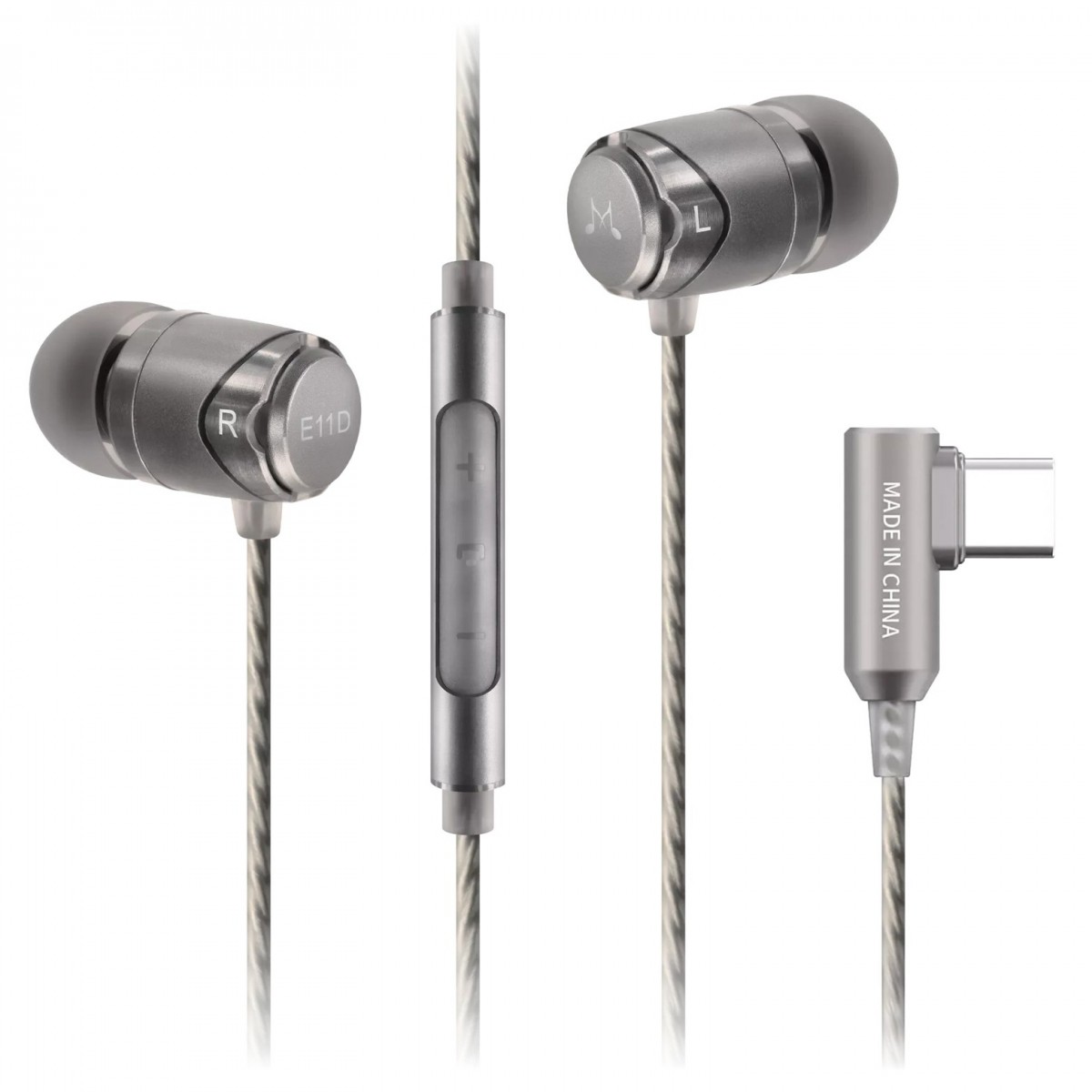
SoundMAGIC E11D In Ear Isolating USB-C Earphones with Mic Silver
 £709.28 ($901)
Neumann
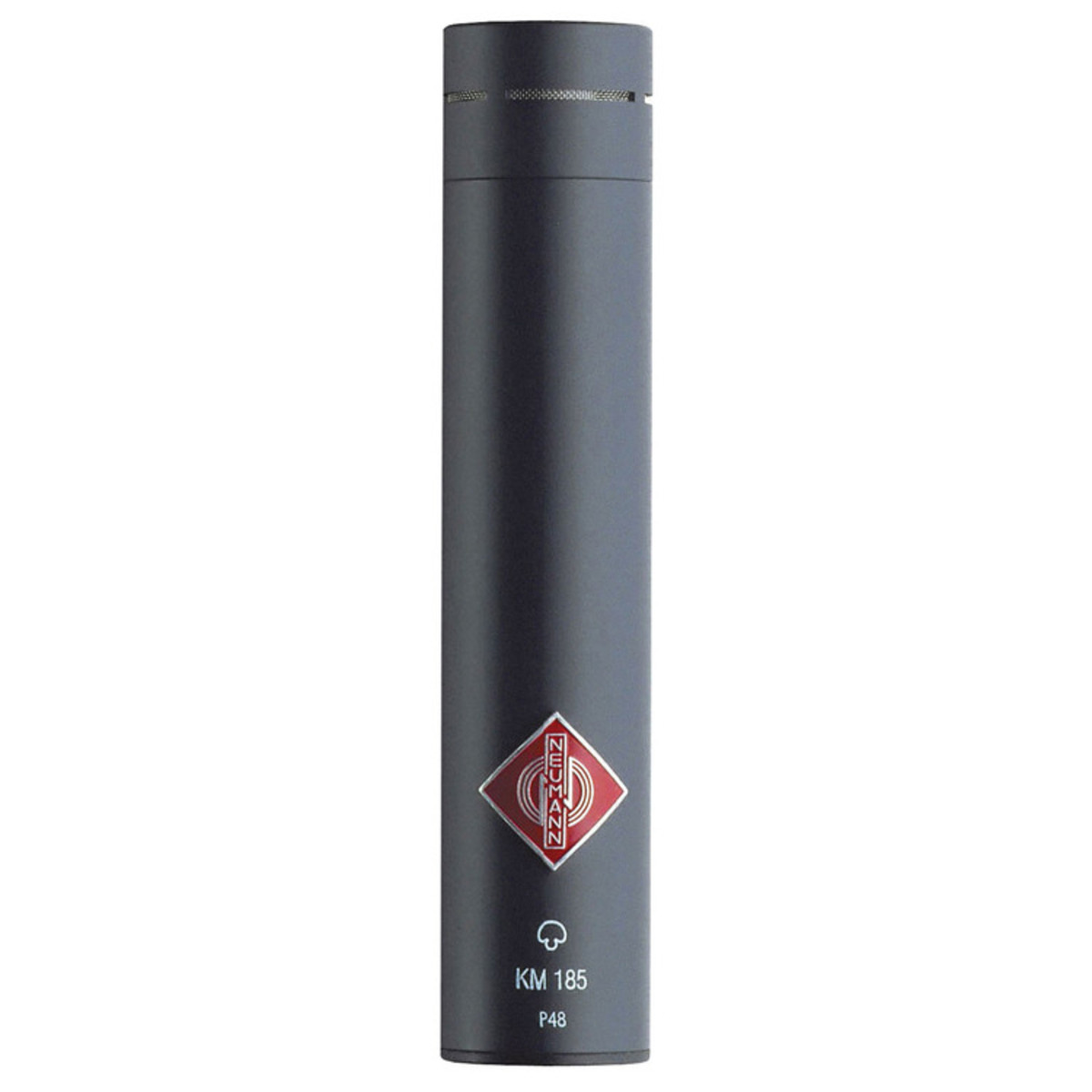
Neumann KM 185 MT Super-Cardioid Compact Condenser Mic Black
 £129.99 ($165)
G4M
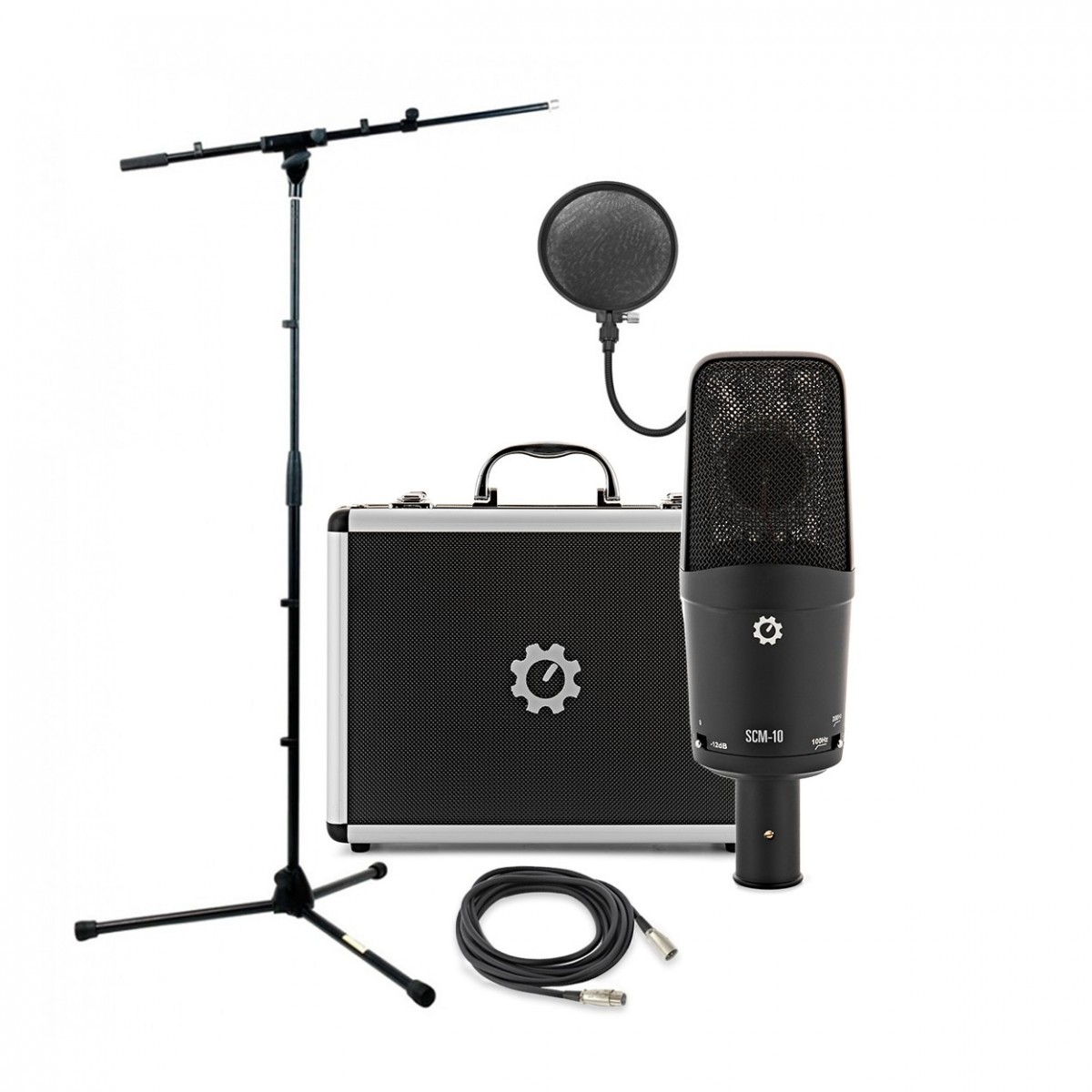
G4M Studio Condenser Microphone Home Recording Pack
 £245.00 ($311)
Shure
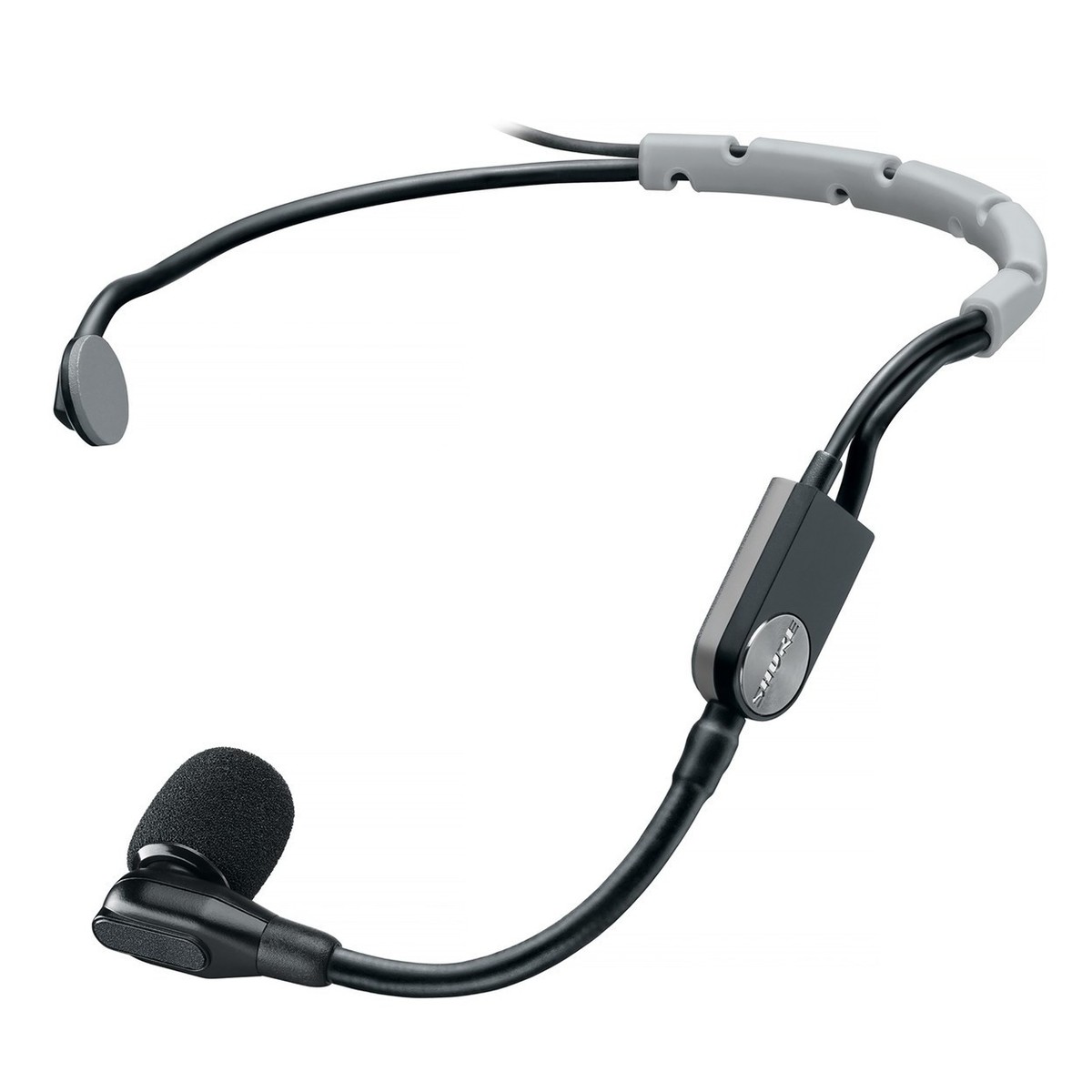
Shure SM35-XLR Cardioid Condenser Headset Microphone
 £201.19 ($256)
Audix
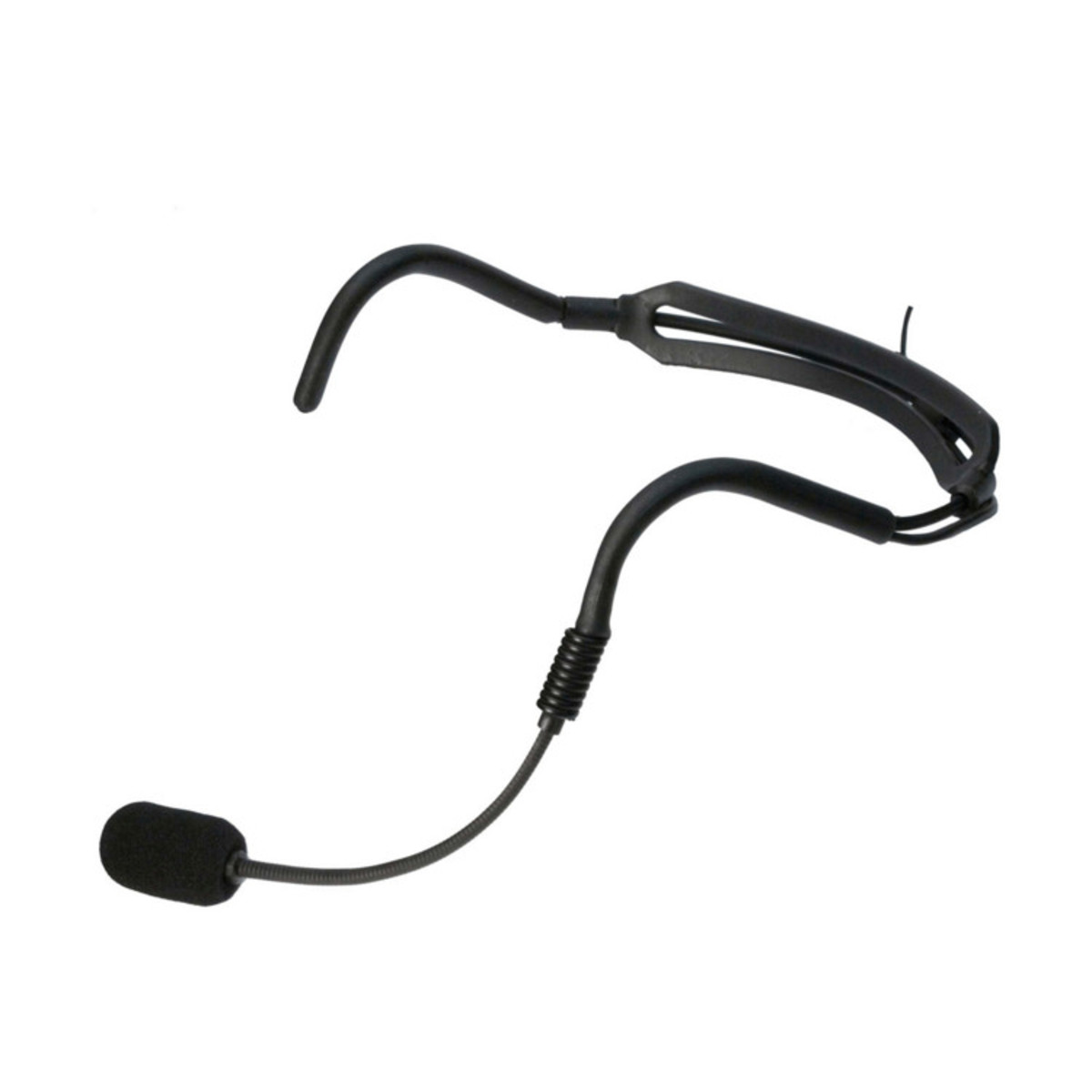
Audix HT2 Super Cardioid Headset Condenser Mic With 3 Pin Mini XLR
 £629.42 ($799)
Neumann
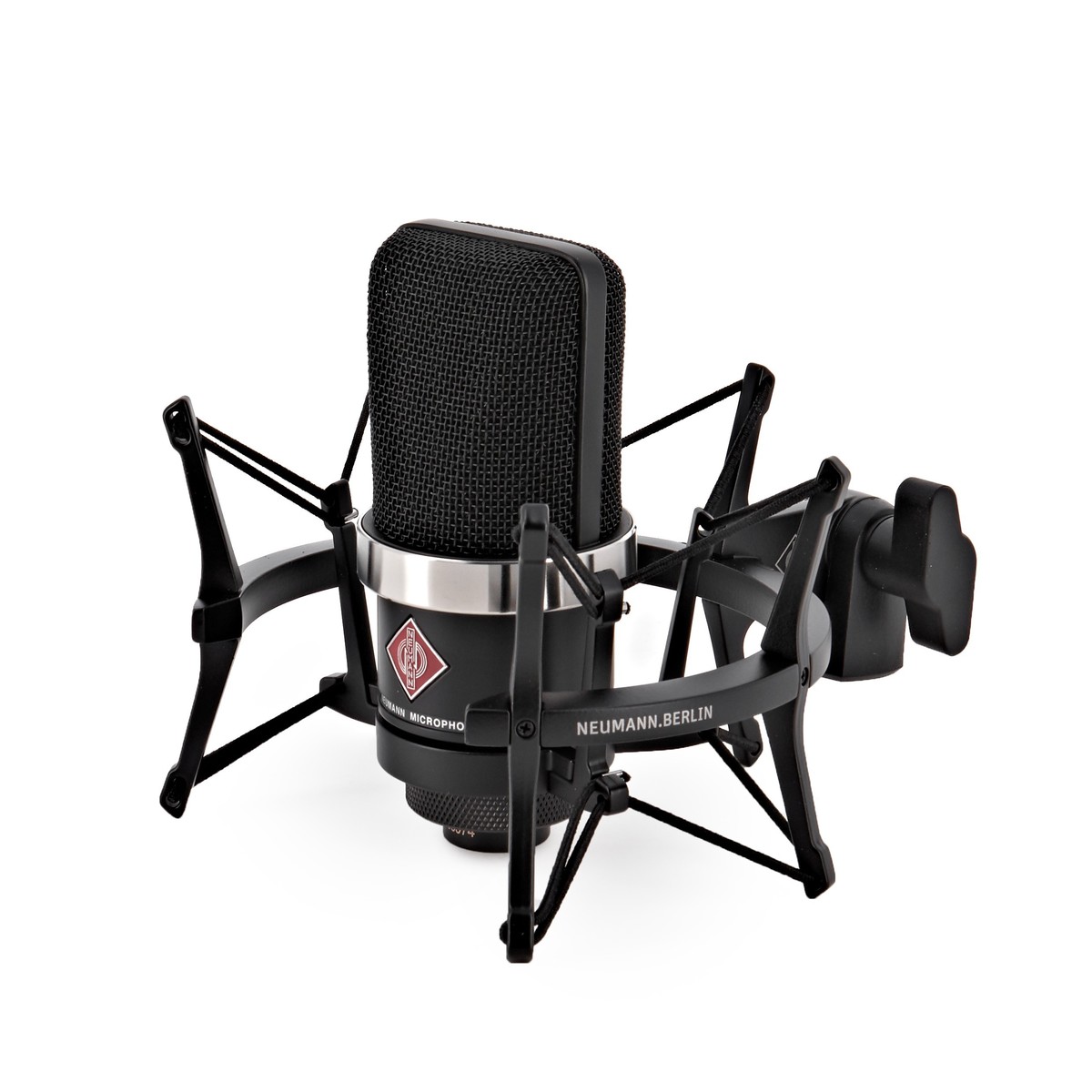
Neumann TLM 102 Microphone Studio Set Black
 £644.00 ($818)
Lewitt
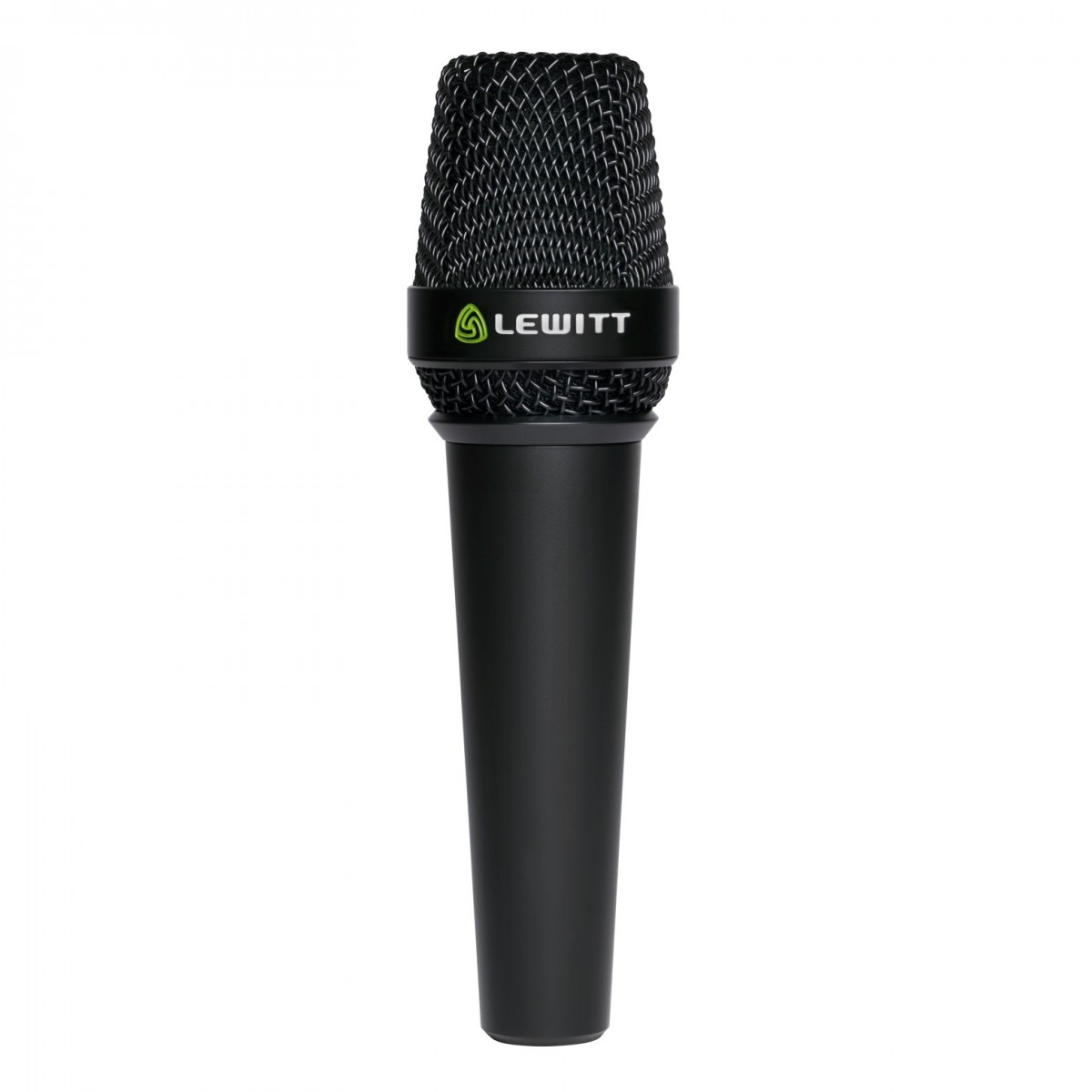
Lewitt MTPW950 Handheld Condenser Microphone
 £1,110.08 ($1,410)
Neumann
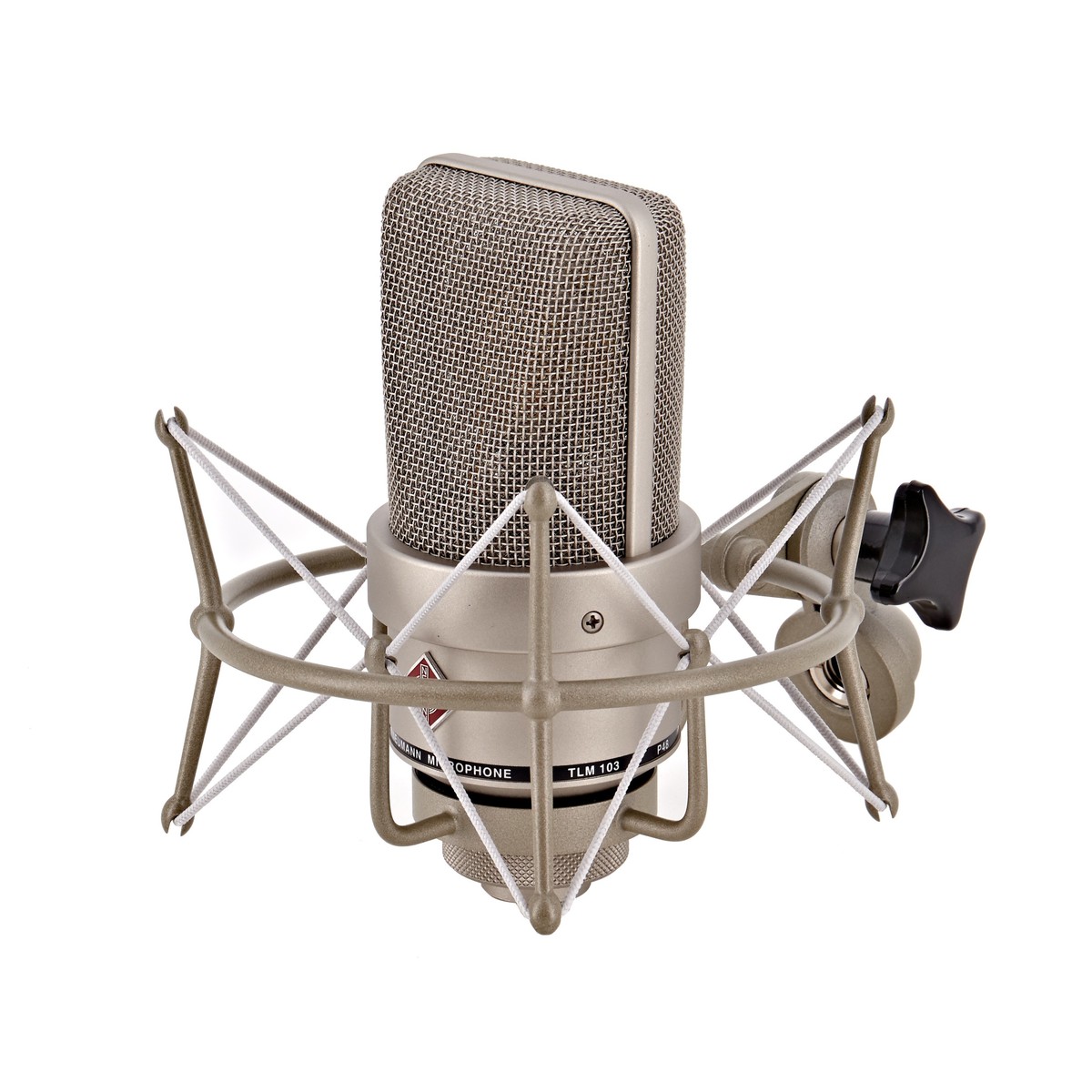
Neumann TLM 103 Studio Set Microphone Nickel
Frequently asked questions
- What type of microphone is the Shure SM7B?
- The Shure SM7B is a large-diaphragm dynamic microphone. Unlike condenser microphones, it does not require phantom power to operate, though it does require a high-gain preamp.
- Is the SM7B good for podcasting?
- Yes, it is considered one of the most popular choices for podcasters. Its cardioid pattern and internal shock mounting make it ideal for recording speech in home studios.
- Does the SM7B require phantom power?
- No, as a dynamic microphone, the SM7B does not require 48V phantom power. However, if you use an inline booster like a Cloudlifter, that booster will require phantom power.
- Why is the SM7B popular for vocals?
- It is popular because of its smooth frequency response and its ability to add a 'warm' character to the voice. It also handles loud vocalists without distorting.
- What is the polar pattern of the SM7B?
- The microphone has a fixed cardioid polar pattern. This means it is most sensitive to sound coming from the front and provides excellent rejection of background noise.
- How does the SM7B handle electromagnetic interference?
- It features advanced electromagnetic shielding. This design specifically protects the audio signal from hum caused by computer monitors and other electronic devices.
- Can the SM7B be used for instruments?
- Yes, it is highly versatile. Beyond vocals and podcasting, it is frequently used in studios to record loud sources like guitar amplifiers and drums.
- What is the typical price for a Shure SM7B?
- The microphone typically retails around GBP 382. This makes it a mid-to-high-range investment for a home studio but an affordable standard for a professional one.
- Do I need a special preamp for the SM7B?
- The SM7B has a relatively low output signal. To get the best results, you need a preamp or audio interface that can provide at least 60dB of clean gain.
- What comes in the box with the SM7B?
- It usually includes the microphone itself, a switch cover plate, and a close-talk windscreen. It features an integrated yoke mount for easy attachment to stands.
- How does it compare to the Shure SM58?
- While both are dynamic mics, the SM7B has a larger housing, a flatter frequency response, and better internal shielding. It is specifically optimized for studio use rather than live stage performance.
- Does the SM7B have adjustable settings?
- Yes, it features switches on the back for bass roll-off and mid-range emphasis (presence boost). These allow the user to tailor the microphone's response to the specific voice or instrument.