
Gear article
Sigma DMC-STE Electro Acoustic Guitar
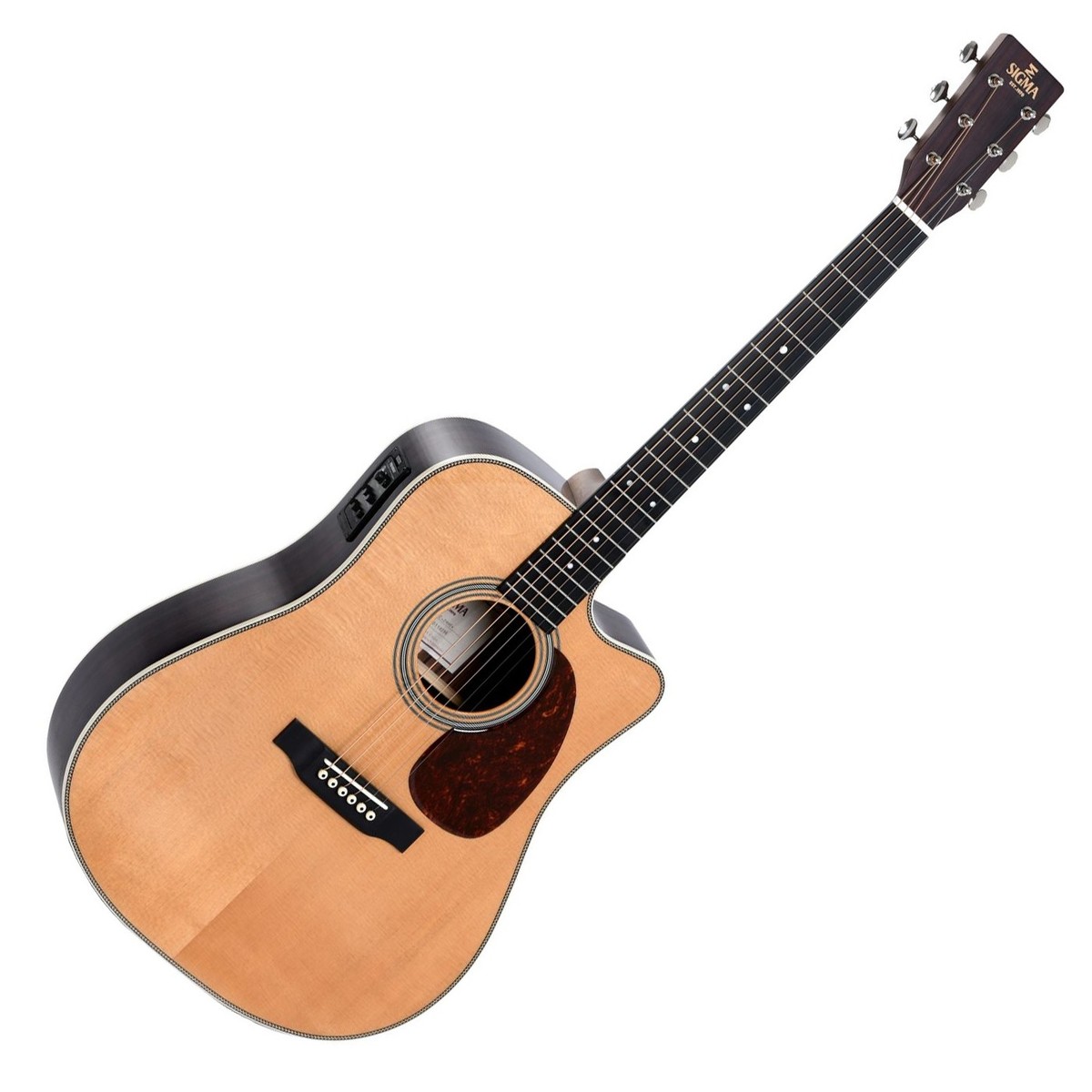
The Sigma DMC-STE is a full-sized dreadnought electro-acoustic guitar featuring a solid Sitka spruce top and mahogany back and sides. Equipped with a Fishman Isys+ preamp system, it is designed to provide a versatile performance instrument that balances traditional acoustic resonance with modern amplification capabilities.
See live pricesBackground and Design
The Sigma DMC-STE is part of Sigma's core range, reflecting the brand's reputation for producing instruments that draw heavily from traditional American acoustic designs. As a dreadnought model, it is built to offer a significant volume and a broad dynamic range. The 'C' in its model name denotes the inclusion of a cutaway, which allows players easier access to the higher frets, making it a functional choice for lead lines and complex chord voicings.
The construction utilizes a solid Sitka spruce top, a industry-standard choice for its strength and elastic properties. This is paired with mahogany back and sides, a combination frequently selected by luthiers to provide a balanced tonal foundation.
Tonewoods and Sound Profile
The choice of materials in the DMC-STE dictates its specific sonic character. The solid Sitka spruce top is responsible for the guitar's 'shimmering' and clear high-frequency response. This clarity is balanced by the mahogany back and sides, which contribute warmth, resonance, and a focused midrange.
Because of its dreadnought body shape, the instrument naturally produces strong projection and dynamics. This makes it particularly suited for heavy strumming and flatpicking, where the air volume within the large body can be fully utilised to produce a deep, resonant output.
Electronics and Hardware
For live performance and recording, the DMC-STE is fitted with the Fishman Isys+ preamp system. This electronics suite includes several tools for sound manipulation:
- Volume Control: To manage output levels directly from the guitar.
- Bass and Treble: Dedicated EQ controls for sculpting the low and high frequencies.
- Phaser Switch: Assists in phase correction and feedback reduction during live use.
- Built-in Tuner: A digital tuner with an LED display ensures the instrument remains in pitch without requiring external devices.
Comparison to Alternatives
When compared to other electro-acoustics in the market, the Sigma DMC-STE occupies a mid-range position focused on traditional specs. Smaller alternatives like the Martin LX1E or Yamaha APXT2 offer greater portability but lack the low-end resonance of the Sigma's full dreadnought body.
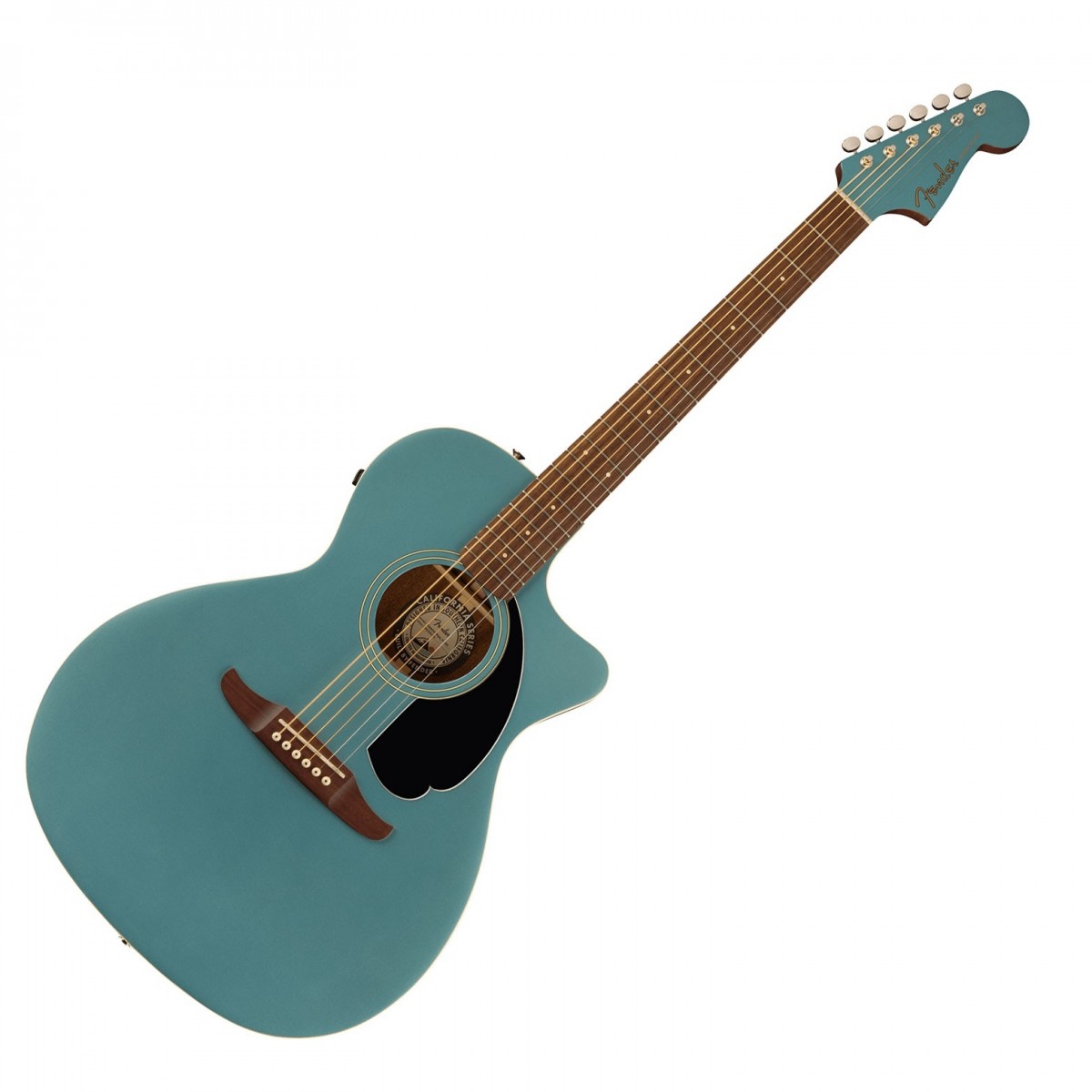
Within Sigma's own catalogue, the DTC-28HE provides a different aesthetic and tonal variation, while brands like Fender offer the Newporter Player for those seeking a more contemporary, electric-guitar-inspired neck feel. The DMC-STE remains a choice for players who prioritise a solid-top dreadnought with standard Fishman electronics.
Related gear
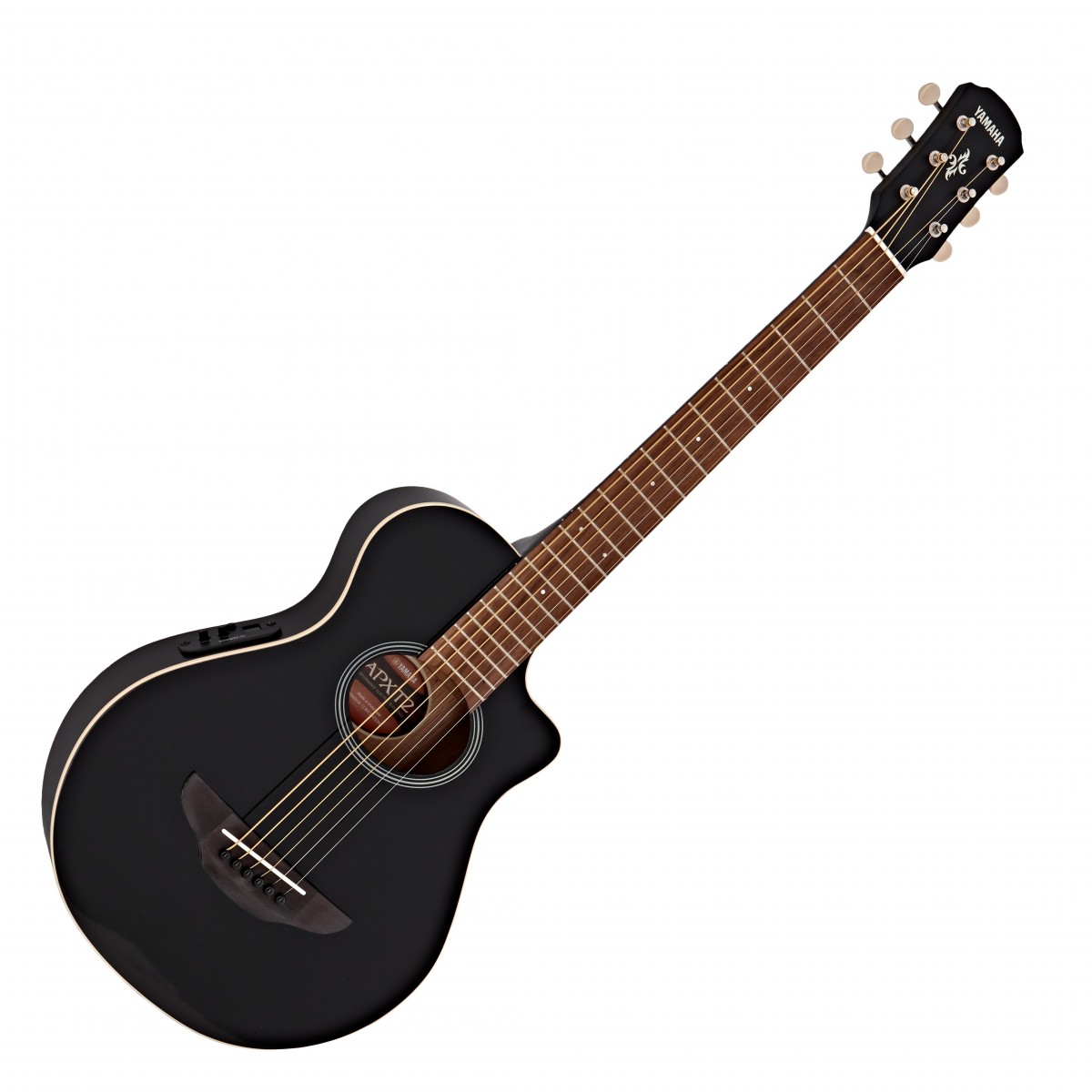 £211.00 ($268)
Yamaha
Yamaha APXT2 3/4 Electro Acoustic Black
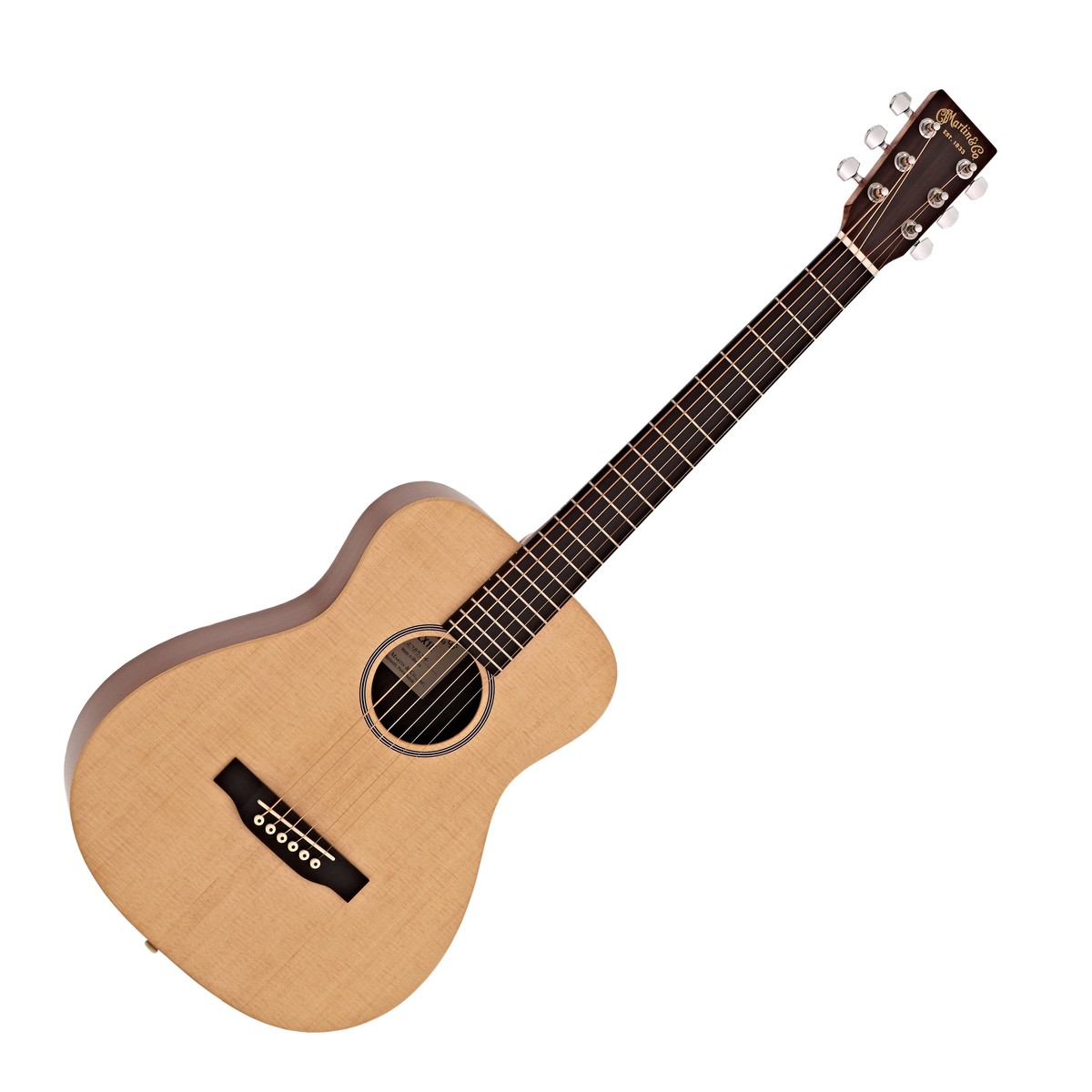 £549.00 ($697)
Martin
Martin LX1E Little Martin Electro Acoustic
 £619.00 ($786)
Gretsch
Gretsch G5022CWFE Rancher Falcon Jumbo Electro Acoustic Guitar
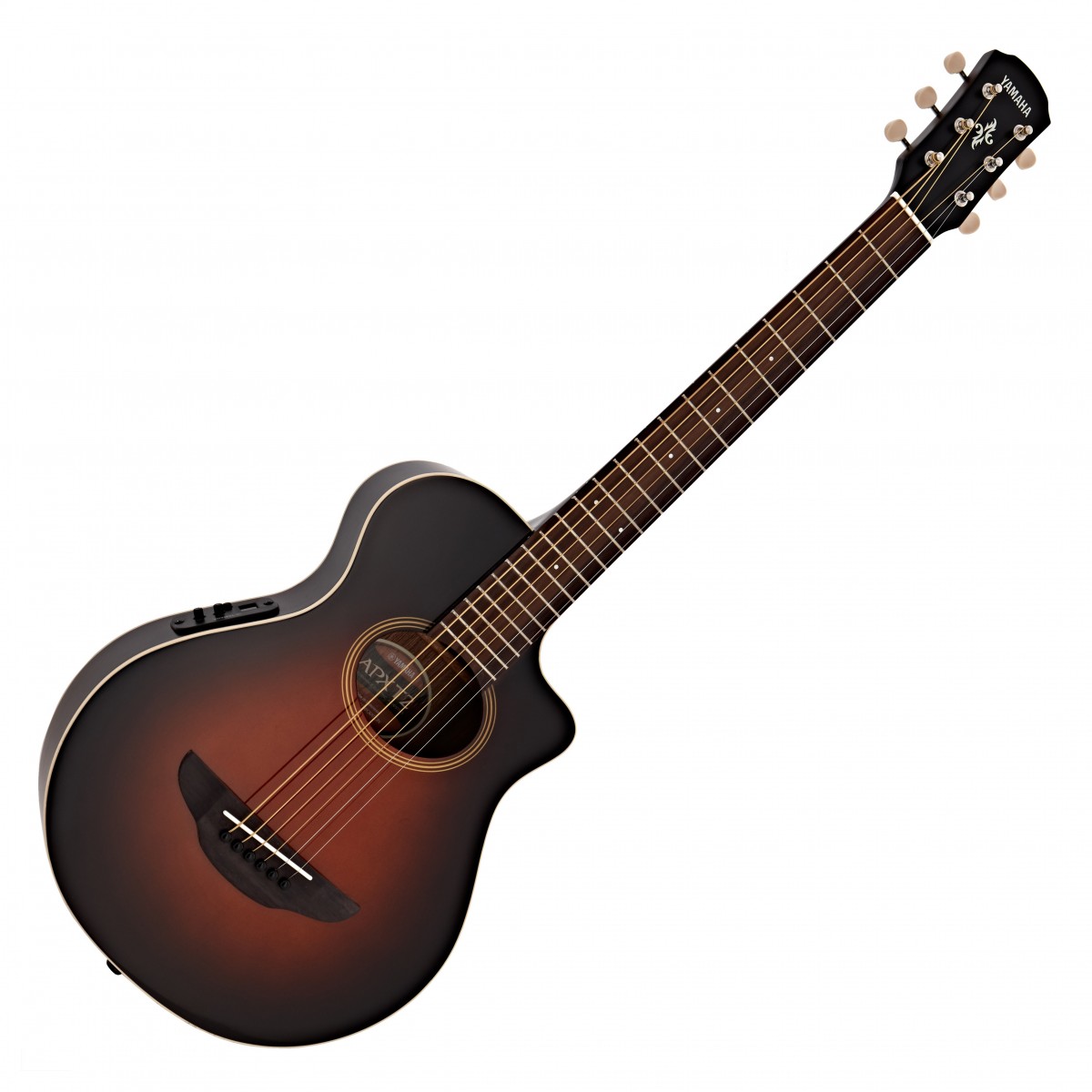 £216.50 ($275)
Yamaha
Yamaha APXT2 3/4 Electro Acoustic Old Violin Sunburst
 £549.00 ($697)
Guild
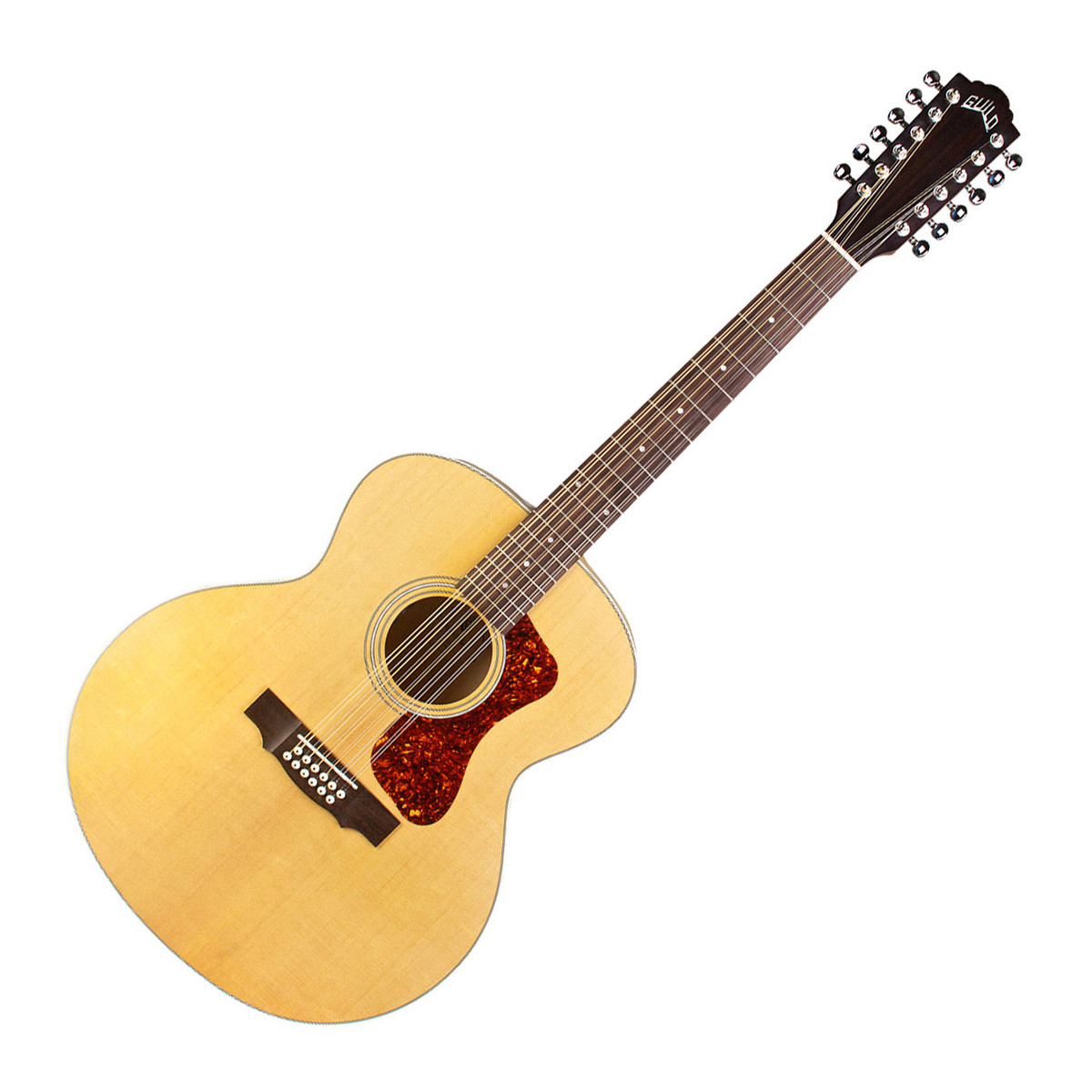
Guild F-2512E Jumbo Electro Acoustic Guitar Natural
 £629.00 ($799)
Sigma
Sigma DTC-28HE Electro Acoustic
 £319.00 ($405)
Fender
Fender Newporter Player Electro Acoustic Tidepool
 £7,999.00 ($10,159)
Taylor Guitars
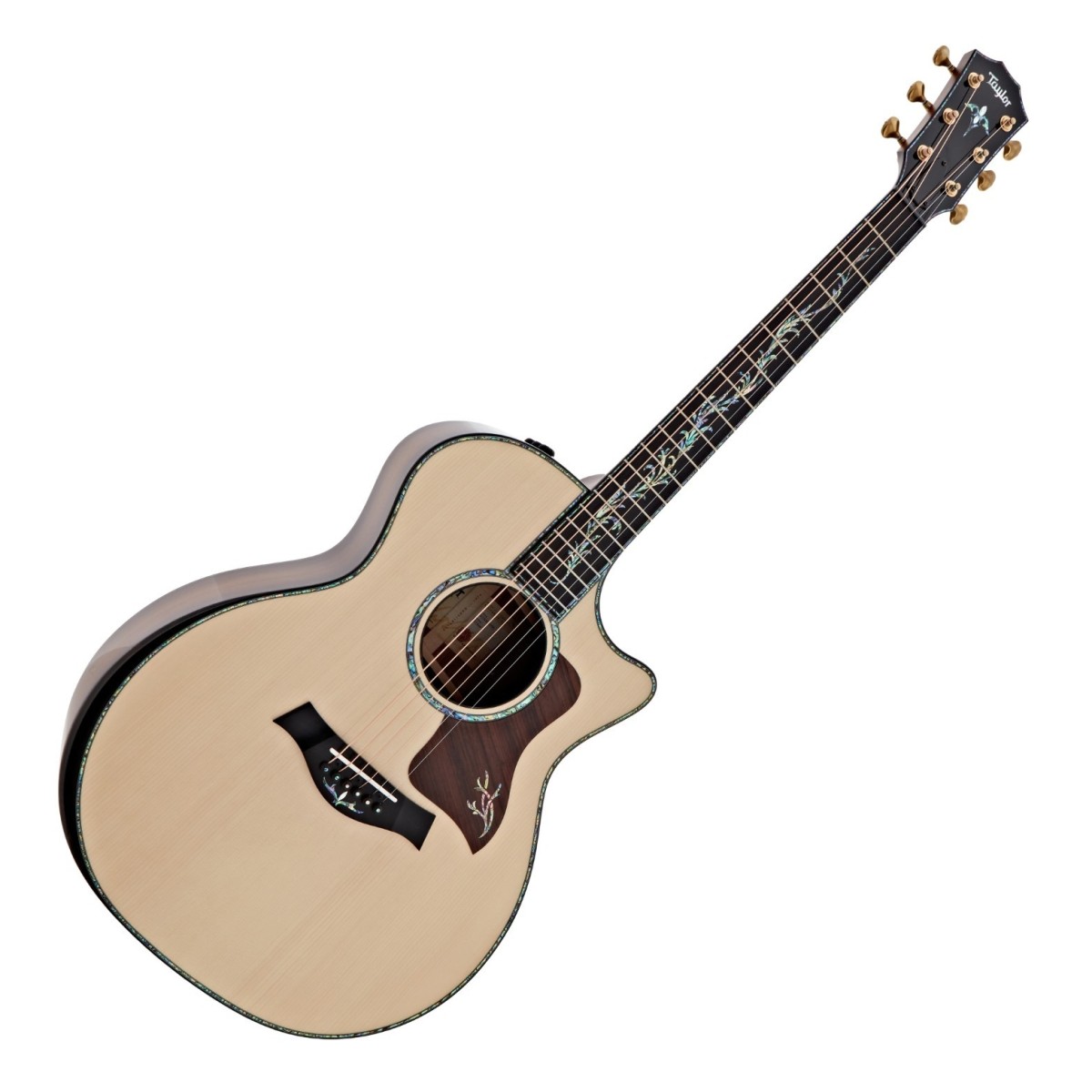
Taylor Presentation PS14ce Electro Acoustic Honduran Rosewood/Adirondack Spruce #1210053075
Frequently asked questions
- What is the body shape of the Sigma DMC-STE?
- The Sigma DMC-STE features a dreadnought body shape with a cutaway. This design is known for providing excellent volume and dynamics while allowing easier access to the upper frets.
- What woods are used in the construction of the DMC-STE?
- The guitar is built with a solid Sitka spruce top and mahogany back and sides. This combination is designed to provide a balance of clear high tones and resonant depth.
- What electronics system does this guitar use?
- It is equipped with the Fishman Isys+ preamp system. This includes a pickup and an on-board control interface for volume and tone shaping.
- Does the Sigma DMC-STE have a built-in tuner?
- Yes, the Fishman Isys+ system integrated into the guitar includes a built-in digital tuner. This allows the player to check and adjust their tuning directly from the side of the instrument.
- What controls are available on the preamp?
- The preamp features controls for Volume, Bass, and Treble. It also includes a Phase switch to help manage feedback during live performances.
- Is the top of the Sigma DMC-STE solid or laminate?
- The DMC-STE features a solid Sitka spruce top. Solid tops are generally preferred over laminates for their superior resonance and the way they improve tonally as the wood ages.
- What is the typical price range for this model?
- The Sigma DMC-STE typically retails for approximately £345. Prices may vary slightly depending on the retailer and current market conditions.
- How does the mahogany back and sides affect the sound?
- Mahogany back and sides add extra depth and resonance to the guitar's profile. It typically provides a warm, woody midrange that complements the brightness of the spruce top.
- Who is this guitar best suited for?
- The DMC-STE is suited for guitarists who need a versatile, full-sized instrument for both practice and live performance. Its dreadnought shape makes it ideal for players who want strong volume and dynamics.
- Does the guitar require a battery?
- Yes, because it features active Fishman Isys+ electronics, it requires a 9V battery to power the preamp and the built-in tuner. The battery is typically housed near the output jack or within the preamp unit.
- How does it compare to the Martin LX1E?
- The Sigma DMC-STE is a full-sized dreadnought, whereas the Martin LX1E is a 'Little Martin' 3/4 scale travel guitar. The Sigma offers significantly more natural volume and bass response due to its larger body size.
- Can the Sigma DMC-STE be used for lead playing?
- Yes, the inclusion of a cutaway in the body design makes it suitable for lead playing. The cutaway allows the player's hand to reach the higher frets more comfortably than a standard non-cutaway dreadnought.