
Gear article
Sinevibes Corrosion Multi-mode Distortion
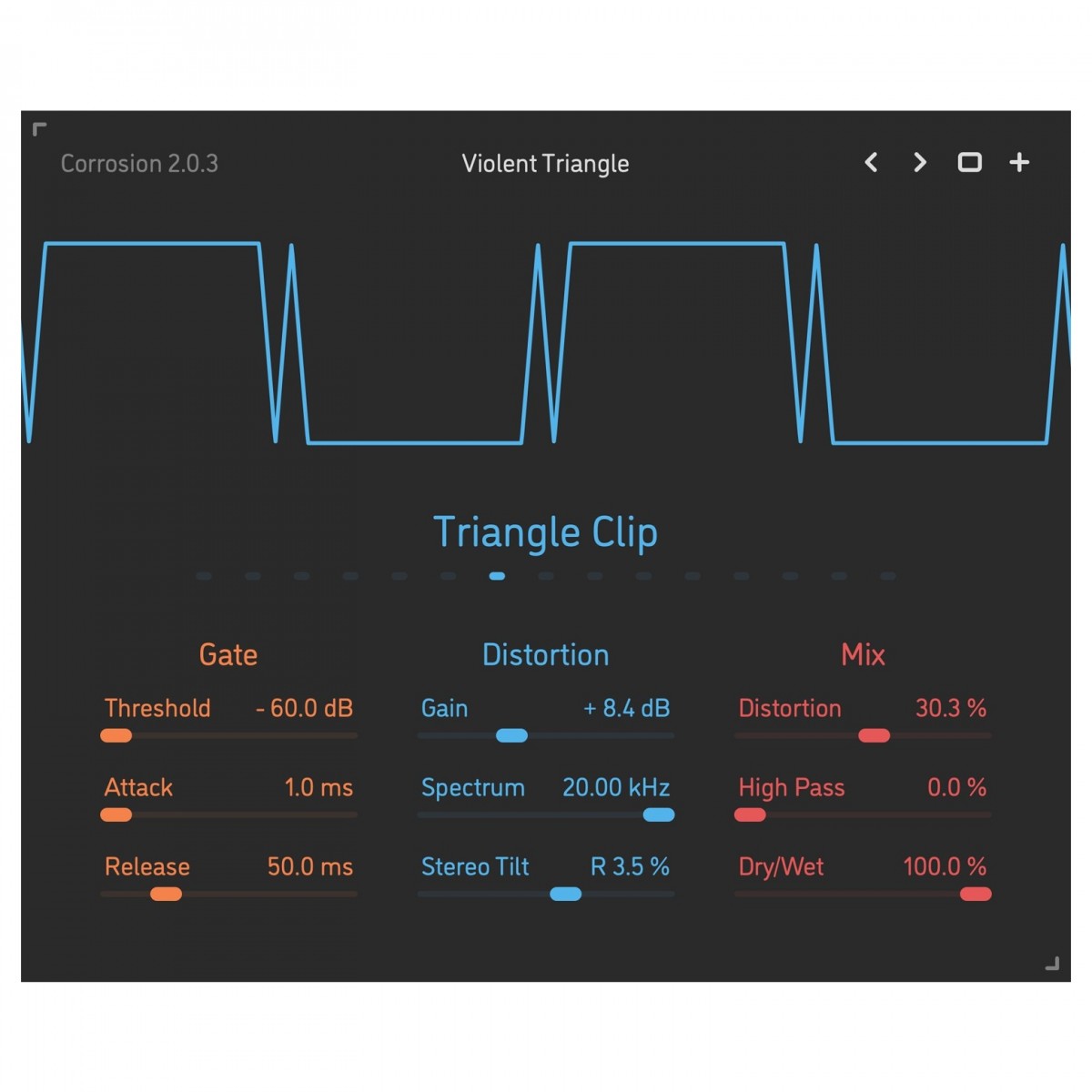
The Sinevibes Corrosion is a multi-algorithm distortion unit designed to provide 15 distinct saturation and clipping models for musicians and producers. It features 4x oversampling and advanced signal routing options including a frequency crossover and stereo width controls.
Overview
Sinevibes Corrosion is a versatile distortion tool that incorporates a wide array of signal processing techniques into a single unit. It is designed to cater to both traditional guitar-style saturation and modern, experimental sound design. The unit is built around 15 unique distortion algorithms, offering a spectrum that ranges from standard soft and hard clipping to proprietary curves developed specifically by Sinevibes. To ensure high-quality audio reproduction and prevent aliasing artifacts, the DSP (Digital Signal Processing) engine operates with 4x oversampling.
Key Features and Signal Path
The device distinguishes itself through a flexible signal routing system that allows for precise tone shaping.
- Frequency Crossover: Users can isolate specific frequency bands for processing, balancing the distorted signal against the dry signal using a high-pass filter.
- Stereo Imaging: The unit includes stereo width effects and a gain tilt control, allowing the user to place the distorted signal accurately within a mix's stereo field.
- Noise Management: It features an integrated exponential noise gate to clean up signals during silence or low-level input.
- Filtering: An upsampling filter is included to refine the character of the distortion.
Sound Character
Due to its multi-algorithm nature, the sound of the Corrosion is highly variable. The traditional algorithms mimic the warm saturation found in analogue gear, while the unique Sinevibes curves offer more aggressive, modern textures. The 4x oversampling ensures that even at extreme gain settings, the high-frequency response remains clear and free of the digital 'harshness' typically associated with lower-quality digital distortion.
Comparison to Alternatives
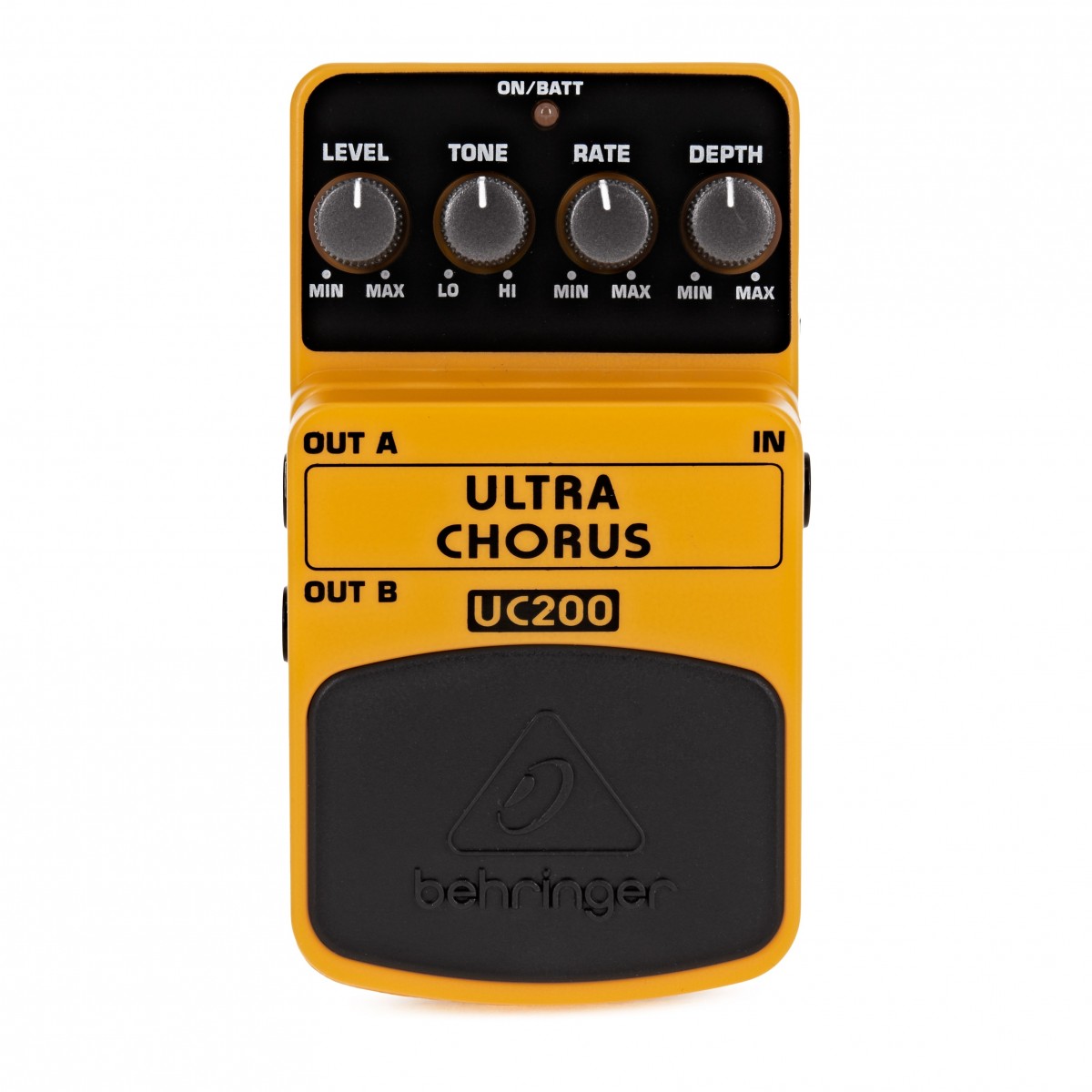
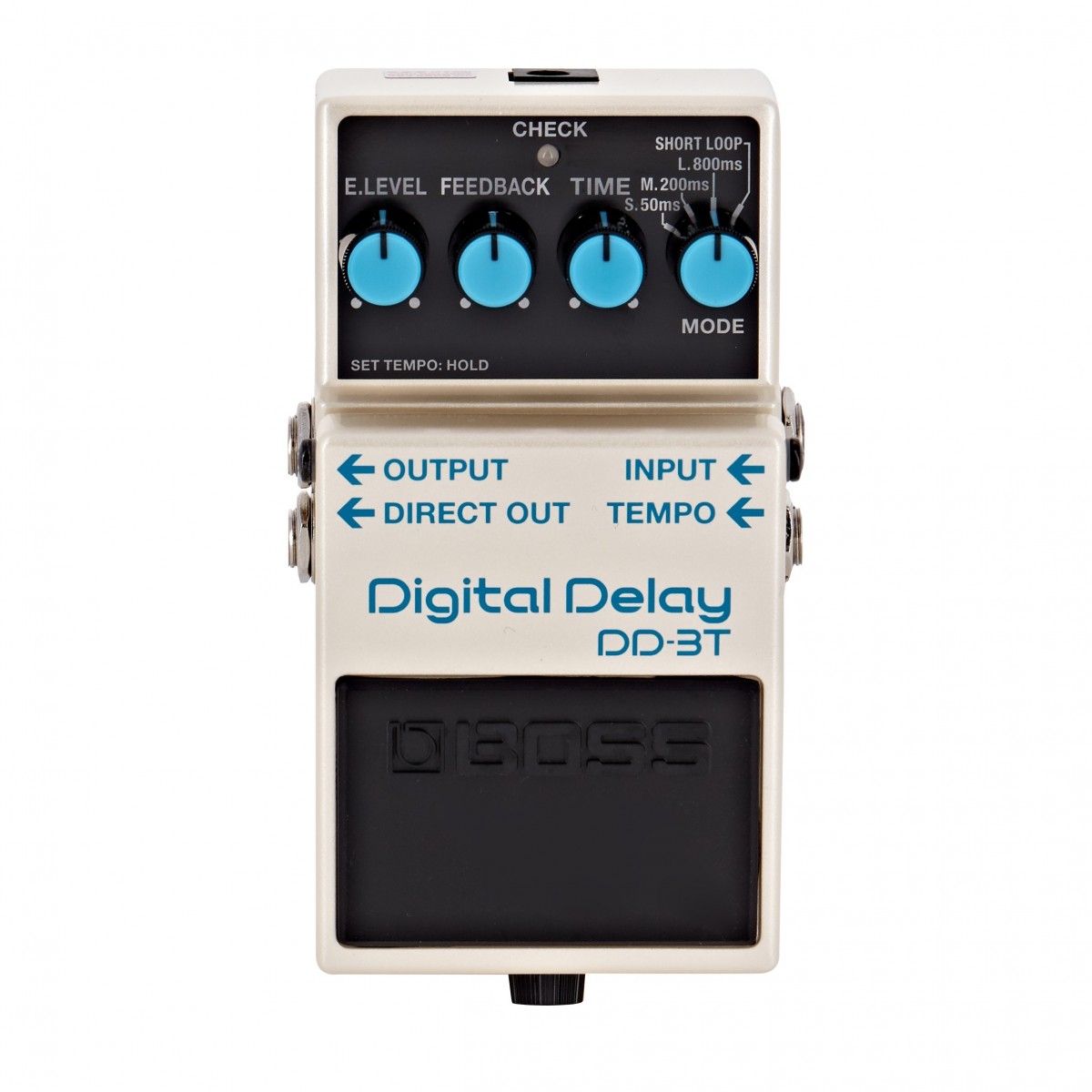
Unlike basic single-circuit pedals like the Fender Hammertone Flanger or standard modulation units like the Behringer UC200, Corrosion focuses exclusively on the depth and variety of harmonic saturation. While a Boss NS-2 is a dedicated noise gate, Corrosion integrates a noise gate into a wider distortion workflow. Compared to simple digital delays like the Boss DD-3T or pitch shifters like the Digitech Whammy Ricochet, Corrosion provides a more nuanced toolset for harmonic density and stereo positioning.
Related gear
 £119.00 ($151)
Digitech
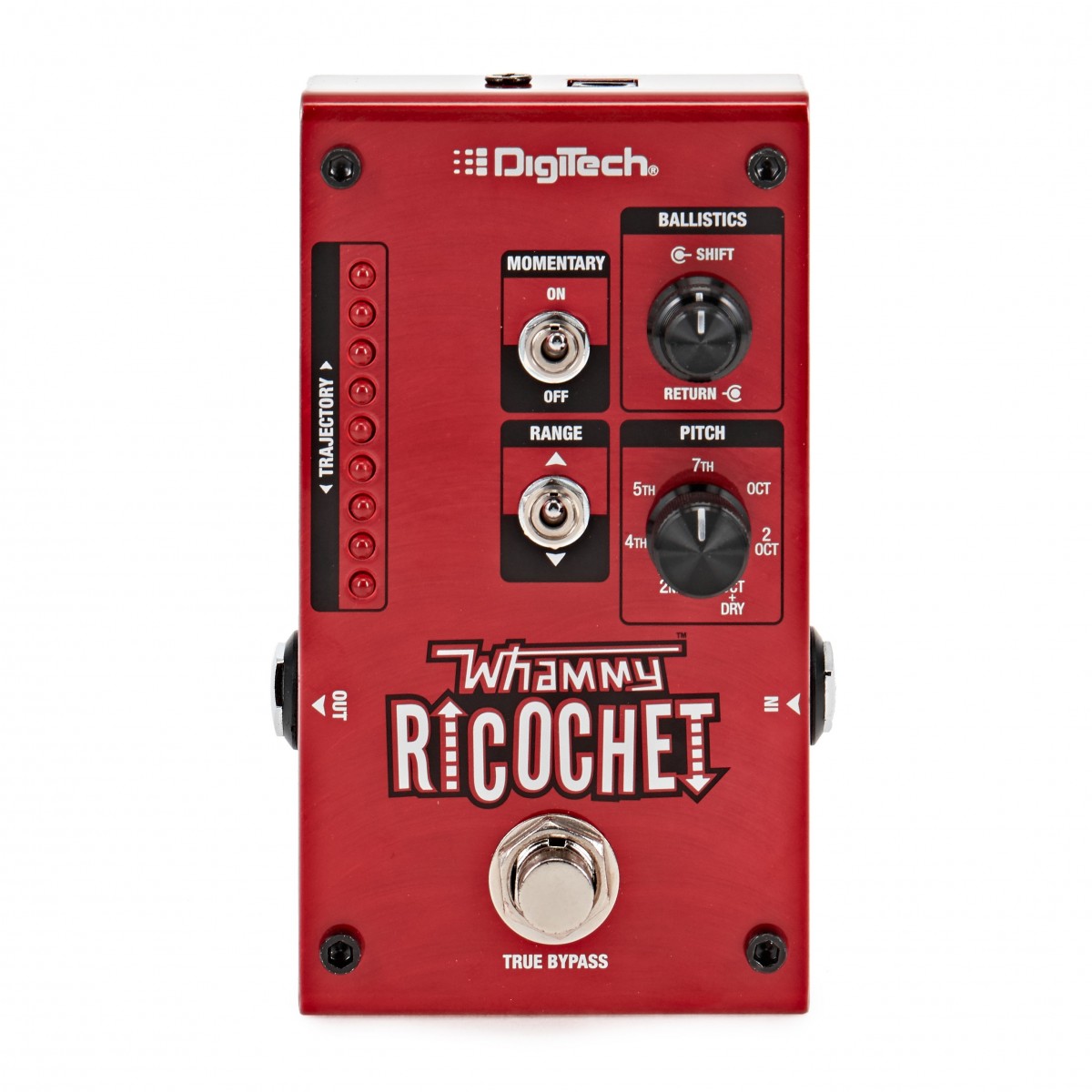
Digitech Whammy Ricochet Guitar Effects Pedal
 £85.00 ($108)
Fender
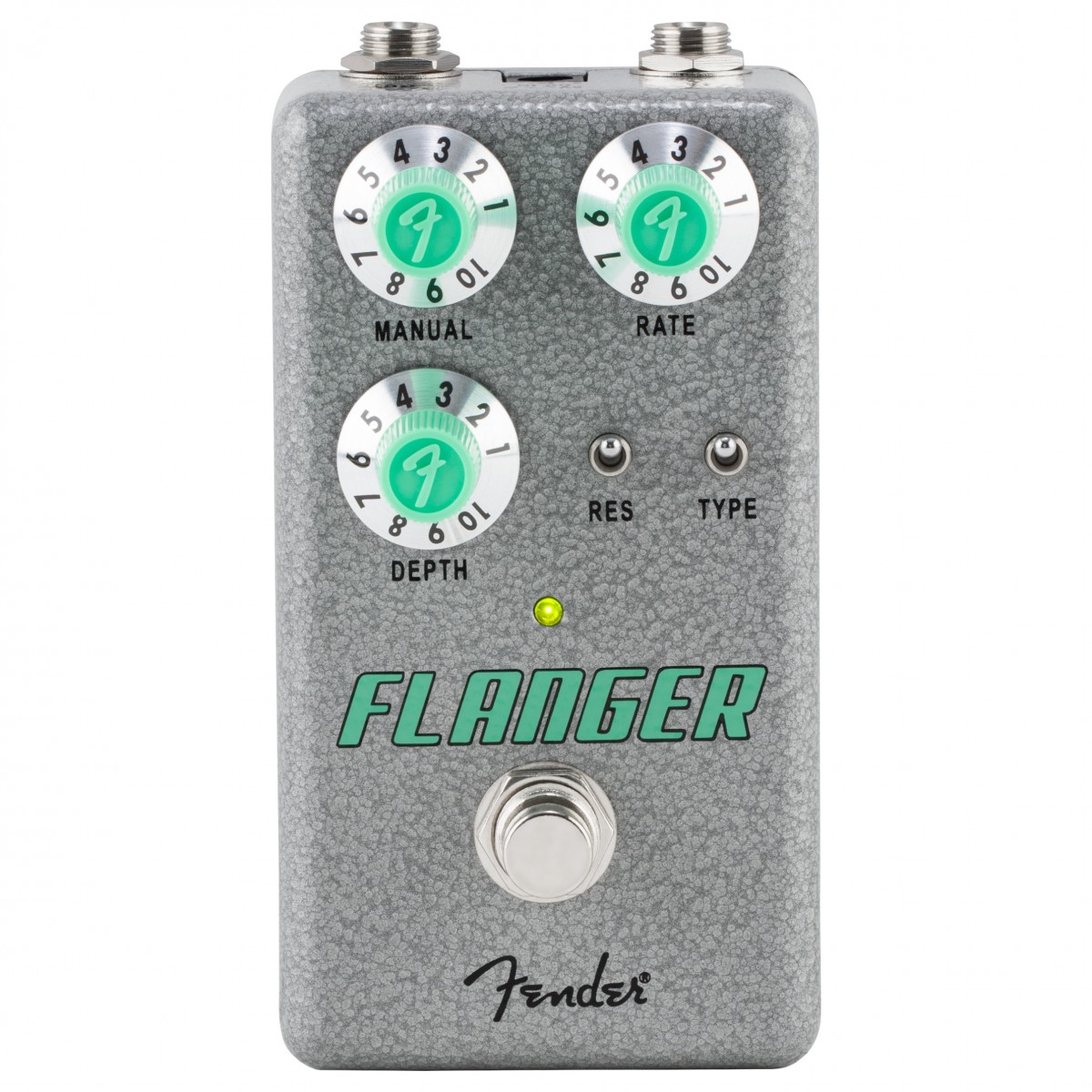
Fender Hammertone Flanger Pedal
 £23.00 ($29)
Behringer
Behringer UC200 Ultra Chorus Pedal
 £259.00 ($329)
Dunlop
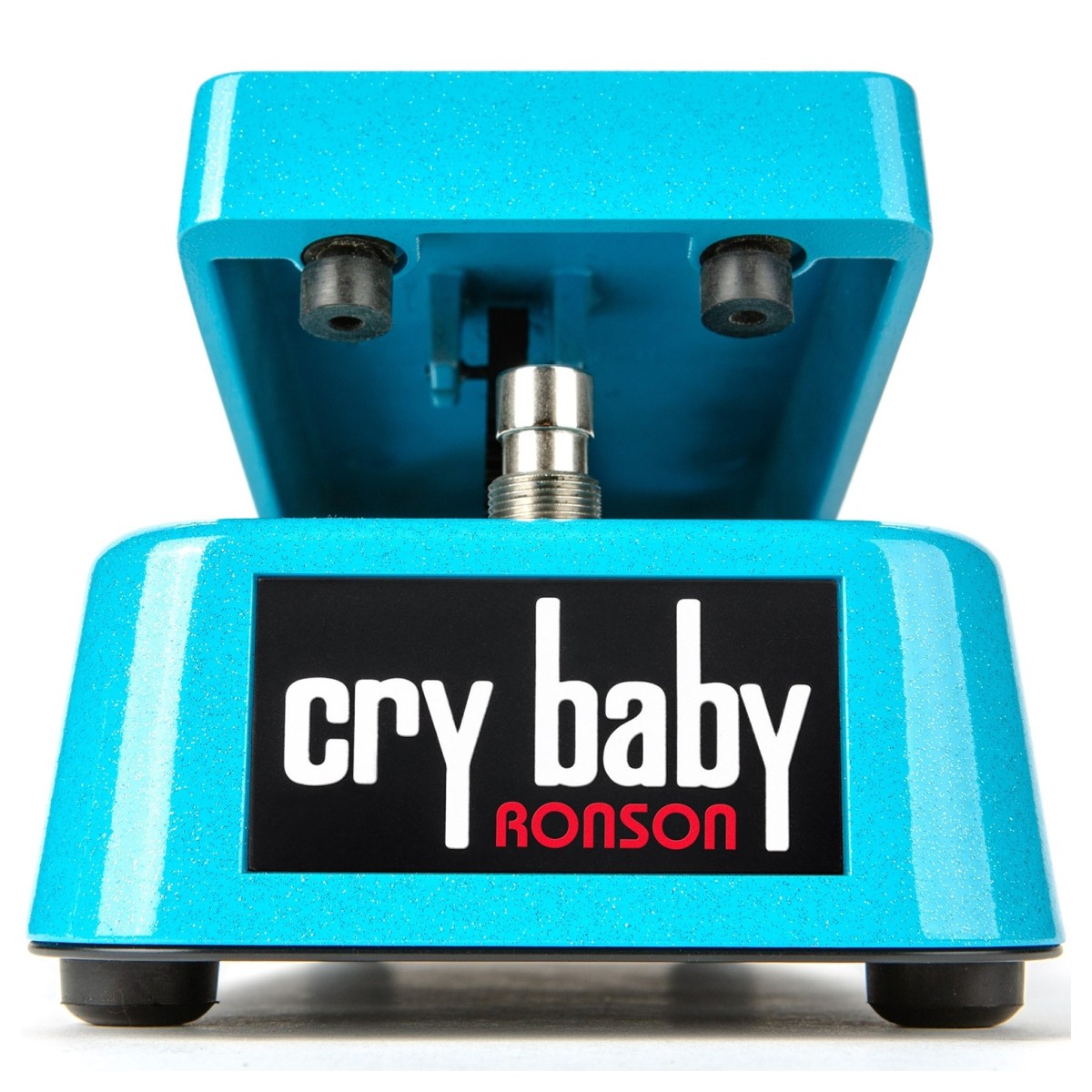
Dunlop Mick Ronson Cry Baby Wah
 £109.00 ($138)
Fender
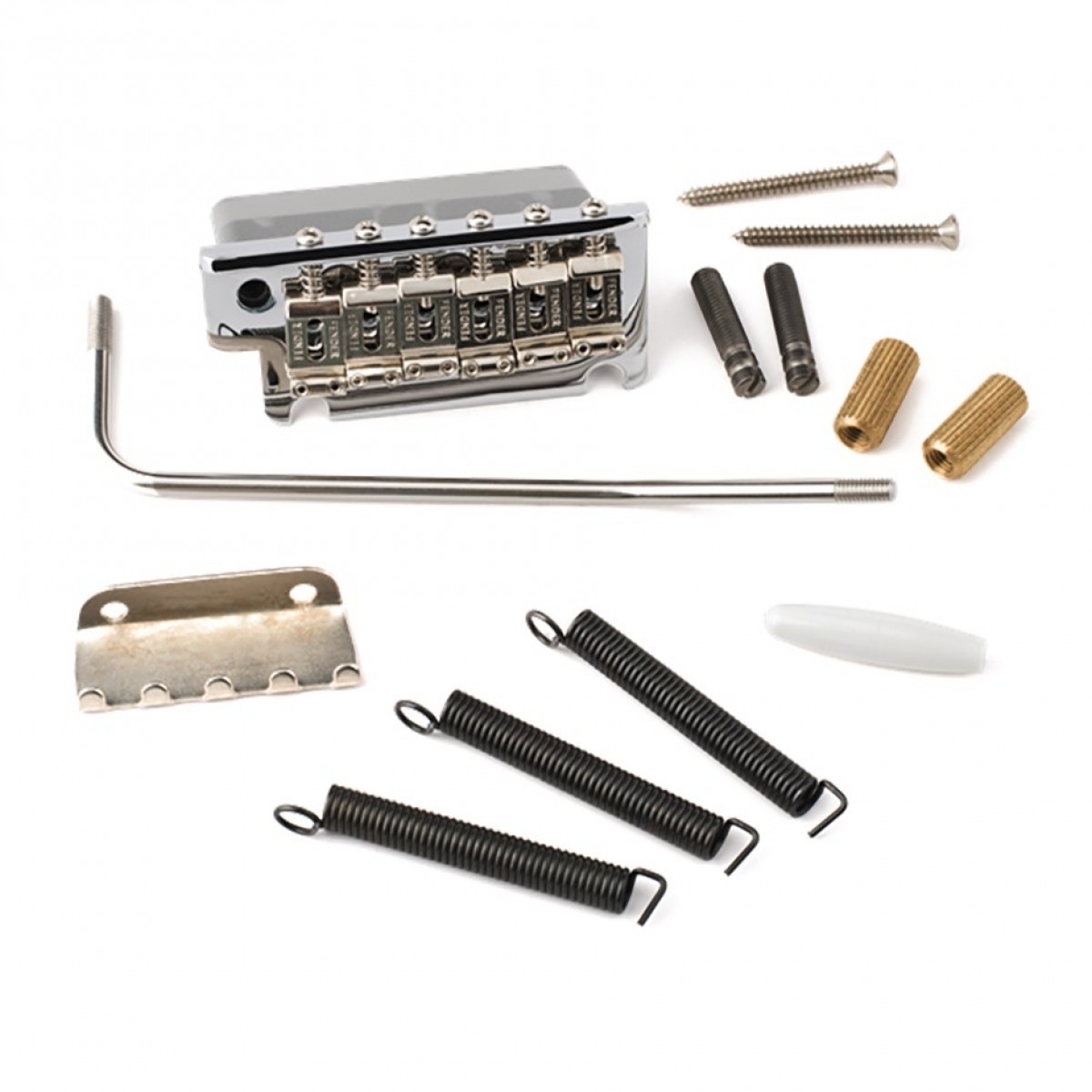
Fender American Standard Stratocaster Tremolo Bridge Assembly Chrome
- £78.60 ($100)
Yamaha
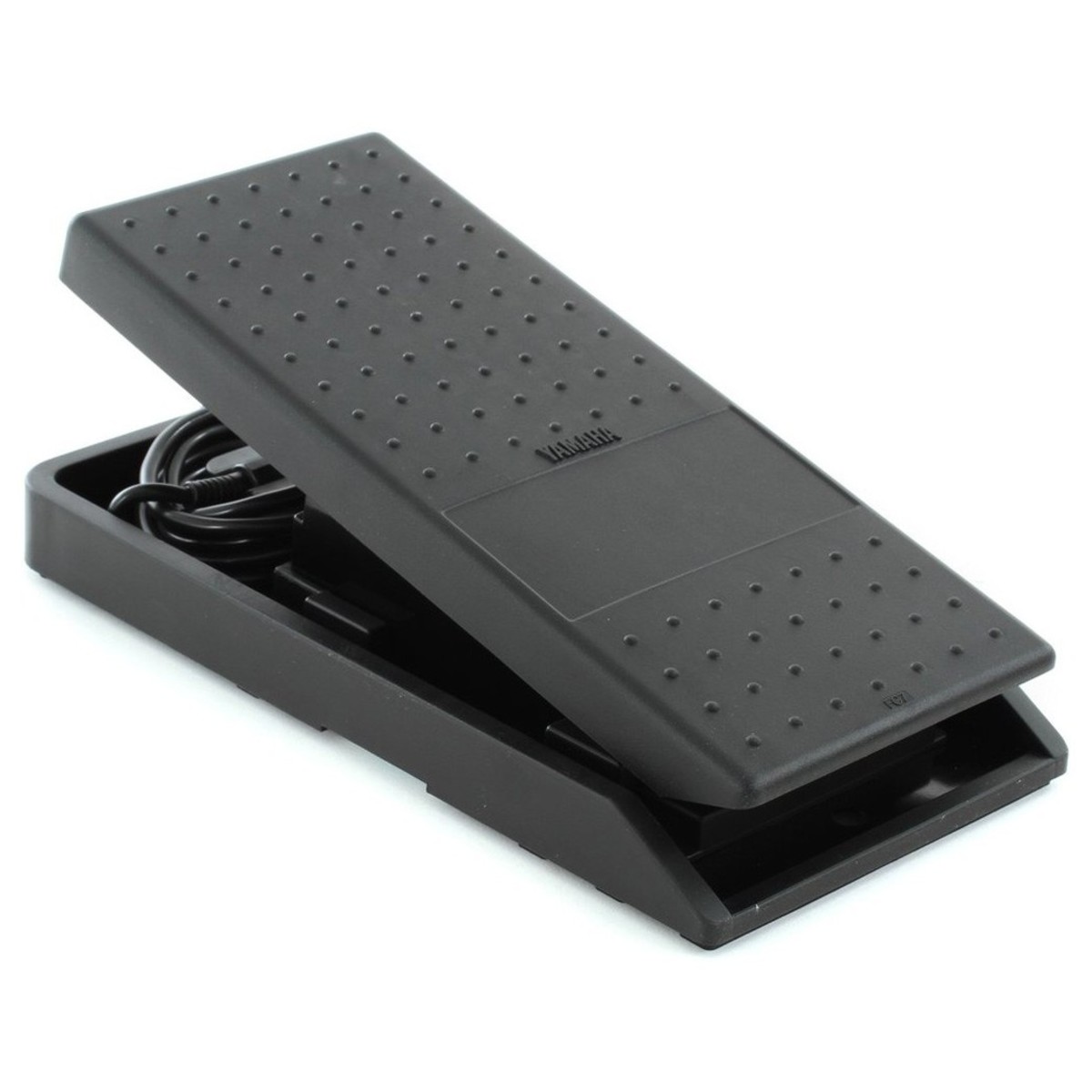
Yamaha FC7 Expression Pedal
 £175.00 ($222)
Boss
Boss DD-3T Digital Delay Pedal
 £99.10 ($126)
Boss
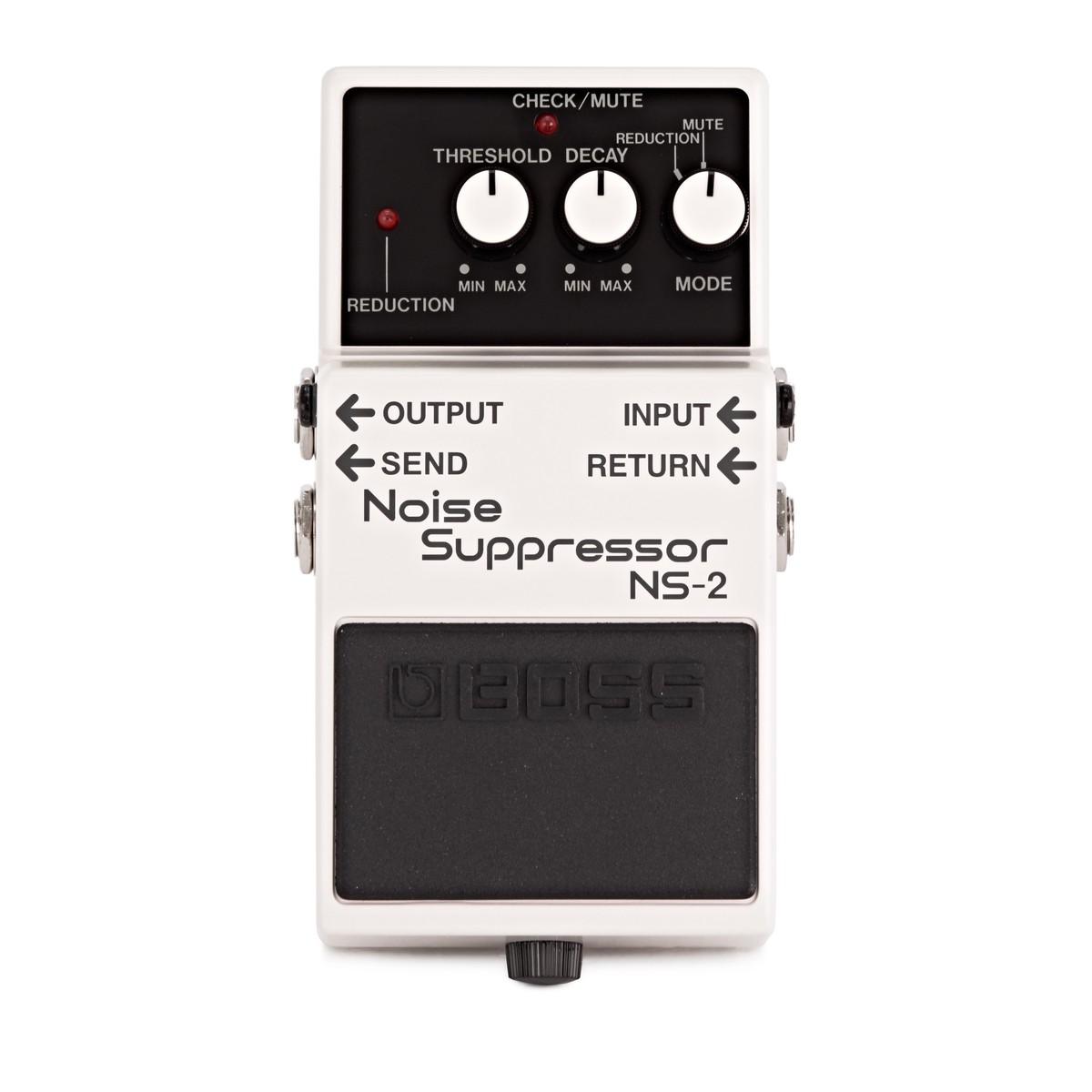
Boss NS-2 Noise Suppressor Guitar Pedal
Frequently asked questions
- How many distortion algorithms are included in Sinevibes Corrosion?
- The unit features a total of 15 different distortion algorithms. These range from traditional clipping styles to unique, proprietary curves.
- Does the Sinevibes Corrosion feature oversampling?
- Yes, the unit utilizes 4x oversampling in its DSP engine. This helps to reduce aliasing and provide a higher quality of distortion.
- What controls are available for stereo placement?
- Corrosion includes stereo width effects and a gain tilt control. These features allow the distorted signal to be positioned precisely within the stereo field.
- Is there a noise gate included in the unit?
- Yes, it features an exponential noise gate. This allows the user to maintain control over the signal and eliminate unwanted noise during quiet passages.
- What is the purpose of the frequency crossover?
- The frequency crossover is used to find a balance between the distorted signal and the dry signal. It utilizes a high-pass filter on the dry signal and an upsampling filter on the distortion.
- What is the typical price for the Sinevibes Corrosion?
- The typical price for this unit is approximately £32. This makes it an affordable option for professional producers and hobbyists alike.
- Are the distortion curves based on traditional hardware?
- The unit includes both traditional soft and hard clipping algorithms as well as unique curves developed by Sinevibes. This provides a mix of classic and modern sounds.
- Can I use this for both guitar and studio production?
- Yes, while categorised under guitar effect pedals, its feature set is designed to satisfy seasoned producers and musicians in a studio environment. The stereo controls are particularly useful for mix refinement.
- How does the gain tilt control work?
- The gain tilt control is part of the stereo field management system. It allows for the adjustment of gain levels across the stereo spectrum to balance the signal.
- Does the unit have a dry/wet mix function?
- Yes, the flexible frequency crossover and filter system allows for a sophisticated blending of the dry and distorted signals. This ensures the original signal's character can be preserved.
- Is the distortion digital or analogue?
- The Sinevibes Corrosion is a digital unit featuring a DSP engine. It uses high-resolution algorithms and oversampling to emulate various distortion characteristics.
- What makes the Sinevibes algorithms unique?
- Unlike standard clippers found in many pedals, Sinevibes has developed proprietary curves. These offer variations of distortion that are intended to be refreshing and distinct from standard effects.