Gear article
Sinevibes Whirl Barber Pole Phaser
The Sinevibes Whirl is a digital barber-pole phaser effect plugin based on a Bode frequency shifter model with a feedback line. It employs a complex algorithm to create spectral peaks and notches that appear to move endlessly in a single direction, offering a unique alternative to traditional cyclic phasers.
See live pricesOverview
Sinevibes Whirl is a specialised audio processing tool designed to generate a 'barber pole' phasing effect. Unlike standard phasers that oscillate back and forth between two frequency points, Whirl creates the auditory illusion of a continuous upward or downward sweep that never reaches a terminus. This is achieved through a digital implementation of a Bode frequency shifter model combined with a dedicated feedback line, allowing for complex spectral manipulation within a digital audio workstation (DAW).
Key Features and Functionality
The plugin is built around a sophisticated algorithm that supports up to three fully synchronised barber-pole phaser stages. This multi-stage architecture allows users to scale the intensity of the effect from subtle harmonic movement to aggressive, deeply resonant filtering.
A defining technical characteristic is its bipolar spectrum sweep frequency capability. This allows the user to transition the motion of the phaser effects from downwards to upwards and back again seamlessly. The integration of a feedback line further enhances the resonance of the notches and peaks, providing a high degree of control over the resulting sound character.
Sound Character
Whirl is noted for its ability to produce textures that range from gentle, liquid-like motion to dramatic, metallic resonances. Because it utilises a frequency shifter model rather than a standard LFO-controlled delay line, the phasing has a distinct 'infinite' quality. At lower settings, it provides a sense of organic movement to pads or guitars; at higher resonance settings, it can transform audio into complex, shifting soundscapes with sharp spectral peaks.
Target Audience and Application
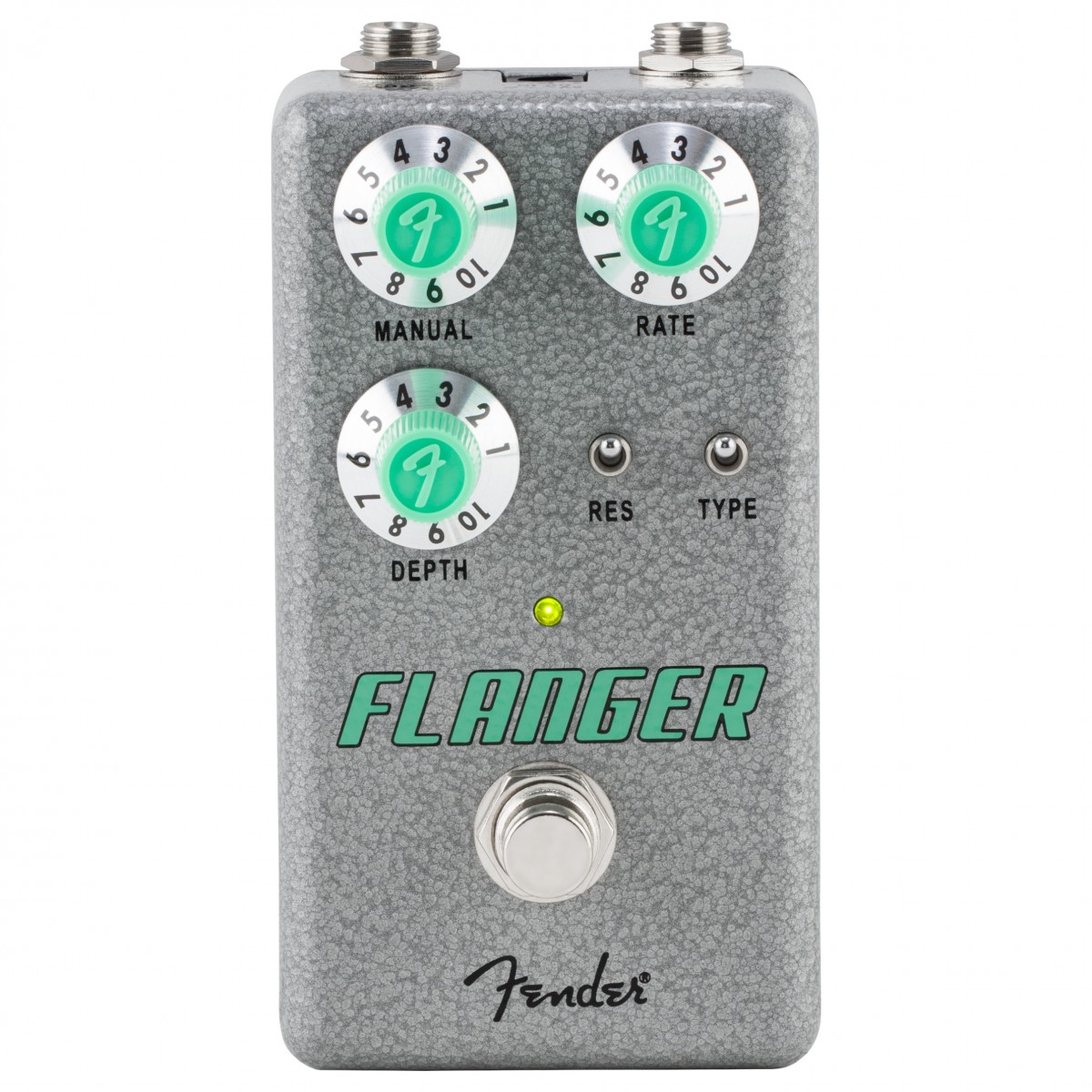
This plugin is primarily suited for sound designers, electronic music producers, and experimental guitarists looking for modulation that defies the traditional cyclic nature of hardware pedals. While it is marketed alongside guitar gear, it is a digital download product requiring a host computer. It serves as a creative alternative for those who find standard phasers, such as the Behringer UC200 or Fender Hammertone Flanger, too predictable for their specific production needs.
Comparison to Alternatives
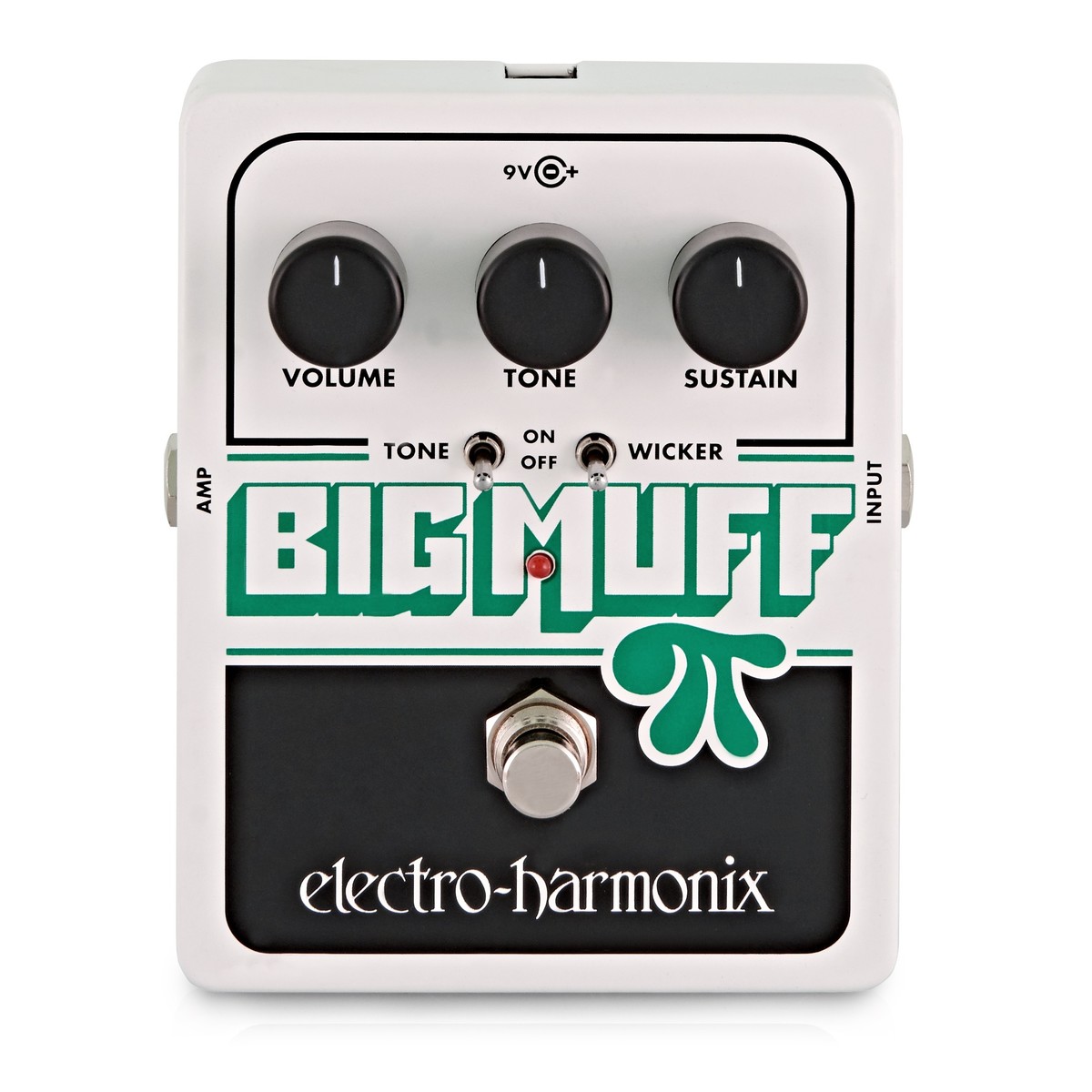
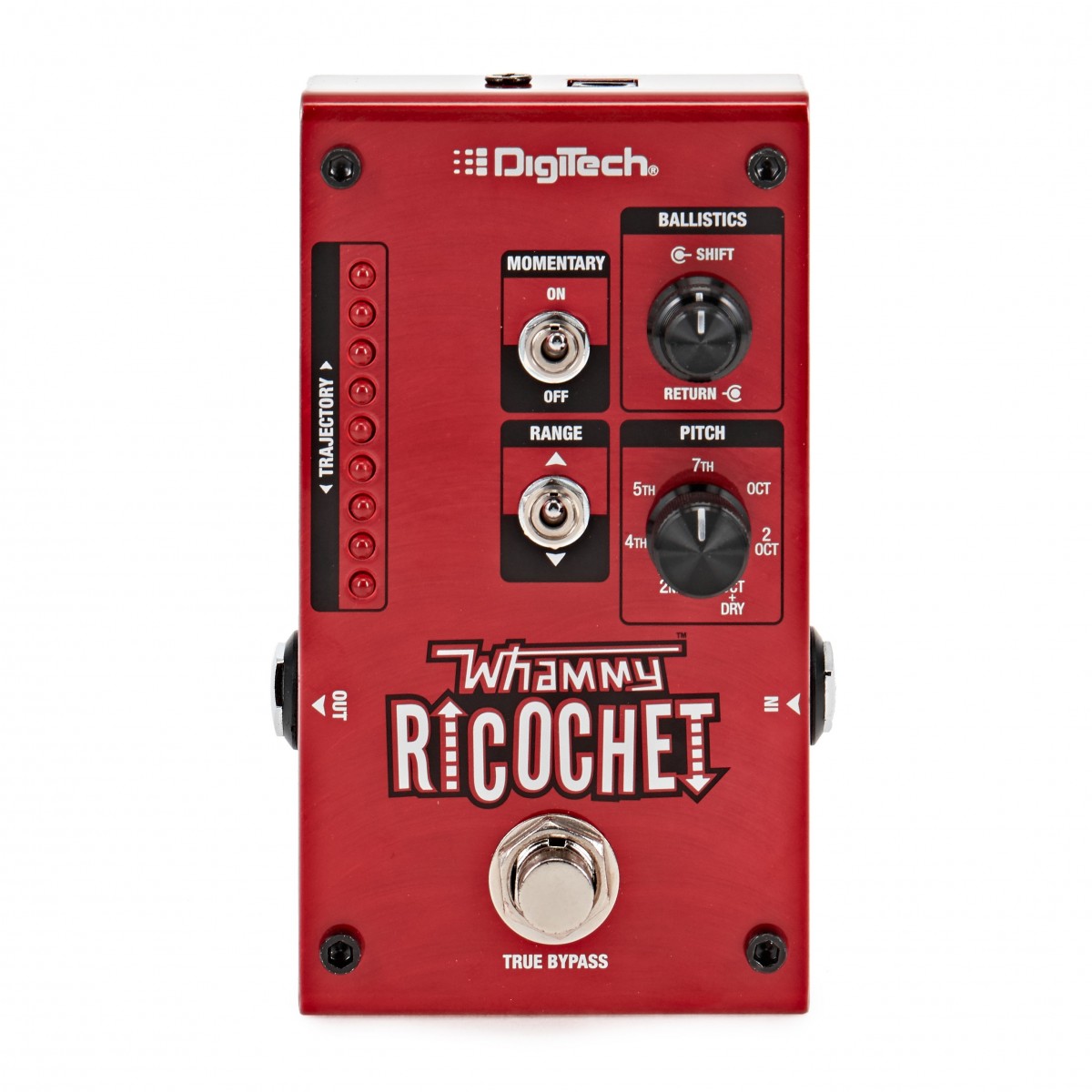
Compared to traditional phaser pedals like the Boss series or the Electro Harmonix Big Muff (which focuses on distortion), Whirl offers a more mathematical and precise approach to modulation. While a Digitech Whammy Ricochet provides pitch shifting, Whirl’s frequency shifting is focused on the internal phase relationships of the signal. Its primary advantage over standard phasers is the lack of a 'turnaround' point in the sweep, which eliminates the rhythmic pulsing often associated with LFO-based effects.
Related gear
 £97.00 ($123)
Electro Harmonix
Electro Harmonix Big Muff Distortion Sustainer w/ Tone Wicker
 £129.00 ($164)
Digitech
Digitech Whammy Ricochet Guitar Effects Pedal
 £85.00 ($108)
Fender
Fender Hammertone Flanger Pedal
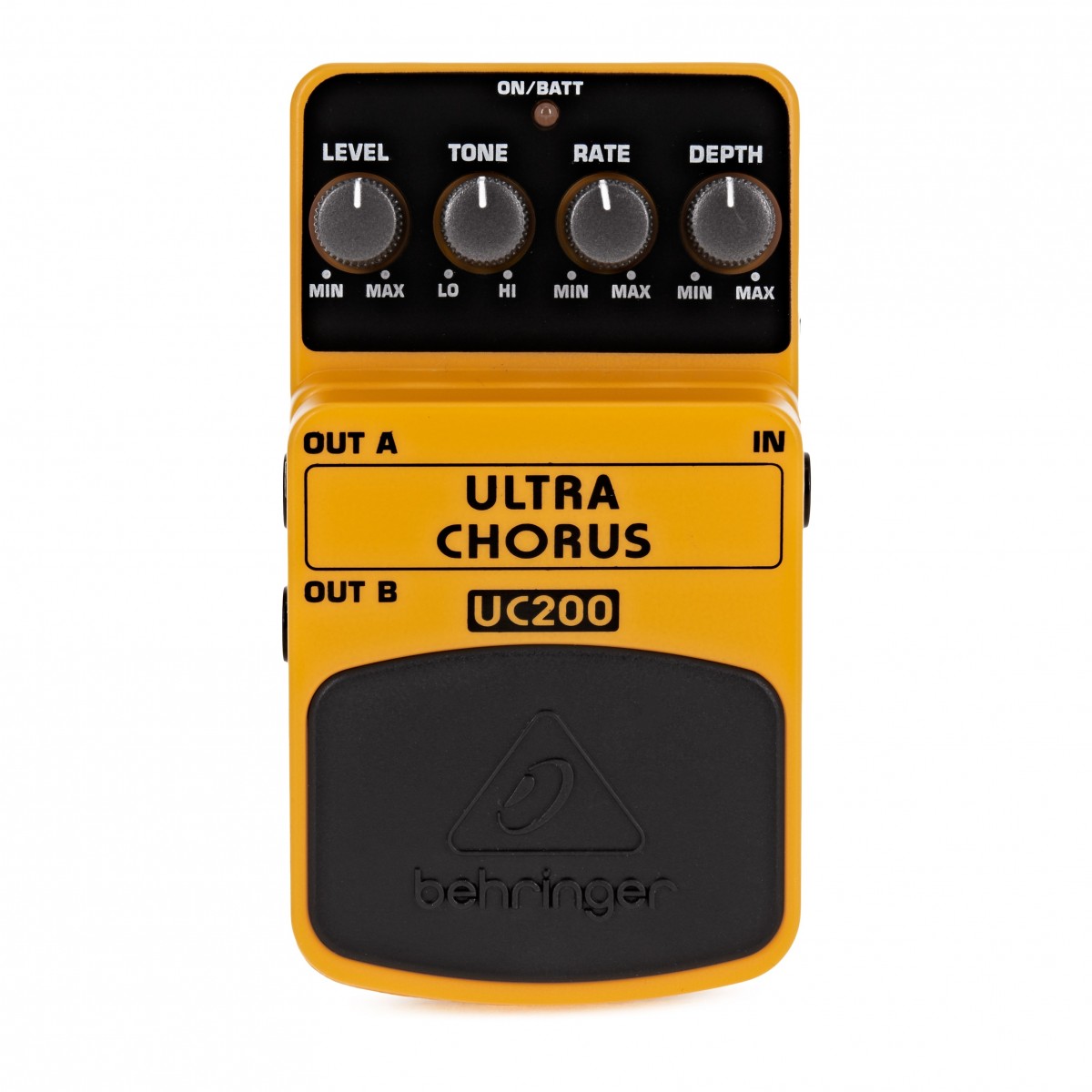 £19.90 ($25)
Behringer
Behringer UC200 Ultra Chorus Pedal
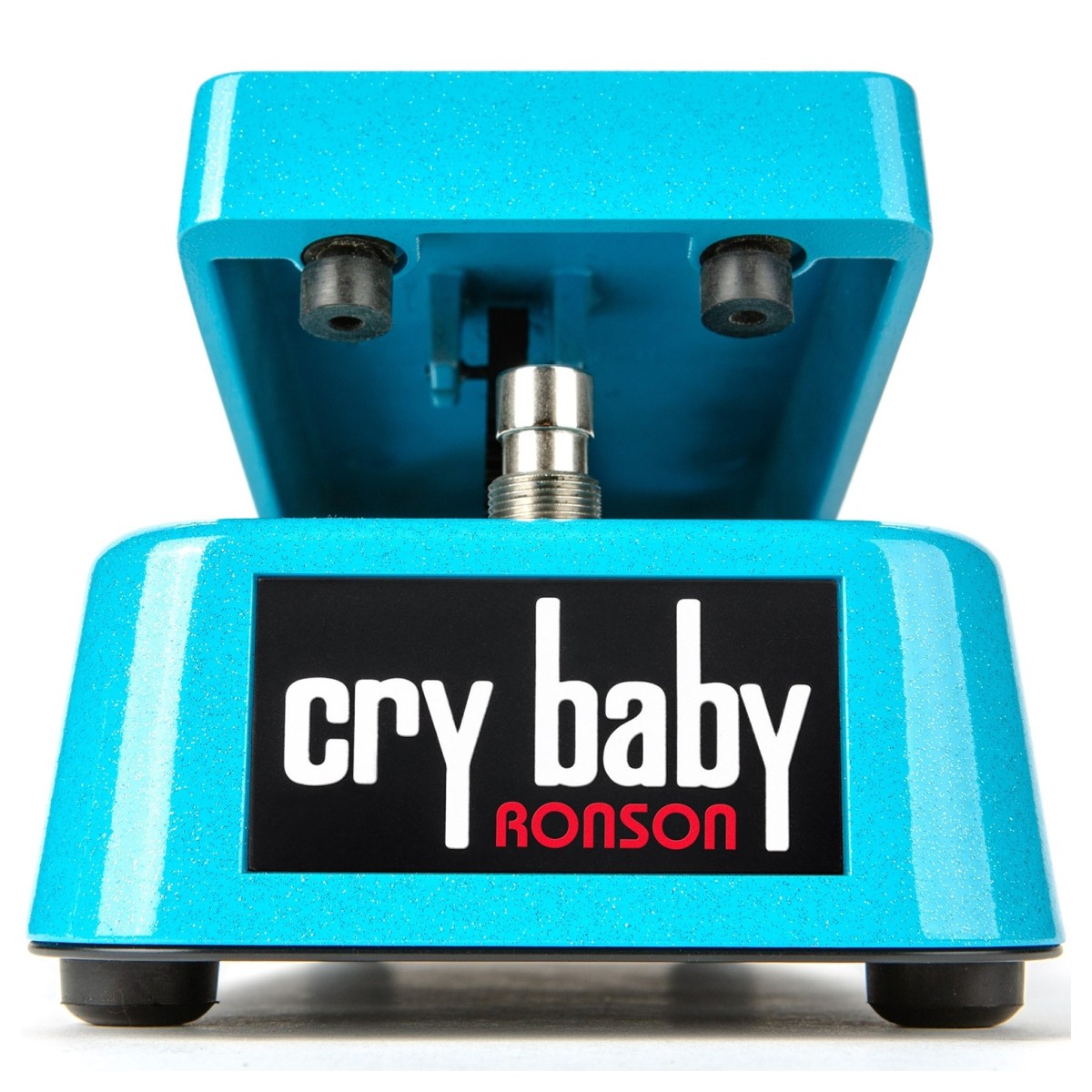 £259.00 ($329)
Dunlop
Dunlop Mick Ronson Cry Baby Wah
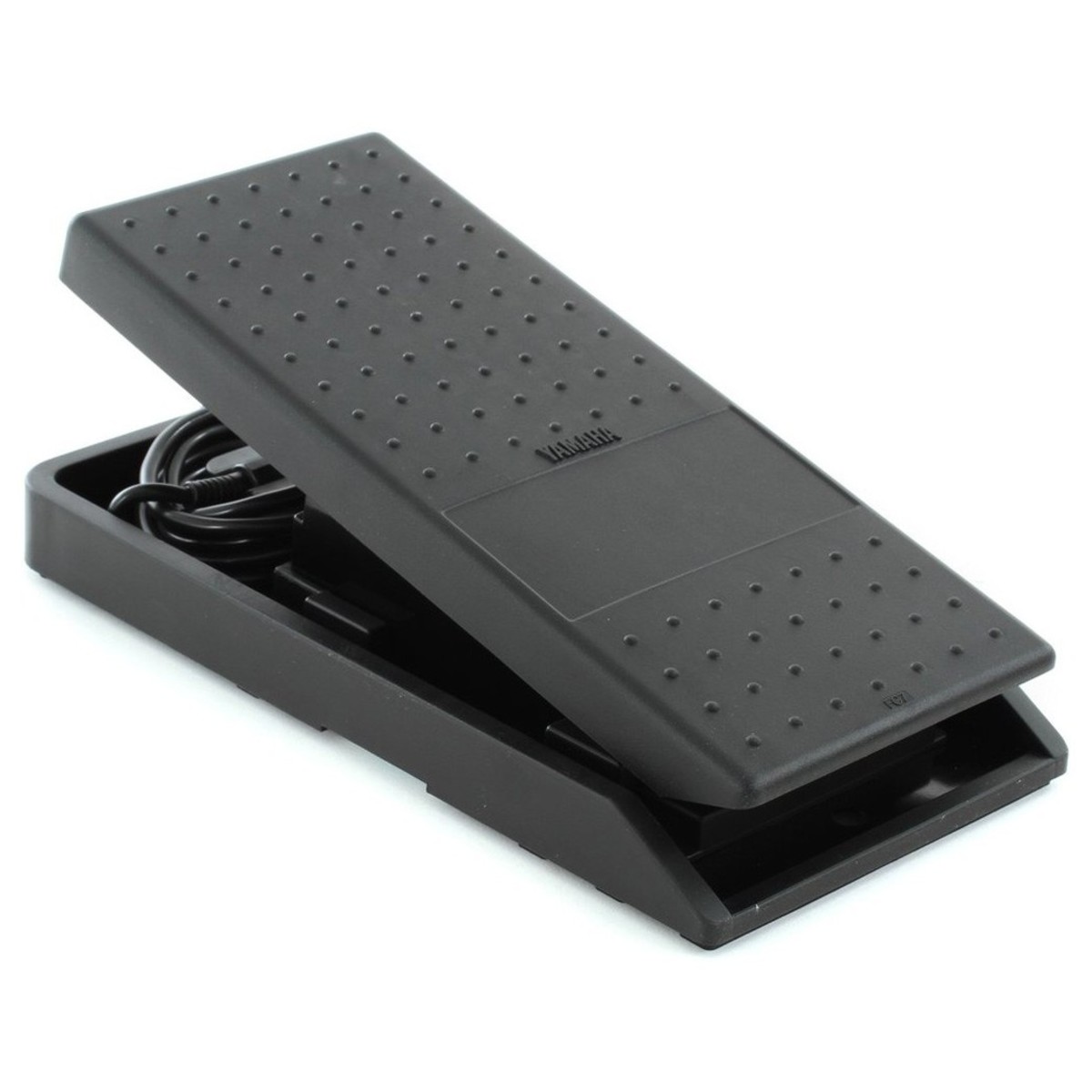 £77.00 ($98)
Yamaha
Yamaha FC7 Expression Pedal
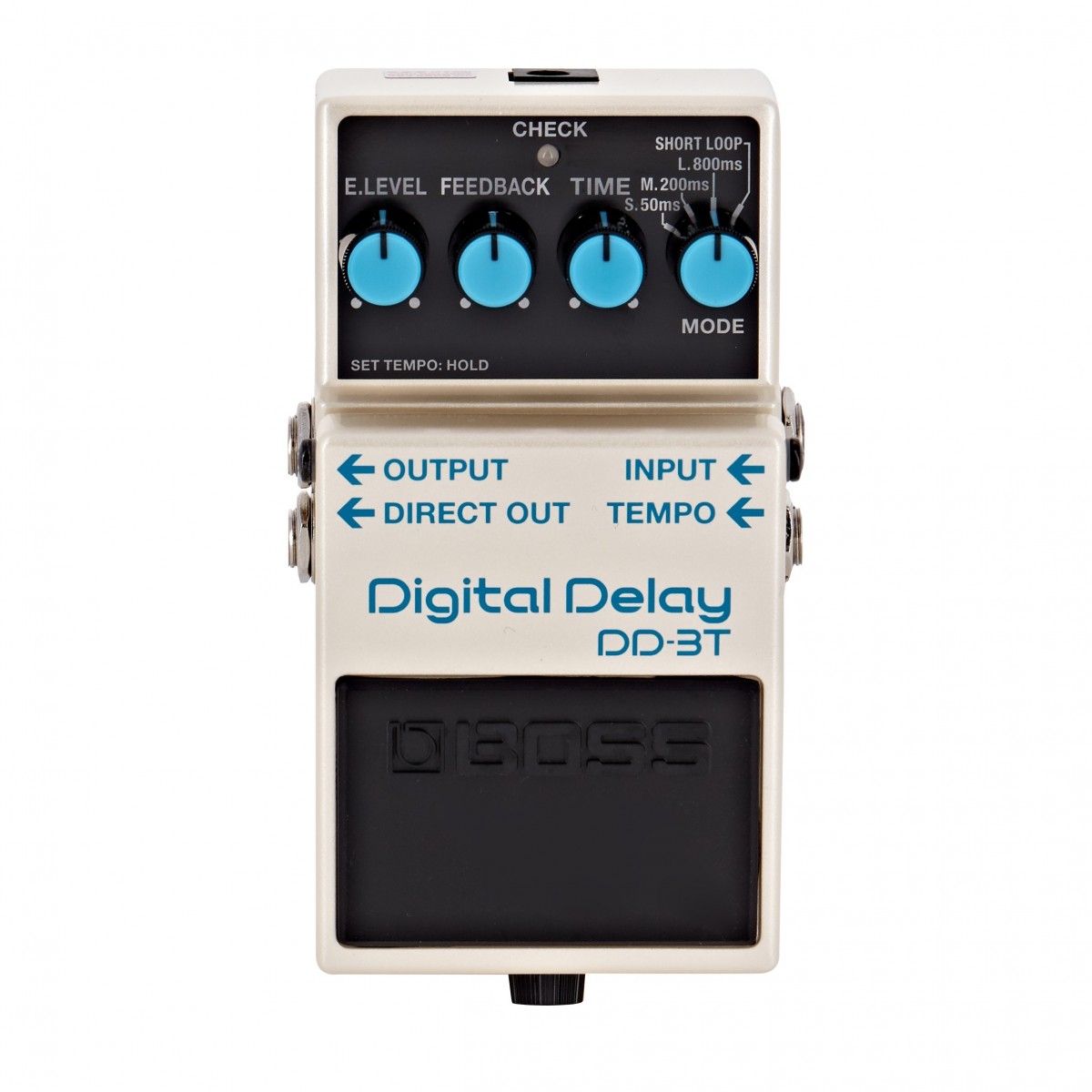 £175.00 ($222)
Boss
Boss DD-3T Digital Delay Pedal
 £99.10 ($126)
Boss
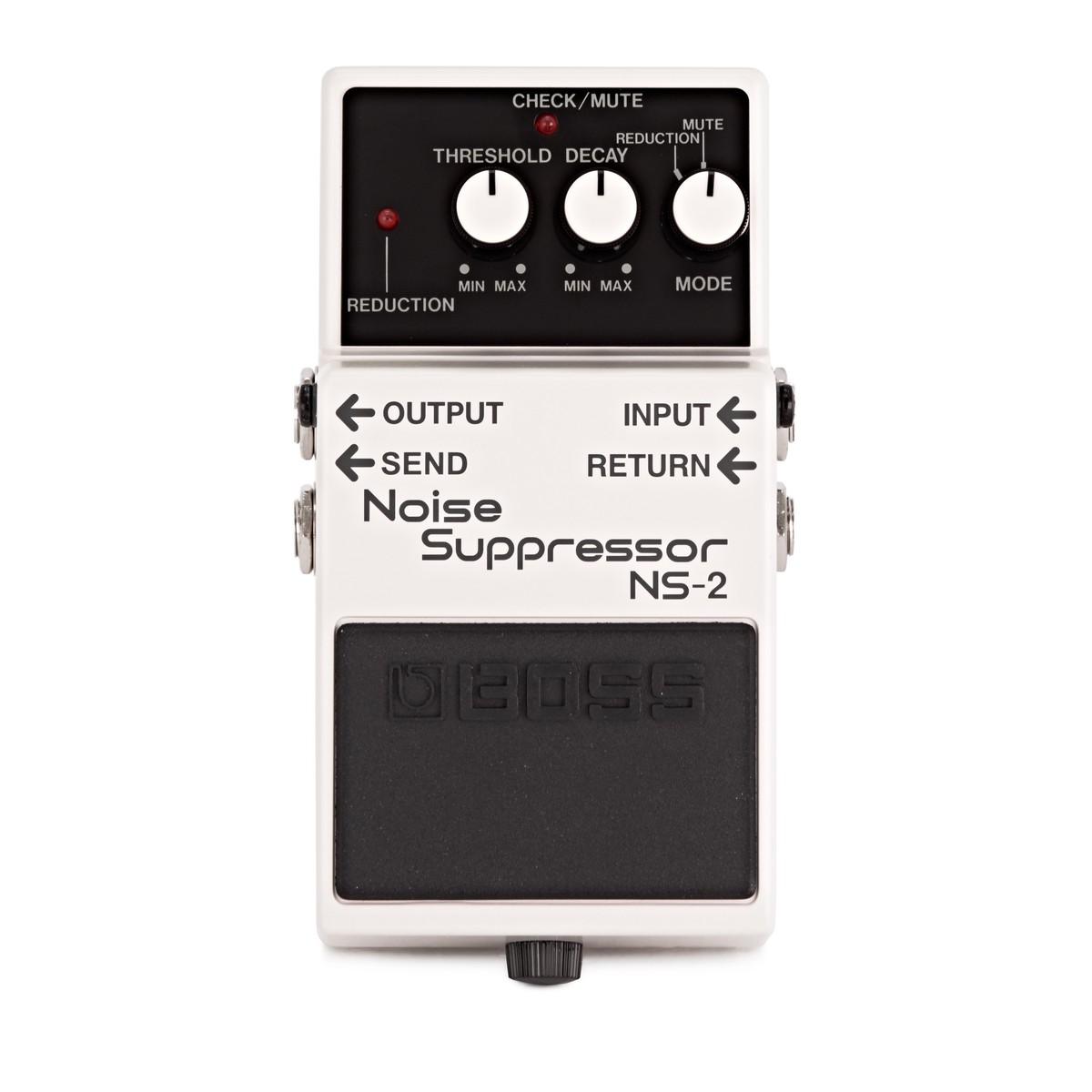
Boss NS-2 Noise Suppressor Guitar Pedal
Frequently asked questions
- What exactly is a barber-pole phaser?
- A barber-pole phaser is an effect that creates the auditory illusion of a frequency sweep that constantly moves in one direction (up or down) without ever ending. It is named after the rotating stripes on a barber's pole which appear to move upward continuously.
- What model is the Sinevibes Whirl algorithm based on?
- The Whirl plugin is based on a Bode frequency shifter model. This specific mathematical approach allows for the unique spectral movement and feedback characteristics found in the software.
- Is the Sinevibes Whirl a physical guitar pedal?
- No, the Sinevibes Whirl is a digital effect plugin. It is delivered as a digital download code via email for activation on a computer system.
- How many phaser stages does Whirl feature?
- Whirl features up to three fully synchronised barber-pole phaser stages. These can be adjusted to control the depth and drama of the filtering effect.
- Can the direction of the phase sweep be changed?
- Yes, the plugin features bipolar spectrum sweep frequency capabilities. This allows the user to change the motion from upwards to downwards seamlessly.
- Does this plugin include a feedback line?
- Yes, Whirl includes a feedback line within its algorithm. This is used to create more resonant and pronounced peaks and notches in the audio spectrum.
- What is the typical price for the Sinevibes Whirl?
- The Sinevibes Whirl is typically priced at approximately GBP 24. It is positioned as an affordable professional-grade utility plugin.
- Is the effect subtle or dramatic?
- It can be both; the control parameters allow for a range from subtle movement to deeply resonant filtering. The user has accurate control over how gentle or dramatic the final output is.
- How is the product delivered after purchase?
- The product is provided as a digital download code. This code is sent to the purchaser's email address for activation and software download.
- Does Whirl sync with a DAW's tempo?
- The phaser stages are described as being fully synced. This ensures that the barber-pole effect maintains consistent timing within a digital production environment.
- How does Whirl differ from a standard phaser pedal like the Boss NS-2?
- The Boss NS-2 is a noise suppressor, whereas Whirl is a modulation effect. Compared to a standard phaser like the Boss PH series, Whirl differs by offering an infinite, non-cyclic sweep rather than a back-and-forth oscillation.
- Can I use an expression pedal with this plugin?
- While the plugin itself is software, most DAWs allow you to map external MIDI controllers, such as a Yamaha FC7 via a MIDI interface, to control the plugin's parameters like sweep frequency.