
Gear article
SOMA Laboratory Harvezi Hazze
The SOMA Laboratory Harvezi Hazze is an experimental distortion pedal designed for guitars, synths, and studio sources, built around an unconventional unijunction transistor waveshaper. It distinguishes itself through its ability to transition fluidly between soft limiting, complex wave folding, and aggressive signal generation. Priced at approximately £291, the unit prioritises tactile, real-time sound design over fixed presets.
See live pricesOverview
The SOMA Laboratory Harvezi Hazze is a specialized distortion effect that deviates from traditional clipping circuits. While many distortion pedals rely on silicon or germanium diodes to shear off signal peaks, the Harvezi Hazze utilizes a waveshaper architecture. This allows it to function as a versatile texture tool for both instrumentalists and electronic music producers.
The device is built to handle a variety of input sources beyond the standard electric guitar. Its controls are designed for gradual, interactive shifts in timbre, encouraging users to find 'sweet spots' between different states of signal degradation and harmonic enhancement.
Circuitry and Key Features
At the heart of the Harvezi Hazze is a unijunction transistor (UJT), an early type of semiconductor rarely found in modern audio equipment. The UJT exhibits unique electrical behaviours that allow the pedal to move beyond simple saturation into the realms of wave folding and autonomous signal generation.
The signal path is structured in three primary stages: * Optical Compression: An initial stage that smooths out dynamic peaks, ensuring a consistent level before the signal reaches the distortion engine. * Dual-Mode Amplification: A switchable amplifier section that offers two distinct clipping profiles: a softer, more rounded response and a more abrasive, harmonically rich character. * UJT Waveshaper: The final core stage where the signal is reshaped, allowing for textures ranging from subtle colouration to 'broken' glitch-like sounds.
Sound Character
The sonic signature of the Harvezi Hazze is defined by its fluidity. Unlike digital emulations or standard high-gain pedals, the transition between light grit and total signal destruction is continuous. It is capable of producing gated, sputtering textures typically associated with failing circuits, alongside lush, saturated overtones produced by its wave-folding capabilities.
Because the internal components react dynamically to input gain and control positioning, the pedal can occasionally act as an oscillator or signal generator, creating complex timbres that interact with the original dry signal in unpredictable, organic ways.
Suitability and Integration
The Harvezi Hazze is best suited for experimental musicians, noise artists, and sound designers who prefer hands-on manipulation. Its lack of presets makes it a 'performer’s tool' where the user must actively listen and tweak the interface to respond to the environment.
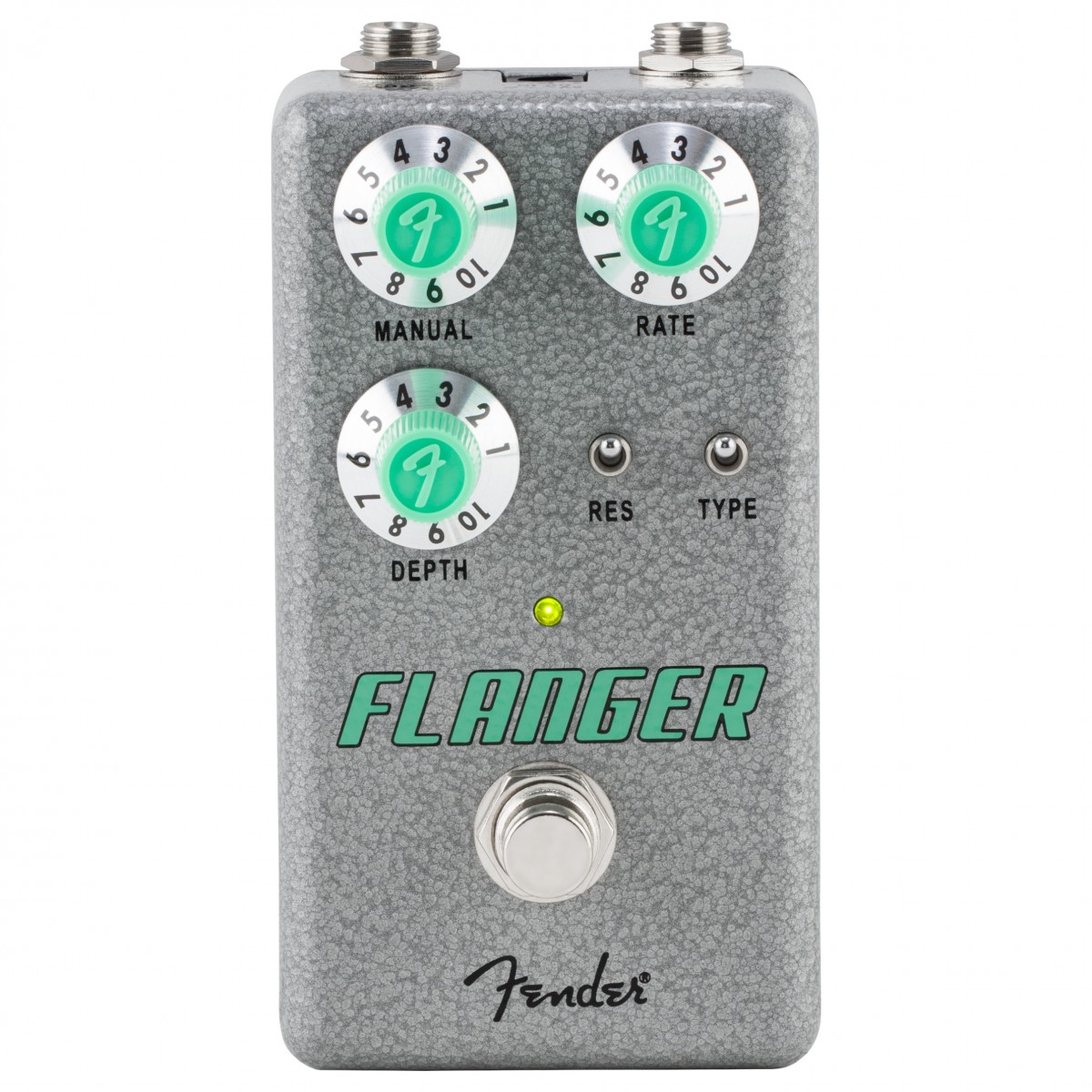
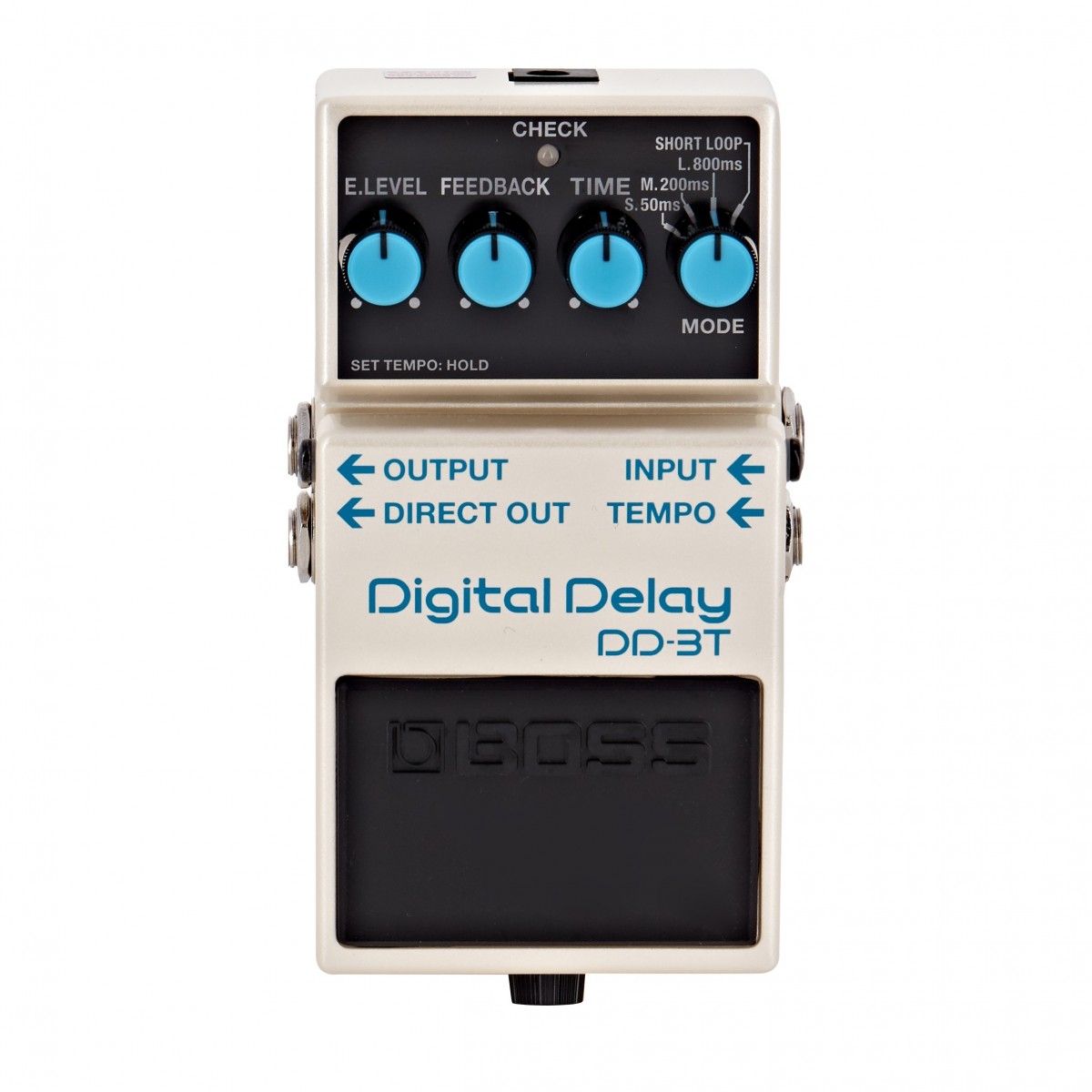
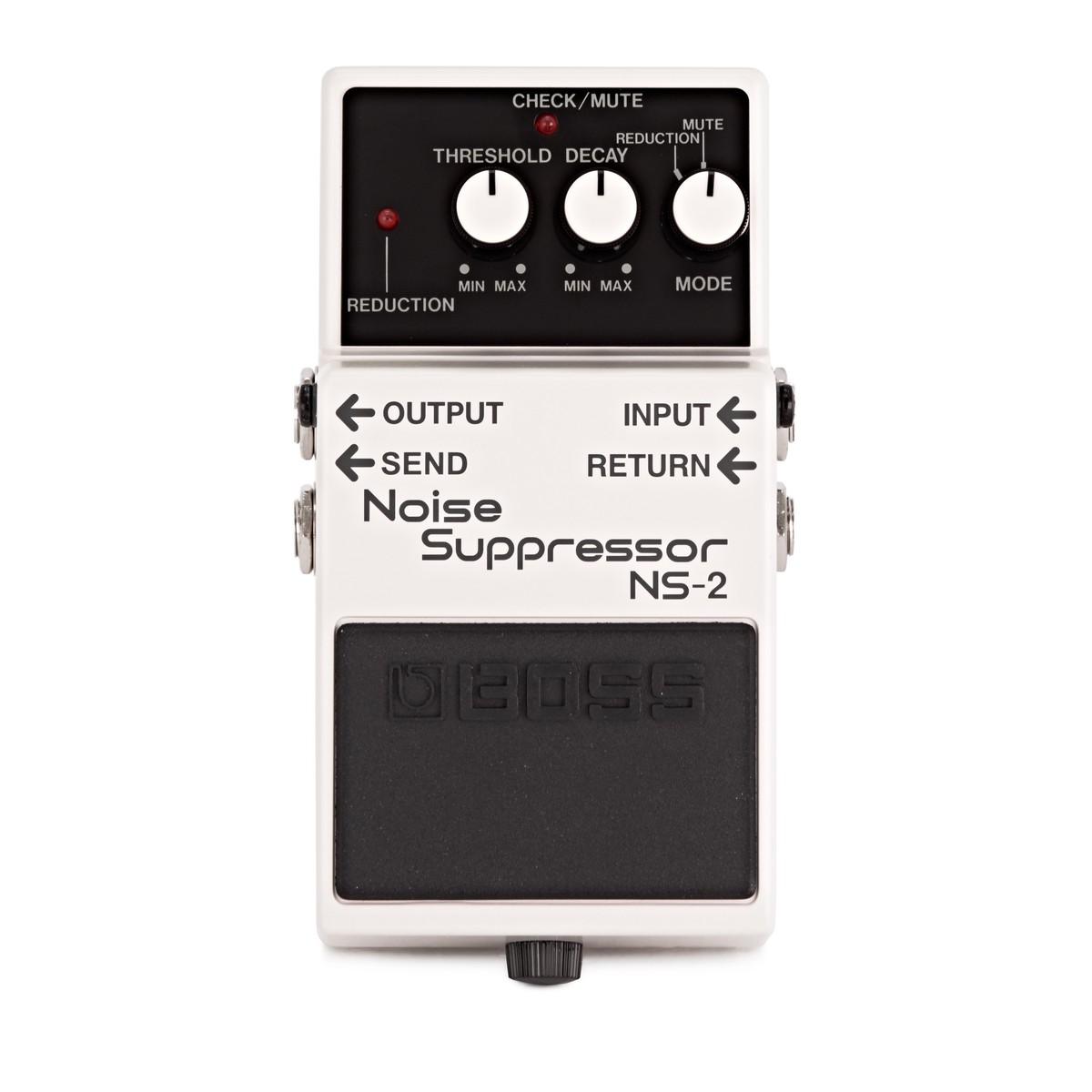
In a standard pedalboard setup, it can be complemented by traditional utility and time-based effects. For instance, a Boss NS-2 Noise Suppressor may be useful for managing high-gain textures, while a Boss DD-3T Digital Delay or Fender Hammertone Flanger can add space and movement to the dense harmonic output of the UJT circuit.
Comparison to Alternatives
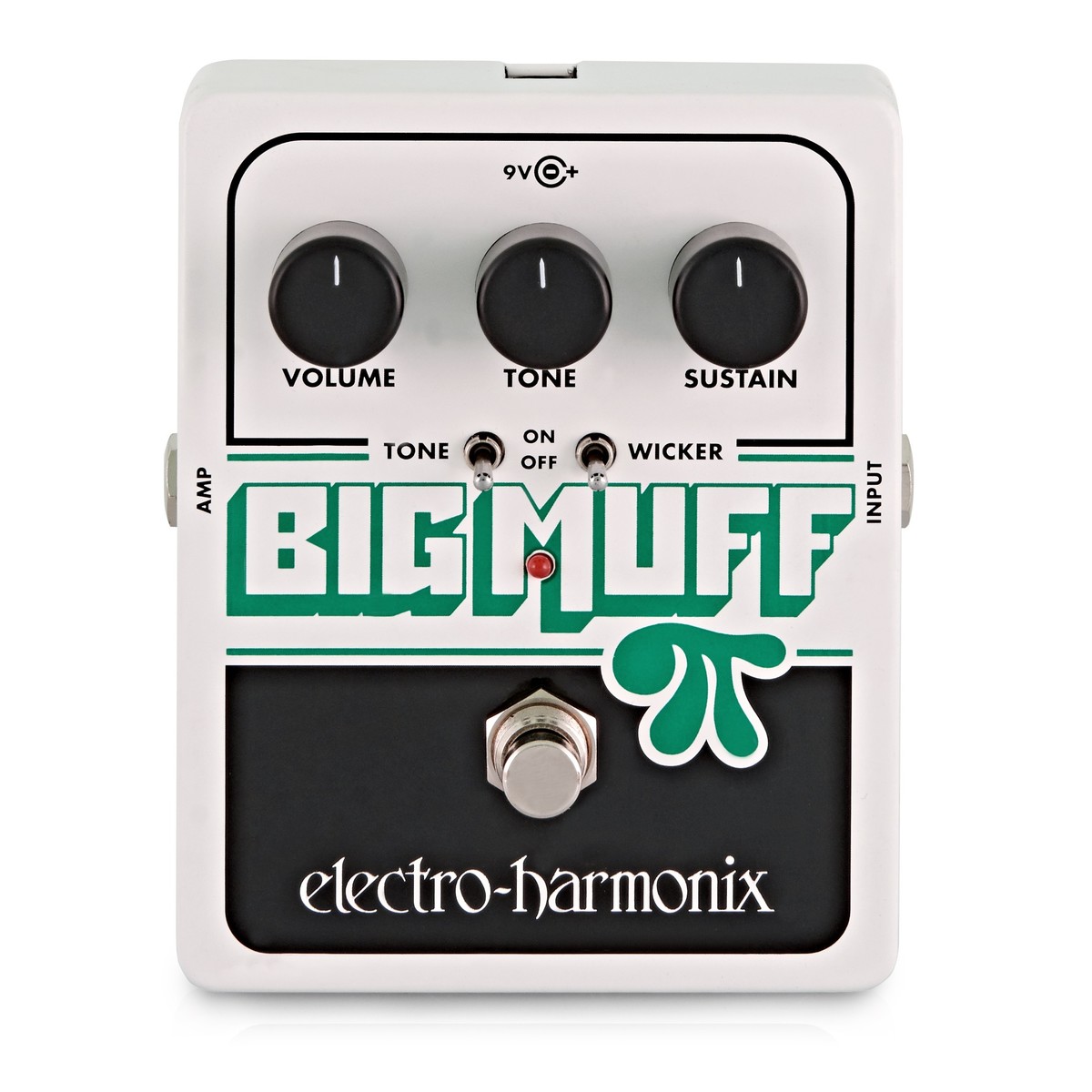
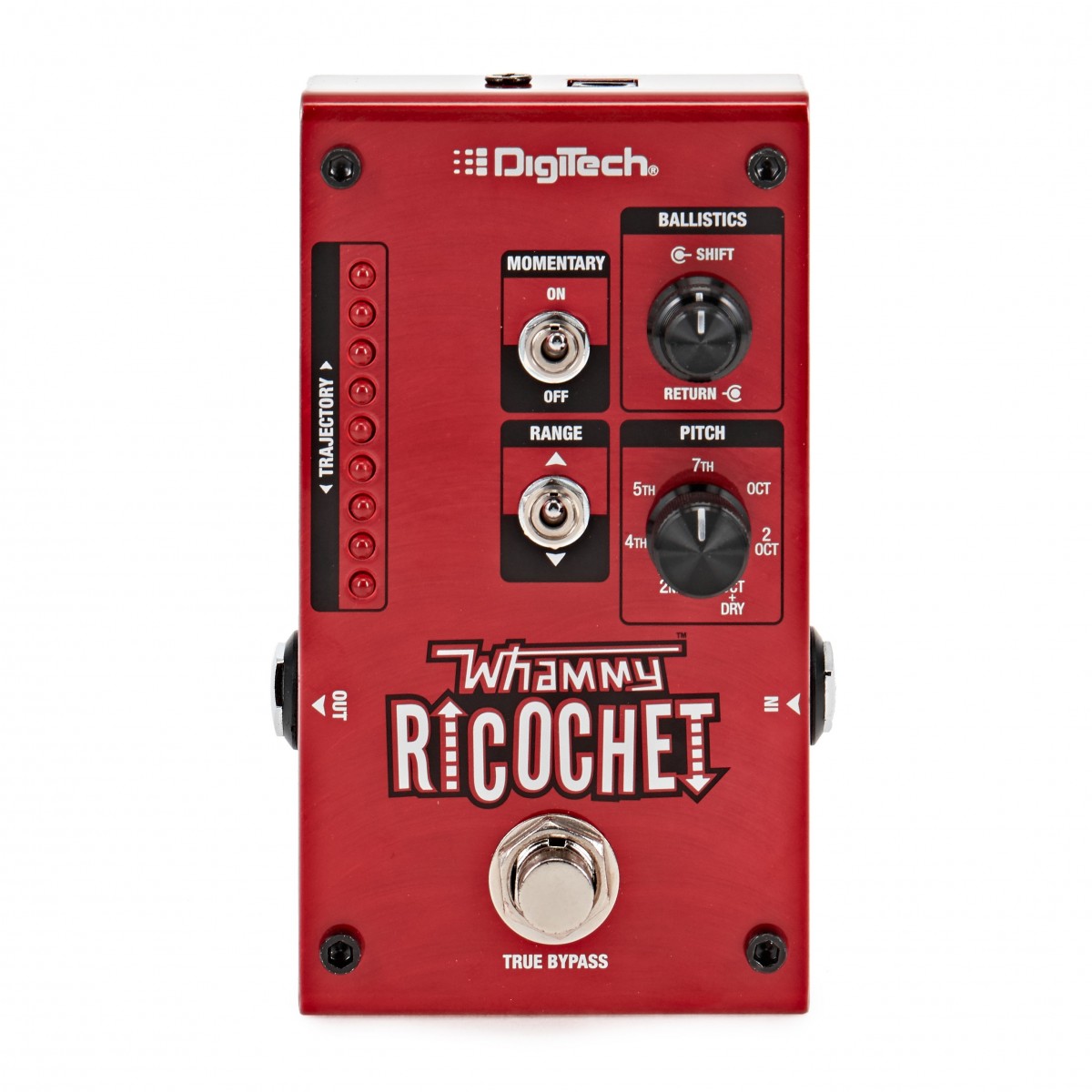
Compared to standard drive pedals like the Electro-Harmonix Big Muff, the Harvezi Hazze offers more complex harmonic shaping due to its unijunction transistor, whereas the Big Muff focuses on sustaining, saturated fuzz. Unlike the Digitech Whammy Ricochet, which provides pitch-shifting effects, the SOMA unit focuses purely on the integrity and deformation of the waveform.
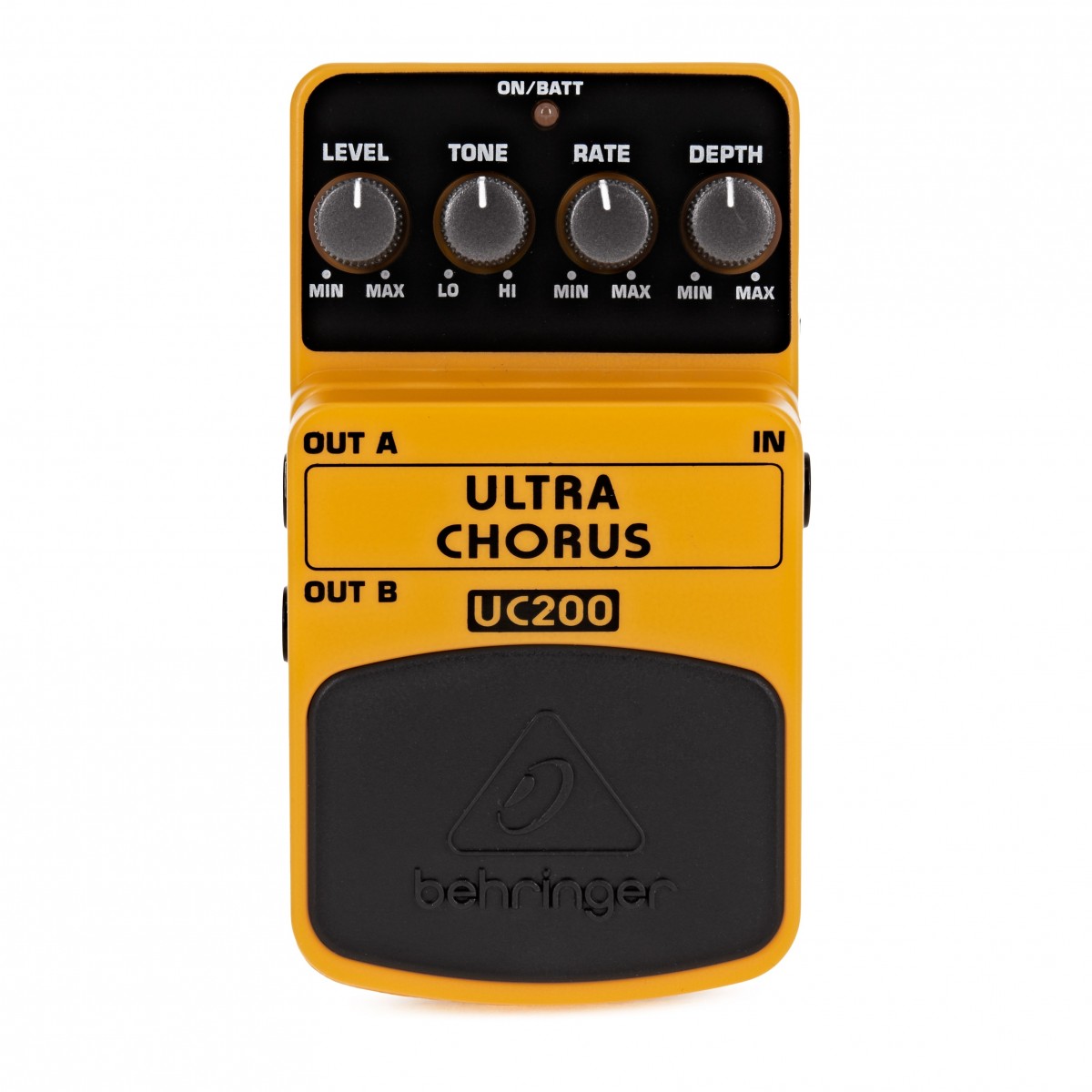
While entry-level modulation pedals such as the Behringer UC200 Ultra Chorus offer fixed, predictable effects, the Harvezi Hazze is designed for unpredictability and sonic exploration. It occupies a boutique niche similar to high-end experimental gear, reflected in its £291 price point, placing it as a premium alternative to mass-market distortion units.
Related gear
 £97.00 ($123)
Electro Harmonix
Electro Harmonix Big Muff Distortion Sustainer w/ Tone Wicker
 £129.00 ($164)
Digitech
Digitech Whammy Ricochet Guitar Effects Pedal
 £85.00 ($108)
Fender
Fender Hammertone Flanger Pedal
 £19.90 ($25)
Behringer
Behringer UC200 Ultra Chorus Pedal
 £259.00 ($329)
Dunlop
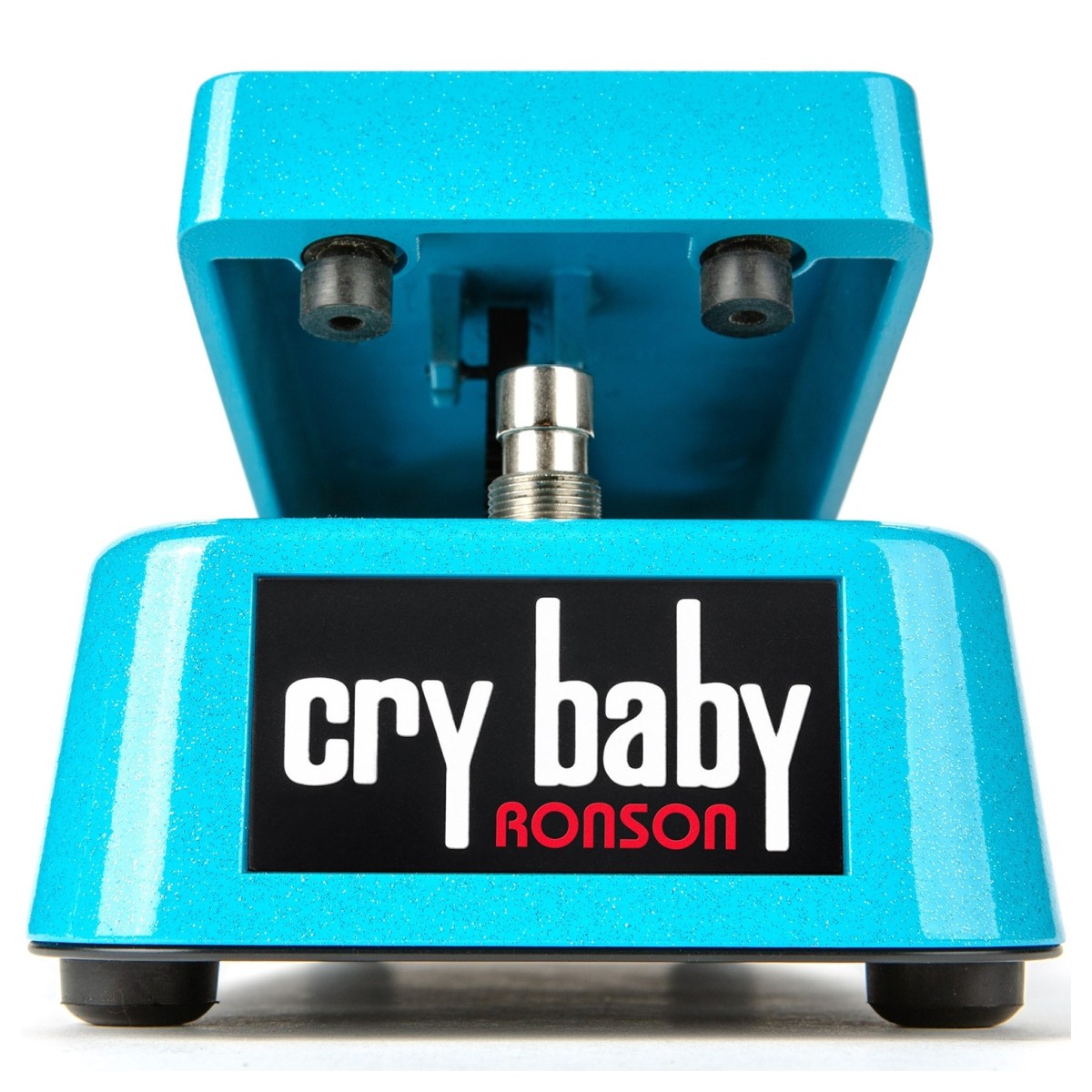
Dunlop Mick Ronson Cry Baby Wah
 £77.00 ($98)
Yamaha
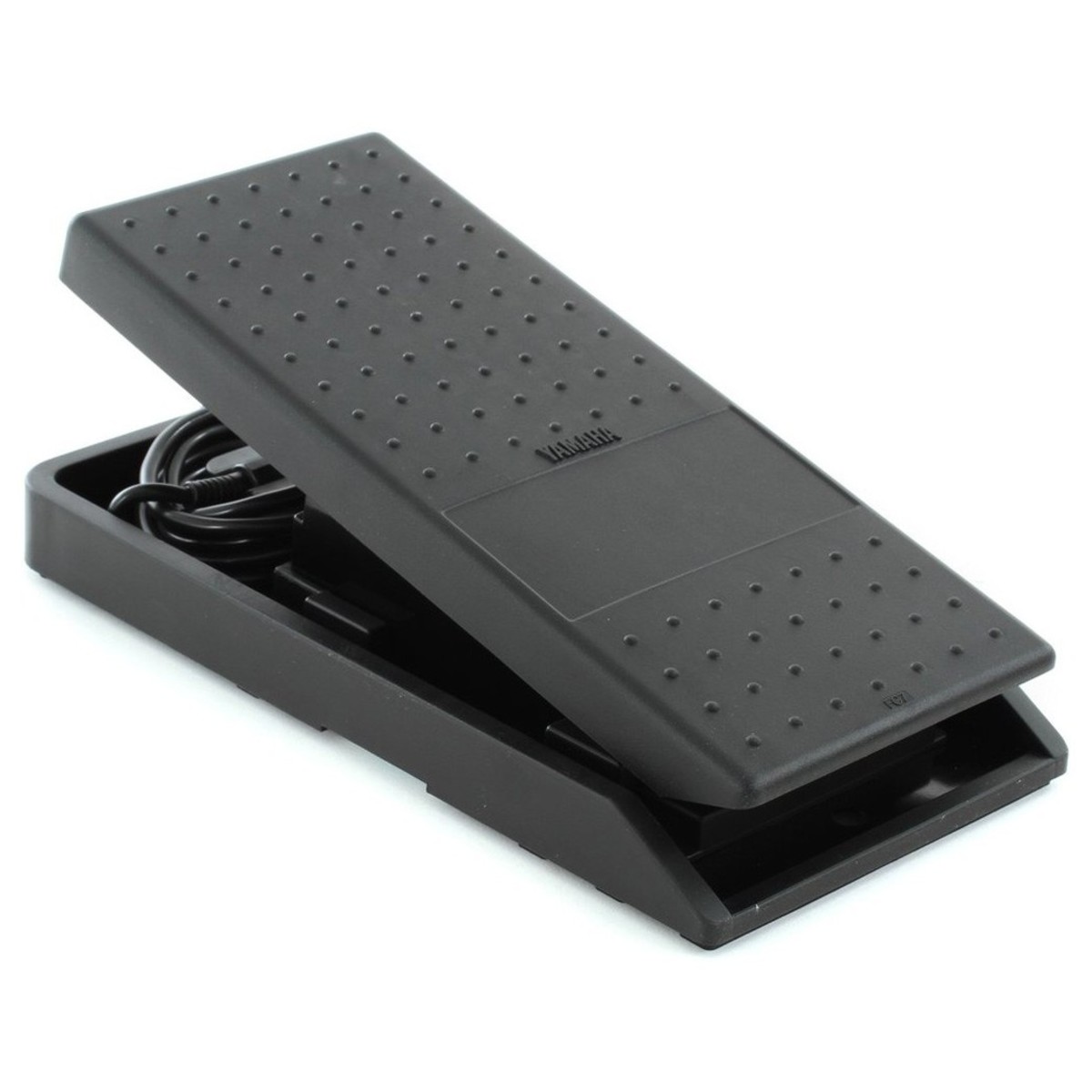
Yamaha FC7 Expression Pedal
 £175.00 ($222)
Boss
Boss DD-3T Digital Delay Pedal
 £99.10 ($126)
Boss
Boss NS-2 Noise Suppressor Guitar Pedal
Frequently asked questions
- What is the primary function of the SOMA Laboratory Harvezi Hazze?
- It is an experimental distortion pedal that uses a unijunction transistor waveshaper to provide effects ranging from soft limiting to aggressive wave folding and signal generation.
- What makes the Harvezi Hazze different from a standard overdrive pedal?
- Instead of traditional diode clipping, it uses a unijunction transistor (UJT) architecture, allowing for smoother transitions between distortion types and more complex harmonic reshaping.
- Does the Harvezi Hazze include a compressor?
- Yes, the signal path begins with an optical compressor that evens out the dynamics of the input signal before it reaches the distortion stages.
- How many amplification modes does the pedal have?
- It features a dual-mode amplifier that allows the user to choose between a softer clipping character and a more abrasive, rich distortion.
- Can I use the Harvezi Hazze with instruments other than guitar?
- Yes, SOMA Laboratory designed the pedal for players and producers exploring experimental sounds across various instruments and audio sources.
- What is a unijunction transistor (UJT)?
- A UJT is an early semiconductor component known for its unusual electrical behavior. In this pedal, it is used to create unique waveshaping and signal generation effects.
- Does the pedal have presets?
- No, the Harvezi Hazze does not have presets. It is designed for hands-on tweaking and careful listening to find specific, non-fixed textures.
- What is the typical price for this pedal?
- The Harvezi Hazze typically retails for approximately £291.
- Can the Harvezi Hazze produce 'broken' or 'glitchy' sounds?
- Yes, by adjusting the controls, the pedal can move from light textures to aggressive, broken sounds characteristic of its experimental design.
- Is the Harvezi Hazze suitable for standard heavy metal tones?
- While it can be aggressive, it is primarily intended for experimental sound design rather than traditional high-gain metal distortion.
- How does the optical compressor affect the sound?
- The optical compressor smooths out the dynamics of the incoming signal, which helps provide a more consistent response when the signal hits the UJT waveshaper.
- What other pedals might complement the Harvezi Hazze?
- It works well with noise suppressors like the Boss NS-2 to manage gain, or time-based effects like the Boss DD-3T delay and Fender Hammertone Flanger for added depth.