
Gear article
SOMA Laboratory Lyra-4
The SOMA Laboratory Lyra-4 is an organismic analogue synthesizer featuring four independently tuned voices controlled via skin-sensitive touch sensors. It is designed for sound exploration, utilizing FM synthesis, a dual-oscillator Hyper LFO, and a versatile integrated delay and distortion section to create evolving, non-linear soundscapes.
See live pricesIntroduction and Concept
The SOMA Laboratory Lyra-4 is a smaller sibling to the renowned Lyra-8, adhering to the 'organismic' synthesis philosophy developed by Vlad Kreimer. Unlike traditional subtractive synthesizers that use keyboards and standard envelopes, the Lyra-4 is built around a non-linear circuit design where components interact in complex, often unpredictable ways. The Pink edition provides a distinct aesthetic for a machine designed for deep sound exploration and expressive live performance.
Voice Architecture and Control
The synthesizer features four voices arranged in two distinct pairs. Each voice is independently tuned and can generate sounds ranging from clean organ-style tones to complex FM synthesis textures.
Instead of a traditional mechanical keyboard, the Lyra-4 employs skin-sensitive touch sensors. These brass contacts respond to the natural electrical resistance of the human body, allowing the player to act as a bridge for the internal control voltages. This interaction allows for highly dynamic control over the attack and decay of each voice based on the surface area and pressure of the finger contact.
Modulation and Effects
Modulation is driven by a dual-oscillator Hyper LFO, which can be routed to modulate voice pairs or the delay section. This allows for the creation of organic, shifting movements within the sound.
The signal path includes a unique integrated delay system. This delay supports external modulation and self-modulation, capable of pitch-bending effects and feedback-based oscillation. Following the delay is a distortion stage that interacts directly with the delay output, providing grit and further harmonic complexity to the final signal.
Connectivity and Build
The Lyra-4 is housed in a compact, rugged metal construction, making it suitable for both studio work and live performance. While it thrives as a standalone sound generator, it features external CV (Control Voltage) inputs, allowing it to be integrated into wider modular systems. The clear signal path ensures that the complex cross-modulations remain audible and distinct, even when high levels of distortion are applied.
Target Audience and Comparison
This instrument is primarily aimed at sound designers, ambient musicians, and experimental artists who value expressive, evolving tones over traditional melodic sequences.
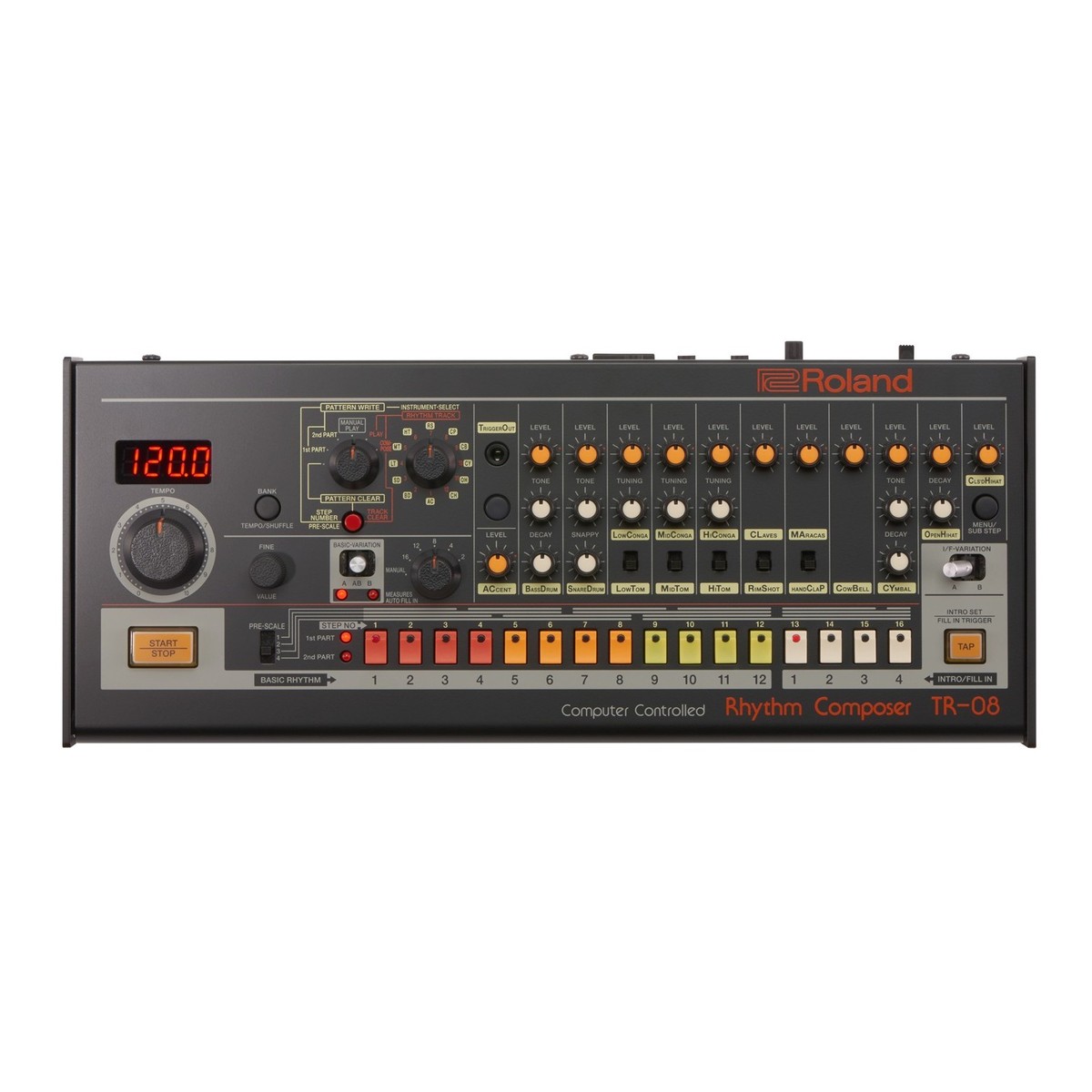
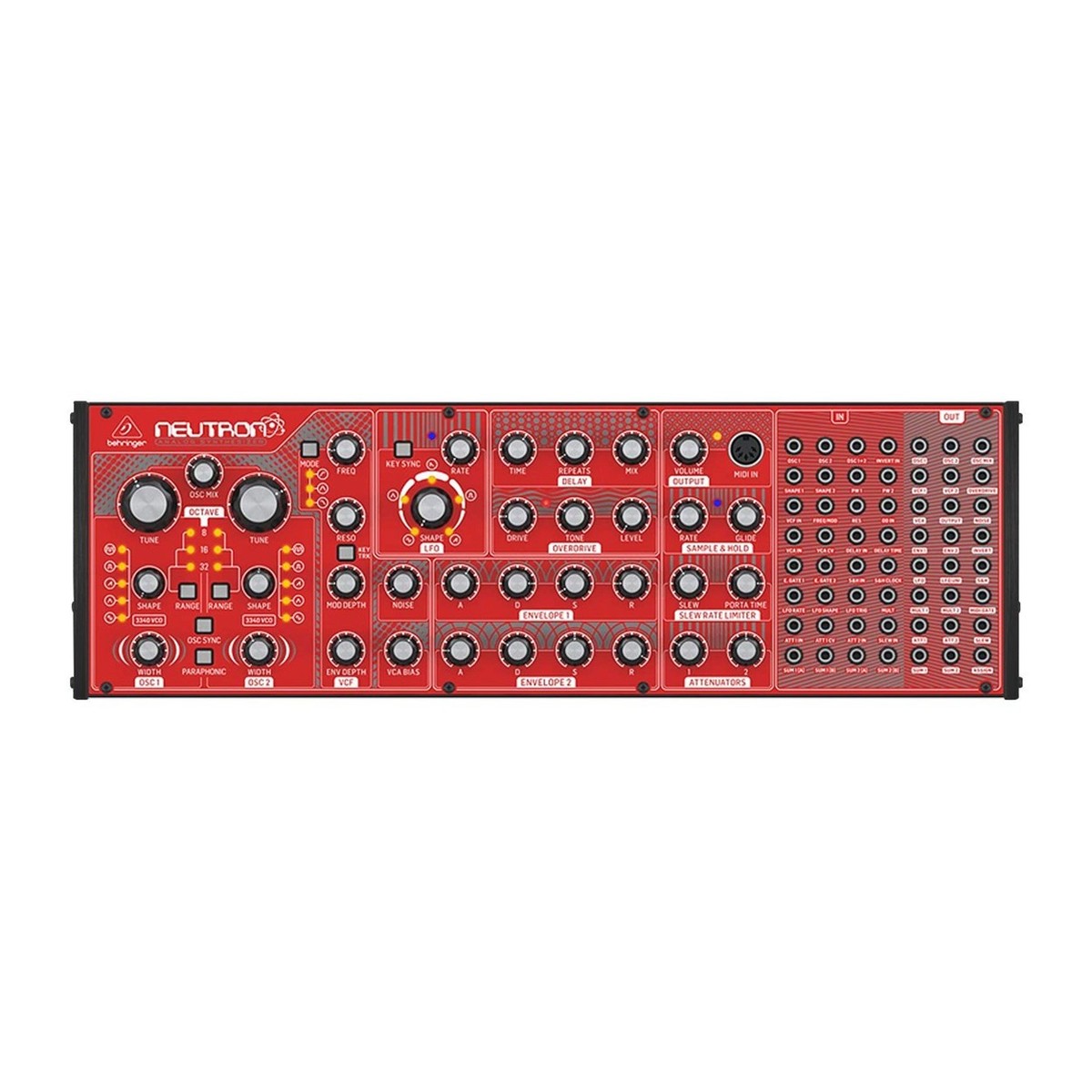
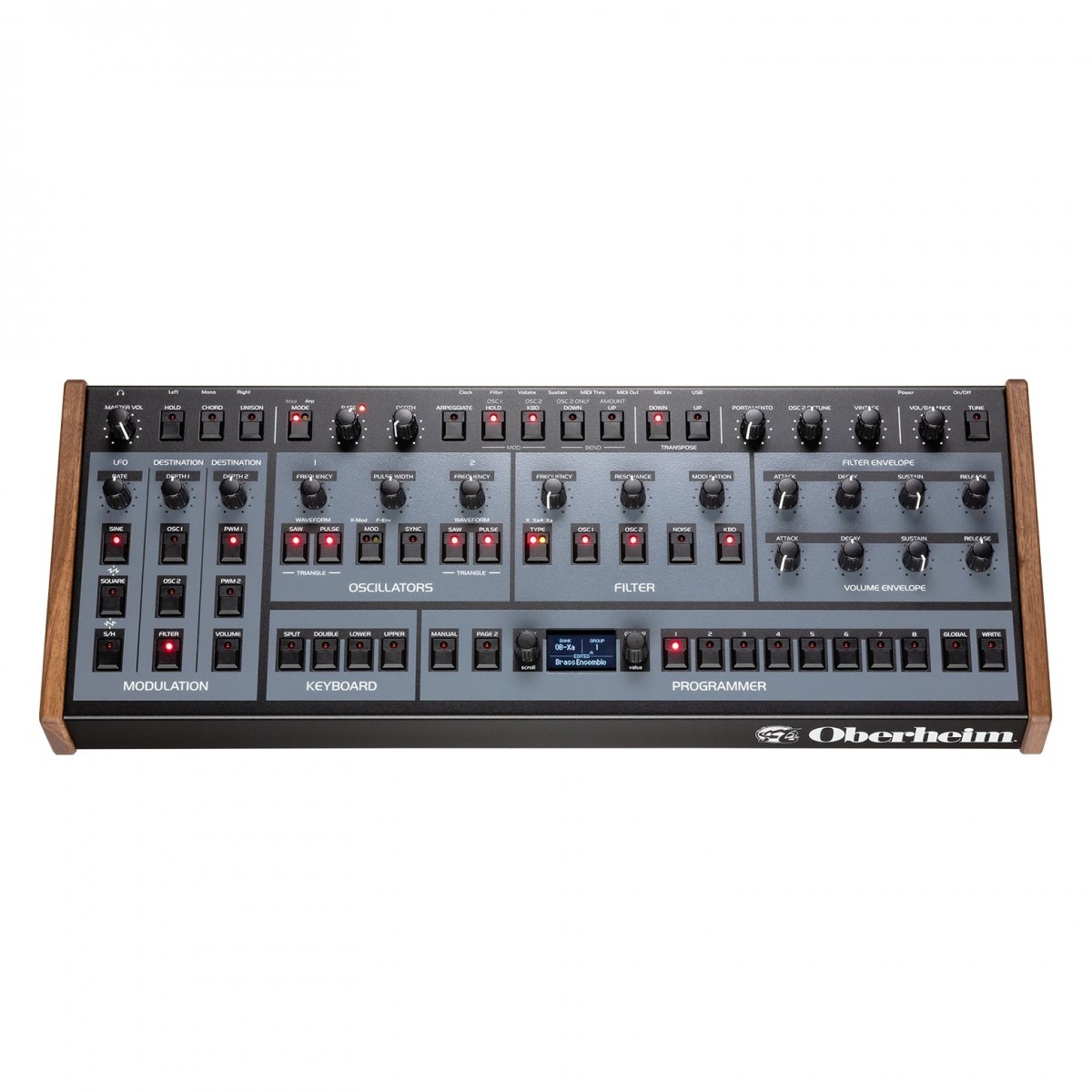
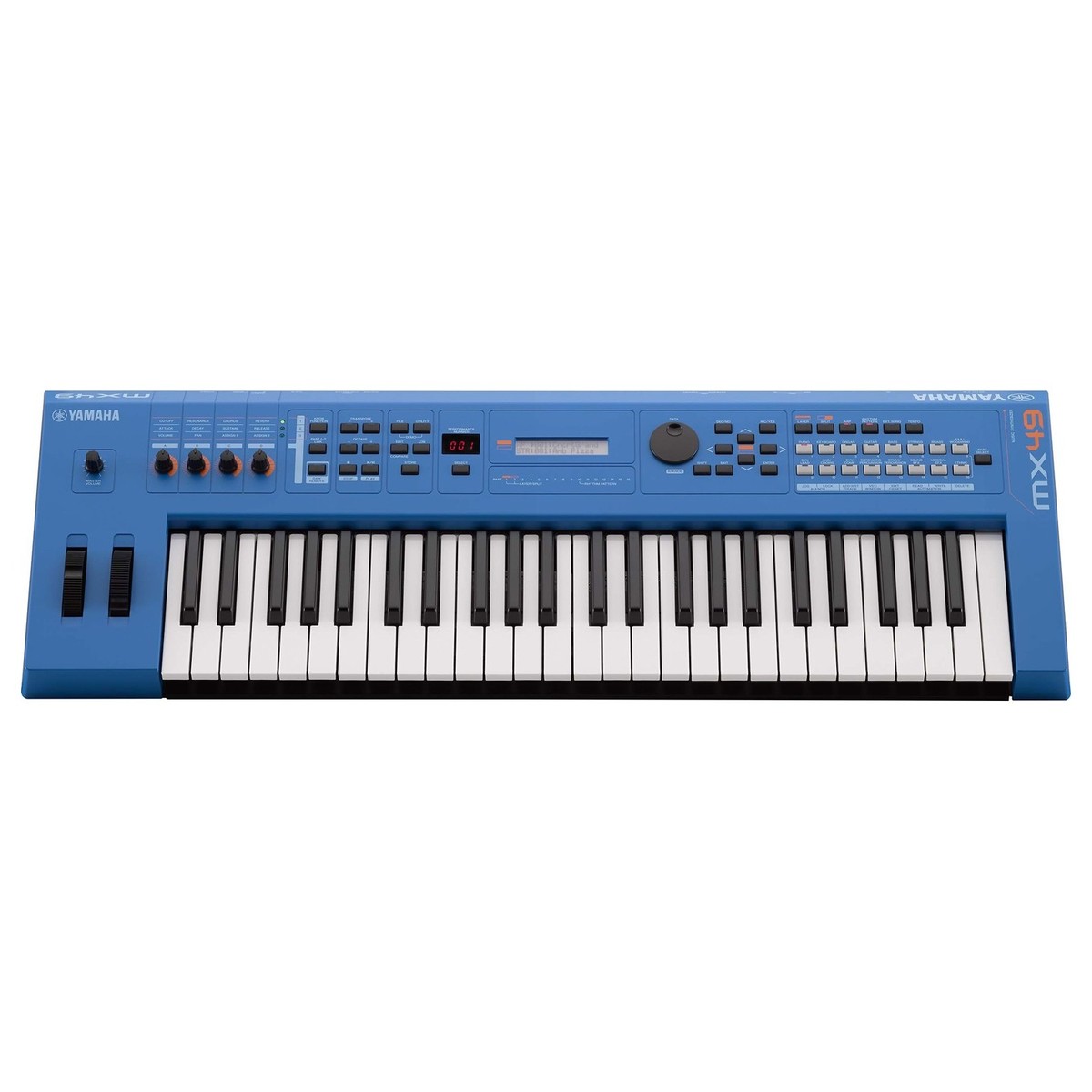
Compared to subtractive synthesizers like the Behringer Neutron or the Roland Boutique TR-08, the Lyra-4 offers a more chaotic and tactile experience. While the Oberheim OB-X8 or Yamaha MX49 II provide predictable polyphony and preset management, the Lyra-4 excels in the creation of unique, unrepeatable textures that respond to the physical touch of the performer.
Related gear
 £368.00 ($467)
Roland
Roland Boutique TR-08 Rhythm Composer Drum Machine
 £239.00 ($304)
Behringer
Behringer Neutron Semi-Modular Synthesizer
 £3,599.00 ($4,571)
Oberheim
Oberheim OB-X8 Analog Synthesizer Desktop Module
 £454.00 ($577)
Yamaha
Yamaha MX49 II Music Production Synthesizer Blue
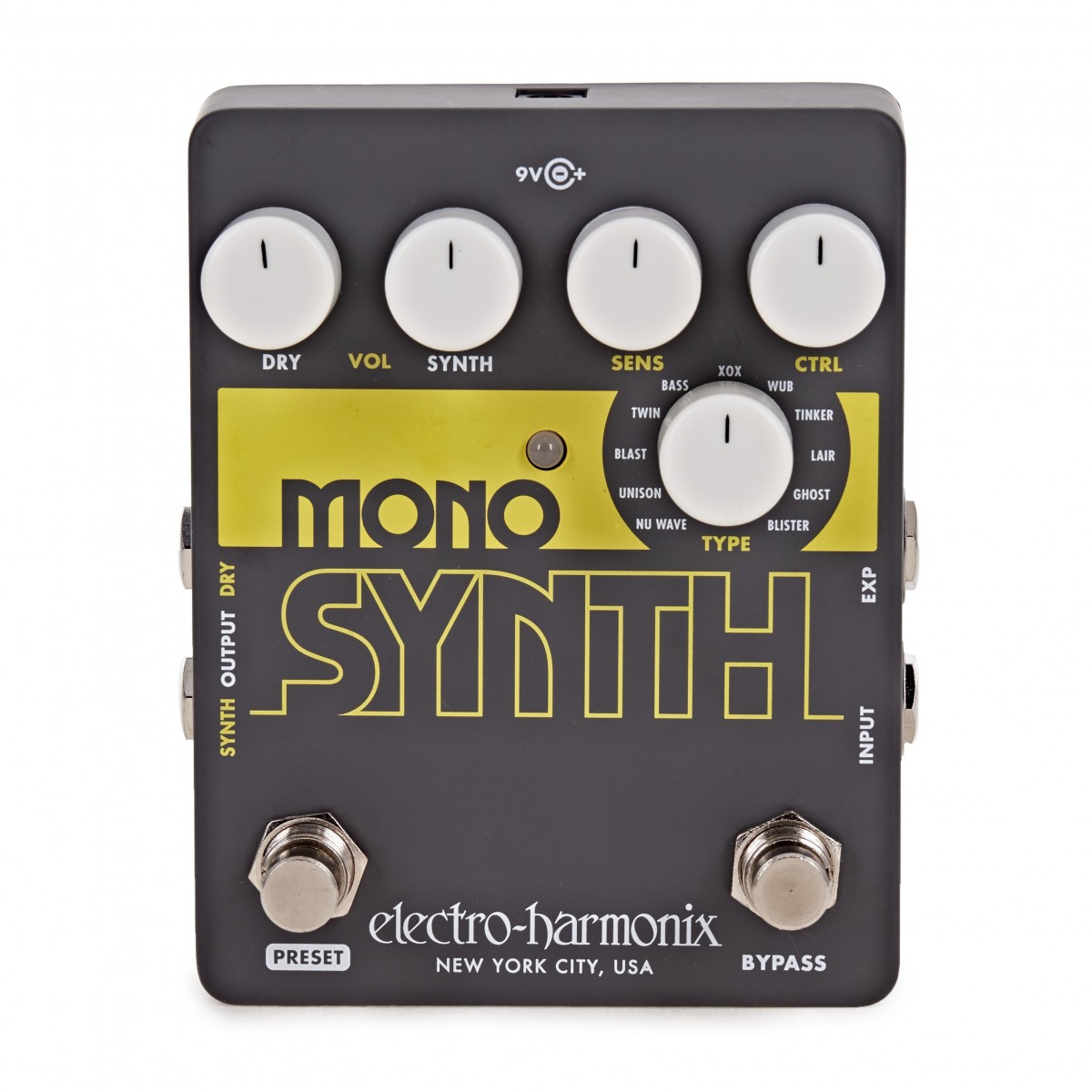 £113.00 ($144)
Electro Harmonix
Electro Harmonix Mono Synth Guitar Synthesizer
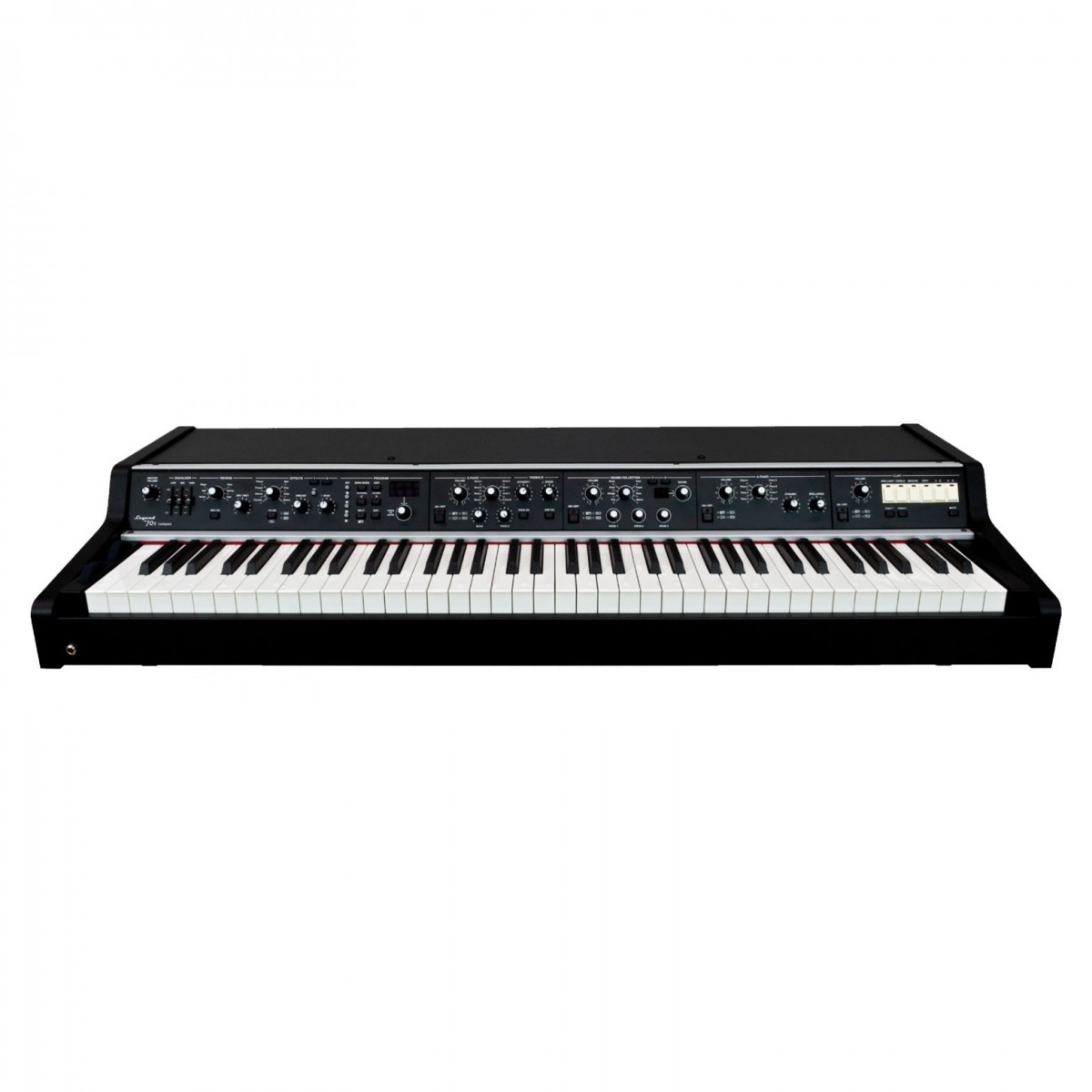 £2,248.64 ($2,856)
Viscount Organs
Viscount Legend 70s Compact EX Modular Stage Piano
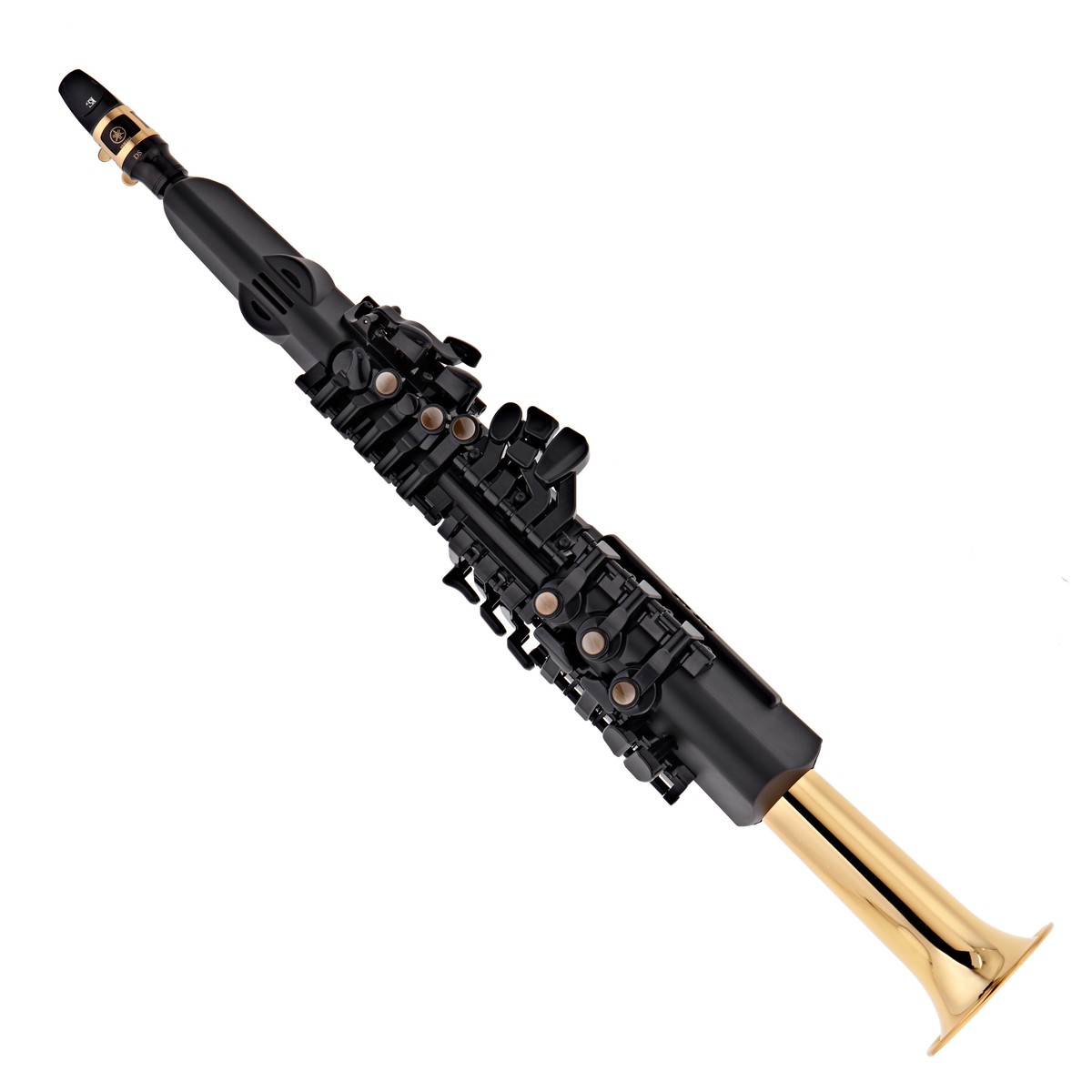 £637.97 ($810)
Yamaha
Yamaha YDS 150 Digital Wind Synthesizer
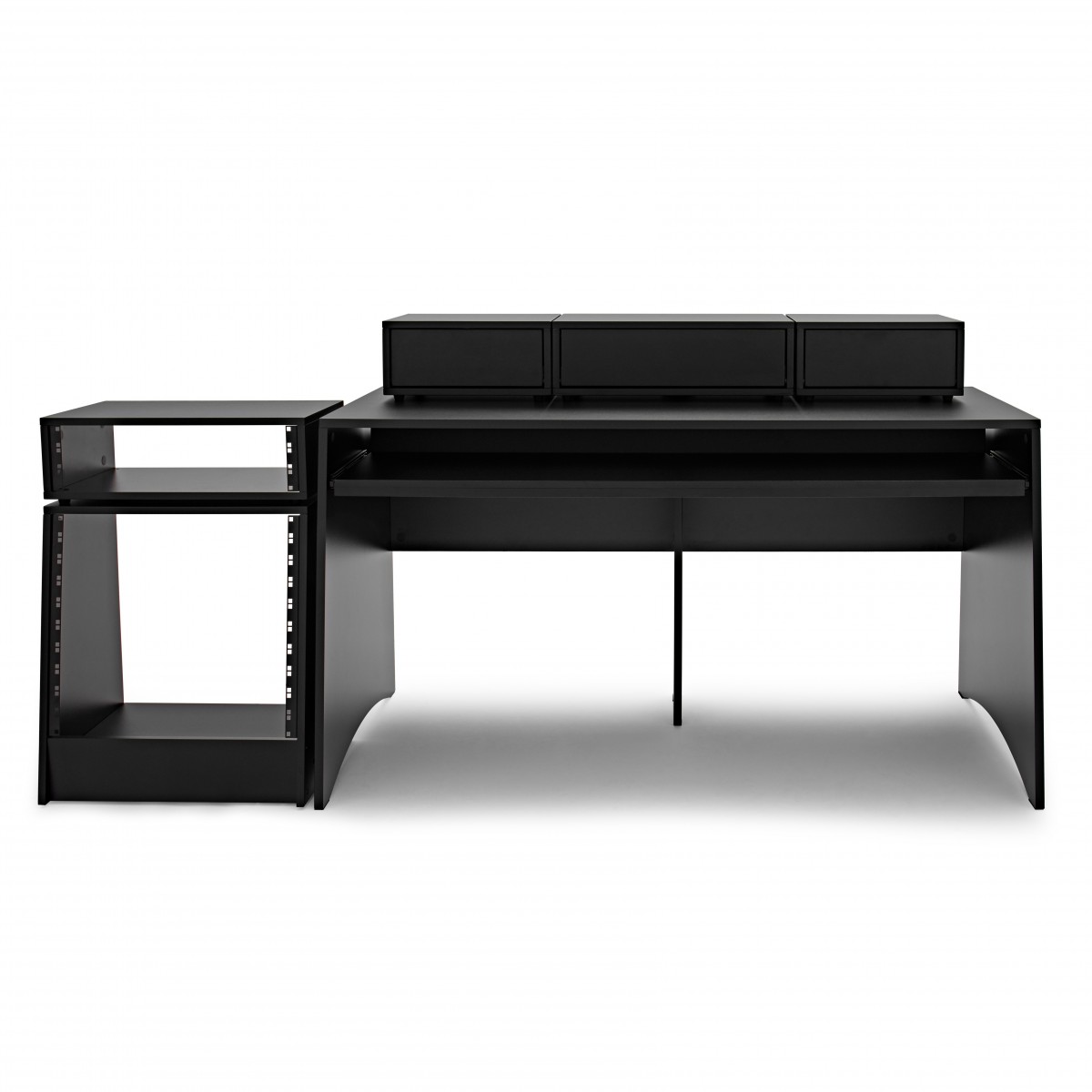 £499.99 ($635)
Gear4Music
modul Modular Complete Studio System Black
Frequently asked questions
- What makes the Lyra-4 an 'organismic' synthesizer?
- It is described as organismic because its internal components are interconnected in a non-linear fashion, similar to a living organism. Changes in one voice or modulation setting can influence other parts of the circuit, leading to complex and evolving interactions.
- How do the touch sensors on the Lyra-4 work?
- The sensors are brass plates that react to the electrical resistance of the user's skin. By touching the sensors, the user completes a circuit, and the amount of contact area influences the volume and dynamic response of the sound.
- How many voices does the Lyra-4 have?
- The Lyra-4 features four independent voices. These are organized into two pairs, allowing for both independent operation and complex cross-modulation between the pairs.
- Can the Lyra-4 be used for FM synthesis?
- Yes, the voices are capable of FM synthesis. This allows users to create metallic, harsh, or complex harmonic textures by having oscillators modulate each other.
- What is the purpose of the Hyper LFO?
- The Hyper LFO is a dual-oscillator low-frequency oscillator that provides complex modulation. It can be assigned to the voices or the delay section to create shifting, non-repetitive movement.
- Does the Lyra-4 include built-in effects?
- Yes, it features a unique modulated delay and a distortion stage. The delay is capable of self-oscillation and pitch-bending, while the distortion interacts with the delay output for added grit.
- Can I control the Lyra-4 with external gear?
- Yes, the Lyra-4 includes external CV control options. This allows it to be integrated with other modular synthesizers or CV-capable sequencers.
- Is the Lyra-4 suitable for traditional melodic music?
- While it can be tuned to specific pitches, it is primarily designed for experimental soundscapes and evolving tones. It lacks a traditional chromatic keyboard, making it better suited for sound exploration than standard keyboard parts.
- How does the distortion section function?
- The distortion follows the delay section in the signal chain. It is designed to interact directly with the delay's feedback and output, creating varied harmonic textures and aggressive timbres.
- What is the build quality of the Lyra-4?
- The unit features a compact and rugged metal construction. It is built to be durable for both studio environments and live experimental performances.
- What is the typical price range for the Lyra-4?
- The Lyra-4 typically retails around GBP 416. This makes it a specialized but accessible option for musicians looking for unique analogue textures.
- Does the Lyra-4 have a clear signal path?
- Yes, despite its potential for chaos, SOMA Laboratory designed the Lyra-4 with a clear signal path. This ensures that the intricate modulations and FM textures remain high-quality and defined.